Forrester

Capitalize On A CRM Strategy That Leverages Top Emerging Technologies

CRM continues to be a hot investment area for enterprises. Our data shows that close to 70% of organizations plan to increase their CRM investments over the next year. Why? Because CRM is at the heart of all customer operations that directly impact company revenue, and emerging technologies are boosting its power. These technologies provide deeper insights, automate tasks, and enhance personalization, making the front office vastly more effective. But adopting emerging tech is tricky. Often, the appetite for emerging tech outweighs its true, realized benefit. Enterprises also find real impact in small proofs of concept but then struggle to scale investments across organizations. Our report, The Top Emerging Technologies For CRM, 2024, explores the impact of emerging technologies within three benefit horizons: short-, medium-, and longer-term. Three technologies are poised to deliver ROI in the near term. Generative AI (genAI) for language, genAI for visual content, and TuringBots deliver real value right now. GenAI yields material benefits by empowering CRM users to reach new levels of productivity, to deliver a differentiated customer experience (CX), and to unlock new revenue streams. TuringBots speed the development of bespoke CRM applications, which accelerates innovation by allowing companies to iterate on user and customer experiences more quickly. Companies with advanced tech management strategies are already partway through a rollout or deep into pilots of these technologies. Even less technically mature companies are running pilots. You should be exploring or investing in them now. The promise of automating CRM actions dominates medium-term tech hopes. Medium-term (2–5 years out) emerging technologies focus on automating actions within CRM. AI agents automate customer-facing engagement such as sales prospecting or answering simple customer service inquiries. Explainable AI enables the front office to trust and act on “next best” recommendations, steps, and insights. It will be several years, however, before these technologies produce a significant benefit for most companies. Companies with advanced tech management strategies should be deep into piloting these technologies, while less mature firms should approach them with more caution. Two technologies present long-term potential for risk-takers. Web3 and extended reality have niche use cases today: Web3 CRM finds traction in industries such as nonfungible-token marketplaces and decentralized finance. Extended reality, used today for field worker training, onboarding, and field repairs, will have broader appeal for customer service and in select industries such as healthcare. Put these technologies on your watch list. Read our report on these technologies and let me know your thoughts. You can connect with me via inquiry or brief me about your technologies and customer success stories. source

Capitalize On A CRM Strategy That Leverages Top Emerging Technologies Read More »

Customer Marketers: Be Ambitious But Not Careless

Birth order is a fascinating field of observation. I love to guess whether someone is an eldest, middle, or youngest sibling based on their behavior as an adult. While I’m a firstborn who fits a lot of conventional birth-order wisdom, I’d select “choose your own adventure” youngest-sibling energy to describe today’s B2B customer marketers. Exciting choices and blazed trails abound, as the customer marketing role has expanded well beyond cross-sell and upsell to encompass a vast set of responsibilities including adoption, digital engagement, and customer advocacy. Forrester’s new State Of Customer Engagement Survey, 2024, shows just how expansive this role has become. Variety is thrilling. But I’d be remiss as the eldest sib if I didn’t give the same warning to customer marketers that I give to my own youngest child: Be ambitious but not careless. Long-term success requires you to take on the right things, not everything. Ambition And Recognition Are Worthy Goals; Scope Creep Is Not Our new data overview report on B2B Customer Marketing Responsibilities shows adoption, reference management, and digital programs among the top three customer marketing remits. The potential pitfall of that range of responsibilities: A whopping 86% of customer marketers said that their team has “too many competing priorities.” If that feels familiar, you might be spreading yourself too thin and creating unnecessary friction with other functions. To avoid this, you must prioritize. Here are some ideas: Write it down. A customer marketing charter captures customer marketing’s mission statement, key initiatives, stakeholders, and most important metrics. From experience with our customer marketing clients, I promise it’s not the “homework” it might feel like. A clear charter inspires your team by reminding them what customer marketing is about, helps socialize your contribution to the rest of the company, and protects against inevitable scope creep. We’ll have a customer marketing charter workshop at our B2B Summit in early 2025 to get you started on your own charter. Keep your friends close. Successful companies protect against overlap and border skirmishes by ensuring that post-sale engagement functions collaborate rather than override each other. As a customer marketer, you should work with customer success to support adoption and usage programs. You should partner with sales to make sure that reference programs align with buyers’ needs. You should work with portfolio marketing and product teams to build resonant digital experiences such as online communities and customer portals and glean valuable insight from customer interactions. Keep customer value front and center. The simplest litmus test? Repeatedly ask yourself whether a program or tactic contributes to maximizing value for the company and the customer. That might be economic or functional value. It might also, or instead, appear as symbolic or experiential value. Be willing to evolve. Maybe something worked in the past, but does it work still? If not, be willing to rebalance, refocus, and deploy your efforts where they will do the most measurable good. Read more about how customer marketers spend their time and resources, and where they’d like to do more, in the data overview report, B2B Customer Marketing Responsibilities. Contact us if you’d like to workshop your own customer marketing charter. source

Customer Marketers: Be Ambitious But Not Careless Read More »

What's The Difference Between Buyer's Journey Maps and B2B Revenue Waterfalls?

I recently had the opportunity to write a research report with Vicki Brown to tackle questions that we often get from clients: What is the difference between a buyer’s journey map and a revenue waterfall, and do they work together? The Buyer’s Journey Map Buyer’s journey maps are developed to represent the buyer’s view of the purchasing process. They help us understand what information buyers seek, when they need it, and where they go to find it. With that information, B2B marketers can build better go-to-market strategies and engagement plans. The B2B Revenue Waterfall™ On the contrary, the B2B Revenue Waterfall focuses on internal processes, tracking targeted opportunities as they move through the waterfall stages. The goal is for an organization to measure the flow of demand, inform demand program planning to increase the volume of opportunities, and improve the velocity of existing opportunities. Trying to conflate the two is dangerous and hinders the purpose of each framework. It also harms both buyers and sellers, because the waterfall stage for the group may not always equal where every buyer is in their journey. Do They Work Together? The answer: sometimes. Insights from both Forrester’s B2B Buyer’s Journey Map Framework and the B2B Revenue Waterfall can inform how to improve the other, but they are ultimately designed to do two different things. How does your organization plan (external view) and manage (internal view) demand generation programs in a way that serves both the buyer’s needs and the organization’s need to measure progress and manage resources? Forrester clients: Let’s chat more via a Forrester guidance session. Forrester clients also can access our report here. source

What's The Difference Between Buyer's Journey Maps and B2B Revenue Waterfalls? Read More »

Warning: The Mobile Endpoint In Your Pocket May Be Just As Vulnerable As Your Desktop

Microsoft Windows is the dominant desktop operating system globally, which is a primary reason why hackers target Windows continually, because even with a very low success rate due to Windows’ extensive protections, hackers know that their chances of conquest are better than on MacOS or other operating systems. This isn’t to knock Windows or praise Mac but to set the stage for a larger issue. Less common is the knowledge that Android is the markedly dominant mobile operating system, and partly because of that “honor,” malicious actors attack Android more frequently, leading to attacks like this, where malware gets loaded into the Google Play store and is installed on over 8 million devices. The problem that Windows and Android share, besides their global pervasiveness, is that both are designed with an ability for extensive customization. While each OS has core common functions, both are installed on a vast array of physical devices that neither Microsoft nor Google build, though both sell their own devices, too. This enormous flexibility can allow minor code changes to come through from the device platforms, such as device-specific drivers, that can then become new avenues for attack. MacOS and Linux have their own extensive list of vulnerabilities as well, but with around a 15% and 4% market share, respectively, hackers still prefer to target the larger-installed-base OSes. Android’s other issue, and one it shares with iOS, is that users work on mobile devices differently than Windows PCs. Smartphones have become very personal to the user, and the way applications are delivered, predominantly through the public app stores, is very different from how apps are delivered to business and even personal desktops. While Microsoft and Apple have app stores for Windows and Mac, usage of these within enterprises remains low. Even for fully managed business mobile devices, applications are usually delivered to Android devices through the Google Play store, just as iOS devices use the Apple App Store. This means you’re relying on the security operations of that third party to ensure that everything delivered to your smartphone (or tablet) meets high security standards. When enterprises introduce bring-your-own-device (BYOD) policies, new cyber risks emerge as users install and remove different apps to find the apps best suited to their personal tastes while the IT or security operations analyst is simultaneously trying to deliver the correct set of productivity apps approved for use by your employees. How do you ensure that those apps are safe and not compromised? And this is not an Android-only issue; iOS has its own headaches in the realm of apps and vulnerabilities. Bear in mind that while this latest issue for Android relates to apps delivered through the Google Play Store, both Android and iOS allow for the sideloading of applications (with iOS sideloading being limited to the EU and with some restrictions), so security and risk professionals need to understand the complete scope of the challenge before allowing BYO devices into the enterprise. What can you do about it? First, you should come see me at the Forrester Security & Risk Summit in Baltimore next week for my session, “Enhance Mobile Security With AI And Zero Trust.” The most important point, however, is to stop treating smartphones like they’re powerful phones and treat them like enterprise endpoints. Even in the world of BYOD, if a mobile device is accessing corporate information, you must apply Zero Trust principles and protect your business resources appropriately. If you wouldn’t let a random Windows laptop access your primary business apps without checking its security posture, then you should do the same with any Android or iOS device. If you can’t join me in Baltimore, please read The Forrester Wave™: Mobile Threat Defense Solutions, Q3 2024, to understand how mobile endpoint security vendors are providing solutions that help protect this valuable enterprise endpoint. source

Warning: The Mobile Endpoint In Your Pocket May Be Just As Vulnerable As Your Desktop Read More »

The Automation Paradox Strikes Again: Lessons From Woolworths “Amazon Era” Productivity Play

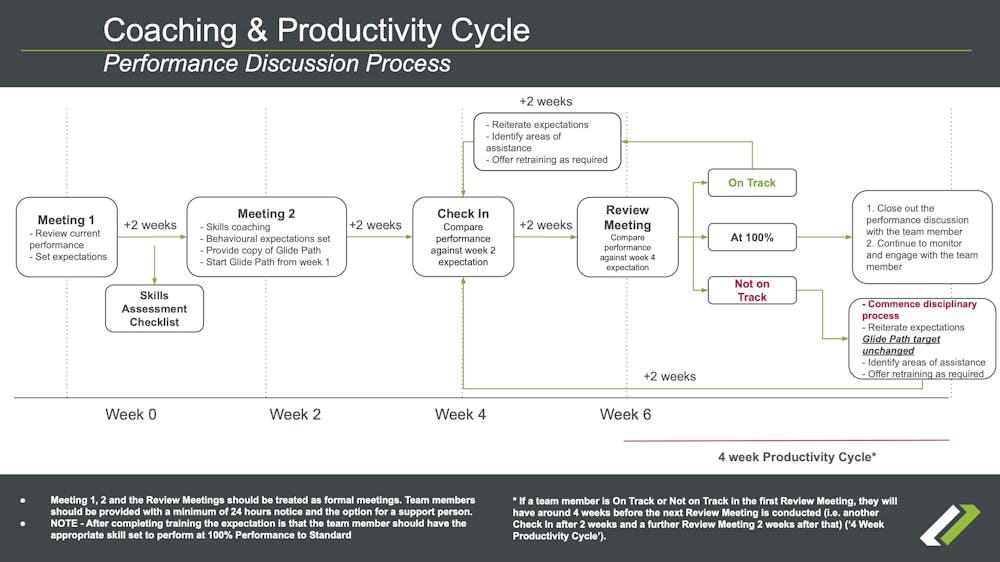
Recent worker strikes at Woolworths’ distribution centers in Australia have reignited concerns over the use of AI-powered productivity systems in the workplace. In early 2024, Woolworths introduced the “Coaching and Productivity Framework,” a new performance management program aimed at monitoring and optimizing workers’ output across warehouses. The program has drawn sharp criticism from warehouse workers for enforcing harsh quotas, increasing stress, and compromising safety. Stalled negotiations between Woolworths and the workers’ union resulted in empty shelves in Woolworths supermarkets across Victoria and New South Wales. This turns of events parallels Amazon’s ongoing challenges where similar technologies have led to burnout and high turnover rates. The Fantasy Of Idyllic Automation Efficiency Clashes With The Reality Of Workers Automation that prioritizes efficiency at all costs often exacerbates the very problems it seeks to solve, leaving both employees and businesses worse off. The Woolworths productivity framework exemplifies the automation paradox: As tasks become more automated, human roles become more critical — but also more taxing. Workers at Woolworths’ warehouses report skipped breaks, unsafe work speeds, and feelings of being treated as cogs in a machine. Amazon’s algorithmic management system has faced similar criticism, with workers describing dehumanizing conditions and dangerous expectations. https://theconversation.com/why-woolworths-workers-cant-sleep-at-night-inside-the-supermarket-giants-controversial-framework-242015 If you are looking to deploy such tools in your organization, carefully consider the impact on the employee experience (EX). If employees perceive AI tools as a source of mental and physical distress rather than enablement, their motivation and engagement will falter. The more anxiety and frustration they experience, the less likely they are to perform at their best. Forrester’s data says about half of the global workforce is somewhere on the burnout spectrum and 19% are in the “red zone,” which is defined by high burnout and low engagement. And one of the big factors contributing to anxiety around job security is AI: some 59% of workers fear they’ll lose their job to AI in the next 10 years and 86% feel someone else will lose their job to AI. The tech is not the problem: It’s the understanding, skills, and ethical awareness (also known as the artificial intelligence quotient, or AIQ) of employees that doesn’t match the moment, with only 14% of global individual contributors scoring high on AIQ. If you invested too little in AIQ readiness training in 2024, you must fix that in 2025. To get employees to a good place, think beyond the tech and mature your HR efforts. Use direct employee feedback to focus on improving issues that impact employees’ immediate well-being, such as salaries, benefits, and work schedules. The Financial Implications Of EX And Customer Experience Blunders Employees shape customer experience (CX), which shapes your brand. This is true not only of businesses with frontline workers but also those where the people are behind the scenes. Woolworths’ empty shelves during strikes illustrate how worker dissatisfaction can directly impact customers. At Amazon, algorithmic management has led to high attrition and operational errors, such as delayed shipments, which erode customer trust. Woolworths and Coles’ use of surveillance technologies — both for employees and shoppers — also contributes to a broader perception of distrust, making customers feel alienated. Trust is not abstract; it’s specific and measurable. An individual’s level of trust in a company drives revenue-generating consumer behaviors, such as likelihood of purchasing from a company again, preferring a company over its competitors, trying unrelated products and services, and sharing personal data. Forrester’s data says that 29% of customers will permanently stop doing business with a company after seeing news about poor employee working conditions, and 27% prefer doing business with a competitor who seems to have more ethical workplace conditions. Both Woolworths and Amazon aimed to increase efficiency and profitability with their respective systems but saw significant fallout. Amazon’s high turnover rates have increased its recruitment and training costs, while Woolworths has already lost $50m in grocery sales since the start of the workers strikes on November 21st, 2024. Recommendations To Mitigate Risks And Ensure Success Poor employee and partner experience have ripple effects across your entire value chain (both upstream and downstream), creating gaps that directly affect CX. Make supply chain risk management a top priority. Architect an ecosystem to connect, extend, and bridge EX and CX. By creating an experience architecture, you’ll enable the right capabilities at the right moments that empower employees to deliver great customer experiences. Lastly, establish KPIs that allow you to track progress toward your EX and CX objectives over time. Use data analytics tools to monitor customer and employee feedback, identify areas for improvement, and optimize your CX strategies accordingly. Avoid these negative financial impacts for your own organization: Rising operational costs: High turnover, workplace accidents, and disrupted supply chains add hidden costs to any efficiency initiative. Are you ready to account for these in your projections? Lost revenue from CX failures: Every disruption in your customer journey — from stock shortages to late deliveries — chips away at revenue and market share. How resilient is your system to these risks? Long-term brand devaluation: A damaged reputation has far-reaching consequences, from decreased investor confidence to dwindling customer loyalty. Can your brand afford to lose the trust it’s worked so hard to build? source

The Automation Paradox Strikes Again: Lessons From Woolworths “Amazon Era” Productivity Play Read More »

Announcing The Forrester Wave™: Marketplace Development Platforms, Q4 2024

Orchestrating your partner ecosystem creates new value with e-commerce. Make no mistake, becoming a marketplace is a business transformation, not a feature rollout. The number of ways that you can arrange your marketplace can be hard to imagine. Be ready to roll up your sleeves and formulate a distinct strategy, but don’t expect to pick from a menu of the most common. Doing so works against your potential and distracts you from your goal: to serve customers better by eliminating the constraints of your traditional business model (e.g., limited warehouse space, limited capital for inventory, limited merchandising staff). You must amplify what makes you great in your customer’s eyes. To arrive at that end state, the operational changes you make will be distinct to you and must be planned carefully with executive sponsorship. Three high-level factors make you distinct: What you sell (bits or atoms) To whom you sell it (consumers or businesses) Through whom you sell it (one or many tiers of channel partners or direct) That’s for starters. Being a one-stop shop for your industry sector looks different from the perspective of each participant. Your marketplace must optimize for each participant, and that’s a tall order. The technology comes in after you’ve formulated your strategy. You’ll compose your marketplace to power your distinct business model. This Forrester Wave™ evaluation looks at the nine providers that matter most. Each of them promises to help you unlock the infinite possibilities of the platform economy (within their area of focus). Those focus areas are, in order of increasing complexity: Selling atoms to consumers. Physical goods that are sold to one person. Think: Amazon.com. Selling atoms to businesses. Physical goods that are sold to organizations of requisitioners and approvers that have prenegotiated pricing and the ability to negotiate quotes. Selling bits to businesses. Digital goods such as IaaS, SaaS, and telco are sold through multiple tiers of partners that include distributors, value-added resellers, and managed service providers. This indirect channel is how large vendors like Microsoft sell to SMBs. Now also think: Buy with AWS. Selling bits + atoms to businesses. Multivendor bundles of connected devices and the applications that manage fleets of them toward outcomes is the most complex type of offering to transact self-service. It’s not for the faint of heart, but it is increasingly what buyers want (e.g., pay for outcomes). If you need help understanding how to select the platform upon which you’ll build your marketplace, let’s talk. Schedule an inquiry or guidance session with me to talk about how you can use our latest Forrester Wave evaluation to drive your selection of your marketplace development platform provider. I can ensure that it aligns with your strategic commitment to the pursuit of continuously improving business results through technology. In the meantime, Forrester clients can read The Forrester Wave™: Marketplace Development Platforms, Q4 2024. source

Announcing The Forrester Wave™: Marketplace Development Platforms, Q4 2024 Read More »

Black Friday and Cyber Monday 2024: Offers galore spur spending

Holiday offers started some time ago, but the US holiday shopping season has now launched in earnest. The National Retail Federation and Prosper Insights & Analytics estimate that the five-day period from Thanksgiving through Cyber Monday saw 197 million shoppers — the second-highest number since 2017. Adobe Analytics reports that US consumers spent $41.1 billion online during that time. We forecast that the season overall (November and December) will see $257 billion in US online sales. In Forrester’s annual review of 116 US websites during Black Friday and Cyber Monday, we saw that retailers and brands across sectors went all out to entice customers: Black Friday offers ran the gamut from sitewide to members-only perks. Fully 91% of the 116 retail and brand websites mentioned “Black Friday” on their home page, with most offering discounts. One-third offered a sitewide discount, including Ann Taylor, J.Crew, OLAY, Petco, and The Vitamin Shoppe. Other offers included gift cards on eligible purchases (e.g., Apple), while one in 10 sites provided additional perks for loyalty members (e.g., Brooks Brothers and The North Face). Free shipping offers were often based on minimum order values and/or reserved for loyalty program members. REI continued its long-standing “Opt Outside” tradition as it gave its “15,000 employees the day off.” Cyber Monday offers encouraged further spending. Similarly, 91% of the 116 retail and brand websites participated in Cyber Monday on their home page, and almost all of those had discounts and offers (yes, including REI). Across these sites, 35 offered a sitewide discount, including Estée Lauder, Gap, and Urban Outfitters. The Container Store offered online customers a sitewide 30% discount if they selected store pickup at checkout, which dropped to 25% off for orders that they had shipped. Some discounts were available only to members, including Academy Sports and Victoria’s Secret. Several retailers offered tiered discounts based on spend, including Bloomingdale’s and Disney, while others offered gifts with purchase, such as Aveda and Owlet. What’s Next? With three weeks to go before December 25, take a look at our 2024 holiday preparation blog series. This series features a treasure trove of advice from Forrester analysts to help you make the most of the coming weeks. You’ll learn how influencers are this year’s gift guides and how zero-party data gives you insights into your customers, plus smart tactics to protect your customers (and your brand) from phishing. And, further, learn how to bolster customer experience and sales by improving your website accessibility, site search, personalization, compelling creative, and customer confidence. If you’re a Forrester client, you can also schedule time with Forrester analysts via a guidance session or inquiry. source

Black Friday and Cyber Monday 2024: Offers galore spur spending Read More »

Introducing The Forrester Wave™: Digital Banking Processing Platforms, Q4 2024

Banks are looking to modernize their technology platforms and operations. Choosing the right core banking system is a crucial decision that affects customer experience, product offerings, strategic business models, and operational efficiency. The capabilities offered by digital banking processing platforms (DBPPs) have advanced rapidly and gained traction with banks that recognize their role in enabling digital transformation, reducing operational costs, and meeting the demands of consumers, businesses, and regulators. Driving The Digital Transformation Of The Bank The Forrester Wave™: Digital Banking Processing Platforms, Q4 2024, evaluates the top DBPPs driving digital transformation in banking. Successful digital transformation involves more than just impressive front-end applications. It requires overhauling a complex web of technology infrastructure and tightly coupled systems. These DBPPs, built on modern banking architectures, help financial institutions streamline their systems and compete effectively in a digital-first, open, decentralized, and AI-driven banking environment. This report provides an in-depth evaluation of the following top providers: 10x Banking Platform Finastra Essence FIS Modern Banking Platform Fiserv Finxact Infosys Finacle Intellect Design Arena IDC Mambu Core Banking Oracle Banking Suite SBS Banking Platform (formerly Sopra Banking Software) TCS BaNCS Temenos Core Banking Thought Machine Vault Core Consumer, SMB, Corporate Banking, And More — On One Platform Previously, we evaluated vendors separately for retail (consumer) and corporate banking platforms. Traditionally, banks deployed specialized core platforms for different business needs. But as vendors have enhanced their solutions and abstracted functionality from the core, the modern DBPP — headless, decoupled, and domain-driven — can now support all lines of business. This architecture allows banks to easily build or acquire needed business functionality or other specialty solutions. Retail, small- and medium-size business (SMB), corporate banking, and more can be managed from a single platform. This approach reduces IT overhead, simplifies procurement and integration, and allows banks to select the best solutions for any need. Every DBPP Vendor Is A New-School Vendor Now We have seen a significant shift in this marketplace: “New-school” systems weren’t previously mature enough to handle major banking requirements. Now we are seeing either robust core banking systems evolving into a modern DBPP offering or an enhanced “new-school” platform to support all lines of business. This has made the term “new-school vendor” obsolete. Migrations Involve Some Complex Choices Migrating to a DBPP from a legacy platform is not easy. The decision involves several complex considerations: The architecture. Banks will have to decide if they need comprehensive, out-of-the-box banking functionality immediately or if they want to move directly to a highly flexible platform that requires more developer and architect skill to integrate it with existing capabilities and third-party solutions. The cloud. The transition to cloud computing is more than a technical upgrade; it’s a strategic transformation that will define a bank’s operational and competitive capabilities for years to come. In moving to the cloud, banks will have to adopt new security, privacy, compliance, and systems management approaches to realize the benefits of scalability, flexibility, and cost efficiency. The implementation. Banks will need to evaluate their own capabilities for implementation and ongoing management, the vendor’s (or their partners’) implementation service offering, and their financial, compliance, and operational constraints before making this decision. Forrester clients can read our full DBPP Wave evaluation here and register for a webinar, to be held on January 16, 2025, that will go over our learning from this evaluation here. To explore how to transform your banking infrastructure with a DBPP in a personalized guidance session or inquiry, book time with me here. Not a Forrester client? Contact your Forrester account team now to learn more. source

Introducing The Forrester Wave™: Digital Banking Processing Platforms, Q4 2024 Read More »

Balancing AI And Humanity: Insights From Knowledge Management’s Biggest Events In 2024

Knowledge management (KM) is experiencing an exciting transformation fueled by the merging of generative AI, human-centered practices, and the evolving landscape of hybrid work. In 2024, two major events — Knowledge Summit Dublin and KMWorld 2024 — offered fascinating insights into this evolution. Attendees witnessed a remarkable journey, transitioning from imaginative discussions about AI’s potential to the tangible realities of its application in the field. Here are my key takeaways from these conferences that showcase the future of KM! Knowledge Summit Dublin: Merging AI And Human Creativity Held at Trinity College in June, Knowledge Summit Dublin showcased the synergy between generative AI and human experience. The conference’s theme, “Generative AI Meets Human Experience,” underscored that while technology is a powerful enabler, human creativity and collaboration remain at the heart of effective KM systems. One of the standout sessions, Stephanie Barnes’ “Radical KM — Art Aids Innovation,” explored how artistic practices could foster creativity and curiosity in teams. The session was a powerful reminder that KM is more than technological tools — it’s about cultivating a culture that values innovation and collaboration. In addition, Meta’s presentation focused on actionable strategies for integrating AI into KM through small, iterative implementations. Its approach provides a roadmap for organizations to experiment with AI while addressing real-world knowledge-sharing challenges. Interactive workshops like the Knowledge Café on conversational leadership emphasized the importance of tacit knowledge — the informal, intangible wisdom that drives meaningful collaboration. These discussions reinforced the need to balance AI capabilities with human interaction to create ecosystems where knowledge flows naturally. Knowledge Summit Dublin painted a compelling vision of generative AI as a complement to human ingenuity, creativity, and organizational culture, rather than a replacement for it. While we have been witness to the start of the evolution of knowledge management, it is clear through some of the dialogue and questions that the adoption of generative AI is in its early phase and that we are still figuring out how to make it scalable. KMWorld 2024: From Concept To Execution In The AI Era Fast-forward to November, and KMWorld 2024 in Washington, DC, marked a shift in focus toward operationalizing KM strategies powered by AI. Under the theme “KM & Enterprise Intelligence: Human or Artificial?” the event prioritized the practical realities of deploying AI in organizational contexts. Keynotes and case studies demonstrated how companies are using AI to streamline workflows, enable better decision-making, and unlock institutional knowledge. Panels tackled complex issues such as algorithmic bias, data privacy, and the importance of transparent governance. These discussions reflect a growing awareness of the ethical implications of AI-driven KM systems. Unlike Dublin’s emphasis on creativity and tacit knowledge, KMWorld 2024 zoomed in on measurable outcomes. For example, participants were introduced to frameworks for evaluating ROI on AI-powered KM initiatives. These metrics went beyond financial returns, including indicators such as knowledge accessibility, employee engagement, and process efficiency. Networking sessions explored solutions for fostering a culture of knowledge sharing in hybrid and remote work environments. These discussions showcased how organizations are enabling seamless collaboration across physical and virtual spaces, addressing the realities of today’s distributed workforce. With an entire track dedicated to storytelling, it is clear that this is an area of high growth worthy of Forrester clients’ attention. KMWorld 2024 shifted the narrative toward actionable strategies, demonstrating how organizations can integrate AI to deliver measurable value while navigating governance and ethical challenges. Emerging Trends In Knowledge Management The takeaways from these two conferences offer an exciting glimpse into the future of KM in 2025 and beyond! Generative AI is set to play a game-changing role, but its true potential will shine through when combined with a focus on human-centered practices. Here are some of the key themes that are starting to emerge that will help shape the future of KM: Balancing technology and humanity. Both events really emphasized the important balance between technology and our core human values. While AI can do a lot to streamline processes and boost efficiency, there’s no replacing the unique qualities of human creativity, empathy, and teamwork. The real challenge is finding ways to use AI that keep people at the heart of what we do. Ethical AI in KM. The increasing use of AI has sparked some important conversations about ethics. At KMWorld, participants highlighted how essential it is to focus on fairness, transparency, and accountability. As more organizations start using AI tools, creating clear governance frameworks will be key to keeping trust and integrity strong. Hybrid and inclusive collaboration. The rise of hybrid work is changing the way that knowledge moves within organizations. We’re seeing a growing need for tools that help share both tacit and explicit knowledge, making it easier to connect across distances and cultures. It’s so important that these technologies focus on inclusivity, ensuring that everyone’s voice is heard no matter where they are or what their role is. KM metrics beyond ROI. As more companies start adopting AI, there’s been a big shift in how they think about measuring the success of their knowledge management. Sure, ROI is still important, but it’s not the only thing on their minds anymore. Now, organizations are also paying attention to things like how well they retain knowledge, their capacity for innovation, and, of course, how happy their employees are. The Road Ahead For Knowledge Management After attending Knowledge Summit Dublin and KMWorld, I’m buzzing with excitement about the dynamic changes happening in the world of KM! Generative AI has stepped off the theoretical stage and is now a powerful, practical tool fueling efficiency and innovation. The shift from abstract AI concepts to real-world applications is palpable, with a strong focus on governance, accountability, and delivering tangible business results. As KM practitioners, we have an incredible opportunity to prioritize adaptability, ethics, and inclusivity, unlocking the true potential of our knowledge assets. In a rapidly changing landscape, KM is poised to be a key driver of resilience, sparking innovation and fostering long-term growth. I can’t wait to see what remarkable developments

Balancing AI And Humanity: Insights From Knowledge Management’s Biggest Events In 2024 Read More »

Measure Creator Marketing Partnerships With A Composite Set Of Metrics

Best-in-class creator marketing programs are multidimensional, with many different types of creators, content, and activations. As such, marketers should avoid looking for one “silver bullet” metric to determine the success of their creator partnerships. Of course, adequately measuring creator programs is easier said than done given that creator relationships are often dispersed throughout the enterprise — ranging from PR to media teams — and many measurement methods (e.g., brand health studies or marketing mix modeling) require a financial investment from the brand. Introducing Forrester’s Creator Composite Measurement Model In our just-published report, Forrester introduces a new model used to comprehensively measure creator marketing programs. Use this model to: Optimize the mix of assets and creators. Metrics for social media and paid media performance reveal how specific channels and creator content connect with consumers so that brands can make changes to their program strategy and execution. Measure short-term impact. Earned media value and social listening help brands benchmark their performance against past campaigns and competitors. Marketers can use sales impact metrics to see the attributable and correlated impact for funnel direct-response programs. Track long-term lifts and returns. Brand health studies reveal how creator partnerships influence consumer perception. Marketing mix modeling is increasingly a way for enterprise marketers to measure ROI for creator marketing programs, although it does come with challenges.   Forrester’s Creator Composite Measurement Model   Read the full report to learn how marketers are pulling creators into their marketing mix modeling and practices to better measure, defend, and grow creator marketing programs. Forrester clients, schedule a guidance session with me to discuss your creator marketing strategy. source

Measure Creator Marketing Partnerships With A Composite Set Of Metrics Read More »