marketing interactive

UK models launch petition to protect likeness from AI misuse

The British Fashion Model Agents Association (BFMA) has launched a petition titled “My face is my own”, calling for stronger protections against the unauthorised use of model likenesses by artificial intelligence technologies. Backed by 2,348 professional models, the campaign is pushing for immediate recognition of individual image rights and the establishment of clear ethical boundaries for AI use in fashion and media. The initiative highlights the risk that, without regulation, not just models but also creative professionals such as photographers, hair and make-up artists, and stylists could become vulnerable to exploitation by digital tools. In its petition letter, the BFMA stated that the signatories “do not (and have not) granted any permission for their likeness, image, and/or characteristics, to be used for any artificial intelligence purposes.” The association is demanding that express written consent must be obtained for any AI use, granted voluntarily, and on specifically agreed licensing terms. Don’t miss: Does REV Media’s AI boy group point to the future of branded content? The petition also flags a gap in UK legislation, where protections for image rights remain fragmented across data protection laws, advertising codes, criminal legislation and performer rights. “There is currently no single clear legal protection for misuse of an individual’s image (including for AI purposes),” the petition noted, adding that this uneven framework leaves individuals with “unequal bargaining power” against commercial stakeholders. By contrast, the BFMA pointed to stronger protections being rolled out in the EU and US, where new laws are being tabled to tackle the creation of non-consensual digital replicas and deepfake misuse. The association is urging the UK government to follow suit and address the issue directly in its upcoming AI legislation. Without swift action, the BFMA warned of significant risks to both careers and livelihoods. Models could see their images used without consent or compensation, while the industry as a whole faces the threat of widespread job losses.  The petition comes amid AI’s growing presence in the fashion industry. Most recently, Valentino, in collaboration with Vans, released an AI-generated campaign featuring models’ likenesses, emphasising that all imagery was created with the informed consent of the models involved. Not all in fashion, however, is embracing AI. In July, a Guess advertisement in Vogue sparked backlash on social media. The two-page spread in the magazine’s August issue featured a blonde model styled in high-fashion looks, with a small line of text noting: “Produced by Seraphinne Vallora on AI.” The model did not exist. Created by AI-driven creative studio Seraphinne Vallora, co-founded by designers Valentina Gonzalez and Andreea Petrescu, the campaign aimed to democratise high-fashion visuals through design-led AI tools. Instead, it drew criticism from fans who accused Guess and Vogue of sidelining real models, intensifying debates around creativity, labour, and beauty standards in fashion. Accelerate your brand’s growth with AI-first strategies, emerging tech and data-driven experiences. Join the industry’s leading marketers at Digital Marketing Asia 2025 Malaysia on 30 October to uncover transformative trends, real-world wins and powerful ideas for 2025 and beyond. Related articles:  Ralph Lauren brings in-store styling to phones with new AI tool  Malaysia Airlines introduces AI-powered cabin crew in digital push  Warner Bros. sues Midjourney over AI use of Superman, Batman and other iconic characters  source

UK models launch petition to protect likeness from AI misuse Read More »

PURE Singapore celebrates 20 years by inviting members to switch things up

PURE Singapore is celebrating its 20th anniversary with a refreshed brand push, expanded facilities, and new funding to support its next phase of growth. As part of the milestone, the fitness and wellness brand launched “Switch things up”, a new brand film created with Havas Play. The spot highlights fitness as a personal journey that evolves with each individual’s goals and lifestyle. It features Singapore-based instructors and facilities, and will run across digital platforms, social media, and in-club screens. The 50-second spot opens with a woman saying she is “not flexible enough”, before cutting to her holding a yoga pose in a group class, followed by an instructor guiding her in a one-on-one session. It then shifts to a man who claims “pilates is just stretching”, before showing him executing controlled movements on a pilates machine with a trainer. Don’t miss: PURE Group concludes branding pitch for Asia Next, a woman in a spin class remarks “this is too serious,”, only for the camera to pan out and reveal her grooving with the rest of the class. The ad then cuts to a man who insists “I’m already at my best”, before showing him pushing through a high-intensity workout. The spot closes with all four characters on screen, as the tagline “Switch things up” fills the frame. The film is part of the PURE Group’s “Turn life on” campaign, which was relaunched earlier this year. Alongside the film, PURE Singapore unveiled plans to enhance its studios following fresh funding from a strategic investment partner. Upgrades will include new gym equipment, expanded wellness services, and recovery facilities, as well as refurbished changing rooms and refreshed communal spaces. The most significant changes will be rolled out at PURE Yoga Ngee Ann City and PURE Fitness Asia Square, with elevated experiences introduced in phases from Q1 2026. Since opening its first Singapore location in 2005, PURE has expanded to become a well-known name in holistic wellness, according to the brand. Its latest investments reflect the brand’s push to adapt to an industry shifting towards flexibility, personalisation, and whole-person health. PURE said its decision to invest underscores confidence in Singapore’s potential as a fitness and wellness hub. “PURE has always been about more than just fitness and yoga. For me, it’s about creating a space where people can switch things up, recover, and discover what’s possible. That’s the future we’re building here in Singapore — one that puts personal wellness at the centre. And with Havas Play, we’ve been able to bring this vision to life in a film that truly captures our next chapter,” said Ron Hanerfeld, managing director, PURE Singapore.  Regionally, PURE Group has also teamed up with London-based marketing agency bloodstream to launch a 12-month brand initiative under its “Turn life on” platform. Backed by a US$7 million refurbishment programme, the campaign is available across Hong Kong, Shanghai, Beijing, and Singapore, and aims to reinforce the PURE premium experience. It will spotlight PURE’s diversified offerings, from yoga and HIIT to nutrition and meditation, designed as “big box” playgrounds for exploration. Accelerate your brand’s growth with AI-first strategies, emerging tech and data-driven experiences. Join 500+ marketing leaders at Digital Marketing Asia 2025 Singapore on 24–25 September to uncover transformative trends, real-world wins and powerful ideas for 2025 and beyond.  Related articles: PURE reportedly secures US$50m funding for debt    Anytime Fitness Asia wants to make working out fun by weaving it into daily life     Australia’s Elite Supplements picks new PR agency to lead Singapore launch source

PURE Singapore celebrates 20 years by inviting members to switch things up Read More »

Apple’s cinematic stunt proves the iPhone 17 Pro can take a beating

Apple has unveiled a cinematic new spot to mark the launch of its iPhone 17 and 17 Pro series, showcasing the durability of its latest flagship device. Titled “The ultimate pro”, the one-minute film is set to Connie Francis’ Come rain or shine and opens with a pirate plummeting from a ship explosion. A woman on a harness films the action with an iPhone 17 Pro mounted on a tripod, as debris crashes around her and the phone, yet both remain unscathed. The ad then moves through a series of high-intensity scenes: a journalist holding her ground in a raging storm while her crew scrambles for cover; filmmakers racing after horses down a muddy path as the device is splattered with dirt; and a driver speeding along a racetrack with the iPhone fixed to his dashboard, enduring clouds of dust and sand. Don’t miss: Apple spotlights Aceh’s Ratoh Jaroe dance in latest #ShotoniPhone feature In another sequence, a UFO slams into a dystopian set, sending debris flying into the crew as the iPhone continues recording. The spot closes with a helicopter roaring overhead as people duck for cover—while the orange iPhone 17 Pro stands steady, framed as unbreakable. “This is iPhone 17 Pro. With a durable design and 48MP Pro Fusion camera system, it’s the ultimate Pro. It has a heat-forged aluminum unibody, and ceramic shield now protects the back, while on the front the new ceramic shield 2 has three times better scratch resistance. iPhone 17 Pro is loaded with the most cinematic camera we’ve ever made, featuring an eight-times optical-quality zoom to get even closer to the action,” the caption read.  MARKETING-INTERACTIVE has reached out to Apple for more information.  The campaign lands just as Apple prepared for its iPhone 17 reveal, and rival Google was quick to seize the moment. The tech giant released a cheeky Instagram video featuring its Pixel phone alongside an iPhone in a field of chickens. The skit opens with iPhone struggling to teach the birds to sing, a callback to an earlier Pixel video, before Pixel reveals the chickens were created using its Gemini AI tool. Pixel then shows off further AI-generated clips, from turtles running an investment bank to reptiles studying mathematics, prompting a comical “Oh no” from iPhone. The Instagram caption read, “When iPhone’s plans run afowl, Pixel promptly generates some helpful advice,” positioning the video as both a showcase of Gemini’s creative capabilities and a playful jab at its rival’s big launch. Apple is also no stranger to cinematic storytelling. For Chinese New Year earlier this year, the brand released “I made a mixtape for you“, a film entirely shot on the iPhone 16 Pro. Directed by The Greatest Showman’s Michael Gracey, the campaign was created with TBWAMedia Arts Lab Shanghai and featured Oscar-winning cinematographer Erik Messerschmidt, Hollywood choreographer Ashley Wallen, and Shanghai screenwriter Wu Jue Ren. The short film follows a young man named Wei as he embarks on a journey to find love, showcasing the advanced camera capabilities of the iPhone 16 Pro. Accelerate your brand’s growth with AI-first strategies, emerging tech and data-driven experiences. Join 500+ marketing leaders at Digital Marketing Asia 2025 Singapore on 24–25 September to uncover transformative trends, real-world wins and powerful ideas for 2025 and beyond.  Related articles:    Apple’s CNY shot on iPhone 16 film is a nostalgic, dreamlike musical A hit on beloved Apple as ‘eavesdropping’ and ‘spying’ associated with US$95m Siri settlement?  Is Hongkongers’ excitement over Apple’s iPhone 16 enough to make them spend?  source

Apple’s cinematic stunt proves the iPhone 17 Pro can take a beating Read More »

How brands can put the 'social' back into social media

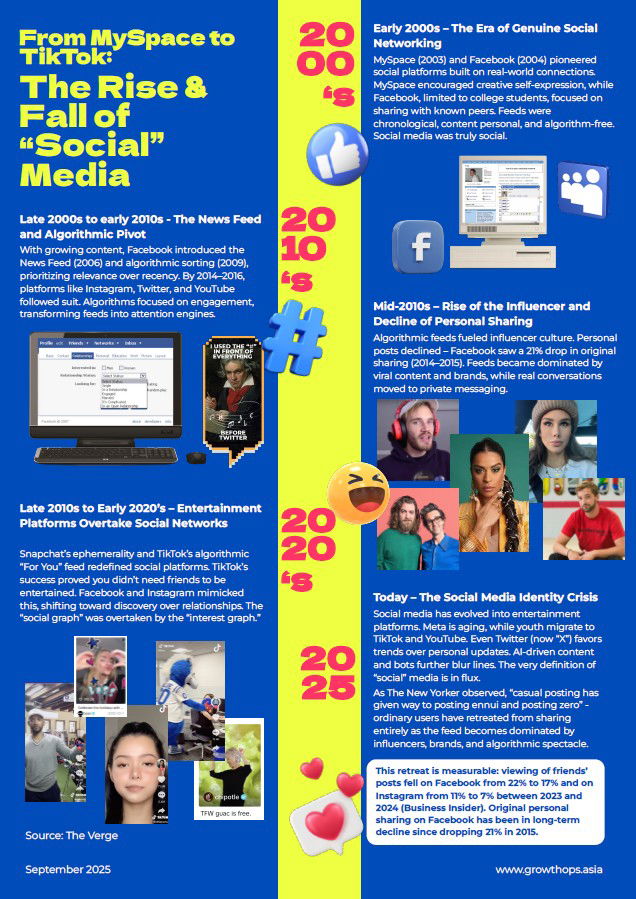
A new white paper by GrowthOps, “Putting the social back into social media”, warned that social platforms have drifted from their original purpose of fostering genuine connection, becoming dominated by algorithms, artificial content, and commercial priorities. For marketers, the findings underscore the urgent need to rethink how brands engage audiences online. The study highlighted a measurable decline in personal sharing. Time spent viewing friends’ posts fell from 22% to 17% on Facebook, and from 11% to 7% on Instagram, between 2023 and 2024. Original personal sharing on Facebook has been steadily declining since a 21% drop in 2015, indicating a shift toward performative posting over authentic interaction. Don’t miss: Study: Malaysian Gen Zs balance digital lifestyles with family-rooted financial discipline The study identified three key trends behind this transformation: Decline in authenticityNearly a quarter of social media users now consider themselves influencers or content creators, treating profiles as personal broadcast channels rather than spaces among friends. Trust is eroding, with 82% of consumers in Australia and New Zealand reporting they don’t trust social media content, including influencer posts. Globally, around 80% of consumers trust user-generated content more than branded or influencer content, highlighting the opportunity for marketers to leverage authenticity over sponsorships. Rise of artificial socialityArtificial content is on the rise, with bots, automated accounts, and AI-generated posts blurring the line between real and simulated engagement. Facebook removed 1.3 billion fake accounts in one quarter alone, and estimates suggest 4–5% of its active users are not human. The report also flags the proliferation of “AI slop” (the low-effort machine-generated text, images, and videos) designed to capture attention and ad revenue, rather than foster genuine interaction. The death of third spacesTraditional social “third spaces,” such as cafes or clubs, are declining, pushing people toward smaller, niche digital communities on platforms like Reddit and Discord. For some users, AI companionship fills the social gap. 33% of U.S. Gen Z now turn to AI for social interaction. Snapchat’s My AI chatbot reached 150 million users and facilitated over 10 billion messages in under four months. While Western countries are pushing for social media regulation and seeing a shift toward smaller, niche communities, there are different trends in East and South Asia. In East Asia, a significant portion of the younger population is more readily adopting and engaging with AI companions. And in South Asia, there is a focus on entertainment and content consumption, particularly with the growth of short-form video content. This points to the report’s findings that the decline in social media’s “social” aspect is not uniform and varies by region. For marketers, these trends present both challenges and opportunities. Declining organic reach, lower returns on influencer spending, and rising ad costs mean brands must pivot from chasing virality to building trust. The study recommended five strategies: • Entertain, don’t just explain: Create episodic, character-driven, bingeable content that holds attention.• Host in-real-life events: Blend digital communities with offline activations for authentic interaction.• Engage employees as creators: Leverage employees to produce relatable, trustworthy content.• Build for emotion, fluency, and time: Give campaigns the runway to develop recognition and emotional impact.• Pair creative with strategic generative engine optimisation (GEO): Adapt content for AI search engines and new digital discovery tools. Chris Greenough, general manager for Malaysia, and regional head of creative services at GrowthOps, paints a stark picture of social media’s current landscape. “Social media promised connection, but delivered distance,” he said, noting that time spent viewing friends’ posts has dropped sharply on Facebook from 22% to 17% and on Instagram from 11% to 7% in just a year. “We’re surrounded by content, but not community,” Greenough added, highlighting the widening gap between digital engagement and genuine human connection. The rise of artificial content only compounds the problem. “The internet feels less human because, in many ways, it is,” he explained. With platforms like Facebook removing 1.3 billion fake accounts in a single quarter, and more of what users scroll through being AI-generated, Greenough warned that brands risk becoming “just more noise in an artificial feed” if they don’t put people first. For marketers, the solution lies in a return to authenticity and emotional storytelling. “Chasing ‘more for less’ is a race to the bottom,” he said. Campaigns that are built on emotion, brand fluency, and given time to resonate are 7.5 times more effective at driving profit. Greenough added The path forward is clear: rebuild trust through genuine relationships, smaller communities, and authentic engagement. Brands that do this will win the next era. Accelerate your brand’s growth with AI-first strategies, emerging tech and data-driven experiences. Join the industry’s leading marketers at Digital Marketing Asia 2025 Malaysia on 30 October to uncover transformative trends, real-world wins and powerful ideas for 2025 and beyond.Related articles:Study: Malaysian consumers cut spending as brands urged to show more empathyStudy: Local MY brands thrive amid consumer-led brand boycotts Report: 95% of APAC travellers eager for AI source

How brands can put the 'social' back into social media Read More »

Great Eastern's new brand film turns life’s storms into stories of strength

Great Eastern Singapore has unveiled its latest brand film, a cinematic ode to resilience that pairs raw emotion with storytelling that feels both intimate and universal. Created in close collaboration with Directors Think Tank founder Rajay Singh and BLKJ Havas Singapore, the campaign showcases the strength to keep moving forward even through life’s hardest storms. The film follows the journeys of four individuals navigating personal challenges — setbacks, moments of doubt, and struggles — yet finding courage to push on, laugh, and dance despite life’s weight. Don’t miss: Great Eastern refreshes logo as it marks 117 years Central to the narrative is the insurance giant itself, portrayed as a quiet pillar of protection and confidence behind each story. Carrying the emotional arc is a reimagined version of Andra Day’s iconic track Rise Up, which elevates each beat of the campaign and complements Singh’s focus on authentic human stories. “We shot the film over four days, moving between real-life moments and stylized flashbacks that show the struggles each person faces,” said Singh. “That mix of reality and drama makes the emotions more powerful, while still leaving space for hope. The collaboration with BLKJ Havas was also key — with so many ideas and discussions shaping how the story came to life. I’m really thankful to the team for their support throughout,” he added.  The campaign comes as Great Eastern Singapore marks its 117th anniversary, a milestone that coincides with a refreshed corporate identity and a set of strategic growth priorities, signalling a new chapter in the insurer’s transformation into a forward-looking, data-driven, and future-ready organisation. Central to the revamp is a modernised logo, which reinterprets the company’s iconic lion motif. Each element carries symbolic meaning: the tail represents leadership and communication, the paw signifies confident forward strides, the mane reflects ambition and passion, and the eyes are fixed firmly on the future. The bolder wordmark projects confidence, while the updated tagline, “An OCBC Company,” unifies the Group’s identity across its life, general, takaful, and financial advisory offerings, reinforcing its position as a cohesive, forward-focused brand. Accelerate your brand’s growth with AI-first strategies, emerging tech and data-driven experiences. Join the industry’s leading marketers at Digital Marketing Asia 2025 Malaysia on 30 October to uncover transformative trends, real-world wins and powerful ideas for 2025 and beyond. Related articles:  Great Eastern chief marketer Colin Chan to step down after 30 years  Former marketer Kwek-Perroy Li Choo takes on newly created MD role at Great Eastern  Great Eastern SG picks new integrated media agency  source

Great Eastern's new brand film turns life’s storms into stories of strength Read More »

US to reportedly control TikTok algorithm under proposed White House deal

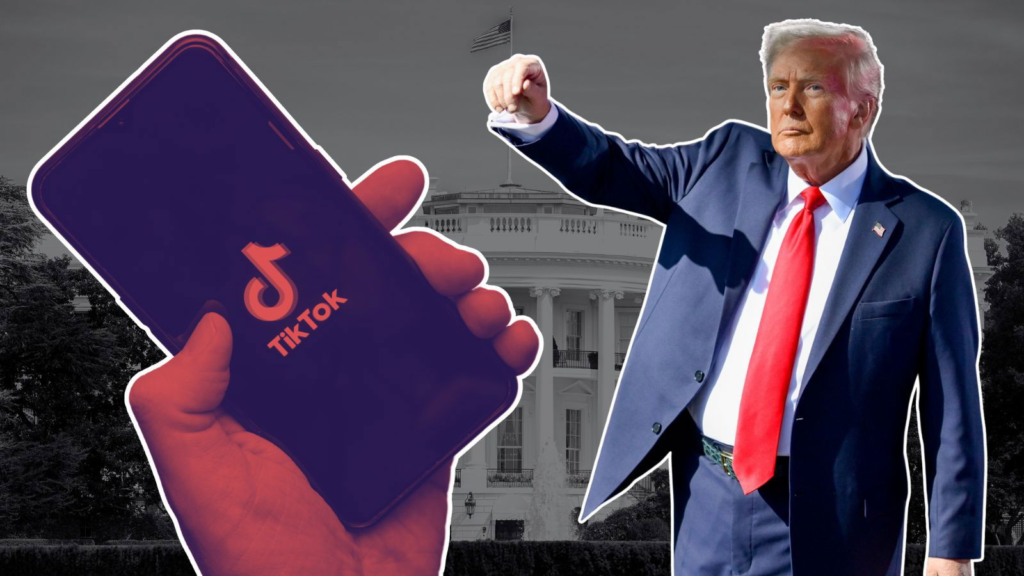
The White House has reportedly outlined a landmark agreement that would give American companies control over TikTok’s algorithm, while also ensuring Americans hold six of seven board seats for the app’s US operations. China’s ByteDance, TikTok’s parent company, would retain just one board seat. According to BBC, press secretary Karoline Leavitt said the deal could be signed “in the coming days”, though Beijing has yet to formally respond. Under the plan, US tech giant Oracle, chaired by Trump ally Larry Ellison, will oversee data and privacy for the platform in the United States. Leavitt said that Oracle, one of America’s leading tech companies, will oversee data and privacy for TikTok in the US, while control of the platform’s algorithm will also rest with American entities. Don’t miss: TikTok reportedly lays off staff in SG as part of global restructure The agreement comes after a protracted US effort to wrest control of TikTok’s US operations from ByteDance for national security reasons. Congress passed a law in 2024 requiring ByteDance to divest its US assets by January 2025 or face a ban. President Trump has delayed enforcement of the law multiple times, most recently extending the deadline to mid-December, while working to line up American investors and secure a full divestiture. Trump confirmed progress on the deal in a Truth Social post following a phone call with Chinese President Xi Jinping, calling the discussion “very productive” and noting Xi’s “approval of the TikTok deal”. According to Reuters, China’s official statements, however, have remained cautious. The Commerce Ministry reiterated that Beijing “respects the wishes of the enterprise” and supports commercial negotiations “in accordance with market rules” to reach a solution compliant with Chinese law. A key point in negotiations has reportedly been control of the algorithm, which determines what content is shown to TikTok’s 170 million American users. Leavitt indicated that the algorithm would be fully under American control, though it remains unclear whether the US team would build a new system or adapt the existing one. MARKETING-INTERACTIVE has reached out for more information.  TikTok has been navigating repeated attempts by the US government to enforce a sale-or-ban law. In April, President Trump granted the company a second 75-day extension, noting that the administration was working “very hard” to save the ByteDance-owned platform and secure all necessary approvals. At the time, Trump said the US would need a controlling stake in a joint venture to keep TikTok operating domestically. Earlier this year, TikTok briefly went offline for US users following a short-lived ban, and Trump later issued an executive order to extend the period before the law’s prohibitions took effect. Various parties were rumored to be considering a purchase of TikTok, including Elon Musk, who later ruled out any interest. Accelerate your brand’s growth with AI-first strategies, emerging tech and data-driven experiences. Join 500+ marketing leaders at Digital Marketing Asia 2025 Singapore on 24–25 September to uncover transformative trends, real-world wins and powerful ideas for 2025 and beyond.  Related articles: TikTok ad chief steps down ahead of 5 April ban   At least 16 of the 23 banned TikTok accounts in MY restored      Report: 3 emerging trends reshaping brand strategy on TikTok in 2025        source

US to reportedly control TikTok algorithm under proposed White House deal Read More »

Creative studio puts fashionistas through pain with impossible Birkin claw machine

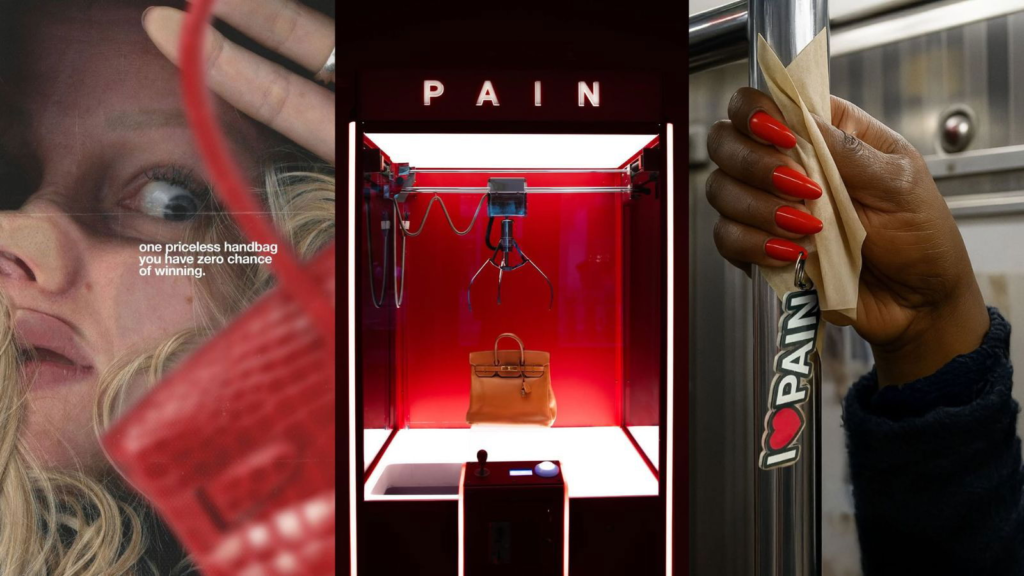
With fashionistas worldwide descending on New York for fashion week, creative studio Uncommon is offering a raw take on life in The Big Apple with an installation titled “Pain.” The centrepiece is a claw machine containing just one prize: a Hermès Birkin bag. True to its name, the game is unwinnable, designed to capture the frustration and unattainability that mirror the everyday “pain” of living in New York. Ahead of the reveal, Uncommon teased locals with cheeky OOH ads across the city bearing the lines: “One priceless handbag you have zero chance of winning”, “One sickeningly weak claw machine” and “One shop in Soho.” Visuals featured faces pressed against glass, eyeing the elusive Birkin. Don’t miss: Luxury goes pop: How music videos are the new catwalks for high fashion brands In the subway, posters asked commuters “Want pain?” alongside a phone number and website link leading them to the installation’s location. While the Birkin remains out of reach, visitors won’t leave empty-handed — merchandise including t-shirts, tote bags, hats, and stickers are available as tongue-in-cheek consolation prizes. MARKETING-INTERACTIVE has reached out to Uncommon for more details. Closer to home, global design and brand agency Anak is spotlighting a different challenge with a climate-themed fashion showcase. Running from 6 to 28 December, the exhibition features specially commissioned pieces co-created with international artists and designers, exploring how fashion can adapt to rising global temperatures. The works tackle everyday heat-related challenges while sparking wider conversations about how design can help humanity cope with increasingly hotter conditions. Accelerate your brand’s growth with AI-first strategies, emerging tech and data-driven experiences. Join 500+ marketing leaders at Digital Marketing Asia 2025 Singapore on 24–25 September to uncover transformative trends, real-world wins and powerful ideas for 2025 and beyond. Related articles:  Anak turns up the heat with climate-themed fashion showcase  Why food and fashion is a delicious combo marketers can’t seem to resist  Tribal Worldwide launches fashion brand to revive SG tailoring community  source

Creative studio puts fashionistas through pain with impossible Birkin claw machine Read More »

Punggol goes driverless as Grab rolls out self-driving shuttles

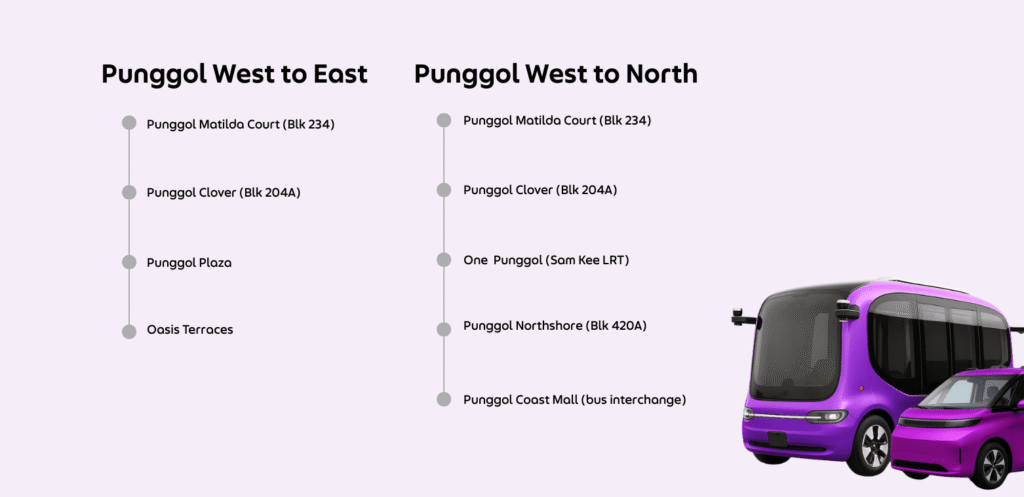
Grab is bringing autonomous rides to the heartlands with the launch of Ai.R, its first autonomous vehicle (AV) service in Singapore. The service, developed in partnership with Chinese AV technology company WeRide, has been appointed by the Land Transport Authority (LTA) to operate two fixed routes in Punggol, making it Singapore’s first autonomous shuttle in a residential neighbourhood. The Ai.R fleet will start with 11 vehicles, featuring two WeRide models: the five-seater GXR and the eight-seater Robobus. Both models have cleared Singapore’s Milestone 1 (M1) safety assessment, which certifies their ability to operate autonomously under local traffic rules. A trained Grab safety operator will be onboard during the initial phase to take over if needed. The move comes as Grab looks to explore how AVs can address mobility challenges in Southeast Asia. While passengers in cities such as San Francisco, Los Angeles, Shanghai, and Guangzhou can already book and pay for driverless rides, Grab is using Singapore as a testbed given its infrastructure and regulatory readiness. Don’t miss: STB partners Grab to elevate visitor experience and support local businesses  In July, the company launched Singapore’s first autonomous electric shuttle bus with Korea’s Autonomous A2Z, transporting employees between Grab HQ and one-north MRT. The Punggol pilot with WeRide marks Grab’s first consumer-facing AV service, with passenger rides expected to begin in early 2026. In the near term, AVs could help improve access in low-density neighbourhoods, industrial estates, and campuses. They can also strengthen first- and last-mile connections and complement public transport during off-peak hours or at high-demand hotspots such as airports and hospitals. GrabAcademy and WeRide have been training private-hire and taxi driver-partners to become Safety Operators for Ai.R since August. The programme combines theory and hands-on driving, covering AV systems, manual overrides, and emergency protocols. GrabAcademy will expand training pathways further as new AV roles emerge, including remote operators, fleet managers, and customer support officers. From this month, Ai.R vehicles will begin route familiarisation along two designated Punggol routes, covering destinations such as Punggol Plaza, Oasis Terraces, One Punggol, and Punggol Coast Mall. Rides will be bookable and trackable in the Grab app, with all passengers automatically covered by Grab’s personal accident insurance policy. Grab said insights from Singapore will help refine AV services for Southeast Asia’s diverse road conditions, from Jakarta’s motorcycle-heavy traffic to Bangkok’s TukTuk corridors. “We see the potential of autonomous vehicles to improve connectivity within underserved neighbourhoods in the near term. Together with our AV partners such as WeRide, we are building a leading AV passenger fleet with a diverse range of vehicle models, to bring more transport options to the public,” said Alex Hungate, president and COO of Grab. Jennifer Li, CFO and head of international at WeRide, added that the deployment of GXRs in Singapore marked a regional milestone: “Together with Grab, these AVs will support smarter mobility in Singapore by integrating with the public transport network and enhancing first- and last-mile connectivity for residents.” “Singapore’s leadership in demonstrating the potential of AVs with this initiative sets a benchmark for the region, paving the way for WeRide to extend GXR passenger services to more communities,” added Li.  This isn’t Grab’s foray into technology to better improve experiences for its customers. In June this year, Grab in the Philippines took to the skies with the pilot launch of its delivery drone. Created in partnership with the department of information and communications technology (DICT), the department of transportation (DOTr) and property giant Megaworld, the trial sees Grab riders handling collection and final delivery from designated drone landing zones, while unmanned aerial vehicles will take on the mid-mile, flying over congestion and cutting down delays that plague traditional road networks.  The pilot will be conducted between two Megaworld developments in Metro Manila – a deliberately controlled setting designed to probe the real-world viability of drones in commercial delivery. Only selected users and merchants will be able to access the service during its initial run, providing Grab and its partners with valuable operational and regulatory data. Accelerate your brand’s growth with AI-first strategies, emerging tech and data-driven experiences. Join 500+ marketing leaders at Digital Marketing Asia 2025 Singapore on 24–25 September to uncover transformative trends, real-world wins and powerful ideas for 2025 and beyond. Related articles:  Why self-driving cars won’t take off in Indonesia anytime soon, according to Grab  Grab takes to the skies: Philippines launches drone delivery pilot  Grab pushes back as drivers demand sweeping reforms to platform model  source

Punggol goes driverless as Grab rolls out self-driving shuttles Read More »

Carousell Group to open first luxury resale store at The Centrepoint

Carousell Group is taking its online luxury resale business offline with the launch of its first branded store, Carousell Luxury, on Orchard Road. Set to open on September 23 at The Centrepoint, the 1,400 sq ft store offers a curated selection of over a thousand second-hand designer handbags and accessories, including wallets, pouches, and scarves, from luxury labels such as Hermès, Chanel, Louis Vuitton, Dior, and Gucci. Prices start from S$800, with exclusive store-only drops refreshed daily. Shoppers can expect standout collector pieces, including Chanel’s Wenge Wood Vanity bag, the Louis Vuitton x Yayoi Kusama OnTheGo, and Dior’s limited edition Saddle bag. The Orchard Road store marks a major milestone for Carousell Luxury as it expands from its digital-first roots into a physical retail presence, providing a convenient way for locals and visitors to browse or drop off items in person, complementing the reach of its online stores. Building on the popularity of past warehouse previews and pop-up events, the new store brings a permanent in-store dimension to its trusted luxury resale offering. Don’t miss: How luxury pop-ups are redefining exclusivity Carousell Luxury sources items from individual owners and professional resellers around the region, offering three ways to sell: trade-in, consignment, and select buy-outs. Addressing feedback from past events, sellers can now walk in with items to receive on-the-spot valuations, typically completed within 10 to 20 minutes. Every item is verified in-house against a multi-point checklist and a proprietary reference library of over 500 styles. Consigned items are listed both in-store and online, giving sellers maximum visibility and buyers the flexibility to pick up in-store or have items delivered. “As a digital-first platform, we’re proud to now offer our community a convenient in-person touchpoint that complements the trusted experience we’ve built online. Many customers, particularly when considering high-value luxury pieces, appreciate the added flexibility of discovering thousands of verified pieces online and stepping in for that final look and feel,” said Tresor Tan, director of Carousell Luxury. “Similarly, some sellers also prefer to drop off their bags in person, and view the verification and valuation process. Our Orchard Road store brings that flexibility to life, empowering buyers and sellers to engage in the way that suits them best,” she added.  As part of its grand opening celebrations from September 11 to 30, Carousell Luxury is offering a series of promotions: S$20 off with a minimum spend of S$600, S$60 off with S$1,600, S$100 off with S$2,800, and S$250 off with S$5,000. The first 100 shoppers on opening day can also look forward to S$60 back when spending a minimum of S$1,600. Additionally, shoppers can receive a complimentary leather cleaning kit with qualifying purchases and enjoy exclusive bag spa and service discounts through its partnership with Margo and Smith. The move comes as Carousell continues to expand its presence in the luxury resale market. The company recently acquired Singapore-based luxury bag reseller and authenticated consignment platform LuxLexicon, aiming to supercharge its luxury category with an omnichannel strategy and expanded premium offerings. Under the acquisition, LuxLexicon will retain its brand, retail space, and team, led by founder Florence Low, while benefiting from Carousell’s expertise in online recommerce and overseas expansion. The partnership builds on Carousell’s earlier luxury initiatives, including the Carousell Certified Luxury programme launched in 2023—which has quadrupled transaction volumes—and the Sell to Carousell Luxury programme, which doubled in leads by allowing users to sell or consign bags directly to Carousell. “We have been strengthening our recommerce foundations to drive our multi-category approach on our top growth categories,” said Marcus Tan, co-founder of Carousell Group at the time. “Part of these efforts were acquisitions for fashion, mobiles and autos over the years, and we are thankful to have these founders not only continue to partner with us to drive our mission, but also lend their expertise to the wider Carousell Group’s businesses over the years.” Accelerate your brand’s growth with AI-first strategies, emerging tech and data-driven experiences. Join 500+ marketing leaders at Digital Marketing Asia 2025 Singapore on 24–25 September to uncover transformative trends, real-world wins and powerful ideas for 2025 and beyond.  Related articles:   Creative studio puts fashionistas through pain with impossible Birkin claw machine Carousell targets luxury resale market with LuxLexicon acquisition  Skin Inc and Carousell partner to promote circular beauty  source

Carousell Group to open first luxury resale store at The Centrepoint Read More »

Guinness taps local artist for Singapore-exclusive Premier League collection

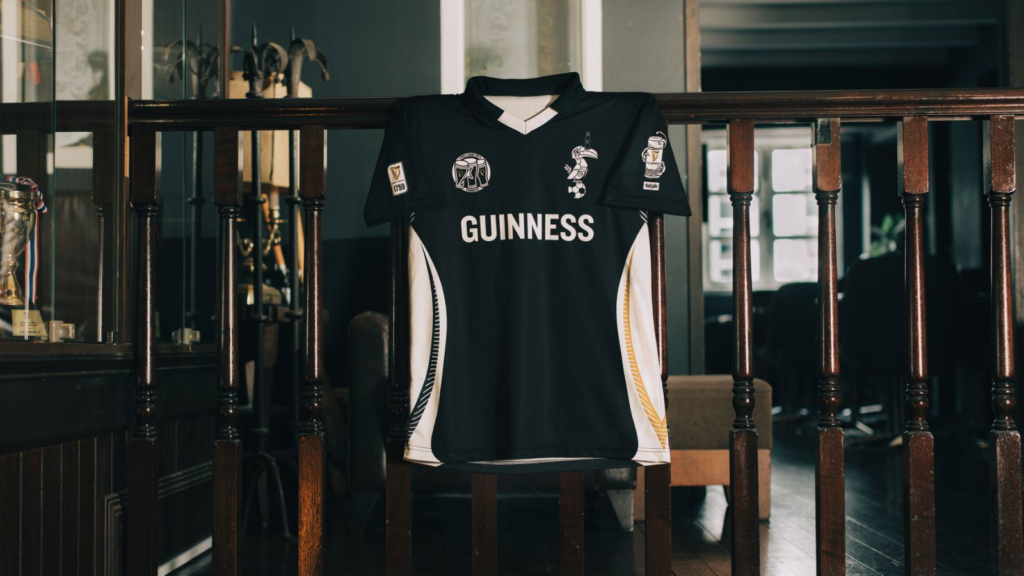
Guinness has kicked off the 2025/26 Premier League season in Singapore with a local-first collaboration that fuses football fandom with homegrown creativity. The beer brand has teamed up with Singaporean illustrator Tobyato to launch a limited-edition collection of jerseys and merchandise, available across coffee shops, bars, supermarkets, online platforms and delivery apps. In conversation with MARKETING-INTERACTIVE, Gerald Yeo, marketing director at Asia Pacific Breweries Singapore said the move reflects Guinness’ aim to connect more meaningfully not just with its own consumers, but with local football fans and the culture surrounding the sport. “By teaming up with Tobyato for this Singapore-exclusive, we want to unite fans of the beautiful game, regardless of which team they support,” he added. The collection centres around two jerseys. The “Limited edition” features a sleek black design with Guinness’ logo and playful sleeve graphics for fans who live for match-day energy, while the “Collector’s edition” puts Tobyato’s signature visual style front and centre, blending football, art and storytelling in a single piece. Don’t miss: Guinness scores with Premier League trophy showcase at Pavilion KL Beyond jerseys, the range extends to caps, sling bags and sports towels, turning everyday merchandise into statements of passion and unity. Tobyato’s bold, recognisable style and lifelong love of football adds authenticity to the collaboration. Iconic Guinness motifs are reimagined across the collection, from a pint-balancing toucan atop a football and a trio of perfect pints representing celebration, to the 1759 motif transformed into a symbol of heritage and passion. Even the wave-like pattern on Guinness cans pays tribute to the famous “Kallang Wave” seen in Singapore’s stadiums, blending local culture with the brand’s heritage. More than a “merch drop”, Yeo said, the collaboration blends art, culture and football to create something fans can connect with locally. Traditionally, a jersey divides fans by club, but the Guinness x Tobyato jerseys flip that into a unifying symbol, celebrating camaraderie and elevating the match-day experience. “Every match day can be a lovely day for fans, no matter which club they support,” he added. The campaign features Tobyato alongside familiar local personalities, including Singapore Premier League footballer Chris Van Huizen, long-time Guinness fan Paul Foster, and rising athlete Kerstin Ong, bringing to life the message that match days can unite fans of different clubs through shared enjoyment of the beautiful game. Guinness will mark the launch on 20 September at StarHub’s Premier League Watch Party at ARFC East Coast Park, with football games, activations and 1-for-1 pints for StarHub subscribers. Fans can collect items across multiple channels, from bars and pubs through the Guinness Passport Challenge, to coffeeshops with purchase promotions, and supermarkets and online platforms offering jerseys and sports towels with qualifying purchases. Yeo said the brand is not betting on a single channel, but on showing up wherever fans enjoy Guinness. “Each channel plays a role in elevating the matchday experience. This approach keeps the experience fresh and makes every match day a lovely day for fans, no matter which club they support,” he added. Guinness sees this collaboration as part of a longer journey. This is the second year in Guinness’ four-year partnership with the Premier League as the Official Beer. While Tobyato takes the spotlight this season, Yeo said the brand will continue finding creative ways to elevate the match-day experience for local fans. “We will continue to create fun and engaging match-day experiences that spark energy, anticipation and camaraderie for fans of the beautiful beer and the beautiful game,” he said. “Together with Guinness, I wanted to use the jersey, traditionally something that divided supporters by teams, into something that could bring fans of football together. That is what I truly enjoy about watching the Premier League. We might be fans of different clubs, but we are all fans of the beautiful game,” Tobyato said.  MARKETING-INTERACTIVE has reached out for more information.  Guinness is not the only beer brand tapping into football fandom. In May, Heineken opened the taps for fans in Seoul with “Trust bars”, a series of 24/7 self-service bars that let Korean fans enjoy UEFA Champions League matches any time of day. Launched in Hongdae to coincide with the semi-finals, customers could order, pay and pour fresh pints using fully automated self-payment terminals. Developed with LeGarage, the innovation arm of creative agency LePub, the terminals are scalable and planned for expansion into Japan and Singapore. In June, Carlsberg merged football fandom with storytelling in a campaign that surprised taxi drivers with the ultimate viewing experience for the UEFA Nations League Finals 2025. Titled “Fare game”, the activation took drivers, who expected normal fares, to a custom-built viewing zone in Berlin for the semi-final between Germany and Portugal. A short documentary captured the journey from surprise to celebration, highlighting the everyday sacrifices drivers make and the joy of sharing live football with fellow fans. Accelerate your brand’s growth with AI-first strategies, emerging tech and data-driven experiences. Join 500+ marketing leaders at Digital Marketing Asia 2025 Singapore on 24–25 September to uncover transformative trends, real-world wins and powerful ideas for 2025 and beyond. Related articles: Guinness Malaysia crowns its first chief pint officers        Carlsberg brews up fan fever with limited-edition Liverpool cans and HK activations  Heineken brings champions league magic to Jakarta offices with ‘Football time-off day’ source

Guinness taps local artist for Singapore-exclusive Premier League collection Read More »