marketing interactive

TikTokification of retail media: Why short-form video is the new standard

Retail Media Networks (RMNs) have become a dominant force in digital advertising. Southeast Asia’s RMN ad spend is projected to reach US$4.7 billion by 2030, growing faster than the global average at approximately 73%. This rapid growth reflects the broader shift toward privacy-first, data-rich advertising environments. However, while RMNs are thriving in terms of infrastructure and data capabilities, many are still relying on traditional formats such as static banners and product carousels. While these mediums aim to showcase variety and drive clicks, they often lack the dynamic engagement needed to capture today’s audiences. To keep pace with changing consumer expectations, RMNs must evolve creatively. In a world where attention spans are short and content is consumed in bursts, short-form video is emerging as the natural evolution for commerce advertising. The TikTok effect: Entertainment drives engagement TikTok has fundamentally reshaped how people consume content. Its algorithm serves fast, visually engaging, and authentic videos that feel more like entertainment than advertising. This has shifted consumer expectations. Audiences now expect digital experiences to be immersive, relevant, and easy to engage with. Short-form video, when done right, delivers value across the funnel. It captures attention and builds awareness while also nudging viewers toward direct action. This shift in format has also blurred the lines between brand-building and performance marketing, with short-form video now capable of delivering both awareness and conversion within the same moment. Shoppable video: Built for the moment of purchase Short-form videos are uniquely suited to bridge discovery and conversion. Rather than sending users from one channel to another, these videos offer an instant pathway to purchase. In Singapore, YouGov reported that 26% of Singaporeans purchased through TikTok and 20% via YouTube in 2023. Quick commerce platforms already use SKU-level attribution and closed-loop measurement, enabling brands to see exactly what product was purchased, when, and how often. This level of precision is something RMNs are well-equipped to replicate. With strong first-party data and high-intent user environments, they have the tools to build shoppable video experiences that are measurable, scalable, and impactful. While brand and influencer ads have long played a key role in driving social commerce, trust is increasingly shifting from institutions to individuals, fueling the rise of user-generated content (UGC) and creator-led commerce. A recent survey found that consumers trust user-generated content 8.7 times more than influencer content and 6.6 times more than branded content. Social platforms have leaned into this trend, and RMNs can follow suit. Featuring creators, customers, and micro-influencers in short-form video content helps brands build authenticity and emotional relevance. Whether it’s an unboxing, a quick review, or a how-to guide, these videos feel real and relatable. For RMNs, this represents a massive opportunity to scale creator-led storytelling natively within their platforms. Learning from social commerce Social platforms have already validated the short-form video model. In APAC, TikTok’s social commerce revenue rose by 65% in 2023, reflecting its increasing influence across the region. Meanwhile, retail media CTV ad spend in Singapore is expected to exceed US$26.35 million in 2025, showing how fast retailers are expanding into visual-first formats. Short-form video is the most versatile format to bridge in-app engagement and broader omnichannel visibility. Whether embedded in app feeds, featured on product pages, or extended into CTV environments, it offers a seamless and scalable solution. A call to action: Design for the scroll, not just the shelf Consumers are no longer solely browsing aisles. They are also scrolling feeds. For RMNs to stay relevant, they must adapt their formats and creative strategies. This means creating ad placements that feel natural within feed-based environments, where video content can quickly capture attention and lead to action. To support this shift, RMNs should invest in tools that allow brands and merchants to easily produce short-form content without requiring heavy production resources. At the same time, platforms can benefit from fostering creator partnerships and incentivising user-generated storytelling that builds authenticity and relevance. Taken together, these steps will help RMNs move beyond static placements and transform into dynamic experience platforms that drive both engagement and performance. Conclusion: The scroll is the new storefront Short-form video is no longer just a social trend. It is a performance format, a storytelling tool, and a new kind of commerce engine. Retail Media Networks that embrace this shift will meet consumers where they are, how they engage, and when they are ready to buy. For RMNs, the path forward is clear. To stay competitive, they must integrate video formats that are measurable, native to how consumers browse, and capable of bridging inspiration and transaction in a single moment. This article was written by Jane Hou, industry lead, eCommerce, APAC, AppsFlyer.  source

TikTokification of retail media: Why short-form video is the new standard Read More »

Warner Bros. sues Midjourney over AI use of Superman, Batman and other iconic characters

Warner Bros. Discovery, the parent company of Warner Bros. Entertainment, DC Comics, Turner Entertainment, Hanna-Barbera and Cartoon Network, has filed a complaint against AI image generator Midjourney. In a lawsuit filed in Los Angeles federal court, WBD alleged that Midjourney “brazenly dispenses Warner Bros. Discovery’s intellectual property as if it were its own.” The company claims Midjourney’s AI was trained using unauthorised copies of its copyrighted works and allows subscribers to select iconic WBD characters to generate infringing images and videos. Don’t miss: Mickey’s 95-year copyright expires: How Disney can protect the modern versions of characters Some of the characters include Superman, Batman, Wonder Woman, Bugs Bunny, and Scooby-Doo, as well as other popular characters from Looney Tunes, Tom & Jerry, Rick and Morty and The Powerpuff Girls. WBD further claimed that the service publicly displays, performs, and makes available for download unauthorised derivatives, reproducing these characters in countless scenarios without permission. The entertainment giant also alleged that Midjourney’s infringement was “systematic, ongoing and wilful.” It added that Midjourney knowingly infringes its copyrighted characters. This is especially since Midjourney had temporarily blocked “many outputs” featuring WBD characters when it first launched its video generation service. However, the AI company lifted the protections, promoting the change as an “improvement” to its video moderations that allows subscribers to experience “fewer blocked jobs.” “Midjourney has made a calculated and profit-driven decision to offer zero protection for copyright owners even though Midjourney knows about the breathtaking scope of its piracy and copyright infringement,” WBD said in the complaint, seen by MARKETING-INTERACTIVE. The 87-page long complaint included examples of outputs from Midjourney in comparison to WBD’s copyrighted characters. Following which, WBD is seeking both financial compensation and a legal order to prevent continued use of its copyrighted material. This includes unspecified damages and disgorgement of Midjourney’s profits resulting from the infringement, statutory damages of up to US$150,000 per infringed work due to willful copyright violations, or other amounts deemed appropriate under US copyright law. It is also seeking attorneys’ fees and full legal costs and a permanent injunctions to stop further infringement. The lawsuit follows a similar complaint filed in June against Midjourney by Walt Disney and Comcast’s Universal over characters including Darth Vader, The Mandalorian and Baby Yoda from the Star Wars movies and TV shows, Bart and Homer Simpson from The Simpsons, Iron Man and Spider-Man from Marvel, Ariel from The Little Mermaid, as well as other IPs such as Toy Story, Shrek, Cars and Frozen. “By helping itself to Plaintiffs’ copyrighted works and then distributing images (and soon videos) that blatantly incorporate and copy Disney’s and Universal’s famous characters – without investing a penny in their creation – Midjourney is the quintessential copyright free-rider and a bottomless pit of plagiarism,” Disney and NBCU said in the lawsuit. “Piracy is piracy, and whether an infringing image or video is made with AI or another technology does not make it any less infringing. Midjourney’s conduct misappropriates Disney’s and Universal’s intellectual property and threatens to upend the bedrock incentives of U.S. copyright law that drive American leadership in movies, television, and other creative arts,” both companies added. Disney and NBCU said that before they sued Midjourney, they asked the company “to stop its theft of their intellectual property”. Despite that, Midjourney “has continued to release new versions of its image service, which, according to Midjourney’s founder and CEO, have even higher-quality infringing images.” Accelerate your brand’s growth with AI-first strategies, emerging tech and data-driven experiences. Join 500+ marketing leaders at Digital Marketing Asia 2025 Singapore on 24–25 September to uncover transformative trends, real-world wins and powerful ideas for 2025 and beyond. Related articles: SHEIN sues Temu over copyright infringement Warner Bros. files lawsuit against unlicensed Harry Potter-themed cafe again  Warner Bros. Discovery sues Paramount over famed South Park Series  source

Warner Bros. sues Midjourney over AI use of Superman, Batman and other iconic characters Read More »

Google hit with lawsuit by adtech firm over alleged anticompetitive practices

Independent adtech company PubMatic has filed a lawsuit against Google in the US District Court for the Eastern District of Virginia, seeking damages and a level playing field in the digital advertising market. The company said Google’s “monopolistic and anticompetitive behaviour” had stifled competition and hampered its own ability to grow market share and revenue. The move follows an April 2025 ruling by the same court, which found Google had “willfully engaged in a series of anticompetitive acts to acquire and maintain monopoly power” in the publisher ad server and ad exchange markets for open-web display advertising. Don’t miss: Feeding the machine: Why Google’s AI Max makes agencies more vital than ever In its complaint, PubMatic alleged that Google’s dominance deprived publishers and advertisers of fair competition and led to higher ad costs, reduced content diversity, and less transparency for consumers. PubMatic said it aims to hold Google accountable while pushing to restore a more competitive digital advertising landscape, one where innovation can thrive, competition is genuine, and the open internet continues to serve as a broad source of information and opportunity. “For nearly two decades, PubMatic has delivered sustainable innovation and efficiency in digital advertising, empowering publishers to maximise their revenue and deliver quality content to users worldwide,” said Rajeev Goel, PubMatic’s co-founder and CEO. He added, “Google’s systematic abuse of its vast resources and immense power has harmed our business and distorted a marketplace that should have rewarded innovation and fueled transparency and competition. Instead, anticompetitive practices limited monetisation for publishers, raised costs for advertisers, and ultimately reduced choice for consumers.” Goel said that since its founding nearly 20 years ago, PubMatic has focused on empowering content creators on the open internet through technology, transparency and infrastructure built for long-term growth. He added that the lawsuit is intended to strengthen both PubMatic and the broader industry by holding Google accountable for its past anticompetitive behaviour. In conversation with MARKETING-INTERACTIVE, a Google spokesperson said, “These allegations are meritless. Advertisers and publishers have many choices and when they choose Google’s ad tech tools it’s because they are effective, affordable and easy to use.” The case comes amid a broader pushback against Big Tech. Facebook’s parent company Meta Platforms was set to face trial in April, after a DC District Court judge allowed the Federal Trade Commission’s antitrust lawsuit to proceed. The case, first filed in 2020 and later amended, accuses Meta of maintaining its grip on the social media market through its acquisitions of Instagram and WhatsApp. According to media reports at the time, Instagram contributed more than 30–40% of Meta’s total ad revenue. Accelerate your brand’s growth with AI-first strategies, emerging tech and data-driven experiences. Join 500+ marketing leaders at Digital Marketing Asia 2025 Singapore on 24–25 September to uncover transformative trends, real-world wins and powerful ideas for 2025 and beyond. Related articles:    Google puts AI to work in Australia, focusing on health over hype    Google confirms third-party cookies will stay after all    Amazon and Google among platforms slammed for ads on child abuse sites   source

Google hit with lawsuit by adtech firm over alleged anticompetitive practices Read More »

Why halal travel could be the next big play for Malaysian marketers

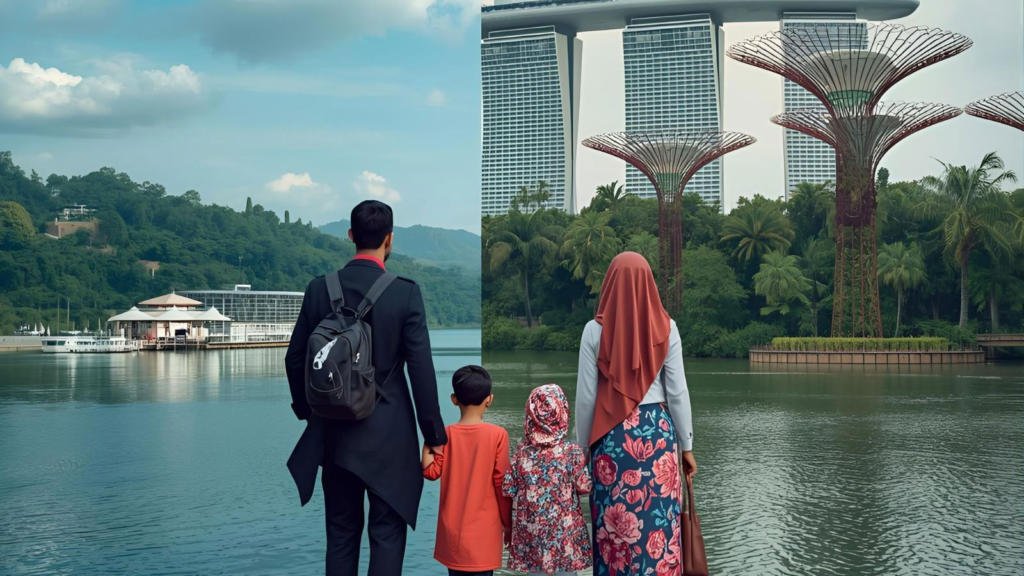
Halal travel is evolving rapidly across Southeast Asia, driven by changing preferences among Muslim travellers and the growing use of digital tools for faith-aligned experiences. Mastercard’s Global Muslim Travel Index (GMTI) 2025 highlights key trends shaping the sector, from smart apps and regenerative tourism to sports-focused itineraries and the rise of female-only group travel. Singapore has emerged as a leading non-OIC destination, thanks to its emphasis on inclusivity, halal-certified dining, and culturally sensitive experiences. Muslim visitors increasingly seek unique and repeatable experiences, relying on digital platforms and content creators to plan trips aligned with their faith and lifestyle. The city-state supports these needs with over 3,000 halal-certified food outlets, easily accessible prayer facilities, and attractions such as Universal Studios and Bird Paradise equipped with dedicated prayer rooms. Don’t miss: Study: Millennials power APAC solo travel surge, digital channels lead the way Meanwhile, Malaysia continues to lead among OIC destinations, thanks to its well-established halal infrastructure, inclusive cultural experiences, and wide availability of halal-certified dining and prayer facilities. Muslim travellers increasingly expect destinations to provide seamless, faith-aligned experiences supported by technology such as smart apps. The Mastercard study also identified broader trends shaping halal travel across the region. Smart apps are enabling seamless, faith-aligned journeys; regenerative and sustainable tourism is gaining traction among Muslim travellers seeking cultural and natural immersion; sports tourism is on the rise, particularly in ASEAN; and female-only group travel is emerging as a small but growing segment. Leaning into emerging segments Singapore’s tourism ecosystem has been adapting to emerging Muslim travel trends over the years. Terrence Voon, executive director for Southeast Asia at the Singapore Tourism Board (STB), told MARKETING-INTERACTIVE: “Apart from providing halal food and prayer spaces, tourism businesses can explore segments such as sports tourism and female-only group travel.” “For example, more than 6,700 Indonesians participated in the 2024 Standard Chartered Singapore Marathon, many of them female, travelling as part of larger sporting communities. Airlines and travel agents are offering tailored packages to support these visitors,” added Voon. Rising trends in regenerative tourism, sports tourism, female-only group travel, and solo adventures are creating new opportunities for travel marketers to engage this growing segment.  Nigel Wong, president of the Malaysian Association of Tour and Travel Agents (MATTA) said: “Sports tourism is growing, especially across ASEAN. Events such as the MATTA Pickleball Grand Slam and regional football or badminton tournaments draw participants who are seeking Muslim-friendly travel experiences.” One segment Wong finds particularly interesting is regenerative and sustainable tourism. “Regenerative tourism, focusing on culture, heritage, and wellness, is particularly appealing because Malaysia already has a strong Islamic cultural backdrop. Travel agencies simply need to market these offerings effectively,” he added. “Although other destinations promote health tourism, it may not check all the boxes for all of the cleanliness and religious requirements in Islam,” said Wong. “Since Malaysia is already so accustomed to these practices, there is a high degree of confidence for Muslim travellers to take part in these forms of niche tourism,” he added.  All marketers need to do now, is to build hype and awareness for these attractions. “And naturally, it would attract Muslim following,” said Wong. On female-only group travel, Wong noted that while this segment is still niche in Malaysia, agencies can cater to it through custom itineraries. “Travel agencies here can tailor packages for female-only groups, ensuring activities and accommodations meet Muslim-friendly requirements. The main difference is that we adjust for cultural backgrounds as well, because Chinese, Turkish, and Central Asian Muslim travellers may have distinct expectations.” Leveraging digital Another way to engage emerging segments, is through Muslim-centric partnerships and influencer campaigns to engage Muslim travellers. “We worked with Kumparan.com to develop an AI-powered travel planning platform, HolidAI Singapura, offering family- and Muslim-friendly itineraries,” Voon said. “Collaborations with Malaysian celebrity Farah Nabilah and Indonesian modest fashion brand Buttonscarves have showcased halal dining, attractions, and experiences available across Singapore.” Voon added that Muslim travellers are seeking unique experiences, even when revisiting familiar destinations, amidst growing expectation for Muslim-friendly offerings at major landmarks. He said: That is why digital platforms and content creators play an increasingly crucial role in travel planning. “As travellers rely heavily on Muslim-focused content creators and online platforms for destination information and recommendations.” Not to mention, STB had even partnered up with Malaysian media and entertainment company Astro for a commissioned Singapore episode on variety gameshow “Romeo Returns”, which featured notable Malay personalities and actors travelling through Singapore together, while tackling challenges and trying out various attractions.  Wong concluded with advice for marketers. “Malaysia is already well-positioned for Muslim-friendly tourism.” Travel brands can redouble investments in messaging, promotions, and even influencer marketing to boost engagement. Malaysian inbound travel agencies have long catered to Muslim travellers.“Malaysian travel agents who are doing inbound tours have always been highly geared towards welcoming Muslim travellers,” he said. “Our packages generally include Muslim-friendly itineraries, and many highlight accreditations such as the MFA hotel certification launched by the Islamic Tourism Council. These badges immediately signal to travellers that the experience is aligned with their faith,” he added.  As halal travel continues to expand in scale and sophistication, both Singapore and Malaysia demonstrate that inclusivity and cultural sensitivity are no longer optional, but baseline expectations for Muslim travellers. For marketers, the opportunity lies in building relevance through storytelling, partnerships, and tailored campaigns that speak to travellers’ faith-aligned needs while also celebrating their diversity of backgrounds. The future of halal tourism could belong to brands that blend authenticity with innovation, offering Muslim travellers not just a place to visit, but experiences they can see themselves in again and again. Accelerate your brand’s growth with AI-first strategies, emerging tech and data-driven experiences. Join 500+ marketing leaders at Digital Marketing Asia 2025 Singapore on 24–25 September to uncover transformative trends, real-world wins and powerful ideas for 2025 and beyond. Related articles:Trip.com turns travel fails into smarter adventures Muslim travel index shifts: Malaysia reclaims crown as Indonesia slips Klook partners SG Culture Pass to connect Singaporeans with cultural experiences source

Why halal travel could be the next big play for Malaysian marketers Read More »

Canva unleashes fantasy shorts to put imagination to work

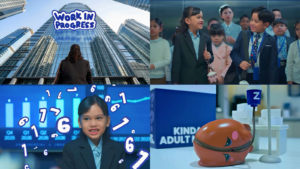
Canva is urging professionals to “Put imagination to work” in its latest brand campaign, showcasing how the platform helps users break through workday blocks to create visually engaging, impactful content. Launching with three fantasy-inspired brand films, the campaign blends imagination with Canva’s tools. The first, out today, is a 40-second short that follows a saleswoman who channels her inner warrior to outpace a rival realtor. She exclaims “slay” and designs a medieval-style open house sign that draws a crowd. Don’t miss: Just weeks after acquiring MagicBrief, Canva deepens its AI push with ChatGPT The second spot, “Vamped up”, features an ice cream truck owner whose social media content is as plain as vanilla. With Canva’s help, he creates vampire-themed posts that attract a crowd of fellow horror fans. The last film, “Spellbound”, follows Wendy, an HR professional whose presentations lack spark. Using Canva, she designs witch-inspired slides and merchandise, transforming her sessions into engaging, interactive experiences. The campaign also highlights Canva’s Visual Suite 2.0, including Canva Sheets, a reimagined spreadsheet that integrates content, data, and design into a single, visual workflow. AI tools such as Bulk Create aim to help marketing teams and freelancers create and share content faster, making work more impactful. The films showcase additional tools for video, social media, and websites. “Put imagination to work” will run across the US until November, spanning TV, billboards, social media, streaming audio, and editorial placements. “Creativity isn’t just about skill or experience — it’s imagination,” Canva said. “When paired with our platform, that spark can transform into work that’s faster, easier, more visual, and more fun.” The fantasy-inspired campaign follows Canva’s bold out-of-home push in June, which turned billboard space in London’s Waterloo station into live demos of its design tools. Created with newly appointed UK agency Stink Studios, the campaign blends humour with real-world use cases, highlighting how Canva empowers users of all skill levels to design with ease and flair. Accelerate your brand’s growth with AI-first strategies, emerging tech and data-driven experiences. Join 500+ marketing leaders at Digital Marketing Asia 2025 Singapore on 24–25 September to uncover transformative trends, real-world wins and powerful ideas for 2025 and beyond. Related articles: Ayala Malls transforms spaces into canvases with new Canva-powered design challenge     Canva champions Indonesian MSMEs’ design confidence with ‘Gampang di Canva’    Canva acquires MagicBrief to supercharge AI content performance for marketing teams   source

Canva unleashes fantasy shorts to put imagination to work Read More »

Beyond Cannes Lions 2025: Three insights every APAC marketer should act upon

This post is sponsored by We. Communications. As digital acceleration and geopolitical shifts continue to reshape the communications landscape, simplicity may seem like the safest route. But at this year’s Cannes Lions International Festival of Creativity, the most powerful work didn’t dilute complexity – it embraced it. It met audiences where they were, with nuance, cultural intelligence, and emotional weight. Cannes may be fading in the rearview, but the work it spotlighted continues to shape conversations across the region. We. Communications’ president of APAC Nitin Mantri, and managing director of Singapore Daryl Ho unpack three takeaways that remain highly relevant: purpose with proof, co-creation with influencers, and connecting with humour. Is “doing good” still enough or have the goalposts for purpose shifted? Mantri (NM): What stood out at Cannes this year is that intent is no longer the only benchmark. Brands are also being judged on tangible, measurable outcomes. In APAC, where public health, education, and sustainability are front and centre, it’s not enough to say you stand for something. You need to show the receipts. Take Amazon’s “Box to Beds”. What began as a sustainability story became a deeply human act: upcycling delivery boxes into beds for pilgrims attending the world’s biggest religious festival. Or ACKO’s “Tailor Test”. By training local tailors to measure waist-to-hip ratios, the campaign reframed healthcare access as a community interaction, bridging the gaps in a culturally intuitive way. At Cannes, both earned Lions. And, as their PR agency, I’m proud to have played a role in that success. But more importantly, they proved that culturally grounded, data-backed storytelling, can drive change and connect the dots between reputation and value. Ho (DH): I agree with Nitin. Purpose demands proof not promises. “Doing good” is no longer a competitive advantage, but a baseline expectation. Consumers no longer just want to hear about impact. Today, they demand to see it, measure it, and verify it. One standout example is IKEA’s “Better Shelter” initiative. Instead of aspirational messaging and lofty claims, it provided exact figures: families housed, shelters deployed, and outcomes measured – transforming purpose from marketing rhetoric into business accountability. While stakeholders may still ask for reach and impressions, audiences have evolved. They can spot the gap between performative corporate promises and delivery, and brands that are unable to articulate impact with revenue-level rigour risk falling into irrelevance. How is the creator economy reshaping marketing in Southeast Asia? NM: What I saw at Cannes reaffirms what many of us in APAC already know: the creator economy isn’t a trend, but a transformation. In mobile-first SEA, the creator economy is worth an estimated S$19 billion and is expected to continue at a compound annual growth rate of 30% until 2030. Just last year, YouTube alone reached 290 million people or 85% of the region’s online population. That’s scale with intimacy. The real shift though is that creators, especially micro and nano-influencers, are now trusted more than brands. For instance, campaigns such as Vaseline Verified showed that they can bridge trust gaps with content that’s practical, personal, and community-first. DH: Absolutely. The old influencer model – transactional, top-down, brand-dictated – no longer works. We’re now in a co-creation economy, where creators are business partners and not just content amplifiers. This addresses a critical flaw in traditional influencer marketing campaigns: forced, inauthentic content that simply doesn’t resonate. Think Blackpink’s Jennie for Gentle Monster, Jackson Wang for Cartier or PP Krit as Balenciaga’s first Asian brand ambassador. These aren’t just faces; they’re co-authors of brand voice. By leveraging the creators’ audience intimacy and platform expertise, these partnerships underscore the value of creators integrating into the creative process, resulting in authenticity and creative possibilities that neither party achieves independently. We understand that authenticity cannot be manufactured, it can only be earned through genuine collaboration and transparency – and we’ve applied this philosophy across a breadth of clients and sectors. For example, with AIA International Wealth, we empowered Indonesian and Thai creators as cultural consultants, shaping local brand narratives. Our partnership with TOUCH Community Services engaged advocates to co-create content that addressed mental health stigma based on lived experience, not PR talking points. Similarly, our work with Sentosa Development Corporation evolved from creator campaigns into a fully fledged creator programme that demonstrated a true collaborative partnership. This is our new reality: audiences have fired brands as the exclusive narrators of their own stories. And the future belongs to brands sophisticated enough to prove purpose while sharing creative control. What’s your take on humour showing up across some of the more serious Cannes campaigns? NM: Humour, when done right, is emotional intelligence at work. At Cannes this year, more than three-quarters of the winners used humour to connect emotionally, including on serious topics such as mental health, stigma, disability or rare diseases. Far from trivialising the issues, it helped humanise them. Our 2025 Brands in Motion research backs this up: 68% of people say they’re more interested in messages from an organisation with some humour. 64% of people say humour makes even scientific or technical content easier to engage with. In a region as diverse as Asia Pacific – with multiple languages, sensitivities, and subcultures – humour is a shortcut to being relatable. It breaks through jargon. It invites people in. But it must be done carefully, with cultural nuance and empathy. In light of these trends, what advice would you offer to brand leaders in APAC? DH: Success requires mastering both imperatives: proving impact with precision while partnering authentically. Everything else is noise. NM: Exactly. And I’d add a few more: Be locally grounded, and globally attuned. Ground the work in your market’s specific values, behaviours, and context, while remaining globally relevant. Put humans first. AI may be making headlines, but at Cannes, it was emotional intelligence that won juries over. Use AI to augment – not replace – human creativity. Prioritise authenticity. Smaller creators often drive deeper engagement as their audiences trust them more. source

Beyond Cannes Lions 2025: Three insights every APAC marketer should act upon Read More »

Levi’s taps Alia Bhatt to lead next chapter in women’s denim

Levi’s has appointed Bollywood actress Alia Bhatt as its global brand ambassador, signalling a new era for the iconic denim brand. The partnership comes as women’s fashion increasingly embraces relaxed fits, wide legs and looser silhouettes, styles that are moving from seasonal trends to everyday essentials. Levi’s, known for defining denim culture, said Bhatt will help bring this evolution to a global audience. The collaboration will see Bhatt championing Levi’s’ range of loose fits, wide-leg styles and reimagined classics, while the brand continues to innovate with new designs without straying from its heritage of timeless denim. Don’t miss: Denim, reimagined: How Levi’s buttons down the sale through tailored retail experiences “Levi’s and Bhatt are united by a shared vision, to reflect how a new generation wants to dress, and to evolve the brand beyond classic fits to style-first, trend-forward relevance,” the brand said in a statement.  Speaking on the partnership in an Instagram post, Bhatt said, “Sometimes the most natural fits turn into the most special journeys. Excited to step into this one with Levi’s as their global brand ambassador.” Levi’s has previously worked with global icons such as Beyoncé for the final instalment of its year-long “REIIMAGINE” campaign. Known as “The denim cowboy”, the film weaves together three previous chapters, creating a new narrative centred on empowerment and rewriting the rules. It features Levi’s icons and hero pieces from the Beyoncé x Levi’s denim collection, reinforcing the brand’s leadership in denim lifestyle. In 2023, Levi’s also named South Korean K-pop girl group NewJeans as global brand ambassadors, celebrating its 150th anniversary while targeting a Gen Z audience. The year-long partnership spanned Spring/Summer ‘23 and Autumn/Winter ‘23 and included campaigns, concerts, and appearances. Accelerate your brand’s growth with AI-first strategies, emerging tech and data-driven experiences. Join 500+ marketing leaders at Digital Marketing Asia 2025 Singapore on 24–25 September to uncover transformative trends, real-world wins and powerful ideas for 2025 and beyond. Related articles: Levi’s goes on tour with 88rising to spotlight SEA talent and summer fits          From fame to fit: What brands need for the perfect ambassador         Skechers names HK icon Tony Leung as new APAC ambassador     source

Levi’s taps Alia Bhatt to lead next chapter in women’s denim Read More »

Singapore orders Meta to curb Facebook scams or face S$1m fines

Singapore is stepping up its war on scams, with the government issuing its first-ever implementation directive to Meta to curb scam advertisements and impersonation accounts on Facebook. Speaking at the Global Anti-Scam summit, Goh Pei Ming, Minister of State for Home Affairs and Social and Family Development said that the directive requires Meta to implement stronger safeguards against scam ads, fake accounts, business pages and profiles impersonating government officials. Failure to comply could see penalties of up to S$1 million. Don’t miss: Meta tackles scam ads with updates on brand rights protection “We are issuing it to Meta because Facebook is the top platform used by scammers for such impersonation scams, and the police has assessed that more decisive action is required to curb these scams,” Goh said, adding that the government will continue working with Meta on wider anti-scam initiatives. The move comes amid a sharp surge in government official impersonation scams (GOIS). In the first half of 2025, cases rose 200% year-on-year to more than 1,760, with total losses hitting S$126 million – an average of S$72,000 per case. Goh stressed that Singapore’s wealth, high internet penetration, and strong trust in government institutions make the nation an attractive target for scammers. In the first half of this year, 82% of scams involved online platforms. TikTok has also come under the spotlight, with scam cases on the platform spiking 240% in 2024 compared to 2023. From 1 September 2025, TikTok has been designated as an online service under the Online communication services code of practice, requiring it to implement scam-prevention measures by 28 February 2026. “We will continue to review the adequacy of the anti-scam requirements imposed on online platforms,” Goh said. “The losses from scams are not just financial. For some victims, this could be their life savings and fundamentally cripple their life plans,” he added. At the same time, Meta has been rolling out its own efforts to combat scams in Singapore. The company has partnered with the Singapore Police Force (SPF), the National Crime Prevention Council (NCPC), the Cyber Security Agency of Singapore, and educational platform EYEYAH! on a social campaign and interactive online experience designed to raise awareness of common scam traps. Part of a wider APAC initiative spanning over 15 countries, the campaign highlights seven prevalent scam types in Singapore including romance, shopping, impersonation, investment, job, account hacking, and messaging scams. The online experience, created by EYEYAH!, uses games to train players to spot scam trigger words and red flags. Meta is also promoting eight practical tips to help users strengthen their defences, such as staying informed via trusted sources such as ScamShield and SPF, slowing down before responding to urgent requests, blocking and reporting suspicious offers, enabling two-factor authentication, and reporting impersonation attempts across Facebook, Instagram and WhatsApp. Separately, Meta is also tightening its advertising safeguards. As of June this year, all advertisers on Facebook are now required to verify their identities against government-issued records. The move followed a 12% increase in scam reports linked to Facebook ads between June and December last year. Accelerate your brand’s growth with AI-first strategies, emerging tech and data-driven experiences. Join 500+ marketing leaders at Digital Marketing Asia 2025 Singapore on 24–25 September to uncover transformative trends, real-world wins and powerful ideas for 2025 and beyond.  Related articles:  Meta joins SPF and NCPC to beat scammers at their own game  Facebook advertisers must verify identities amidst surge in scam ads  Meta names new APAC VP  source

Singapore orders Meta to curb Facebook scams or face S$1m fines Read More »

Durians and debate: Was SIA's new safety video creatively too safe?

Singapore Airlines (SIA) has never treated its safety videos as mere housekeeping. Its latest release, created in collaboration with the Singapore Tourism Board (STB), is no exception. The new film mixes essential safety instructions with sweeping shots of Singapore’s landmarks and communities. Cabin crew demonstrate procedures amid lion dance troupes, kolam artists, silat practitioners, and even an aqua aerobics team. Watercolour-inspired effects, drawn from the nation’s mural scene, lend a soft, artistic touch. Rolling out progressively across all SIA flights from October 2025, the video has already made its debut across TikTok, Instagram, Facebook, YouTube, X, and LinkedIn. The new video also made headlines in publications such as The Straits Times, Channel NewsAsia and South China Morning Post. While the airline positioned it as a creative way to highlight culture alongside safety, the reception amongst ad land has been mixed. Don’t miss: Re-writing a contract of trust: Why SIA’s KrisFlyer overhaul feels personal But what about the actual public? According to media intelligence firm CARMA, conversations around SIA in the days following the launch carried 16.8% positive sentiment and 8.4% negative sentiment. The durian and satay cameos became unexpected stars of the show, sparking chatter ranging from amusement to skepticism. Some netizens praised the creativity, while others felt the video leaned too heavily into tourism promotion at the expense of clarity. Criticism also surfaced around delivery, with some describing it as “robotic” compared to the previous iteration. Yet many still appreciated the visual storytelling, particularly the way scenes flowed together. Data from Truescope showed that the video generated 49,837 social engagements between 4 and 8 September 2025, with TikTok driving half of the conversation. Instagram followed with 35.6%, while Facebook and online news made up the rest. Much of the discourse circled around five recurring themes: 1. Production quality and creativity2. Cultural representation3. Comparison to previous video4. Durian scene reactions5. Tourism promotion value Viewers repeatedly highlighted the production quality and creativity, praising the cinematography and the hand-drawn, watercolour-inspired effects, with some even noting that it felt more carefully crafted than the AI-driven content dominating feeds today. Cultural representation also stood out, as audiences appreciated how the film showcased Singapore’s diversity and everyday life, with heartland scenes in particular striking an emotional chord. At the same time, nostalgia was hard to ignore. Many drew comparisons to the old video, with loyalists insisting the previous version (below) carried more excitement and had become iconic over its long run. The new durian sequence, linking the spiky fruit to oxygen masks, emerged as an unexpected viral moment, sparking laughter and countless comments across platforms. Lastly, underpinning it all was a recognition of the film’s tourism value, with some netizens describing it as just as much a destination ad as a safety briefing, designed to spark curiosity among first-time visitors. Ad land weighs in As the online chatter settles, industry veterans had their own take on the video. Robert Gaxiola, director of innovation at Playbook XP, who was formerly an ECD at several agency networks said that he enjoyed the “local colour” which was polished and presented well. What he questioned, however, was whether this was the “right way to present a safety video in 2025 for the best airline in the world.” “I like the new safety video, but it feels like a derivative of what has been done before,” he said. Adding on, he mentioned that as a father of two, what he would rather is a “real safety video so everybody in the cabin knows what to do”. “No tricks, no gimmicks, just clear and useful information on what to do during a flight emergency,” he said, adding: Save the rich cultural imagery for the destination video upon arrival. Fiona Bartholomeusz, founder and managing director of creative agency F8, echoed similar concerns. She said that while the video has great production quality, it sells Singapore like a “packaged STB ad” and comes across as “a little bit of a snooze-fest.” “I don’t sense the excitement of the city, how advanced it is, the cohesiveness of how everything just works, and how there are interesting, authentic elements that make Singapore the gem that it is,” she explained, adding that the last safety feature felt better that the current iteration which is “more of the same”. She also noted that a national carrier’s safety video should make visitors excited about the city they are about to visit, give citizens and residents a sense of pride about their home, and most importantly, get people to actually pay attention and understand the necessary steps in an emergency. She added:  A safety video ironically, doesn’t really have to be ‘safe’ in concept and execution. A missed opportunity here. Farrokh Madon, chief creative officer at Pirate who previously worked as a creative chief with the likes of Dentsu B2B APAC and BBDO Singapore, was more forgiving of the creative approach. He said the video did well in showcasing Singapore culture, giving travellers a sense of the heritage and quirks that inform the hospitality SIA is known for. “Like the love for durian, which can be alluring for some and make others reach for an oxygen mask. That was a cute and memorable touch,” he said.  But for him, the execution left room for improvement. “I don’t like the overly desaturated look and feel of the film. The colour grading leaves a lot to be desired. And yes, I am not a fan of the overly diffused soft look in the film. Feels like someone rubbed Vaseline on the camera lens,” he said. Looking beyond craft, Madon added that such a culturally rich safety video could still contribute positively to SIA’s long-term brand equity. “It reinforces the culture that leads to our unique brand of hospitality. It also does a good job of working hand-in-hand with STB’s drive to get travellers flying to various locations in the world to at least consider a brief stopover here to enjoy Singapore and its culture.” Accelerate your brand’s growth with AI-first strategies, emerging

Durians and debate: Was SIA's new safety video creatively too safe? Read More »

Scoot unveils new multi-airline booking offering

Scoot, Singapore Airlines’ low-cost arm, has expanded its international reach with a new alternative interline platform developed in partnership with travel solutions company Dohop. The platform enables flexible airline partnerships to be formed quickly, complementing traditional interline and codeshare agreements. According to Dohop, passengers starting their search on Scoot’s website can now connect seamlessly to the platform to book self-connect itineraries, where one leg of the journey is operated by Scoot and the other by a partner airline. Don’t miss: Scoot and Tourism Malaysia team up to fuel regional travel to Malaysia Initial partners easyJet and Citilink extend Scoot’s network to more than 30 additional destinations across Europe and Indonesia, on top of its existing 70 international destinations. This allows travellers to book flights from Singapore to European cities such as Milan, Paris, and Geneva, as well as Indonesian destinations including Kendari, Solo, and Ambon. Journeys booked through the platform are protected by ConnectSure, which covers passengers in the event of flight delays or cancellations, offering added reassurance for those connecting across airlines. “This launch represents an exciting step forward for Scoot as we continue to enhance the travel experience for our customers. This collaboration with Dohop enables our customers to explore a wider range of destinations with ease, and we look forward to building on this momentum and working with additional airline partners to unlock even more travel opportunities for our customers, at the same great value,” said Calvin Chan, chief commercial officer at Scoot.  In tandem, Sarah Hanan, chief commercial officer at Dohop said, “We are delighted to support Scoot as they launch their new booking platform. Scoot has been a valuable partner, and we’re excited to see them take this step towards expanding their footprint even further. This partnership exemplifies the growing trend in the airline industry towards flexible, passenger-centric connectivity.” This follows Scoot’s recent collaboration with Clear Channel Singapore (CCS) as part of the airline’s broader efforts to explore the mobility media sector. CCS, which was awarded one of the world’s largest street furniture contracts in 2001 to design, build and operate 3,200 bus and taxi shelters across Singapore, has transformed over the past two decades into a more digitally and technologically advanced company. Through its partnership with Scoot, CCS aims to break new ground in mobility media by creating innovative B2C touchpoints for advertisers and catering to the evolving habits and preferences of mobile consumers. The partnership will see CCS’ smart mobility media solutions integrate in-vehicle technologies, journey-based messaging, mobility-as-a-service (MaaS), and smart, intuitive experiences to create smarter, and more responsive mobility media options. Accelerate your brand’s growth with AI-first strategies, emerging tech and data-driven experiences. Join 500+ marketing leaders at Digital Marketing Asia 2025 Singapore on 24–25 September to uncover transformative trends, real-world wins and powerful ideas for 2025 and beyond. Related articles: Scoot strikes a chord with live music to launch Singapore–Vienna route     Singapore Airlines picks Salesforce for AI-powered customer service    Scoot’s sentiments soar after PM Wong flies airline from Laos to Singapore  source

Scoot unveils new multi-airline booking offering Read More »