marketing interactive

Dove seeks an underarm ambassador ahead of US Open 2025

Dove Advanced Care Antiperspirant is stepping into the spotlight in an entirely new way by seeking a charismatic ‘underarm ambassador’ to represent the brand as it takes on the unprecedented role of official underarm sponsor at the 2025 US Open. In a first-of-its-kind move, Dove is launching a casting call inviting fans to show off their personality and confidence by submitting videos on Instagram or TikTok between 12 to 17 August. Applicants are encouraged to share why they deserve the ambassador title, whether it’s through style, charm, or a winning attitude that embodies the spirit of the world’s premier summer tennis tournament. The lucky winner will be rewarded with a groundbreaking N.U.L. (name, underarm, likeness) sponsorship deal, a unique creator partnership that highlights the importance of confidence and care in everyday moments, especially during high-pressure athletic performances. Don’t miss: Dove, Atleta Filipina join forces to tackle body insecurity in sports Backed by Dove Advanced Care, the ambassador will gain more than just bragging rights. The winner will receive a US$10,000 sponsorship, an exclusive VIP trip to New York to attend the US Open in person along with a guest, and a starring role on Dove’s dedicated TikTok channel, @DoveRealTok, where they will serve as the brand’s official correspondent throughout the tournament. While underarms often go unnoticed, Dove shines a light on their crucial role such as powering every serve, fist pump, and standing ovation that make tennis thrilling. “We’re proud to make history as the official underarm sponsor of the US Open. This isn’t just about putting underarms on the map — we’re turning them into icons. The casting call is our unique invitation to fans to serve looks, not sweat, and take centre court in a way only Dove could imagine, powered by the long-lasting freshness of Dove Advanced Care,” said Kevin Tolson, head of Dove & SheaMoisture deodorants at Unilever. Beyond seeking an underarm ambassador, Dove continues its broader mission to empower women and athletes with its latest campaign “Invisible game”. The campaign amplifies the voices of Filipina athletes and sheds light on the internal battle against body insecurity, a leading reason young girls quit sports.  “Invisible game” featured volleyball player Michelle Cobb, Philippine national football team member Inna Palacios, and former Philippine national gymnastics team athlete Sofia Gonzalez. The video contrasts their physical strength and skill with the silent struggles they face off the court. It closes with a powerful call to action: “The game the crowd doesn’t see is the toughest one to win. So when self-criticism drags us down, help us raise our arms.” This layered approach reinforces Dove’s commitment to not just physical confidence but also the emotional resilience that underpins true strength — on and off the court. Accelerate your brand’s growth with AI-first strategies, emerging tech and data-driven experiences. Join 500+ marketing leaders at Digital Marketing Asia 2025 Singapore on 24–25 September to uncover transformative trends, real-world wins and powerful ideas for 2025 and beyond.  Related articles:  Dove takes on most loathed word in English language – ‘Moist’  Dove invites women to let go of unrealistic beauty standards this New Year’s  Dove celebrates courage by empowering Filipino women to #FreeThePits source

Dove seeks an underarm ambassador ahead of US Open 2025 Read More »

Keppel to divest M1’s telco business to Simba in S$1.43b deal

Keppel Ltd (Keppel) is divesting M1’s telco business to Simba Telecom for an enterprise value of S$1.43 billion in an all-cash deal. The transaction, made through Keppel’s subsidiaries, will see Keppel receive close to S$1 billion in cash proceeds for its 83.9% effective stake, subject to post-completion adjustments. Keppel will retain M1’s fast-growing ICT business, which complements its integrated connectivity portfolio including data centres and subsea cables. The deal values M1 at 7.3 times EV/EBITDA, which Keppel described as an “attractive” valuation. Don’t miss: StarHub in the midst of media pitch The proposed transaction is expected to reshape Singapore’s telecommunications sector by consolidating two agile, digitally-driven players with track records in innovation. Combining M1’s cloud-native network and hyper-personalised service capabilities with Simba’s digital consumer model could unlock synergies in network and infrastructure, creating what Keppel calls a “nimble and competitive digital-first telco” to support Singapore’s digital economy. The divestment aligns with Keppel’s asset-light strategy as a global asset manager and operator, sharpening its focus within the Connectivity segment on digital infrastructure. While Keppel estimates an accounting loss of S$222 million from the deal, it said the move crystallises long-term value from its investment in M1, which dates back to 1994. Including dividends and past proceeds, Keppel is expected to have received over S$700 million from M1 over the years. According to a statement seen by MARKETING-INTERACTIVE, Simba emerged with the strongest bid among interested parties, offering the least overlap in resources and a fully cash-backed offer. The tie-up with M1 is also expected to create new revenue streams and career opportunities. Regulatory approval from Singapore’s Infocomm Media Development Authority is required before the deal can be completed, which Keppel hopes to finalise in the coming months. Shareholder approval from either party is not required. “The Proposed Transaction offers a strategic path to sustainable growth for Singapore’s telco sector. M1 and Simba are a highly synergistic combination — together, they can scale more efficiently, optimise infrastructure, and accelerate 5G and digital investments,” said Loh Chin Hua, CEO of Keppel. “For Keppel, this is the latest step in our transformation as we simplify our business and advance our focus as a global asset manager and operator. The close to S$1 billion to be unlocked can be channelled to growth opportunities, lower our debt or reward our shareholders, improving ROE and supporting the market’s further re-rating of Keppel,” Loh added. If completed, the deal would mark one of the most significant shifts in Singapore’s telco landscape in recent years, coming after the entry of new players such as TPG (now Simba) in 2016 and the incumbents’ (Singtel and StarHub) steady push into 5G. Over the past decade, competition has intensified not only in price but also in service innovation, as telcos have moved aggressively into 5G rollouts, bundled digital entertainment packages, enterprise connectivity solutions, and mobile financial services. The consolidation could also reshape marketing strategies in the sector. Currently, StarHub and Singtel have been pushing lifestyle-led and ecosystem-driven campaigns. For example, in 2022, StarHub launched a virtual universe on Roblox named “StarHub World”. “StarHub World” provided a platform for customers to explore the telco’s 5G plans, cloud gaming service as well as Premier+ OTT service.  Meanwhile, SingTel’s long-standing “Hello Possibilities” campaign has seen numerous brand films tapping onto various celebrations such as Deepavali, Mother’s Day and even an intercultural-wedding. The “Hello Possibilities” campaign has even created now-recognisable characters such as Uncle Raju who was first introduced in the film “AI Do” as an extra character, to later front his own film in “Lights out”.   That said, a combined M1–Simba brand might lean heavily into its “digital-first” positioning, focusing on personalisation, customer experience, and innovative pricing models to differentiate itself.  Join us on 20 August at PR Asia 2025 and take charge of the new era of PR. Tackle trust head-on, stay ahead of shifting policies, and harness AI to power up your comms game. Get inspired, get connected, and get future-ready.  Related articles:    Singtel turns tourist SIM into pocket-sized AR tour guideCircles.Life’s latest ad with boy watching porn raises eyebrows M1 unveils new sonic identity honoring the brand experience  source

Keppel to divest M1’s telco business to Simba in S$1.43b deal Read More »

Report: 63% of Singaporean grocery shoppers welcome new brands despite unfamiliarity

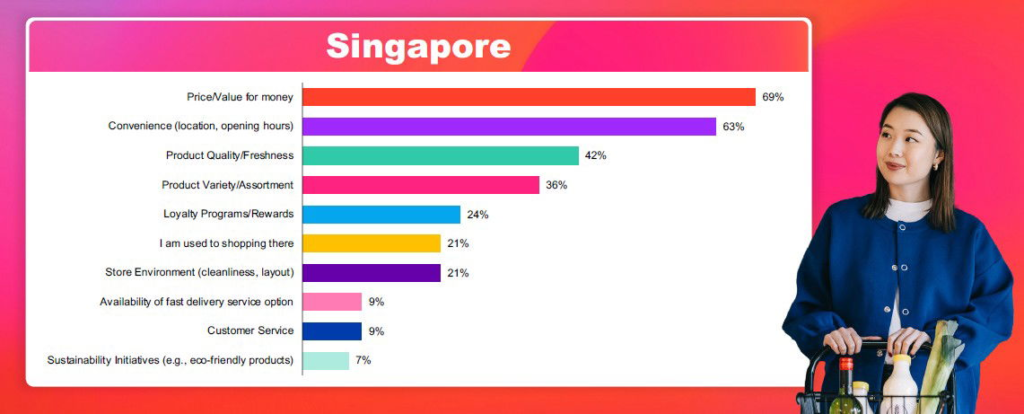
Singapore’s grocery aisles are witnessing a shift, driven by shoppers hunting for value amid rising costs and evolving lifestyles. According to YouGov’s latest report “The rise of value shoppers: APAC grocery retail report 2025”, a striking 63% of Singaporean grocery shoppers are open to trying new brands, even if they’re unfamiliar, highlighting a growing appetite for exploration alongside price sensitivity. The report paints a vivid picture of Singapore’s grocery landscape: 79% of consumers visit physical supermarkets, with a solid 48% frequenting hypermarkets and 33% shopping online. Physical supermarkets remain the go-to for both Gen Z (61%) and Gen X+ (60%), while Millennials lean more toward online platforms, signaling a clear generational divide in shopping habits. Don’t miss: What are women in Singapore spending on? Price remains king in Singapore’s grocery choices. Nearly seven in 10 shoppers say value for money is their top priority, followed by convenience and product freshness. Yet sustainability initiatives barely register, with only 7% considering it important.  Moreover, while fresh produce such as fruits (83%), meat, seafood, and eggs (81%) are overwhelmingly bought offline, categories such as baby (22%) and pet care (20%) see more online traction, reflecting comfort in purchasing packaged essentials digitally. In addition, the report found that value-driven behaviours dominate where nearly 74% of Singaporeans are willing to switch supermarkets for better prices, and 70% hunt for the lowest cost before buying within a category. Despite inflation pushing grocery spending up for nearly 40% of APAC shoppers, Singaporeans show cautious budgeting, with 31% citing personal economic concerns for cutting back, and over half actively track their spending habits. Moreover, cost-cutting strategies are straightforward with shoppers buying fewer non-essential items (64%), chasing promotions (49%), opting for affordable brands (46%), reducing shopping frequency (42%), and maxing out loyalty points and digital coupons (34%). According to the report, Singaporeans lead the region in price sensitivity, with 77% ready to explore new retailers for savings and 68% diligently comparing prices. Digital tools are playing a bigger role too, with 55% using supermarket apps and websites to snag deals, and social media and YouTube sparking instant product discoveries. This appetite for savvy, value-driven shopping in Singapore also extends into the digital realm, where consumers increasingly expect tech-powered convenience. AI has become a consumer expectation in eCommerce, with 81% of shoppers in Asia Pacific wanting retailers to offer AI-powered features such as visual try-ons, voice search, and smart shopping assistants. This is according to DHL eCommerce’s “eCommerce trends report 2025”, which surveyed 24,000 online shoppers across 24 markets. The report highlights that AI, social commerce, delivery expectations, and sustainability are redefining what it takes to win and keep customers in the digital retail space. Nearly half (47%) of APAC consumers are already shopping via voice commands. Consumers are demanding intuitive tools to browse, choose, and buy more confidently. Virtual try-ons, AI-powered assistants, and voice-enabled search have shifted from “nice-to-have” to “must-have”, reflecting an evolution in shopping habits. For retailers, investing in AI is no longer optional—it’s essential to stay competitive in a rapidly evolving market. Accelerate your brand’s growth with AI-first strategies, emerging tech and data-driven experiences. Join 500+ marketing leaders at Digital Marketing Asia 2025 Singapore on 24–25 September to uncover transformative trends, real-world wins and powerful ideas for 2025 and beyond.  Related articles: Study: 63% of APAC AI shoppers say the tech sparks better ideas   Study: Two in three APAC online shoppers say next-day delivery is important    Survey: 70% of APAC online shoppers prioritise sustainability in their purchases  source

Report: 63% of Singaporean grocery shoppers welcome new brands despite unfamiliarity Read More »

Ministry of National Development calls creative, marketing and social media pitch for MSO

Singapore’s Ministry of National Development (MND) is seeking an agency to provide creative, marketing and social media management services for its Municipal Services Office (MSO). According to tender documents seen by MARKETING-INTERACTIVE, the contract is for 12 months, with the option for two yearly extensions.  The tender sets out three key objectives: to raise awareness and drive adoption of the OneService channels, particularly the app and chatbot; to educate the public on municipal issues and the role residents can play in improving their living environment; and to foster a community around MSO’s followers by engaging target audiences, monitoring sentiment and addressing misconceptions. Don’t miss: National Council of Social Service concludes creative pitch The appointed agency will be tasked to handle strategy, creative execution, account management, content production and media buying to promote the OneService channels, namely the OneService app and OneService Kaki chatbot, alongside MSO’s public education efforts. The agency will also be required to develop an integrated outreach and publicity plan that leverages MSO’s out-of-home, digital, social media and on-ground assets, while ensuring consistent messaging and branding across all platforms. This includes creating new content pillars, public education materials, campaign schedules, and marketing collateral in a range of formats such as static visuals, videos, animations, infographics and online engagement activities. Additionally, the appointed agency will manage all OneService marketing and social media platforms. It will also be tasked with implementing an evaluation framework to measure campaign effectiveness through key performance indicators such as reach, engagement and sentiment analysis, and to recommend corrective measures if targets are not met. Key publicity milestones for 2025 include the OneService App refresh and the introduction of new chatbot features between April and May, followed by further enhancements to the chatbot in November. MND is not the only ministry seeking creative expertise. In July, Singapore’s Ministry of Transport (MOT) also went to market for an agency partner to develop a unified brand strategy bringing the ministry and its statutory boards, including the Civil Aviation Authority of Singapore (CAAS), Land Transport Authority (LTA), Maritime and Port Authority of Singapore (MPA) and Public Transport Council (PTC), under one cohesive identity. The tender aims to strengthen what MOT calls the “One Transport Family”, helping Singaporeans better connect with the nation’s land, air and sea transport story, while sharpening the sector’s shared purpose and ambitions without losing each agency’s distinct identity. Accelerate your brand’s growth with AI-first strategies, emerging tech and data-driven experiences. Join 500+ marketing leaders at Digital Marketing Asia 2025 Singapore on 24–25 September to uncover transformative trends, real-world wins and powerful ideas for 2025 and beyond.  Related articles: Ministry of Social and Family Development seeks PR agency for ECDA   WOG concludes creative pitch with 66 agencies making the cut  Sport Singapore calls for PR pitch   source

Ministry of National Development calls creative, marketing and social media pitch for MSO Read More »

Seiko 5 Sports shakes up time with retro Pepsi collab

Global icons Seiko 5 Sports and PepsiCo have teamed up for their first-ever collaboration, delivering a limited edition watch collection that perfectly fuses heritage, style, and pop culture nostalgia. Though they come from different worlds – Seiko from watchmaking and Pepsi from refreshment – both brands share a unique connection with younger audiences and a commitment to honouring tradition while embracing the future. This shared spirit forms the foundation of the Seiko 5 Sports x Pepsi collaboration, celebrating decades of cultural influence and timeless style. Don’t miss: PepsiCo’s play for Gen Z: Social-first, creator-led and culturally fluent Inspired by Pepsi’s iconic logos from the 1990s, the collection features two standout models that blend retro vibes with modern craftsmanship. The first boasts a versatile 38mm case, paired with a silver-toned white dial framed in Pepsi’s signature blue and accented with the original 1990s Pepsi typeface at the 6 o’clock mark. The result is a fresh, vibrant look that’s both nostalgic and wearable for today’s lifestyles. To announce the limited edition drop, Seiko 5 Sports popped a vibrant social video on its Instagram, featuring the watches shimmering against a lively, fizzy Pepsi backdrop. For those who prefer a bolder statement, the 42mm GMT model features a striking blue-and-black colour scheme developed in partnership with PepsiCo’s Design & Innovation team. Powered by Seiko’s Calibre 4R34 movement, it offers a GMT function that lets wearers track two time zones simultaneously. This model is also the first in Seiko’s SKX-series GMT range to debut a silicone strap, embossed with “PEPSI” and featuring the Pepsi logo, adding character and comfort. True collector’s items, both watches come packaged in Pepsi-can-inspired containers and sport a see-through case back etched with the Pepsi logo, “LIMITED EDITION” text, and a unique serial number. These thoughtful details underscore the collaboration’s blend of craftsmanship and pop culture flair. Prior to this collaboration, Seiko 5 Sports has also partnered up with the likes of HUF, a global skateboarding, streetwear and sneaker brand founded by Keith Hufnagel. Together, the two brands released a limited-edition model inspired by the heritage of a late-1960s 5 Sports design.  Previously, the watch brand has also teamed up with Denham, Yuto Horigome, Bruce Lee and Honda for limited-edition drops. Accelerate your brand’s growth with AI-first strategies, emerging tech and data-driven experiences. Join 500+ marketing leaders at Digital Marketing Asia 2025 Singapore on 24–25 September to uncover transformative trends, real-world wins and powerful ideas for 2025 and beyond. Related articles:PepsiCo turbocharges global fan engagement with F1 partnershipPepsi pays tribute to football heritage with nostalgic global campaignPepsi proves actions speak louder than words in new brand platform source

Seiko 5 Sports shakes up time with retro Pepsi collab Read More »

UK watchdog bans Zara ads for featuring "unhealthily thin" models

UK’s Advertising Standards Authority (ASA) has banned two Zara advertisements for portraying models who appeared “unhealthily thin,” ruling the images irresponsible and in breach of social responsibility rules. The investigation concerned four product listings on Zara’s UK website, viewed in May 2025, each featuring female models wearing different outfits. In one ad showing a model in an oversize pocket shirt, the ASA found that the low-cut design drew attention to the model’s protruding collarbones. The styling and pose emphasised her slim arms, shoulders, and chest, creating an impression that the model was unhealthily thin, it added. Don’t miss: Outrage erupts as Vogue runs Guess ad with AI-generated model  Another ad, featuring a model in a voluminous combined short dress, was also deemed to depict an unhealthily thin figure. Shadows over her legs accentuated their thinness, while her slicked-back hairstyle made her face appear slightly gaunt. The styling and lighting further highlighted protruding collarbones and an overall disproportionate appearance. Two other ads were cleared by the ASA. One showed a close-up of the first model wearing a contrasting ruffle bodysuit, where her body appeared in proportion despite a visible collarbone. The other featured the second model in extra wide-leg high-waist jeans, where lighting and styling gave the impression of slim limbs but did not portray an unhealthy body image. The ASA ruled that the two ads featuring the oversize pocket shirt and the short dress breached the CAP Code’s social responsibility rules and must not appear again in their current form. The regulator instructed Zara’s UK arm to ensure that future advertisements do not depict models in a way that suggests unhealthy thinness. In response to the ASA’s ruling, Zara stated that its model hiring practices align with the recommendations outlined in “Fashioning a healthy future”, a report published by the UK Model Health Inquiry. The company highlighted its compliance with “recommendation three,” which requires models to provide medical certificates confirming good health from doctors specialising in eating disorders. Zara confirmed that both models featured in the ads held such medical certification. Zara also said the images were not materially altered, aside from minor lighting and colouring adjustments, and noted that all four ads were part of a carousel displayed on its website. Following receipt of the complaint, Zara said it promptly amended the product listings and removed the specific images in question. The company added that it had not received any direct complaints about the ads prior to the ASA investigation. Earlier in 2024, the ASA banned Calvin Klein’s ad featuring singer FKA Twigs for “irresponsibly objectifying women” and portraying the singer as a “stereotypical sexual object”. The ad, which includes a poster first seen in April 2023, featured FKA Twigs shown wearing a denim shirt that was drawn halfway around her body, leaving the side of her buttocks and half of one breast exposed.  The ASA considered such depiction placed viewers’ focus on the model’s body and physical features rather than on the clothing being advertised, and thus ruled the ad overtly sexual and not suitable for display in an untargeted medium.   In response, the singer said that she does not see the “stereotypical sexual object” that the watchdog has labelled her as. In an Instagram post, the 35-year-old singer said “I see a beautiful, strong woman of colour whose incredible body has overcome more pain than you can imagine.”  “In light of reviewing other campaigns past and current of this nature, I can’t help but feel there are some double standards here. So, to be clear, I am proud of my physicality and hold the art I create with my vessel to the standards of women like Josephine Baker, Eartha Kitt and Grace Jones who broke down barriers of what it looks like to be empowered and harness a unique embodied sensuality,” wrote FKA Twigs. The ASA eventually reversed its ruling a few months after, saying that while viewers’ attention might be drawn to the model’s body, the images were “not sexually explicit”. The ASA added that the ad had presented a woman who appeared to be “confident and in control”. It concluded by saying that “the ads were unlikely to be seen as irresponsible or cause serious or widespread offence on the basis of sexual objectification”.  Join us on 20 August at PR Asia 2025 and take charge of the new era of PR. Tackle trust head-on, stay ahead of shifting policies, and harness AI to power up your comms game. Get inspired, get connected, and get future-ready.  Related articles:     How Zara’s apology for its controversial campaign ‘gaslit’ consumers UK ad watchdog bans FKA Twig’s Calvin Klein ad for ‘objectifying women’FKATwigs responds to banned Calvin Klein ad: “I will not have my narrative changed”  source

UK watchdog bans Zara ads for featuring "unhealthily thin" models Read More »

Study: Nearly 67% of SEA consumers tune out repetitive ads

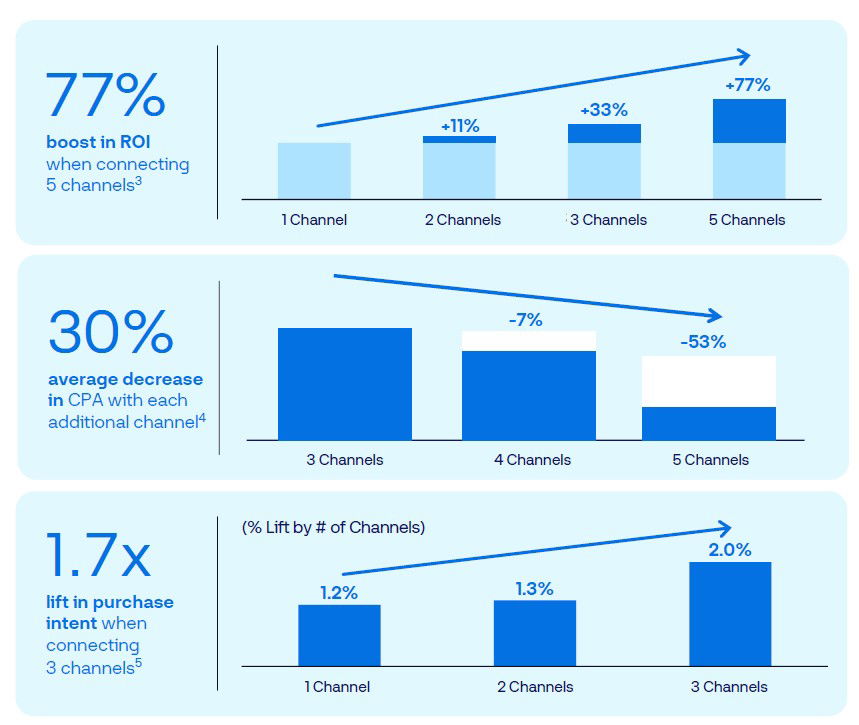
Nearly two-thirds of consumers in Southeast Asia are tuning out repetitive ads shown on a single channel, according to a new report by advertising technology company The Trade Desk. The study, titled “The untapped opportunity of omnichannel”, found that 66% of respondents have experienced ad fatigue from seeing the same brand repeatedly on one platform, with Indonesia at 69% and the Philippines at 67% reporting the highest levels, followed by Thailand at 65% and Singapore at 63%. Gen Z consumers were 57% more likely to be annoyed by repeated ads on a single channel compared to other demographics. Despite this widespread fatigue, more than half of Southeast Asians said ads influence their next purchase, with figures climbing to 66% in Thailand and 60% in Indonesia. Southeast Asians were also found to be 1.6 times more likely than the global average to be inspired by ads when shopping online. Don’t miss: Report: Half of Indonesian viewers respond to ads in professional videos The Trade Desk noted that while both omnichannel and multichannel campaigns use multiple platforms, multichannel campaigns often operate in silos with separate strategies for each channel. Meanwhile, omnichannel campaigns connect three or more digital channels such as mobile, display, video, audio, digital-out-of-home, or connected TV/ over-the top (OTT) into a unified experience that sequences messages and controls frequency across the user journey. According to the study, omnichannel strategies reduced ad fatigue by 2.2 times and increased persuasive impact by 1.5 times compared to siloed campaigns. Looking at regional nuances, Thailand showed strong brand recall through online video, gaming, and websites, with connected TV/OTT driving both recall and trust, making viewers 23% more likely to remember brands and 16% more likely to trust ads compared to other formats. In the Philippines, social media remains dominant, but consumer trust is higher in premium open internet channels such as CTV/OTT, music streaming, and online video, which command 1.2 times greater trust than social media. Singaporean consumers were the most ad-sceptical in the region, but trust remained highest in CTV/OTT, online video, and music streaming, with Millennials showing stronger message recall and product awareness when engaged across multiple trusted channels. Indonesia led the region in ad recall at 81%, well above the 66% regional average, but trailed in brand trust, ranking just behind Singapore, suggesting that marketers should prioritise trusted formats such as online video and CTV/OTT to close the credibility gap. “As media consumption becomes increasingly fragmented, ad fatigue is emerging as a major challenge for marketers. Our research shows that an omnichannel approach is far better equipped to manage frequency across channels, publishers, and platforms, while delivering a cohesive sequence of relevant messages,” said Simon Morgan, senior vice president at The Trade Desk.  He added, “When campaigns are audience-first and aligned with how people actually consume media, they reduce fatigue, while driving stronger business outcomes.” This focus on fresh, impactful advertising comes as media platforms ramp up new offerings. In June, LinkedIn expanded its video ad capabilities with First Impression Ads, Reserved Ads, and enhanced CTV placements aimed at helping B2B marketers break through attention barriers and drive sales. First Impression Ads are full-screen vertical videos shown as the first ad a user sees, designed for single-day campaigns. Reserved Ads let brands secure premium feed placements in advance for sponsored content such as Thought Leader Ads. Both formats will roll out globally later this year. Meanwhile, Meta introduced paid ads and features in WhatsApp’s Updates tab, marking a shift from its long-standing no-ads policy. This includes ads in Status, promoted Channels, and paid subscriptions, all confined to the Updates tab used by over 1.5 billion people daily, leaving private chats unaffected. Advertisers and Channel admins can now reach audiences through paid placements and initiate conversations via clickable Status ads. Join us on 20 August at PR Asia 2025 and take charge of the new era of PR. Tackle trust head-on, stay ahead of shifting policies, and harness AI to power up your comms game. Get inspired, get connected, and get future-ready.  Related articles: Study: Influencers dethrone ads as top discovery tool for gamers    Meta rolls out ads on Threads globally     Reddit to let users hide ads from specific advertisers source

Study: Nearly 67% of SEA consumers tune out repetitive ads Read More »

Adidas nabs PUMA SEA marketing head as director of brand activation

Sportswear giant adidas has appointed Eleanor Wang as its new director of brand activation for Southeast Asia (SEA). Wang steps into the role after more than a decade at rival sportswear label PUMA Group, where she most recently served as director of marketing for SEA. She first joined the company in 2013 as a senior marketing executive, steadily rising through the ranks to head of marketing, SEA, before taking on the director role. Don’t miss: PUMA names new senior director of marketing for SEA During her tenure, Wang was instrumental in delivering high-impact campaigns in both the sports and lifestyle categories, with a strong track record in driving brand relevance and market growth. She was credited for spearheading innovative digital campaigns, boosting consumer engagement, and building strategic partnerships to expand PUMA’s footprint in the region. Some of her recent highlights include “PUMA Palermo Stadio House,” the “PUMA +65” campaign for the launch of the PUMA SEA brand store, and the brand’s partnership with the Standard Chartered Singapore Marathon. These initiatives not only amplified brand visibility but also deepened connections with diverse consumer segments in Southeast Asia. With her move to adidas, Wang is expected to bring her expertise in brand storytelling, event-led activations, and cross-market marketing strategies to energise adidas’ brand presence in SEA, a market known for its dynamic sports culture and rapidly evolving consumer trends. Wang has declined to comment.  Meanwhile at PUMA Group, Wang has been succeeded by Gabriel Yap, who took on the role of senior director of marketing for Southeast Asia.  In his new role at PUMA Group, Yap is tasked to lead and drive the strategic development, execution and performance of the brand’s marketing initiatives across SEA. His focus will be on ensuring consistent brand positioning and boosting brand equity across key markets.  Yap was previously regional senior marketing director at ASICS.  Accelerate your brand’s growth with AI-first strategies, emerging tech and data-driven experiences. Join 500+ marketing leaders at Digital Marketing Asia 2025 Singapore on 24–25 September to uncover transformative trends, real-world wins and powerful ideas for 2025 and beyond.  Related articles:    Standard Chartered names new global corporate coverage marketing director Shangri-La Singapore names new director of marketing CHAGEE nabs Subway APAC head of marketing to lead social and digital  source

Adidas nabs PUMA SEA marketing head as director of brand activation Read More »

McCann Singapore revives long-lost lyric in new NDP anthem

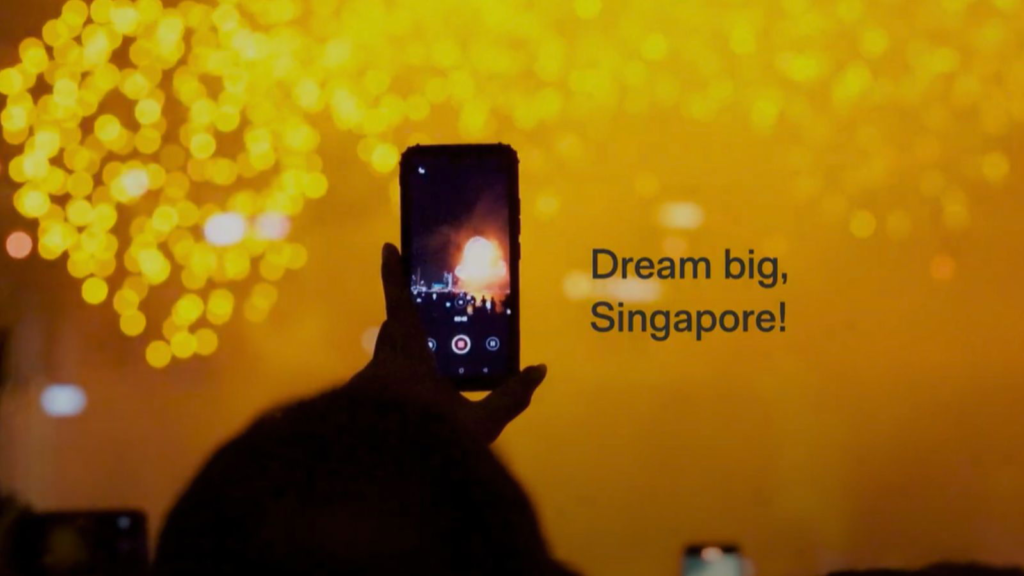
McCann Singapore has tapped into the nation’s collective spirit with a fresh National Day song, Dream big, Singapore, to mark Singapore’s 60th birthday. The new track reunites McCann with Hugh Harrison, the agency’s former creative director and writer of iconic NDP songs including Count on me Singapore, Stand up for Singapore and We are Singapore. Notably, Dream big, Singapore resurrects a long-lost lyric from Harrison’s original draft of Count on me Singapore. The original refrain “We have a dream, we have a dream” was swapped out in 1986 for a more pragmatic “We can achieve”, reflecting the economic challenges of that era. Today, the revived lyric reclaims that hopeful vision and places a shared dream at the heart of the anthem. Don’t miss: Is your SG60 brand film a one-hit wonder? McCann said the song, with lyrics such as “We’ve come so far, yet there’s still more,” encourages Singaporeans to keep dreaming while staying grounded in hard work. It balances pragmatism with optimism, capturing the nation’s evolving mindset. The message resonates with findings from McCann Worldgroup’s “Truth about ascending Asia” study, which reports that 84% of Singaporeans believe life will improve for people like them in the next decade. Dream big, Singapore is part of McCann’s 50th anniversary celebrations in Singapore, highlighting both the agency’s deep ties to the country’s growth story and its continued creative influence on national narratives. The song is now streaming on YouTube, supported by a digital campaign and dedicated microsite marking McCann’s five decades in Singapore. “Great creativity often lies in telling the truth well. Dream big, Singapore takes a lyric that was once set aside and reclaims it for a different time, one where hope, imagination, and unity feel more vital than ever. McCann has long been part of the way this nation tells its story and this song is a continuation of that legacy, one that looks forward while honouring the creative spirit that brought us here,” said Valerie Madon, chief creative officer, McCann Worldgroup Singapore. In tandem, Brandon Cheung, CEO, McCann Worldgroup Southeast Asia said, “At McCann, we help our clients build enduring brands that win and keep winning. As we reflect on Singapore’s 60th anniversary and our 50th year of operation in the country, we celebrate Singapore’s success both as a thriving nation and a globally admired brand.” He added, “The reimagined song, ‘Dream Big, Singapore’ perfectly encapsulates the timeless and timely optimism of Singapore and McCann’s humble role in shaping the national brand over the years.” McCann isn’t alone in using music to mark SG60. Earlier this year, the National Council of Social Service (NCSS) and DDB Group Singapore launched a campaign supporting Community Chest’s SGSHARE donation program. Rebranded from SHARE for SG60, SGSHARE recognises Singapore’s progress in building a strong social infrastructure. The program aids adults with disabilities, children with special needs, at-risk youth, individuals facing mental health issues, and vulnerable families and seniors. It encourages regular donations through a subscription model, helping social service agencies meet rising demands. The campaign features a film set to A million dreams from The Greatest Showman, performed by the Voices of Singapore Children’s Choir and Starlight Voices. Accelerate your brand’s growth with AI-first strategies, emerging tech and data-driven experiences. Join 500+ marketing leaders at Digital Marketing Asia 2025 Singapore on 24–25 September to uncover transformative trends, real-world wins and powerful ideas for 2025 and beyond.  Related articles: McCann Singapore expands creative team ahead of 50th anniversary      7 SG60 films that stuck to us like kopi on a white tee    IMDA partners local media to spotlight Singapore’s history this SG60 source

McCann Singapore revives long-lost lyric in new NDP anthem Read More »

AirAsia brings ASEAN to Roblox with the launch of AirAsia World

AirAsia is expanding its footprint in the digital realm with the official debut of AirAsia World on Roblox, creating a new playground for fans to explore the rich cultures of ASEAN through gaming. The initiative marks another step in the airline’s ambition to merge travel, technology, and entertainment in ways that go beyond traditional aviation experiences. AirAsia World is built around two central pillars, which are ASEAN exploration and rewarding experiences, delivering both immersive gameplay and cultural discovery. The platform invites players to step into a vibrant metaverse filled with destinations inspired by ASEAN cities, offering an accessible way to “travel” virtually before experiencing it in real life. Gamers can interact with culturally inspired environments, take on gamified challenges, and collect in-game rewards through seasonal updates and creative tasks, AirAsia said in a statement. Don’t miss: Roblox swipes right on Tinder’s Papri Dev as APAC communications head Under the ASEAN exploration pillar, users can navigate colourful, detail-rich maps that showcase the diversity of the region. Meanwhile, rewarding experiences adds a competitive twist, with mini-games, journal entries, and special incentives designed to keep players engaged. This combination of cultural storytelling and interactivity positions AirAsia World as a gamified entry point into ASEAN travel culture, beyond a branded experience. The game currently offers two signature maps. AirAsia central acts as the hub for mini-games and user-generated content. Here, players can test their speed on the AirAsia Ride grand prix go-kart track, a unique course designed for fast-paced competition, or take to the skies at the AirAsia pilot academy, where they must dodge obstacles and collect coins to climb the leaderboards. The second map, ASEAN island, offers a more leisurely pace, letting players explore virtual representations of different parts of the region, complete with the option to “taste” AirAsia’s signature Santan meals within the game. This expansion into Roblox is part of a broader push by AirAsia’s intellectual property arm, AirAsia brand co., to explore new entertainment and engagement formats. The team has previously launched the AirAsia Buds Adventures animated YouTube series and is now in its third year running RedGames Jam, a game development challenge that supports emerging creators. AirAsia World was developed in collaboration with Malaysian studios Objekk and Lumiworks and funded through the Malaysia Digital Economy Corporation’s (MDEC) IP 360 Metaverse grant, which supports local talent in digital content and creative technology. Roblox, a platform with millions of daily active users worldwide, provides a fitting stage for AirAsia’s latest move. With experiences ranging from racing to role-playing, it offers a ready-made community for brands looking to experiment with interactive storytelling. Gamers can join the adventure now by searching “AirAsia World” on Roblox, where they can explore, play, and even get a taste (virtual or otherwise) of what AirAsia and the ASEAN region have to offer. This month, beauty brand Essence also doubled down on immersive gaming to connect with Gen Z and Gen Alpha where they play. The beauty brand expanded its “Kingdom of essentia” experience on Roblox with a new summer island, its first monetised emote, and an on-ground showcase at Gamescom Germany. Last year, IKEA also jumped on the Roblox bandwagon to launch a virtual store. The collaboration, titled “Careers done different” aimed to attract a new generation of co-workers. The virtual store opens on 24 June and is designed to introduce users to the roles and career progression routes available at IKEA through a series of games inspired by real-life jobs at the Swedish retailer. Accelerate your brand’s growth with AI-first strategies, emerging tech and data-driven experiences. Join the industry’s leading marketers at Digital Marketing Asia 2025 Malaysia on 30 October to uncover transformative trends, real-world wins and powerful ideas for 2025 and beyond. Related articles:Roblox opens the IP floodgates for creators and brandsessence levels up its glam game with new Roblox experienceWPP taps into Gen Z segment with Roblox partnership source

AirAsia brings ASEAN to Roblox with the launch of AirAsia World Read More »