marketing interactive

SIA tightens Business Class seat selection rules, links access to fare type and KrisFlyer status

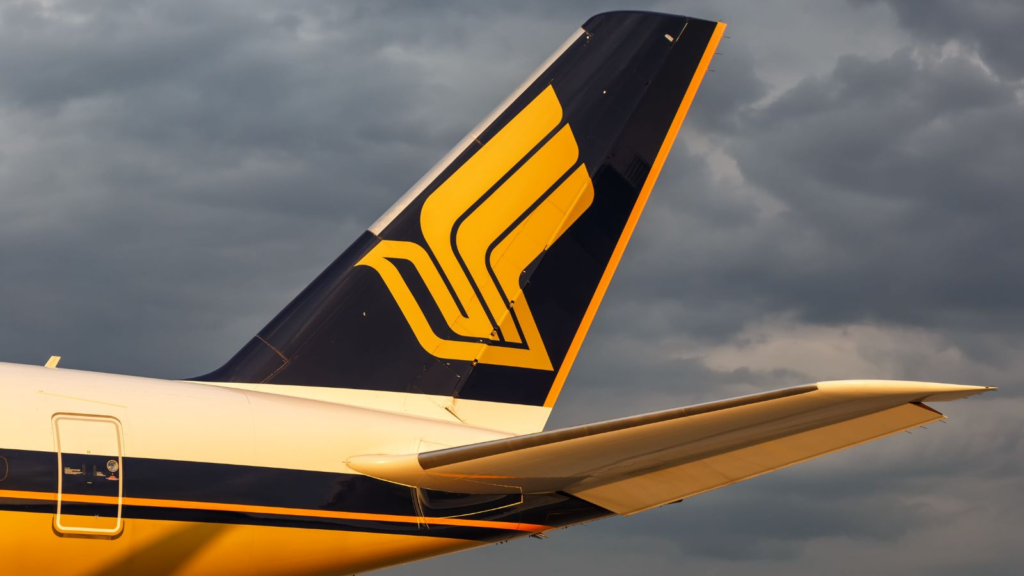
Singapore Airlines has revised its Business Class advance seat selection policy, introducing fare-based and membership-linked access tiers from 2 June 2026, in a move it said is aimed at balancing commercial considerations with customer needs. The updated framework differentiates seat selection privileges based on both fare type and status within KrisFlyer. The airline said the changes apply to all seat selections made on or after 2 June 2026, regardless of when tickets were purchased. Under the revised policy, PPS Club members, alongside customers booked on Business Flexi or Business Standard fares, will continue to have access to any available seat at the time of booking. Don’t miss: Re-writing a contract of trust: Why SIA’s KrisFlyer overhaul feels personal In contrast, passengers travelling on Business Lite fares, as well as Saver or Advantage award tickets, will only be able to select from a more limited range of seats during booking. SIA said the segmentation reflects ongoing adjustments to seat availability “for commercial reasons”, while still taking into account customers with specific needs. The airline clarified that all seat selections made before 2 June 2026 will remain unaffected, regardless of fare type or membership status. Customers can view seat maps, select seats, or make changes through the “Manage booking” function on the airline’s website or via the SingaporeAir mobile app. SIA apologised to customers if their preferred seats are unavailable under the revised structure, noting that availability may vary depending on fare category and timing of selection. The latest seat selection changes come against a backdrop of wider adjustments to SIA’s loyalty ecosystem. SIA previously unveiled a major revamp of its KrisFlyer programme, which introduced higher mileage requirements across several redemption categories. From 1 November 2025, miles required for Business and Suites/First saver awards for flights within Asia and the Southwest Pacific increased by 5%, while Economy Saver awards in the same region were reduced by 5%. For long-haul routes, flights to and from Europe and the United States saw a 5% increase in saver award rates across all cabins. Meanwhile, flights to Africa, the Middle East and Turkey rose by 10% to 20%. Related articles: Singapore Airlines kicks off FIFA World Cup 2026 at 30,000 feet   Singapore Airlines turns Miffy into its cutest co-pilot    AIA taps Singapore Airlines Academy to elevate customer experience and talent skills source

SIA tightens Business Class seat selection rules, links access to fare type and KrisFlyer status Read More »

Omnicom PR builds out APAC leadership team following regional overhaul

Omnicom Public Relations (OPR) has unveiled a new Asia Pacific leadership team, as the communications network looks to strengthen collaboration and integrated client support across its agency brands in the region. The appointments were revealed in an internal memo sighted by MARKETING-INTERACTIVE. The changes will take effect from 1 July 2026. According to the memo, the new structure is designed to provide more seamless support to clients across markets and agency brands, including Weber Shandwick, Golin and FleishmanHillard. Under the new structure, OPR has appointed market leaders across its key APAC markets. They include Yisi Liu (pictured far left), senior partner, MD, FleishmanHillard China, as the new president and general manager of China; Carol Yeung (pictured centre), managing director of Golin Hong Kong, as the new president and general manager of Hong Kong; Ryo Kanayama (pictured second from left) president of FleishmanHillard Japan, as the new president and general manager of Japan; and Elizabeth Bae (pictured far right) MD of Weber Shandwick Korea, as the new president and general manager of Korea. Meanwhile, Carolyn Ann Devanayagam (pictured second from right), head of Weber Advisory APAC and Singapore MD, will lead Singapore as president and general manager, while also taking on the additional role of head of advisory for OPR APAC. Don’t miss: Omnicom PR announces new leadership structure with Joanne Wong as APAC CEO  The network has also established a series of regional growth and practice leadership roles. These include Campbell Hanley as head of client experience and growth, Jena Qian as head of business development and marketing, and Robert Magyar as head of health. Other appointments include Glen Halliwell as senior vice president and regional medical communications specialist, Patrick Yu as head of financial and professional services, alongside his role as head of growth for Hong Kong, and Jonathan Fisher as head of corporate reputation and risk. The regional leadership bench is further rounded out by Thomas Skelton as head of data and analytics, Hin Yan Wong as head of strategy and planning, Shouvik Mukherjee as head of creative, and Rafidah Rashid as head of OMC Connect, while also serving as head of growth for Singapore. The executive leadership team will comprise Martin Yu as chief finance officer and Mary Czarnecki as managing director of human resources. The memo also stated that the appointments will complement existing leadership structures in Indonesia and Taiwan, which continue to operate as single business units under Aries Nugroho in Indonesia and Terry Chiang and Vivian Liu in Taiwan. Earlier last month, MARKETING-INTERACTIVE reported that Omnicom PR unveiled part of its new regional leadership structure across APAC, EMEA and Canada as part of a broader effort to streamline operations across its agency portfolio outside the US and UK, according to a statement from the firm. Under the new structure, FleishmanHillard’s Joanne Wong has been elevated to the role of APAC CEO at Omnicom PR, effective 1 July. Weber Shandwick EMEA CEO Hugh Taggart will become Omnicom PR’s EMEA CEO, and Weber Shandwick Canada CEO Greg Power has been appointed to lead as Canada CEO for Omnicom PR. The three executives will report directly to Omnicom PR global CEO Chris Foster and oversee all OPR agency brands within their respective regions, working closely with local leadership and drawing support from global agency leaders. Related articles: Omnicom PR reportedly restructures agency portfolio Omnicom’s first results post-IPG show merger costs bite, underlying performance holdsOmnicom Advertising Asia unveils regional leadership team source

Omnicom PR builds out APAC leadership team following regional overhaul Read More »

Beyond the hype: How APAC brands are rewriting the pop-up playbook

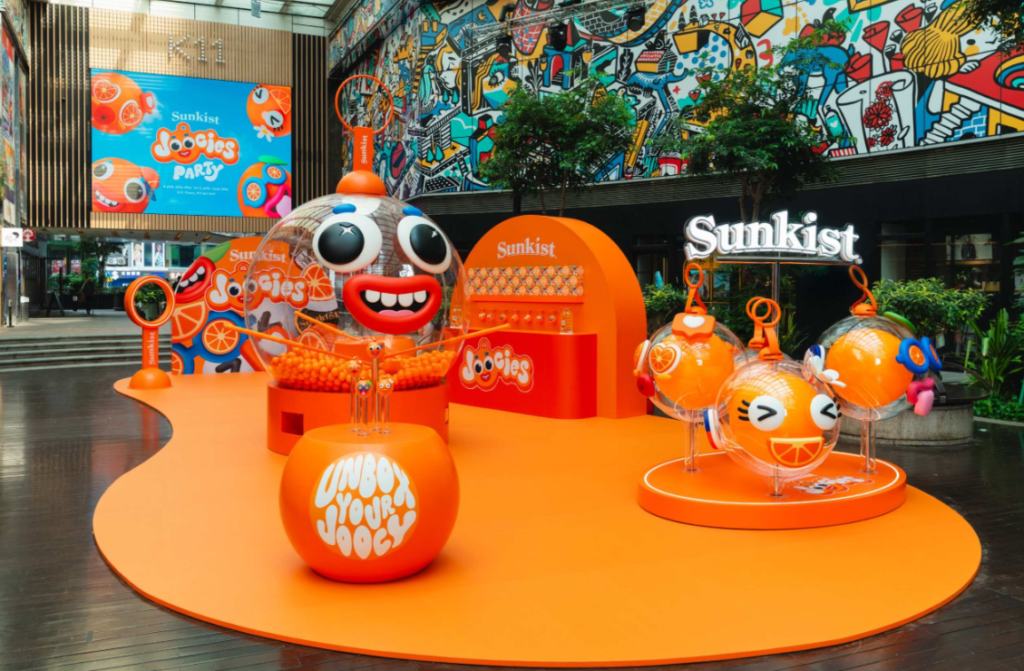
In an era of shrinking attention spans and endless pop‑ups, brands can no longer rely on flashy installations and one‑day queues. The focus has shifted from creating a fleeting moment to building a lasting memory that stays with consumers long after the doors close. Across APAC, marketers are rethinking how temporary spaces can drive lasting brand love, not just weekend foot traffic. One recent example is Sunkist Growers launching the “Sunkist Joocies party” limited-time pop-up in Hong Kong, debuting collectible citrus-themed cases and interchangeable charms where fruit meets fashion. Designed as a playful discovery journey, the experience revealed Sunkist’s Joocies character with surprise and delight. Visitors tested their reflexes in a high-energy orange-scooping challenge to win exclusive blind boxes and fresh oranges, turning a simple fruit into a shareable game that had both parents and children lining up for more.  Don’t miss: Sunkist turns oranges into fashion accessories at K11 pop-up While in Singapore, UNIQLO launched its “AIRism Cooling Station” at Orchard Central. Designed to tackle the local climate, the pop-up allowed visitors to physically experience the brand’s signature cooling technology through interactive installations tailored to Singapore’s heat. What turns a pop-up into lasting brand love? These exclusive experiences reflect that today’s audiences crave stories, experiences, and a genuine reason to stay in the conversation. That is why audience engagement, not just short-term buzz, is what makes a pop-up build long-term loyalty and genuine brand love, according to Sunny Yeung, managing partner and co-founder of Butter Creative. “The brands winning right now aren’t necessarily the ones with the loudest media spend; they are the ones audiences choose to interact with.” Pop-up stores allow a brand to facilitate this two-way interaction, building loyalty through emotional communication, Yeung said. He added:  When done right, it isn’t just short-term buzz – it is a long-lasting emotional connection. This sentiment is echoed by Paulene Ong, marketing director at UNIQLO Singapore, who believes effective pop-ups must ground themselves in a product’s real-world utility. “We design our pop-ups with intention,” Ong said. “Each event is not just a showroom; they are proof points of how we translate product features into lived moments that customers can relate to. This is what ultimately builds long-term loyalty and genuine brand love.” For Cassie Howard, senior director of category management and marketing at Sunkist Growers, a pop-up should serve as a physical expression of a brand’s personality. A pop-up builds long-term brand love when it moves beyond being a one-off transaction and becomes a memorable experience people emotionally connect with. Equally important is giving consumers something to take away beyond the product, whether a story, a collectible, or a shareable moment, that naturally extends the experience through social and word of mouth, reinforcing brand affinity over time, said Sunkist’s Howard. Why less is more in pop-up storytelling While many pop-ups come and go—remembered only for a quick photo opportunity—the most impactful ones leave a lasting impression. However, overloading an activation can backfire. According to Yeung, attempting to pack entertainment, personalisation, and storytelling all into a single pop-up can overwhelm modern consumers. “Audience patience is at an all-time low. Instead of struggling to balance all three, I believe a brand is already winning if an attendee walks away having truly connected with just one of those elements.” Brands should choose one main focus and let everything else support it, echoed Jacopo Pesavento, founder and CEO of Branding Records. Most of the time, the story should be the star, while entertainment and personalisation just help bring that story to life. He added:  When you bolt experiences onto a weak narrative, APAC consumers clock it straight away. They have seen too much to be fooled by production value alone. Pesavento points to Hong Kong heritage brand Garden as a prime example of narrative-driven success. In May, Garden launched its “Every bite tells a story” pop-up to celebrate its century-long history. Led by the brand’s iconic mascot, Grandpa G, the activation guided visitors through a retro-futuristic factory tour featuring unique bread-pairing experiences, exclusive collectibles, and street fashion collaborations with local brands GROCERY, Aim Higher Club, and Cantonese eatery Canto Spice. The way Garden packed a century of Hong Kong memories into a single physical space is a completely different game from just renting a cool venue and calling it experiential, said Branding Records’ Pesavento. Meanwhile, Sunkist’s Howard said the key is to design the experience so that each element reinforces a single, clear narrative, rather than competing for attention, adding that entertainment, personalisation, and storytelling should all serve the same story. “When that happens, the pop-up stops feeling like a collection of random activations and starts feeling like a cohesive experience that people actually remember.” Mark your calendars for 24 June! #Content360 Hong Kong returns with a dynamic, one-day event dedicated to pivotal trends—from the silver economies to breakthrough IP collaborations, sports, and beyond. Let’s dive into the art of curating content with creativity, critical thinking and confidence! Related articles: Garden brings a century of HK memories to Langham PlaceSunkist turns oranges into fashion accessories at K11 pop-up source

Beyond the hype: How APAC brands are rewriting the pop-up playbook Read More »

Shah Rukh Khan is more than just the king of Bollywood in Visa’s experiences-first push

Visa has appointed Bollywood superstar Shah Rukh Khan as its new brand ambassador for India, as the payments giant looks to strengthen its connection with a growing segment of affluent consumers seeking experiences over ownership. The partnership launches alongside Visa’s new India campaign, “Infinitely more”, which is anchored in what the company describes as a shift in consumer aspirations. According to Visa, affluent consumers in India are increasingly prioritising personalised, purposeful and experience-led lifestyles over traditional status symbols. The move is backed by findings from Visa’s “India’s Affluent Economy 2025–2026” whitepaper, which found that consumers are increasingly choosing experiences that align with how they want to live, travel and engage with the world around them. Don’t miss: With influencer marketing taking over, what values do celebrities bring to marketers?  In a statement, Visa said Khan’s global appeal, enduring relevance and trusted reputation made him a natural fit for the campaign. “Shah Rukh Khan embodies this mindset perfectly – iconic, aspirational and trusted,” said Gaurav Ramdev, head of marketing, India and South Asia at Visa. “The modern Indian affluent consumer is increasingly global, discerning and experience-led. That’s the story we bring to life with ‘Infinitely more’. He added that the partnership is a natural extension of Visa’s legacy of aspirational storytelling that reflects the cultural zeitgeist – stylish, global and larger than life. “With ‘Infinitely More’, we build on that legacy to represent the aspirations of today’s India, with Khan at the centre of an iconic narrative,” said Ramdev. As part of the campaign, Visa has also launched Visa.co.in, a platform designed to help eligible cardholders discover curated experiences across travel, dining, wellness, entertainment and lifestyle categories. The campaign film follows Khan on a globe-trotting journey across a series of premium experiences unlocked with a tap of his Visa card. It opens with the actor walking through a hotel lobby before emerging onto a quiet street. After tapping his Visa card, the setting transforms into a bustling street inspired by China, complete with food vendors, musicians and cheering crowds. Khan then charms a taxi passenger with a flower before paying for her ride with another tap of his card. The journey continues to what appears to be a luxury dining destination in Singapore, where diners from different cultures gather around the table. From there, Khan is transported to a Muay Thai ring in Thailand, where performers in traditional costume welcome him before he steps into the ring as a referee. A tuk-tuk ride then whisks him to a high-fashion runway featuring a nod to the iconic red heel from The Devil Wears Prada, before the film concludes with Khan boarding a plane and telling viewers they can experience “infinitely more with Visa Power”. Set to a reimagined version of the classic song Paisa Hai Paisa, the campaign shifts the focus from spending power to access, positioning Visa as an enabler of richer travel, dining and lifestyle experiences. The film also includes several easter eggs, including the return of a tuk-tuk driver and orangutan from previous Visa campaigns. Rajdeepak Das, chief creative officer of Publicis Groupe South Asia and chairman of Leo South Asia, said the creative idea was inspired by changing perceptions of affluence. “For today’s affluent consumers, true luxury is not just about what you own, but what you can access,” he said. “Shah Rukh Khan was the perfect embodiment of this idea, bringing together a world of aspiration, charm and possibility. We created a fast-paced, high-energy cinematic narrative packed with references and metaphorical Easter eggs that reflect the breadth of privileges Visa offers,” added Das.  Speaking about the partnership, Khan said the collaboration felt like a natural fit. “The most meaningful experiences are defined not just by the destination, but by how we experience the journey along the way,” he said. “I am delighted to partner with Visa – an iconic brand that enables you to move through the world with confidence, security and ease. For me, it’s a natural fit, because in every journey that has mattered, Visa has been everywhere I want to be,” added the actor.  With acceptance across more than 200 countries and territories and over 175 million merchant locations globally, Visa said the campaign reinforces its role in helping consumers access experiences seamlessly and securely wherever they are. The campaign also comes as Visa continues to deepen its presence in experience-driven categories such as music, entertainment and travel. Most recently, the payments giant was named worldwide tour sponsor for BTS World Tour “ARIRANG”, which will see the K-pop group perform 82 shows across 34 regions. Through the partnership, Visa is offering cardholders access to ticket promotions, merchandise and on-ground experiences, reflecting its broader strategy of connecting consumers with passion-led moments beyond transactions. It also joined forces with two-time Grammy-winning artist, composer, and producer Laufey in a new Asia Pacific partnership designed to engage her devoted fanbase and young travellers across the region. Related articles:   Visa names new APAC head of media, social, data, content, and digital innovation  Visa APAC nabs Alvina Seah as head of Visa design and creative studio  Visa wants you to travel like Jennie, in latest ‘Road to Ruby’ campaign  source

Shah Rukh Khan is more than just the king of Bollywood in Visa’s experiences-first push Read More »

What if the best football is the kind nobody planned for?

Nike is encouraging football fans and players to throw out the rulebook with the launch of “Rip the script”, a new global campaign that champions instinctive, creative and attacking football. Positioned as a rallying cry for young players, the campaign aims to inspire athletes to trust their instincts and embrace a more joyful approach to the game. Beyond a single film, “Rip the script” serves as the entry point to what Nike describes as an evolving universe of football content spanning sport, entertainment, music and fashion. At the heart of the campaign is a six-minute film set inside a Hollywood mega-studio, where some of football’s biggest names reject convention and embrace spontaneous play. Don’t miss: Nike revives its rallying cry with ‘Why do it?’ campaign The film features football stars Cristiano Ronaldo, Kylian Mbappé, Erling Haaland and Vinícius Júnior, alongside football legends Eric Cantona, Ronaldinho, Zlatan Ibrahimović, Didier Drogba and Jorge Campos. The campaign also includes cameo appearances from cultural figures including LeBron James, Travis Scott, Kim Kardashian, Ted Lasso, Kate Scott, Channing Tatum, Young Miko and LISA. The film opens with Mbappé in the midst of an intense, cinematic football match. After he scores, the scene pulls back to reveal that the action is being directed on a Hollywood studio set. The director immediately calls “cut”, scolding Mbappé for improvising and adding theatrical flair to the scene. Frustrated that the players refuse to follow instructions, the director complains to his crew, prompting the football stars to go rogue. What follows is a chaotic journey through the studio, with players crashing through different film sets and inserting themselves into a series of cinematic scenarios. The campaign culminates with the stars joining forces for one final charge onto the pitch, before Haaland seals the film with a thunderous strike. According to Nike, the campaign is designed to unfold throughout the summer football tournament period, featuring interconnected storylines, unexpected appearances and Easter egg-filled content aimed at engaging fans, creators and players. The broader initiative also showcases Nike’s football ecosystem, spanning product innovation, community programmes and retail experiences. On the product front, Nike’s 2026 federation collections incorporate Aero-FIT cooling technology while drawing inspiration from each federation’s heritage and culture. The brand is also spotlighting its latest football boot range, including the Mercurial Vapor 17, Mercurial Superfly 11, Phantom 6 and Tiempo Maestro. Meanwhile, Nike is continuing to invest in grassroots football through Toma el Juego, its community-led street football programme. The initiative has hosted more than 100 tournaments across six continents and over 20 cities, aimed at fostering creativity and creating pathways from street football to elite competition. The campaign also extends into fashion and culture through several product collections, including the X2 range, Cryoshot, Mad 90 Pack and Hollywood Keepers collection, alongside regional collections such as Tercer Tiempo F.C. and Amor & Furia for consumers in Mexico and Latin America. As part of its retail activation strategy, Nike said it will refresh more than 5,000 retail locations globally from June through the end of the tournament. The brand is also launching football-focused experiences in key markets. The campaign reflects Nike’s continued efforts to position football not only as a sport, but as a cultural force that intersects with entertainment, fashion and community. “We know the magical moments in football happen when players trust their instincts. That’s the kind of football we love: fresh, instinctive, unexpected and creative,” said Helena Thornton, VP, Nike brand management. She added, “We made this film to meet football communities exactly where they are, not just on a screen, but in their world and deeply engrained into their subcultures. We didn’t want to follow the traditional marketing playbook. We wanted to give them something worth talking about, worth clipping, worth wearing, worth showing up to. A story they don’t just watch — one they can make their own. That’s the whole idea behind our universe of Nike Football.” In tandem, Enrico Balleri, VP, creative director, global brand voice at Nike said, “We were intentional in choosing every cast member in the film, and we had fun and leaned into the playfulness of their roles. We knew Kardashian, for example, takes her son to play football, so we created a whole ‘soccer mom’ persona for her, and in later extensions of the film, we’ll build and deepen that storyline. A cast that reflected an authenticity and a real connection to football was crucial to us.” The campaign comes as Nike continues to ramp up its football marketing efforts ahead of the summer tournament season. Earlier this week, Chelsea FC and Nike unveiled the club’s home kit for the 2026/27 season, alongside a global campaign titled “Can’t tame us”, created by TILL DAWN and developed from a strategy by ICONIC. Rather than centring on a traditional reveal film, the campaign was designed to build anticipation through the real-world and digital communities where Chelsea supporters gather. Drawing inspiration from luxury fashion marketing, it combined street-level activations, “spotted in the wild” moments and cultural teasers across multiple markets. Related articles: Nike unveils horror-themed brand identity to reshape football’s future    Nike and LEGO team up for wild, creative youth football collection   Nike and BTS team up for global merchandise blitz  source

What if the best football is the kind nobody planned for? Read More »

Gen Z perspectives: Bad photographers, unhinged living and Grimace’s World Cup debut

Happy Friday, MARKETING-INTERACTIVE readers and welcome back to Gen Z Perspectives, your go-to feature where we unpack the week’s top stories and trending topics through the eyes of Gen Z. From the biggest industry moves to viral moments and marketing controversies worth dissecting, we’re bringing the heat with authenticity, awareness and probably a few unfiltered takes. If there was a theme this week, it was going big. Icelandair launched a hunt for the world’s worst photographer, Circles.Life urged consumers to “Live unhinged”, and McDonald’s turned up the FIFA World Cup 26 fever for fans around the globe. Let’s get into it. Don’t miss: Gen Z perspectives: Fresh movements and CHAGEE’s new brew print 1. Icelandair has a job for your friend who can’t take photos Icelandair is turning conventional travel marketing on its head with a campaign searching for the world’s worst photographer, proving that Iceland’s landscapes are so spectacular that even bad photos can look good. The airline launched a global casting call inviting self-proclaimed terrible photographers to apply for the role, offering an all-expenses-paid trip to Iceland and US$50,000 in exchange for their participation and photography. Read more here.  2. Go ahead and live unhinged, but Circles.Life says don’t let your mobile plan do the same   Circles.Life has unveiled a new brand platform, “Live unhinged,” as it looks to move beyond price-led telco marketing and build deeper relevance in Singapore’s lifestyle and community spaces. The campaign is anchored on the insight that Singaporeans are increasingly maximising value in everyday life, sometimes in ways that are highly relatable but not always entirely rational.  Read more here.  3. The FIFA World Cup is coming to McDonald’s, and Grimace made the squad McDonald’s is bringing the FIFA World Cup 26 fever to fans worldwide with a slate of limited-time meals, collectible merchandise and fan experiences designed to celebrate the world’s biggest football tournament. As part of the global campaign, the fast-food giant is rolling out FIFA World Cup 26 meals and Happy Meals featuring exclusive collectibles inspired by football icons including David Beckham, Ronaldinho Gaúcho, Thierry Henry, Son Heung-min and Lamine Yamal, alongside fan-favourite character Grimace. Read more here.  Related articles: In conversation: Can creativity still win in a data-driven media world?   Why the World Cup’s biggest screen may no longer be the only one that matters   Mamee Double-Decker’s CMO on why the brand did everything a snack brand shouldn’t do source

Gen Z perspectives: Bad photographers, unhinged living and Grimace’s World Cup debut Read More »

Coca-Cola launches global media review

Coca-Cola has launched a global review of its media, data science and technology business across most of its major markets. The review is facilitated by consultancy Mediasense and is expected to see incumbent WPP Open X compete against Publicis Groupe for the account. In addition, it coincides with the renewal cycle of Coca-Cola’s five-year partnership with WPP Open X, which began in 2021. The review also comes after Publicis Groupe secured Coca-Cola’s North American media account in 2025. MARKETING-INTERACTIVE has reached out to Publicis Groupe for comment. In a statement, a WPP spokesperson said they are proud to serve Coca-Cola’s global network partner. “The upcoming five-year contract renewal process coincides with Coca-Cola’s Next Chapter initiative, and we will continue to transform our capabilities in lockstep with them,” the statement said.  “We welcome the opportunity to showcase how our integrated media, data science, and agentic technology platform and solutions will continue to drive future growth across their key global markets.”   Don’t miss: Jaguar Land Rover picks new global agency partner for AI-era marketing push  MARKETING-INTERACTIVE previously reported that Coca-Cola would continue working with WPP’s Open X globally after partnering with Publicis Groupe for its North American media buying business. At the time, Open X reflected on the partnership in a LinkedIn post, stating: “Over the past three years, we’ve pushed boundaries together, pioneering a new open-source marketing model, launching Studio X, and harnessing the power of AI to connect with consumers in bold, innovative ways.” Coca-Cola’s global CMO Manuel Arroyo also highlighted the scaling of Open X, which he described as the industry’s first open-source marketing model. “We are living a special moment in marketing at The Coca-Cola Company, and I’m glad to have WPP Open X on our team to help us create the future of marketing,” he said. Coca-Cola first appointed WPP as its global marketing network partner in 2021, tasking the agency group with executing a new marketing model designed to drive long-term growth across its portfolio of brands in more than 200 countries and territories. Operating under the bespoke Open X team, the partnership was designed to deliver end-to-end capabilities across creative, media and data. At the time, Coca-Cola described the scale and depth of the agreement as unprecedented for both the company and the wider industry, spanning its beverage portfolio as well as its global ventures.  Related articles:  IBM picks new global media agency Coach and Kate Spade conclude global media pitch  Dyson concludes global media pitch  source

Coca-Cola launches global media review Read More »

Chelsea FC and Nike unleash a kit launch that refuses to be tamed

Chelsea FC and Nike have unveiled the club’s home kit for the 2026/27 season, accompanied by a global campaign titled “Can’t tame us” created by agency TILL DAWN and developed from a strategy by ICONIC. Rather than relying on a traditional reveal film, the campaign was designed to build anticipation through real-world and digital communities where Chelsea FC fans gather and engage. Drawing inspiration from luxury fashion marketing, the strategy combined street-level activations, “spotted in the wild” moments and cultural teasers across multiple markets. Don’t miss: From courts to feeds: How APAC fans are shaping the future of sport  At the centre of the campaign is the rampant lion, a symbol from the Chelsea FC badge. Ahead of the launch, claw marks appeared on flyposters, murals and outdoor projections across London, as well as in Los Angeles, São Paulo, Sydney and Hong Kong. According to TILL DAWN, the creative concept is built around the idea of a lion that exists within Chelsea supporters, representing qualities such as fearlessness, instinct and ambition. The lion motif also served as a teaser for the club’s refreshed badge, which was introduced following fan consultation. The new home shirt features a collar and button-down neck in Chelsea bright blue, while the rampant lion and Nike Swoosh are woven into the fabric in Midwest gold. In a departure from conventional sports marketing tactics, Chelsea FC did not seed the kit to paid ambassadors ahead of the launch. Instead, the club personally delivered the shirt to selected fans from the worlds of sport, music and entertainment. Among them were golfer Justin Rose, who was photographed wearing the kit during the PGA Championship in May, and Brazilian musician Hariel, who performed in the shirt at a sold-out event in Rio de Janeiro. The kit also appeared on Madonna during a Gymskin livestream. Beyond the product launch, Chelsea FC also unveiled a newly refurbished community football pitch in São Paulo, part of the club’s ongoing efforts to support grassroots participation and invest in communities connected to the sport. “Can’t tame us” marks the second consecutive home kit launch campaign developed by Chelsea FC, TILL DAWN and ICONIC, following last year’s “London, it’s our house” campaign. “We’ve been building cultural gravity around this club for a couple of seasons now. Partnerships with Roc Nation, collaborations with WWE, and conversations with the worlds of music and fashion have all reinforced our belief that the best of London culture and the best of football belong in the same room,” said Scott Fenton, brand director at Chelsea FC. In tandem, Craig Stronach, founder at TILL DAWN, said, “This kit launch is intentionally untamed, from the purposeful leaks to the launch moments, this campaign is rooted in a simple truth: you can’t tame us.” “We set out to develop a creative platform, embodying this behaviour, to celebrate 75 years of the rampant Lion and the disruptive spirit it represents. Enabling versatility for the campaign to evolve in real time – allowing us to react, adapt and build momentum throughout the launch journey,” he added.  James Kirkhamm, founder at ICONIC, said the campaign was intentionally designed to extend beyond football and into adjacent cultural spaces, while also embracing online kit leak culture rather than resisting it. By placing the same shirt across different content moments, experiences, platforms and communities, the aim was to spark conversation and anticipation throughout the launch journey. Chelsea FC’s latest campaign comes as brands across the football ecosystem increasingly look to fan culture and entertainment to deepen engagement. Earlier this year, The Coca-Cola Company unveiled a new FIFA World Cup 2026 anthem through its global music label Real Thing Records. The reimagined version of Van Halen’s classic hit Jump was performed by J Balvin, Amber Mark, Steve Vai and Travis Barker, blending football, music and popular culture to build excitement around the tournament. The track was first teased in Coca-Cola’s “Bubbling Up” campaign earlier this year. Related articles: Liverpool FC just made its anthem fully inclusive     Can football and finance collide? Arsenal thinks so  Tiger Beer crowns MY’s Red Devils to bring fan voices to Manchester United Museum source

Chelsea FC and Nike unleash a kit launch that refuses to be tamed Read More »

Klook's mini slide stunt just became very real

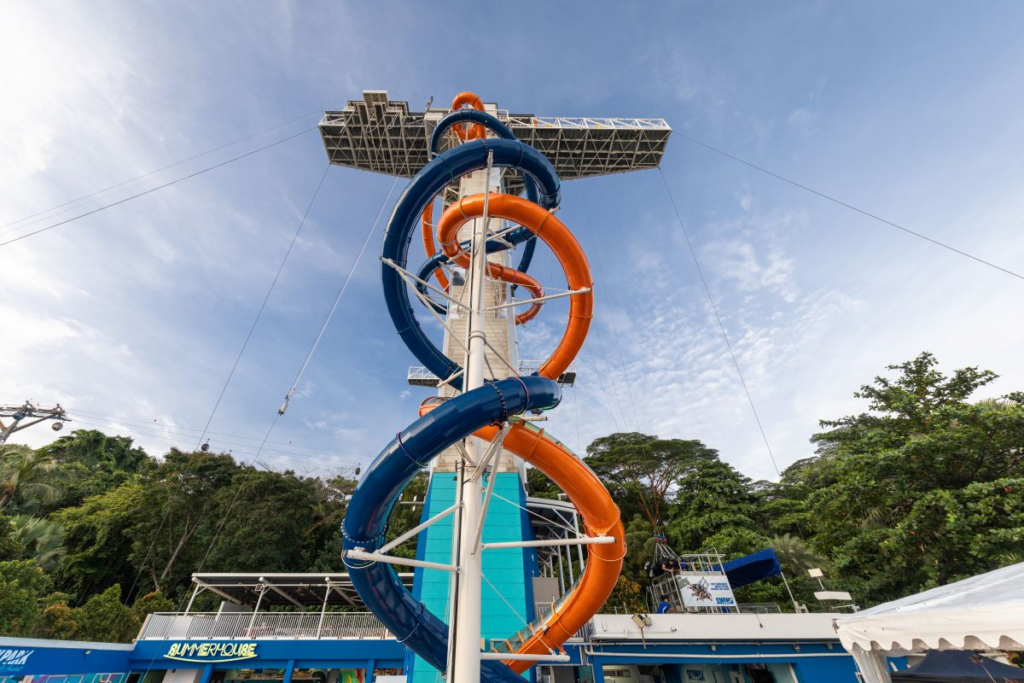
What started as an April Fool’s tease has officially become very real. Klook has launched its first-ever branded attraction globally with “Skyslides by Klook”, a new dual-slide experience opening at the relaunched Skypark Sentosa from 7 June 2026. Developed in partnership with ZJ Adventures, the attraction features two 44-metre slides, “Skydrop” and “The big Klook slide”, both billed as Southeast Asia’s tallest dry slides. The launch marks a new step for Klook as it moves beyond being an experiences booking platform to putting its own name on a physical attraction. Don’t miss: Sentosa names PR agency  “Skydrop” is also positioned as the world’s tallest land-based drop slide. The ride begins with a short drop before sending visitors into a curved slide path. Meanwhile, “The big Klook slide”, wrapped in Klook’s signature orange, offers a more relaxed and scenic alternative from the same height, making it more suited for families and younger riders. The experience also includes immersive UV lighting, a built-in conveyor system and themed ride variations paired with music and audiovisual elements, allowing riders to personalise each run. The slides will expand Skypark Sentosa’s existing line-up, which includes Singapore’s only bungy jump, giant swing and “Skybridge”. According to ZJ Adventures, the refreshed attraction is designed to give visitors more ways to play, depending on their age, comfort level and appetite for adrenaline. “Across the industry, we are seeing a shift in how people engage with attractions — it is no longer just about pushing limits, but about having the choice to experience something in a way that feels right for you,” said Zishan.  “With the new attraction, we wanted to create something that feels exciting yet accessible, where visitors can decide how they want to play, whether that is trying something new or simply enjoying the moment.” For Klook, the launch brings its brand promise of joy and discovery from the app into the real world. “With the launch of ‘Skyslides by Klook’, we are taking our belief in joy beyond the platform and bringing it into the real world through two distinct slides that form one connected experience,” said Sarah Wan, general manager, Singapore, Indonesia, Malaysia and Thailand, Klook. “Skypark Sentosa has been a valued partner of Klook, and we are excited to deepen this collaboration by creating something new together. As our first-of-its-kind attraction, it reflects Klook’s commitment to delivering innovative experiences that add to the energy and vibrancy of Sentosa, while enriching Singapore’s wider tourism landscape,” she added. Ahead of the official launch, Klook leaned into mischief to build anticipation for the attraction. The brand first teased the slides on social media on 1 April, leading some users to wonder if the whole thing was an April Fool’s joke, but the prank-like premise soon hit the streets. When MARKETING-INTERACTIVE reached out, Jeanette Ong, marketing lead, Klook Singapore said that April Fool’s Day was a deliberate choice.  “We wanted to foster a sense of mystery and excitement by leveraging the cultural moment – especially since the mini slide hinted at something bigger without fully revealing it,” explained Ong. To signal this was real and not another joke, Klook also built a real ticketing touchpoint to give the audience a way to register their excitement and engage directly with the brand from the start.  Klook later staged a guerrilla marketing stunt featuring two men carrying an inflatable slide down Robinson Road, turning the teaser into a real-world spectacle. In the accompanying caption, audiences were asked if they could find the Klook slide at Orchard Road on 16 May and Sentosa Siloso Beach on 23 May. Users were also encouraged to comment the word “Klook”. Those who commented received a direct message with a link to a Klook page detailing the “Mini Klook slide” event. The mechanic invited participants to find the slide, take part in a 30-second challenge and stand a chance to win unlimited play for the upcoming attraction. Participants had to slide as many times as possible within 30 seconds, with scores tracked on a leaderboard. The first 20 sliders daily also received a SG$20 Klook voucher, while winners will be contacted by email by 31 July. The activation, according to Ong, was built around the concept of “small start to giant adventures.”  “The mini slides used playful hints and cryptic visuals to spark curiosity and build social buzz, while QR codes and AR elements guided people toward the big reveal. We also placed discreet CCTV-style cameras to capture genuine reactions: the moment of discovery, the decision to go for it and the pure joy of sliding. By bringing unexpected fun into the everyday, we captured real, relatable moments,” said Ong.  She added that the guerilla activation connected with families and Gen Zs, with the audience showing clear enthusiasm and eager participation in the sliding experience. “This reinforces the broad appeal of Skyslides as an attraction that delivers excitement for thrill-seeking individuals while also offering a fun, accessible outing for families,” stated Ong.  The campaign turned the attraction launch into a social-to-physical treasure hunt, using April Fool’s-style ambiguity to spark curiosity, guerrilla marketing to drive street-level attention and a comment-to-DM mechanic to move users from social engagement to campaign participation. The campaign is measured by how many people pre-registered interest for the Skyslides launch prior to the big reveal. During the campaign period, Klook secured almost 2,000 RSVPs.  Beyond the slides, Skypark Sentosa is also home to Summerhouse, its beach club and dining concept, which features a viewing pool offering front-row seats to the action. The wider destination is designed to bring together rides, dining and social moments, giving visitors the option to take part, watch from the sidelines or unwind by the beach. The relaunch follows Skypark Sentosa’s temporary closure earlier this year for upgrades and renovations. In a social media post ahead of the closure, the attraction said it would shut from 5 January until further notice, inviting visitors to return for its final operating weekends before the gates closed. It also told ticket

Klook's mini slide stunt just became very real Read More »

Anthropic builds Singapore footprint with hiring push

Claude-maker Anthropic is expanding its footprint in Singapore, with several job postings indicating plans to build out regional teams across accounting, product support and economic research. Among the roles, the company is hiring an APAC accounting lead based in Singapore to head its regional corporate accounting function. Reporting to the head of international accounting in Dublin, the role will oversee end-to-end finance operations across Asia Pacific, including statutory reporting, payroll, procure-to-pay, intercompany processes and regional finance systems. The position will also be responsible for building and leading the regional accounting team, managing outsourced providers, and strengthening internal controls as Anthropic scales its presence in the region. Don’t miss: Anthropic files confidentially for proposed IPO  The firm is also recruiting a regional economic research lead focused on studying AI’s impact on economies. The role will involve working with governments, academia and industry partners to develop the Anthropic Economic Index, while building methodologies to measure AI’s effects on labour markets, productivity, inequality and broader economic outcomes. Separately, Anthropic is hiring product support specialists in Singapore, marking its first locally based support team in the market. The team will handle user issues, strengthen technical support processes and support enterprise customers as the company scales its AI offerings globally. MARKETING-INTERACTIVE has reached out to Anthropic for more information. The hiring push comes as OpenAI ramps up its presence in Singapore through a more than SG$300 million investment to establish its first Applied AI Lab outside the US, in partnership with the Ministry of Digital Development and Information. The OpenAI Singapore Applied AI Lab will house more than 200 engineers and specialists over the coming years to support organisations across sectors including public services, finance, healthcare and digital infrastructure. The company will also roll out training programmes, including a bootcamp for mid-career software engineers, as well as workshops and capability-building initiatives with government agencies, education institutions and SMEs. Related articles:    Anthropic appoints Theo Hourmouzis to lead ANZ as Sydney office officially opens  OpenAI eyes deeper APAC growth with new marketing head  Singapore to create registry for AI agents  source

Anthropic builds Singapore footprint with hiring push Read More »