The Next Web TNW

Swedish startup unveils Starlink alternative — that Musk can’t switch off

A new pocket-sized Starlink alternative promises secure military communications — safe from interference by billionaire CEOs. The system, named the RU1, was unveiled today by Swedish startup TERASi. It’s billed as the world’s smallest and lightest mm-Wave radio, a form of communications that offers blazing-fast speeds and huge bandwidth. James Campion, the CEO and co-founder of TERASi, describes the portable device as “the GoPro of backhaul radios.” “RU1 can be deployed in minutes to keep units connected in fast-changing environments,” Campion told TNW. The devices, he continued, can be installed on tripods or drones. Multiple RU1s can then link into a resilient mesh, providing bandwidth for mission-critical applications such as live drone video, autonomous fleet control, and sensor data fusion. TNW City Coworking space – Where your best work happens A workspace designed for growth, collaboration, and endless networking opportunities in the heart of tech. It also can’t be remotely disabled or controlled by external actors — a safeguard notably absent from SpaceX’s Starlink. That vulnerability has been strikingly exposed in Ukraine. Military control conflicts Just days after Russia’s full-scale invasion began in February 2022, Elon Musk, the CEO of SpaceX, agreed to supply Ukraine with Starlink. The satellite internet service quickly became indispensable, keeping Ukraine’s military and civilian systems online despite relentless Russian attacks. Yet it has also been restricted at crucial moments. In the autumn of 2022, Musk ordered cut coverage during a Ukrainian counteroffensive in Kherson. The move disrupted surveillance drones, artillery targeting, and troop coordination, according to a Reuters investigation.  Later that year, Musk refused a request to activate Starlink near Crimea for a naval drone strike. He was also allegedly asked by Vladimir Putin to limit coverage over Taiwan — as a favour to Xi Jinping. These episodes underscored the dangers of a private operator maintaining control of military communications. TERASi says the RU1 removes that risk. “The RU1 gives users complete control over their communications by creating a secure, high-speed network that they own and operate themselves, without input from third-party providers like Starlink that can be switched off or restricted remotely, as the 2022 incident in Ukraine showed all too clearly,” said Campion. Battlefield performance TERASi, a spinout from Stockholm’s KTH Royal Institute of Technology, also distinguishes the RU1 from Starlink in performance. The device uses highly focused antennas with very narrow, “laser-like” beams that are extremely difficult to jam or intercept. The beams reduce interception risks by creating small ground footprints of less than 3km. Starlink, by contrast, covers areas of around 1,000 km using lower-frequency radio waves, which Campion argues makes it “much more interceptable.” On performance, TERASi claims RU1 supports data rates of up to 10 Gbps — 50 times faster than Starlink. Future versions promise 20 Gbps, providing a true wireless alternative to fibre. Latency, meanwhile, is below 5 milliseconds, which is over five times quicker than Starlink, according to Campion. “This is crucial for rapid response in dynamic scenarios such as drone detection,” he said. The tech isn’t only for military operations. TERASi envisions it providing uninterrupted, high-speed communications in various hostile or remote environments that struggle with traditional infrastructure. In disaster relief, it could instantly restore gigabit links for first responders without waiting on satellites or fibre repairs. In industry, it could enable temporary high-capacity networks for remote construction, mining, or energy sites. For militaries, the RU1 is already available for evaluation by defence units. TERASi said it’s currently being integrated into systems with tactical communications providers and drone makers.  Campion believes the device offers different strengths from Starlink. “Satellite communication services like Starlink offer wide area coverage that is useful for connecting static, low data rate sensors and devices to a global network,” he said.  “RU1 gives users control over their data and the freedom to build sovereign networks on-the-fly, changing the frontline paradigm from waiting on infrastructure to creating it instantly, from depending on external actors to self-sufficiency.” Even if it can’t match Starlink’s global scale, the RU1’s mix of speed, security, simplicity, and sovereignty could prove compelling — especially when a single CEO can cut the alternative at will. source

Swedish startup unveils Starlink alternative — that Musk can’t switch off Read More »

Subscriptions are creeping into everything — even your car’s horsepower

The subscription model beloved of software is now creeping into cars.  Volkswagen has become the latest automaker to adopt the pricing structure. The German marque has introduced a monthly subscription fee to access the full performance of some of its ID.3 electric vehicles. Auto Express spotted that the Volkswagen ID.3 Pro and Pro S were listed in the UK as producing 201bhp, but could hit 228bhp — if customers paid extra. For that extra 27bhp, buyers can pay £16.50 per month, £165 annually, or £649 for a lifetime subscription that transfers with the car if it’s resold. Volkswagen described the add-on as an “optional power upgrade.” TNW City Coworking space – Where your best work happens A workspace designed for growth, collaboration, and endless networking opportunities in the heart of tech. “If customers wish to have an even sportier driving experience, they now have an option to do so, within the life of the vehicle, rather than committing from the outset with a higher initial purchase price,” the company said in a statement. Volkswagen is not the first automaker to introduce tiered subscription services. European brands have become particularly fond of the model, with the likes of BMW, Mercedes-Benz, and Polestar all offering upgrades via monthly fees. The companies argue that plans provide control, flexibility, and ongoing updates. They also give carmakers ongoing cash flow, upselling opportunities post-purchase, and a valuable source of customer data. In essence, they’re turning cars into platforms — replicating a model that’s become ubiquitous in software. Gone are the days of one-off payments for apps. Subscriptions, popularised by Spotify, Netflix, and productivity apps in the early 2010s, are now the dominant model. There’s even now a category of tools that cancel unwanted subscriptions. Naturally, they’re available by subscription. The collective cost of these services can add up to vast sums. They can also leave us eternally paying for things we never own, dependent on providers that can raise their prices or remove features on a whim.  We could, of course, simply not pay and lose access to all these services. Better yet, we could spark a good old-fashioned outcry. It worked for BMW customers, whose fury over monthly fees for heated seats already in their cars led the company to scrap the plans. Alternatively, we could simply wait for subscription creep to spread across our entire lives, until some tech lord starts charging a monthly fee for the air we breathe. I’ll be voting with my wallet — and heroically protesting from the comfort of my keyboard. source

Subscriptions are creeping into everything — even your car’s horsepower Read More »

Is ChatGPT really making us dumb and lazy?

Since ChatGPT’s debut in 2022, generative AI quickly entered our work, study, and personal lives, helping to speed up research, content creation, and more at an unprecedented rate. Enthusiasm for generative AI tools has understandably gained traction experiencing an even faster adoption rate than the Internet or PCs, but experts warn we should proceed with caution. As with every new technology, generative AI can launch society forward in a number of ways, but it can also bring consequences if left unchecked. One of those voices is Natasha Govender-Ropert, Head of AI for Financial Crimes at Rabobank. She joined TNW founder Boris Veldhuijzen van Zanten on the latest episode of “Kia’s Next Big Drive” to talk AI ethics, bias, and whether we’re outsourcing our brains to machines. Check out the full interview — recorded en route to TNW2025 in Kia’s all-electric EV9: One question that should be on our minds is, as we turn to generative AI more and more for answers, what impact could this reliance have on our own intelligence? TNW City Coworking space – Where your best work happens A workspace designed for growth, collaboration, and endless networking opportunities in the heart of tech. A recent study by MIT into the use of ChatGPT to write essays has spiralled out into a slew of sensationalist headlines, from “Researchers say using ChatGPT can rot your brain” to “ChatGPT might be making you lazy and dumb.” Is that really the case? Your brain on gen AI Here’s what actually happened: Researchers gave 54 Boston-area students an essay task. One group used ChatGPT, another used Google (without the help of AI), and the third had to write using nothing but their brains. While they wrote, their brain activity was measured using electrodes. After three sessions, the brain-only group showed the highest levels of mental connectivity. ChatGPT users? The lowest. It seemed the AI-assisted folks were cruising on autopilot while the others had to think harder to get words on the page. For round four, roles reversed. The brain-only group got to use ChatGPT this time, while the AI group had to go solo. The result? The former improved their essays. The latter struggled to remember what they’d written in the first place. Overall, the study found that over the four months during which it was conducted, brain-only participants outperformed the other groups in terms of neural, linguistic, and behavioral levels, while those using ChatGPT spent less time on their essays, simply hitting copy/paste instead. English teachers who reviewed their work said it lacked original thought and “soul.” Sounds alarming, right? Perhaps, but the truth is more complicated than the sensationalist headlines suggest. The findings were less about brain decay and more about mental shortcuts. They showed that over-relying on LLMs can reduce mental engagement. But with active, thoughtful use, those risks may be avoided. The researchers also emphasised that, while the study raised some interesting questions for further research, it was also far too small and simple to draw definitive conclusions. The death of critical thinking? While the findings (which are yet to be peer reviewed) certainly require further research and deeper reflection into how we should be using this tool in educational, professional, and personal contexts, perhaps what might actually be rotting our brains is TLDR headlines devised for clicks over accuracy. The researchers seem to share these concerns. They created a website with an FAQ page where they urged reporters not to use language that is inaccurate and sensationalises the findings. Source: FAQ for “Your Brain on ChatGPT: Accumulation of Cognitive Debt when Using an AI Assistant for Essay Writing Task” https://www.brainonllm.com/faq Ironically, they attributed the resulting “noise” to reporters using LLMs to summarize the paper and added, “Your HUMAN feedback is very welcome, if you read the paper or parts of it. Also, as a reminder, the study has a list of limitations we list very clearly both in the paper and on the webpage.” There are two conclusions that we can safely draw from this study: More research into how LLMs should be used in educational settings is essential Students, reporters, and the public at large need to remain critical about the information we receive, whether from the media or generative AI Researchers from the Vrije Universiteit Amsterdam are concerned that, with our increasing reliance on LLMs, what might really be at risk is critical thinking, or our ability and willingness to question and change social norms. “Students may become less likely to conduct extensive or comprehensive search processes themselves, because they defer to the authoritative and informed tone of the GenAI output. They may be less likely to question — or even identify — the unstated perspectives underlying the output, failing to consider whose perspectives are being glossed over and the taken-for-granted assumptions informing the claims.” These risks point to a deeper problem in AI. When we take its outputs at face value, we can overlook embedded biases and unchallenged assumptions. Addressing this requires not just technical fixes, but critical reflection on what we mean by bias in the first place. These issues are central to the work of Natasha Govender-Ropert, Head of AI for Financial Crimes at Rabobank. Her role focuses on building responsible, trustworthy AI by rooting out bias. But as she pointed out to TNW founder Boris Veldhuijzen van Zanten in “Kia’s Next Big Drive,” bias is a subjective term and needs to be defined for each individual and each company. “Bias doesn’t have a consistent definition. What I consider to be biased or unbiased may be different to somebody else. This is something that we as humans and as individuals need to decide. We need to make a choice and say this is the standard of principles that we will enforce when looking at our data,” said Govender-Ropert. Social norms and biases are not fixed but ever-changing. As society evolves, the historical data we train our LLMs on does not. We need to remain critical and challenge the information we receive,

Is ChatGPT really making us dumb and lazy? Read More »

A Lisbon lab is turning dead bacteria into dog treats. Next up: Human snacks

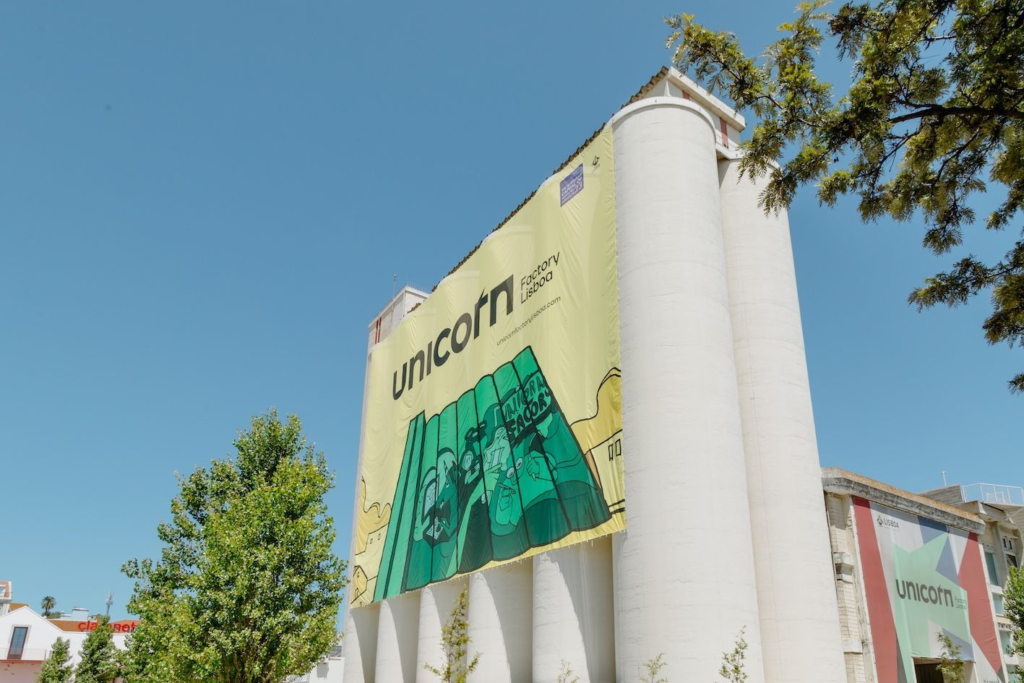
“Microbial protein,” says Katelijne Bekers, waving a vial of beige-coloured powder in front of me like it’s a magic potion. It doesn’t look like your typical lunch fare, but this unassuming dust could play a crucial role in the future of food. Bekers is the co-founder of MicroHarvest, a Hamburg and Lisbon-based startup that turns agricultural waste streams into protein powder using microbes — tiny organisms that exist all around us. The vegan ingredient is already making its way into dog treats. If all goes to plan, human snacks like protein bars, shakes, and ice cream won’t be far behind. I visited the company’s Lisbon pilot plant on a sweltering summer afternoon last month. It’s tucked inside the Unicorn Factory, a sprawling industrial space on the city’s eastern edge that used to churn out pasta and cookies for the Portuguese military. Now, instead of carbs for soldiers, it’s housing bubbling vats of bacteria. Launched in 2022, the Unicorn Factory houses some of Portugal’s most promising startups. Credit: Unicorn Factory At the centre of the lab sits a large steel fermenter with a small porthole, through which you can see a thick brown soup gurgling away. Inside, billions of microbes are feasting on leftover sugars from the agri-industry, multiplying like microscopic gremlins. Once they’ve done their job, they’re killed and dried into protein-rich powder. “We prefer to say they’re ‘inactivated’,” Bekers, who is originally from the Netherlands, tells TNW with a chuckle. “It sounds nicer.”  TNW City Coworking space – Where your best work happens A workspace designed for growth, collaboration, and endless networking opportunities in the heart of tech. The final product looks like light brown flour and smells faintly like Marmite. It packs a serious nutritional punch — around 60% raw protein, plus a mix of fibre, amino acids, and other nutrients. MicroHarvest’s powder joins a crowded buffet of alt-protein options — think lab-grown chicken, algae nuggets, pea patties, and mycoprotein steaks. But Bekers is convinced that microbes earn their spot on the plate. “What we’re producing is much more efficient than plant or animal-based proteins,” she says. “You don’t need acres of land or gallons of water. Our microbes grow in days, not months or years, and they convert feed into protein with incredible efficiency.” A portal into the future of ferming? Credit: MicroHarvest MicroHarvest’s fermentation process takes less than 24 hours — lightning fast compared to growing soy or raising cows. It is estimated to slash land use by 99% and cuts CO2 emissions by over 70% compared to beef.  A 2022 study in Nature found that replacing just 20% of global beef consumption with microbial proteins could cut annual deforestation in half by 2050. Plus, bioreactors like MicroHarvest’s could be deployed pretty much anywhere there’s a significant agricultural industry. Of course, the idea of eating dried bacteria might raise a few eyebrows — or stomachs. But Bekers is quick to draw comparisons to foods we already know and love. “These are similar to the microbes you find in things like yoghurt, kimchi, or sauerkraut,” she says. “Food is a cultural phenomenon, and we get that. We’re not trying to replace your steak or convert everyone to veganism. We’re just adding another protein to the menu.”   Fermenting the future  MicroHarvest’s protein powder can be added into all sorts of foods. It also makes for an effective thickening agent. Credit: MicroHarvest MicroHarvest is one of Europe’s best-known microbial protein producers, but the scene is bubbling with competition. Startups across the continent and beyond are experimenting with different microbes and feedstocks — from Germany’s Formo making alt dairy to the UK’s Enough turning fungi into meat.  Meanwhile, corporate giants like Nestlé and Unilever are testing the waters through partnerships and pilot launches. Globally, almost $1bn (€874mn) flowed into fermentation-based alt-protein startups last year, according to Dealroom data. Europe attracted nearly half of that, with 2024 marking the sector’s highest funding year ever on the continent.  Alongside that, the EU unveiled a new €350mn funding strategy in July to accelerate the scale-up of fermentation tech, as the continent seeks to tackle its deep-rooted addiction to meat.  Even replacing a portion of our protein consumption with a fermented alternative is a compelling proposition. It could significantly reduce the land and water needed for farming while slashing carbon emissions. But the transition is not without its challenges. From pets to people Swapping steak for microbes isn’t as easy as simply building more bioreactors. Fermented proteins currently face high production costs and a battle to win over sceptical consumers, whose opinions on food choices often become embroiled in culture wars. Then there’s the regulatory red tape. It’s unclear when — or even if — MicroHarvest will get the green light for human consumption. The lengthy approval process for alt-protein products has bogged down other startups in the space. One example is Dutch cultivated meat brand Meatable, which has spent years navigating the regulatory hurdles. Founded in 2018, the company is still awaiting approval to sell its products commercially. It’s now focusing on Singapore, where lawmakers have been more welcoming to alt-proteins than their counterparts in Europe. MicroHarvest nonetheless remains optimistic. The startup has already submitted a full dossier to the European Food Safety Authority (EFSA) seeking regulatory approval for human consumption of its fermented protein.  “We’re really confident we’ll get it,” says Bekers. “We screened the full DNA of the strain, checked for any harmful potential, and submitted a very complete dossier.”  MicroHarvest’s founders (left to right) Jonathan Roberz, Luisa Cruz, and Katelijne Bekers. Credit: MicroHarvest For now, MicroHarvest plans to scale through another customer segment: pets. Last year, MicroHarvest teamed up with Munich-based startup VegDog to launch its first commercial product — a vegan dog treat made with microbial protein.  Animal nutrition has fewer regulatory barriers than products for human consumption. The availability of conventional pet food and fish feed also falls short of current demand.  “The pet and aquaculture industries are growing rapidly, but the supply of feed is

A Lisbon lab is turning dead bacteria into dog treats. Next up: Human snacks Read More »

How to pitch like a pro — lessons from a ‘Shark Tank’ insider

You’ve spent a lifetime building skills, learning lessons, nurturing relationships, and developing a perspective as prescient and powerful as your personal drive. You’ve poured it all into your business. Now, you have five minutes (or less) to communicate an irresistible vision for the world and convince a panel of respected — and sometimes disrespectful — judges that you can make the vision real and make some money. How do you do it? A pitch competition is a unique moment: I have pitched in, judged, and hosted pitch competitions from Miami to Mongolia. I’m an entrepreneur and investor, and I’ve spent a decade doing casting for “Shark Tank” and other business television shows. Each year, I meet thousands of entrepreneurs around the world, evaluate their companies, and help them prepare for their big moment. I hosted The Pitch Battle at TNW Conference in June. The contest — won by Dutch startup Tap Electric — captured what can make a founder’s story stand out. Whether you’re pitching to the Sharks or rocking the stage at a tech conference, here are a few key elements that make a pitch successful: Nerves Yes, nerves. While many people dedicate time and money to overcoming and outperforming nerves, I believe nerves are a critical element to any successful pitch. Why? Nerves mean you care. Some people fear public speaking, others are struck by the moment and what the funding or exposure could mean for their business, and no one wants to submit a performance that doesn’t resonate. These are all reasons to care about the pitch. These are all reasons to feel something — before, during, and after. The 💜 of EU tech The latest rumblings from the EU tech scene, a story from our wise ol’ founder Boris, and some questionable AI art. It’s free, every week, in your inbox. Sign up now! Entrepreneurs who open themselves to feeling the promise, intensity, and excitement of the moment create the opportunity for those feelings to fuel a passionate pitch. Feeling the moment without being consumed by the moment is a key element to a successful pitch. Research A successful pitch begins long before you step on stage. Know your audience and judges. Find out who will be in the room, what they care about, and how you will be scored. In practice, this means researching the judges’ backgrounds and motivations. An angel investor might prioritise traction or business model, while a corporate sponsor might look for strategic alignment. Other judges may target companies that can “do the most” with the funding or resources provided. Don’t try to pitch everyone at once. Target the group that matters most to this competition, and give them confidence in your understanding of the market, their motivations, and how to move forward.Business Whatever stage your business is in, tell your story, and clearly articulate how you will use the resources available and/or being requested to reach KPIs that resonate with the judges and overall competition. Start by painting a vivid picture of the pain point. Then explain how your product or service addresses that problem in a novel way, highlighting any unique technology or approach. Next, emphasise real-world examples or user stories to make it relatable. Lastly, define the market opportunity beyond the Total Addressable Market (TAM). Yes, decision-makers want to know that your business has the market potential to grow and scale. More than that, judges want to know how you will use the resources available to reach the market and convert. What do the resources available to the winner of the competition mean in terms of customer touchpoints? What do the touchpoints mean in terms of conversions? What do the conversions mean in terms of top-line revenue? And what does that revenue mean for the path to profitability? Audience Connect with the audience. Let their energy fuel you. Invite them to participate. Building a genuine connection with your audience can set you apart. Bring energy and enthusiasm to the stage. Smile, make eye contact, and move with purpose. These simple actions help turn a formal pitch into an engaging conversation. Invite the audience to engage with you and your business early and often. Ask a question, weave in a call-and-response, ask for a show of hands, share links — all of these pieces can drive engagement beyond the pitch. Internalise your pitch instead of memorising it to be ready for the unexpected. Pitch as if you’re telling an exciting story to a friend rather than reading slides. This real connection – eye contact, enthusiasm, and a two-way feel — makes your message resonate. Ask You would be surprised at how many entrepreneurs pitch their businesses without having a clearly defined ask. As a business owner, you should have an ask for any audience you find yourself presenting to. It is up to you to know what resources are needed to take your business to the next level and to ask for those resources. Don’t leave the most important part as a surprise — always include a clear, specific ask. Your ask is central to the pitch, and it tells the judges exactly what you need and why. If the competition has defined prize amounts or other resources, include a nod to these resources in the ask. Let the judges and audience know that you have thought about how winning this competition will help you build your business in a practical way. As is often the case, if your business needs additional funding or resources beyond those available during the competition, mention this broader need. Explain how the resources from the competition will support your pursuit of these resources. Content A good pitch isn’t a single moment in time. Documenting the preparation, pitch, and results can be an incredible way to connect with your audience. Creating clips and other content from your pitch can set your business up for success long after you drop the mic on stage. Treat the entire process as valuable content. Document everything: your application, your

How to pitch like a pro — lessons from a ‘Shark Tank’ insider Read More »

How Europe can win the battle for tech talent

There’s no doubt that Europe has ambition. Over the last decade, we’ve laid the foundation for a thriving digital economy, from regulatory leadership to tech-driven reforms and rapidly growing regional hubs. But infrastructure alone doesn’t build the future; people do. And today, we face the very human challenge of how to win — and retain — the talent that powers innovation. We’re seeing highly skilled individuals, such as founders, engineers, and product leaders, move their operations or careers to the US and, in some cases, to Asia. This trend reflects global competition at its fiercest. But it’s also a moment to reflect on what can make Europe uniquely capable of attracting and keeping the tech talent it needs. Why talent moves — and why that’s not the whole story In a deeply interconnected global market, talent follows opportunity. The US, for example, offers late-stage capital at a scale that’s still difficult to match in Europe. Its unified domestic market allows startups to grow without navigating the complex regulatory borders we often find in Europe. In areas like AI and deep tech, there are simply more large-scale deployments and resources to attract engineers hungry to push boundaries. But talent doesn’t just move in one direction. Many entrepreneurs return with sharper skills, not only to build European ventures but also to reconnect with a sense of home and achieve a better work-life balance. Increasingly, founders are building cross-border teams, running product and engineering out of Europe while scaling sales or partnerships globally.  TNW City Coworking space – Where your best work happens A workspace designed for growth, collaboration, and endless networking opportunities in the heart of tech. Europe faces a test of its competitiveness and confidence in the global fight for talent. I believe we can meet this test, not by mimicking other ecosystems but by focusing on what sets us apart. Sweden as a showcase of European strength Sweden provides a powerful example of Europe’s strengths. With 41 unicorns, it ranks among the top 10 countries globally. Stockholm, its capital, is second only to Silicon Valley in unicorns per capita. Startups from Sweden have scaled globally yet stayed rooted in a strong local ecosystem. What’s made that possible isn’t just capital — it’s also driven by a culture of trust, digital readiness, innovative infrastructure and long-term investment in education. Higher education is tuition-free for EU citizens, and digital public services, such as e-ID, have long been integrated into everyday life. There is a consistent alignment between the public and private sectors in supporting entrepreneurship. This kind of foundation doesn’t guarantee success, but it does create a platform for talent to grow — and stay. And Sweden isn’t alone in fostering these conditions. Across the continent, cities like Tallinn, Lisbon, Berlin, and Málaga are developing tech ecosystems rooted in local strengths and specialisations — turning them into hubs for talent. Europe’s strengths are structural and undervalued Europe is often criticised — sometimes fairly — for being over-regulated, with policies that can slow down product cycles or add complexity for startups. However, these standards also serve a deeper purpose: to build the trust desired by modern consumers and talent alike. Additionally, Europe invests early and equitably in its people. Many countries provide universal healthcare, subsidised childcare and free or low-cost education, reducing the personal financial risk of founding or joining a startup. For employees, this creates a broader sense of safety and support that extends beyond the workplace. This stability can be invaluable, giving more people the freedom to take meaningful entrepreneurial risks. Europe tends to foster a different growth environment for startups than other global markets. With less access to hyper-scale capital, companies often grow at a more deliberate pace than their US counterparts. Stronger work protections and greater awareness of a startup’s footprint can also appeal to talent seeking more than just fast exits. For many of today’s builders, sustainability isn’t just about metrics, but about values. Of course, the picture isn’t perfect. Fragmented regulation across EU member states, limited access to late-stage growth capital and complex cross-border hiring all create friction. In recent months, we’ve seen companies, particularly in fintech, tighten operations or shift capital toward the US, as global investors seek quicker returns and more predictable scaling environments. That dynamic risks pushing top talent out of Europe. But these challenges aren’t unsolvable — and they’re not reasons to be pessimistic. They’re signals that we need to evolve faster, more boldly, and with a greater sense of cohesion across the continent. What Europe must do next To stop these forces from driving talent away, the first step is to reclaim the narrative. Europe is not a junior partner in global innovation; it is already leading in areas such as open banking, green technology and privacy-first digital services. Rather than framing all regulation as a burden, we should position certain key regulations as a competitive advantage. It creates stability and transparency that today’s talent and investors increasingly value. If we want the next generation of entrepreneurs to build here, they need to believe in the vision, and that starts with how we tell our story. Second, Europe must address its regulatory fragmentation if it wants to unlock its full innovation potential. While our diversity is a strength, inconsistent rules across member states — from tax and employment law to data compliance and licensing — create friction for startups looking to operate across borders. This patchwork forces founders to choose between cities, when they should be able to build seamlessly throughout the bloc. Greater harmonisation of startup-relevant policies and more integrated funding mechanisms across markets would make Europe feel like one cohesive innovation space for tech talent, rather than a patchwork of jurisdictions. The continent also needs to invest in homegrown innovation, retain ownership of its core digital infrastructure, and protect its intellectual property. That requires a stronger late-stage funding environment, more ambitious public-private R&D initiatives, and long-term support for innovative companies. It means continuing to build on what makes Europe unique. To

How Europe can win the battle for tech talent Read More »

Opinion: Europe can regulate its way to a better fintech future

Crypto crashes, money laundering, and digital fraud — the EU’s financial watchdogs have had enough. Regulatory bodies need to keep up by rolling out tighter regulations aimed at strengthening consumer protections and stabilising the market.  As EU lawmakers scramble to protect consumers, others worry they are smothering growth. Case in point: in 2024, the FCA fined HSBC £6.2mn for not properly treating customers in financial difficulty. The regulatory bodies are defending the public, but had restrictions been lighter, would HSBC have had more creative solutions for its customers, such as embedding personalised, data-first lending? Banks have been fearful of exploring innovative embedded lending solutions, as they were 15% more likely to receive formal enforcement action. However, in August 2024, HSBC decided the benefits were worth the compliance battle. While some argue that regulation can hinder innovation — with companies hesitant to invest in operations due to increased oversight — others state that additional regulation will increase innovation and, with that, see regulation as a key driver of their growth. So, who’s right? Breaking down the recent EU fintech regulations The 💜 of EU tech The latest rumblings from the EU tech scene, a story from our wise ol’ founder Boris, and some questionable AI art. It’s free, every week, in your inbox. Sign up now! Recently, a few new regulations came into effect in the EU that have majorly impacted fintechs. DORA, implemented in January 2025, requires EU-established financial institutions (FIs) to implement processes and structures to help them respond to and recover from ICT-related disruption, providing them with extra digital resilience. Additionally, the AMLA is being introduced to give governments more assurance in combatting money laundering.  DORA and the AMLA will apply to all FIs and their products and processes, but leave crypto outside their scope. That’s where MiCA comes in. Rolled out in December 2024, MiCA was drafted to protect individual crypto users. The EU’s regulatory agenda — especially with the introduction of MiCA, DORA, and AMLA — is about tightening oversight. However, it is also part of a broader strategy to simplify and harmonise regulations, providing stability to the EU financial markets as a whole. The latest rulings strike a delicate balance between reassuring consumers and regulators, and easing the burden on regulated FIs. A new set of regulations may seem contradictory to the so-called Competitiveness Compass — published in January by the European Commission — which includes initiatives on simplifying and effectively implementing EU law. Nevertheless, these laws aim to replace fragmented national rules with unified EU-wide frameworks, making compliance clearer, faster, and more predictable. As the digital finance ecosystem continues to accelerate, MiCA, DORA, and AMLA form a comprehensive framework. Collectively, they aim to balance innovation with financial stability, consumer protection, and security throughout the fintech sector. Will these updates support or slow innovation in fintech and banking? This answer depends on the perspective. Recent EU regulations may slow innovation in the short term, particularly for the larger and well-established FIs like banks, but the future outlook looks more fruitful. These new rules are designed to support long-term stability. As these three regulations require full harmonisation across the member states, they’re designed to reduce fragmentation and regulatory arbitrage. A bigger and more uniform market will encourage cross-border activities, innovation, and competitiveness between fintechs and related service providers. The regulations also support the creation of better, more transparent products and services, helping to increase consumer and regulator trust, ultimately boosting customer adoption.  In short, this environment will offer greater opportunities for smaller and more agile fintechs to scale and compete long-term. For consumers and businesses, acting on the latest regulations results in more reliable and resilient services, which are much needed for essential functions like digital payments and lending. These new regulations level the playing field, encouraging traditional banks and fintechs to compete on innovation and service quality rather than only on regulatory strengths. Moreover, a stable and secure financial system boosts the EU’s attractiveness as a hub for digital financial services, which will help make the union more attractive to new investors and innovations than the US. What investments will be required to meet these new standards? Additional investment in governance and compliance structures is needed. Bigger, more well-established players may struggle to implement the required regulatory changes in their extensive processes and products. Those with existing compliance and governance processes will likely find the transition more seamless, while smaller fintechs may need to build these from scratch. The costs of their implementation present a potential hurdle. Navigating compliance is often a significant challenge for fintech startups and other smaller players. They’ll need to invest in knowledge, including how to correctly implement regulatory requirements into their processes and product designs, and translate these into operational business processes.  On top of this, investments in technology will need to be made as businesses must meet customer-facing requirements around transparency and language. For example, stricter anti-money laundering (AML) requirements will demand changes in know your customer (KYC) and transaction monitoring tools. However, compliance with the DORA regulatory framework is what will entail the biggest investment in technology, since digital operational resilience requires more robust security, backup, and testing methods. When working with partners who are fluent in compliance, the long-term payoff is clear. The new finance model: Legacy institutions meet agile innovators New technology has changed the way people interact with financial services, driving the growth of fintechs and increasing rivalry with established banks. One report found that 36% of 18-24-year-olds would choose fintech platforms over conventional financial institutions. Built on modern tech stacks and lean teams, fintechs’ agility allows them to react fast to changing consumer needs and market trends — a sharp contrast to the legacy infrastructure slowing down traditional banks.  However, for both the old and new factions to succeed in Europe’s evolving regulatory landscape, traditional institutions and digital-native disruptors will need to depend on alliances. Effective partnerships between fintechs, banks, and FIs under the new EU regulations will be based on a mutual effort

Opinion: Europe can regulate its way to a better fintech future Read More »

In recruitment, an AI-on-AI war is rewriting the hiring playbook

Roei Samuel, founder of networking platform Connectd, has been hiring at speed — 14 roles in six months. But he’s begun to wonder if candidates’ answers are genuine, even on video calls. “I can see their eyes shifting across the screen,” he says. “Then they come back with the perfect answer to a question.” The trust gap between employer and jobseeker is widening, and it’s fast becoming one of the trickiest knots in modern hiring.From ChatGPT-polished CVs to full-blown applications submitted by bots, GenAI has hit the job market hard and gone fully mainstream. For a sizable generation of jobseekers — 68% of European tech workers were actively looking for a new role at the end of 2024 — it’s commonplace to use AI to tweak a CV or even complete an entire application. Tools like Sonara, LazyApply, and JobCopilot have made it easy to shoot off dozens of applications in a day. In June, data from TestGorilla found that just over a third (37%) of UK jobseekers are using AI to complete applications. Among early-career candidates, it jumps to 60%, up from 38% the year before, according to Bright Network, which connects graduates and young professionals with recruiters. Startups are at the forefront of this AI arms race. With smaller teams, shorter runways, and a culture of speed, they’re particularly exposed to this strange new world of suspiciously shiny applicants and AI-assisted code challenges. Most aren’t fighting it: 85% of employers now actively accept AI-assisted applications. But their acceptance doesn’t equal apathy. Amid a deluge of blatant AI use, how are Europe’s most agile companies working out who’s being real — and if they’re worth bringing onboard? A new normal Using AI to troubleshoot and tailor a CV has become par for the course. For most jobseekers, GenAI acts like a digital sidekick — smoothing grammar, sharpening phrasing, and cranking out tailored applications faster than ever. According to Canva’s January survey of 5,000 employees across countries including the UK, France, Spain, and Germany, 45% had used GenAI to build or improve a resume — and have yielded positive results. But hiring managers aren’t entirely sold. In the UK, 63% believe candidates should disclose if AI played a role in their application materials, signifying that trust is on shaky ground.  Other research suggests that attitudes depend on the context. A global survey by Experis (part of workforce giant ManpowerGroup) found that 28% of tech leaders are fine with AI if used to personalise a resume or cover letter, 26% with help on problem-solving tests, and 24% even with answering interview questions. Just 15% said AI use is unacceptable across the entire job application process.  TNW City Coworking space – Where your best work happens A workspace designed for growth, collaboration, and endless networking opportunities in the heart of tech. For Duco van Lanschot, co-founder of fintech startup Duna, it’s all about the role. “If an engineer used ChatGPT to polish a written application, fine. That’s not the job. But for a growth or sales hire to use it very obviously is a big red flag,” he says. “The job itself involves public-facing comms and emailing stakeholders — and in a sea of generic, AI-generated copy, I want us to be as human as possible.” Tech employers and startups are adapting — albeit in different ways and at different speeds. Some are setting ground rules for usage, some are bulking out human-only processes, and some are cutting away entire parts of the “traditional” hiring approach. “AI hasn’t broken hiring,” says Marija Marcenko, Head of Global Talent Acquisition at SaaS platform Semrush. “But it’s changed how we engage with candidates.” Goodbye to CVs  In the words of Khyati Sundaram, ethical AI hiring expert and CEO of Applied, we’re in the middle of “an AI-on-AI war.” And in the fallout, traditional application materials are losing their sway. In the tech sector, cover letters fell into obsolescence long ago, and CVs are next on the chopping block. “A huge upside is that it’s exposing résumés for what they are — a broken artefact,” says Sundaram, whose team works with the likes of Unicef UK, BLab, and the Equality and Human Rights Commission. “Putting résumés into keyword scanners or GenAI tools isn’t solving the problem for those hiring, because when it comes to the interview, the candidate falls apart,” she explains.  Instead of cover letters and cut-and-paste CVs, employers are turning to structured questionnaires and skill-based tasks — tools that measure how someone thinks, not just how well they can write a prompt. “Skill-based hiring is no longer just a tech hiring thing,” Sundaram adds. “We’re seeing that crop up in more white-collar roles across the board.” According to TestGorilla, 77% of UK employers now use skills tests to evaluate candidates, with the same proportion saying these tests outperform CVs in predicting job success. This should have a positive effect in the long term: LinkedIn’s Economic Graph Institute found that a skills-based approach globally could expand talent pools by 6.1x, and help broaden gender and minority representation.  At Semrush, the shakeup is already in full swing. Hiring managers are trained to sniff out fluency without depth, spotting signs of AI in real-time coding challenges or task-based interviews. “We’ve replaced the usual ‘Tell me about yourself’ prompts with in-depth interviews that explore experience, soft skills, and thinking patterns,” says Marcenko. “It’s hard to fake those, with or without AI.”Applied’s own system uses a mix of automation and human insight. “We don’t believe in AI detectors — they’re rarely accurate, so we train reviewers to pattern match like an AI, comparing submissions to known GPT outputs,” explains Sundaram. “If five responses sound suspiciously identical, humans can flag them.” Elsewhere, startups are getting more creative and more human. Alessandro Bonati, Chief People Officer at travel scaleup WeRoad, has ditched cover letters in favour of more creative, human-centric formats like curated portfolios or briefs of the “show, don’t tell” type. The company, which has over 210 staff in offices across

In recruitment, an AI-on-AI war is rewriting the hiring playbook Read More »

Stem cell startup proclaims ‘inflection point’ for medicine as mass production nears

It’s harvest day at the Karolinska Institute in Stockholm. As sunshine bathes the leafy university campus, scientists inside the labs work under cool fluorescent light. Clad in green protective gear, they tend meticulously to test tubes within hermetically sealed cleanrooms. The containers hold the fruits of today’s labour: mesenchymal stem cells (MSCs). Each cell is barely a quarter the width of a human hair but wields remarkable power. MSCs reduce inflammation, repair damaged tissue, and modulate the immune system. They can treat chronic diseases and delay ageing. They may even prevent illness before it begins. But to become a mainstay of modern healthcare, MSCs must be produced at scale, affordably and reliably. That seemed a distant prospect until recently, but the Karolinska scientists believe it’s approaching reality. They’re working for Cellcolabs, a Swedish startup formed to tackle the global scarcity of stem cell treatments. Cellcolabs believes this shortage could soon be overcome. Thanks to a blend of scientific, regulatory, and technological advances, MSCs are edging towards the consumer market. Within the next decade, Cellcolabs aims to cut prices by up to 90%. The 💜 of EU tech The latest rumblings from the EU tech scene, a story from our wise ol’ founder Boris, and some questionable AI art. It’s free, every week, in your inbox. Sign up now! In the lab, the progress looks impressive. The latest harvest — cultivated from a single donation — has yielded 4.1 billion cells, enough for up to 200 standard doses. Cellcolabs CEO Dr Mattias Bernow is in a buoyant mood. The 43-year-old sees today’s harvest as just a taste of what’s to come. “I truly believe that we’re at an inflection point in the history of medicine,” he says. The power of MSCs MSCs exist naturally in the body. A typical human contains billions of them. They act like a repair crew, fixing and tuning our insides. They can also be extracted, multiplied, and turned into medical treatments. Karolinska was the site of one of the field’s biggest milestones. In 2012, its Nobel Assembly awarded the Nobel Prize in Physiology or Medicine to John Gurdon and Shinya Yamanaka. They discovered that mature cells can be made pluripotent — able to become almost any cell type in the body. The breakthrough rewrote the rules of regenerative medicine, igniting fresh regulatory momentum and fast-tracking stem cell therapies. MSCs are among the most promising examples. When injected, they release signals that trigger healing. The body then repairs itself. They can treat countless conditions, from arthritis and heart disease to immune disorders. But first, you need to extract a small sample from a living, breathing human.  Cellcolabs sources its MSCs from the bone marrow of healthy donors aged 18 to 30. Just 50 millilitres — about a shot glass — produces up to 200 doses. The marrow naturally regenerates in six to eight weeks. The donation process is quick and minimally invasive, but mass production is notoriously challenging. MSCs are living cells that require complex biomanufacturing, careful handling, and strict quality control, which makes scaling a formidable task. Cellcolabs nonetheless sees industrial-scale production on the horizon — largely thanks to the pioneering research of Professor Katarina Le Blanc. Le Blanc’s landmark work showed MSCs could combat inflammatory and immune diseases. Her findings also proved that donated cells were suitable for therapeutic use — a crucial step for commercialisation. She helped establish clinical-grade production standards, paving the way for large-scale trials and broader therapeutic use. Her research laid the foundations for Bernow’s inflection point. “This is not brain surgery or rocket science, but it is stem cells — so it’s quite close,” he says. “It’s super complex. And the only reason we can do this and move so fast is Professor Le Blanc’s research.” As a haematologist, Le Blanc explored the potential of MSCs to support blood cancer patients. Her early clinical work focused on graft-versus-host disease — a severe and often fatal complication of bone marrow transplants. In a small trial, her team administered MSCs to patients who hadn’t responded to standard therapies. The impact was striking: more than half the participants survived. “The entire field just blew up,” says Bernow. Le Blanc continued pushing into new territory. One trial repaired vocal folds, restoring speech with minimal scarring. Another study used MSCs in COVID-19 patients to reduce inflammation. The results were promising — but she hit a wall. “She ran out of cells,” Bernow says. Scaling became a new focus. To expand treatment access, Le Blanc co-founded Cellcolabs in 2021. Two years later, the Karolinska facility received production approval. Production costs have fallen rapidly since then, fuelling hopes of a tenfold reduction. As prices drop and output scales, Bernow has his eyes on a target: “to truly democratise access to stem cells.” After spells as an ER physician, a consultant, and a startup founder, Mattias Bernow joined Cellcolabs in 2021. Credit: Cellcolabs A new world of treatments Back in the lab, CPO Lina Sörvik leads a tour of the facilities. Previously a senior figure in big pharma, she joined Cellcolabs after being captivated by the potential of MSCs. “I was inspired by what they could do and by the idea of setting up a facility to produce them,” she says. On a harvest day, her team’s work begins at 7:00 AM. Scientists don full protective gear and spend the day working inside the Karolinska cleanrooms. Once they’ve harvested the MSCs, the cells are tested for quality and frozen for future use. The range of their applications is extensive. Middle-aged patients can gain relief from joint pain and injuries. Athletes can accelerate their recovery from injuries. The elderly could slow their ageing.  Brian Johnson, a tech entrepreneur and celebrity longevity advocate, has also explored their powers. He had 300 million MSCs produced by Cellcolabs injected into his knees, shoulders, and hips. Bernow lauds the variety of treatments. He says MSCs are interesting “for almost any indication.” His path to them was winding. Raised in Malmö, southwestern Sweden, Bernow

Stem cell startup proclaims ‘inflection point’ for medicine as mass production nears Read More »