Ashley Madison is shedding its long-held “married-dating” positioning in a major overhaul of its brand and business model, as the platform looks to reposition itself as a privacy-first destination for discreet dating rather than an “affair site”.
The company has unveiled a new tagline, “Where desire meets discretion”, and says it is now focused on what it calls a new era of “ethical discretion”, tapping into growing fatigue with hyper-public digital lives and mainstream dating apps.
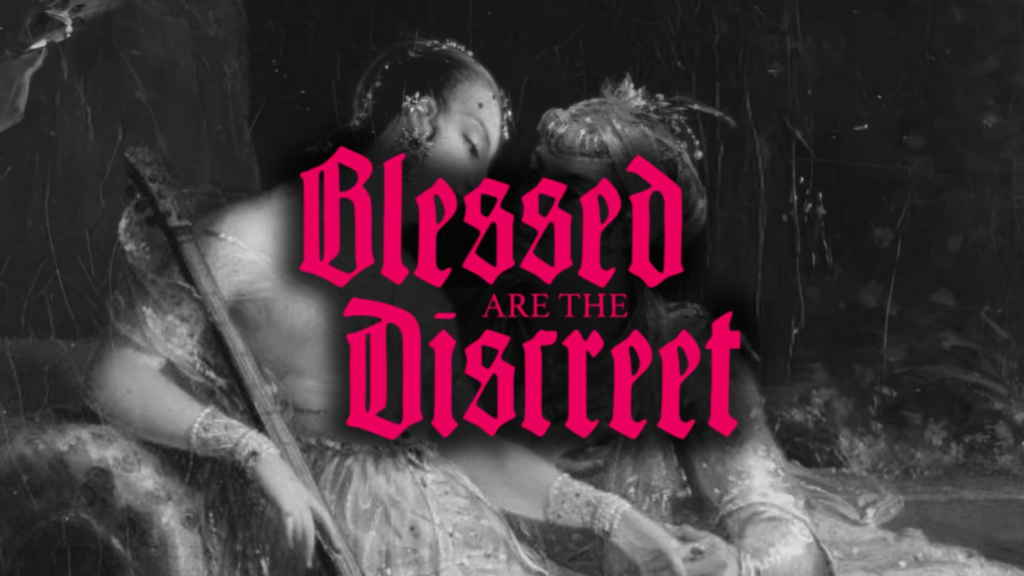
To mark the new chapter, Ashley Madison is launching a brand campaign titled “Blessed are the discreet”, which leans into art, cultural and religious references to reframe the conversation around desire, intimacy and judgement.
Don’t miss: AI reshapes dating platforms, but singles set clear limits on emotional automation
One spot, “Low key desire”, opens on John Singer Sargent’s Madame X and recasts female desire as enduring and self-possessed, something that doesn’t need to be hidden, but also doesn’t need to be broadcast.
Another creative execution, “Vows of discretion”, set to the playful beats of Danse Macabre, moves through intimate scenes of couples across different eras, built around glances, smiles and winks to suggest that some connections are better enjoyed when mutual understanding is open and honest.
A further spot, “Thy Kingdom”, opens on Botticelli’s Primavera as the sound of Verdi’s Requiem builds, before moving through iconic artworks across cultures, time periods and relationship types to depict desire, intimacy and the shame that has often followed. Against this backdrop, Ashley Madison presents itself as a judgement-free community where discretion is positioned as a deliberate, empowered choice rather than a source of stigma.
The campaign will roll out across CTV and OTT, premium audio and podcast inventory, mobile game environments, creator-driven content and high-profile out-of-home placements in markets including Miami and Boston, as the brand looks to reach audiences who are increasingly wary of the “digital fishbowl”.
According to the company, internal signup data shows that in 2025 more than half of all new members (57%) identified as single. Ashley Madison says this shift in its user base has already been transforming the platform into a space for people who prioritise privacy, regardless of their relationship status, and has prompted the formal move away from “married dating”.
The repositioning is underpinned by new research from YouGov, commissioned by Ashley Madison, which points to a broader backlash against the always-on, public-facing nature of online dating. Among dating app users in the US and Canada, constant swiping and messaging is cited as a key driver of dating app fatigue, alongside the pressure to maintain a curated public profile and the sense that too much personal information is shared too early in the process. Concerns about screenshots and information being shared, as well as unwanted attention and messages, are also contributing to that fatigue, the company says.
Beyond dating apps specifically, the study indicates a wider recalibration of online behaviour in favour of privacy. Nearly half of North American adults surveyed say they actively try to keep most aspects of their lives private online, while only a small minority feel comfortable sharing most aspects of their life publicly. Around a third report becoming more selective about what they share.
Ashley Madison is framing this shift as an opportunity to claim the territory of discretion as a positive, intentional choice. It positions discretion not as secrecy rooted in shame, but as a way for people to retain confidence and control over how they explore relationships and connections on their own terms.
By leaning into its long-running association with discretion while stepping away from its “affair” branding, Ashley Madison is aiming to re-establish itself as what it calls the “gold standard” for people who believe their dating life is nobody’s business but their own, whether they are single or in a relationship.
“In an age where our lives have been constantly put on public display, privacy has become the new luxury,” said Paul Keable, chief strategy officer, Ashley Madison. “We are offering ethical discretion to our millions of members. Whether they are single, separated, divorced or non-monogamous, our community is united by a desire to keep their private lives exactly that – private.”
The new narrative also marks an attempt by Ashley Madison to move on from a troubled chapter in its history. In 2016, the operators of AshleyMadison.com agreed to settle charges brought by the US Federal Trade Commission (FTC) and a coalition of US states over allegations that it deceived consumers and failed to protect the personal information of around 36 million users affected by a massive data breach in July 2015.
The FTC’s complaint alleged that the company misrepresented the security of its service, claiming that users’ data – including date of birth, relationship status and sexual preferences – was securely protected, while in reality it had no written information security policy, weak access controls, inadequate employee training and no effective monitoring of its systems or its third-party providers.
Intrusions into the company’s network reportedly went undetected between late 2014 and mid-2015, before a major breach in July 2015 led to hackers publishing highly sensitive profile, account and billing information, including details of users who had paid for a “Full delete” service which was advertised as permanently erasing their data.
The FTC further alleged that Ashley Madison misled users about having received a “Trusted security award”, misrepresented that it would fully delete the data of users who paid for the “Full delete” feature, and used fake female profiles to entice customers into becoming paid members, despite promising real interactions. Under the US settlement, the operators were required to implement a comprehensive data-security program with third-party assessments.
Almost a year after the 2015 hack, Avid Life Media, now known as ‘ruby’, moved to reset the business with new leadership and a stated focus on security and repositioning. In mid-2016 it appointed Rob Segal as CEO and James Millership as president, with both executives pledging a “total business transformation and rebranding” of Ashley Madison and its sister brands.
The company publicly apologised for the impact of the criminal theft of users’ personal information and said it had partnered with Deloitte’s cyber security team to introduce enhanced safeguards, 24/7 monitoring and more discreet payment options.
Regulatory scrutiny has not been limited to North America. In 2013, Singapore’s Media Development Authority moved to block access to Ashley Madison in the city-state ahead of the company’s planned local launch, saying the adultery-focused site was in “flagrant disregard of our family values and public morality”. The regulator said it would not allow Ashley Madison to operate in Singapore and worked with internet service providers to restrict access to the site.
The fallout from the brand’s notoriety had also been felt in neighbouring markets. Data released in the wake of the 2015 hack showed a concentration of Ashley Madison users in Malaysia, particularly in Kuala Lumpur, Penang and Sabah, with more than 85% of users in several of those locations identified as male.
Be part of #Content360 Singapore, 22–23 April 2026, where creativity and culture collide. Explore how AI-driven storytelling is shaping the future of content, gain practical insights, discover new tactics, and learn how the best in Asia are creating campaigns that truly resonate.
Related articles:
Nike investigates alleged data breach following leak claims
Marina Bay Sands fined for data breach affecting over 665,000 patrons
Circles.Life parent sues M1 over breach of mobile network deal