marketing interactive

HelloRide and Razer launch co-branded 'ride-to-earn' bicycles

HelloRide and Razer have unveiled Singapore’s first co-branded black-and-gold shared bicycles, blending mobility, lifestyle, and gaming to turn daily commutes into interactive, reward-driven experiences. The collaboration introduces a fleet that merges Razer’s iconic black-and-gold design with HelloRide’s signature blue, creating a visually striking presence across the city. Beyond aesthetics, the initiative launches a “ride-to-earn” programme where riders on Razer bikes earn exclusive digital rewards, including 8% cashback in Razer Gold and 1,000 Razer Silver points, redeemable for gaming gear and subscriptions. Every journey now offers tangible incentives, turning routine rides into an engaging, gamified experience. Don’t miss Grab brings travel, rides and entertainment to fingertips with Partner Apps  Designed for convenience, the co-branded bicycles are available to all HelloRide users with no deposit or top-up required. Pay-as-you-go rides start from just SG$1, and the fleet is strategically stationed at high-traffic MRT stations, bus interchanges, lifestyle hubs, and along the Marina Bay waterfront, making them accessible to commuters and leisure riders alike. The partnership reflects a growing trend of integrating digital engagement with urban mobility. By incentivising rides through gamified rewards, HelloRide and Razer hope to boost shared mobility adoption while encouraging greener commuting choices. The initiative also aims to reduce carbon emissions and urban congestion, positioning sustainable travel as both practical and aspirational. Elaborating on the collaboration, HelloRide said the co-branded bikes “serve as moving cultural symbols, merging premium design with everyday mobility,” while Razer highlighted the appeal to its gaming community: “Every ride is a chance to earn rewards and connect our users’ digital lifestyle with their real-world routines.” This launch comes as Singapore ramps up initiatives to promote sustainable transport, from expanded cycling networks to incentives for shared mobility users. It also builds on both brands’ commitment to innovation: HelloRide continues to expand its shared mobility footprint, while Razer explores ways to integrate its gaming ecosystem into everyday experiences. Together, they aim to make green commuting a fun, rewarding, and culturally resonant choice for Singaporeans. The HelloRide and Razer launch comes amid broader moves to make urban mobility more seamless and integrated. Just last month, it was reported that Singapore and Malaysia users can now access HelloRide directly within the Grab app, alongside other services such as Firsty, Jolibox, redBus, and Drive lah, without creating new accounts or downloading separate apps.This integration allows riders to book and pay for HelloRide bicycles through GrabPay, while earning GrabCoins, and opens opportunities for contextual engagement, Related articles:Razer partners with Top Tier Tea to bring gaming to everyday culture SG Bike folds, users to be transferred to rival Anywheel   source

HelloRide and Razer launch co-branded 'ride-to-earn' bicycles Read More »

7-Eleven Singapore revamps stores with lifestyle-led experiences

7-Eleven Singapore is rolling out a major brand revamp to transform its image from a grab-and-go pit stop into a lifestyle-led destination. As part of the revamp, several outlets, including its recently redesigned CapitaSpring branch in the Central Business District, now feature brighter interiors, seating areas, and an expanded range of hot, ready-to-eat options such as toasties, pizza, and pies. The store also offers a self-service smoothie machine and a drink-mixing station that lets customers create their own beverages, inspired by popular trends seen in Japan and South Korea. “We have been on a journey to reimagine convenience, transforming 7-Eleven from a last-mile pit stop into an exciting destination for great food and innovative products,” said Anushree Khosla, managing director of 7-Eleven Singapore in conversation with MARKETING-INTERACTIVE. “Our focus on ‘foodvenience’ is about delivering quality, innovation, and experience. From grab-and-go meals and viral smoothies to curated snacks from Japan and exclusive collectibles, we are redefining what convenience looks and feels like for our customers,” added Khosla. Don’t miss: 7-Eleven HK redefines convenience retail with new concept store  The revamp also extends to entertainment and collectibles. Dedicated shelves for blind boxes have been introduced, including exclusive series such as Crayon Shinchan and Sanrio merchandise. Earlier in March, 7-Eleven released a Care Bears-themed tech range, featuring plush companions such as Cheer Bear and Grumpy Bear, along with accessories including power banks, phone grips, and wireless earbuds. To cater to local tastes, 7-Eleven has introduced new flavours such as mala onigiri, while select outlets now provide tables or standing counters for customers to enjoy their meals in-store. For National Day this year, the convenience store chain tapped into nostalgia and revived its “Dabao (takeaway) flavours of Singapore” ready-to-eat range with new spins on local favourites, from chicken laksa (spicy noodle soup) to sambal (chilli) spaghetti with chicken chop, and chicken curry rice. New snacks and desserts also hit shelves, including a chicken satay (grilled skewered meat) wrap, chilli crab with scrambled egg toast, and a lava cake infused with MILO. The egg mayo and Old Chang Kee double combo sandwich is also making a comeback. According to Khosla, the store revamps are grounded in insights, whether through customer feedback or detailed demographic analyses. “Prior to opening the CapitaSpring store, we conducted a customer survey to test the refreshed design. The response was overwhelmingly positive, with many describing the stores as more inviting, modern, and enjoyable to spend time in.” “These insights validate our approach to creating stores that go beyond convenience, offering a more engaging dining and discovery experience,” she explained.  The new store formats also support 7-Eleven’s goal to futureproof the retail experience, integrating self-checkouts, digital ordering, EasyCollect via the 7-Eleven app, and over 800 digital screens across more than 300 stores. The chain has refreshed over 50 stores this year and plans to revamp at least another 50 stores in 2026. Singapore currently has around 500 7-Eleven outlets. The company has also been expanding digitally. In February 2025, 7-Eleven launched its mobile app in Singapore, allowing users to pre-order, pay within the app and more. In conversation with MARKETING-INTERACTIVE in November last year, a 7-Eleven spokesperson said that the app aims to bridge the gap between digital and physical retail, enhancing customer engagement, driving loyalty, and optimising operational efficiency.  Moreover, the chain is following a regional trend of experiential stores. Its Causeway Bay concept store in Hong Kong and CAFé by 7-Eleven in Malaysia have similarly focused on blending premium food, digital-first technology, and immersive retail design. The Hong Kong store, for example, features diagonal shelves, transparent display screens showing real-time information, expanded hot-food counters, and collaborations with local brands for exclusive menu items, all within a sustainable, eco-conscious space. In Malaysia, CAFé by 7-Eleven combines premium coffee and comfort food with affordable pricing, supported by interactive campaigns including pop-up activations, free sampling, and music collaborations with local artists such as Mimifly. The campaign, “Rasa premium, harga berbaloi” (“Premium taste, worth the price”), demonstrates the chain’s focus on experience-driven retail. Related articles:    7-Eleven leans on nostalgia to remind Singaporeans what life’s like without it  7-Eleven refines convenience with CAFé launch 7-Eleven launches new app with gamification and digital features   source

7-Eleven Singapore revamps stores with lifestyle-led experiences Read More »

Klook bolsters leadership with new SVP of growth marketing role

Hong Kong-based travel platform Klook has appointed Jakii Chu (pictured) as its senior vice president of growth marketing. Chu brings 25 years of marketing experience to the table, with a career built at the heart of top Silicon Valley companies. She previously served as chief marketing officer at Instacart, SVP of eCommerce at Fanatics, and chief operating officer of shipping at eBay, where she shaped the growth engines of billion-dollar global businesses. In this newly created role, Chu will spearhead the company’s performance marketing transformation across global markets, focusing on leveraging AI innovation to build a scalable, integrated marketing technology stack. She will also strengthen integrated analytics capabilities to power faster and smarter decision-making across the organisation. Meanwhile, Daniel Kao is tapped as Klook’s senior vice president of product and technology. At Klook, Kao will focus on strengthening our product and technology leadership to deliver innovation at a sustainable scale. His priority is to elevate the end-to-end consumer experience and harness data and AI capabilities to drive efficiency and customer delight. “The concurrent arrival of Kao and Chu marks a powerful accelerator for Klook’s next growth chapter,” said Lin. “Both are global citizens and seasoned leaders, with deep experience across Asia and the US, bringing a rare blend of international scale and regional insight. Their combined expertise in product scaling and data-driven growth marketing will create strong synergies as they collaborate to advance our marketing technology stack.”  “I thrive on making sense of complexity through data, then using those insights to design and implement high-impact marketing strategies that drive sustainable growth,” said Chu. “Klook’s marketing flywheel is already incredibly comprehensive for its current scale, and I’m excited to work with the team to propel it to the next level of growth.” Don’t miss: Klook and PlayStation refine experiential travel with exclusive Hokkaido tour Back in September, Klook and PlayStation teamed up to refine experiential travel with an exclusively curated Ghost of Yōtei Hokkaido tour, ahead of the game launch on 2 October, coming to PlayStation 5. The collaboration brings the much-anticipated Ghost of Yōtei game world, which is set in 1600s rural Japan, off the screen and into the real-life landscapes of Hokkaido that inspired the game’s setting. This aims to invite travellers to step into directly into the game’s immersive world, and gamers to explore what else Hokkaido has to offer. Related articles: Klook celebrates its 10th year with ‘money-can’t-buy’ experiencesKlook closes US$100m investment to foster travel experiences growth source

Klook bolsters leadership with new SVP of growth marketing role Read More »

Perplexity taps Lewis Hamilton and Eric André to bring AI to life in comedy short

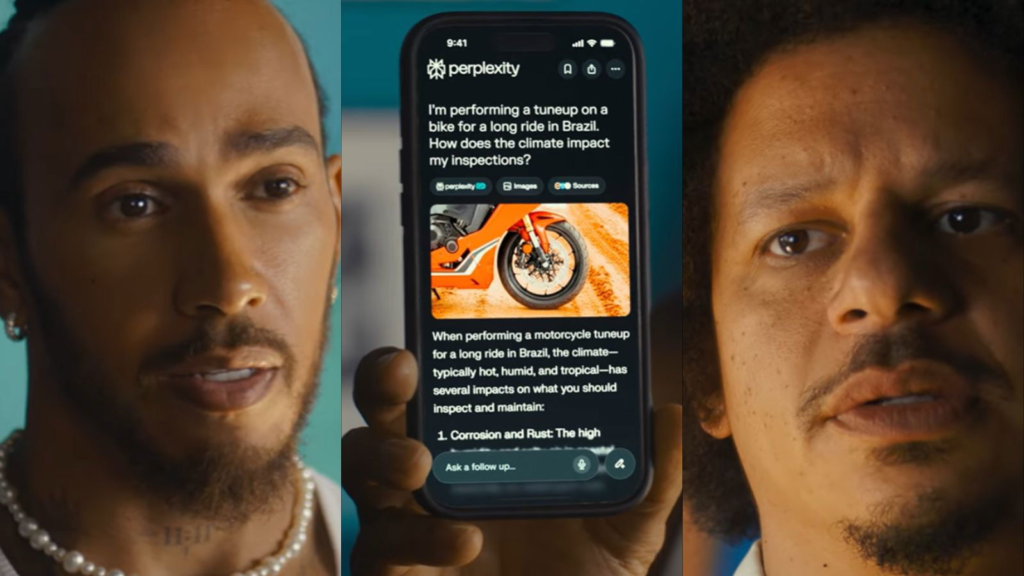
Perplexity has released a comedy short starring seven-time Formula 1 champion Lewis Hamilton and comedian Eric André (The Eric André Show, The Lion King, Man Seeking Woman). The short, produced by London-based Black-owned Sata Studios, highlights Perplexity’s athlete partnerships, showcasing shared values with top performers and the enthusiasm people have for the brand. In this case, the short features Hamilton, a global partner and investor who embodies the brand’s values: curiosity, a drive for excellence, and the belief that champions are made by asking better questions. “Perplexity is a tool I use to stay curious and keep learning, and working with the team and Eric to bring that to life in a way that really entertains people was brilliant,” Hamilton said. “The filming day was a lot of fun, and I hope people enjoy it and it genuinely highlights how Perplexity can help with any question and moment.” Don’t miss: How brands can stay relevant as ChatGPT Atlas redefines discovery Playing on Hamilton’s racing fame and André’s comedic chops, the film focuses on what sets champions apart: the drive to keep asking questions. The short, titled ‘The Garage’, follows André visiting his neighbour Hamilton, who is busy tinkering with his motorbike. When Hamilton asks André to pass him a tool, the clueless comedian turns to Perplexity for guidance. The pair then chat about Hamilton’s plans in Brazil, with André showing surprising expertise on motorbikes and riding. Hamilton quickly reveals he knows just as much, demonstrating Perplexity’s responses to the comedian. In a moment of panic, André grabs Hamilton’s phone and tosses it to the ground before making a quick exit. Hamilton shouts after him, demanding his phone back, only for André to cheekily tell him to buy a new one. “We’ve all been there in that moment of panic when you’re trying to impress but have no idea what the answer to a question is,” said Stevie Amoh, co-founder of Sata Studios. “It’s awkward, it’s tense, it’s comic gold, and that’s what we wanted to lean into. André is naturally hilarious, but Hamilton’s ability to improvise and play off him brought something special to set. He helped us take what can often feel like a digital experience and make it genuinely human,” Amoh added.  The film reflects Perplexity’s approach of partnering with talent who already love the product and thrive at the intersection of technology, sport, and culture. It follows a March 2025 short starring Squid Game’s Lee Jung-jae, highlighting the company’s focus on cultural moments and sport. Titled ‘Perplexity Questions’, the short puts Lee in an eerie room where he must answer three questions to advance. Each question escalates the stakes, starting with a freezing cold first challenge. Initially, Lee searches for answers on a browser called “Poogle,” only to be confronted with an overwhelming list of links. He quickly switches to Perplexity, which delivers the answer instantly, allowing him to move on. The challenge concludes with the question: “Who was the first Korean actor to win an Emmy award?” Lee smirks, knowing he is the correct answer. Related articles:   OpenAI shows how ChatGPT fits into everyday life in first major campaign OpenAI’s APAC comms head on leveraging ChatGPT as a strategic partner AI platform Perplexity to in talks to double valuation to US$8 billion  source

Perplexity taps Lewis Hamilton and Eric André to bring AI to life in comedy short Read More »

Motion Picture Association issues cease-and-desist to Meta over ‘PG-13’ teen filters on Instagram

The Motion Picture Association (MPA) has reportedly issued a cease-and-desist letter to Meta, objecting to the company’s use of the “PG-13” movie rating to describe its new content moderation policies for teens on Instagram. The letter, dated 28 October, reportedly stated that Meta’s marketing around the update was “literally false and highly misleading”. According to NBC News, the MPA argued that the PG-13 rating is a registered certification mark owned by the association and that Meta’s use of it could undermine public trust in the integrity of the film industry’s long-established rating system. In the letter shared with NBC News, MPA attorney Naresh Kilaru noted that the association has spent decades building public trust in its film rating system, warning that Meta’s automated classification approach could erode that credibility. Don’t miss: Instagram’s ‘teen accounts’: How can brands adapt to engage teens amid parental concerns? The association also highlighted that its ratings are reportedly determined by “an independent group of parents” through a consensus-based process that evaluates films in context, a process Meta does not follow. It added that Meta’s teen content restrictions reportedly appear to rely largely on AI or automated technology measures. In response, Meta clarified to NBC News that it had no intention of implying any official partnership with the MPA or participation in its ratings process. The company reportedly said the update was designed to help parents better understand teen safety measures on the platform and expressed openness to working with the MPA to enhance clarity for families. The MPA’s film ratings system was introduced in 1968, with the PG-13 classification added in 1984 as an intermediate category between “PG” and “R.” Meta first introduced the PG-13 reference in an October blog post unveiling the revamp of its Teen Accounts feature. The update automatically places users under 18 into a 13+ setting by default, restricting exposure to content deemed inappropriate for their age group. The company said the move was “guided by PG-13 movie ratings” to help parents better understand the platform’s safeguards, and included a stricter “Limited Content” option for families seeking tighter control. MARKETING-INTERACTIVE has reached out for more information.  The PG-13 update builds on Meta’s broader efforts to strengthen protections for younger users. Earlier this year, Instagram began using AI to identify teens who misstate their age to bypass safeguards built into its Teen Accounts feature. The AI system proactively flags accounts that appear to belong to teens and automatically places them in the stricter settings, which limit unwanted contact, exposure to inappropriate content, and excessive screen time. The feature, first launched in Singapore in January 2025 before expanding to Hong Kong, Taiwan and the wider APAC region in February, had enrolled at least 54 million teens globally at the time of writing. According to Meta, 97% of them had opted to remain within the protected experience. Related articles: Instagram brings AI age-detection to Australia, says Apple and Google must do more    Meta expands Instagram safety features for teens amid regulatory pressure      Will Instagram’s teen restrictions see a diminishing of reach and hence ad dollars? source

Motion Picture Association issues cease-and-desist to Meta over ‘PG-13’ teen filters on Instagram Read More »

Coca-Cola and Liverpool FC renew multi-year partnership with deeper fan focus

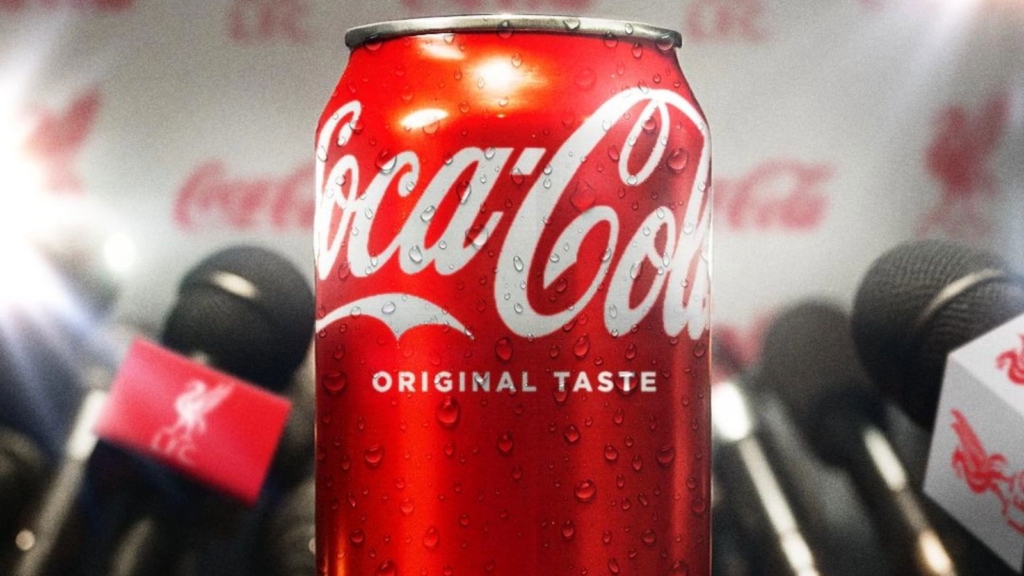
Liverpool FC (LFC) and The Coca-Cola Company have extended their multi-year partnership, stepping up fan engagement and broadening support for LFC Women. Since first teaming up in 2020, the duo has launched a series of fan-first activations, including exclusive experiences, rewards programmes, and digital campaigns celebrating the club’s global supporters. Notable highlights include “Christmas carpool”, which delivered some of the highest engagement for branded content across the club’s digital channels. Don’t miss: Interview: Liverpool legend Robbie Fowler on brand loyalty in the world of football The renewed deal will see Coca-Cola integrate further at Anfield, continue its pouring rights across its full beverage portfolio, and create experiences designed to bring fans closer to the club. The partnership also builds on Coca-Cola’s wider football footprint, complementing its ongoing Premier League agreement and long-standing support for the sport at all levels, from grassroots to international tournaments. “We’re thrilled to be extending our partnership with Coca-Cola, with a continued focus on enhancing the matchday experience at Anfield and expanding their support for LFC Women,” said Ben Latty, chief commercial officer at LFC. He added, “Coca-Cola has helped us deliver some brilliant campaigns over the past few years, from unforgettable matchday activations to community-driven initiatives through LFC Foundation. With this renewed agreement, we’re looking forward to creating even more moments that celebrate both our men’s and women’s teams.”  In tandem, Javier Meza, president of marketing, Europe at Coca-Cola, said, “Liverpool Football Club stands as one of the most storied and influential clubs in world football, with a historical legacy and a passionate global fan base. We’re excited to continue sharing moments of refreshment and enjoyment with fans through our partnership with the club.” Coca-Cola has been ramping up its presence across English football more broadly. In August, Manchester United signed a three-year deal naming the beverage giant as its official carbonated soft drinks partner in the UK and Europe. The agreement grants Coca-Cola headline presence across matchdays and fan experiences, along with pouring rights for its full soft drink portfolio at Old Trafford. Related articles: You’ll never scroll alone: How Liverpool’s social strategy is ruling the internet  Liverpool FC inks US$77m-a-season kit deal with adidas    Coca-Cola and Ocean Cleanup turn the spotlight on Klang River waste  source

Coca-Cola and Liverpool FC renew multi-year partnership with deeper fan focus Read More »

Canva's Affinity goes pro for free, offering creatives a new alternative

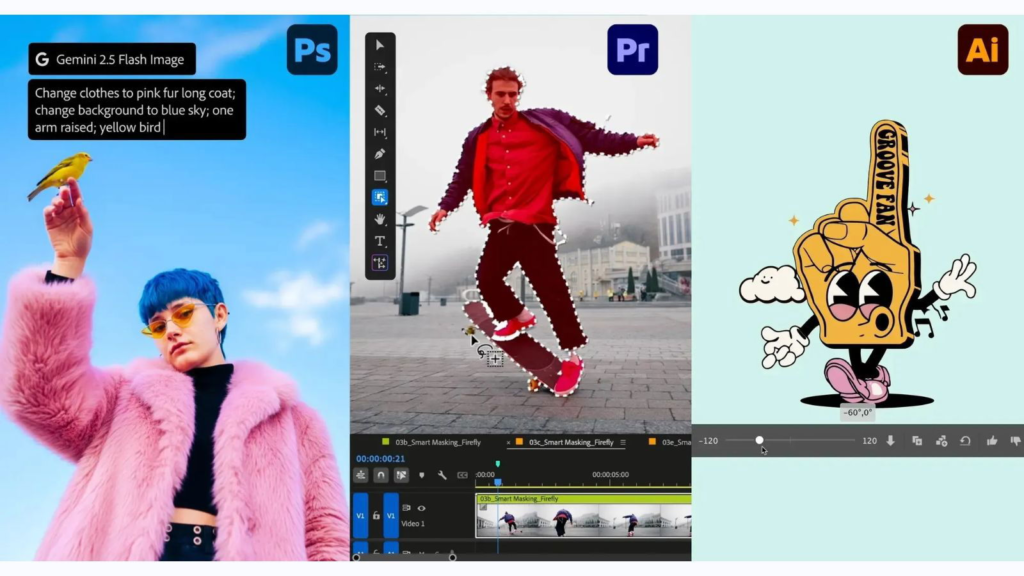
Creatives and brand marketers now have a new option for their design toolkits, with the launch of the all-new Affinity: a professional design app that combines photo editing, vector design, and page layout tools, now completely free. The platform aims to fill a gap for those who find Adobe’s suite cumbersome or subscriptions costly, or for teams looking to step up from web-based editors such as Canva. Built with speed, precision, and flexibility in mind, Affinity allows users to personalise their workspace, mix and match tools, and even share custom studios. Every adjustment updates in real time, and the platform handles complex projects with thousands of layers, making it suitable for both independent designers and full creative teams. “For too long, professional designers have had limited choices, often forced to compromise on speed, performance, or cost,” Canva said in a statement. “We’ve built something better. A studio-grade creative platform that adapts to how professionals actually work.” Don’t miss: Canva unleashes fantasy shorts to put imagination to work Affinity’s vector tools let designers create precise illustrations and complex brand systems effortlessly. Its award-winning photo editing suite allows for non-destructive adjustments, while layout tools keep typography, graphics, and images consistent across multi-page publications. Whether it’s a detailed brand identity or a brochure, creatives can work in one seamless environment without switching apps. The launch also marks a new chapter for Affinity under Canva, which acquired the platform last year. Canva premium users can now access Canva AI tools directly within Affinity, including generative fill, expand & edit, and remove background features, designed to speed up repetitive steps while maintaining full creative control. “Affinity has always been for professionals who care deeply about craft,” the company said. “Now, with Canva’s technology, users can experiment more freely, work faster, and keep their creative process uninterrupted.” Existing projects can be imported from formats like PSD, AI, PDF, SVG, TIFF, and IDML, so users don’t have to start from scratch. The all-new Affinity is available today on Mac and Windows, with iPad support coming soon.  Announced on 30 October, Canva said that the relaunch of Affinity was just the beginning. “We’re continuing to invest in both Affinity’s professional design tools and Canva’s all-in-one platform, building a future where everyone can design at the highest level, without barriers.” For creatives frustrated with bloated software or looking for a step up from simpler web editors, Affinity offers a fully featured, high-performance alternative — free of cost, flexible, and designed to keep up with the way professionals actually work. Design platform companies have been ramping up their race against, and with the advancements of AI. Just last week, Figma announced that it acquired AI-powered image and video generation company Weavy, which will be joined under a new brand called Figma Weave. 20 people from the Israel founded company will join Figma, but the valuation of the deal was not disclosed. Weavy’s web platform lets users integrate multiple AI models and provides professional editing tools to produce high-quality images and videos, ideal for product mock-ups or brand visuals. Meanwhile, Adobe has unveiled a major wave of AI updates across its Creative Cloud suite, including Photoshop, Lightroom, Premiere, and Illustrator, at Adobe MAX 2025. The updates introduce new AI-powered tools designed to help creative professionals save time, work with greater precision, and manage repetitive tasks more efficiently. Highlights include Photoshop’s AI Assistant for automating workflows, Firefly Boards for collaborative ideation with image upscaling and prompt generation, and new Firefly Creative Production tools for batch editing thousands of images at once. Adobe is also integrating top AI models from partners such as Google Gemini, Topaz Labs, and ElevenLabs directly into its apps, alongside its own Firefly Image Model 5 for photorealistic, high-resolution image generation. For creative teams, the updates include enhanced object masking in Premiere, AI-assisted culling in Lightroom, and new Firefly Custom Models that allow users to generate assets in their own visual style. Together, these innovations aim to streamline the creative process while giving professionals full control over output quality. Related articles: Just weeks after acquiring MagicBrief, Canva deepens its AI push with ChatGPT Adobe snaps up web-based design platform Figma for US$20bn How brands can innovate customer experience through design-led thinking source

Canva's Affinity goes pro for free, offering creatives a new alternative Read More »

Chick-fil-A appoints media partner ahead of Singapore debut

Chick-fil-A has appointed Ministry Agency as its media agency, ahead of the American fast-food brand’s first outlet in Asia. The appointment was announced by Kelvin Koo, managing partner at Ministry Agency, in a LinkedIn post, where he described the win as “a full-circle moment” that was deeply personal. Koo revealed that Chick-fil-A’s manifesto had inspired the culture he sought to build when founding his first agency in 2003. “To partner with a brand that has shaped my own approach to leadership and business for two decades is a genuine privilege,” he wrote. MARKETING-INTERACTIVE has reached out for more details.  Chick-fil-A’s Singapore debut comes at Bugis+ on 11 December, marking a 10-year, US$75 million investment into the city-state. The restaurant will operate daily from 10am to 10pm, except on Sundays, following the brand’s tradition. Don’t miss: Shake Shack Singapore appoints media agency  Ahead of the launch, Chick-fil-A ran a pop-up in Singapore in June 2024 to introduce its iconic original chicken sandwich to the community. The three-day event attracted more than 1,000 visitors and raised SG$30,000 for Community Chest, the philanthropy and engagement arm of the National Council of Social Service, through a suggested SG$10 donation from attendees. The pop-up also allowed the brand to gain insights into local guest preferences in preparation for its permanent outlet. “The profound love that Singaporeans have for food, as well as the city’s strategic position as a gateway to the Asian market, make it the ideal choice for Chick-fil-A’s first permanent restaurant in the region,” said Anita Costello, chief international officer at Chick-fil-A, Inc. Hugh Park, head of Asia Pacific operations at Chick-fil-A, added that the brand’s locally owned and operated approach will allow it to better connect with people in Singapore, while maintaining its signature hospitality and food quality. “We are thrilled to introduce Chick-fil-A to Singapore, bringing new jobs and opportunities as we support the local community. Serving our Guests with high-quality food and signature hospitality remains our top priority,” Park said. Chick-fil-A is not the only fast-food restaurant to appoint a media agency. Earlier in September, Shake Shack Singapore named WILD Group its media agency, where the agency will be tasked to handle social media account management, media production and KOL management for the brand.  Related articles:  Emirates picks new global media agency OpenAI picks new global media agency  Virgin Active picks media agency for SG and TH  source

Chick-fil-A appoints media partner ahead of Singapore debut Read More »

LTA seeks social media agency

The Land Transport Authority (LTA) is looking for a social media agency to steer its digital communications and elevate public engagement across its platforms, including Facebook, Instagram, TikTok, Telegram, WhatsApp, Twitter, and YouTube. According to GEBIZ tender documents seen by MARKETING-INTERACTIVE, the appointment will run for 24 months from the contract commencement date, with the possibility of ongoing collaboration. The agency will play a pivotal role in supporting LTA’s strategic objectives: growing and enhancing its social media presence, raising awareness of its initiatives and land transport updates, deepening engagement through creative, relatable content, and building public affinity for Singapore’s transport system. Don’t miss: Monetary Authority of Singapore seeks social media partner for MoneySense Scope of work covers three broad areas. First, the agency will provide strategic social media consultancy, offering insights into trends and competitor activity, assessing LTA’s current social media effectiveness, and recommending integrated strategies to execute key campaigns such as the Public Transport Reliability and Affinity campaign and the Travel Guardians campaign. It will also provide performance reports, fine-tune strategies, and suggest innovative ways to leverage AI, digital tools, and emerging content formats. Second, the agency will handle content development and production, from ideation and research to photography, videography, design, editing, and copywriting. Content deliverables include static visuals, TikTok and Instagram Reels of varying lengths, and digital engagement activities like online contests. The agency will ensure all content meets platform specifications, secure necessary approvals and licenses, and provide post-activity analysis on engagement metrics. Finally, the agency will manage content publisher and influencer partnerships, identifying suitable content partners and overseeing the end-to-end production process. This includes collaborating with content publishers and influencers across follower tiers—from nano and micro influencers to macro creators—producing videos, branded articles, and multimedia posts designed to amplify LTA’s messages. Performance reporting, asset archiving, and ongoing trend monitoring are also expected. The role also requires agility in crisis response, adapting content quickly during periods of heightened public interest or service disruptions. Agencies are expected to actively recommend digital engagement initiatives, interactive formats, and contests that encourage positive online engagement, as well as procure subscriptions to tools and platforms such as Canva Pro, Shutterstock, Envato Elements, and ChatGPT Business to support content creation and analytics. Through this appointment, LTA aims to strengthen public understanding of its initiatives, humanise its operations, and foster appreciation for the complexity and sustainability of Singapore’s land transport system.  Wild Advertising is the incumbent agency, first appointed in 2022. Over its two-year tenure, the agency was tasked with monitoring and reviewing the performance of LTA’s social media content, as well as conceptualising and producing creative, engaging multimedia content for all platforms. In a separate move, LTA recently consolidated its bus advertising operations under a single operator, awarding Moove Media Pte. Ltd. a seven-year contract, starting 1 November 2025 with an option to extend for two more years. The deal covers advertising spaces on all public buses and at bus interchanges, which were previously managed by individual public transport operators. Moove Media, a subsidiary of ComfortDelGro Corporation Limited, offered around SG$150 million in concession fees and plans to deploy dynamic displays on buses, 3D concept buses, and high-impact digital screens at interchanges. The consolidation aims to maximise reach and efficiency across LTA’s bus network while maintaining strong collaboration with stakeholders. Related articles:    Ministry of National Development calls creative, marketing and social media pitch for MSO  MOM picks new social media agency  Arcc Assets picks new social media agency  source

LTA seeks social media agency Read More »

Getty Images suffers partial defeat in UK copyright lawsuit against Stability AI

The long-running legal clash between Getty Images and Stability AI has become one of the first major test cases for copyright in the generative AI era, setting a crucial precedent for how courts may interpret intellectual property rights in the age of machine learning. According to reporting by Reuters, Getty largely lost its London lawsuit against Stability AI over claims that the AI company’s image generator, Stable Diffusion, unlawfully used Getty’s copyrighted photos to train its model. The case, which began in June this year, was among the earliest efforts to challenge how generative AI systems source creative content. Judge Joanna Smith ruled that Getty succeeded “in part” on trademark infringement, specifically in relation to Getty watermarks reproduced by users of Stable Diffusion. However, the judge dismissed Getty’s secondary copyright infringement claim, concluding that Stable Diffusion “does not store or reproduce any copyright works.” She added that her findings were “historic and extremely limited in scope.” Don’t miss: Coca-Cola’s 2025 AI-driven holiday ad draws mixed reactions Getty, which produces creative stock images and videos, dropped a significant portion of its copyright arguments mid-trial due to limited evidence of where the AI model was trained. Still, the company said the decision reaffirmed that AI developers bear responsibility when their systems output images containing protected marks. In a statement, Getty said, “Today’s ruling confirms that Stable Diffusion’s inclusion of Getty Images’ trademarks in AI-generated outputs infringed those trademarks. Crucially, the Court rejected Stability AI’s attempt to hold the user responsible for that infringement.” The company added that the court’s findings established “a powerful precedent that intangible articles, such as AI models, are subject to copyright infringement claims in the same way as tangible articles.” Stability AI, meanwhile, welcomed the ruling. Its general counsel, Christian Dowell, said the decision “ultimately resolves the copyright concerns that were the core issue.” As reported by Reuters, legal experts noted that the case leaves unresolved the larger question of whether training AI models on copyrighted works constitutes infringement in the UK. Lawyers said this exposes gaps in British copyright law and highlights the need for stronger transparency and policy guidance. The case first originated in early 2023. Based on a past report by MARKETING-INTERACTIVE, Getty Images had initiated legal proceedings in London’s High Court against Stability AI for “unlawfully copying and processing millions of images” from its platform to train the Stable Diffusion model. In its statement then, Getty said that Stability AI acted “absent a license to benefit its commercial interests and to the detriment of content creators,” adding that it had long offered proper licensing arrangements to technology partners developing AI responsibly. At the time, Getty also underscored its belief in AI’s creative potential when applied ethically, contrasting its stance with Stability AI’s alleged disregard for licensing protocols. At the time, Getty’s rival, Shutterstock, had already begun working with OpenAI to train its DALL·E model under a transparent licensing deal, offering a roadmap for how creative platforms could balance innovation with intellectual property protection. Just last week, Getty Images signed a multi-year licensing deal with Perplexity, marking a major step in the AI startup’s efforts to formalize relationships with content providers after facing multiple allegations of plagiarism and data scraping, Tech Crunch reported. The agreement allows Perplexity to display Getty’s images within its AI search and discovery products, with proper credit and links back to the original source. The partnership builds on a year-long collaboration between the two companies under Perplexity’s Publishers’ Program, which shares ad revenue with participating outlets when their content appears in search results. Perplexity said the collaboration reinforces its commitment to attribution and transparency. Meanwhile, Stability AI has continued on its slew of collaborations and alliances, having partnered up with Universal Music Group to co-develop professional AI music creation tools, Electronic Arts to co-develop tools for EA’s artists and designers, and even ad giant WPP to establish a joint R&D pipeline.  Announced in March earlier this year, the tie-up allows WPP to leverage Stability AI’s open visual media models to craft brand narratives, and in turn, WPP’s real-world applications and market insights will drive the development of Stability AI’s tech. Related articles:Getty Images and Shutterstock to merge into visual content powerhouseGetty Images sues Stability AI for ‘unlawful copying’ AI platform Perplexity to in talks to double valuation to US$8 billion source

Getty Images suffers partial defeat in UK copyright lawsuit against Stability AI Read More »