marketing interactive

PayPal partners OpenAI to drive agentic commerce in ChatGPT

PayPal has partnered with OpenAI to expand payments and commerce within ChatGPT, marking one of the first large-scale integrations between a major payment provider and an AI platform. Through this partnership, millions of ChatGPT users will be able to check out instantly using PayPal. The company will also power payments processing for merchants leveraging OpenAI’s new Instant Checkout feature, which allows users to discover and buy products directly within ChatGPT. The move integrates PayPal’s digital wallet, including bank, card, and balance options, alongside its buyer and seller protections, post-purchase tracking, and dispute resolution services. Don’t miss: OpenAI turns ChatGPT into a personal shopping assistant PayPal will also support OpenAI’s Instant Checkout through its delegated payments API, handling payment processing for card transactions. From 2026, PayPal plans to connect its global merchant network to OpenAI through the agentic commerce protocol (ACP). The rollout will make millions of products from small businesses and global brands across categories such as fashion, beauty, home, and electronics discoverable and purchasable through ChatGPT. The integration will be powered by PayPal’s ACP server, a scalable and compliant system that removes the need for individual merchant integrations. PayPal will manage routing, payment validation, and orchestration on the backend. Beyond commerce, PayPal said it will deepen its use of OpenAI’s technology internally. The company is scaling access to ChatGPT Enterprise for more than 24,000 employees and integrating Codex to support engineering teams. PayPal also plans to expand its use of OpenAI APIs to accelerate product development and enhance customer experiences. “Hundreds of millions of people turn to ChatGPT each week for help with everyday tasks, including finding products they love, and over 400 million use PayPal to shop,” said Alex Chriss, president and CEO of PayPal. He added, “By partnering with OpenAI and adopting the ACP, PayPal will power payments and commerce experiences that help people go from chat to checkout in just a few taps for our joint customer bases.” The move builds on OpenAI’s broader push to turn ChatGPT into a full-service digital assistant, following last week’s launch of ChatGPT Atlas, a new web browser built with the chatbot at its core. Atlas aims to reimagine how users interact with the web by bringing the chatbot directly into their browsing experience. With Atlas, ChatGPT can understand what users are viewing and assist with tasks such as research, planning, or booking, without switching tabs or copying information between windows. Its built-in memory allows ChatGPT to recall past browsing context, while an agent mode enables automated actions such as summarising data or managing appointments. Related articles: OpenAI shows how ChatGPT fits into everyday life in first major campaign     Salesforce deepens ties with OpenAI, brings enterprise data to ChatGPTIs the latest ‘Ghibli’ trend a leap for OpenAI’s facial recognition capability? source

PayPal partners OpenAI to drive agentic commerce in ChatGPT Read More »

From courts to feeds: How APAC fans are shaping the future of sport

As media diets shift and on-demand streaming dominates, sport has become one of the last dependable forms of appointment viewing – a rare moment where millions gather, live, for the same purpose. Across Asia Pacific, this audience is only growing: nearly 545 million people are expected to engage with sport and 61.5 million will attend live events, according to We Are Social’s Winning Fans and Feeds report. Australia leads the region, making up 80% of audiences who engage in sport and 27% attending live matches. Singapore comes in a close second with 76% and 20% respectively, while Thailand stands at 71% and 2%. Across the region, sport has driven 10.8 billion online conversations, fuelled by a new kind of social fandom defined by memes, creators with broadcast rights and algorithm-driven discovery of athletes and sports on platforms such as TikTok. The report outlines four key cultural shifts reshaping fandom and how brands can engage in this era of social-first sports entertainment. Energy in the intersections Sport is now a shared cultural playground, sparking collaborations across fashion, music and art. Formula 1 has become a design inspiration, while basketball’s links to nightlife and street culture continue to grow. In Asia, this crossover is seen in movements like the Philippines’ Baller Room, which merges hoops with hip-hop. Don’t miss: How brands took pole at 2025 F1 Singapore  Fashion’s relationship with football has evolved from TikTok’s “blokecore” trend to high fashion runways, blending performance with aesthetics. Even golf is having a streetwear-led revival, with platforms such as Hypegolf drawing a younger, more diverse audience. Local collabs are also pushing the boundaries of fan fashion – from Guinness x Tobyato’s EPL jersey in Singapore to Indonesian band Leipzig Groop’s drop with Riverside Forest FC. These cultural intersections have created new spaces for branded activations. Indonesia’s Pestapora Festival lets fans play badminton between music sets, while Thailand’s Olympop, sponsored by Pepsi, combines sports and T-pop under one roof. Entertainment in the algorithm Sport today is as much entertainment as performance. Platforms and streaming series have redefined fandom, with Netflix’s Drive to Survive bringing 90 million new fans – many of them young and female – into Formula 1. The show exemplifies how storytelling, not just sport, drives connection. Athletes have become “main characters” in their own right, building followings beyond the field. NBA MVP Shai Gilgeous-Alexander’s fashion posts, AFL player Cam Zurhaar’s BBQ videos and Travis Kelce’s podcast show how athletes now curate their own content ecosystems. Even small gestures such as a dance or a celebration can spark viral clips that extend the life of the game and open new sponsorship touchpoints. Women in the driving seat Women are rewriting the rules of sport as fans, athletes and cultural drivers. Female fandom is booming across Asia, with 54% of women aged 16 and above following football and a third showing interest in women’s leagues. The F1 Academy, led by MD Susie Wolff and sponsored by Charlotte Tilbury, exemplifies this shift, connecting female audiences with both sport and beauty. Meanwhile, women-led fandom communities such as the WNBA’s Stud Budz are redefining representation and fan rituals, often in inclusive, LGBTQ+-friendly spaces. Even the once-derided “WAGs” (wives and girlfriends of athletes) have become legitimate influencers, shaping trends and visibility around games. As this audience grows, beauty and fashion brands are increasing their presence in sports through tunnel walks, pre-game activations and player styling moments. Identity in the divide  Fandom is splitting between luxury spectatorship and grassroots belonging. At events such as the US Open, sky-high ticket prices have turned attendance into a status symbol, with shareable “must-have” moments such as Grey Goose’s ‘Honey Deuce” cocktail or caviar-topped chicken nuggets as well as the ‘US Open’ cap turned into an “It” item to prove attendance.  At the other end, fans are reclaiming ownership of the culture. Fanatics Fest, for instance, broke attendance records without a single live match – showing how fan communities can sustain engagement even off-season. Online, creators and commentators are giving fans a bigger voice: viral moments such as “Overheard @ Wimbledon” or celebrity mic-ups from Brenda Song and Lizzo highlight the new centrality of audience perspectives in storytelling. For brands, the message is clear: fandom is no longer a passive audience. Sports audiences in APAC are vocal, culturally connected and co-creating the narrative across social and offline spaces. Marketers who meet fans where they live – in culture, in feeds and through authentic storytelling – will have the edge in this rapidly evolving landscape. Related articles:  Brands lap the city with Formula 1 activations and driver meet ups  You’ll never scroll alone: How Liverpool’s social strategy is ruling the internet  What Barilla’s Formula 1 move means for sports advertising beyond the Super Bowl  source

From courts to feeds: How APAC fans are shaping the future of sport Read More »

Tiffany & Co unwraps love in new holiday campaign with Anya Taylor-Joy

Tiffany & Co. has unveiled its 2025 holiday campaign, “Love is a gift”, a cinematic celebration of emotion, storytelling, and luxury that reaffirms the brand’s mastery in turning gifting into an art form. Starring global house ambassador Anya Taylor-Joy, the campaign continues Tiffany’s legacy of blending heritage with contemporary glamour, positioning love, in all its forms, as the ultimate luxury. Shot across Los Angeles, New York, London, and Tokyo, the campaign weaves a visually rich narrative directed by Jonas Lindstroem and captured in stills by Carlijn Jacobs. The creative approach marries filmic storytelling with Tiffany’s distinctive aesthetic codes, including the iconic Tiffany blue box, white satin ribbon, and timeless jewelry pieces, to build emotional resonance and visual continuity across markets. Don’t miss: Tiffany & Co. partners multidisciplinary artist to celebrate Year of Snake At its core, “Love is a gift” underscores Tiffany’s positioning as more than a jeweler, but as a curator of life’s most meaningful expressions. The campaign follows Taylor-Joy as she journeys across cities, witnessing intimate exchanges of Tiffany Blue Boxes that signify moments of affection, celebration, and connection. Whether between partners, family members, or in acts of self-love, the film communicates a universal truth that aligns with Tiffany’s enduring brand promise: love, in any form, is the most precious gift of all. Taylor-Joy is seen wearing Tiffany Icons including the HardWear, Lock, T, and Knot collections, along with new pieces from the ‘Bird on a rock’ collection, seamlessly tying heritage craftsmanship with modern appeal. The white satin ribbon, a recurring motif, guides her through each chapter of the story, symbolising the emotional thread that connects people and moments around the world. “Love is a gift” exemplifies Tiffany’s consistent mastery of emotional branding through visual storytelling. It builds a global yet intimate narrative through cinematic execution and strong creative cohesion to create timeless content. The campaign, which launched globally on October 28 across digital platforms and social media, culminates back in New York City, at the doors of The Landmark, where Taylor-Joy’s closing voice-over reinforces the campaign’s central message: “And whether shared with another or with ourselves, love, in all its facets, is the most precious gift of all.” Last year, Tiffany had also tapped Taylor-Joy for its holiday campaign directed by Jonas Lindstroem, “With love, Since 1837”, where she explores New York City in a snow-dusted winter wonderland. Draped in the house’s iconic collections, she captures the essence of each collection, highlighting the house’s birthplace as the location where every act of love is celebrated, from timeless bonds to meaningful beginnings. Related articles: Tiffany & Co. and Landmark tap into the world of digital surreal artTiffany & Co. names Malaysian actor Meerqeen as its new brand ambassador Tiffany & Co. wows fans with romantic campaign ahead of 520 shopping festival source

Tiffany & Co unwraps love in new holiday campaign with Anya Taylor-Joy Read More »

Marketers to slash display spend by 30% as AI and CTV redefine engagement: Forrester

Marketers are set to slash display ad budgets by 30% in 2026 as consumers increasingly move away from the open web, according to Forrester’s newly released predictions for B2C marketing, media and advertising, and consumer trends. As audiences shift toward AI-driven discovery and entertainment-first platforms, the research firm warns that marketers and agencies will need to overhaul how they create, deliver, and monetise engagement. “Despite consumers’ scepticism about genAI, they will continue to turn to AI-generated summaries and chat interfaces designed to return answers,” Forrester noted. The shift will shrink addressable audiences and lower click-through rates, prompting brands to redirect spend toward connected TV (CTV), streaming audio, and social video. Offline touchpoints are also making a comeback. According to Forrester’s 2025 data, 52% of US online adults actively pursue in-person experiences, a sign that digital fatigue is setting in. “Digital experiences aren’t going away, but consumers in 2026 will more intentionally choose to disconnect online to connect offline,” the firm said. Don’t miss: Forrester: B2B marketers lead the AI revolution Meanwhile, price hikes will test brand loyalty. As companies use AI to optimise pricing amid tariff pressures and margin squeezes, Forrester predicts that up to a third of customers of transactional brands will walk away. Marketers, however, will not be left without tools. Forrester expects the debut of three AI-native B2C martech platforms in 2026 – one from a major vendor and two from startups – offering end-to-end capabilities in insight generation, campaign creation, and optimisation.  Forrester also forecasts a decline in marketers’ confidence in measurement, falling by 7% from 2025, with only 72% of B2C marketing leaders likely to feel assured about their ability to measure business impact in 2026. Agencies face structural upheaval Forrester’s Predictions 2026: Marketing agencies report paints an equally transformative picture for agencies. “Once singularly focused client partners, marketing agencies are forgoing their franchise to act as agents on behalf of clients. Instead, they will become marketing purveyors that operate across several business modes,” Forrester wrote. The analysis highlights how years of pressures – from insourcing and procurement constraints to AI-driven automation – have reshaped agency economics. Retainers have given way to low-margin, project-based work, forcing firms to diversify revenue streams through execution services, managed solutions, proprietary products, and strategic partnerships.  Among the key predictions is that a major holding company merger or acquisition will spark a wave of agency reviews. Forrester suggests that Havas may acquire dentsu’s international operations, or that WPP could be restructured for sale to private equity or Accenture. Either outcome could trigger a mass reassessment, with 85% of US B2C marketing executives planning to review their media agencies in 2026. “This marks a significant uptick from assignments governed by three-to-five-year MSAs – six major brands reviewed media assignments in 2021, and 20 did so in 2023. When the big six condense to the big three, their emphasis on technology, data, media scale, and products will further push agencies to operate as purveyors as much as providers,” Forrester said. Principal media will account for a third of total media under management. Agencies are increasingly moving from agents to principals, reselling inventory with margins and guarantees. “While critics raise concerns about transparency, supporters argue that discounts and guarantees with disclosure make principal media a viable option,” Forrester wrote. “Agencies such as Omnicom, Publicis Groupe, and WPP are already leaning into this trend, integrating AI into their media trading strategies. More importantly, agencies like dentsu, Havas Media Network, Horizon Media, and Tinuiti have recently developed principal media offerings, crossing the threshold of buyer to owner. We predict that more will follow,” it added.  Automation will drive a 15% reduction in agency jobs. Following an 8% workforce cut in 2025, agencies will further streamline operations next year. “By 2028, we’ll double profits and halve the people,” said one global holding company CEO cited in the report. Forrester predicts that agencies will pivot from selling services to selling solutions, with remuneration shifting to outcome-based and product-led models. “The result is an industry in rapid change – and by the end of 2026, marketing agencies will be materially changed,” Forrester concluded. Related articles:The six influencer marketing shifts that will define 2026 – and how CMOs can stay aheadBy 2026, can agencies rewrite the playbook fast enough to survive?What Malaysia’s SST expansion means for marketers source

Marketers to slash display spend by 30% as AI and CTV redefine engagement: Forrester Read More »

PepsiCo unveils new global brand identity after 25 years

PepsiCo has unveiled a new global brand identity for the first time in nearly 25 years, reflecting what the company says is its evolution into a “modern, forward-thinking” food and beverage powerhouse. The rebrand includes a refreshed logo, new colour palette, and a custom lowercase typeface designed to convey approachability and the “consumer-centric spirit” of its brands. According to PepsiCo, the redesign aims to spotlight the breadth of its portfolio, spanning more than 500 brands including Tostitos, Gatorade, Quaker, Siete and poppi, and to highlight its commitment to sustainability and innovation under its pep+ (PepsiCo Positive) agenda. It also marks a major step in unifying PepsiCo’s corporate identity with its consumer-facing brands, following research which found only 21% of consumers could name a PepsiCo brand beyond Pepsi. Don’t miss: PepsiCo says it will be ‘agentic AI-first’ by 2026 At the heart of the new logo is the letter “P”, which the company said symbolises the values guiding its future, such as consumer centricity, sustainability and great taste. The new design also incorporates a “smile” motif that ties back to its corporate mission of creating “more smiles with every sip and every bite”. PepsiCo said the brand refresh will roll out across markets and touchpoints over time, including packaging, digital platforms, and corporate environments. It will debut first across PepsiCo.com and the company’s global social media channels on LinkedIn, Instagram, YouTube and TikTok. Founded from the merger of Pepsi and Lay’s 60 years ago, PepsiCo has since grown into a global company with more than 300,000 employees and a presence in over 200 countries. “Our new identity boldly reflects who we are in 2025: a company with expansive reach, aiming for positive impact across the globe and an unmatched family of beloved food and drink brands,” said Ramon Laguarta, chairman and CEO of PepsiCo. In tandem, Jane Wakely, chief consumer and marketing officer and chief growth officer, International Foods, said, “Our refreshed corporate brand is a beautiful expression of both who we are as a company today and our aspiration for the future — reflecting our wide portfolio of beloved foods and drinks brands. By putting smiles at the heart of our visual identity, we’re signaling our obsession with consumers, and that obsession fuels our growth.” The new corporate identity also follows Lay’s unveiling of its own refreshed look earlier this month, the largest redesign in the brand’s nearly 100-year history. Created by PepsiCo’s design and innovation team, the update turns the spotlight back to the potato, celebrating its legacy of “real potatoes, real people, and real joy”. While the classic yellow sun remains, the logo now features a warmer glow and distinct “Lay’s Rays” beaming from the centre, a nod to the sunlight that nurtures the potatoes used in its chips. Related articles: PepsiCo’s play for Gen Z: Social-first, creator-led and culturally fluent  PepsiCo turbocharges global fan engagement with F1 partnership  Cheetos makes a comeback as PepsiCo invests US$200m in Indonesia source

PepsiCo unveils new global brand identity after 25 years Read More »

StarHub and Mediacorp join forces to create stronger content and ad opportunities

StarHub and Mediacorp have announced a strategic partnership aimed at reshaping Singapore’s media and entertainment landscape. Under the collaboration, Mediacorp’s digital streaming service mewatch will carry StarHub TV+ content packages, giving viewers access to StarHub’s premium line-up—including global blockbusters, live sports such as the Premier League, cricket, golf, and racket sports, as well as curated Asian dramas and popular TV shows—in one place. The tie-up responds to increasingly fragmented viewing habits by creating a unified content destination. Flexible micro-packages and free subscription options are designed to make premium content more accessible to households across Singapore. Advertisers are expected to benefit from the combined scale and capabilities of both companies. The partnership enables precision-targeted live TV ad insertion, allowing brands to reach audiences more effectively and measure outcomes across integrated TV and digital platforms. Don’t miss: StarHub launches Singapore’s first real-time ad replacement for live TV “At StarHub, we are determined to make technology and media work better for people. By joining forces with Mediacorp, we are bringing audiences the widest, most exciting portfolio of content in ways that are simple, flexible, and accessible,” said Nikhil Eapen, chief executive, StarHub. “At the same time, we are unlocking new advertising solutions powered by data and precision, giving brands more impactful ways to connect,” he added.  Tham Loke Kheng, chief executive, Mediacorp, added, “This partnership is a key milestone for Singapore’s media industry. By bringing StarHub and Mediacorp’s platforms together, we are creating greater value for audiences and advertisers alike. Our combined strengths will allow us to deliver a richer entertainment experience while giving advertisers access to the most comprehensive suite of solutions across TV, digital, and data-driven platforms.” Beyond commercial gains, the partnership also reflects a commitment to strengthening Singapore’s media ecosystem, supporting local creative talent, and driving innovation in content delivery. Alongside this, the government provides about SG$380 million in annual funding to support Mediacorp’s reach to domestic audiences. Minister for Digital Development and Information Josephine Teo told parliament earlier this month that while the funding is roughly half of what Finland and Denmark spend on national broadcasters, it remains vital to “inform, educate, and connect Singaporeans” through trusted, culturally representative programming. Related articles: Raj Parekh leads Mediacorp’s new Growth & Partnership unit, Ivan Wong departs     StarHub takes full ownership of MyRepublic Broadband in Singapore    Mediacorp slashes 93 jobs amid shifting media landscape and economic pressures source

StarHub and Mediacorp join forces to create stronger content and ad opportunities Read More »

Marina Bay Sands fined for data breach affecting over 665,000 patrons

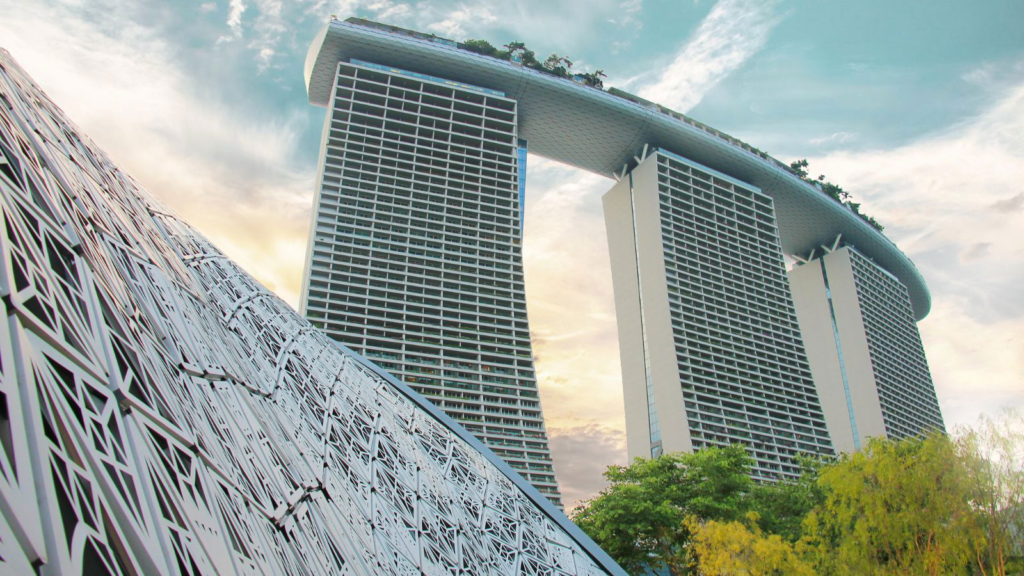
The Personal Data Protection Commission (PDPC) has fined Marina Bay Sands (MBS) S$315,000 for breaching the Protection Obligation under the Personal Data Protection Act (PDPA), after a data breach exposed the personal information of 665,495 patrons. The breach occurred in October 2023, when the names and contact details of MBS patrons were illegally accessed and later offered for sale on the dark web. PDPC said the leaked data could be further exploited in phishing scams or identity theft. According to PDPC’s findings, the breach stemmed from a software migration exercise in March 2023, during which MBS failed to apply proper security policies when transferring data from its old system to a new one. One of the identifiers linked to the ArtScience Friends webpage was omitted during the process, leaving the site’s patron data exposed. Don’t miss: PCPD opens probe into Dior data breach impacting 1m consumers Despite the scale of the migration, MBS had assigned a single employee to manually compile a list of application programming interface (API) configurations, without implementing second-layer checks. The omission went undetected for six months, during which patron data remained unprotected. PDPC said MBS’ failure to put in place adequate security processes amounted to a negligent contravention of its obligations under the PDPA. As a large enterprise with significant resources, the commission noted, MBS was expected to have stronger data protection measures in place. The penalty was issued under the revised financial penalty framework introduced by the Personal Data Protection (Amendment) Bill 2021, which allows fines of up to 10% of a company’s annual turnover for organisations with yearly revenue exceeding S$10 million. In determining the penalty, PDPC said it considered the scale of the breach and MBS’ voluntary admission of liability, as well as its prompt remediation measures, which included reactivating security protections for the affected website on the same day the issue was discovered. The commission reiterated that protecting consumers’ personal data is key to maintaining public trust and said it will continue to take enforcement action against organisations found in breach of the PDPA. MARKETING-INTERACTIVE has reached out to MBS for a statement. This latest enforcement follows a similar case in August last year, when the Consumers Association of Singapore (CASE) was fined S$20,000 for breaching protection and accountability obligations under the PDPA. The regulator found that CASE failed to implement reasonable security measures and necessary data protection policies, leading to two separate breaches that exposed the personal data of more than 30,000 individuals. Related articles: Hong Kong privacy watchdog opens probe into Qantas data breach    Cathay apologises over data breach affecting 1,000 Asia Miles accounts  Live Nation launches investigation on Ticketmaster data breach  source

Marina Bay Sands fined for data breach affecting over 665,000 patrons Read More »

FairPrice Group debuts new unit FPG ADvantage to connect brands across 570 touchpoints

FairPrice Group (FPG) has launched ‘FPG ADvantage’, a new business unit positioned as Singapore’s largest omnichannel retail media network. The platform aims to connect brands with consumers across every part of their daily lives from shopping and dining to digital engagement. Built on FPG’s network of over 570 touchpoints including FairPrice supermarkets, Cheers, Unity pharmacies and Kopitiam food courts, FPG ADvantage connects advertisers to 1.7 million app users and more than two million Link Rewards members. The network combines physical and digital assets such as over 1,000 digital screens, in-store radio across 150 supermarkets, AI-enabled smart carts, more than 6,000 Kopitiam tabletop decals and in-app placements that drive over one million interactions daily. Don’t miss: FairPrice gets futuristic with smart carts, palm pay and AI-powered store ops Beyond reach, FPG ADvantage is designed to give consumer brands greater visibility into campaign effectiveness. Through partnerships with Meta and The Trade Desk, advertisers can now link their digital ad performance directly to verified sales within the FPG ecosystem, allowing for real-time optimisation and measurable return on spend. “The FPG ecosystem, spanning a customer’s journey of grocery shopping, dining, and online retail, gives us a connection and a deep community trust that is truly unparalleled,” said Vipul Chawla, group chief executive officer of FairPrice Group. “We are uniquely positioned to offer brands a way to deliver value directly to consumers, making it easy on the wallet and the experience. This isn’t just advertising space, it’s a direct line to fostering relevant, rewarding connections that uplift the everyday lives of Singaporeans,” he added.  The move comes as retail media continues to grow globally. According to GrabAds and Kantar (April 2024), retail media ad spend in Southeast Asia is projected to reach US$4.7 billion by 2030. Pilot campaigns Since early 2025, FPG ADvantage has been tested by public and private sector partners. One such example is Singtel’s partnership with FPG as sponsor of the Omni Store at FairPrice Finest’s ‘Store of Tomorrow’ in Punggol Digital District where it featured a connected home concept through an “Endless Aisle” experience that drew over 45,000 visitors in a month. “This strategic collaboration with FairPrice ADvantage represents the ultimate fusion of retail and telco innovation,” said Lynette Poh, head of marketing communications at Singtel. “The introduction of ‘Endless Aisles’ at the omni store creates a sophisticated, connected commerce ecosystem. It provides brand partners unparalleled, real-time audience engagement capabilities and the closed-loop measurement necessary to unlock the true ROI of retail media, turning every store interaction into a measurable engagement opportunity,” added Poh.  Meanwhile, Nestlé Singapore’s Milo activation showed the network’s ability to link exposure directly to purchases. In one week, the campaign reached over 680,000 unique shoppers, achieving a 42x omnichannel return on ad spend (ROAS) and a 30% sales uplift across online and offline channels. “At Nestlé, we believe real growth comes from truly understanding our consumers – how they live, shop and dine every day,” said Rajat Jain, managing director of Nestlé Singapore. “Working with FPG ADvantage has helped us turn these insights into action, creating meaningful connections that drive results. This partnership lets us plan smarter, reach audiences more cost effectively, and strengthen our brand’s presence in Singaporean homes. It’s a partnership built on trust, innovation, and a shared drive to keep growing together,” Jain added.  The launch of FPG ADvantage builds on FairPrice Group’s broader innovation agenda, including its ‘Store of Tomorrow’ programme. At the heart of the rollout is hyperpersonalisation. Soon, the FPG App will sync with MyInfo to deliver curated promotions based on user behaviour, while eligible seniors and CHAS cardholders will automatically receive discounts at checkout. Smart Carts, on the other hand, features built-in screens for personalised offers and scan-and-go payments, while palm-scan checkout and digital price tags will streamline transactions and sustainability efforts. Behind the scenes, “Vision AI” and FPG’s “Grocer Genie” platform will automate store operations and safety monitoring. Related articles:  FairPrice adds heart to the hustle of daily errands FairPrice taps Google Cloud to bring AI to the aisles  FairPrice’s SG60 chips puts local flavour in every crunch source

FairPrice Group debuts new unit FPG ADvantage to connect brands across 570 touchpoints Read More »

Amazon reportedly plans to cut up to 30,000 corporate jobs

Amazon is reportedly planning to cut as many as 30,000 corporate roles starting this week, marking one of its largest rounds of layoffs since late 2022. According to Reuters, the job cuts would represent nearly 10% of Amazon’s roughly 350,000 corporate employees and a small fraction of its total workforce of 1.55 million. The move is said to be part of efforts to streamline operations and offset overhiring during the pandemic, people familiar with the matter told Reuters. The layoffs are expected to affect several divisions, including human resources, known internally as People Experience and Technology (PXT), as well as operations, devices and services, and Amazon Web Services. Managers of impacted teams reportedly underwent training on Monday to prepare for staff notifications set to go out beginning Tuesday morning. Don’t miss: Inside Amazon’s plan to ‘transform entertainment’ into real business impact Reuters noted that CEO Andy Jassy has been working to reduce what he described as an “excess of bureaucracy”, including by cutting layers of management. Earlier this year, he reportedly said the company’s increasing use of artificial intelligence tools could lead to further job reductions, particularly through the automation of routine and repetitive tasks. The full scope of the job cuts remains unclear and could change over time as Amazon’s financial priorities shift. Fortune earlier reported that the company’s HR division could face cuts of up to 15%. In February, Amazon began enforcing a stricter return-to-office policy requiring employees to be in the office five days a week, among the most stringent in the tech industry. However, the policy reportedly failed to drive enough attrition, with some remote workers told they had “voluntarily quit” the company and would not be eligible for severance. MARKETING-INTERACTIVE has reached out to Amazon for more information.  This latest move follows several rounds of workforce reductions over the past two years. In January 2023, Amazon cut over 18,000 roles, mainly affecting its eCommerce and human resources teams, as part of a wider effort to address post-pandemic overhiring. Three months later, the company announced another 9,000 job cuts across divisions such as AWS, PXT, Advertising, and Twitch. Business Times reported that it also trimmed smaller number of jobs across devices, communications and podcasting.  In October 2023, Amazon confirmed it would sunset its ad-serving business by the fourth quarter of 2024 to streamline operations and support affected employees. A month later, it made further cuts within its gaming division, impacting around 180 roles as it refocused resources on higher-growth areas such as Prime Gaming.  Related articles: NTUC, SISEU to support We. Communications workers hit by layoffs    Meta begins job cuts related to AI focus     DFI Retail Group reportedly plans layoffs amid cost pressures source

Amazon reportedly plans to cut up to 30,000 corporate jobs Read More »

Travel Alliance launches APAC’s first cross-border telco rewards programme

The Travel Alliance, a coalition of leading mobile operators across Asia Pacific including Singtel, AIS, Taiwan Mobile, GOMO Philippines, KDDI, Telkomsel, Optus and HKT, has launched WanderJoy, a cross-border rewards programme by telcos. Designed to streamline rewards for travellers, WanderJoy aims to address persistent pain points in cross-border travel, including disjointed loyalty schemes, frequent SIM swaps, and limited access to perks abroad. In conversation with MARKETING-INTERACTIVE, Anna Yip, CEO of international digital services at Singtel and chairperson of the Travel Alliance, said the idea was born from a simple but powerful insight: while people are travelling more across Asia Pacific, their experiences remain fragmented. Don’t miss: Report: 95% of APAC travellers eager for AI “From managing multiple apps and rewards systems to accessing benefits abroad, travellers face friction that we as telcos are uniquely positioned to solve. We already connect them seamlessly across borders — WanderJoy builds on that foundation by transforming connectivity into a bridge for richer, more rewarding travel experiences,” she added. The Alliance, which already serves over 350 million customers with 5G connectivity and roaming, is now extending its ecosystem to deliver a unified platform for travel privileges, from premium airport experiences to dining and entertainment rewards. Since its soft launch in June, WanderJoy has steadily expanded its partner network, offering curated perks accessible via the Alliance members’ apps, including myAIS, The Club, KDDI au Unlimited Data Overseas, GOMO PH, My Singtel, Taiwan Mobile, and MyTelkomsel. New partners enhancing the programme include Dragonpass, Estée Lauder, Grab, KKday, Omio, and Trip.com, offering benefits ranging from airport lounge access to exclusive lifestyle experiences. Travellers are encouraged to check their telco apps regularly, as WanderJoy continues to expand its catalogue of rewards and seasonal campaigns. Yip framed WanderJoy as more than a rewards programme. “The Travel Alliance members are moving beyond connectivity to becoming travel enablers — giving our customers a window into new experiences and making their trips smoother and more memorable. As more people rely on their phones to plan, book, and navigate their journeys, we’re evolving with them, using data and partnerships to guide, delight, and inspire,” she said. Yip added that the initiative also supports Singtel’s broader brand positioning as a travel-friendly telco. “As a leader in roaming and digital experiences, we’re extending our value proposition beyond connectivity — enabling customers to access exclusive perks, experiences and privileges wherever they go,” Yip explained. To drive adoption and engagement, Singtel is rolling out in-app campaigns, targeted notifications, and seasonal offers that reward early users, said Yip. She noted that users also receive personalised recommendations based on their travel patterns, destinations, and preferences, with AI-powered features such as trip planning, real-time concierge support, and instant bookings set to launch in future updates. Yip added that co-marketing campaigns with Travel Alliance members and partners across travel, retail, and lifestyle sectors are also in the pipeline to amplify reach and engagement. The programme, she said, is being scaled through a unified framework that merges shared technology with local market expertise, ensuring a consistent yet locally relevant experience for travellers across Asia-Pacific. “Each member contributes insights and partnerships from their market while maintaining a consistent experience across apps. This launch is just the beginning — we’re expanding an ecosystem that brings together more telcos, travel brands, and lifestyle partners across the region, enriching every journey,” Yip added.  In tandem, Derrick Heng, chief marketing officer at Telkomsel, echoed the cross-border focus, adding, “By leveraging trusted networks and regional partnerships, the Alliance moves beyond connectivity to enrich the digital travel ecosystem with WanderJoy. More than a rewards platform, it empowers travellers with seamless, borderless lifestyle experiences across Asia-Pacific.” “Telkomsel looks forward to enhancing our roaming and loyalty capabilities to deliver the best digital experiences for Indonesians at home and abroad,” added Heng.  Meanwhile, Pratthana Leelapanang, deputy CEO and COO of AIS, highlighted the programme’s practical benefits for travellers. “WanderJoy was developed to meet the needs of modern travellers who seek convenience, value, and confidence when using mobile services overseas — whether in Thailand, Singapore, Japan, Hong Kong, Taiwan, the Philippines, Indonesia, or Australia.” He added, “This collaboration reflects AIS’s role as a regional connectivity leader and ensures our roaming services go beyond seamless connectivity to offer greater value and truly elevated travel experiences.” Dom Brucal, head of GOMO Philippines, framed the programme from a customer-first, freedom-of-use perspective, “GOMO’s all about giving customers the freedom to do more, no hassles, no limits. With WanderJoy, we’re taking that mindset global. Our customers can now enjoy exclusive perks and travel experiences across Asia-Pacific, all from the GOMO app. Travel should be just as bold and borderless as our users.” WanderJoy builds on the Alliance members’ broader efforts to enhance travel experiences through connectivity. Singtel, for example, is reimagining traditional tourist SIMs with its 5G+ tourist SIM in Singapore, launched in July. The SIM unlocks an augmented reality (AR) “digital passport” that guides users through ten must-visit spots, including Merlion Park, Sentosa, and Mandai Zoo, with interactive maps, trivia, mini-games, and rewards — all without downloading an app. Shilpa Aggarwal, vice president of mobile customer solutions at Singtel Singapore, told MARKETING-INTERACTIVE at the time that the concept stems from travellers’ desire for experiences that feel personal, playful, and purposeful. Related articles: Telkomsel teams up with OpenAI to boost AI innovation across Indonesia     Optus appoints Droga5, Accenture Song Media and Apparent in agency overhaul   Circles.Life parent sues M1 over breach of mobile network deal source

Travel Alliance launches APAC’s first cross-border telco rewards programme Read More »