marketing interactive

Gen Z perspectives: Logos, leaders and thoughts on KrisFlyer’s overhaul

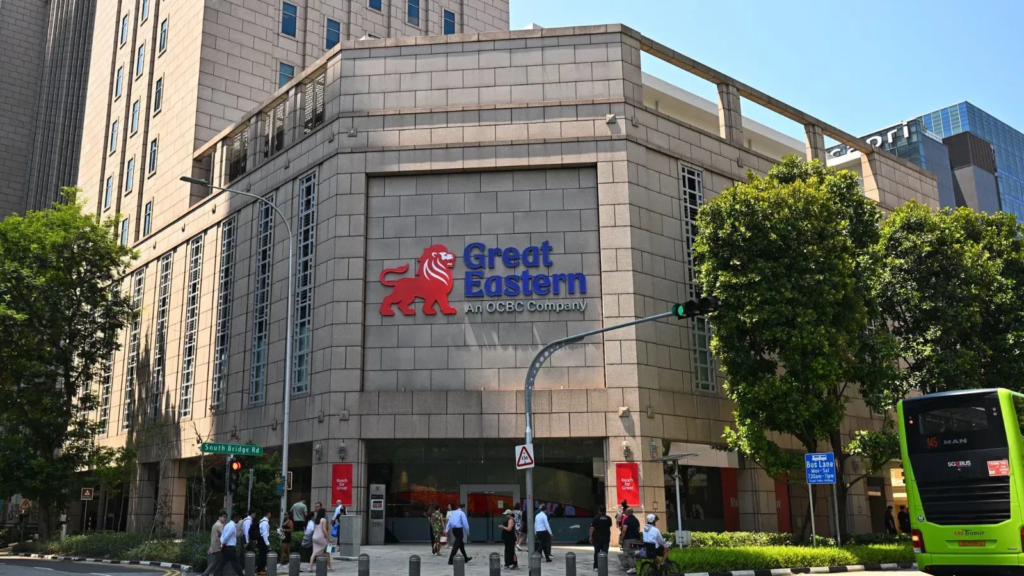
Happy Friday, MARKETING-INTERACTIVE readers and welcome back to Gen Z Perspectives, your go-to feature where we unpack the week’s top stories and trending topics through the eyes of Gen Z. From the biggest industry moves to viral moments and marketing controversies worth dissecting, we’re bringing the heat with authenticity, awareness and probably a few unfiltered takes. This week: Great Eastern marked 117 years with a refreshed logo, former White House comms chief Ben LaBolt weighed in on today’s comms landscape, and Singapore Airlines’ KrisFlyer overhaul stirred plenty of chatter. All aboard, we’re cleared for takeoff. Don’t miss: Gen Z perspectives: GE’s chief marketer departs, seeing double & PR Asia 2025 1. Great Eastern refreshes logo as it marks 117 years Singapore’s largest and longest-established life insurer, Great Eastern, is marking its 117th anniversary with a refreshed corporate logo and a set of strategic growth priorities, signalling a new phase of transformation into a forward-looking, data-driven, and future-ready organisation. The modernised logo, which takes centre stage in the anniversary revamp, reinterprets the company’s iconic lion motif. Each element carries meaning with the tail representing leadership and communication, the paw signifying confident forward strides, the mane reflecting ambition and passion, and the eyes focusing firmly on the future. Read more here.  2. Brands must think like political campaigns, says former White House comms director In an age where a viral TikTok can upend a brand’s reputation in hours, PR and communications professionals face unprecedented pressure to adapt. The once-linear news cycle has splintered into a real-time, always-on conversation across countless platforms, where narratives shift by the minute and misinformation spreads faster than fact-checks can catch it. For leaders, this means the margin for error has never been smaller. Ben LaBolt, former White House communications director and senior advisor for president Joe Biden, knows this world intimately. Drawing on his political campaign experience, LaBolt said that today’s communications environment demands the same agility and high-stakes thinking as running a presidential campaign: quick decisions, constant monitoring, and the ability to respond in real time. Read more here.  3. Re-writing a contract of trust: Why SIA’s KrisFlyer overhaul feels personal Earlier this week, Singapore Airlines unveiled a major revamp of its KrisFlyer frequent flyer programme. From 1 November 2025, KrisFlyer members will need more miles to redeem certain premium cabin awards. The airline also introduced “Access redemption”, a new redemption category offering more seat availability, though the number of miles required will vary depending on demand.  The upcoming changes has sparked concern among netizens who have expressed frustration at the increasing difficulty to redeem miles, said media intelligence firm CARMA. According to Truescope, netizens had also begun discussing alternate credit card options and competing loyalty programmes following the revamp. While SIA positions these as enhancements, experts say the changes reshape the core value equation of loyalty and raise questions about fairness, predictability, and trust. Read more here.  Accelerate your brand’s growth with AI-first strategies, emerging tech and data-driven experiences. Join 500+ marketing leaders at Digital Marketing Asia 2025 Singapore on 24–25 September to uncover transformative trends, real-world wins and powerful ideas for 2025 and beyond. Related articles: Dow Jones names new APAC senior director of corp comms      How myBurgerLab can rebuild reputation as netizens get fired up over COO’s comments    AirBorneo unveils new logo, faces calls for transparency over design contest source

Gen Z perspectives: Logos, leaders and thoughts on KrisFlyer’s overhaul Read More »

How brands can go Super Saiyan in the hybrid anime universe

Anime has long been celebrated as one of Japan’s most potent cultural exports. Yet across Southeast Asia, the form is no longer merely imported entertainment – it has become a hybridised, regionally co-created cultural phenomenon. For brands seeking to tap into this fervent fanbase, understanding the evolution of anime in APAC is increasingly crucial. “First of all, we should acknowledge that manga is itself a hybrid of traditional kibyōshi and American comic books,” noted Colin Goh, head of content and multimedia at SHE Singapore. “So yes, manga and anime are recognised as Japanese exports, but today it’s a shared cultural grammar across Asia.” Goh emphasised that Southeast Asian creators are increasingly embedding local lore into anime-styled content. His own project, Dim Sum Warriors, illustrates the transnational journey of a culturally specific story finding resonance from New York to China to Singapore. This regionalisation is not limited to one Asian market. Korean studios now co-produce with Japanese IP holders, and Chinese platforms commission original anime-inspired works. Meanwhile, regional hits such as the Philippines’ Trese – adapted into a Netflix series with Japanese collaborators – show that audiences prioritise narrative authenticity over geographic origin. As Goh put it: “Fans don’t care if a work comes from Tokyo, Manila, Jakarta, or Kuala Lumpur – they care if it feels emotionally true.” Don’t miss: Report: 20% of Indonesian Gen Z anime fans engage online, signalling brand opportunity To understand this further, MARKETING-INTERACTIVE spoke with experts across Singapore, Malaysia, Indonesia, and the Philippines about how anime’s evolution into a hybrid, regional phenomenon is reshaping marketing strategies. A clear consensus emerged: authenticity, participation, and narrative depth are now paramount for brands seeking meaningful engagement with anime audiences. Beyond visuals: Joining the pulse of fan communities The growing hybridity of anime presents both opportunity and challenge for marketers. Farez Khan, founder of Zero Asia, framed this as a shift in cultural power: “Authenticity now lives in the tension between heritage and remix, and the smartest collaborations will embrace both.” For brands, that means moving beyond superficial visual tie-ins to genuinely participating in the culture. At the heart of fandom is a demand. The line between acceptance and rejection rests on whether brands embody its emotional DNA: sincerity, creativity, and shared passion, Khan said. Brands should position themselves as co-travellers in this expanding world rather than outsiders borrowing the aesthetic. Meanwhile, Benjamin Lee, head of commercial and marketing at Beach House Pictures, also underscored the importance of authenticity: “If you are a fan yourself, you’re likely to be authentic. It will also help you possibly be a creator as well, rather than a passive brand participant.” His advice is simple: start by watching anime until it feels natural to join the conversation. Turning to Indonesia, anime has shifted from a foreign import to a deeply integrated part of popular culture, influencing everything from early 1990s TV broadcasts to today’s vibrant cosplay and fan communities. Calvin, art director at Cheil Indonesia, noted: “Simply borrowing anime visuals isn’t enough. The challenge is how to marry global anime culture with local values, creating stories that resonate with young Indonesians who are creative, optimistic, and community-driven.” The hybrid landscape now extends to content origin: Korean webtoon adaptations, Chinese donghua, and even Western anime-styled productions compete with Japanese originals for fan attention. What matters, Calvin noted, is the resonance of the story and its emotional stakes. For brands, two pathways emerge – collaborate with established Japanese IPs for heritage value, or embrace anime-styled content from other markets to ride fresh cultural currents. How fandom turns brands into co-creators Across interviews, one theme stands out: brands must shift from passive sponsorship to active participation, with Goh citing adidas’ 2022 collaboration with Japanese streetwear boutique BAIT – a hit sneaker design inspired by the Colossal Titan’s exposed muscles and bones. “Creativity can also be in audience outreach and engagement. Netflix’s promotion of Trese conveyed commitment to Southeast Asian stories and didn’t hawk it as just a wannabe anime,” he added. Khan pointed to McDonald’s 2023 ‘WcDonald’s’ campaign as a key example – an homage to a long-running anime trope that both respected the source material and enriched the culture. Carlos Mori Rodriguez, chief innovation officer at EON Group in the Philippines, also framed participation as adding value to the culture itself: “Participation means you add something the culture actually needs…co-produce shorts or music videos. Underwrite creator residencies for illustrators and animators. Build immersive spaces at cons where fans co-create content.” He pointed out that genuine participation moves beyond logos on banners. Pop-ups and hubs become cultural gathering points, hosting meet-ups, premieres, and drops. With Infinity Castle, he imagines brand-backed marathon screenings and creator panels; with K-Pop Demon Hunters, official dance challenges where winning routines are folded back into music videos. For Rodriguez, that’s how brands enter a circular, participatory economy of fandom. The wider context, he argued, is that anime is no longer a one-way Japanese export but a regional co-creation. Southeast Asia contributes talent, aesthetics, and original stories layered on top of Japanese IP. Infinity Castle underscores Japan’s pull, while K-Pop Demon Hunters illustrates how anime visuals fused with K-pop can dominate feeds. That shift changes how brands must behave: no more “license and paste.” Similarly, Calvin stressed that engagement must be embedded in communities. Practical steps include co-creating within fan communities, creating platforms for expression, and facilitating access to creators or special screenings. “By embedding themselves in these ecosystems, brands move beyond short-term sales gains and build genuine emotional equity,” he said.  Investment over advertising The commercial potential of anime extends far beyond viewership. Goh noted, “Anime powers billion-dollar ecosystems in gaming, cosplay, and merchandise.” For brands, the most credible strategy is to fund co-productions, support creators, or invest in fan conventions. Dentsu data shows anime fandom’s spending power, with 31% of Thai viewers and 23% of Indonesian viewers each spending over US$200 on merchandise in the past year. Goh encapsulated the philosophy succinctly: “It might be smart for brands to fund comics anthologies in

How brands can go Super Saiyan in the hybrid anime universe Read More »

Cathay Cineplexes enters voluntary liquidation amid creditor demands

Cathay Cineplexes, one of Singapore’s longest-standing cinema operators, is heading into creditors’ voluntary liquidation after failing to reach restructuring agreements with multiple landlords and creditors. Its parent company mm2 Asia announced on Monday (1 September) that Cathay Cineplexes had received statutory demands and claims from entities including DBS Trustee (as trustee of Lendlease Global Commercial REIT), Century Square LLP, Frasers Centrepoint Trust, Alprop, Resorts Concepts, and others. Despite attempts to negotiate, the board of Cathay Cineplexes said it was “no longer feasible” to continue operating as a going concern given its financial position and the absence of viable restructuring outcomes. Don’t miss: Nostalgia is not enough: How brands can get the rising trend right  As part of the move, Luke Anthony Furler and Tan Kim Han of Quantuma (Singapore) have been appointed joint and several provisional liquidators. An extraordinary general meeting of members and a creditors’ meeting will be convened in due course. mm2 Asia advised shareholders and investors to exercise caution when dealing with its securities, adding that further announcements will follow. MARKETING-INTERACTIVE has reached out for more information.  Cathay Cineplexes has been part of Singapore’s entertainment landscape since the iconic Cathay Cinema first opened in 1939. Its exit marks a significant chapter in the city-state’s cinema industry, which has faced rising costs, shifting consumer habits, and the aftershocks of the pandemic. The news follows a similar move by The Projector, Singapore’s independent cinema and arts venue, which announced it will enter voluntary liquidation after more than a decade of showcasing alternative films and community-focused programming. The Projector ceased operations on 19 August this year. Founder Karen Tan said at the time that the decision to wind down The Projector came after years of battling mounting pressures, from rising costs and shifting audience habits to what she described as the toughest consumer market conditions in a decade. Despite efforts to reinvent the space, weather the pandemic, and expand into new venues, the team ultimately found no viable path forward. Accelerate your brand’s growth with AI-first strategies, emerging tech and data-driven experiences. Join 500+ marketing leaders at Digital Marketing Asia 2025 Singapore on 24–25 September to uncover transformative trends, real-world wins and powerful ideas for 2025 and beyond. Related articles:  Singapore private club 1880 abruptly shuts down as financial troubles mount  Jetstar Asia’s shutdown: Does marketing even matter with price conscious customers? Brand spotlight: How local movie house The Projector aims to push on   source

Cathay Cineplexes enters voluntary liquidation amid creditor demands Read More »

Mercedes-Benz SG appoints new strategic comms agency

Mercedes-Benz Singapore has appointed Allison Worldwide as its strategic communications partner, aiming to make the brand more present, personal, and resonant in the local luxury market. The collaboration will cover earned media, influencer engagement, and social storytelling, starting with LinkedIn as part of a phased communications strategy. In conversation with MARKETING-INTERACTIVE, Darren Ng, head of customer excitement, Mercedes-Benz Singapore said the brand wanted a partner who could match its ambition, not just in terms of capability but in mindset. Don’t miss: Mercedes-Benz shifts gears with Lucy Liu as new brand voice “Allison brought a fresh perspective, a deep respect for the brand, and the courage to push boundaries. That combination made them the right partner to help us bring our stories to life in ways that excite and inspire,” said Ng.  The appointment comes as Mercedes-Benz Singapore re-evaluates its approach to modern luxury communications, aiming to unlock new creative potential and make bold, intentional moves that reflect the brand’s evolving vision.  This is especially significant as Mercedes-Benz Singapore views communications as where strategy meets emotion. “It’s how we shape perception, build connection, and create moments that resonate beyond the car itself. For Mercedes-Benz Singapore, it’s not just about telling stories — it’s about creating experiences that make people feel the essence of modern luxury in their daily lives,” said Ng.  The partnership has already marked its first milestone with G-HAUS, a three-day immersive brand experience celebrating the iconic G-Class. The activation showcased the all-new G-Class lineup, including the all-electric G 580 with EQ Technology, through installations, curated lifestyle experiences, and community engagement. For Mercedes-Benz Singapore, G-HAUS was more than a product launch. It highlighted the adventurous, uncompromising spirit of the G-Class and reinforced the brand’s ability to connect through experiences as much as vehicles. “Our ambition is to tell the Mercedes-Benz story in ways that inspire and excite, while staying true to the legacy that has made the brand iconic. With Allison, we’ve found a partner who understands both where we come from and where we want to go. G-HAUS was proof of what’s possible when strategy, creativity, and courage come together – and it showed how brand moments can live far beyond the event itself,” said Ng.  “G-HAUS was a collaborative, multi-agency effort, but Allison’s role was clear. They brought structure to the story, clarity to the message, and a deep understanding of how to make a brand moment feel personal. Beyond supporting our vision, they helped ensure that the stories created at G-HAUS lived on—across culture, media, and conversations,” added Ng.  Looking ahead, the partnership will spotlight initiatives such as MANUFAKTUR, Mercedes-Benz’s bespoke customisation programme, alongside activations designed to bring luxury closer to culture. Each initiative aims to deliver experiences that move people emotionally as much as physically. “Mercedes-Benz is a brand that sets the pace for what luxury means today – and tomorrow. We’re excited to partner with the brand and translate that vision into communications that are bold, relevant, and culturally attuned,” said Jeremy Seow, APAC chief operating officer at Allison Worldwide. Mercedes-Benz Singapore joins Allison Worldwide’s growing roster of clients. Earlier this year, the agency was appointed as the new PR partner for Melia Hotels International in APAC. It has also strengthened its leadership team, welcoming Kelvyn Foo as general manager of its Singapore office and Margaret Key as CEO of Allison Asia.  Accelerate your brand’s growth with AI-first strategies, emerging tech and data-driven experiences. Join 500+ marketing leaders at Digital Marketing Asia 2025 Singapore on 24–25 September to uncover transformative trends, real-world wins and powerful ideas for 2025 and beyond. Related articles:   MINI sparks cheeky ad war with breakup billboards on traded-in carsPorsche Puts pedal to lifestyle with new Jewel Changi brand experience store Battle of the Brands: BYD throws down as Musk melts Tesla’s EV lead  source

Mercedes-Benz SG appoints new strategic comms agency Read More »

Former DBS group head of marketing Saurabh Singhal joins HSBC to drive digital marketing

HSBC has appointed Saurabh Singhal (pictured) as managing director, global head of digital marketing, corporate and investment banking (CIB), based in Hong Kong. With nearly 20 years of experience in marketing, Singhal is skilled in business strategy, digital marketing, demand generation, go-to-market strategy, integrated marketing, lead generation, product marketing, and segmentation. Before his new role, Singhal held various management positions in different companies, one of which was at GIFT City, where he served as chief commercial officer and chief fintech officer. He was responsible for enhancing GIFT’s visibility on the global stage and developing the national project into a fintech innovation hub, according to Singhal on LinkedIn. Prior to GIFT City, Singhal was group head of marketing and martech of institutional banking at DBS Bank in Singapore for over four years. At DBS Bank, he was responsible for transaction banking, small and medium enterprises (SME), large corporate and institutional investors segments, and managed regional marketing budgets and team. He was also responsible for 360 marketing planning and execution across the customer lifecycle. Singhal ran campaigns using digital marketing and social media community marketing, represented the bank at key industry events, and drove customer engagement, according to his LinkedIn. Singhal had also served as DBS Bank’s head of marketing for private bank and NRI banking and as its head of marketing of consumer banking.  Other roles Singhal has held include APAC chief marketing officer at Jabra, where he brought hearable innovations to market, expanded the business in the region, and developed channels and strategic alliances. He led a diverse marketing team across 14 countries, fostering relationships with various alliance partners. His responsibilities encompassed B2B and B2C marketing programmes, customer and channel segmentation strategies, digital marketing initiatives, and pricing strategies with alliances. MARKETING-INTERACTIVE has reached out to HSBC for more information.  Don’t miss: HSBC names global CMO In early August, HSBC appointed John McDonald as its chief marketing officer, effective 1 October 2025, in a move to unify its brand and marketing functions across its core businesses. The newly created role comes as HSBC sharpens its focus on becoming a “simpler, agile and focused” bank, according to the company. McDonald will oversee marketing, branding, and client engagement efforts across international wealth and premier banking, corporate and institutional banking, as well as the Hong Kong and UK businesses. Take your brand to new heights with cutting-edge AI strategies, innovative technology, and data-powered experiences. Don’t miss Digital Marketing Asia 2025 in Hong Kong on 20-21 October, where 200+ marketing leaders will explore game-changing trends, proven successes, and bold ideas shaping the future. Related articles: HSBC One launches pop-up-bar to engage with Gen Z investorsHSBC MPF tugs at heartstrings of HK workforce with new campaignHSBC brings HK districts to life with collaborative mural art projects source

Former DBS group head of marketing Saurabh Singhal joins HSBC to drive digital marketing Read More »

Lacoste reimagines iconic crocodile logo for 'goat'

Lacoste has reimagined its iconic crocodile logo as a “GOAT” (Greatest of all time) in a new capsule collection celebrating tennis star Novak Djokovic. Titled “From the crocodile to the GOAT”, the line marks the brand’s eight-year partnership with Djokovic, one of the sport’s most decorated players. It includes five pieces, a polo, t-shirt, tracksuit jacket, cap and trousers, each carrying the special logo designed to signal both prestige and exclusivity. The collection debuted on social media, with Lacoste sharing an Instagram video showcasing longtime Djokovic fans sporting the new pieces, highlighting the brand’s strategy of blending ambassador appeal with consumer engagement. Don’t miss: From fame to fit: What brands need for the perfect ambassador  The range launched globally in selected markets, with Djokovic unveiling the range at Lacoste’s new flagship store on New York’s Fifth Avenue on 22 August, ahead of the US Open. The New York location ties back to René Lacoste’s own milestones, from winning the US Championship in 1926 and 1927, to earning the “crocodile” nickname and conceiving the polo shirt, connecting heritage with modern brand storytelling. Djokovic, meanwhile, holds 24 Grand Slam titles, the most ever won by a male player, and has spent the greatest number of weeks ranked world No. 1. He also leads in Masters 1000 victories and remains the only player to win each of those tournaments at least twice, reinforcing his position as both a sports icon and a strategic marketing partner for Lacoste. “Novak Djokovic has been part of the Lacoste family for over eight years. Together, we have shared an exceptional period, during which he won 12 Grand Slam titles – half of his career total. Beyond the extraordinary player, his tenacity, mindset and values have contributed to elevating and amplifying the brand,” said Thierry Guibert, CEO of Lacoste. He added, “Transforming our crocodile into a ‘GOAT’ today to pay tribute to him, and unveiling the collection here, where René built his legend, was an obvious choice. This initiative reflects our ability to reinvent our codes while staying true to René Lacoste’s heritage.” MARKETING-INTERACTIVE has reached out for more information.  The revamped logo follows Lacoste’s recent global campaign, “Play with icons“, created with BETC Paris. The campaign blends fashion heritage with pop culture, highlighting both Lacoste’s most recognisable pieces and the personalities who wear them. Shot by American photographer Tyler Mitchell, known for his vibrant, culture-forward lens, the campaign features Djokovic, Venus Williams, Wang Yibo, Pierre Niney and Adèle Exarchopoulos. Djokovic appears draped in a golden tennis net reimagined as a regal cape, paired with Lacoste’s off-white polo, a composition that reaffirms his “GOAT” status while underscoring the polo’s place in fashion-sport history. Accelerate your brand’s growth with AI-first strategies, emerging tech and data-driven experiences. Join 500+ marketing leaders at Digital Marketing Asia 2025 Singapore on 24–25 September to uncover transformative trends, real-world wins and powerful ideas for 2025 and beyond. Related articles: Lacoste releases new clothing line reimagining famous Netflix shows  Lacoste swaps out crocodile logo with icons of threatened species   Coca-Cola’s literary logo play: Can brands make an impact without a legacy? source

Lacoste reimagines iconic crocodile logo for 'goat' Read More »

What Dentsu International's potential sale could mean for valuations and agency models

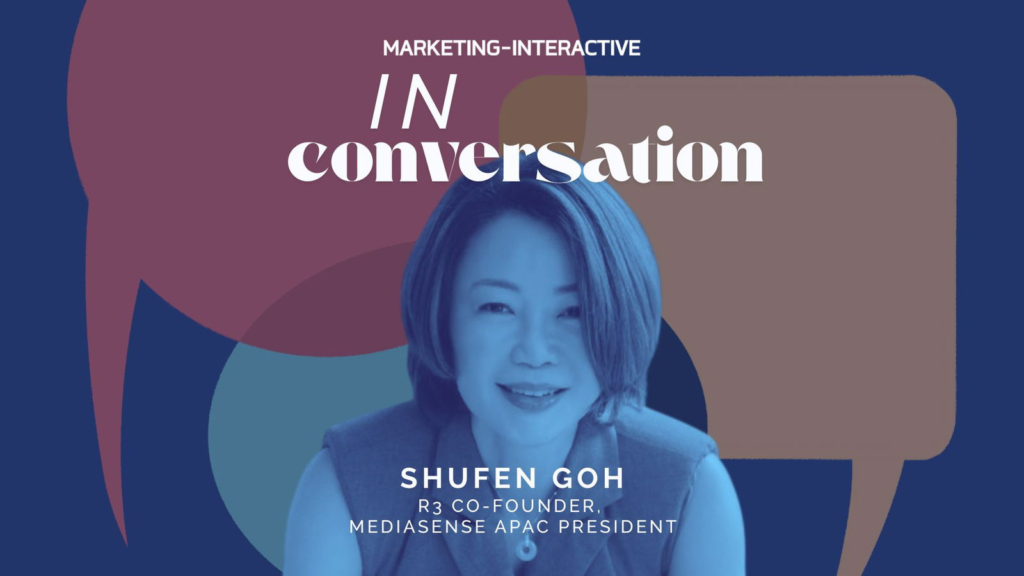
Japanese advertising giant Dentsu is reportedly exploring the sale of its international business, according to Financial Times sources. The move comes as the group evaluates strategic options, with potential buyers, including industry players and private equity firms, are already being approached. While no final decision has been made, insiders say Dentsu aims to have a clear roadmap by year-end. Options under consideration range from selling a minority stake to a complete divestiture of its overseas operations. To manage the process, Dentsu has appointed Mitsubishi UFJ Morgan Stanley and Nomura Securities to identify potential buyers in what is expected to be a multi-billion-dollar deal. Don’t miss: Dentsu APAC bolsters insight-driven excellence with senior appointments Meanwhile, a Dentsu source told Jiji Press that no decisions had been made, adding that the group was still reviewing various options to boost its corporate value. A potential sale could significantly impact Tokyo-listed Dentsu, founded 124 years ago, and its long-standing ambition to compete on the global stage with industry heavyweights such as WPP and Publicis. Just two weeks earlier, Dentsu Group released its second-quarter financial results for FY2025, reporting a net loss of 79.9 billion yen (US$541.9 million). The group also announced plans to cut around 3,400 jobs (about 8% of its overseas workforce) as part of a restructuring plan aimed at struggling international markets. The cuts are expected to primarily affect headquarters and back-office operations outside Japan. “As part of the reevaluation of underperforming businesses, we have completed the identification of underperforming markets and entities and have begun taking the appropriate countermeasures,” said global CEO Hiroshi Igarashi in the results announcement. “I am acutely aware that reforming the international business is an urgent issue. We have recorded an impairment loss on goodwill in the second quarter. I deeply regret this situation and offer my sincere apologies on behalf of the company,” he added.  A deeper look Rumours about a potential sale of Dentsu’s international business have been swirling across M&A circles for a while.  M&A specialist Hattie Marsden, founder of TruWater Advisory added that in the past three years, Dentsu International has gone from being one of the most active acquirers in APAC of marketing services businesses, to having done no material publicly recorded acquisitions, signaling a shift in confidence of Dentsu HQ in the international business. Pulling out the numbers, she shared that post COVID, in 2021 Japan surged back (+18% organic growth, record revenue, ~23% margin), pulling ahead again in profitability. And while international markets recovered slightly, the margins stayed much lower. A year later in 2022 while international drove top-line revenue (~60% of the group), it remained structurally less profitable (high-teens margin). Japan, though smaller in revenue (~40%), delivered far higher margins (mid-20s). In the past two years alone from 2023 to 2025, Japan delivered nine straight quarters of growth and record profits, while international slipped back into negative growth across all major regions. Marsden explained these numbers bring the potential sale of Dentsu International into context that for years the overseas arm has delivered scale but struggled with margins, impairments and growth. Japan, in the meantime, has consistently outperformed on profitability. Marsden said: Whether it’s good or bad ultimately depends on one’s perspective but selling would mean stepping back from Dentsu’s global dreams. On the plus side, it would enable it to focus back onto its core. What this means for the wider business If Dentsu International ends up being broken and sold in parts, Marsden said it could flood the market with agency assets, putting pressure on valuations in the short term. However, it could also spark a wave of strategic and private equity acquisitions, especially in CXM and digital. “It could be the biggest shake-up in agency M&A since the rise of Accenture Song. Either way, if Dentsu really moves ahead, the ripple effects will be felt across holding groups, consultancies and private equity alike. In many ways, the fate of Dentsu International is a test case for whether the traditional global agency models will makes sense,” Marsden said. It is also well known that the advertising industry is undergoing rapid transformation and faces significant challenges, prompting agencies to reshape their businesses for profitability and to capitalise on AI-driven opportunities. “Consolidation and realignment trends continue, exemplified by Stagwell’s acquisition of ADK Global,” said Leela Nair, CEO of Ebiquity. In this context, Dentsu’s exploratory pivot—focusing on innovation and investment in Japan while exploring new ownership for its international assets—reflects a potential strategic, forward-looking response to limited net wins in Q1-Q3 2025, she said. “The potential sale could attract interest from rival advertising companies, private equity firms, and other investment groups. Even if Dentsu sells, it will keep the Dentsu branded agency assets in Asia, to service important Japan based clients such as Toyota, Shiseido and the likes,” explained Nair. Goh Shufen, founder of R3 shared that despite its struggles overseas, Dentsu played an important role in representing the Asian perspective, the Asian way of doing business, building brands and building relationships. “Clients benefit from having global diverse options, it’d be better for all I if the buyer is from Asia,” she said. When asked what the retreat indicates, Goh shared that Japanese brands have often relied on Dentsu to build their brands consistently overseas. “Now they’d have to ramp up their own brand and agency management, something not as developed as other markets,” she shared. Accelerate your brand’s growth with AI-first strategies, emerging tech and data-driven experiences. Join 500+ marketing leaders at Digital Marketing Asia 2025 Singapore on 24–25 September to uncover transformative trends, real-world wins and powerful ideas for 2025 and beyond.Related articles: WPP moves Grey under Ogilvy in creative agency shakeup Can Cindy Rose transform WPP? Industry leaders weigh in Publicis Groupe merges Leo Burnett and Publicis Worldwide to form Leo source

What Dentsu International's potential sale could mean for valuations and agency models Read More »

Mastercard drives into fast lane as McLaren’s F1 naming partner

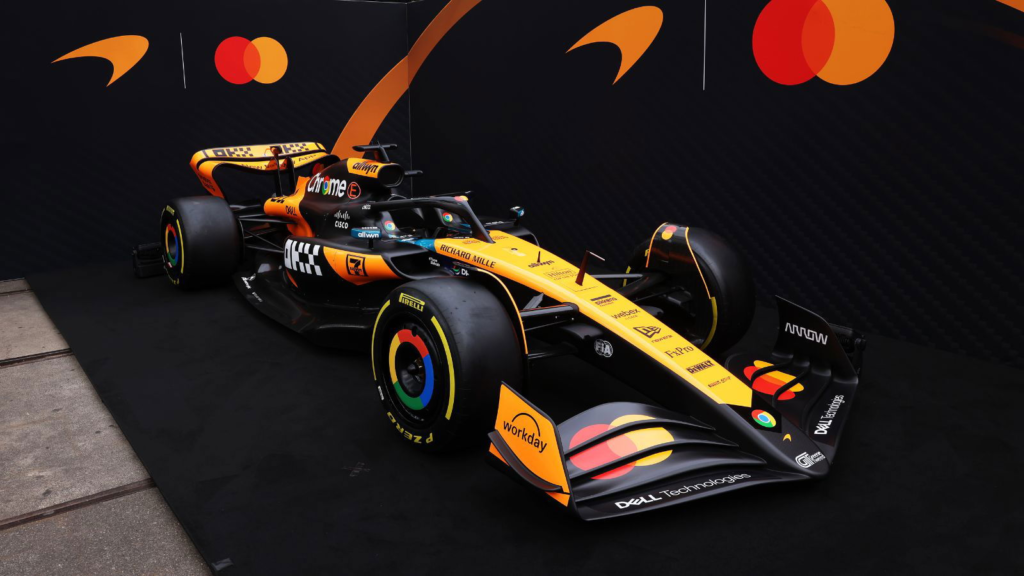
McLaren Racing and Mastercard are giving fans a closer seat to the Formula 1 action in a new partnership. The partnership sees Mastercard as its official naming partner of the McLaren Formula 1 team where the team will compete as the ‘McLaren Mastercard Formula 1 Team’, starting 2026.  The partnership also sees the launch of “Team priceless”, a global initiative offering exclusive access to the team and race experiences. Don’t miss: Mastercard hands US$180m global media remit to WPP Media  “Team priceless” will allow selected fans to enjoy once-in-a-lifetime experiences, from hot laps on track to meeting drivers Lando Norris and Oscar Piastri, alongside curated activities that showcase the culture of each host city. Details on fan recruitment and the programme will be shared in the coming months. To mark the new chapter, Mastercard hosted a live fan event in Amsterdam on Wednesday 27 August, ahead of the Dutch Grand Prix. The evening featured appearances from McLaren drivers, live music, and a preview of the experiences fans can expect under the partnership. The collaboration positions Mastercard and McLaren at the forefront of fan engagement in Formula 1, combining behind-the-scenes access with immersive, city-specific experiences for supporters worldwide. “There is no one more important to us than our awesome fans, so I could not be more delighted to enter this next chapter in our partnership with Mastercard with a promise to our Papaya Family around the world: that we will continue to put our fans first, bring them even closer to the team, and offer incredible experiences,” said Zak Brown, CEO of McLaren Racing. He added that Mastercard is a partner who shares McLaren Racing’s passions and values and that having the payment network on board as a naming partner will offer it the launch pad to keep pushing on and off track.  Meanwhile, Raja Rajamannar, chief marketing and communications officer for Mastercard said “Our partnership has been grounded in putting fans in pole position since day one, and becoming the official naming partner of the McLaren Formula 1 team takes that commitment to the next level.” “McLaren Racing represents the pinnacle of innovation, precision and perfomrance, values that mirror our own as we push boundaries and deliver winning experiences. Collaborations such as Team Priceless reflect those values and give fans plenty to look forward to for this season and many more,” added Raja Rajamannar.  McLaren Racing is not the only team making headlines with a major title deal. Fintech giant Revolut recently announced it will become the title partner of the future Audi F1 Team from 2026. The agreement signals a growing trend of disruptive, consumer-facing brands leveraging Formula 1’s global stage to deepen fan engagement. For Revolut, the partnership is framed around innovation and access, with plans to introduce new digital touchpoints, exclusive benefits for its customers, and premium retail activations across race weekends. Accelerate your brand’s growth with AI-first strategies, emerging tech and data-driven experiences. Join 500+ marketing leaders at Digital Marketing Asia 2025 Singapore on 24–25 September to uncover transformative trends, real-world wins and powerful ideas for 2025 and beyond. Related articles:  Revolut revs up as title partner of Audi’s F1 team from 2026   TAG Heuer brings F1 thrill to KL with ‘Designed to win’ What Barilla’s Formula 1 move means for sports advertising beyond the Super Bowl  source

Mastercard drives into fast lane as McLaren’s F1 naming partner Read More »

Shah Rukh Khan and Deepika Padukone embroiled in Hyundai vehicle complaint

Bollywood icons Shah Rukh Khan and Deepika Padukone are facing legal scrutiny after being named in a First Information Report (FIR) filed in Bharatpur, Rajasthan, over allegations of endorsing a defective Hyundai vehicle. According to Times of India, the FIR also names Hyundai Motor India executives, including managing director Unsoo Kim, alongside whole-time director and COO Tarun Garg, as well as several showroom owners. The case stems from a complaint filed by advocate Kirti Singh that he purchased the car in 2022, according to The Economic Times. Singh claimed he was influenced by celebrity endorsements and assurances from the dealership that the vehicle would be completely “trouble-free”. Within a few months, however, he reportedly said the car started showing multiple technical issues. Don’t miss: Hilton taps Deepika Padukone to champion the power of a thoughtful stay According to Singh, the vehicle often failed to pick up speed while overtaking, the odometer regularly displayed malfunction warnings, and the car vibrated and made strange noises at high speeds, creating major safety risks. Singh also reportedly said the car’s issues had caused several near-miss accidents. Singh said the dealership informed him the car had a manufacturing defect that could not be corrected. Feeling aggrieved, he filed the FIR not only against Hyundai but also against Khan and Padukone, alleging that their involvement in promotional material misled consumers into purchasing a faulty product. The Economic Times reported that Singh cited the actors’ endorsements as a major factor in his decision to purchase the vehicle and argued that they should be held accountable under consumer protection laws. In promotional action-packed videos, Khan and Padukone are seen advocating for the car, with words such as “undisputed” and “ultimate” appearing on screen. “Setting the stage with its undeniable presence, the new Hyundai CRETA stands as the ultimate embodiment of excellence. From its meticulously crafted design to its commanding stance and signature sportiness, every detail is crafted to perfection,” Hyundai India said in a YouTube caption.  Khan and Padukone have yet to comment publicly on the allegations or the FIR filed against them.  Hyundai has faced regulatory scrutiny before over misleading claims. In 2023, the UK’s Advertising Standards Authority (ASA) banned campaigns by both Toyota and Hyundai for exaggerating the charging speed of their electric cars and misleading consumers about the availability of rapid-charging points. In Hyundai’s case, three ads for its IONIQ 5 electric vehicle were flagged. A digital billboard in London’s Piccadilly Circus stated the car could charge from 10% to 80% in 18 minutes using a 350kW charger. A YouTube video featuring Chelsea FC footballers repeated the claim, while a marketing brochure on Hyundai’s website echoed the same message. The ASA ruled that the ads were misleading, citing limitations in achieving the advertised charging rates under real-world conditions. Hyundai responded by highlighting its investment in electric vehicle development and promotion, acknowledging that charging barriers remained and that charge time was a key concern for consumers. The company said the ads were intended to inform consumers about the IONIQ 5’s performance capabilities and to address concerns about charge times on longer journeys. Photo courtesy of Satchith Paulose, Youtube. Accelerate your brand’s growth with AI-first strategies, emerging tech and data-driven experiences. Join 500+ marketing leaders at Digital Marketing Asia 2025 Singapore on 24–25 September to uncover transformative trends, real-world wins and powerful ideas for 2025 and beyond. Related articles: VietJet forced to remove ‘Green Friday’ campaign in SG after greenwashing claims    Consumer watchdog calls out Agoda over ‘misleading’ website and app features    foodpanda warned over ‘misleading’ free delivery ad for pandapro source

Shah Rukh Khan and Deepika Padukone embroiled in Hyundai vehicle complaint Read More »