marketing interactive

Nearly 80% of consumers willing to pay more for brands they trust

Truth is becoming a commercial growth driver for global brands, with 80% of people globally saying they actively choose brands they trust even if they cost more, according to McCann’s latest “Truth about global brands” study. At the same time, the cost of losing trust is becoming more tangible. The study found that 69% of consumers have stopped using a brand because they no longer trusted it, while this figure rises to 79% among B2B decision-makers. The findings point to a shift from a trust economy to a “doubt economy”, where brands are under pressure to provide clarity, credibility and consistency in an increasingly fragmented information environment. The third wave of the study, developed in partnership with Economist Enterprise, surveyed 20,713 people across 20 markets and included dedicated analysis of 1,798 senior B2B decision-makers. It also included interviews with more than 15 global CMOs and brand leaders. Don’t miss: APAC trust gap hits record high as income disparity doubles  The research found that consumers are navigating what McCann calls a “truth maze” of reviews, creators, algorithms, AI-generated content and competing brand claims. While 72% of people said it is more important than ever to prioritise truth, 55% believe brands are less truthful than they were 20 years ago. AI is intensifying this challenge. While 72% of consumers and 88% of B2B leaders said brands must use AI to keep up, 76% of people said they worry they will soon be unable to distinguish between real people and artificial ones online. Transparency is emerging as a key trust lever, with 53% of respondents saying brands being open about AI use is the most effective way to build trust. Another 45% said brands should help people understand what is real and what is not in AI-generated content. Among B2B decision-makers, trust in AI appears stronger but still conditional. According to Economist Enterprise’s B2B analysis, 85% of B2B decision-makers trust brands that use AI, and they are 20 percentage points more likely than the general public to trust AI-generated content. However, 54% said transparency around AI use is the most important factor in brand trustworthiness, while 44% said brands should help audiences understand what is true and what is not. Only 11% said avoiding AI altogether would help build trust, compared with 24% of the general public. The study also found that B2B buyers increasingly expect brands to act as reliable guides through complexity. Almost all B2B decision-makers surveyed, at 92%, said it is important for global brands to act as reliable and trustworthy guides. Brand values are also becoming a commercial factor, with 85% of B2B decision-makers saying brand values outweigh price. At the same time, heritage still matters. Across all respondents, 72% said a long-standing brand is more meaningful than a new one. However, B2B decision-makers were found to be more receptive to novelty than the wider public, at 37% compared with 28%, suggesting that brands need to balance legacy and credibility with innovation and forward momentum. Beyond trust, the study also identified a shift in how culture and influence move globally. It describes this new environment as “multimodal globality”, where culture no longer flows in a linear or top-down way, but instead moves across platforms, communities, creators and networks. Today, 20 countries are seen as influential in shaping global culture, up from 12 in 2018, while 69% of people globally believe the world is evolving towards a global culture. The research also points to a major growth opportunity among future audiences. The global middle class is projected by the World Economic Forum to reach five billion people with US$62 trillion in annual spending power by 2030. Within this group, McCann identifies the “Upward class” as a particularly important audience: 1.02 billion people globally, representing US$29.5 trillion in annual spending. This group, according to McCann, has moved beyond the social class they were born into and sees brands not only as products, but as symbols of progress, identity and belonging. As a result, brands need to move beyond traditional segmentation and better understand the aspirations, behaviours and cultural signals shaping future demand. Related articles:  Trust turns inward in Singapore as insularity rises  Trust is rising in Malaysia, but so is the distrust of differences  Media optimism anchors global AI narrative despite gap in public trust  source

Nearly 80% of consumers willing to pay more for brands they trust Read More »
Golin and Ketchum merge under new Golin Ketchum brand

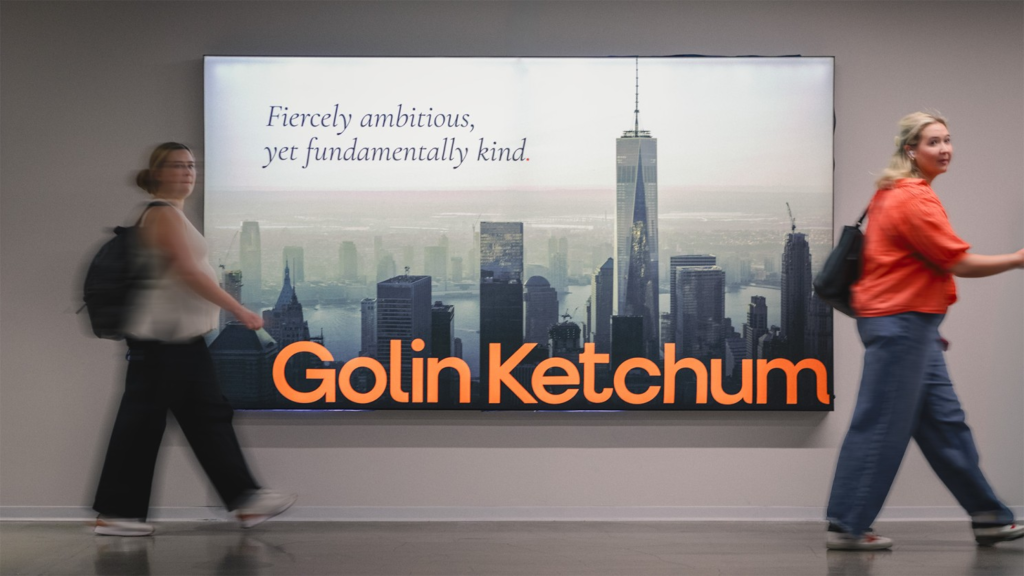
Golin and Ketchum have merged to form a single global communications agency under the new Golin Ketchum brand, bringing together two established agency names under one operating model. The combined agency will offer communications services across brand and consumer marketing, corporate affairs, health, technology, and food, agriculture and nutrition. It will be supported by a global network of offices, specialty practices and sector expertise. Matt Neale has been named CEO of Golin Ketchum (pictured left), while Tamara Norman (pictured right) will serve as president. Don’t miss: Omnicom PR builds out APAC leadership team following regional overhaul According to Neale, the merger was driven by an ambition to reshape the agency landscape by combining creative capabilities with category expertise. “Golin Ketchum was formed with a clear ambition to shake up the agency landscape with unmatched creativity and category expertise,” said Neale. “For our clients, this means access to world-class resources and integrated capabilities. For our people, it means career-defining opportunities and the chance to do the best work of our lives, for the greatest clients in the world.” The decision to retain both agency names reflects the legacy and market equity of Golin and Ketchum.  “We considered a range of options, but ultimately the strongest choice was the simplest one,” he added. “Both Golin and Ketchum have built strong relationships with clients and strong reputations in the market. Bringing the names together honors that history while reflecting the future we’re building as one organization.” The newly merged agency is built around three core beliefs: creating with bravery, leading with curiosity, and collaborating as a superpower. Its stated purpose is: “Together, we’ll do the best work of our lives and create change that matters.” As part of the merger, Golin Ketchum has also unveiled a new visual identity. The brand palette is anchored by “Flare”, a vibrant red-orange shade intended to signal the energy and ambition behind the combined agency. The identity also includes a new mark, an abstraction of the agency’s initials, designed for use across practices, sectors and markets. “This isn’t simply a brand launch. It’s our declaration of intent,” said Neale. “Golin Ketchum offers clients the most awarded creative team in the world underpinned by a relentless curiosity and the most effective AI and data solutions. We embody the apex of human creativity and next generation technology.” Moving forward, Golin Ketchum will continue to operate through local market teams, supported by specialist practices and sector capabilities. Existing clients will continue to work with their current day-to-day teams, with the agency saying relationships will remain intact while clients gain access to broader talent, expertise and technology across the combined business. The merger comes as Omnicom Public Relations has been reshaping its Asia Pacific leadership structure to drive closer collaboration and integrated client support across its agency brands in the region. In an internal memo previously sighted by MARKETING-INTERACTIVE, OPR said the new structure, which takes effect from 1 July 2026, is designed to provide more seamless support to clients across markets and brands including Weber Shandwick, Golin and FleishmanHillard. As part of the APAC restructure, OPR appointed market leaders across key markets, including Yisi Liu as president and general manager of China, Carol Yeung as president and general manager of Hong Kong, Ryo Kanayama as president and general manager of Japan, Elizabeth Bae as president and general manager of Korea, and Carolyn Ann Devanayagam as president and general manager of Singapore and head of advisory for OPR APAC. The network also named regional growth and practice leads across client experience, business development, health, data and analytics, strategy, creative, corporate reputation and risk, and financial and professional services. Related articles:    Omnicom PR announces new leadership structure with Joanne Wong as APAC CEO Omnicom Advertising Asia unveils regional leadership team Agency agenda: Tony Harradine outlines Omnicom Media APAC’s post-deal plan source

Golin and Ketchum merge under new Golin Ketchum brand Read More »

ASICS to spin off Onitsuka Tiger into standalone business

ASICS is giving Onitsuka Tiger greater independence as the Japanese sportswear giant moves to spin off the fast-growing brand into a standalone business structure from January 2027. The company said in a statement that its Onitsuka Tiger business will be transferred to a wholly owned subsidiary, OT GROUP Corporation, through an absorption-type company split. The move is scheduled to take effect on 1 January 2027, subject to the completion of the restructuring process. According to ASICS, the reorganisation comes as Onitsuka Tiger continues to experience accelerated global growth, driven by expanding international operations and rising brand recognition. Originally rooted in sports footwear, Onitsuka Tiger has spent recent years positioning itself as a luxury lifestyle brand, expanding its network of directly operated stores and strengthening its presence in fashion and lifestyle markets worldwide. Don’t miss: ASICS reimagines Beach Boys’ hit ‘Good vibrations’ to get minds and bodies moving  Through the new structure, OT GROUP will become the global headquarters overseeing the Onitsuka Tiger business. The group will manage a network of subsidiaries responsible for functions including sales, manufacturing and regional operations. The company said the shift to a more independent operating model is expected to enable faster decision-making and allow the brand to build competitiveness tailored to its unique positioning. At the same time, ASICS said the restructuring will improve governance across the broader group, increase visibility into business performance by segment and clarify management accountability. The move reflects the growing scale of Onitsuka Tiger’s operations. According to ASICS, the brand is currently sold in approximately 160 countries and regions, supported by around 190 directly operated stores globally and a workforce of about 2,800 employees. The newly established OT GROUP was incorporated in February 2026 and is led by president and CEO Ryoji Shoda. While operating independently, the company will remain fully owned by ASICS. Under its new structure, OT GROUP will continue to focus on the Onitsuka Tiger brand, guided by its philosophy of “Awaken the Senses” and its principle of “Discover the Difference”. ASICS added that the ultimate goal of the reorganisation is to further enhance Onitsuka Tiger’s brand value, support sustainable growth and strengthen the overall corporate value of the ASICS Group. The company expects the transfer agreement to be finalised in October 2026, ahead of the planned January 2027 implementation date. Over the past year, several high-growth brands have also been spun off from their parent companies as they entered new phases of expansion. In September 2025, Kraft Heinz carved itself into two independent public companies, “Global Taste Elevation Co.” and “North American Grocery Co.” through a tax-free spin-off. The move was designed to sharpen focus on brand growth and unlock fresh value across a portfolio of some of the world’s most recognisable food names. In April this year, Unilever split a part of its global foods business in a US$44.8 billion deal with spice giant McCormick, creating a new flavour-focused company while turning Unilever into a far more single‑minded beauty and home care player. Meanwhile, the Magnum Ice Cream Company (TMICC) became a standalone, publicly listed company following its planned demerger from Unilever. The separation, which was completed by mid-November 2025, saw the ice cream company’s shares traded in Amsterdam, London and New York. Related articles: Why ASICS is choosing a dog as its brand ambassador Kraft Heinz split unlocks brand potential in global growth push The Magnum Ice Cream Company plans split from Unilever, eyes global listing  source

ASICS to spin off Onitsuka Tiger into standalone business Read More »

Wimbledon’s latest ace? A butterfly with a front-row seat

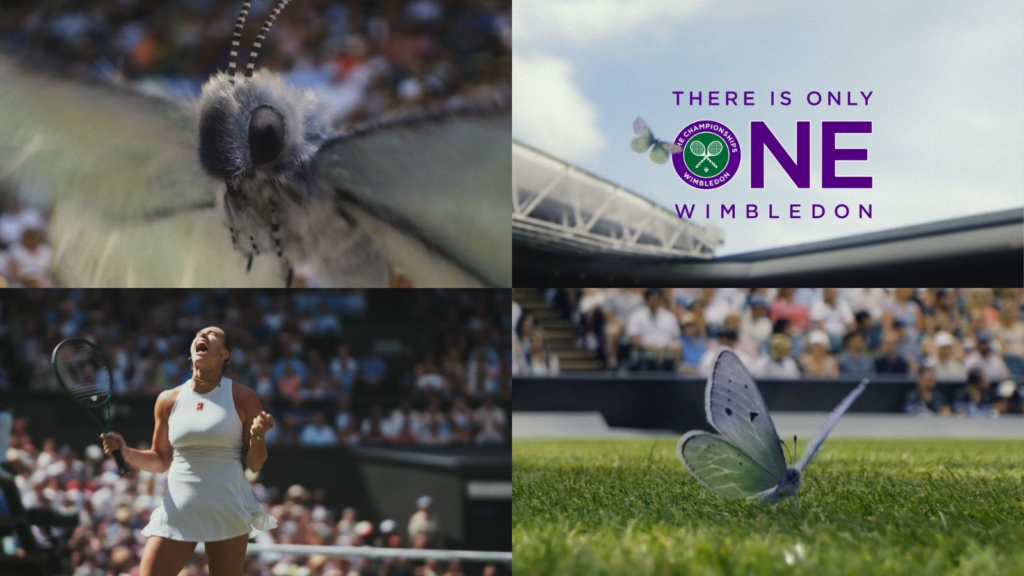
Wimbledon is leaning into the contrast between elegance and elite competition in its latest global campaign, unveiling a new trailer ahead of the 139th staging of The Championships. Created with lead creative agency VCCP, the campaign, titled “Where beauty meets the battle”, is the second instalment of Wimbledon’s “There is only one Wimbledon” brand platform, which debuted last year. The integrated campaign aims to reinforce the tournament’s distinctive positioning as a sporting spectacle where tradition, heritage and natural beauty sit alongside the intensity of world-class competition. Don’t miss: Alex Eala’s Wimbledon debut comes with Nike’s sampaguita tribute  At the heart of the campaign is a 60-second hero film that follows the perspective of a Holly Blue butterfly, a familiar sight around the grounds of The All England Lawn Tennis Club. The film juxtaposes the tranquillity of Wimbledon’s iconic setting with the explosive athleticism of players competing on court. The creative was inspired by a real-life moment involving former French tennis player Henri Leconte during Wimbledon in 1986. Recalling the incident, Leconte said a butterfly landed at his feet as he prepared to serve. Rather than shooing it away, he picked it up and carried it towards the crowd, prompting cheers from spectators as it flew into the stands. The campaign trailer is narrated by former British tennis player and broadcaster Annabel Croft, who describes Wimbledon as “tennis in an English garden”, highlighting the contrast between the sport’s most intense moments and the beauty of its surroundings. Meanwhile, wheelchair tennis champion Alfie Hewett, who appears in the campaign, said Wimbledon remains a special venue where the desire to win is unmatched. Hewett added that it was particularly meaningful to be involved in the campaign as wheelchair tennis celebrates its 50th anniversary this year. According to Usama Al-Qassab, marketing and comercial director at The All England Lawn Tennis Club, the latest instalment of the platform was designed to celebrate what makes Wimbledon unique in the eyes of fans around the world. “Creating this second instalment of ‘There Is Only One Wimbledon’ gave us the opportunity to celebrate what makes Wimbledon truly unique. Revered around the world not only for the pinnacle of performance, alongside excellence and tradition, but also for the exhilarating emotion and intensity that can only be brought by the world’s best players in full flight,” said Al-Qassab. “Our 2026 film tells that story beautifully to our fans all around the world. A legacy of tennis gladiators, battling for victory, in the ultimate arena of Centre Court and all its beauty,” he added.  The campaign will roll out globally in the lead-up to The Championships, which runs from 29 June to 12 July 2026.  The latest campaign builds on Wimbledon’s broader efforts to extend its storytelling beyond the court. During last year’s tournament, the All England Lawn Tennis Club rolled out the second instalment of its “Overheard at Wimbledon” video series, which transformed snippets of real-life conversations from around the grounds into social-first content. The series featured fans, volunteers, staff and personalities including England cricketer Dani Gibson, David Beckham and Stanley Tucci, capturing light-hearted exchanges about match predictions, people-watching and Wimbledon traditions. The content also offered subtle visibility for partners including American Express, Slazenger, Lanson, Lacoste and Marks & Spencer, while a special off-site episode took the concept into local businesses and retirement homes across London. Together with its latest brand campaign, the initiative reflects Wimbledon’s ongoing efforts to keep the nearly 150-year-old tournament culturally relevant for social-first audiences while reinforcing its position as more than just a sporting event. Related articles:  Australian Open crowds surge as Nine locks in Wimbledon in long-term tennis rights play  How Nike’s sampaguita tribute sparks conversation beyond Philippine tennis  UNIQLO nets tennis star Emma Raducanu as global brand ambassador  source

Wimbledon’s latest ace? A butterfly with a front-row seat Read More »

Still a work in progress? ZUS Coffee made it collectible

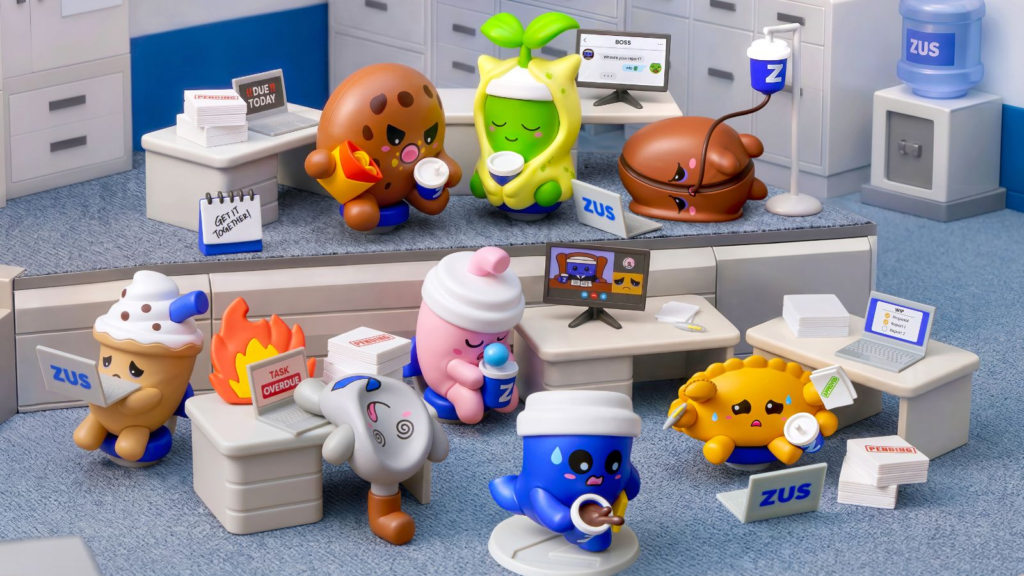
In a world that rarely slows down, ZUS Coffee is leaning into a sentiment many young adults know all too well— that nobody really has everything figured out. The brand has launched its latest regional campaign, “ZUS BUDDY: Work in progress”, a concept built around the idea that growth is ongoing, adulthood is messy, and everyone is still figuring things out along the way. At its core, the campaign reflects a shared reality among today’s working generation, where balancing responsibilities, expectations and personal goals often comes with an invisible mental load. “There is a shared experience in how we figure things out as they go, whether in our personal or professional lives. We recognise that growth is never linear, and, in many ways, we believe this reflects the journey our customers are on,” said Venon Tian, group chief operating officer of ZUS Coffee. “At ZUS Coffee, we are constantly evolving, learning, and building alongside the communities we serve, and ZUS BUDDY: Work in Progress reflects that shared experience,” he added.  As part of the campaign, ZUS Coffee has introduced the “Kinda adult meal”, a Malaysia-exclusive menu set that playfully reframes the idea of kids’ meals for grown-ups. Don’t miss: ZUS Coffee serves up a reality check for tired working adults Each set comes with a drink, a food item, and an exclusive “ZUS BUDDY: Work in progress” collectible figurine, blending food, fandom and emotional storytelling into a single experience. The concept taps into the humour and relatability of “adulting”, positioning everyday coffee breaks as small moments of comfort in an otherwise fast-moving routine. Expanding beyond Malaysia, the new collectible series has rolled out across Malaysia, Singapore, the Philippines, Brunei and Thailand from 3 June 2026. The collection features characters inspired by familiar working life archetypes, including Blue Buddy, Pinky Boo, Frappe Fren, Bean Boss, Choco Chipster and Porta Pal, each depicted in different “work modes” that mirror modern routines and moods. Adding an element of surprise, the series also introduces two secret characters, Zen Cha and Mama Puff, designed to deepen engagement among collectors and fans. A separate Grab-exclusive character, Grab Buddy, is also available for orders placed via the GrabFood app. The collectibles are included with purchases of ZUS Handcrafted Drinks, excluding frappes, with campaign details and availability varying by market. At its heart, the campaign positions ZUS Coffee not just as a beverage brand, but as a daily companion through the ups and downs of modern life. Through “ZUS BUDDY: Work in progress”, the brand frames growth not as a destination, but as something that unfolds one coffee break at a time. ZUS Coffee first introduced the regional “Work in progress” campaign at the end of May, reminding consumers that progress is still progress, even if life does not always feel that way. With the launch came the release of a short film “Work in progress”, which follows two children, Adam and Amelia, navigating the realities of corporate life. Set in an office environment, the pair are thrown into familiar adult situations that reflect burnout, pressure and quiet frustration. Amelia is seen presenting a report at a board meeting to colleagues who dismiss her findings, before later staying back past 6pm to meet a midnight deadline set by her boss. Meanwhile, Adam works under the watchful eye of an overbearing colleague determined to ensure he stays productive. While co-workers discuss KPIs in the pantry, Adam quietly sips a ZUS Coffee while counting down the minutes until he can leave the office. Related articles: Why ZUS Coffee is opening its universe to Butterbear, after a year of ZUS BuddyAre you Jason? ZUS pulls off bold April Fool’s “internal email” prank ZUS and Mixue spark bazaar debate, but where does social sentiment lean?  source

Still a work in progress? ZUS Coffee made it collectible Read More »

Shopee cuts developer jobs in Singapore amid AI adoption

Sea’s Shopee is reportedly cutting hundreds of developer jobs globally, becoming the latest technology company to reduce headcount as businesses increasingly invest in artificial intelligence and reshape their operations around the technology. According to a Bloomberg report, the job reductions began this week and affect approximately 8% of Shopee’s developer workforce worldwide. The report, citing sources familiar with the matter, said the cuts impact roles including quality assurance, with the possibility of further reductions to come. The report noted that it remains unclear whether the layoffs are directly linked to Sea’s artificial intelligence initiatives. However, the move comes amid growing global discussions about AI’s impact on employment and whether some companies are using AI-related narratives to justify workforce reductions. Don’t miss: Shopee regional marketing head departs  A Sea spokesperson quoted by Bloomberg said that the company regularly reviews and adjusts its staffing needs, and decisions are always made after careful considerations. They added that they were committed to providing support to affected colleagues during this period.  The latest cuts place Shopee alongside a growing list of technology firms reassessing their workforce strategies as AI adoption accelerates. Companies including Block and Oracle have also faced scrutiny over layoffs announced while simultaneously increasing investments in artificial intelligence technologies, according to the report. The shift follows years of aggressive hiring across the technology sector during the COVID-19 pandemic, when surging online activity and digital adoption prompted companies to rapidly expand their teams. For Sea, the restructuring comes as the Singapore-headquartered company pursues a more AI-focused growth strategy. The group, which operates eCommerce platform Shopee and gaming business Garena, has been making broader organisational changes following comments by CEO Forrest Li that the company could potentially achieve a trillion-dollar market capitalisation by doubling down on artificial intelligence initiatives. Increasingly, many firms are exploring ways to streamline operations as concerns grow that AI could reduce reliance on traditional software development and enterprise IT services. Shopee is not alone in pursuing such ambitions. Rival technology giants, including Alibaba Group, have also ramped up investments in AI as competition intensifies across their core businesses. Just in April this year, Sea Limited established an artificial intelligence centre of excellence (AI CoE) in Singapore, as it looks to deepen its AI capabilities and accelerate its push towards becoming an AI-native company. Organised around Sea’s technology-first approach, the AI CoE will focus on advancing foundational AI capabilities, scaling deployment of AI solutions, and developing AI-native talent and operating models. Over the next three years, the AI CoE is expected to create demand for at least 100 roles in research, engineering, and product development. Back in 2023, MARKETING-INTERACTIVE reported that Shopee laid off about 200 employees in Indonesia. Staff affected were within a customer service team in Indonesia and are made up of a mixture of full-time and contract staff. The decision was made at the time to improve the company’s efficiency and is unrelated to the layoffs that happened last year where there were multiple rounds of layoffs conducted towards the end of 2022 in Singapore, Indonesia and China. Related articles: Shopee’s Sea rebrands SeaMoney to Monee Shopee to adjust services in Indonesia following antitrust law violation Shopee terminates staff in Indonesian office, says no other SEA markets in tandem  source

Shopee cuts developer jobs in Singapore amid AI adoption Read More »

Think you're ready for anything? Etiqa wants to put that to the test

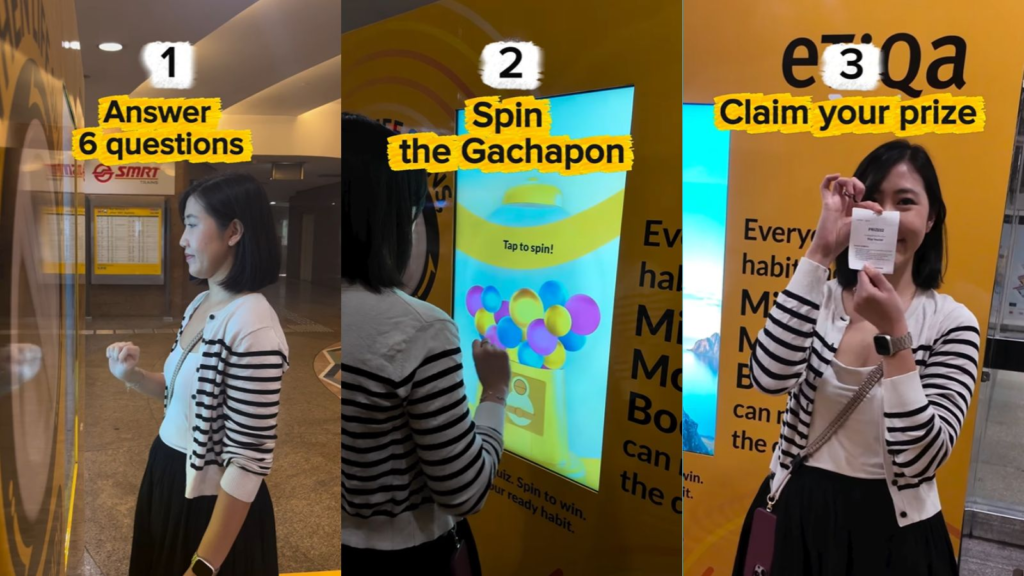
Etiqa Insurance Singapore is taking its message of everyday preparedness to the streets with a new experiential campaign designed to encourage Singaporeans to reflect on their readiness across mental, physical and financial wellbeing. Titled “When life spins, stay ready”, the out-of-home activation aims to spark conversations around preparedness by challenging the idea that readiness is only necessary during major life events or crises. Instead, the campaign positions preparedness as something built through everyday habits and decisions. Rolling out across selected high-traffic locations in Singapore from June, the activation invites members of the public to take part in a short quiz covering three pillars: mind, body and money. Don’t miss: Income Insurance brings joy and protection to street ice cream vendors Participants who answer at least four out of six questions correctly will qualify for a spin-and-win opportunity, with up to 4,000 prizes available for redemption, subject to campaign terms and verification. The questions are designed to prompt reflection on everyday behaviours. Under the ‘mind’ pillar, participants are asked about how they manage stress and prioritise rest. The ‘body’ pillar focuses on physical habits such as movement and hydration, while the ‘money’ pillar explores budgeting and saving behaviours that can help individuals better prepare for unexpected situations. According to Etiqa, the activation is intended to make conversations around readiness more accessible and relatable, while reinforcing the insurer’s commitment to helping customers navigate life with greater confidence. It also serves as a lead-up to the upcoming Etiqa “Life preparedness” survey, set to be released in the second half of 2026. Conducted by Kantar, the study will examine how Singaporeans approach preparedness across financial security, physical wellbeing and mental resilience. “Readiness is only about preparing for the unexpected but is also about the everyday habits and decisions that help people feel more confident about what lies ahead,” said Claudia Soh, acting CEO of Etiqa Insurance Singapore. She added, “Through ‘When life spins, stay ready’, we hope to inspire Singaporeans to adopt readiness as a lifelong mindset — one that empowers them to face life with greater assurance and resilience.” The latest activation builds on Etiqa’s broader efforts to position readiness as a lifelong mindset rather than a response to crisis. Last year, Etiqa Insurance Singapore launched its “Live ready with you” brand campaign, which focused on how preparation, protection and partnership can help Singaporeans navigate life’s unexpected turns. Building on the insurer’s long-running “With you” narrative, the campaign shifted the focus towards readiness and the confidence it can provide when life does not go according to plan. Through a cinematic brand film comprising five vignettes, Etiqa spotlighted real-life moments ranging from a sudden health scare and a surprise proposal to a father balancing work and family responsibilities, a grandmother passing down her legacy, and a traveller losing his way. Related articles:  Etiqa Insurance ignites the spirit of adventure in new brand film  Etiqa Insurance takes to new TEL stations with interactive game and vibrant displays  Income Insurance’s angsty stress ball returns in unhinged sequel campaign  source

Think you're ready for anything? Etiqa wants to put that to the test Read More »

LinkedIn courts B2B advertisers with creator-led ad push

LinkedIn is expanding its advertising business with the launch of ‘Creator Marketplace’ and ‘BrandWorks’, as the platform looks to capture more spend from B2B marketers investing in creator-led content. The move comes as B2B brands place more emphasis on credibility and peer influence. According to LinkedIn’s “2026 global B2B marketing outlook”, 77% of B2B marketers said buyers need to know and trust a brand before they are willing to engage with it. Creator Marketplace allows marketers to search for creators based on topics and areas of expertise. It also provides information such as audience demographics, content performance and brand fit.  Don’t miss: Thought leadership works, but where’s the real power in B2B influence? Furthermore, brands will also be able to identify organic and sponsored creator content that mentions their company and amplify those posts.  For creators, the marketplace provides a way to make their profiles discoverable to brands, showcase selected content and manage partnership requests. Additionally, LinkedIn has introduced BrandWorks, a dedicated team focused on brand strategy, content, creative and events for selected advertisers on the platform. The unit’s remit includes audience analysis, content development, creative adaptation for LinkedIn’s feed, and access to platform-specific advertising formats such as creator collaborations, BrandLink integrations, LinkedIn News sponsorships and events. The launches come as LinkedIn continues to build out its advertising products beyond traditional sponsored posts. Its research found that 83% of marketers believe credibility is becoming more important than traditional brand messaging, while 70% said buyers increasingly rely on peer voices and subject matter experts over brand-produced content. Creator Marketplace is currently in alpha testing, with creator discovery available to select brands and creators in North America for English-language content. Organic content discovery and self-service BrandLink capabilities are available globally. ‘BrandWorks’ is available globally for selected managed customers. In a video announcing the launch, Alex Josephson, vice president at LinkedIn, said marketers are increasingly asking how to identify relevant B2B creators and experts to work with. LinkedIn’s latest creator-focused push builds on its broader efforts to strengthen marketing capabilities on the platform. Last year, the company expanded its video advertising offerings with the launch of First Impression Ads, Reserved Ads and enhanced Connected TV (CTV) placements, aimed at helping B2B marketers capture attention and drive business outcomes. The announcement came as LinkedIn pointed to growing demand for video content and creator partnerships among marketers competing for increasingly fragmented audience attention. Related articles: LinkedIn gets real about work, one awkward moment at a time    Love, Bonito and LinkedIn tackle career questions women hesitate to ask  LinkedIn picks new global creative agency    source

LinkedIn courts B2B advertisers with creator-led ad push Read More »

Why Luckin Coffee is borrowing from the toy aisle to sell more coffee

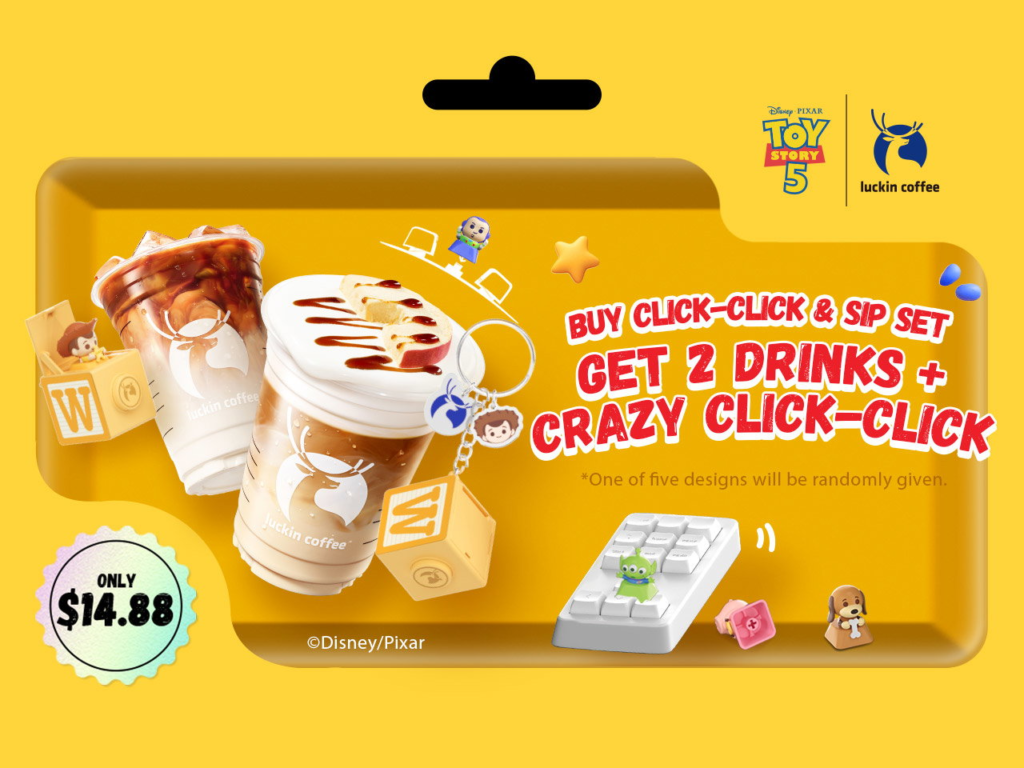
Luckin Coffee is turning coffee runs into a nostalgia-fuelled play session, teaming up with Toy Story 5 for a limited-time campaign that blends themed beverages, packaging and collectibles. Launching from 11 June 2026, the “Play mode: ON” collaboration introduces two character-inspired drinks alongside a range of merchandise designed to tap into the franchise’s long-running themes of imagination and friendship. In conversation with MARKETING-INTERACTIVE, a Luckin Coffee spokesperson said the brand chose to partner with Toy Story 5 because of its cross-generational appeal and enduring themes of friendship, loyalty and bravery. Don’t miss: How Luckin Coffee is turning daily brew into a Moomin moment “Many people in Singapore grew up with Toy Story, and its timeless themes of friendship, loyalty and bravery continue to resonate with people across generations,” the spokesperson said. The spokesperson added that the collaboration was designed to transform everyday coffee moments into something more playful while connecting with both long-time fans and new audiences in a relevant and memorable way. Leading the menu is the ‘Buddy apple butter latte’, available from 11 June. The drink combines coffee with roasted apple notes, caramel drizzle and lightly salted cheese foam, finished with a crisp apple chip topping. Luckin Coffee described the flavour profile as a sweet-savoury blend reminiscent of buttery popcorn with a fruity finish, positioning it as a playful twist on familiar comfort notes. From 25 June, the ‘Pear play latte’ joins the lineup, blending pear flavours with spring gardenia floral notes and espresso for a lighter, more fragrant option. Both drinks will be served in limited-edition themed packaging tied to Toy Story 5 characters, aimed at extending the campaign experience beyond the cup. Alongside the beverages, Luckin Coffee is rolling out a series of limited-edition collectibles. From 11 June, customers who purchase any two drinks will receive a Toy Story 5 and Luckin Coffee “Play mode: ON” sticker set, available while stocks last. On the same day, a SG$14.88 “Crazy click-click” bundle will also be available. The set includes two drinks and a blind-box keychain series featuring five Toy Story 5-themed designs, randomly distributed. The collectibles form a key part of the campaign’s engagement strategy. According to the spokesperson, the sticker sets and keychains were designed to introduce elements of surprise and collectability while encouraging repeat participation and social sharing. “More importantly, they help extend the campaign experience beyond the cup, allowing consumers to bring a piece of the Toy Story world into their everyday lives,” the spokesperson said. The collaboration reflects Luckin Coffee’s broader strategy of creating culturally relevant and experience-led campaigns that go beyond coffee consumption. The spokesperson said the partnership supports the brand’s positioning as a youthful, dynamic and lifestyle-driven brand, while tapping into consumers’ growing appetite for experiences that deliver joy, emotional connection and escapism. The campaign is aimed at a broad audience, including Millennials and Gen Z consumers drawn to pop culture collaborations, collectibles and experience-led activations, as well as families and younger consumers exploring coffee culture in a more approachable way. Additionally, the brand is leaning into collectability mechanics common in character collaborations, using surprise elements and limited-edition drops to drive engagement. By combining themed beverages, merchandise and nostalgia-driven storytelling, Luckin Coffee is positioning coffee breaks as moments of play anchored in one of animation’s most recognisable franchises. Luckin Coffee will measure the campaign’s success through consumer engagement, participation levels, brand sentiment and social conversations, alongside customer response to the collaboration and its collectible mechanics, the spokesperson added. This latest “Play Mode: ON” push also follows closely on the heels of another emotion-led campaign from Luckin Coffee, which leaned into romance and nostalgia through a limited-time collaboration with Japanese lifestyle brand OSAMU GOODS and the return of its “Pink blossom” latte. The campaign was themed around “520”, a Chinese internet slang term that sounds like “I love you” and is commonly used to express affection. In a conversation with MARKETING-INTERACTIVE, a Luckin Coffee spokesperson said the brand anchored the campaign around “520” as it has become a widely recognised cultural symbol of love, appreciation and connection across China and Singapore. Related articles: Luckin Coffee refreshes menu, eliminates Nutri-Grade D items in Singapore  Luckin Coffee brings Tom & Jerry chaos to cups in latest collabLuckin Coffee and IMH turn art into action for mental health awareness    source

Why Luckin Coffee is borrowing from the toy aisle to sell more coffee Read More »

How Carlsberg turned Singapore’s kopitiam culture into an award-winning brand experience

Most brands spend years trying to earn a place in culture. Carlsberg took a different approach. It looked at a cultural space it had already occupied for decades. That thinking led to Jalan Carlsberg, an immersive brand activation created by Carlsberg Singapore, and independent creative agency The Ad Makers, winning silver in the Most Creative – Immersive Brand Activation category at the MARKies Awards Singapore 2026. For years, Carlsberg has been a familiar sight across Singapore’s kopitiams. Long before experiential marketing became an industry buzzword, generations of Singaporeans were already encountering the brand in neighbourhood coffee shops, gathering with friends over meals, conversations, and beer. Yet, despite this long-standing association, few consumers would consciously describe Carlsberg as a brand deeply connected to Singaporean culture. That observation became the starting point for Jalan Carlsberg. Rather than creating an entirely new experience platform, the team asked a different question: what if the place that helped build Carlsberg’s relationship with Singaporeans became the experience itself? The answer was a retro-reimagined Singaporean street inspired by the sights, sounds and social rituals of kopitiam culture. Located at GastroBeats 2025, Jalan Carlsberg transformed familiar local icons into a contemporary brand world. Red plastic chairs became larger-than-life landmarks. Traditional mini-marts were reinterpreted as branded retail experiences. Everyday neighbourhood details were elevated into interactive moments designed for exploration and sharing. The result was an activation that felt both familiar and unexpected. Visitors immediately recognised the environment because it reflected a space they already understood. At the same time, they were invited to experience it in a way they never had before. Instead of introducing consumers to a new cultural territory, Carlsberg amplified one that had always belonged to the brand. In many ways, that was what made the campaign stand out. While experiential marketing often focuses on creating worlds that transport audiences somewhere else, Jalan Carlsberg demonstrated the power of looking closer to home. By drawing from a setting that already held meaning for Singaporeans, the activation turned everyday cultural cues into a shared experience that felt authentic rather than manufactured. The campaign also reflected a broader trend in modern brand building. As consumers become increasingly skeptical of borrowed cultural relevance, brands are finding greater value in uncovering truths that already exist within their own histories. For Carlsberg, that truth was found in kopitiams. For marketers, the Jalan Carlsberg brand activation served as a reminder that sometimes the strongest ideas are the ones that recognise the value of a space a brand already occupies. source

How Carlsberg turned Singapore’s kopitiam culture into an award-winning brand experience Read More »