marketing interactive

Kantar appoints Rika Sharma as executive MD for SG and SEA

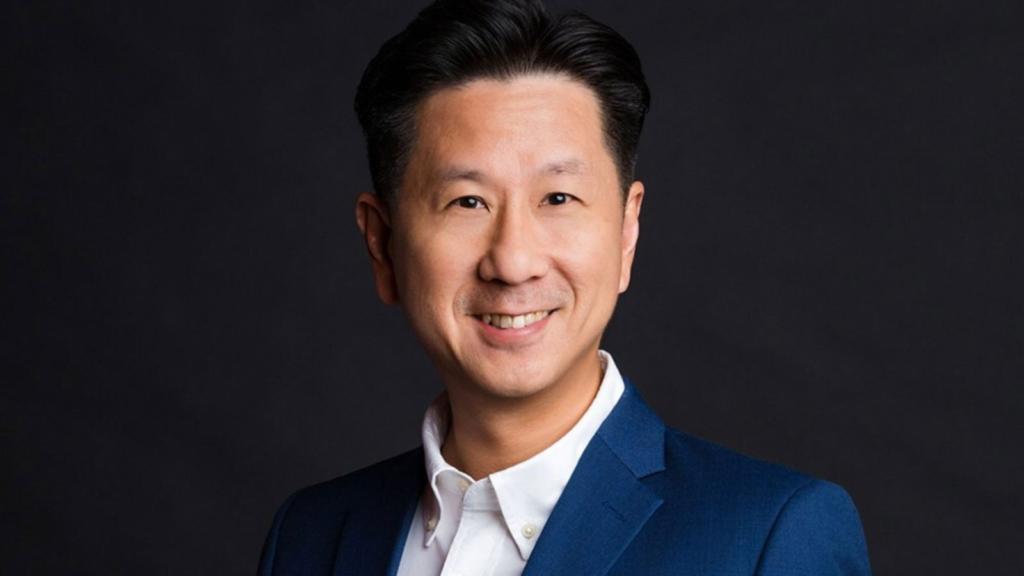
Kantar has appointed Rika Sharma (pictured) as executive managing director for its Southeast Asia cluster and Singapore business. Sharma will lead Kantar’s growth and strategic alignment across the region, with a focus on strengthening client partnerships and accelerating the company’s regional momentum. She joins with over two decades of experience across North America and APAC. Most recently, Sharma was head of agency, partner and industry relations, APAC at Google. Prior to that, she was managing director of Digitas Singapore and ASEAN and held multiple leadership roles at Ogilvy Singapore including managing partner and regional digital lead, large business and group head of Social@Ogilvy. Don’t miss: Kantar Media names former WPP CEO Mark Read as chairman  In her new role, Sharma will focus on advancing Kantar’s global vision across Southeast Asia, while strengthening talent development and cross-market collaboration to deepen the company’s regional impact. Cheong Tai Leung, CEO, APAC, Kantar, said Sharma brings a strong mix of strategic expertise, commercial experience and leadership capability to the business. “As we accelerate our momentum across Southeast Asia, Rika’s experience and perspective will be instrumental in strengthening our client partnerships and advancing Kantar’s regional ambitions,” he said. In tandem, Sharma said she is joining Kantar at a pivotal time for the business. “Kantar’s deep consumer understanding, trusted client partnerships and commitment to innovation strongly resonate with me. I look forward to working with our talented teams across Singapore and Southeast Asia to build on this strong foundation, help brands navigate an increasingly complex marketplace and unlock sustainable, meaningful growth across the region,” she added. Sharma is one of the many new leaders to join Kantar in recent years. Last year, the firm appointed Andy Gallagher as its new head of creative and media business in Singapore, marking his second stint at Kantar. Elsewhere in the region, Kantar appointed Nadya Ardianti as its new managing director for its Indonesia operations. Showcase your most innovative content and gain recognition from a panel of industry leaders by entering the inaugural Content360 Awards. Submit your work today and be part of the celebration that honours the campaigns defining the future of content marketing. Related articles:  Kantar: 10 trends you must know for success in 2025 Ipsos appoints Daren Poole to lead creative effectiveness in Australia   Kantar appoints new general managers to lead insights division for SG and MY  source

Kantar appoints Rika Sharma as executive MD for SG and SEA Read More »

Keeta unleashes Kiki: Do brand mascots still matter in 2026?

By now, most of us have seen Keeta’s new face—KiKi, a lively cheetah inspired by the “cheetah” roots of the Keeta name. Whether you love her or question the choice, one thing’s for sure: she’s got people talking. The buzz across social platforms signals a bold shift in the brand’s identity. According to media intelligence firm CARMA, the conversation was modest and not large on social media, with mentions including Keeta, brand, launch, campaign, mascot, bounce big, and references to Hong Kong, Brazil and broader global markets.  “Creative cues such as friendly, inspired, visibility, and interactive suggest that Kiki was framed as a brand-building asset. Discussion was neutral in tone, more descriptive and informational 66.7% positive sentiment, with no negative sentiment detected, pointing to favourable reception.” Don’t miss: Keeta debuts new mascot to blend global vision with local vibes KiKi embodies speed, stamina, and a forward-thinking spirit—qualities deeply ingrained in Keeta’s DNA. According to the brand, her signature features—sonic ears, a friendly smile, and a balancing tail—symbolise Keeta’s attentive listening, passionate service, and trusted delivery. For Danley Stone, managing director, Design Bridge & Partners Hong Kong, a mascot’s true power lies in making the intangible tangible, helping brands connect with people on a deeper, more emotional level.  “Strategically, they serve a dual purpose: helping a brand ‘stand for’ its core strategic values while enabling it to ‘stand out’ in a competitive marketplace. The ‘stand for’ helps to drive feelings, whereas ‘stand out’ drives familiarity.”  Echoing her thoughts was Virginia Ngai, associate partner, Prophet, who said a brand mascot is essentially a symbol of meaning. “It gives people a consistent character they can recognise quickly and attach feelings to, which makes the brand easier to remember and easier to choose.”  She added that mascots turn abstract benefits into something tangible and human, often communicating those ideas more intuitively than copy or product claims can. “They also provide a repeatable storytelling device that can live across advertising, packaging, apps, and social content, helping the brand build continuity over time.”  Are mascots still relevant in 2026? Despite their emotional power, brand mascots may feel like a relic of marketing past. Icons such as Koko the Koala or Tony the Tiger have mostly faded. Even the still-visible M&M’s characters and Geico Gecko first appeared in 1954 and 1999, respectively. Yet, this decline doesn’t reflect mascots’ effectiveness—it mirrors shifts in how marketing operates, according to Donna Tam, client director at Landor Hong Kong. “Media is fragmented and many teams are under intense short‑term performance pressure. That pushes investment into tactical assets and away from long‑horizon character building.”   There’s a bias that mascots feel childish or ‘un‑premium’ versus clean, type‑driven systems, so they’re often the first thing stripped out in a redesign, she added. “Committing to a character that needs years of content, iteration and community management can feel like a risk in fast‑moving organisations.”  On the other hand, in a world of algorithmic feeds and generative content, distinct, ownable IP is more valuable than ever, she said. “A character is much harder to commoditise than a piece of graphic styling.”  Yet paradoxically, in today’s algorithm-driven world, distinctive intellectual properties are more valuable than ever, said Ngai. “In a fragmented attention environment, a distinctive character drives instant recognition in feeds and translates naturally into digital-native formats such as stickers, GIFs, and animations.”  Furthermore, with the rise of AI, a mascot serves as a vital tool for humanising chatbots and virtual assistants, providing a relatable identity for automated services, she added. Instead of marketing decorations Jacopo Pesavento, CEO, Branding Records, said mascots are weapons. “The problem isn’t that mascots stopped working. It’s that brands got too scared to let them be real. A mascot with no edge, no jokes, no weirdness is just expensive decoration nobody remembers.” Andy Reynolds, founder, creative director, Imagination Riots puts it simply: “I think a well considered mascot can create flex in a system, and connect in ways a bland logotype cant. The question isn’t ; ‘is a mascot still relevant to brands?’ It’s: ‘is a mascot relevant to the brand’s audience?’”  So, who actually needs a mascot? While new mascots are rare, they still play a critical role—especially in boring or parity-driven industries, said Pesavento. “If your product does exactly what the competition does, a mascot is how you make people pick you for no logical reason. Food delivery, insurance, phone plans, these categories are dying for personality.”  He added that brands aiming to build emotional rapport with families or daily-use habits also benefit greatly. “Mascots work when you need people to remember you even when they’re not paying attention. Children, tired parents, anyone scrolling half asleep. What connects them? Brands that win by being liked, not just respected.”  “Mascots that start with the brand feel real. Mascots added later as desperate moves feel fake. But there’s a smart middle ground: bring in a mascot when you’re entering new markets and need something that works everywhere without translation,” he added.  Landor’s Tam said food delivery, QSR, beverages, mobility, utilities, banking apps, and telco are classic examples. “People don’t spend much time thinking about the category, which is precisely why memorable, likeable characters can move the needle.”  Furthermore, digital‑first ecosystems that lack a “face” may also need a brand mascot, she added. “If most of your brand lives inside an app icon, a push notification or a transactional email, a mascot can humanise those small but constant interactions – onboarding flows, empty states, error messages, rewards.” Still, before sketching out a character, Reynolds emphasised the importance of strategic clarity, “The brand’s strategy and positioning should be clear with its audience identified. “With those vibe checks complete, you’ll know if a mascot is right or not.” Related articles: Is Keeta’s drone delivery launch a hype or the new normal for HK?Keeta and LUBUDS redefine premium food delivery with new partnership source

Keeta unleashes Kiki: Do brand mascots still matter in 2026? Read More »

Digital Turbine nabs former TikTok Vietnam lead as APAC sales VP

Mobile growth platform Digital Turbine has appointed Sea Yen Ong (pictured) as its new regional vice president of sales for Asia Pacific (APAC), tapping the former TikTok country general manager for Vietnam to lead its next phase of growth across the region. Based in Singapore, Ong took on the role in January 2026 and now oversees Digital Turbine’s brand and agency strategy across APAC, spanning markets from Japan to India, including Australia, Southeast Asia and South Asia. He reports directly to Jon Hudson, senior vice president of global sales at Digital Turbine. Ong joins from a two-year stint at TikTok, where he most recently served as the country manager, global business solutions, for Vietnam, which saw him leading commercial strategy and supporting platform growth in one of Southeast Asia’s fastest-growing digital markets. He began his time at the social platform company as the head of channel revenue partnerships for Southeast Asia. Prior to that, he spent nearly seven years as the regional head of sales at Spotify, covering SEA, Hong Kong and Taiwan.  Ong began his career in the advertising industry back in Malaysia, having worked at OgilvyOne, and Rapp Collins Worldwide. He also spent nine years as the business director for Yellow Brick Road, the exclusive reseller of Yahoo! in Malaysia, Indonesia, Philippines. Later on, the company was renamed as Better Digital Solutions through a merger, where Ong spent six years as the regional director of sales for SEA.  Don’t miss: Deckers nabs Rosewood HK’s Tim Sedo as APAC marketing lead  In his new role, Ong is tasked with strengthening partnerships with marketers and agency networks, while helping brands navigate an increasingly complex and crowded mobile media ecosystem. His remit includes leading regional sales teams, shaping go-to-market strategy, and demonstrating how Digital Turbine’s mobile ecosystem can deliver brand impact and measurable outcomes at scale. One of his key focuses will be guiding brands towards more transparent and efficient mobile environments, as advertisers continue to seek alternatives beyond fragmented touchpoints and walled garden platforms. Commenting on his appointment, Ong told A+M that: “APAC is one of the most dynamic and fast-evolving advertising regions in the world, and mobile sits at the heart of that transformation. I’m excited to work with partners across the region to unlock new opportunities, drive stronger outcomes, and help shape the future of mobile advertising in APAC.” Ong joins Digital Turbine at a time when the company is sharpening its focus on agency and brand partnerships across APAC. According to the company, its priorities for 2026 include expanding market coverage, deepening strategic relationships, and showcasing how its platform can deliver incremental reach and performance beyond traditional mobile network ecosystems. Welcoming Ong to the company, Hudson said: “We are thrilled to welcome Sea Yen to Digital Turbine at such a pivotal moment for our business in APAC and around the world. He brings deep market expertise, strong agency relationships, and a proven track record of driving growth at scale.” Hudson added that Ong’s leadership will be instrumental as Digital Turbine continues to expand its footprint in the region and deliver greater value to advertisers through its mobile solutions. In other recent people movements, Meta has appointed seasoned marketing and digital transformation leader Lau Sook Ping as its new country director for Malaysia. She joins from L’Oréal, where she spent over a decade in various leadership roles, most recently serving as chief digital and marketing officer for Malaysia and Singapore. During her tenure, she played a key role in driving digital acceleration, eCommerce growth and data-led marketing transformation across the beauty group’s portfolio. Meanwhile, global marketing data, analytics and consulting firm Kantar has appointed Rika Sharma as executive managing director for its Southeast Asia cluster and Singapore business. Sharma will lead Kantar’s growth and strategic alignment across the region, with a focus on strengthening client partnerships and accelerating the company’s regional momentum. Related articles:LEGO Group nabs dentsu Creative SG MD as agency business partner director SAP names Sianto Wongjoyo as Indonesia MD, unveils new SEA corporate head TikTok nabs Spotify’s Ong Sea Yen to build up channel revenue partnerships source

Digital Turbine nabs former TikTok Vietnam lead as APAC sales VP Read More »

TEAM LEWIS launches Sino Global Practice to steer Chinese brands overseas

Global marketing agency TEAM LEWIS has introduced Sino Global Practice, 灵智营销, a dedicated service designed to help Chinese brands navigate international expansion. This offering combines local market insight with global expertise to ensure cultural nuances are preserved across diverse markets. Drawing on the agency’s extensive network across APAC, EMEA, the UK, and the US, the practice leverages TEAM LEWIS’s strength in multi-region collaboration. Inspired by the Chinese characters agility (灵) and wisdom (智), TEAM LEWIS combines adaptive strategies and data-driven creativity to guide brands through global expansion.  In conversation with MARKETING-INTERACTIVE, a spokesperson from TEAM LEWIS said this will provide seamless integrated offerings that take in a holistic view of the brand vs focusing on just pushing through a single tactical service. “By working as one team, be it market, service or timezone, TEAM LEWIS can keep pace with the speed and quality Chinese brands require. It means that brands can rely on the agency ensuring business goals and impacts are achieved.” “In other words, we are basically bringing in the most suitable expertise we have around the world to create a well-oiled machine that is tailored to each Chinese brands’ needs depending on their business expansion stage. Clients also receive a one-stop solution covering creative, brand, pr, digital and marketing inputs,” the spokesperson added. By harnessing the strengths of our international teams, TEAM LEWIS ensures that Chinese brands reach new markets and continue building lasting connections with diverse audiences.  This comes following the agency built extensive connections with several renowned Chinese brands. TEAM LEWIS was appointed lead strategic and creative agency for Chery Automobile, a subsidiary of Chery Group, and launched the Chery brand in the UK in September 2025. As lead agency for Haier in Germany, the team created integrated activation campaigns leveraging Haier´s sports sponsorship around ATP tennis tournaments.  The agency partners with other leading Chinese brands including Ecovacs, OPPO, and supported Govee, iGarden and Jisulife at CES 2026, providing integrated communication services and brand storytelling.  “Global expansion is complex for ambitious Chinese brands. Our role is to help them move at pace, with confidence. The SinoGlobal Practice brings together bilingual teams across key markets. We integrate strategy, creativity and execution to remove friction and delay. The result is faster decisions, smoother rollouts and meaningful global impact,” Jen Wu, SVP, commercial operations, TEAM LEWIS.  “Our extensive global footprint has made TEAM LEWIS a trusted partner for Chinese brands across a wide range of sectors seeking to expand into international markets. Guided by a “glocal” mindset and a deep understanding of how Chinese brands operate, we serve as both cultural translators and strategic storytellers, consistently delivering campaigns with real value, driving growth and impact at unmatched speed.” – Kate Kwan, managing director, Greater China region, TEAM LEWIS.  Related articles: TEAM LEWIS scores a hat-trick of global technology winsTeam Lewis wins Shangri-La Australia PR and influencer brief source

TEAM LEWIS launches Sino Global Practice to steer Chinese brands overseas Read More »

WPP reportedly revamps creative agency structure in major overhaul

WPP is reportedly bringing its three main creative advertising agencies under one banner, WPP Creative. The three creative agencies including Ogilvy, VML and AKQA will be retained under the banner, but will continue to operate independently, according to the Financial Times.  The move aims to simplify the advertising giant’s offerings to clients by bringing in more integrated services across the business. WPP Creative will sit alongside WPP Production, the group’s newly launched integrated media and production division. Don’t miss: WPP Media tops Australia’s new business rankings in 2025    More details are understood to be available later this month. Earlier in January this year, WPP united its production expertise, including Hogarth, into WPP Production. The new platform aims to deliver speed, scale and creativity across its client roster. In addition, the restructure consolidates all content producers under one global team, combining agency and production expertise to foster collaboration, innovation, and operational efficiency. Richard Glasson, global CEO of Hogarth, leads the new division.  Meanwhile, back in May 2025, the agency moved creative agency Grey under Ogilvy, shifting its reporting structure from AKQA group. The move, according to internal memos obtained by MARKETING-INTERACTIVE at the time, was aimed at strengthening collaboration and unlocking growth opportunities across teh WPP network.  Showcase your most innovative content and gain recognition from a panel of industry leaders by entering the inaugural Content360 Awards. Submit your work today and be part of the celebration that honours the campaigns defining the future of content marketing. Related articles:    Havas CEO Yannick Bolloré shuts down WPP deal rumours Cindy Rose reshapes WPP leadership, Ogilvy handed to Ezekiel in global revamp Can Cindy Rose transform WPP? Industry leaders weigh in  source

WPP reportedly revamps creative agency structure in major overhaul Read More »

The Kallang Group names new group head, brand, marketing and comms

The Kallang Group has appointed Michelle Yip as its group head, brand, marketing and communications. In the new role, Yip will lead and oversee the organisation’s brand, marketing and communications strategies as it positions The Kallang as Singapore’s excitement epicentre. Yip joins The Kallang Group from Meta, where she led marketing for consumers and creators across Instagram, Facebook, WhatsApp, Messenger and Threads as APAC marketing director. Prior to that, she was executive director, group strategic marketing and communications at DBS Bank. Don’t miss: National Day Parade 2026 calls creative pitch One of Yip’s longest career stints was at Lazada. She joined the eCommerce platform in 2015 as group category director for the home category and rose through the ranks to become CMO of Lazada Singapore and group executive vice-president, marketing in 2019. Speaking about her new role, Yip said she is thrilled to begin her journey with The Kallang Group as it embarks on a new chapter guided by a refreshed destination brand. “It is a privilege to be part of this dynamic organisation; working alongside partners and the many dedicated teams within the group to create meaningful spaces and deliver experiences that resonate with Singaporeans and visitors,” said Yip. The Kallang Group kicked off the year with its Countdown 2026 celebration, marking its first major event since The Kallang brand refresh in November 2025. The event featured a concert headlined by K-pop group Super Junior, alongside family-friendly activities and a 35-minute fireworks display. “There will be more to look forward to as we drive greater vibrancy through a strong, diverse calendar of sport, entertainment, lifestyle and community events across the year,” added Yip. “Looking ahead, we will continue to strengthen brand love and deepen the emotional connection that Singaporeans, residents and visitors have with The Kallang.” The refresh introduced a new tagline, “Feel alive”, alongside a series of upgrades slated for 2026, including new alfresco dining concepts, a sheltered padel ecosystem, refreshed family-friendly zones and enhancements to existing climbing and bouldering walls. Showcase your most innovative content and gain recognition from a panel of industry leaders by entering the inaugural Content360 Awards. Submit your work today and be part of the celebration that honours the campaigns defining the future of content marketing. Related articles:  The Kallang seeks PR agency  Great Eastern appoints group head of digital marketing and platforms  lululemon names new SEA regional head of marketing  source

The Kallang Group names new group head, brand, marketing and comms Read More »

You have the same budget. Finance wants more growth. Here’s how to deliver both

This post is sponsored by Analytic Partners. The budget email landed in December last year, and the number was exactly what you feared: same as 2025. Maybe slightly less. But the growth target? That went up. This is the APAC marketing reality in 2026. Budgets are holding steady while everything that consumes those budgets – platform costs, content production, media rates – continues to climb. For CMOs, this creates an impossible equation: delivering 10% to 15% growth while your purchasing power quietly erodes. The only way through is efficiency, effectiveness, and measurement that proves every dollar is working harder than it did last year. But the fight for the budget is really a fight for translation. When you’re asked to maintain flat budgets while your input costs are rising, you need to prove your marketing efficiency and effectiveness are both improving, not just sustaining. Finance defaults to “cut” unless you can show otherwise. Analytic Partners’ ROI Genome analysis, based on thousands of campaigns and billions of dollars of spend across regions and categories, shows just how much is at stake. Marketing typically contributes around 10% to 50% of total business growth, depending on category maturity, competitive dynamics, and execution quality, with the remainder driven by factors such as pricing, distribution, product and macro demand. Even at the conservative end of that range, 10% of a $100 million business represents $10 million in value creation. That’s why the real question finance is asking isn’t “does marketing work?” but can you deliver the same $10 million with less waste – or unlock $12 million with the same nominal budget through better allocation and mix decisions? That’s not soft metrics – it’s shareholder value. Yet many marketers still describe success in “reach” and “impressions”, not in growth and profit, which drives business leaders crazy. The first fix is language. Use ROI, NPV, and hurdle rates. Talk about growth, not “likes”. When you show marketing through a financial lens, it stops looking like cost and starts looking like capital. And in a flat-budget environment, make sure you show efficiency gain: “Last year we delivered $2.50 in revenue per marketing dollar. This year we’re tracking $2.85.” That’s the conversation that keeps flat budgets from becoming cut budgets. The second fix is balance. In Asia, marketers often over-index on short-term performance because it feels measurable. But the data is clear: campaigns that sustain for 31 weeks or longer deliver around 65% higher ROI than stop-start bursts. When you can’t increase spend, extending campaign duration becomes your growth lever. And when brand and performance are planned together, campaigns deliver around a 90% higher ROI than those focused on performance alone. Cutting brand to chase efficiency isn’t saving money; it’s starving future demand. Creative strength matters just as much. Analytic Partners has tested more than 51,000 creatives and, of the creatives, do you know how many truly “wore out”? Fourteen. Yes, that’s right, 14. The rest were pulled too early, right before they peaked. The fact is, creative is the second-largest driver of ROI after spend. In a constrained budget environment, getting 15% to 20% more life out of your creative is the equivalent of a budget increase, without asking finance for a single additional dollar. The same logic applies to experimentation. “Test and learn” often sounds to finance like “spend and hope”, but it’s actually disciplined risk management. When each test has a clear hypothesis, success metric and stop-or-scale rule, you’re not gambling – you’re managing a growth portfolio with a lab coat on. The flat-budget version: “We’re not testing new channels for novelty. We’re testing to find the next 10% efficiency gain that funds next year’s growth.” Speaking of portfolios, that’s exactly how marketers should frame budgets. In a flat-budget year, this framework becomes even more critical. Pitch a “Growth CapEx” line that mirrors investment language your CFO already trusts: Allocate 70% to proven drivers: consistent brand, media diversity, and an omnichannel presence. 20% to scaled pilots: already tested initiatives that are ready for rollout. 10% new bets: ring-fenced innovation capital.* This shows you’re not asking for more money to innovate, you’re reallocating from what doesn’t work to what does. In short, it signals your commercial discipline as opposed to a creative indulgence. Finally, adapt like a market economist. Right-time marketing isn’t about reacting faster; it’s about budgeting smarter. Align spend to seasonality. Categories with natural peaks can lift ROI by 30%. In a flat-budget environment this is how you avoid leaving growth on the table. Track competitor activity and macro shocks. Publish a monthly “conditions update” that links every reallocation to projected sales, profit and cash flow. Turn perceived flakiness into agility and it starts to look like foresight. For CFOs, predictability is trust. For CMOs, flexibility is growth. In 2026, add a third principle: efficiency and effectiveness are survival. The sweet spot is measurement that proves all three and that’s where the Marketing Mix Modelling (MMM) comes in. MMM translates the messy reality of campaigns, promotions, and competition into financial terms. It shows, with evidence, how brand + performance multiplies ROI, why consistency compounds, and how agility preserves margins in volatile conditions. And when budgets are flat, but costs are rising, MMM becomes your evidence for why marketing should be protected – or even increased – while other departments face cuts. Analytic Partners’ APAC Marketer’s Budget Playbook: How to Get Your CFO to Say “Yes” in 2026 distils these lessons into six CFO-ready arguments built on ROI Genome data. It’s not a sales deck, it’s a conversation guide. Because CFOs don’t wake up wondering how to fund your campaign, they wake up wondering how to fund growth. With our help, you can provide both those things. The best defence against budget cuts isn’t a tighter spend plan. It’s a stronger argument, grounded in data the CFO can trust, delivered in a language they

You have the same budget. Finance wants more growth. Here’s how to deliver both Read More »

Clear Channel to go private in US$6.2bn acquisition

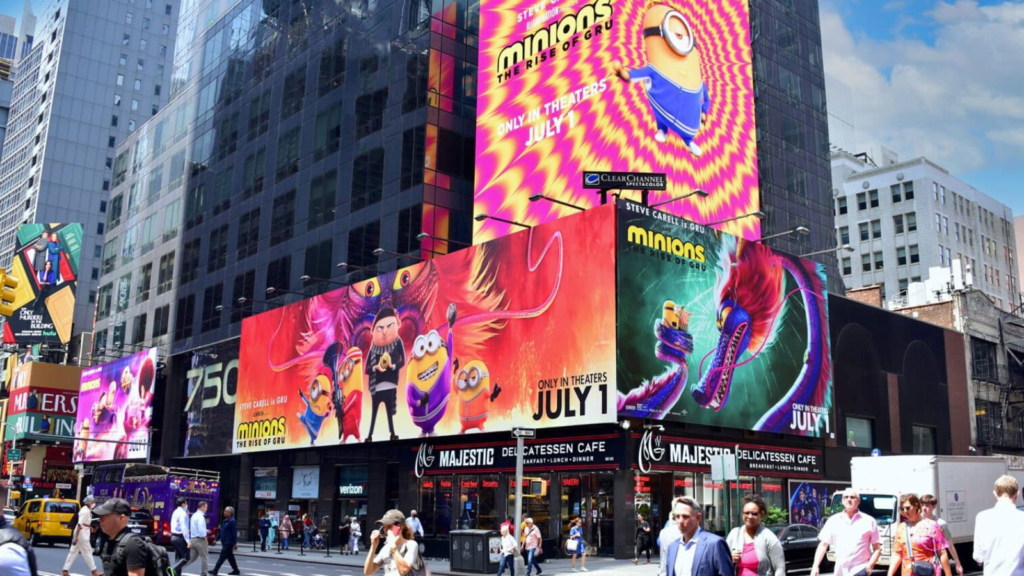
Clear Channel Outdoor Holdings is set to be acquired by Mubadala Capital in partnership with TWG Global in an all-cash transaction valued at US$6.2 billion, marking a major ownership shift for one of the largest out-of-home (OOH) advertising players in the US. Under the definitive agreement, the investor group will acquire 100% of Clear Channel’s outstanding common stock, with shareholders receiving US$2.43 per share in cash. The offer represents a 71% premium to the company’s unaffected share price of US$1.42 on 16 October 2025, prior to media reports of a potential transaction. The acquisition is expected to streamline Clear Channel’s ownership structure while providing long-term capital to support growth and ongoing deleveraging efforts. Approximately US$3 billion in equity capital has been committed as part of the deal. Don’t miss: Moving Walls teams up with TikTok to extend social content beyond the screen  As part of the transition, media and technology veteran Wade Davis, who partnered with Mubadala Capital and TWG on the transaction, is expected to join Clear Channel as executive chairman. Commenting on his role, Davis said: “In partnership with Mubadala Capital and TWG, I look forward to working with management to continue investing in data, measurement and transaction platforms, and unlocking the true potential of this powerful medium to drive meaningful outcomes for agencies and advertisers.”  Meanwhile, Scott Wells, CEO of Clear Channel said that the transition delivers compelling value to its shareholders, strengthens its financial flexibility and positions the company for its next phase of long-term growth.  Oscar Fahlgren, chief investment officer of Mubadala Capital, said the acquisition aligns with the firm’s strategy of investing in high-quality businesses with long-term growth potential. “This transaction reflects Mubadala Capital’s approach to investing: identifying high-quality businesses where complexity creates opportunity and long-term partnership drives value. Clear Channel is a category leader with a strong platform and significant potential ahead. We look forward to supporting the company and its management through active ownership, disciplined execution, and long-term capital,” said Fahlgren. In tandem, Mark Walter, co-chairman and CEO of TWG, added that the deal underscores the firm’s investment focus on large-scale digital transformation opportunities: “Mubadala Capital’s ability to approach complex transactional situations with creativity and commit resources to support high-conviction opportunities, combined with TWG’s operational expertise and track record of driving large-scale digital transformation across a range of industries, will set up Clear Channel and its management team to lead the sector at this exciting inflection point and build the next generation of digital advertising infrastructure.”  Clear Channel has been undergoing transformation efforts in recent years, including expanding digital inventory and data-led OOH capabilities, as advertisers increasingly seek measurable, omnichannel media solutions. The transaction is subject to customary closing conditions and regulatory approvals. The acquisition comes amid rising innovation in out-of-home advertising, with players exploring ways to merge digital and physical channels. Moving Walls, for example, recently partnered with TikTok under the “Out of Phone” initiative to bring TikTok-native content into high-traffic environments across APAC and MEA, including transit hubs, malls and airports. The collaboration highlights a broader trend in OOH, as brands increasingly look to bridge online virality with offline impact, creating cohesive omnichannel experiences that follow consumers throughout their day. Showcase your most innovative content and gain recognition from a panel of industry leaders by entering the inaugural Content360 Awards. Submit your work today and be part of the celebration that honours the campaigns defining the future of content marketing. Related articles:   Moving Walls strengthens global presence with new additions in China and US Clear Channel takes to the skies with new Scoot partnership Clear Channel cuts scale SG business LTA contract loss  source

Clear Channel to go private in US$6.2bn acquisition Read More »

How AIA brings on the Rethink Healthy momentum across Asia

AIA Group has unveiled the second phase of its Rethink Healthy campaign, aiming to debunk health stereotypes and drive actionable behaviour change for millions across Asia. This expansion builds on the campaign’s 2024 debut, which supports AIA’s One Billion ambition to engage a billion people in healthier living by 2030. In conversation with MARKETING-INTERACTIVE, Stuart A. Spencer, AIA Group chief marketing officer, said this second phase of Rethink Healthy is going beyond the conversation—it’s confronting the cause. “We now have hard data on how stereotypes are shaping behaviour across Asia, and we’re using the power of storytelling to challenge them. These films aren’t ads. They’re designed to help people see themselves differently, and start taking small, meaningful steps toward healthier, longer, better lives,” he added. While the first phase of the campaign aimed at starting a conversation about the stereotypes holding people back from being healthier, Spencer said the second phase goes deeper by providing research on what those stereotypes are and launching three powerful new films which aim to emotionally engage to encourage people to Rethink Healthy. Don’t miss: AIA’s CMO on how to redefine health and inspire a healthier Asia Unearthing insights The campaign is grounded in proprietary AIA research revealing how entrenched stereotypes around physical, mental, and financial health shape attitudes and inhibit wellbeing. Conducted across Mainland China, Hong Kong, Singapore, Thailand, and Malaysia, the study analysed over 100 million social media posts and surveyed 2,100 respondents. The research reveals that 69% of respondents agree that fitness requires discipline with no compromise, while 59% believe that improving health requires a complete transformation. Meanwhile, 57% feel that to be respected, a person must control their emotions and avoid showing vulnerability.  Furthermore, the research shows that 63% feel negatively about financial health stereotypes, while 41% associate personal worth with financial success – particularly for men.  The research also found that 52% agree that not supporting parents financially is ungrateful. Only people with good wellbeing tend to find these stereotypes motivating, while those with poorer wellbeing experience them as pressure that reinforces self doubt and delays action.  Spencer said, “Our research shows that stereotypes don’t motivate people- they trap them. If marketers and media want to promote real wellbeing, we have to design health messages that include more people, not exclude them. That means showing accessible paths, using trusted voices, and meeting people where they are.” Done in partnership with BBH Singapore, the extension campaign is anchored by three new films that bring these hidden pressures to life. These include “Perfect son”, which explores mental health challenges created by expectations around achievement, strength and family duty.  Another film titled “Mother and daughter” highlights how narrow definitions of ‘healthy’ and body image ideals can be unintentionally passed from parent to child. “Lone wolf” challenges the belief that only intense exercise counts, showing how joy and movement can be reframed at every life stage.  In terms of how these films relate to local audience, Spencer said each of the films was based on real employee stories from around Asia, including Hong Kong. “They bring to life the limiting beliefs around health that hold people back, and depict the moment someone begins to Rethink Healthy.” Other initiatives To deepen the impact of the campaign, AIA brought together creators and brand ambassadors from across the region for a summit on responsible health storytelling. They examined how stereotypes shape content and co-created ways to encourage more inclusive and authentic wellbeing conversations online.  AIA also launched Rethink Healthy-themed classes at the AIA Vitality Hub in Hong Kong, supporting the core thematics of the film and promoting family wellbeing, mental health and accessible fitness. Together, these initiatives reinforce AIA’s long-term commitment to helping people across Asia live healthier, longer, better lives, and support its ambition to inspire and engage one billion people by 2030.  Spencer said, “The data is unequivocal. Asia’s health challenge is no longer just medical, it is also behavioural and cultural. As lifestyle-related diseases continue to rise across the region, deeply rooted stereotypes around fitness, financial success and mental health are quietly undermining prevention, delaying support and driving poorer health outcomes.  “By uncovering these insights, our aim is to empower people to question limiting beliefs, challenge how health is portrayed and make more informed choices for their overall health and wellbeing. We believe that helping people live healthier, longer, better lives requires changing the narratives that shape everyday behaviours in the first place,” he added.  Mark your calendars for 24 June! #Content360 Hong Kong returns with a dynamic, one-day event dedicated to pivotal trends—from the silver economies to breakthrough IP collaborations, sports, and beyond. Let’s dive into the art of curating content with creativity, critical thinking and confidence! Related articles: AIA Hong Kong and Macau video praises coronavirus outbreak’s frontline cleaning workersAIA looks to debunk insurance stigma with the right marketing campaigns source

How AIA brings on the Rethink Healthy momentum across Asia Read More »

INNOCEAN renews global mandate with media network

INNOCEAN has renewed its global media partnership with Havas Media Network following an internal review covering Hyundai Motor Group brands across key international markets. INNOCEAN is a global marketing and communications company headquartered in Seoul, Korea with operations in over 23 countries. It leads marketing and communications strategies and implementation, for a number of automotive brands.  The renewed mandate which officially commenced in January 2026, spans Hyundai, Kia and Genesis, covering Europe, the Middle East, Asia Pacific and Latin America. The account will continue to be managed through close collaboration between Havas Media Network and INNOCEAN’s international teams based in Seoul, Frankfurt, Dubai, New Delhi and Jakarta. Don’t miss: Hyundai Malaysia picks agency to drive PR and comms According to Havas Media Network, the renewal signals a continued focus on strengthening data and technology capabilities to better connect acquisition, conversion and retention across Hyundai Motor Group’s increasingly diverse global customer base. Both parties are expected to place greater emphasis on integrated, data-led media solutions that drive more effective and connected customer experiences at scale. Commenting on the partnership extension, INNOCEAN highlighted the shared ambition to elevate media performance across its priority markets, noting that the collaboration is anchored in delivering growth through more connected and outcome-driven media strategies.  Steve Jun, head of global business at INNOCEAN, said, “We are pleased to extend our partnership with Havas Media Network. Together, we will continue to accelerate growth by creating more connected and effective customer experiences for Hyundai Motor Group brands.” From Havas Media Network’s perspective, the renewal reinforces a long-standing global relationship rooted in innovation and performance. “INNOCEAN and Havas Media Network have a shared commitment to innovation, impact and global excellence at scale,” shared Peter Mears, global CEO, Havas Media Network. “In extending our storied relationship, we look forward to driving transformative business outcomes through Converged.AI, creating seamless, data-driven media experiences that are as innovative as the Hyundai Motor Group brands we proudly champion,” he added. Mid last year, Innocean Worldwide Malaysia had appointed Mad Hat Asia to handle PR and communications duties for Hyundai Motor Malaysia. The appointment comes as the automotive brand looks to strengthen its narrative and connect with Malaysian car buyers through lifestyle-led storytelling. The appointment, which runs from May 2025 to April 2026, is a 12-month retainer that sees Mad Hat working alongside Innocean Malaysia, Hyundai Malaysia’s master agency, to deliver comprehensive PR support across both brand and product communications. And earlier this month, Innocean Worldwide Malaysia also picked The SHOUT GROUP to create advertising materials for Hyundai’s Malaysian market.  Related articles:Malaysia Airlines, Hyundai, Carlsberg and more, hand creative duties to The SHOUT GROUP Hyundai Motor Malaysia establishes direct brand presence in the country Kia picks new social media agency for APAC source

INNOCEAN renews global mandate with media network Read More »