marketing interactive

These are the trends shaping Gen Z in 2026

Gen Z is rewriting the rules of online engagement, turning away from fast, chaotic content in favour of slower, more intentional experiences, according to Pinterest Predicts 2026. The platform’s annual trend report, launched officially in Singapore, offers a data-driven view of cultural shifts expected to shape consumer behaviour next year. The report analyses the activity of more than half a billion monthly users and is powered by a combination of machine learning and human expertise. Pinterest says its predictions have achieved 88% accuracy over the past six years, making it a reliable guide for brands planning ahead. Don’t miss: 5 trends that had brands in a chokehold in 2025  Digital overload meets nostalgic comfort Pinterest calls the current digital landscape “ambient chaos”, defined by content overload, overstimulation, and constant online noise. In response, Gen Z is seeking grounding experiences online, shaping three cultural drivers for 2026: emotional comfort, curated self-expression, and grounded optimism. “Gen Z is overworked, overscheduled and overwhelmed. They are always planning and scheming how to be more productive with their time, looking for hacks to save little bits of their time and energy. So it is no surprise they’re looking towards a distant past they have only heard of, but probably never experienced – those ‘nostalgic’ days when life was simpler,” said Vivek Iyyani, founder of Millennial Minds at the Singapore launch of Pinterest Predicts 2026.  Amid uncertainty, Gen Z is gravitating towards tactile, familiar, and emotionally grounding activities. Globally, nearly one in four Pinterest users say they are engaging in more nostalgic activities, from collecting vintage items to revisiting childhood hobbies. Analog habits are making a comeback. More than a quarter of Gen Z and Millennial users report rediscovering handwriting or letter-sending. Singapore leads the trend: Gen Z Singaporeans are 4.12 times more likely to engage in the ‘Pen pals’ trend than the average Pinterest user, reflecting a desire to slow down and reconnect. From imitation to intention Pinterest Predicts shows that Gen Z is moving from trend-following to intentional curation. Nearly four in 10 say trends make them feel creative, using Pinterest to design spaces and aesthetics that reflect their identity rather than simply copying global trends. Maximalist ‘Glamoratti’ aesthetics are resonating strongly, almost six times more popular among Gen Z in Singapore than among global users. Crochet-inspired ‘Laced up’ looks are trending across APAC, nearly five times more popular among Singaporean Gen Z than in Japan or Australia. Heritage-led interior design is also on the rise. Searches for ‘African boho living room’ and ‘afro chic home decor’ have surged under Pinterest’s ‘Afrohemian decor’ trend. Nearly half of users (45%) are drawn to warm, comforting colours, while over a quarter (26%) say refreshing their home improves their mood. For brands, this signals growing demand for homeware and lifestyle products that combine personal expression with emotional comfort. Pinterest says Gen Z’s approach reflects “grounded optimism”: imagining brighter possibilities while staying rooted in reality. The report notes a move away from doomscrolling and viral pressure toward mindful, intentional exploration. “Gen Z is quietly leading a cultural reset to find their own space amid ambient chaos,” said Ayumi Nakajima, senior director of content partnerships, APAC at Pinterest. “They are building a new rhythm and moving away from the doom scrolling seen on other platforms, choosing instead to search with intention. For brands, this is a unique opportunity to connect with Gen Z at their most creative and decisive moments,” added Nakajima.   What this means for marketers Pinterest Predicts 2026 signals a shift in what drives engagement. While the past decade emphasised virality and rapid trends, next year will reward brands that show up consistently, authentically, and with clear values. For marketers targeting Gen Z, this means creating campaigns that support self-expression, reflect emotional needs, and enable curated experiences. Trends such as ‘Glamoratti’, ‘Laced up’, and ‘Afrohemian decor’ highlight how Gen Z uses digital inspiration to shape both personal style and home environments. Brands that understand these nuanced preferences can engage with consumers at key moments, turning discovery into meaningful action. Pinterest’s predictions build on this year’s trends, where brands leaned on bold formats, nostalgic cues, and playful provocation to stay visible. The year’s digital trends showed that success is no longer just about chasing virality; instead, brands are increasingly tapping into visual novelty and emotional connection to resonate with audiences. Related articles:   Pantone picks ‘Cloud dancer’ as 2026 colour of the year, sets off global collab wave  How Coach is winning over Gen Z one experience at a time  Nostalgia is not enough: How brands can get the rising trend right source

These are the trends shaping Gen Z in 2026 Read More »

Stanley Tucci fronts Apple Pay’s holiday push with food, family and frictionless payments

Apple Pay has partnered Stanley Tucci for a new holiday social campaign spotlighting how the payment service fits into everyday life, using food and human connection as its emotional hook. Titled “Can I bring people together with pasta and Apple Pay?”, the campaign follows Tucci as he shops for ingredients in a small Italian town, cooks, and shares a meal with a group of Italian nonnas. All purchases throughout the film are made using Apple Pay. Created in collaboration with TBWAMedia Arts Lab, the first film will launch on 9 December as a collaborative post on Tucci’s and Apple Pay’s Instagram and TikTok accounts. Additional content will roll out across Instagram, TikTok, Snapchat, YouTube and Facebook. Don’t miss: Apple puts accessibility in the spotlight with college-life short Directed by two-time Emmy winner Floyd Russ, the largely improvised film shows Tucci navigating local markets, unexpected retail locations and the ultimate culinary test, cooking for a group of discerning Italian grandmothers. The campaign also taps into the social issue of elderly isolation in Italy. According to Italy’s National Institute of Statistics (ISTAT), people aged 65 and above make up nearly half of the country’s population living alone. “I love Apple Pay because it’s so easy to use even for a man of my age. Or especially for a man of my age. I use it to pay for everything. It’s a brilliant thing,” Tucci said. The collaboration is part of Apple Pay’s broader “Can I… with Apple Pay?” social platform, launched in 2023 to educate audiences on how, where and why to use the service through creator-led storytelling. Previous partners under the platform include Grandma Droniak, Drew Dirksen and comedian Zach Woods. The campaign follows Apple’s other major holiday push earlier this month with its annual festive film, “A critter carol.” The 2-minute-20-second spot features handmade woodland puppets who discover an iPhone 17 Pro in a snowy forest and turn it into a chaotic a cappella music video set to Friends by Flight of the Conchords. Directed by Mark Molloy, the film was shot entirely on the iPhone 17 Pro using features such as Center Stage, Dual Capture and up to 8x zoom. The campaign was created by TBWAMedia Arts Lab, with production by Smuggler and Unit Sofa in Prague. Related articles: Apple and ISSEY MIYAKE stitch style into tech with new iPhone Pocket    Apple’s final collab with Jane Goodall celebrates creativity’s first spark    Apple’s cinematic stunt proves the iPhone 17 Pro can take a beating source

Stanley Tucci fronts Apple Pay’s holiday push with food, family and frictionless payments Read More »

LEGO Group taps former Weber Shandwick SVP as APAC communications director

The LEGO Group has appointed former Weber Shandwick senior vice president Marta Sousa Bigio (pictured) as its new communications director for Asia Pacific. She confirmed the move in a LinkedIn post, marking her departure from Weber Shandwick after two years with the agency. In her new role, she will oversee communications across the region, with a focus on storytelling tied to LEGO’s brand heritage and purpose-led initiatives. Her appointment coincides with the launch of the LEGO Group’s annual “Build to give” campaign, which encourages the public to build and share LEGO hearts to help donate LEGO sets to children in need. Don’t miss: How LEGO and IKEA Malaysia are redesigning homes through play Prior to joining the LEGO Group, Bigio was senior vice president, APAC at Weber Shandwick from 2023 to 2025, where she advised clients on stakeholder engagement, media relations, crisis management and corporate reputation across the region. Before that, she served as senior director of communications, APAC at Redhill from 2022 to 2023, leading campaigns for startups, NGOs and multinational corporations. She also spent two years at Unilever as global senior communications manager from 2020 to 2022, where she led global communications for the company’s sustainable sourcing agenda. Earlier in her career, she was communications director at Mars for the Iberia cluster from 2015 to 2019, and European brand and communications director at Crocs from 2012 to 2015. MARKETING-INTERACTIVE has reached out for more information.  Bigio’s appointment comes amid a busy stretch of brand activity for the LEGO Group in the region. In October, the brand brought its Botanical Garden collection to life in Kuala Lumpur with the launch of Asia’s first LEGO Botanical Glasshouse at Pavilion Kuala Lumpur. The immersive pop-up transformed the mall’s Centre Court into a brick-built garden inspired by the 21353 LEGO Ideas Botanical Garden set, featuring a life-sized pink rose, bonsai displays, a floral throne and a “JOY” photo corner, alongside hands-on floral workshops. Earlier in September, the LEGO Group tapped actor Tom Holland to front its “Never stop playing” film under the global “Rebuild the world” platform, aimed at reigniting play and creativity among kids and families. Backed by AC/DC’s High Voltage, the spot saw Holland shift through a series of playful personas, from a footballer and entrepreneur to an undercover LEGO minifigure and a stern boss rediscovering joy. Related articles: Nike and LEGO turn play into purpose with multi-year global partnership   LEGO and Pokémon finally build the dream collab fans have been waiting for      LEGO and Shopee MY invite families to ‘Bina bersama, cipta cerita’ ahead of Malaysia Day source

LEGO Group taps former Weber Shandwick SVP as APAC communications director Read More »

Paramount makes bold US$108.4bn play as fight for Warner Bros. escalates

Paramount Skydance has launched a hostile US$108.4 billion all-cash bid for Warner Bros., challenging Netflix’s existing US$82.7 billion deal with the iconic film and television studio.  In an announcement released on 8 December, Paramount said it has commenced an all-cash tender offer to acquire all outstanding shares of Warner Bros. Discovery (WBD) for US$30 per share. The bid, which includes WBD’s Global Networks segment, represents a 139% premium over WBD’s undisturbed stock price on 10 September. Paramount’s offer positions itself as a “superior and more certain” alternative to Netflix’s US$27.75-per-share mix of cash and stock, which the company characterises as volatile, complex, and subject to lengthy regulatory scrutiny across multiple markets. According to Paramount, its all-cash proposal delivers US$18 billion more to WBD shareholders compared to the Netflix deal. Don’t miss: Netflix to buy Warner Bros. in US$82.7bn deal after Discovery split David Ellison, chairman and CEO of Paramount, said the company is taking the offer directly to shareholders after submitting six proposals over 12 weeks without meaningful engagement from WBD’s board. “WBD shareholders deserve the opportunity to consider our superior all-cash offer for the entire company,” he said, adding that the Netflix proposal leaves shareholders exposed to uncertain valuations and a protracted regulatory battle given Netflix’s global scale. Paramount argues that the Netflix acquisition faces significant antitrust concerns. The company claims the combination would entrench Netflix’s dominance, particularly in regions where it already holds major subscription video on demand (SVOD) market share, creating potential risks of higher consumer prices, lower compensation for creators, and further pressure on theatrical exhibitors. By contrast, Paramount says its takeover would “enhance competition” by forming a stronger rival to dominant streaming platforms, while preserving and expanding theatrical releases. The company emphasised that it intends to invest in the creative engines across both studios, maintain WBD’s current theatrical slate, and further grow output. If successful, the merger would bring together Paramount+ and HBO Max, creating what the company describes as a more competitive direct-to-consumer platform. Paramount also highlighted the combined group’s technology partnership with Oracle, an expanded global sports rights portfolio spanning the NFL to Champions League, and a stronger suite of linear networks supported by CBS. Paramount projects more than US$6 billion in cost synergies from the merger, on top of the US$3 billion in efficiencies it expects from its standalone transformation. Ellison said the combined company would be well-positioned to invest in content and innovation, backed by committed investors following the recent Skydance merger. In a recent development, Reuters reported that US President Donald Trump weighed in on Netflix’s planned acquisition of Warner Bros., noting that the streaming giant already holds “a very large market share” and suggesting the deal “could be a problem.” He also indicated that he would be “involved in that decision,” casting further uncertainty over the transaction. He later told a White House roundtable that neither Netflix nor Paramount Skydance are close allies, and he would need to review their market share in the Warner Bros. bids. Last week, Netflix announced an agreement to acquire Warner Bros. in an US$82.7 billion deal, bringing the century-old studio—home to Harry Potter, Game of Thrones, The Sopranos, The Big Bang Theory, the DC Universe, and The Wizard of Oz—under Netflix’s global streaming umbrella in one of the most significant consolidation moves in recent years. The deal also raises questions about the future of HBO and HBO Max, following a turbulent 18 months in which Warner Bros. Discovery folded HBO Max into a broader Max strategy, scaled back global expansion, and cut content investment amid cost pressures. Under the agreement, Netflix will acquire Warner Bros.’ film and television studios, as well as HBO and HBO Max, after Warner Bros. Discovery completes the previously announced separation of its Global Networks business in Q3 2026. The transaction was expected to close within 12 to 18 months. The move represents the latest step in the streaming sector’s consolidation, following Amazon’s $8.5 billion acquisition of MGM in 2022, which gave the company access to the James Bond franchise and more than 4,000 film titles. Related articles: Netflix rewinds time with 80s-style Stranger Things cassette ahead of final season Warner Bros. Discovery to split streaming and networks into two companies Hello delivers Naked Gun portaloo prank for Paramount source

Paramount makes bold US$108.4bn play as fight for Warner Bros. escalates Read More »

Fei Siong Group taps social media agency for Encik Tan, Popeyes and more

Fei Siong Group has appointed social media agency ACTSTITUDE to manage digital activations and content creation for five of its key brands, including Nam Kee Pau, Encik Tan, Malaysia Boleh, SG Hawker, and US fast-food chain Popeyes. The partnership aims to strengthen Fei Siong Group’s online presence and build a more cohesive digital identity across its portfolio. Adren Teng, head of marketing at Fei Siong Group, described the move as a “new phase” for the company. “We’re looking forward to taking this next step together with ACTSTITUDE, amplifying our online presence through strategic content creation and effective marketing campaigns,” Teng said. Don’t miss: Singapore’s Fei Siong brings hawker brand Encik Tan to Indonesia In tandem, Alvin Kok, managing director and co-founder of ACTSTITUDE, said the partnership allows the agency to further refine its social media strategies and visual storytelling. “With exciting new campaigns lined up, we hope to leave a lasting impact among online consumers, implementing fresh strategies that can help to rejuvenate the brands,” Kok added. The appointment follows ACTSTITUDE’s recent contract renewals with multiple shopping malls and F&B brands, including Waterway Point, The Clementi Mall, The Rail Mall, RE&S, Elfuego by COLLIN’S, Bega Cheese, and Jack’s Place, reinforcing the agency’s growing influence in Singapore’s digital marketing landscape. This expansion comes amid a competitive social media landscape, with other organisations also seeking specialised expertise In November, the Land Transport Authority (LTA) put out a tender for a social media agency to steer its digital communications across platforms including Facebook, Instagram, TikTok, Telegram, WhatsApp, Twitter, and YouTube. According to GEBIZ documents seen by MARKETING-INTERACTIVE at the time, the appointment is set to run for 24 months, with the possibility of ongoing collaboration. The agency selected will support LTA’s strategic objectives: growing and enhancing its social media presence, raising awareness of its initiatives and land transport updates, deepening engagement through creative content, and building public affinity for Singapore’s transport system. Related articles: Monetary Authority of Singapore seeks social media partner for MoneySense   MOM picks new social media agency  Arcc Assets picks new social media agency  source

Fei Siong Group taps social media agency for Encik Tan, Popeyes and more Read More »

Netflix to buy Warner Bros. in US$82.7bn deal after Discovery split

One of Hollywood’s most iconic film and television studios is set to be absorbed by the world’s largest streaming platform, after Netflix struck an agreement to acquire Warner Bros. in a US$82.7 billion deal. The move brings Warner Bros. century-old studio operation – home to Harry Potter, Game of Thrones, The Sopranos, The Big Bang Theory, the DC Universe and The Wizard of Oz – under Netflix’s global streaming empire in one of the most significant consolidation moves in recent years. It also throws the future positioning of HBO and HBO Max into question, following a turbulent 18 months in which Warner Bros. Discovery folded HBO Max into a broader Max strategy, pulled back on aggressive global expansion and scaled content investment amid cost-cutting pressure. Under the agreement, Netflix will acquire Warner Bros.’ film and television studios, along with HBO and HBO Max, after Warner Bros. Discovery completes the previously announced separation of its Global Networks business in Q3 2026. The transaction is expected to close within 12 to 18 months. The deal marks the latest escalation in the streaming sector’s consolidation cycle, following Amazon’s $8.5 billion acquisition of MGM in 2022, a move that gave Amazon instant access to the James Bond franchise and more than 4,000 film titles. Netflix moved quickly to reassure subscribers that no immediate changes are coming to its service or Warner Bros.’ streaming operations while regulatory and shareholder approvals are sought. “What’s changing? Nothing is changing today,” Netflix told customers in a post-announcement email. “Both streaming services will continue to operate separately. We have more steps to complete before the deal is closed, including regulatory and shareholder approvals… In the meantime, we hope you’ll continue to enjoy watching as much as you want, whenever you want – all on your current membership plan.” Franchise Power For Netflix, the acquisition delivers instant scale in filmed entertainment production, library depth and premium franchise power at a time when subscriber growth across global markets has slowed and content costs remain under sustained pressure. “Our mission has always been to entertain the world,” Ted Sarandos, co-CEO of Netflix, said. “By combining Warner Bros.’ incredible library of shows and movies – from timeless classics like Casablanca and Citizen Kane to modern favorites like Harry Potter and Friends – with our culture-defining titles like Stranger Things, KPop Demon Hunters and Squid Game, we’ll be able to do that even better. Together, we can give audiences more of what they love and help define the next century of storytelling.” Warner Bros. Discovery CEO David Zaslav framed the transaction as a long-term play on creative scale and global reach. “Today’s announcement combines two of the greatest storytelling companies in the world to bring to even more people the entertainment they love to watch the most,” Zaslav said. “For more than a century, Warner Bros. has thrilled audiences, captured the world’s attention, and shaped our culture. By coming together with Netflix, we will ensure people everywhere will continue to enjoy the world’s most resonant stories for generations to come.” Netflix said it intends to maintain Warner Bros. existing studio operations, including theatrical film releases, while using its platform scale to expand global distribution and production output. Warner Bros. Discovery’s Global Networks business, housing CNN, TNT Sports in the US, Discovery’s international free-to-air channels, Discovery+ and Bleacher Report, will be spun out into a separate listed company called Discovery Global, ahead of the transaction’s completion. The deal was unanimously approved by both boards and remains subject to regulatory and shareholder approvals. source

Netflix to buy Warner Bros. in US$82.7bn deal after Discovery split Read More »

Ellerton & Co. launches creative studio, expands across Greater Southeast Asia

Southeast Asia-based PR and marketing agency Ellerton & Co. is marking its 10th anniversary with the launch of a dedicated Ellerton Creative Studio, designed to bring high-impact visual storytelling alongside its strategic communications and advisory services. The new division reflects the agency’s recognition that brand narratives are increasingly consumed across digital and offline touchpoints. According to the agency, the Creative Studio brings creative, content, and digital disciplines under one roof, ensuring consistency and precision from strategy through execution. It will also offer capabilities across branding and identity, multimedia production, digital design and strategy, and advanced copywriting, bridging the gap between PR strategy and creative execution. Don’t miss: W Communications’ HelloFranses! lands in SG as agency eyes APAC acquisitions “The Ellerton Creative Studio is engineered to operate differently than traditional content houses or marketing agencies. Our model emphasises integrated skill sets across creative, content, and digital disciplines, ensuring a unified approach from strategy through execution,” said Parel Tran, lead designer. “Every brand touchpoint from a giant billboard to a conference booth, or even a simple infographic or a Zoom background on a video call – needs to be rigorously on brand. That commitment to visual precision is what we deliver on behalf of our client partners,” added Tran. The Creative Studio launch comes amid a broader regional expansion. Over the past year, Ellerton & Co. has established operations in India and Japan, and built full-service teams in the Philippines, Indonesia, Malaysia, and Thailand, while strengthening existing offices in Singapore and Vietnam. Executive Director Prayaank Gupta said the move responds to clients’ shift from single-market campaigns to multi-market strategies across Southeast Asia. “Over the past few years, our clients have stopped thinking in terms of single markets, which is reflected in their priorities and budgets. They are thinking in terms of Greater Southeast Asia.”  As such, markets such as the Middle East, South and East Asia are no longer ‘nice-to-have’ outposts, and have become essential parts of a truly regional growth strategy, said Gupta.  “By building on-the-ground teams and a unified communications corridor across these markets, we’re able to move faster for our clients, navigate local nuance, and execute campaigns that feel native rather than ‘parachuted in’. This expansion is about giving ambitious brands one integrated partner that can tell their story consistently from Jakarta to Tokyo and from Manila to Mumbai,” he added.  With Southeast Asia’s digital economy projected to hit US$1 trillion by 2030, Ellerton & Co. positions itself as a bridge for brands navigating the region’s fragmented cultural and regulatory landscape. “When I started Ellerton & Co., I didn’t have all the answers, but I knew I wanted to create something better,” said founder and director Oliver Ellerton (pictured). “MAt Ellerton & Co., our focus on emotional intelligence, empathy, and integrity has allowed us to grow from a one-man band to a team of over 20 plus consultants, serving some of the most cutting-edge companies in the world. As we look ahead to 2026, we’re ready for even bigger things – with further expansion and exciting new client partners. While many things will change, one thing will remain the same: our relentless commitment to our clients and the principles that have guided us since day one,” he added.  Founded in 2015, Ellerton & Co. has grown from a one-person operation to a team of more than 20 consultants, serving a diverse range of global and regional clients. Over the past year, the agency has secured mandates across technology, financial services, consumer applications, travel and tourism, aviation, construction, startups, and energy sectors. A notable and recent client win includes Ethiopian Airlines, one of Africa’s largest and most awarded carriers, where Ellerton & Co. is helping boost visibility in Singapore and Australia-New Zealand, while expanding connectivity across Asia-Pacific.  Related articles:  Ellerton & Co. turns its focus on the Philippines with new senior hires  W Communications eyes expansion in APAC and Middle East Ellerton & Co. nabs new executive director to drive SEA expansion   source

Ellerton & Co. launches creative studio, expands across Greater Southeast Asia Read More »

Miss Universe: Is this the end of pageant brands?

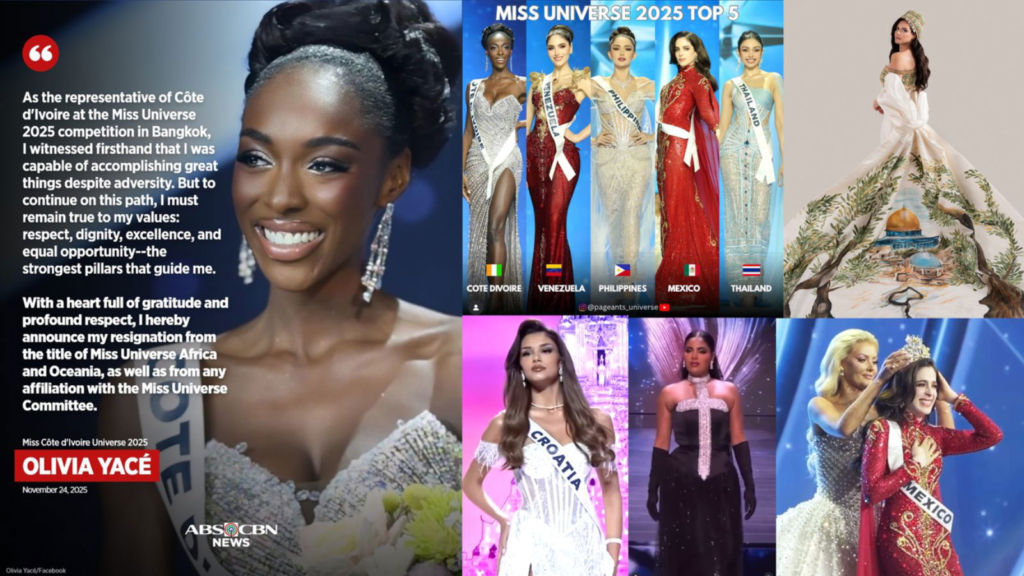
If I had a few hundred million dollars in my bank account (which I clearly do not), I’d buy the Miss Universe franchise and totally rebrand it. Here’s why. Through a twist of fate, I found myself at the controversial Miss Universe 2025 final competition in Bangkok last month, staying at the same hotel as the contestants, their families, managers, media, and delegates. I spoke to many insiders before, during and after the final event, hearing their unfiltered views. What an eye opener. This year’s Miss Universe exposed far more than I anticipated, laying bare societal issues and tough challenges faced by not only the Miss Universe brand, but the pageant industry in general. Allow me to unpack some of the challenges: Abuse of power This reared its ugly head when Thai organiser Nawat Itsaragrisil publicly humiliated Miss Universe Mexico, Fátima Bosch, calling her a “dumbhead”. All streamed live, this triggered a walk-out by her fellow contestants and a major loss of face for the organisers. His tearful apology was widely perceived as insincere, and he subsequently forced the ceremony MC Steve Byrne to add to his script “Nawat, you are amazing.” This pattern of bullying and impunity clearly needs to be addressed. Diversity and representation Miss Universe Pakistan, Roma Riaz, challenged beauty stereotypes, but sadly this triggered toxic online body and colour shaming. The turning point was when she walked defiantly onto stage in a gown embroidered with a large crucifix, wearing her religion (literally) with pride. (Nobody was expecting the representative of Pakistan to be from the country’s small Christian minority, many of whom still face discrimination). It felt as if a little bit of history was being made. The pageant industry needs to work harder to support and protect diversity and representation. Conflict and geopolitics For the first time, Palestine was present at Miss Universe. Nadeem Ayoub conveyed that she was there to give Palestine a voice, to remind the world that Palestinians exist and are about more than their suffering. Her evening gown featured the Al Aqsa Mosque in Jerusalem, making a strong statement about Palestinian identity. A fleeting moment when Miss Universe Israel, Melanie Shiraz, appeared to give her a side-eye made global headlines. Should Miss Universe avoid extremely sensitive issues, or can it be a platform for dialogue? Privilege and access Contestants at this level tend to come from either privilege or hardship. Miss Universe Philippines, Ahtisa Manalo, shared a compelling story of overcoming poverty, while Fátima Bosch (Mexico) hails from a wealthy Tabasco family, is private school educated, and her father is a senior executive at Pemex. This contrast raises questions about fairness and access in the pageant world. Governance and ethics This year’s competition has sparked a crisis threatening the very existence of Miss Universe. At the final event I witnessed these very impressive women vying for the crown. The outcome shocked everyone, myself included, and the crowd of over 10,000 started booing when Bosch was crowned. This event was being streamed live to over 2.6 billion viewers on various social media platforms, so the shock rippled across the world. The subsequent accusations of rigging and corruption have cast a dark shadow over the brand. Three judges resigned before the finals, allegedly due to pressure to favour Bosch. Revelations about business ties between the Mexican owner Raul Rocha and Bosch’s father, and ongoing federal investigations into Rocha for fuel and arms trafficking, have deepened the scandal. The fallout includes public criticism from contestants and the resignation of Miss Universe Côte D’Ivoire, Olivia Yace (whom I thought should have won, hands down). The lack of transparency was glaring. As former Miss Universe Canada and 2025 Selection Committee member Natalie Glebova noted, the days of official audits seem long gone: What ever happened to those days when they said before the results, “Please welcome from the accounting firm of Ernst & Young with the official audit”. Just saying. So what? Who cares about Miss Universe? Admittedly, I was indifferent to pageants until I understood the dedication and discipline they require. These competitions are more than vacuous beauty parades; they foster national pride, nurture talent, and build community. Yet, the traditional stereotypes and lack of transparency are increasingly out of step with the times. Time for rebranding The concept of the “beauty pageant” feels anachronistic. With declining viewership and changing priorities among Gen Z audiences, it’s time to rethink the beauty pageant brand. The industry should take inspiration from campaigns such as Ogilvy’s much lauded Dove ‘Campaign for Real Beauty’ which challenged conventional standards. If Miss Universe were a public company, not only would leadership be sacked, but the entire board of directors would also be raked over the coals by shareholders and regulators. Pageants should be held to rigorous standards, ensuring fairness and respect for the dedication and sacrifices of these young people. As part of a rebrand, I’d ditch the word ‘pageant,’ change ‘Miss’ to ‘Ms’, broaden selection criteria, and emphasise even more academic, career, and community achievements. The swimsuit competition would go (Ok don’t bite my head off), replaced by a focus on creativity and entrepreneurialism. Not only because these things matter to the world, but because they matter increasingly to younger generations of consumers, to advertisers and sponsors. Without audiences, broadcast rights and advertising revenue, there’s no future. A platform for discourse Would I encourage debate and discourse about sensitive topics such as identity, discrimination, conflict and injustice? You bet I would. But I would not leave these young women (and men) to fend for themselves and fall prey to sensationalist media or ‘click-hungry’ influencers. I’d create a supportive environment, a safe space for education and constructive dialogue. A call for reflection If the pageant industry wants to survive and remain relevant, it needs to take a long hard look in the mirror and do some soul searching. There is depth there. There are amazing stories of triumph over adversity waiting to be told. There is remarkable talent waiting to be

Miss Universe: Is this the end of pageant brands? Read More »

5 trends that had brands in a chokehold in 2025

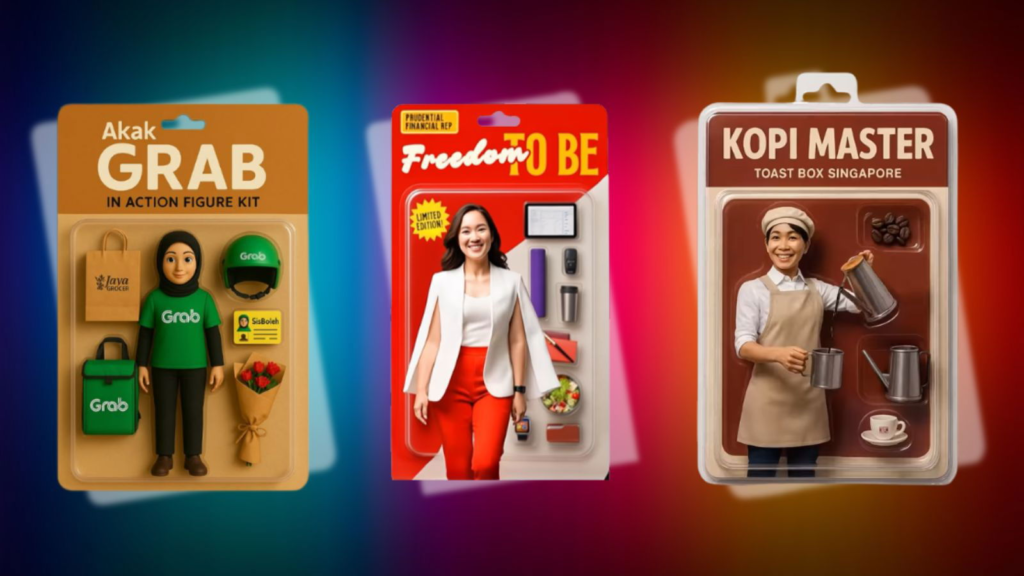
From whimsical AI avatars to plushie-powered brand love, 2025 proved that the fight for attention online has never been fiercer. As feeds grew more crowded and audiences more scroll-happy, brands turned to bold formats, nostalgic cues and playful provocation just to stay in view. This year’s standout digital trends weren’t just about chasing virality. They revealed a deeper shift in how brands compete for relevance, tapping into visual novelty, emotional connection and, increasingly, the inner child. Whether it was turning yourself into an AI doll, reframing “apologies” as parody, or soft-launching loyalty through plushies, the online space became a full-blown playground for experimentation. Here are some of the top trends that had 2025 in a chokehold. Don’t miss: Why IKEA is killing it despite being a decade late to the Harlem Shake The AI doll takeover If 2024 was about AI headshots, 2025 turned everyone into collectables. This time, users are digitalising their identities into AI dolls. The process is simple: upload a photo into an AI platform such as ChatGPT, add a few prompts about style and personality, and out pops a glossy, toy-like version of yourself, complete with accessories. Brands were quick to join the fun. Prudential Singapore rolled out AI dolls of its financial representatives, Toast Box Singapore turned its “kopi master” into a digital figurine, and Grab Malaysia unveiled an AI version of one of its riders. But beneath the novelty sits a growing unease. As brands race to replicate themselves in AI form, questions around brand control, misrepresentation and intellectual property are getting louder. When anyone can generate a brand “persona”, the line between play and risk starts to blur. Read more here.  Brands discover apology bait It looks like a crisis. A clean graphic. A sombre caption. A carefully worded apology. Except the brand isn’t sorry for a data breach, a tone-deaf ad or a product failure. It’s apologising for being “too addictive”, “too delicious”, or “too hard to resist”. The “fake apology” post has swept across social feeds in recent months, hijacking the visual language of reputational fallout to spark engagement. It feels dramatic, familiar and instantly clickable and that is exactly why it works. In conversation with MARKETING-INTERACTIVE, agency leaders said the format works best for brands with playful personalities, strong communities and culturally expressive voices such as lifestyle, beauty and youth-led brands. Those in trust-heavy categories such as public services, utilities, government agencies and statutory boards, however, have been urged to tread carefully. When the stakes are real, parody can land very differently. Read more here.  The great Ghiblification Soft skies. Wide eyes. Dreamy colours. The “Ghiblification” trend saw users turn themselves, their pets and even cityscapes into characters straight out of a Studio Ghibli film, powered by ChatGPT’s growing image-generation capabilities. Fuelled by AI’s shift from text-based to image-based learning, the trend spread rapidly across social feeds, driven by nostalgia and visual escapism. It was whimsical, comforting and inherently shareable – three ingredients tailor-made for virality. Yet as adoption surged, so did the quiet questions. What exactly happens to the personal images users upload? As faces become training data, concerns around biometric privacy, image ownership and long-term use are becoming harder to ignore beneath the pastel aesthetics. Read more here. Marketing, but make it huggable Once upon a time, plushies were prizes you won at the pasar malam (‘night market’). In 2025, they became brand strategy. Limited-edition plushies are no longer just cute freebies, they are fast becoming emotional assets. Food brands such as Pizza Hut Singapore, alongside beverage players such as Milo Singapore and Boost Malaysia, rolled out plushie campaigns that transcended the typical promotional gimmick. Industry players said this reflects a wider shift away from transactional marketing. Instead of a one-and-done purchase, brands are now chasing connection, collectability and community. Plushies have become conversation starters, cultural touchpoints and, for some consumers, physical expressions of brand love. In a digital-first world, these soft toys delivered something surprisingly powerful: something to hold onto. Read more here. The ultra-thin reel Thin is in. Instagram’s latest visual obsession, the “skinny reel”, has taken over feeds with its ultra-wide, cinematic format. Also known as the 5120 x 1080 trend, the format slices off the top and bottom of standard vertical footage, leaving behind a long, narrow strip that stretches across the screen. The effect is instantly disruptive in a sea of upright reels. Creators are using it to refresh old content or heighten aesthetics, while brands have jumped on its novelty factor. The format thrives on curiosity and the unusual crop makes users pause, decode and, most importantly, stop scrolling – a rare win in today’s attention economy. Read more here. Related articles: Lessons from Lady Gaga: Why trendjacking without rights hits a bad note   China’s micro-drama industry booms: How brands can script their own success Nostalgia is not enough: How brands can get the rising trend right  source

5 trends that had brands in a chokehold in 2025 Read More »

Duolingo nabs former Publicis Chemistry ECD as its first APAC head of creative

Language learning platform Duolingo has appointed Pei Ling Ho (pictured) as its new regional head of creative for Asia Pacific, as the company doubles down on one of its fastest-growing regions. Based in Singapore, Ho will lead Duolingo’s creative strategy and execution across key APAC markets including China, Japan, Korea, India and Southeast Asia. She joins the brand’s Global Brand Studio and will report to James Kuczynski, senior creative director in New York. The newly created role reflects Duolingo’s growing focus on APAC, which has emerged as one of its fastest-expanding regions globally. Don’t miss: Luckin Coffee and Duolingo serve up pandan power in SG collab In her role, Ho will work closely with country marketing leads and agency partners to drive culturally relevant brand moments, partnerships and content aimed at enhancing the learner experience across the region. Ho brings over 18 years of creative leadership experience across Asia. She was previously executive creative director at Publicis Chemistry and also served as global creative director for Creative Works, APAC at Google. Earlier in her career, she was creative director at Publicis Singapore and associate creative director at R/GA Singapore. “APAC is a huge opportunity for Duolingo. It’s vibrant, diverse and full of people who love great creative. Ho’s deep experience in Asia will bring a culture-first approach to making memorable work that brings people together,” said Kucynzki. Speaking on her new role, Ho said, “What draws me to Duolingo is how many lives it has impacted, helping learners learn what they want and how they want. There’s heart behind Duo’s fun and irreverence, and I’m excited to help shape how this energy shows up in APAC.”  Her appointment comes as Duolingo continues to expand its commercial and brand offerings. In October, the company rolled out a new mobile-first advertising platform, Duolingo Ads, aimed at helping brands connect with Gen Z through character-led formats. Built to “delight, not disrupt”, the platform features Duolingo’s cast of characters and includes rewarded videos and native ad experiences embedded into bite-sized learning moments. Related articles: Green owls take flight: Duolingo and Tokopedia’s mascot swap goes viral in Indonesia   Duolingo’s owl crashes dating show Love Island    Duolingo goes rogue amid ‘AI-first’ backlash  source

Duolingo nabs former Publicis Chemistry ECD as its first APAC head of creative Read More »