marketing interactive

Glade enters the IP game with a Hello Kitty twist on home fragrance

Glade, the home fragrance brand under SC Johnson, has stepped into the world of pop culture with a regional collaboration that’s winning hearts, and noses. Its latest “Glade® X Hello Kitty” campaign, marks the brand’s foray into IP tie-ups, blending nostalgia, design appeal, and emotional storytelling to reach new audiences across Southeast Asia. Glade shared with MARKETING-INTERACTIVE that the collaboration was born out of a desire to connect with consumers in more culturally resonant ways. The partnership with Sanrio’s Hello Kitty reflects Glade’s evolution from a traditional home fragrance label into a lifestyle brand that celebrates personal expression and everyday joy. By aligning with an icon that spans generations, the brand has managed to engage loyal fans while attracting younger consumers drawn to aesthetic and emotionally uplifting experiences. Don’t miss: Grab SG serves up Sanrio cuteness in latest Signatures push Running across multiple ASEAN markets, the campaign was anchored by a unified creative theme and hero visuals rolled out through social media and on-ground activations. Localisation, however, played a key role. Influencer and key opinion leader (KOL) partnerships were central to ensuring cultural relevance, with each market tailoring its approach. In Thailand, for instance, Glade took the collaboration on the road with a series of experiential events including an exclusive appearance by Thai celebrities Sky and Nani; while in Malaysia, the campaign leaned heavily into CGI-enhanced storytelling to appeal to Hello Kitty and anime fan communities online. Over in Philippines, the collaborative scents were also rolled out via TikTok Shop and partnerships with local KOLs. On the eCommerce front, the Glade® X Hello Kitty range was made available on Shopee and Lazada across most ASEAN markets, with a TikTok Shop-exclusive activation in Malaysia. While specific figures remain confidential, the company reported healthy product uptake and growing consumer interest since launch, a sign that the tie-up successfully bridged lifestyle appeal with commerce. A forward-looking shift The collaboration also signals a broader strategic shift for Glade towards culturally-revelevant and content-driven marketing. By weaving sensory appeal with emotional storytelling, Glade is exploring how partnerships with beloved cultural icons can deepen consumer connection and reflect the brand’s growing relevance in contemporary lifestyles. Glade noted that IP collaborations such as this one are helping to extend the brand’s reach while positioning it as attuned to the evolving interests of its consumers. Although the brand did not disclose specific performance metrics, Glade shared that each market’s campaign is subject to post-mortem analysis tied to strategic objectives, covering engagement, awareness, and conversion. So far, consumer response has been overwhelmingly positive. In Thailand, experiential activations around the campaign generated notable earned buzz and media coverage. Malaysia’s social-first approach also saw strong engagement and content performance, while Singapore and Vietnam, both still in their rollout stages, have shown early signs of promising anticipation. Among the key takeaways for the brand was the importance of market-specific storytelling and influencer-led content in driving relevance and conversions. Glade told MARKETING-INTERACTIVE that these localised and customised experiences have significantly amplified talkability and conversion, while influencer-led storytelling also emerged as a powerful driver, consistently driving higher engagement across platforms.  More IP collabs to come? Looking ahead, the household supplies brand remains open to exploring more IP collaborations across its brand portfolio. It also shared that it viewed partnerships as a powerful way to expand its reach and build meaningful connections with customers, adding that it is always looking to work with like-minded partners who share its goal of creating “feel-good moments” that leave a positive impact on communities. Looking back on other Sanrio collabs, Grab Singapore teamed up with Sanrio earlier this year for an exclusive Grab Signatures giveaway featuring Hello Kitty, Kuromi and Cinnamoroll. The campaign is part of Grab’s broader marketing and customer engagement strategy for 2025, combining exclusive co-branded merchandise with food discovery on the platform. The campaign aims to boost visibility for its Signatures merchants including crowd-favourites such as Wingstop, CHAGEE, Playmade and Don Don Donki while creating meaningful connections with users. In July, Baskin-Robbins Malaysia and Singapore turned up the charm with a new collaboration featuring Sanrio’s fan-favourite character Kuromi, blending sweet treats with playful aesthetics in a campaign designed to captivate younger consumers. The brands, operated by Golden Scoop, have transformed select outlets into Kuromi-themed diners, launched exclusive merchandise, and rolled out limited-edition cakes and ice cream flavours to celebrate the partnership, part of an ongoing strategy to remain culturally relevant and spark deeper emotional engagement with fans. Earlier in March, Sanrio itself unveiled a campaign across Southeast Asia targeting counterfeit products and aiming to enhance intellectual property protection. The campaign, titled “Sanrio values authenticity” is centered on key markets such as Singapore, Thailand, and Indonesia, where it seeks to educate consumers on the dangers associated with counterfeit goods, including inferior quality and safety issues. Related articles: Starbucks and Hello Kitty team up to reimagine customer experience Hello Kitty, Kuromi take over trains and airports in regional Sanrio OOH campaign Baskin-Robbins banks on IP power with Kuromi takeover across Malaysia and Singapore source

Glade enters the IP game with a Hello Kitty twist on home fragrance Read More »
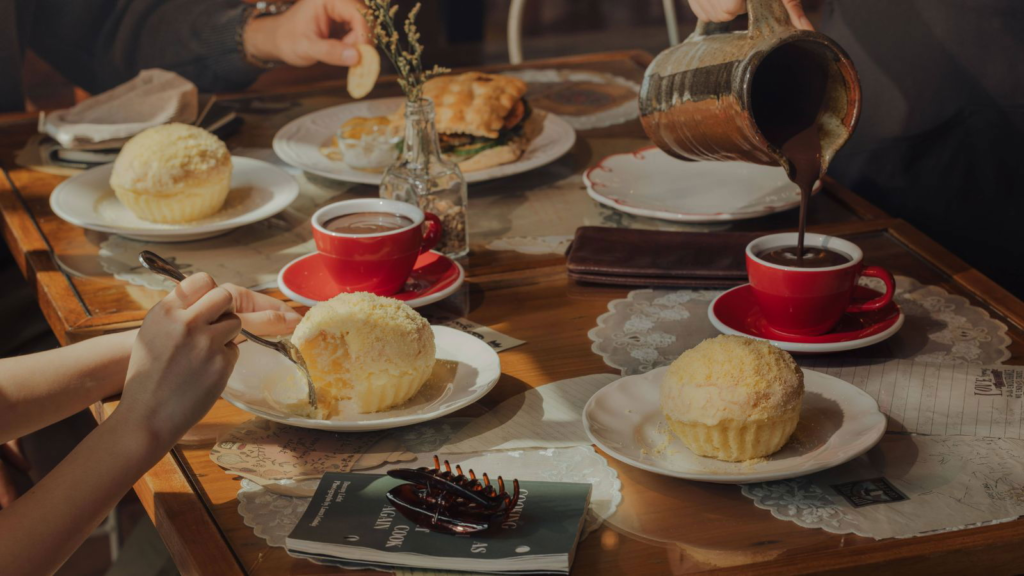
Mary Grace makes its first international move, bringing Filipino warmth to Singapore

Mary Grace Café, a popular Filipino bakery and café chain, is marking its thirtieth year with a milestone that redefines its growth narrative: its first international expansion, set for Singapore in the first half of 2026. Known for its trademark warmth, nostalgic ambiance, and signature Ensaymadas and Cheese Rolls, Mary Grace has built a powerful emotional connection with Filipino consumers. Founded around a humble kitchen table in the 1990s, the café has since grown to more than 140 cafés and kiosks across the Philippines, including 75 full-service locations. Its next chapter reflects not just geographic growth but a deliberate extension of identity – introducing “The Goodness of Home” to a global audience while retaining its deeply familiar values. Don’t miss: Quezon City’s Trellis sells out sisig for first time in 45 years after Netflix spotlight Founder, president, and CEO Mary Grace Dimacali framed the expansion as both a personal milestone and a strategic evolution. “It is with a humble heart that we confirm Mary Grace will be opening its first international store in Singapore. This is indeed an important milestone in our 30-year journey, and we are truly grateful for the opportunity to share a piece of home with more people,” she said. The Singapore café aims to serve as a “home away from home” for Filipinos abroad while introducing the brand’s soft, homely retail style to new consumers. The brand’s expansion strategy leans heavily into authenticity – preserving the emotional cues, visual warmth, and signature flavours that anchor its identity. Dimacali highlighted how unexpected this chapter once felt. “When I first started baking in my kitchen all those years ago, I never imagined that Mary Grace would travel beyond the Philippines. Bringing Mary Grace to Singapore feels like a chance to share something deeply personal and heartfelt with new friends,” she said. “My hope is that people there will find a familiar warmth, comfort, and a sense of connection in every bite.” Ahead of the official opening, a series of online pop-ups will run in November and December 2025 via marygracecafe.sg, allowing Singapore-based consumers to sample its well-loved baked goods during the festive gifting season. It is a soft-landing strategy that allows the brand to seed awareness, test demand, and build anticipation among both Filipino expatriates and local residents. Related articles:Michelin Guide debuts in the Philippines7-Eleven refines convenience with CAFé launchRenaissance Harbour View Hotel redefines buffet dining with new food studio source

Mary Grace makes its first international move, bringing Filipino warmth to Singapore Read More »

EU greenlights Omnicom-IPG US$13.5bn merger

The European Commission has given the green light for Omnicom’s proposed acquisition of Interpublic Group (IPG), ruling that the deal raises no competition concerns across the European Economic Area (EEA). Both Omnicom and IPG operate across advertising, marketing and communications globally, offering marketing communication services (MCS) and media buying services (MBS). MCS cover the creative work behind advertising campaigns, while MBS involve the purchasing of media space on behalf of clients. Following a Phase I investigation, the Commission found that the merged entity would hold moderate market positions across national MCS and MBS markets in the EEA. It added that Omnicom and IPG would continue to face strong competitive pressure from global agency groups including WPP, Dentsu, Publicis and Havas. Don’t miss: Omnicom to close US$13.5bn IPG deal by November According to the Commission, customers would be able to switch agencies easily should prices rise or quality drop, supported by competitive pitching, short contract durations and relatively low switching costs. It also noted that even if the combined group attempted to use its media buying scale to gain additional leverage with media owners, publishers and broadcasters would retain “sufficient countervailing power” due to high market concentration in several European countries. The Commission concluded that the transaction is unlikely to impede effective competition in any examined market and cleared the deal unconditionally. Omnicom, headquartered in the US, offers brand advertising, CRM, media planning and buying, PR and specialty communications services. IPG, also US-based, provides media planning and buying, data and engagement solutions, integrated advertising and creativity, PR and experiential services. The deal, valued at around US$13.3 billion, will form the world’s largest advertising holding company, overtaking Publicis Groupe and WPP. It is projected to generate more than US$20 billion in revenue for Omnicom. In a previous report by MARKETING-INTERACTIVE, John Wren, chairman and chief executive officer of Omnicom, had said that the deal was expected to close by late November, pending EU regulatory approval. He also described the merger as a move that will create “the world’s leading marketing and sales company.” “Together, we will emerge with the industry’s most talented team and a powerful platform designed to accelerate growth through strategic advantages in data, media, creativity, production, and technology,” Wren added. In July, the Australian Competition and Consumer Commission (ACCC) approved the deal, saying it was unlikely to substantially lessen competition in Australia’s media and marketing services market.  Related articles:DDB’s future uncertain as Omnicom finalises US$13.5b IPG merger IPG lays off another 800 employees, APAC revenue dipsACCC clears Omnicom’s acquisition of Interpublic in key milestone for global merger source

EU greenlights Omnicom-IPG US$13.5bn merger Read More »

Singtel amps up BLACKPINK mania with month-long fan playground

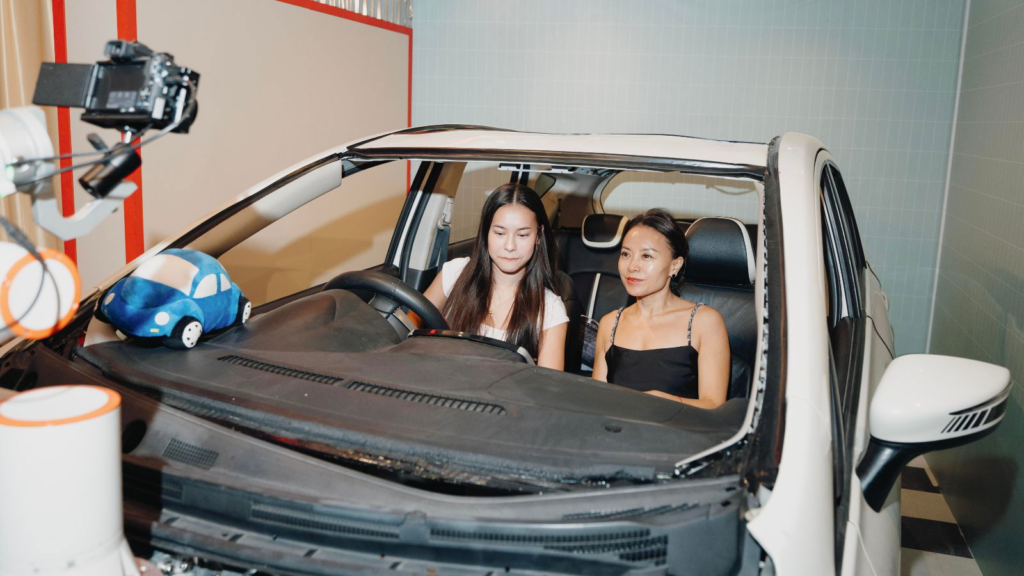
Singtel is turning concert week into a month-long celebration for fans, creators and tourists with “The concert pass”, a pop-up playground designed to extend the BLACKPINK experience beyond the stage. Running from 24 November to 24 December, the activation blends lifestyle, connectivity and culture in an immersive, content-friendly space that encourages fans to create and share memories. In conversation with MARKETING-INTERACTIVE, Shilpa Aggarwal, VP, mobile, customer solutions at Singtel Singapore, described the activation as “a space where fans can express themselves, create content, and celebrate community. Customers picking up a Singtel tourist SIM are guaranteed top-tier connectivity from the moment they land, allowing them to instantly share travel moments. On arrival, they’re greeted with exclusive fan freebies and immersive photobooths, creating memories even before the concert begins.” Don’t miss: Visa wants you to travel like Jennie, in latest ‘Road to Ruby’ campaign Singtel worked with Dollop and Butler Experiences to bring the activation to life. Aggarwal said, “Dollop created ultra-aesthetic photobooths, including a rotating camera in a car, while Butler managed on-ground operations. Together, we built a space fans actually want to spend time in.” The activation aligns with Singtel’s broader strategy to elevate fan engagement during major events. Aggarwal explained that concerts represent peak cultural moments, and with the company’s network already supporting high-demand shows such as Coldplay and the Singapore F1 Grand Prix, Singtel wanted to offer fans more than just connectivity. “The concert pass” aims to extend the concert experience beyond the venue, providing a 5G+-powered content playground while positioning Singtel as the go-to tourist SIM, even though the brand is not an official tour sponsor. Fans can enjoy DIY stations, collectables, and premium photostrips designed to generate shareable content and lasting memories. The activation is open to both tourists and local fans: Singtel Postpaid 5G+ Priority customers can redeem freebies at Kallang Leisure Park, while a SG$5, 48-hour priority pass via the MySingtel app offers priority access to others. Looking ahead, Aggarwal said Singtel plans to replicate this experiential approach for future concerts, festivals and cultural moments, focusing on enriching fan journeys and creating memorable experiences wherever the energy is highest. “Concerts are cultural moments when the city lights up, and we wanted our customers to feel that excitement from touchdown to encore. ‘The concert pass’ brings together our 5G+ speeds, creator-ready spaces and fan-first perks to elevate the entire journey — not just the show. It’s a demonstration of customer centricity in action, enriching the Singapore experience for tourists and deepening fandom culture for locals,” she added. The “Concert pass” is part of Singtel’s broader push to enhance experiences for visitors and fans. Earlier in June, the brand unveiled a 5G+ tourist SIM that flips the traditional prepaid checklist on its head. Instead of just buying a SIM on arrival, travellers can now unlock augmented reality (AR) experiences that turn sightseeing in Singapore into an interactive, gamified adventure. Once activated, the SIM grants access to an “AR passport”, a digital travel companion guiding users through ten must-visit spots, including Merlion Park, Sentosa and Mandai Zoo, with AR maps, trivia, games, and even rewards. Related articles: Singtel marches down National Day Parade memory lane in SG60 film   Singtel unveils patriotic brand film, rolls out enterprise-level 5G for consumers   Singtel banks on AI to tell Singaporean folktale in multiple languages source

Singtel amps up BLACKPINK mania with month-long fan playground Read More »

Kinderland International Education names its first-ever CMO

Kinderland International Education (KIE) has appointed Alvin Tham as its first chief marketing officer (CMO). In the newly created role, Tham will focus on elevating KIE’s suite of brands as the group moves into its next phase of growth. He will lead the full marketing and sales function across Kinderland Academy, Kinderland Classics, Kinderland Workplace, NurtureStars and ELFA. Tham aims to sharpen KIE’s brand architecture and strengthen differentiation across the portfolio, driving an integrated marketing and enrolment strategy spanning digital, content, social, PR and offline channels. He will also work closely with KIE’s operations, curriculum and corporate teams to align go-to-market performance in Singapore and the region. Don’t miss: Rent-a-CMO? Why APAC is (still) cautious about the fractional marketing model The CMO role was previously structured as a marketing director position, which had been left vacant, said Tham in conversation with MARKETING-INTERACTIVE. To him, the move signals that the group is ready for “bigger brand ambitions, deeper customer engagement and a marketing engine that’s built for the future”. Tham will also serve as CMO at Crestar Education Group, overseeing brand management, marketing and communications for KIE and its wider portfolio. Commenting on his appointment, Tham said he is “excited with the opportunity to shape a clear, future-ready brand architecture for a much-loved heritage brand that is a pioneer in the early childhood education sector in Singapore.” “It’s an exciting time to join Kinderland as the Group enters new markets and strengthens its position as a top-quality preschool brand in the region. There’s a lot of work ahead, but I’m energised by the potential of our brands and what we can achieve together as a team,” he said. Tham will report to Robert Leong, group chief operating officer for Crestar Education Group and chief executive officer for Kinderland International Education. He joins from Busy Bees Asia, where he was director of marketing communications and creative, Asia, managing regional marketing, communications and customer service teams across 15 brands in Malaysia, Singapore and Vietnam. Tham previously held roles as director of marketing at MindChamps and head of marketing at the National Library Board, among others. For Tham, the move marks a meaningful career milestone. “It’s a position I’ve worked towards for two decades, the north star guiding me to choose roles that stretched me, honed my craft, and helped me learn how businesses truly grow. At the same time, I know this is where the real work begins,” he said. “I’m excited to bring that experience into Kinderland International Education, a group with deep heritage and tremendous potential, and to help shape how our brands create impact for families across the region,” he added. The appointment comes amid wider senior marketing movements in the regional education sector. In Malaysia, Taylor’s Education Group’s group CMO, Ben Foo, recently stepped down after over nine years with the university group. Foo led the group’s commercial strategy and execution. He played a key role in pushing Taylor’s beyond Malaysia’s borders, strengthening its presence in China, Indonesia and India.  Foo has since joined Woodpeckers Group as its new chief executive officer. Related articles:    Cigna Healthcare Singapore names new CMO and head of customer experience Mastercard names Accenture veteran global CMO as Raja Rajamannar steps down Driscoll’s appoints ex-Zespri CMO to newly created global role  source

Kinderland International Education names its first-ever CMO Read More »

Stagwell sets up Singapore hub to house its APAC agencies

Stagwell is betting on Singapore as its springboard for AI-driven marketing innovation across Asia Pacific. The challenger network announced a new APAC headquarters at Solaris, a campus in one-north, slated to open in Q1 2026. The hub promises flexible layouts, tech-enabled collaboration zones, and community spaces designed for hybrid work, while uniting Stagwell’s Singapore agencies, including ADK, Allison, Assembly, Forsman & Bodenfors, HarrisX, Ink Global and Locaria under one roof. The setup aims to accelerate solution-building, enable real-time collaboration and enhance operational agility, giving teams the tools to deliver faster, smarter and more predictive marketing strategies. Don’t miss: Assembly and ADK Global merge to form Stagwell’s APAC powerhouse “Singapore is the engine of our growth in Asia. The new Stagwell Singapore campus brings creativity, media, communications, data, and AI together so we can move faster for clients,” Randy Duax, managing director, Stagwell APAC, said. “This is the new model. More connected, more inventive, and built for the momentum of local markets. Asia is where the future of this industry is being built, and Stagwell is building it.” Connie Chan, chief growth officer at Stagwell APAC said office reflects Stagwell’s commitment to building for the future. “It’s a space designed for collaboration, creativity and sustainability – so we can show up stronger for clients in Singapore and across APAC.” The move follows a year of momentum in APAC, including Stagwell’s acquisition of ADK GLOBAL, the Singapore launch of its “Future of news” initiative, and the introduction of Stagwell Media Platform, which centralises global media, technology and data expertise. Stagwell recently partnered with Palantir to develop an AI and data platform that provides marketers with a single source of targeting information, unlocking new opportunities for ROI. The Singapore hub is positioned as the network’s nerve center for creativity, data-driven strategy and AI-powered growth across the region. Bart Price, CEO of Vita Partners, owner and manager of Solaris added: “We are excited to welcome Stagwell to Solaris and have their APAC headquarters in our building. Stagwell’s presence in the building strengthens our vision of creating vibrant ecosystems for innovative and forward-thinking occupiers across the APAC region.” Related articles: Allison Worldwide, Stagwell nabs MSL APAC CEO to lead growth and innovation  Allison names new SG office GM amidst expansion of offerings  Stagwell nabs OMD China CEO as new APAC chief growth officer   source

Stagwell sets up Singapore hub to house its APAC agencies Read More »

Hyper-personalisation: Data powers it, empathy defines it

Hyper-personalisation has moved from an emerging tactic to the baseline of modern marketing. Today, we have behavioural signals, intent data, and predictive models at our fingertips. The long-standing industry mantra of “reaching the right person, with the right message, at the right time” has never been more achievable. However, the uncomfortable truth is that while this technology has advanced dramatically, the way we think and talk about how we use it has not kept pace. Marketers often default to seeing data as an all-knowing compass. Yet, data-driven personalisation is only as effective as the care and context applied to it. When empathy is absent, even the most sophisticated campaigns risk being perceived as cold, tone-deaf, or worse, intrusive. In those moments, trust is not earned. It is eroded. Data is not the problem – misinterpretation is Data is an essential tool. It helps us understand customer behavior, identify patterns, segment audiences, and scale delivery with precision but it also has blind spots. Data tells us what someone did. Sometimes it can even predict when they might do it again. But it cannot tell us why they did it, or what has changed in their circumstances since. It does not capture nuance, lived experience, or moments of vulnerability. Imagine someone is browsing financial products. The data suggests an interest in savings accounts or credit cards, so a hyper-personalised campaign kicks in with tailored offers. On paper, the intent is obvious, but what if that individual has just faced a job loss, or suffered a personal tragedy? What was intended as helpful nudging can quickly become painful or insensitive. The issue is not with the data itself, but it is with assuming that behavioral signals are complete truths. When we design solely around what we see in dashboards, we miss what is not visible. That gap is where misalignment and customer frustration happens. Empathy is a strategy, not a soft skill Empathy is often misunderstood in marketing. It is seen as an optional nice-to-have layered on top of hard data. However, in the age of automation, empathy is actually a strategic necessity. It is what turns personalisation into a relationship rather than a transaction. It ensures that campaigns do not just reach people but resonate with them. A human-centered approach to personalisation requires us to pause and ask uncomfortable but necessary questions. What might the customer be feeling in this moment? Could our message land differently from how we had intended it to be? Are we showing up with genuine value, or simply visibility? These are not questions that data alone can answer. They require reflection, context, and sometimes the courage to adapt or withhold a message. Far from inefficiency, that is what emotional intelligence looks like in marketing. Designing for real life, not ideal journeys No algorithm can fully anticipate the unpredictability of real life. People do not move neatly through funnels. Their intent evolves, and what resonates today may feel inappropriate tomorrow. This is especially critical in high-stakes categories like finance, healthcare, or wellness, where emotions run deep and timing is everything. In such spaces, precision without sensitivity risks doing more harm than good. The next evolution of personalisation must go beyond data accuracy and embrace human reality. That means building in mechanisms that reflect customer control and real-life complexity. That includes opt-out and reset mechanisms that let customers adjust or restart their journey; escalation paths where sensitive interactions get routed to human touchpoints, not left to automation; context-aware design where behavioral signals are enriched with situational awareness; as well as strategic restraint, recognising that silence at the right moment can be more powerful than over-communication. These are not inefficiencies but safeguards that protect the brand and what it stands for. They remind us that while data fuels campaigns, empathy protects relationships. Purpose first, personalisation second One of the most overlooked steps in hyper-personalisation is clarifying intent. Before automating touchpoints or optimising bids, we need to ask: If this message could only do one thing, what should that be? Without this clarity, campaigns risk becoming exercises in efficiency — chasing clicks, conversions, or incremental lifts — without considering the bigger picture of customer trust and brand equity. Purpose reframes personalisation. It shifts the goal from being the “most predictive” to being the “most relevant in context.” When the intent behind a message is clear, data becomes a tool for empathy, not just efficiency. It helps us not only understand what people might want, but also when, how, and even if they want to hear from us at all. The human advantage As marketers, we are conditioned to keep pushing for more: more predictive models, more real-time signals, more “always-on” campaigns, but perhaps the bigger opportunity lies in being more deliberate, being present without being overwhelming. This does not mean pulling back from technology. It means using it with intent. It means remembering that personalisation is not a showcase of how much we know about someone, it is a chance to demonstrate how much we understand them. The brands that will stand out in Asia’s increasingly competitive landscape are not the ones with the most advanced algorithms. They will be the ones with the clearest values. The ones that know when to speak and when to listen. The ones that are designed for real life, not just ideal journeys. This article was written by Terrence Quah, general manager, Merkle Singapore and dentsu X Singapore source

Hyper-personalisation: Data powers it, empathy defines it Read More »

Next wave of creativity: What's in store for 2026?

The creative industry is at a pivotal moment. As 2026 approaches, agencies and brands face unprecedented opportunities and challenges from rapid technological advances, shifting audience expectations, and the accelerating pace of culture. AI is no longer experimental, it’s embedded in how ideas are conceived, produced, and delivered. Brands must act not just as marketers, but as cultural contributors, creating work that resonates authentically across communities and platforms. Yet technology alone won’t drive creativity; human insight, cultural intuition, and storytelling remain what make campaigns memorable. Success lies in balancing the speed and scale AI enables with the originality, empathy, and nuance only humans can provide. To understand where the industry is headed, we spoke with Singapore’s leading creative thinkers. From AI-augmented workflows to culture-driven brand ecosystems, here’s how they see the focal points of creativity in 2026. Don’t miss: Future of PR: How SG agencies are rewriting the press playbook for 2026 Fiona Bartholomeusz, managing director, Formul8 The next wave of change in the creative industry will be driven by AI and intelligent automation. AI-augmented creativity is set to become more pervasive, reshaping how we work and sparking concerns about redundancies in certain roles. Yet, human accountability, authenticity, and insight remain irreplaceable, providing the depth and nuance in storytelling that AI cannot replicate. The key focus moving forward is integrating AI-enabled tools and processes without losing the human creative touch. Creativity has always been a people-and-passion business, and that must remain constant. While AI is a powerful enabler, the agencies and individuals who master its application will define the next evolution of advertising and the broader creative industry. Ultimately, success lies not in replacing humans with AI, but in leveraging technology to amplify human creativity, preserving the originality, emotion, and insight that form the backbone of meaningful and memorable campaigns. Munas van Boonstra, managing director, Monks SEA The next big wave for creativity in 2026 is the shift from AI-assisted to AI-accelerated creativity; where ideas scale instantly, production compresses from weeks to hours, and brands move at the speed of culture without losing craft or humanity. The real magic sits in the sweet spot between traditional creative thinking grounded in strong insights and strategy, and the power of agentic AI tools, adaptive content engines and real-time insight platforms that let us prototype, test and personalise at scale across Southeast Asia. This transformation succeeds when clients embrace experimentation. The journey includes wins, misses and rapid learnings, because AI today is the worst it will ever be – it’s evolving, not yet perfect, and requires hybrid human-AI models with the right talent, tools and time. In 2026, we’re investing where creativity compounds: people, technology and measurable impact. My priority remains constant: creativity that feels unmistakably human driven by empathy, culture and purpose, powered by AI and technology. Paul Soon, CEO, Mullen Lowe Singapore and China In 2026, the creative industry faces not a single disruption, but a cascading sequence of shifts that require orchestration over fragmentation. As marketers increasingly lean on creators and influencers to drive reach, the real opportunity lies in reclaiming brand influence—elevating it from tactical placement to a designed system of trust, experience, and cultural relevance. At MullenLowe Singapore, we’re actively shaping this narrative with a point of view we call “Radical transparency,” where brands must now consider how they appear in LLMs and browsers such as Comet, how they influence in synchrony with agentic commerce and live-stream ecosystems. Our focus is on scalable innovation: co-developing Adobe’s AI platforms such as Firefly and Harmonize, and deepening integration with Salesforce to build GenAI-powered, citizen-first brand experiences. Underpinning this is a renewed commitment to talent—retaining, rewarding, and inspiring people who want to do work that performs and resonates. We are investing ahead, acquiring differentiated tools and data sources to remain strategically valuable to our clients. Our north star remains unchanged: to build admired, effective work grounded in intelligence, creativity, and shared belief—where influence is earned, not assumed. Kunal Jeswani, CEO, Ogilvy ASEAN Marketing communication is always changing. The difference, however, is that the degree of change we would see in a decade, we are now seeing every couple of years. And that’s exciting. So here’s what I think we’ll see in 2026. One, greater client budget shifts to social, influencer marketing and large, client specific, built-to-purpose multi-brand content studios. Two, greater use of AI across the board through the full strategy and creative development process. This will lead to more average, templated, tick-all-the-boxes lower funnel work, which will in turn lead to more similar, easily forgettable content. Many clients will struggle with this. Three, strong strategists and creative leaders who consistently upskill, work with AI, and have the ability to lift and differentiate both the always-on content and critical brand campaigns with sticky, memorable ideas – will continue to be in demand for clients with enough experience to understand the value of differentiation & memorability in the expanding sea of sameness. WPP Open, our AI-powered operating system, is primed to be a transformational differentiator in the way we show up as an agency for our clients. WPP Open is an enabler of excellence. For us, the focus is on attracting and retaining the best strategists and the best creatives in the business – and equipping them with the strongest AI tool in the market to deliver the best work of our lives. Sean Donovan, president, Omnicom Advertising Group, Asia 2026 will see a continued focus on growth for our clients through: further investing in technology as a foundational platform; collaborating within the broader Omnicom family to organise around solutions to client problems; and, continuing to double down on breakthrough creativity as a key differentiator and driver of growth. And, as an organising principle, not letting the ‘Or’ bully the ‘And’. I hear way too many narrow positions shouting from their own marginal perspectives. So in 2026, let’s continue to remind ourselves that we have more access to data than ever, and, more ability to turn that data into intelligence than ever, and, more powerful

Next wave of creativity: What's in store for 2026? Read More »

ChatGPT launches group chats for collaborative AI conversations

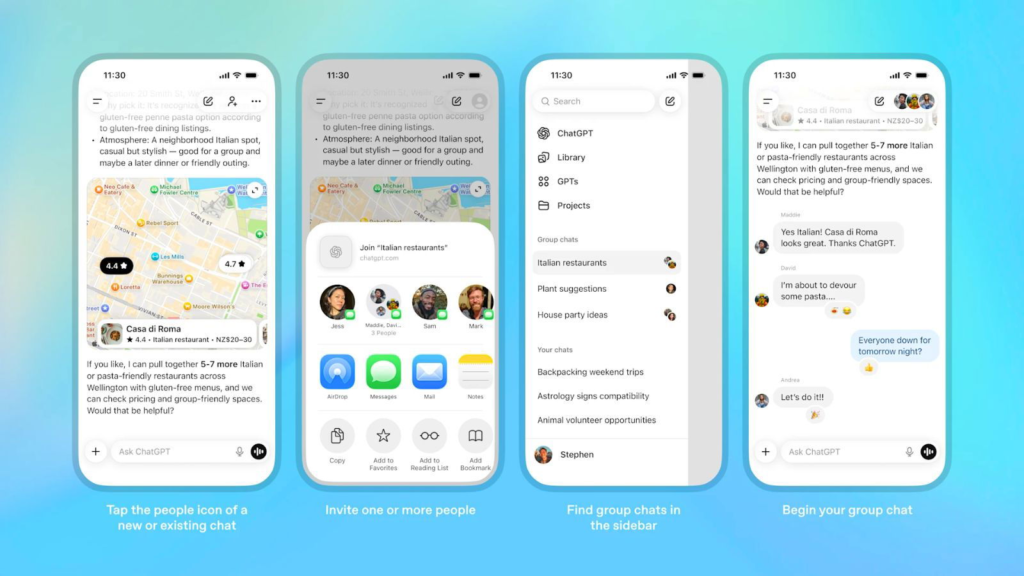
OpenAI is making ChatGPT a little more social. The company has begun rolling out group chats, letting users bring friends, family, or colleagues into the same conversation with the AI. The feature is now available to logged-in users on ChatGPT Free, Go, Plus and Pro plans in Japan, New Zealand, South Korea and Taiwan, with a wider global rollout expected after early feedback. Group chats allow users to plan events, make decisions, or work through ideas together with ChatGPT. For instance, friends can use the feature to plan a weekend trip, create a packing list, or decide on a restaurant. Teams and students can collaborate on research, draft outlines, or organise notes, all in a shared space where ChatGPT responds contextually to the group conversation. Don’t miss: OpenAI’s APAC comms head on leveraging ChatGPT as a strategic partner Users can start a group chat by tapping the people icon in any conversation, inviting up to 20 participants via a shared link. ChatGPT is designed to follow the flow of group discussions, react with emojis, and even use participants’ profile photos for personalised image prompts. Participants can also set custom instructions for how ChatGPT responds, from tone to context. OpenAI emphasised privacy and control. Group chats are separate from personal conversations, and ChatGPT does not use memory from these sessions. Users must accept invitations to join, can leave at any time, and group creators are the only ones protected from being removed. For under-18 users, exposure to sensitive content is automatically limited, with parental controls available to disable group chats entirely. “Group chats are just the beginning of ChatGPT becoming a shared space to collaborate and interact with others,” OpenAI said. The company plans to refine the experience as more users test the feature and provide feedback. The launch comes amid ongoing scrutiny over ChatGPT’s handling of user data. Earlier this month, OpenAI pushed back against a US court order requiring it to hand over 20 million anonymised ChatGPT conversations to The New York Times and other publishers as part of a copyright infringement lawsuit. OpenAI argued that producing the logs could expose confidential user information, noting that “99.99%” of transcripts were unrelated to the case. The company proposed privacy-preserving alternatives, but a judge had previously ruled in favour of disclosure, with safeguards for de-identification. OpenAI clarified that enterprise, education, business, and API customers are not affected by the order. This rollout is also part of OpenAI’s broader push to integrate ChatGPT across digital experiences. In September, the company took initial steps toward turning ChatGPT into a personal shopping assistant. The Instant Checkout feature lets users complete purchases directly in chat. US-based ChatGPT Plus, Pro and Free users can buy from Etsy sellers without leaving the conversation, with Shopify merchants including Glossier, SKIMS, Spanx and Vuori coming soon. This was followed by ChatGPT Atlas in October, a web browser built around the AI. Atlas allows ChatGPT to assist users directly on any webpage, leveraging memory from past chats to complete tasks without copying and pasting between tools. The browser aims to create a “super-assistant” experience, combining users’ work, tools, and context in one place. Related articles: OpenAI shows how ChatGPT fits into everyday life in first major campaign    Is the latest ‘Ghibli’ trend a leap for OpenAI’s facial recognition capability?        PayPal partners OpenAI to drive agentic commerce in ChatGPT source

ChatGPT launches group chats for collaborative AI conversations Read More »

How Coach is winning over Gen Z one experience at a time

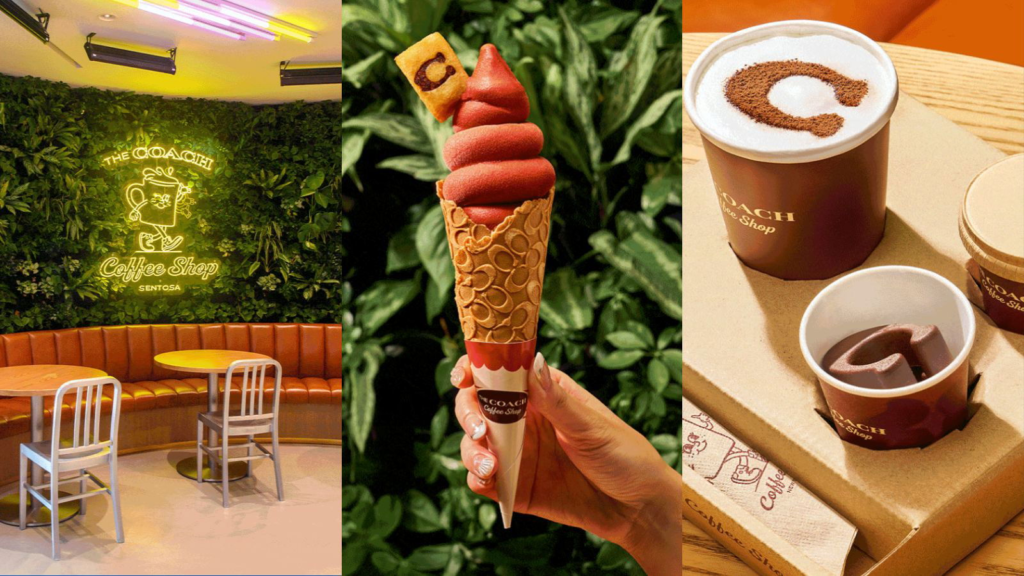
American luxury brand Coach is rethinking retail and hospitality to engage Gen Z, transforming traditional shopping into fully immersive, shareable experiences. From a retro-futuristic aircraft in Malaysia to cafés, bars, and a full-service restaurant in Singapore, Coach is building a lifestyle ecosystem where storytelling, interactivity, and design converge. It all began with “Coach Play Singapore Shophouse”, which opened in 2023 in the heart of Keong Saik. Spanning over 4,000 square feet across three storeys, it was Coach’s largest concept store in the world at the time and the first of its kind in Asia. With Instagram-worthy nooks, six themed rooms featuring immersive and interactive experiences, and an American diner-style café, the brand quickly became a hit among Coach fans. That same year, Coach took flight in Malaysia with “Coach Airways”, a retail concept inside a repurposed Boeing 747. The experience earned recognition such as the Malaysia Book of Records title for the “First retail concept store in an airline.” Don’t miss: How luxury pop-ups are redefining exclusivity Nostalgia and retro-futurism This year, Coach Airways returned with a complete redesign, blending nostalgia and innovation to captivate Gen Z. “This new Coach Airways experience takes on a retro-futuristic theme, blending nostalgic travel aesthetics with a bold, space-age twist. The refreshed concept introduces a vibrant new color palette, our Coach Airways print woven throughout the space, and our fierce mascot, Rexy, in unexpected moments,” said Giovanni Zaccariello, SVP, global visual experience at Coach in an interview with MARKETING-INTERACTIVE. “Compared to the 2023 version, this years’ experience feels bolder, more playful, and more visually dynamic, designed to spark curiosity and create a deeper emotional connection. It’s not just a revisit; it’s a reimagination that pushes the boundaries of retail storytelling even further,” Zaccariello explained. By combining nostalgia, interactivity, and storytelling, Coach transforms its retail spaces into experiences that are both emotionally resonant and truly unforgettable, and into destinations that younger, experience-driven consumers have never seen before and are eager to share. For Gen Z, such spaces offers experience-driven engagement, tapping into their desire for shareable, memorable moments that go beyond traditional retail. It also encourages creativity, connection and discovery, all of which are key drivers for a generation that values authenticity and immersion, said Zaccariello, adding that:  The retro-futuristic aesthetic feels both nostalgic and fresh, mirroring Gen Z’s unique ability to remix vintage influences with contemporary style. Expanding the Coach lifestyle Since then, Coach has expanded its experiential footprint in Singapore, opening “The Coach Coffee Shop” in August this year at WEAVE, Resorts World Sentosa. Located at the front of the Coach retail store, the café channels the spirit of New York City, blending fashion, culture, and community in an immersive setting. The space features a lush green façade, city skyline wallpaper, industrial fixtures, concrete walls, and decorative LED lighting. Fans will also spot Lil Miss Jo, the coffee cup mascot, on to-go cups, napkins, and exclusive merchandise including tote bags, baseball hats, T-shirts, mugs, canvas pouches, and water bottles. The all-day menu serves American classics as well as sweet offerings including American cruller-style donuts and signature soft-serve in nostalgic flavours, including a Singapore-exclusive chilli crab. Coffee and specialty drinks round out the experience, with seasonal creations such as strawberry matcha and popsicle-inspired orange cream. Meanwhile, the Keong Saik Road space has been transformed into “Coach Bar”, offering cocktails, martinis, and elevated takes on the brand’s signature sandwiches. Together, these experiences reinforce Coach’s goal to create “vibrant, unexpected, and emotionally engaging” activations for younger audiences. Most recently, the brand debuted its first full-service dining concept “The Coach Restaurant” at Jewel Changi Airport. Designed as a New York-inspired steakhouse with a Coach twist, the restaurant features leather accents, a suspended NYC taxi cab, a 10-seat chef’s counter, and an open woodfire kitchen. Signature menu items include USDA Prime cuts, Satsuma Wagyu A5, Dover Sole, and Instagram-worthy desserts such as a 20-layer chocolate cake and PB&J Baked Alaska. “These immersive partnerships complement each other by transporting customers into the world of Coach, where every detail is designed to engage the five senses,” said Zaccariello, adding that:  Whether it’s a retail experience or a restaurant collaboration, each activation deepens connection with younger audiences by making the brand feel vibrant, unexpected, and emotionally engaging—a world they want to explore and be part of. According to Zaccariello, Coach promotes these experiences through a mix of owned social media, influencers, media, and community activations. “With owned social media, our followers will see an ever-evolving content style and voice that resonates with younger audiences today,” he explained. The brand is also intentional when collaborating with its sphere of influencers and media, not only ensuring their existing demographics include Gen Z, but also that they share the brand’s values of creating authentic and expressive content for their community that resonates with Gen Z. Looking ahead, Coach will continue to create multi-sensory experiences that spark emotional connections and invite Gen Z into a world of discovery. Zaccariello concluded:  Our strategy focuses on building a strong Coach community by reimagining craft and heritage through fresh, innovative lenses—turning every touchpoint into a space for exploration, self-expression, and storytelling. With Coach Airways, coffee shops, bars, restaurant collaborations, and a full-service dining concept, the brand is building a lifestyle ecosystem tailored to Gen Z — one that blends fashion, food, and immersive experiences, keeping the next generation engaged, inspired, and coming back for more. Related articles:Coach wants you to set your own pace of life in new ‘On your own time’ positioning  How Raffles Hotel is banking on the butler to modernise luxury  Luxury goes pop: How music videos are the new catwalks for high fashion brands source

How Coach is winning over Gen Z one experience at a time Read More »