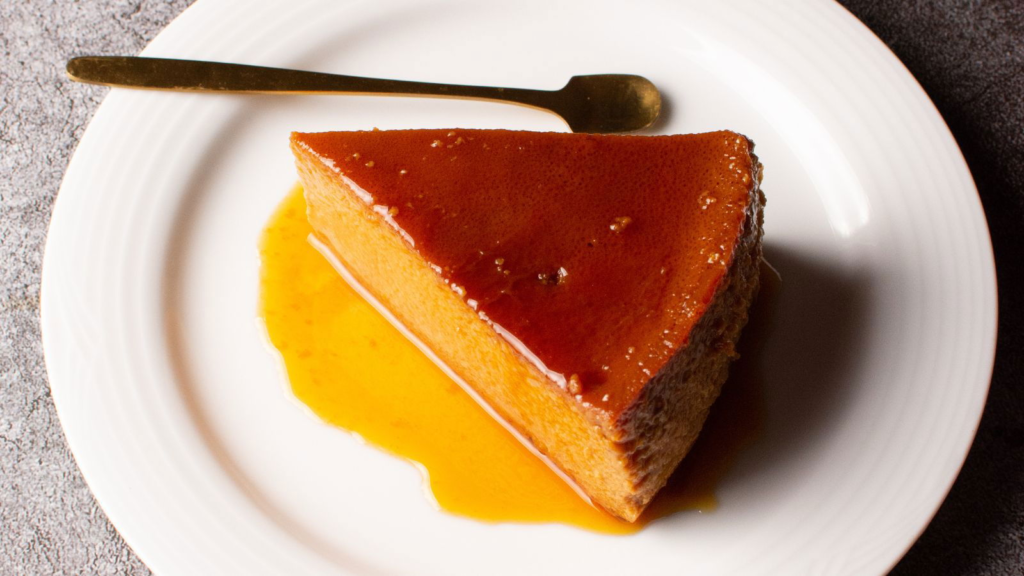
Ramadan bazaar vendor Ministry of Spud’s Venezuelan quesillo (a traditional flan) has become the centre of social media attention, drawing focus to the balance between food influencer culture and vendor reputation.
On the second weekend of Ramadan bazaar (21-22 February), Ministry of Spud’s founder Abdul Khalil Abdul Mohsen posted a TikTok video responding to a review posted by TikToker Gunbuttock with the caption “In this video, I share my heartfelt response to Gunbuttock, expressing my gratitude for the free advertising and support. It is vital to acknowledge the contributions and kindness from fellow creators. The love and appreciation I feel are genuine, and I want to convey this to Gunbuttock and everyone watching.”
While the caption of the post was meant to be uplifting and positive, the video began with Khalil mocking the influencer, saying, “Gunbutt sounds like a rejected autobot, but never mind.”
“You love me so much, you’re giving me free marketing. Bad marketing is still marketing, thank you so much for the free marketing,” he added.
Don’t miss: When reviews can make or break a business, can influencers be honest without causing harm?
In the same video response, Khalil claimed that people who should be reviewing his food, are people who have tried quesillo. He shared that a customer from Colombia visited his Ramadan bazaar stall and said that the quesillo tastes similar to the ones in his home country. Khalil added that feedback and criticism are two different things, stressing that he has accepted and responded to constructive feedback. Following which, he said:
Once again Gunbutt, your opinion is void because you have not tasted quesillo and you have not gone to Colombia.
Khalil ended the video saying that he has a personal video of the influencer, later claiming that he looks “so cute.”
Khalil had previously commented a photo of Gunbuttock and his friends at the bazaar, with the text “I know who you are”. The comment was on Gunbuttock’s initial video review.
In response, Gunbuttock posted a video with a screenshot of Khalil’s comment. The accompanying text on the video read “Left an honest review about pasar malam food. Instead of improving it, the owner decided to post pictures of my face saying, ‘I know who you are’, as if it bothers me.”
“If your food is solid, you don’t need intimidation tactics,” wrote Gunbuttock.
Social media analysis
The conversation peaked on 23 February with 2,473 social engagements, driven by comparisons between Ministry of Spud and competitor Mangobossku. A public exchange between the food influencer and the bazaar vendor over the quesillo review highlighted the growing influence of digital reviewers in shaping public opinion.
According to media intelligence firm Truescope, social media sentiment showed a mix of reactions, with critics arguing that feedback should serve as a roadmap for improvement rather than a personal attack. Some have also questioned the price of the quesillo, which was retailing for SG$10 per slice.
Others saw Ministry of Spud’s response as a calculated marketing tactic and praised Gunbuttock for providing an honest review. A smaller group warned that such reviews could damage the brand’s reputation and affect business operations.
Key themes that appeared in social media conversations include the broader trend of culinary diversification in Singapore’s Ramadan bazaars where vendors are expanding offerings beyond traditional Malay and Middle Eastern foods and are focused on engaging audiences seeking new experiences. In addition, social media platforms such as Instagram and TikTok played a central role in driving visibility and engagement, placing Ministry of Spud within the wider conversation about influencer-vendor interactions.
“The analysis of Ministry of Spud reveals a brand navigating a complex media landscape defined by public scrutiny. Two distinct narratives have emerged: the brand’s role within the ethics of food influencer culture and the critical importance of a measured response to feedback,” said Truescope.
“Engagement patterns suggest that audiences are drawn to issue-oriented discourse. Ultimately, Ministry of Spud has converted this attention into a visible market presence,” added Truescope.
Do influencers have an ethical responsibility?
Gunbuttock’s initial video review saw the influencer trying a slice of quesillo from vendors Mangobossku and Ministry of Spud, He compared which of the two quesillos was better. The influencer said that Mangobossku’s caramel flavour was “solid” but was slightly too sweet. He commented how the texture was noticeably dense when a quesillo should feel light and silky. He rated Mangobossku’s quesillo a 7.8 out of 10.
When reviewing Ministry of Spud’s quesillo, Gunbuttock said the dessert tasted similar to a “sweet, steamed egg than a proper caramel custard.” While he complimented the wobble of the dessert, the influencer said the egg taste dominated the dish and that the caramel lacked depth. He added that the overall experience was “confusing” and rated the dish a 2 out of 10.
In a previous conversation with MARKETING-INTERACTIVE, food influencers shared that reviews should be honest and have to be delivered constructively. This includes avoiding unnecessarily harsh language. Brandon Chai (@brandononc) noted that providing actionable feedback could help distinguish between critique and cruelty. Meanwhile, Sofia Arissa (@sofiaarissa.a) said she would share her experience with the business privately and directly.
Where the influencers largely opined differently is whether or not reviewers and creators have an ethical responsibility to local businesses. Chai, for example, said that an influencer’s primary duty is to their audience. This is especially since their recommendations impact where followers invest their time and hard-earned money.
On the other hand, TikToker @Pristyq who deems herself to be a “smaller influencer” and wants to be known as ‘Priscilla’, suggests that ethical responsibilities may only apply to influencers with bigger reach. “Micro-influencers don’t necessarily have an ethical responsibility to local businesses. In fact, we might focus more on our audience in order to grow it,” she explained.
“But as influencers become bigger, this responsibility to support local businesses may grow,” added Priscilla.
Related articles:
Credibility trumps clout in Singapore’s influencer landscape
Can Publicis’ HEPMIL acquisition unlock new opportunities for boutique influencer agencies?
Study: 62% of Singaporeans engage with sponsored influencer content