Cave discovery pushes back the moment we first used fire

There’s no doubt about it – burning stuff is what makes us human. Aside from the fact that fire makes food safer, tastier, and more digestible, burning a few sticks pushes back the darkness, keeps predators at bay, and keeps us toasty warm. That’s not even getting into its role in ecological management, or the technological benefits of using heat to harden materials and smelt ore. Just when our ancestors fanned their first flames is an ongoing question, with current evidence suggesting it had to be at least a million years ago. A discovery reported in the journal PLOS One pushes this timeline back even further, confirming hominins were probably playing with fire far earlier. By testing the luminescence of tiny bones in ancient owl pellets, an international team of researchers led by Dores Marin-Monfort, a paleontologist from the National Museum of Natural Sciences in Spain, has provided strong evidence that residents of South Africa’s Wonderwerk Cave may have been warming their toes in front of a raging fire some time between 1.07 and 1.78 million years ago. Wonderwerk Cave is already a renowned site among paleontologists, thanks to its extensive use by ancestral humans. For decades, researchers have sifted through almost 20 feet (about six meters) of material containing everything from pollen to stone artifacts to burned bones. It’s those charred remains – along with residual ash and heat-altered stone – that have previously set records for the world’s oldest signs of a campfire halfway through the Pleistocene. Of course, fire was a part of nature long before hominids thought it was cool. Evidence of burned material isn’t necessarily evidence that the burning is intentional. Just ask the guests of my last grill. Translocation of charred sediments can also mess up timelines, making it even more difficult to nail down when humans mastered the art of a good roast. That makes the heat-affected remains of fire pits and cooked animals gold standards for confirming signs of a tamed flame. When it comes to the oldest examples of fire use, however, hearths are extremely hard to find, implying that the first fires were opportunistic rather than deliberate constructions. While it’s possible to use a bone’s color to tell if it has been cooked, metal contaminants in the soil can cause similar changes in hue. A suite of spectrographic tests is commonly used instead, including Fourier Transform Infrared Spectroscopy. Yet these also have their limitations in capturing the extent of a bone’s charring. So Marin-Monfort and her team also applied a non-invasive method of measuring the luminescence of around 160 small mammalian bones found in owl pellets, which once littered the cave floor “like a carpet”. Their findings confirm that small fires were located deep within Wonderwork Cave hundreds of thousands of years before previously established records, in line with other contested studies that also suggest earlier dates. For cooking, warmth, or light, nobody can be sure. But the fires were unlikely to have been the result of a stray spark from a passing wildfire, the researchers write, leaving the strong possibility that these were deliberately placed by an ancestor such as Homo erectus. It would take hundreds of thousands more years before fire would become a commonly used tool among our own species. But our fascination with fire, it seems, has been flickering away in our mind since the very beginning. This research was published in PLOS One Source: Science Meida Centre Spain via Phys.org Fact-checked by Bronwyn Thompson source

Cave discovery pushes back the moment we first used fire Read More »

Modular astrophotography system promises fuss-free full-frame stargazing

ArcBlue is pitching a simpler astrophotography setup that minimizes installation and monitoring, while still aiming for serious deep-sky capability. The C42 was unveiled at the National Association of Broadcasters (NAB) show in April, and the system is planned to launch on Kickstarter soon. Astrophotography has traditionally been split into two extremes. On one side, you have powerful telescopic rigs that can capture detailed deep-sky images, but often involve heavy equipment, cables, alignment, and a ton of patience. On the other, you have beginner-friendly smart telescopes that make the process simple, but usually, at the cost of imaging power. The Sadr region, Butterfly Nebula, and Crescent Nebula, captured with the ArcBlue C42 over a 2.5-hour exposure using 350-mm opticsArcBlue The ArcBlue C42 sits somewhere in the middle. It offers a more capable night-sky imaging setup without the usual headache involved in building your own rig from scratch, combining faster setup, automated capture, live preview, and alerts. The C42 isn’t about making astrophotography completely effortless; it’s about removing the entry barrier that stops most people shooting on those elusive clear nights. The technical heart of the C42 is its camera. Rather than calling it a beginner-friendly all-in-one device, ArcBlue is pitching it as more of a professional full-frame imaging system, built around a 24-MP Sony IMX410 full-frame CMOS sensor. The specs include 5.94-μm pixels, over 80% quantum efficiency, under 1.5e read noise, and TEC cooling down to 30 °C below ambient. That larger sensor is the feature that sets the C42 apart from many other compact smart telescopes and APS-C-based systems, promising a wider field of view, cleaner low-light data, richer detail, and more room for post-processing. The C42 is designed as a modular astrophotography setup, with support for third-party lenses and telescope systems via adaptersArcBlue Flexibility is the other major difference from fixed-lens smart telescopes. Built around a native Sony E-mount, the C42 supports Canon EF, Nikon F, and telescope systems via standard adapters – meaning your final image quality can scale with the quality of glass you attach. This open optical ecosystem gives the C42 immense room to grow, supporting everything from a 14-mm ultra-wide nightscape lens to a massive 2,000-mm+ planetary setup on an advanced equatorial mount. For instance, on its website, ArcBlue shows configurations like a wide-field nightscape kit, deep-sky telephoto kit, deep-sky and planetary kit, ultra-light nightscape kit, and a DIY expansion kit for heavy-duty equatorial mounts and advanced telescopes. This is thanks to “a growing ecosystem of accessories, [lens] collaborations, and field essentials.” ArcBlue is also aiming to address some of the usual issues people face with long-exposure astrophotography: star trails, field rotation, tracking drift, and sensor noise. The C42 uses tri-axis harmonic tracking, high-precision servo motors, closed-loop correction, and sensor-level guiding through the main imaging sensor – with a claimed tracking accuracy of under 1 arcsec/min and exposures up to 10 minutes. The C42 camera unit plus lens and tracking tripod can be set up outdoors and monitored remotely on the detachable screenArcBlue Target acquisition, plate-solving alignment, and guiding calibration are handled entirely by on-board automation, shrinking a process that traditionally takes more than an hour down to a 10-to-20-minute window. A detachable magnetic touchscreen gives you localized remote control, while the software suite handles remote live previews, real-time stacking, bad-pixel removal, and automatic HDR processing, all directly on the device’s 2-TB internal storage. The Rosette Nebula, captured using the ArcBlue C42 at a 350-mm focal lengthArcBlue The ArcBlue C42 appears to represent a serious evolution in automated astrophotography. By combining an uncompromised full-frame sensor with an open optical mount, the system has the potential to appeal to seasoned astrophotographers who simply don’t want to deal with traditional setup headaches anymore, as well as beginners looking to step up their stargazing game. ArcBlue’s website has some sample images that show the C42 is capable of producing some truly stunning results. However, the real test will be real-world performance; with the Kickstarter campaign yet to launch, its success will likely hinge on its undisclosed price point. Source: ArcBlue source

Modular astrophotography system promises fuss-free full-frame stargazing Read More »

700,000-year-old poop tells rich story of a lost Ice Age world

One of the world’s oldest turds has been given the royal science treatment, with ancient Arctic ground squirrel droppings offering a smorgasbord of DNA from other animals and plants dating back up to 700,000 years. The well-preserved poop, recovered from ancient burrows in preserved permafrost in the Yukon, has allowed researchers from McMaster University, the Hakai Institute and the University of Alberta to get an extremely rare glimpse into the diverse world these ground squirrels inhabited, when animals like woolly mammoths still roamed the land. Squirrel Coprolite video From evolutionary biology to ecology, poop plays a big role in how we understand life. Whether it’s sifting through pungent seal feces to identify diet and feeding habits, to using turds to track elusive wildlife species, it’s a critical tool for gathering knowledge. However, given the nature of poop, its rare in the fossil form – known as coprolites – as they’re fragile, organic and are quickly broken down by microbes. So these squirrel nuggets, packed full of ancient environmental DNA (aeDNA), left by the mammals 30,000 to 700,000 years ago, are gold in the animal-science world. “The research shows us that ground squirrel coprolites, or droppings, preserve remarkably diverse genetic snapshots of ancient Beringia, making them exceptional repositories for understanding evolutionary and ecological change through the deep past,” says evolutionary geneticist Hendrik Poinar, one of the study’s senior authors, Director of the McMaster Ancient DNA Centre. “It helps reconstruct paleoenvironments in much deeper time, providing insights into environmental change, megafaunal evolution, dispersal and ultimately extinction,” he adds. The small, round pellets, about the size of an average-sized rabbit’s poop offered the scientists a window into a time long past; once the aeDNA was extracted and reassembled, more than 18 mitochondrial genomes were identified. Overall, the scientists detected an incredible range of plants, microbes, insects and animals, including megafauna like woolly mammoths, horses, American cheetahs and steppe bison. The team identified other rodents and predators, including gray wolves, and more than 200 groups of plants. One sample uncovered the extent of the Arctic ground squirrels’ lineage, with scientists estimating it had been preserved for 700,000 years and was from an ancient species no longer in the Yukon. Its closest relatives are now found in western Siberia. Present-day Arctic ground squirrels (Urocitellus parryii) are known to be opportunistic feeders with a diverse diet of plants and animals – and it seems their ancestors were very much the same. And, thanks to their hibernation habits, their ancient icy burrows kept their feces intact. “The Arctic ground squirrels that are in the Yukon today act kind of like pack rats,” says Tyler Murchie, a Hakai Institute paleogenomics researcher and lead author of the paper. “So they’ll go into the landscape, and they’ll collect a whole bunch of different bits of plant material and bones, seeds, and they’ll bring it back to their burrow.” The poop now opens the door to future discoveries, with the researchers believing that these unassuming droppings preserve aeDNA even better than bones. While some DNA may have come into contact with the droppings at a later point in time, these findings show that permafrost coprolites are nonetheless treasure troves of ancient life. And the past can also help inform the future. “We can look at genes under selection due to climate change in the past and that may help us think about how animals today may, or may not, adapt to our current warming climate,” says Poinar. The research was published in Nature Communications. Source: McMaster University source

700,000-year-old poop tells rich story of a lost Ice Age world Read More »

Lenovo Singapore taps Fandi Ahmad as World Cup fever builds

Lenovo Singapore has appointed local football icon Fandi Ahmad as its official brand ambassador, as the brand ramps up its FIFA World Cup 2026 campaign with fan experiences, creator-led activations and an AI-powered sports coaching pilot. The move marks Lenovo Singapore’s local rollout of its role as the official technology partner of the FIFA World Cup 2026, with the brand aiming to connect football, technology and youth culture through a series of on-ground and community-led initiatives. As part of the partnership, Fandi will front Lenovo Singapore’s upcoming marketing and community campaigns in the lead-up to the tournament. The collaboration is centred on the idea that technology can help people perform better, stay connected and pursue their ambitions. Don’t miss: Why the World Cup’s biggest screen may no longer be the only one that matters  Speaking on the partnership, Fandi said that Lenovo’s commitment to progress aligns with his own values and the spirit of football.  He added that Lenovo’s technology represents “positive evolution” by creating adaptable tools that connect people, while encouraging the next generation of football fans and players in Singapore to dream big, push their limits, and welcome both sports and technology into their journey. As Lenovo’s official brand ambassador, Fandi will officiate the launch of “Lenovo’s Re:Match” experience store alongside his son and Lenovo FIFA Creator Irfan Fandi.  The experience store forms part of “X _SCAPE: Sports Edition”, which is being held alongside Singapore’s Youth Month celebrations. Running until 31 July 2026, “Lenovo Re:Match” is positioned as a tech-and-football experiential activation that showcases how Lenovo’s devices, services and solutions are supporting the tournament, from fan engagement to operations intelligence. Fandi will also appear at The Kickback’s meet-and-greet at *SCAPE, where he will share insights from his sporting career in a moderated session focused on resilience, career pathways and experiences in football. The session will include an open-floor Q&A, followed by a ceremonial kick-off for The Kickback’s 3v3 Futsal final matches. In addition, Fandi will host “Breakfast with the legends” on 18 July, from 8.30am to 10.30am at Adventure Cove Waterpark, alongside former England footballer Michael Owen. Fans will be able to hear from both football personalities, take photos and get memorabilia signed. Beyond *SCAPE, Lenovo is rolling out immersive fan engagement activities across live screening hubs at CHIJMES and Capitol Singapore from 11 June to 20 July. At the CHIJMES mini lawn and Arcade @ The Capitol Kempinski, fans can participate in Lenovo’s AI photobooth, which transforms user photos into personalised digital footballer avatars. Participants can select their favourite team jersey and download their AI-generated avatar via QR code. Lenovo will also power live match screenings at both lifestyle destinations. CHIJMES’ main lawn will feature a 360-inch screen, while screenings at Arcade @ The Capitol Kempinski and the outdoor plaza will be available daily, with outdoor plaza screenings running from 9am to 10pm. To further drive engagement, Lenovo is sponsoring prizes for the “Spend & score” campaign across CHIJMES and Capitol Singapore. Visitors who spend a minimum of SG$40 at either location can upload their receipts via QR code to play an instant-reward digital football game. All participants will automatically qualify for a grand draw, with prizes including the Lenovo yoga slim 7i ultra FIFA World Cup 26 edition laptop. During the knockout stages, fans can also earn 10X bonus chances by correctly predicting the tournament champion. Lenovo is also extending its football and lifestyle presence to WEAVE, Resorts World Sentosa, where it is supporting the Hypebeast Cup Singapore as an official technology partner. The four-week experience runs from 22 June to 19 July and includes a three-week EA SPORTS FC tournament, prizes such as the PlayStation 5 Pro, and the debut of the exclusive Hypebeast Cup Singapore 2026 jersey. Furthermore, a key part of Lenovo Singapore’s campaign is its Lenovo AI Foundry x ITE collaboration, a year-long applied technology pilot with the Institute of Technical Education (ITE).  The pilot uses motion-capture sensors and AI prediction models to support the development of junior football coaches. It will draw on Fandi’s coaching experience and involve students from ITE College Central’s School of AI and School of Sports Science, who will contribute to the project as part of their industry attachment. According to Lenovo, the initiative is the first of several sports-sector collaborations it plans to pursue locally. The company said the project reflects its ambition to use its FIFA World Cup 2026 technology partnership as a platform for deeper engagement with Singapore’s sports development ecosystem. Nigel Lee, general manager at Lenovo Singapore, said Fandi’s appointment reflects the brand’s focus on resilience, growth and empowerment.  “Fandi Ahmad is an icon who has spent a lifetime inspiring generations of Singaporeans both on and off the pitch, and we are proud to welcome him as Lenovo Singapore’s official brand ambassador,” said Lee. He added that the partnership, alongside the *SCAPE activation and ITE pilot, reflects Lenovo’s commitment to supporting Singapore’s sports development ecosystem with the right tools and smarter technology to learn, connect and grow.  Lee also said the campaign brings Lenovo’s global FIFA partnership closer to local audiences: “As the excitement of the FIFA World Cup 2026 takes over the world, Lenovo Singapore is proud to anchor that global energy right here in Singapore through meaningful local connections.”  “Smarter AI for All truly comes to life when it intersects with human passion, and football is undeniably one of Singapore’s most beloved sports,” he added.  This local push builds on Lenovo’s wider football marketing strategy, following its recently announced global partnership with David Beckham as the technology company deepens its focus on football and AI-led innovation. As ambassador, Beckham fronts Lenovo’s FIFA World Cup 2026 global campaign and supports the brand’s work in showcasing sports-focused AI solutions, from performance analytics and real-time digital avatars to enterprise knowledge assistants for coaches, players and analysts. Photo courtesy of AUGUSTMAN Singapore, shot by Stefan Khoo.  Related articles:   David Beckham bends Lenovo’s AI capabilities to the max Scoring big: How HK brands can tap into World

Lenovo Singapore taps Fandi Ahmad as World Cup fever builds Read More »

Largest-ever osteoarthritis study finds single biological driver of the disease

Traditionally thought to be the result of a suite of issues, the world’s most common type of arthritis – osteoarthritis (OA) – actually has a single core driver. These findings, in the largest study of patients with knee OA, has the potential to make drug trials and treatment more targeted and effective. Researchers at the University of Oxford’s Kennedy Institute of Rheumatology (KIR), as part of the the international STEpUP OA (Synovial fluid To detect Endotypes by Unbiased Proteomics in OA) project, analyzed synovial fluid – the lubrication in the knee joint – from more than 1,300 patients with OA, with each sample containing more than 7,000 proteins. Comparing molecular patterns in these complex samples, the researchers were able to determine that OA has a single fingerprint, however, the biology has some variation due to known risk factors such as age, biological sex and body mass index (BMI). “This work provides a clear map of the molecular landscape of OA and offers a valuable resource for researchers and pharmaceutical companies,” says Dr Thomas Perry, KIR senior post doctoral molecular epidemiologist and first author of the study. “It will allow us to match patients to therapies much more precisely – a crucial step toward developing long-awaited treatments that slow or halt disease progression.” Obese patients, for example, had additional inflammatory signals, but the condition wasn’t caused by immune-cell-driven inflammation like what’s seen in cases of rheumatoid arthritis. The researchers say, based on their analysis, knee OA in people with obesity appears to be the result of mechanical stress. This could explain why some people with knee OA progress faster than others in treatment, and such examples could help scientists design better, more targeted clinical trials. As of now, OA has no approved disease-modifying therapies. “For decades, the field has debated whether OA is really a group of separate diseases, perhaps explaining why so many clinical trials have failed,” says Professor Tonia Vincent, lead investigator and Director of the Arthritis UK Centre for OA Pathogenesis at the KIR. “We revealed no evidence of distinct disease subtypes, instead, we’ve demonstrated that at the molecular level OA is a single disease with a common set of ‘core’ pathways, mostly related to tissue injury and repair.” The researchers were only able to make these new findings by using the comprehensive STEpUP OA dataset, which is freely available for scientists to use for study. Ultimately, the team found that OA is a single disease with clear biological pathways, rather than a blur of subtypes contributing to the chronic condition. And it underpins the importance of treating lifestyle influences that can exacerbate pain and discomfort. “Understanding the biology of osteoarthritis will help us develop better, more personalized treatments for people with osteoarthritis,” says Professor Lucy Donaldson, Director of Research at Arthritis UK. “People experience OA differently – we know for example that peri-menopausal women face higher risk, and that some people see their symptoms progress far more quickly than others. “Understanding the mechanisms of OA is a crucial step towards understanding why the condition varies so much between individuals,” she adds. The breakthrough work now means researchers have a clear, singular target for better tackling OA. “It means we can focus on therapies that address this core pathway and adapt them for people with different risk factors,” says Vincent. “This is a major step towards development of effective treatments.” The research was published in Nature Communications. Source: University of Oxford source

Largest-ever osteoarthritis study finds single biological driver of the disease Read More »

Safer, more lightweight sunscreen approved for the US – first

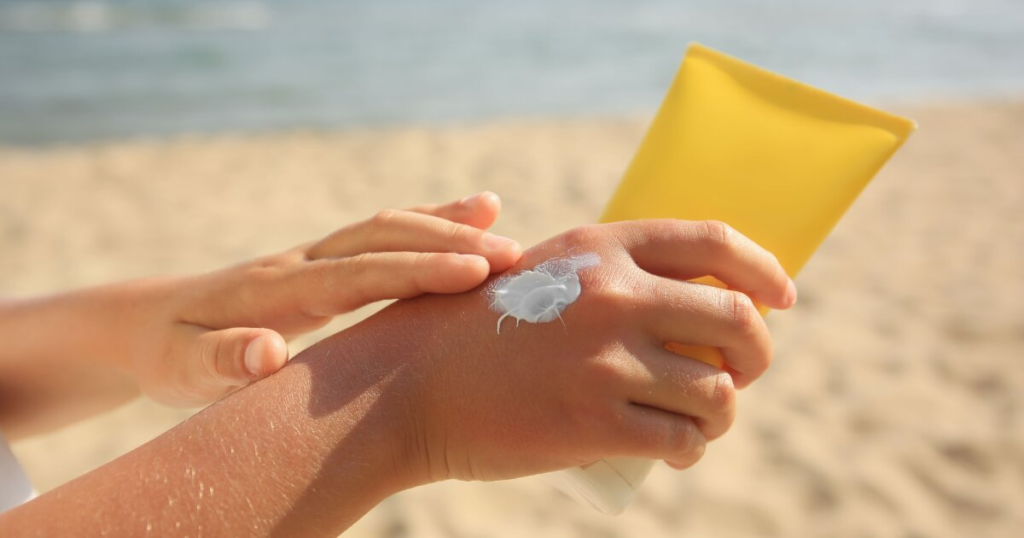
The US has broken a two-decade drought with the Food and Drug Administration (FDA) adding bemotrizinol to the list of approved active ingredients that can be used in sunscreen, paving the way for more effective protection from ultraviolet (UV) light. “Bemotrizinol has been used safely in Europe for decades, and FDA’s action will increase competition and consumer confidence in sunscreen productsm” said Department of Health and Human Services Secretary Robert F. Kennedy, Jr in a statement. Bemotrizinol shields the skin against both UVA and UVB rays, and has a low rate of absorption into the body. The FDA classes it as “generally recognized as safe and effective” (GRASE) in sunscreen products for both adults and children aged six months and older. The first products containing this new ingredient are expected to be available over the counter the end of 2026 under the PARSOL Shield name. Essentially, it’s an advanced sunscreen filter, which has been common in products found across Europe and Asia, which offers broad-spectrum UVA and UVB protection. It’s photostable and effective at concentrations up to 6%. And is considered extremely safe, with low traces found in plasma analysis. So it stays on, rather than soaks into, the skin. It’s now expected to pave the way for a new generation of sunscreens in the US, which have not advanced much since the 1990s. “This is exactly the kind of progress we can achieve when we modernize our processes and apply sound science to regulatory decisions,” said Mike Davis, M.D., Acting Director of the FDA Center for Drug Evaluation and Research (CDER). “The FDA is committed to ensuring the American consumer has access to the most effective and safe therapies, including over-the-counter products like sunscreens.” Introduced for review and approval back in December, it’s taken just seven months for bemotrizinol to get the green light. It’s passed through each stage and the FDA will now issue a final order, allowing it to be used in innovative new sun-protection products at up to 6% concentration. While existing US sunscreens offer strong protection, bemotrizinol delivers broad-spectrum coverage and is highly photostable. This means it doesn’t degrade in sunlight, making it more effective and long-lasting. It’s also ideal for people with sensitive skin, as it has a low risk of irritation. Ultimately, it is expected to lead to lighter creams and lotions that are less likely to leave a white sheen, especially compared to mineral-only products. And because of this, these lightweight sunscreens are more likely to be used properly and consistently by consumers. Skin cancer – which includes basal cell carcinoma (BCC) and squamous cell carcinoma (SCC) – is the most common cancer in the US, with an estimated 90% of non-melanoma cases the direct result of exposure to UV radiation. According to the US Skin Cancer Foundation, more people are diagnosed with skin cancer each year than all other cancers combined. Source: US Food and Drug Association source

Safer, more lightweight sunscreen approved for the US – first Read More »

銀聯支持機場快綫出入閘機升級 唯一兼容感應式及二維碼付費乘車

銀聯國際宣布,已經積極配合機場快綫出入閘機升級,開通感應式 (NFC)及二維碼(QRC)付費過閘服務,至此全面覆蓋港鐵重鐵網絡,同時進一步拓展銀聯電子支付應用場景。作為現時市場上唯一同時支援感應式及二維碼於港鐵重鐵網絡付費過閘的支付機構,銀聯持續為本地居民及訪港旅客帶來更便捷、靈活且順暢的便捷過閘體驗。由即日起逢星期 五、六、日,憑銀聯手機 Pay 或銀聯二維碼搭乘機場快綫,還可享每程 2 港元優惠。 唯一同時支援感應式及二維碼支付 除了港鐵重鐵網絡,在各大巴士公司及電車全線、部分小巴及渡輪線路等香港主要公共交通工具, 以及市面絕大部分的士,銀聯亦是市場上唯一同時支援感應式及二維碼支付的機構,為營運方及乘客提供更全面及靈活的選擇,有效滿足不同用戶的支付習慣。乘客毋須預先購票,即可直接乘車,大幅提升出行效率與便利性。現時乘客只需在機場快綫新款出入閘機的感應式卡讀卡器或二維碼掃描器一拍或一掃,即可輕鬆過閘,大幅提升本地乘客和訪港旅客的便利性。 銀聯支付方式包括: • 感應式支付:可使用具備感應式功能的銀聯信用卡,或透過手機/智能手錶綁定指定銀聯信用卡一拍過閘 • 二維碼支付:可使用雲閃付 App 港鐵乘車碼一掃過閘 強化旅客首站體驗 推動智慧出行 銀聯國際表示:「我們一直致力為持卡人提供高效、安全及多元化的支付服務。是次與機場快綫的合作,充分發揮銀聯同時支援感應式及二維碼支付的優勢,讓來自不同地區的旅客均可使用各自熟悉的方式搭乘機場快綫,顯著提升整體交通體驗與通行效率,同時推動公共交通邁向智慧出行 的發展。」 全新機場快綫出入閘機採用其標誌性的藍綠色設計,閘機上二維碼掃瞄器以紫色框標示,感應式 卡讀卡器則以淺藍色框標示。配合銀聯支付的廣泛應用,乘客可減少排隊及購票時間,令整體行 程更加高效流暢。 此外,為協助乘客適應全新的「一拍即過閘」模式,車站已加強現場指示及資訊展示,銀聯亦建 議乘客留意相關標示,以更快捷便利地體驗嶄新的乘車模式。 LinkedIn Email Facebook Twitter WhatsApp The post 銀聯支持機場快綫出入閘機升級 唯一兼容感應式及二維碼付費乘車 appeared first on VeriMedia. source

銀聯支持機場快綫出入閘機升級 唯一兼容感應式及二維碼付費乘車 Read More »

Herbal tea meets football: Can Wang Lao Ji and Erling Haaland 'beat the heat' worldwide?

The recent appointment of Norwegian football superstar Erling Haaland as global brand ambassador for WALOVI, the international sub-brand of Wang Lao Ji (王老吉), has generated significant global buzz. The 195-year-old Chinese herbal tea brand, traditionally famous for its “heat-reducing” properties, surprised netizens when Haaland appeared across Instagram, Facebook, and Weibo greeting fans in Mandarin. The football icon concluded the video clip with the brand’s classic slogan, “Afraid of excessive internal heat? Drink Wang Lao Ji.”(怕上火,喝王老吉。) In tandem with the announcement, Haaland and Wang Lao Ji released a 30-second video featuring an adaptation of the Manchester City fan anthem dedicated to the striker. The rewritten, branded lyrics encouraged consumers to drink WALOVI during the summer heat, at barbecues, or while watching football.  Don’t miss: FIFA’s image gets red card as World Cup controversy kicks off early  Data from media intelligence firm CARMA revealed that the announcement drove a 214.6% surge in brand mentions, peaking at 50 million on the day of launch. The video garnered over 8.91 million views within its first 24 hours. While domestic Chinese netizens largely embraced the campaign, some labelled the catchy lyric rewrite as “brainwashing.” On international platforms such as Instagram, users expressed surprise, with several admitting they initially mistook Haaland’s Mandarin speech for an AI-generated deepfake. Despite the shock value, Dennis Wu, general manager, CARMA, noted that sentiment remained over 90% positive, heavily driven by praise for Haaland’s linguistic efforts and trending keywords such as “excessive internal heat” (上火), “barbecue,”(燒烤) and “culture” (文化). From Chinese remedy to sports recovery  Industry players MARKETING-INTERACTIVE spoke to deem the partnership to be bold and disruptive. Sunny Yeung, managing director and co-founder, Butter Creative said that the “low risk of dilution” made the partnership a success. While Western consumers may not know herbal tea, Haaland’s endorsement sparks instant curiosity and credibility, breaking cultural barriers faster than traditional ads as the ultimate international bridge. He said: For the domestic market, the sheer ‘shock value’ of seeing a Western football titan such as Haaland speak Mandarin and recite a classic heritage slogan creates massive viral traction. Meanwhile, Rudi Leung, director and founder, Hungry Digital said the interesting part aspect of the campaign isn’t just that Haaland spoke Mandarin in the ad, but that he had to sell a very Chinese idea – “heaty” (上火) – a concept rooted in traditional Chinese medicine that is largely unfamiliar to Western consumers. According to Leung, Wang Lao Ji’s real challenge in going after the global market is translating a traditional Chinese wellness concept such as balance, recovery, refreshment and plant-based wellness, into universal terms that people everywhere can understand.  Echoing his sentiment is Phoebe Chan, regional creative director, BBDO Hong Kong who said that the campaign is a smart first step to pivot consumption occasions globally by translating Chinese wellness logic into universal sports logic. Instead of explaining “internal fire”, it reframes “cooling down” as athletic recovery, just as Haaland mentioned in the ad.  “Fire from hotpot isn’t something Western athletes would relate to, but the need to reset after pushing your body to extreme temperatures especially in the sun is,” said Chan. She added:  By positioning the drink as a botanical ice bath for elite performance, Wang Lao Ji transforms a traditional post-dinner remedy into a post-match reset tool. However, with wellness ideologies taking over both east and west, the concept of “internal heat” may be more familiar to Western consumers today than years prior. “The gap is smaller than people assume,” said Jacopo Pesavento, founder and CEO of Branding Records. This is largely because in recent times, Western sporting athletes have been moving in the direction of herbal and holistic remedies. For example, elite athletes now drink beetroot juice, cherry concentrate, and herbal blends. This would have sounded strange five years ago, said Pesavento. Haaland’s job is to make a recipe from 1828 feel relevant to performance. When one of the fittest athletes in world football drinks it, you stop asking whether it works. Fight the giants or start a new game? The campaign gives WALOVI a stronger foothold with global sports audiences, broadening its narrative from health and heritage to one fuelled by celebrity endorsement and viral momentum. According to Michael Ashton, chief operating officer of Capel Group, this comes as food and beverage brands increasingly look beyond taste and convenience, leaning into functional and health-driven benefits to stay relevant. However, Wang Lao Ji should not position itself against mainstream energy and sports drinks, cautioned Ashton. Instead, it should carve out a completely new “healthy, functional wellness” category, positioning itself as a drink for cooling and recovery with Chinese herbal roots. Industry players also noted that Wang Lao Ji’s opportunity lies in creating a new space: a modern herbal wellness drink rooted in Chinese cultural depth.  This could come in the form of positioning itself as a lifestyle beverage tied to the culture of sports enjoyment.  “By carving out a niche as a ‘healthy, natural refreshment for sports lifestyle,’ it can capture both the health-conscious consumer and the global football fanbase without trying to replicate Red Bull or Gatorade,” said Butter Creative’s Yeung. In addition, traditional energy drinks tend to rely on synthetic ingredients, neon-led packaging and high-energy branding built around hype and short-term energy spikes. Wang Lao Ji, however, has an opportunity to disrupt the category as a plant-based alternative, bypassing the crowded pre-game energy market and more aggressively owning the recovery space, said BBDO’s Chan.  “Now is the best time to weaponise its product heritage, as Western consumers become increasingly obsessed with Eastern botanical wellness,” she explained.  Branding Records’ Pesavento agrees, adding that WALOVI should position itself inside functional wellness, a space where kombucha and coconut water have already done years of consumer education, as well as own the natural, caffeine-free corner of it. Inventing a brand-new category from scratch is just as risky, as educating consumers from zero takes decades and significant money.  The strongest positioning usually isn’t invented in a boardroom. You dig it out of what the brand has genuinely been

Herbal tea meets football: Can Wang Lao Ji and Erling Haaland 'beat the heat' worldwide? Read More »

Soft robots get a tiny soft pump to move their bodies

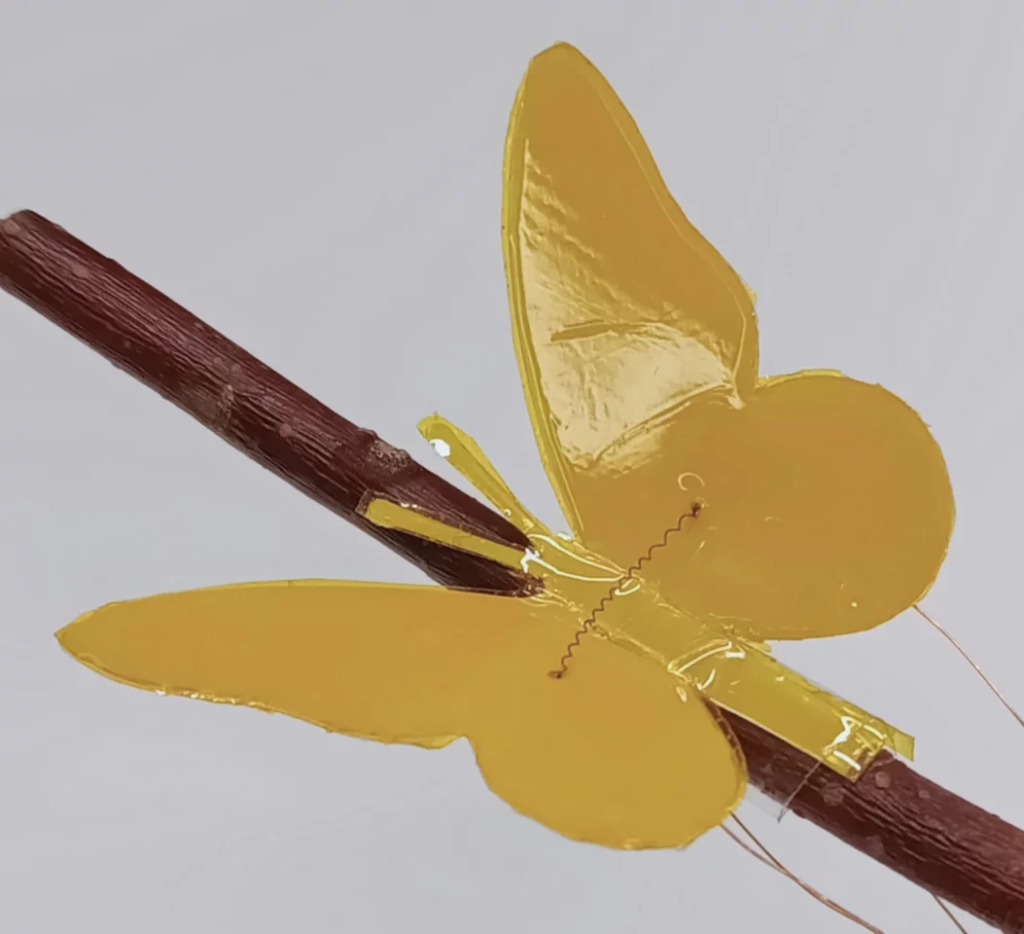
Soft robots have a “cardiovascular” problem. While their bodies can deform and bend, their hearts, the pumps that keep them moving, have remained bulky and rigid. Researchers at the University of Bristol have created a “soft” miniature pump that weighs about as much as a single dried pumpkin seed, but can generate enough hydraulic pressure to power soft robotic systems without bulky compressors or rigid mechanical pumps. One of the biggest challenges in soft robotics, the field of robotics that says robots can be flexible and/or squishy, is that while the robots themselves can be made from lightweight, flexible materials that stretch and deform like living organisms, the systems required to power and control them remain rigid and bulky. Although there have been recent developments in soft robotics that use heat, most soft robots rely on hydraulic and pneumatic systems to move fluid through their artificial muscles and actuators. These components are often much larger and heavier than the robots they control, forcing many designs to remain tethered to stationary equipment via tubes and cables. This severely limits portability and real-world usability, making it difficult to deploy soft robots in applications such as wearable assistive devices, medical implants, haptic feedback systems, search-and-rescue robots, and miniature inspection machines. Existing attempts to miniaturize these pumping systems often involve compromises, such as rigid mechanical components, high operating voltages, complex fabrication processes, or sacrifices in pumping performance. Roboticists have long sought a compact, energy-efficient pumping technology that can be fully integrated into soft robotic systems without undermining the flexibility and adaptability that make soft robotics attractive in the first place. This is exactly what the researchers have developed. Their technology, christened the Liquid Metal Magnetohydrodynamic Actuator (LIMA) pump, is a miniature soft pump designed to replace bulky compressors and rigid pumping systems that currently limit soft robotic technologies. At the astonishing size of a pea and weighing just 0.2 g, the pump serves as a compact, self-contained fluid power source capable of generating hydraulic pressure and fluid flow while operating at less than 0.1 volts. A closer look at the soft robotic butterflySaba Firouznia Unlike conventional pumps, which rely on mechanical components to physically push fluid through a system, the LIMA pump uses electromagnetic forces acting on a droplet of liquid metal to create motion. This feature eliminates many of the rigid moving parts that make traditional pumps difficult to integrate into flexible robotic systems. Here’s how it works. The pump operates on the principle of magnetohydrodynamics, the science of how magnetic fields interact with electrically conductive fluids. The device contains a tiny droplet of liquid metal suspended in a fluid-filled, soft channel. Directly beneath the channel sits a tiny neodymium magnet, which generates a magnetic field through the droplet. When a small electric current is passed through the liquid metal, the interaction between the current and the magnetic field generates a Lorentz force that causes the liquid metal droplet to oscillate within the channel, repeatedly displacing the surrounding fluid. This repeated displacement creates pressure differences within the channel, generating a pumping action that drives fluid through connected soft robotic systems. Because the conductive liquid itself is the moving element, there is no need for complex mechanical assemblies or rigid transmission systems. Basically, the liquid metal droplet simultaneously acts as the motor, piston, and actuator. The researchers exploited several unique properties of liquid metals to make their invention a real breakthrough. For starters, liquid metals possess extremely high electrical conductivity, allowing them to respond efficiently to very small electrical inputs. Traditional soft robotic actuators often require tens, hundreds, or even thousands of volts to generate useful movement. The low millivolt-to-sub-volt operating levels of the Bristol team’s pump further enhance its suitability for integration with compact batteries and wearable electronics. The “magic” here is that the liquid metal is so conductive that it can carry very high currents at extremely low voltages. Of course, the voltage levels will increase as the system is scaled up, but they will still remain relatively quite low for a robotic pumping system. Liquid metals also have high surface tension, which helps maintain the droplet’s integrity during operation; there’s no mixing with the surrounding fluid, nor can the droplet wear out. Lastly, their fluid nature allows them to deform and move freely within soft structures with minimal frictional losses. Beyond moving fluid, the researchers argue that the technology could perform several functions simultaneously within a soft robotic network. The flowing fluid can transport hydraulic power to actuators, carry chemical substances such as drugs or sensing agents, and potentially transmit information signals through fluidic pathways. This multifunctionality elevates the pump beyond a mere miniature compressor replacement. It has the potential to become an integrated platform for power delivery, control, and communication within soft robotic systems – basically a heart. “It’s a really exciting development, which overcomes the existing barriers of stiff bulkiness and offers something miniature, portable and more adaptable. These enhanced characteristics mean it could be deployed to better effect in existing uses like lab-on-a-chip devices for disease diagnosis and also with new ones, ranging from micro pumps for robotic clothing to tiny actuators environmental sampling. The sky really is the limit,” says Saba Firouznia, study lead author. To demonstrate the technology’s capabilities, the researchers integrated the LIMA pump into three different prototype systems. The first was a robotic butterfly whose lightweight wings flap via fluid-powered actuation generated entirely by the pump, demonstrating its ability to produce useful mechanical motion despite its tiny size and extremely low power requirements. The LIMA pump was also used in this color-changing braceletSaba Firouznia The second prototype was a wearable bracelet that changed color by circulating fluid through adaptive materials, illustrating how the technology could be used in smart clothing or responsive displays that alter their appearance on demand. The third was a haptic interface consisting of a soft fingertip pouch connected to an adjustable wristband. By controlling fluid flow within the system, the device can gently squeeze the wearer’s finger and wrist

Soft robots get a tiny soft pump to move their bodies Read More »

Kawasaki introduces its first all-new two-stroke motorcycle in 20 years

Kawasaki just did the unpredictable. Just when most of us thought the era of two strokes was over, the Japanese bikemaker has just released its first big two-stroker in more than two decades. That comes in the form of two bikes: the KX327 motocrosser and the cross-country-focused KX327X. Both bikes are built around a brand-new 327cc fuel-injected two-stroke single-cylinder engine. The two-stroke twins follow the likes of Husqvarna/KTM/GasGas’ 250 and 300cc motocrossers and Yamaha’s famed YZ250 in a segment that’s famously been revered for its simplicity and the ease and low cost of maintenance. And the Kawa siblings beat all of those other motorcycles in pricing. You’re looking at Kawasaki’s first fuel-injected two-strokeKawasaki Let’s start with the star of the show: the engine. The 327cc two-stroker is liquid-cooled, and fed directly by fuel injection, making it effectively Kawasaki’s first fuel-injected two-stroke. The company says the 39-mm injection system helps maintain consistent fueling regardless of the ambient temperature or altitude, which can otherwise lead to an inconsistent response on a carburetor. You’d still have to pre-mix lubrication, considering there’s no oil injection system. In some ways, it still keeps that old-school two-stroke feel alive, while others will argue Kawasaki could’ve made things simple for owners, but missed a beat instead. Moving on, the gearing is different based on the model. While the cross-country-focused KX327X is paired to a six-speed transmission, the standard KX327 gets a five-speed gearbox that’s better suited to track use. Kawasaki claims that the first gear is low by choice, to make it more usable for technical trails. The bikes also get a new exhaust valve system that improves throttle response and power delivery. The KX327 siblings are built around a brand-new 327cc two-stroke single-cylinder motorKawasaki The frame is based on an aluminum perimeter design that’s taken from the KX450F. It helps offer agile handling and a stable front-end feel. The KX327X is listed at 233.7 lb (106 kg). That’s not too bad, considering the likes of the KTM 300 EXC and Yamaha YZ250 weigh 230 lb (104 kg) [dry] and 227 lb (103 kg) [wet], respectively. Suspension comes from KYB, with a 48-mm Air-Oil Separate inverted fork that’s adjustable for compression and rebound damping, paired with Kawasaki’s Uni-Trak rear end that’s adjustable for compression, rebound, and preload. The KX327X comes with 21-inch front and 18-inch rear wheel, while the KX327 gets a 19-inch rear. Braking comes from Nissin calipers and master cylinders, with a 270-mm petal disc up front and a 240-mm petal disc at the rear. The handlebar comes with four positions you can choose between, with two footpeg positions also helping to tailor the riding position to your preference. At the rear, you get Kawasaki’s Uni-Trak that’s adjustable for compression, rebound, and preloadKawasaki Also on offer is a map switch on the handlebars that helps you choose between two ECU settings. You can also connect to the Rideology App via your smartphone, giving you access to the bike’s settings, ride logs, and maintenance reminders. No word yet on traction control or a quickshifter. Now the big thing: the price. The KX327 will start at US$9,099, with the KX327X coming in at $9,699. That’s a big, big win for Kawasaki, considering the likes of the KTM 300 XC are priced at $11,849. Even though the Yamaha YZ250X comes in cheaper at $8,199, it lacks electric start and fuel injection. The KX327 will be priced at $9,099, while the KX327X rides at $9,699Kawasaki A lot of seasoned riders will remember just how crucial learning the powerband of two-strokes was back in the day. Nowadays, things have changed. You don’t even need a clutch or gears, for that matter. But for those who yearned for one of the Japanese big four to take the two-stroke game seriously again, Kawasaki will surely have done them justice. But for those who advocate for an all-electric revolution, this will seem like a hard punch in the gut. Source: Kawasaki source

Kawasaki introduces its first all-new two-stroke motorcycle in 20 years Read More »