marketing interactive

Forrester: Wave of agency reviews, consolidation predicted for 2026

By 2026, agencies will evolve from client-focused partners into marketing purveyors reshaped by automation, consolidation and creator-led strategies due to mounting marketplace disruption. This shift, according to Forrester’s 2026 Marketing Agencies Predictions, is fueled by a decade of structural pressures, ranging from the shift to project-based work and increased marketing insourcing to procurement demands, industry consolidation and AI disruption – pushing agencies to explore new revenue streams and take on greater business risk. As a result, agencies will resign their agency in terms of their ability to exclusively represent clients’ needs as well as their autonomy to shape their destinies as individual operating companies. As agencies undergo a fundamental transformation, they will diversify their offerings and expand their roles, moving beyond traditional services to sell execution, managed services, proprietary products and strategic partnerships, according to the report. Restructuring and consolidation will drive reductions in headcount and limit agency autonomy. At the same time, shifts in media ownership, the acceleration of AI, ongoing M&A activity, and the growing influence of the creator economy are poised to redefine the agency model. No longer just executors of client strategy, agencies will increasingly emerge as comprehensive providers of end-to-end marketing solutions. In light of this, Forrester laid out its predictions on evolved marketing agency relationship in 2026.  Agencies prepare for change As we approach 2026, the industry is bracing for another wave of high-profile holding company deals, potentially including a blockbuster acquisition involving dentsu. Despite its newly announced partnership with Horizon Media, Forrester predicts that Havas may acquire parts of dentsu’s international operations. Another possible scenario is that WPP may restructure in preparation for a future sale to private equity or a consultancy giant such as Accenture. Either outcome would prompt marketers to reassess long-term agency relationships. The report hits that 85% of US-based B2C marketing executives plan to review their media agency contracts in 2026. For context, six major brands conducted media reviews in 2021, while 20 did so in 2023. For CMOs eyeing a 2026 agency review, the first step will be to evaluate which agency operating model best aligns with their strategic priorities and budget realities. Media under the microscope Reselling media inventory with a margin and guarantees will go mainstream in the new year. 81% of US B2C marketing executives plan to increase principal media investments to gain cost efficiency and value in 2026 and Forrester predicts that principal media will grow to nearly 33% of total agency billings. Omnicom’s acquisition of IPG expands its principal opportunities. Publicis Groupe’s bundling of media plus Epsilon (Conversant) isn’t slowing. WPP Media places AI at the heart of its media trading. However, trading as principal marks a departure from trading as agent. Critics cite lack of transparency and abdication of brand stewardship, but supporters maintain that discounts and guarantees with disclosure make principal media an option during volatile times. CMOs asking agencies to take on more risk in 2026 should expect different media-buying methods and must select providers that convert buying power into buying intelligence. Reduncancy on the horizon Lackluster profits and anemic guidance from dentsu, IPG, S4Capital and WPP led to headcount reductions of some 8% in 2025. In 2026, automation and AI will reduce headcount even further. Forrester initially forecasted that automation and genAI would eliminate 7.5% of US agency jobs by 2030. It now predicts that 15% of agency jobs will be eliminated in 2026 due to automation, redundancies and efficiency. Agencies will pull back from selling services and expedite selling solutions, another move away from “agency.” CMOs looking to maximise their agency resources should renegotiate contracts to reflect the solutions that agencies provide, not just the delivery time required. Private equity on the hunt Private equity is set to reshape the creative agency landscape. Forrester reports that nearly 80% of the top 80 digital media agencies have received private equity or venture capital investment. In 2026, PE firms will double down on data-driven creative shops to enhance their existing portfolios in digital media. “Private equity firms are drawn to companies with recurring revenue and predictable cash flow, characteristics that initially attracted investors such as Mountaingate Capital to performance marketing agencies such as Tinuiti,” Michael Seidler, founder and CEO of M&A advisory firm Madison Alley, said. Early signs of this trend are already visible. Truelink Capital’s acquisition of R/GA, followed by its purchase of Addition and AEA Investors’ acquisition of Huge and Hero Digital. More deals are expected in 2026, targeting growth for firms such as Brainlabs, MSQ and Wpromote. This influx of private equity–backed players represents an expanded field of options, but also a strategic decision point for CMOs. The challenge will be balancing the need for scale in media and content with the precision and agility demanded by modern marketing. Creator economy matures It will come as no surprise that they creator economy is maturing. With influencers increasingly acting as entrepreneurs and seeking greater control, higher compensation and long-term brand partnerships. As creator demands grow more sophisticated, the need for deeper integration with brand and creative strategy becomes essential. By 2026, the center of gravity for creator marketing within agencies will shift from media agencies of record to creative and social agencies. According to Quartermast Advisors, 52 deals involving creator and influencer companies closed in the first half of 2025. Notably, 27% of these deals involved influencer management firms and agencies – surpassing deals in influencer tech (26%) and media properties (19%). As creators take on larger roles in ideation and production, creative agencies will increasingly act as orchestrators—connecting brands with the right creators and tech platforms. To scale creator marketing effectively, CMOs should broaden the mix of creator types and distribution platforms, while establishing a clear strategy to align creators, campaigns, and agency partners under a unified brand vision. Take your brand to new heights with cutting-edge AI strategies, innovative technology, and data-powered experiences. Don’t miss Digital Marketing Asia 2025 in Hong Kong on 20-21 October, where 200+ marketing leaders will explore game-changing trends, proven successes, and bold ideas shaping the future.

Forrester: Wave of agency reviews, consolidation predicted for 2026 Read More »
Singapore Tourism Board on the search for PR agency

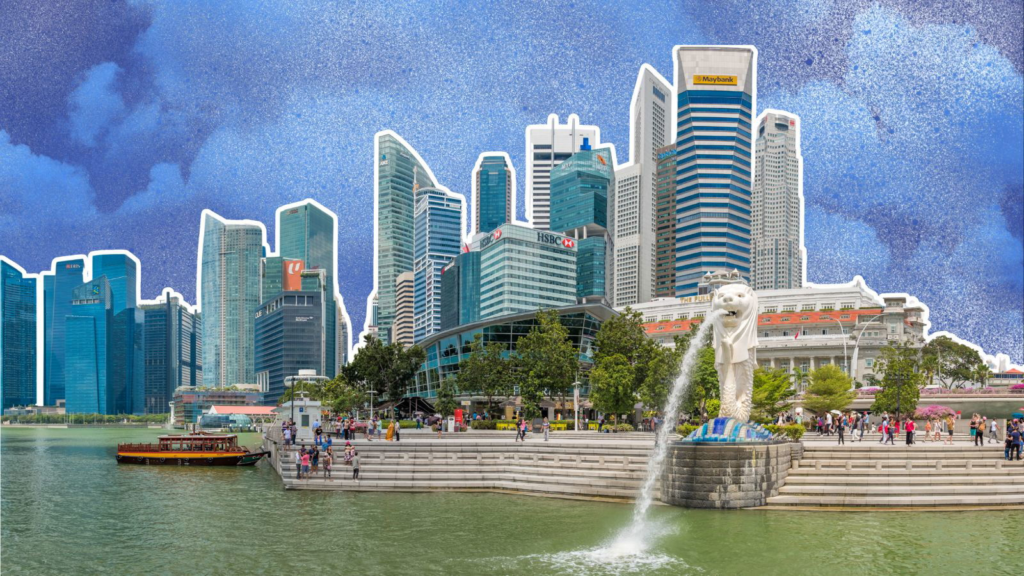
The Singapore Tourism Board (STB) is seeking a PR agency to support its communications and marketing efforts, covering both ongoing initiatives and high-profile campaigns. When MARKETING-INTERACTIVE reached out, an STB spokesperson said that the contract period will run from 1 February 2026 to 31 March 3031.  “We are looking for a collaborative partner who can support our Tourism 2040 roadmap by enhancing our storytelling capabilities, managing media relations, developing compelling narratives, increasing online visibility for better discovery, and measuring communications effectiveness to further elevate Singapore’s profile as a premier tourist destination,” added the spokesperson.  Don’t miss: STB seeks creative production team for digital content push  According to tender documents on GeBIZ seen by MARKETING-INTERACTIVE, the scope of work spans two levels of PR support. Core PR support will see the appointed agency assist STB’s communications division in Singapore to raise awareness and advocacy of the board’s work through media engagement. Meanwhile, project-specific support will involve driving earned media strategies for key marketing campaigns, such as Culinary Capital, Singapore Food Festival, Grand Prix Season Singapore, as well as MICE marketing communications. The appointed agency will also be expected to provide strategic counsel, including developing annual PR plans, advising on sensitive issues, crisis communications, and identifying new platforms and soft power initiatives. In addition, the agency will conduct media monitoring and competitor research to guide strategy. On the execution side, the agency will develop communication strategies for tourism sectors such as attractions, F&B, retail, arts, entertainment, hotels, and MICE, including content planning, third-party media partner management, and the creation of press materials, presentations, and story banks. MICE marketing support, advocacy strategy, and success metrics will also form part of the mandate. In tandem, STB is seeking support for media relations, events, pitching, influencer and KOL management, and digital engagement, as well as monitoring and reporting on campaign effectiveness. The chosen agency will also need to manage third-party contracts, collaborate with other appointed agencies, and provide account management including liaison and reporting functions. We. Communications is the incumbent agency. On the creative front, STB is on the lookout for an outsourced creative production team to handle its digital content needs, with an initial contract spanning February 2026 to February 2028 and an option to extend for another year. The board is inviting agencies to pitch teams capable of producing social, graphic, video, and digital assets for platforms including Instagram, TikTok, Facebook, LinkedIn, YouTube, Google, VisitSingapore.com, as well as print. The team will work closely with STB’s marketing activation unit. According to tender documents seen by MARKETING-INTERACTIVE earlier this month, the appointed contractor will act as the employer of the creative team, taking full responsibility for manpower management, recruitment, and compliance with employment laws. Related articles:   Singapore Tourism Board picks PR agency for UK and Europe push  Singapore Tourism Board names new PR and digital marketing agency for HKSTB taps Ebiquity to power up global agency strategy  source

Singapore Tourism Board on the search for PR agency Read More »

OREO and BABYMONSTER bring cookies to the dance floor in limited-edition collab

OREO has teamed up with K-pop sensation BABYMONSTER for a limited-edition launch that reinvents its iconic ‘Twist, Lick, Dunk’ ritual. The OREO x BABYMONSTER drop introduces the #TwistLickDance, a playful new way to enjoy the cookie with a custom track and choreography by the group. In a video, the members are first seen snacking on OREOs in their dressing room before the cookies “pull” them back on stage, where they perform the dance to a song that cues fans to twist, lick, and dunk. Don’t miss: From BLACKPINK to Pokémon: How OREO leverages partnerships in SEA for sweet success The launch marks the first time in Southeast Asia that OREO has co-created a cookie with a global artist. The limited-edition red sandwich cookies feature marshmallow-flavoured crème, inspired by BABYMONSTER’s bold identity, alongside custom cookie designs created by the band. Each OREO x BABYMONSTER multipack also comes with collectible photocards of the members, available across core flavours including Vanilla, Chocolate, Strawberry, and the special Red Sandwich Cookies. Fans can collect all seven to complete the set. To celebrate the launch, OREO is rolling out local activations across Singapore, including roadshows, contests, and interactive experiences. Participating locations include FairPrice Jurong Point, FairPrice VivoCity, FairPrice AMK Hub, Giant Tampines WRS, Giant IMM, and Cold Storage Suntec City. Activities include snapping fan cam photos with BABYMONSTER standees, leaving messages on a ‘wall of fans’, grooving to the new track and dance challenge, sampling limited-edition cookies, and winning prizes including a grand trip to Korea. “This collaboration puts us right on the pulse of culture. By bringing together the playful spirit of OREO and the global energy of BABYMONSTER, we’re creating a shared moment where music, movement and taste collide. With BABYMONSTER, we’re reimagining OREO’s iconic ritual into a #TwistLickDance revolution that resonates with a new generation of fans,” said Lucas Levy, Mondelez senior director of marketing, Southeast Asia.  This isn’t OREO’s first collaboration with a K-pop girl group. In 2022, it teamed up with South Korean mega girl group BLACKPINK for a landmark OREO x BLACKPINK collaboration. Fans of the cookie and BLACKPINK enjoyed bespoke products and a series of activities across Indonesia, the Philippines, Thailand, Malaysia, Singapore, Vietnam, and South Korea. The collaboration rolled out in waves across key markets, featuring two BLACKPINK-inspired limited-edition variants available at major retailers and eCommerce platforms. With its combined fanbase, the OREO x BLACKPINK launch quickly cemented its place in the brand’s collaboration hall of fame. This initiative was exclusive to Asian markets. Related articles:  OREO taps into younger audience with new campaign OREO’s playful audio experience invites fans to decode cookie combinations  Friend or foe? How OREO and Coca-Cola perfected the art of brand collaboration source

OREO and BABYMONSTER bring cookies to the dance floor in limited-edition collab Read More »

Pizza Hut quietly rolls out new logo

A logo isn’t just a design – it’s a brand’s signature, memory trigger and promise wrapped into one symbol. Starting August this year, Pizza Hut has quietly begun rolling out a refreshed logo across select markets including the UK, Canada and South Africa. The updated identity retains the unmistakable red roof but introduces a sleeker, italicised typeface that gives the lettering a forward lean. The design echoes Pizza Hut’s 2019 revamp in the US, which reintroduced the classic roof emblem to American diners. For markets that missed that first wave, this rollout creates greater cohesion across the global brand. Don’t miss: Pizza Hut SG stretches into pop culture with Fantastic Four-inspired pizza  The new slanted typography adds a sense of motion and energy while keeping the logo recognisable. Unlike its predecessor, which paired a red roof with black lettering, the refreshed version goes all-in on red. The sharper “Zs” in “Pizza” now slope down into “Hut,” creating a tighter, more dynamic look. MARKETING-INTERACTIVE understands that the new logo will be rolled out to other markets, including APAC, in due course. The new logo has since come into the spotlight following the brand’s new global campaign with nine-time GRAMMY award-winning artist Anderson .Paak. The global campaign celebrates its latest menu innovation – the Crafted Flatzz – and extend’s its “Adultzz Only” platform with .Paak stepping into his alter ego Dr. .Paak PHD (Pizza Hut Degree).  Dr. .Paak is later seen helping his other persona, DJ PeeWee overcome pizza-related dilemmas with the bold new offering.  The new logo comes as Pizza Hut’s parent company Yum Brands sees mixed first-quarter results. Shares of the company fell more than 1% in premarket trading and Pizza Hut’s same-store sales shrunk 2%, reported NBC in April this year.  The pizza company’s US same-store sales also slid 5%, while the metric was flat in international markets.  Closer to home, Pizza Hut is keeping momentum with a slate of bold local launches and cultural collaborations. In September, Pizza Hut Singapore transported consumers to Thailand with its green curry pizza and tom yum melts, while also unveiling its first-ever streetwear collection in partnership with homegrown street culture collective Tell Your Children. In Malaysia, the brand spotlighted its iconic red roof in a campaign titled “Ini rumah kita” to mark the nation’s 68th Independence Day. The initiative brought together 68 artists — from established creatives to students — to reimagine the concept of “home” through their own unique perspectives. Both markets also tapped into playful brand extensions with exclusive plushies: Malaysia rolled out designs inspired by garlic bread, pan pizza, spaghetti and mushroom soup, while Singapore leaned into its cheeseburger melts with the cheekily named “Sir Melts-a-Lot.”  Related articles:  Pizza Hut Malaysia taps into Pokémon nostalgia for new Sliders campaign   Pizza Hut Indonesia joins forces with biofuel startup to tackle used oil waste Pizza Hut HK highlights culinary innovation with manga-inspired campaign  source

Pizza Hut quietly rolls out new logo Read More »

R/GA to cease operations in Singapore

Global creative innovation company R/GA will be ceasing operations in Singapore, effective November 2025. According to the agency, the move reflects the company’s shift to concentrate on its Technology & Creative Production Hub, where client demand is highest.  In a statement to MARKETING-INTERACTIVE, Michael Titshall, CEO of APAC, R/GA said “At R/GA, reinvention has always been core to how we meet the needs of our clients and the market. As part of our renewed business strategy, we’ve carefully reviewed our Singapore operations and made the decision to pivot its role and refocus our efforts in Southeast Asia on our Technology & Creative Production Hub, where client demand is strongest.” “Since becoming independent, we’ve continued to grow globally, building our capabilities in AI products, technology, and design, and recently completing our first acquisition of AI system design and development studio Addition, with more to come.” added Titshall. MARKETING-INTERACTIVE understands that the team in Singapore was about 20 people strong and it worked with clients such as KFC. The Singapore office was led by Marianne Whitman as general manager and Krishnan Menon as managing director of SEA.  Don’t miss: R/GA appoints Ren Rigby as first global chief brand officer  Globally, the company has made moves to double down on artificial intelligence (AI) with the acquisition of Addition. It also hired Guill Rodas as its chief technology officer for APAC to work alongside Ben Miles, chief design officer APAC. Rodas was brought in to shape brand experiences for the intelligence era and unify R/GA’s technology practice across Southeast Asia, North Asia and Australia.  In March this year, R/GA also left the IPG family after 23 years. Led by CEO Robin Forbes and chair and global chief creative officer Tiffany Rolfe, R/GA partnered with private equity firm TrueLink Capital to buy back the business, positioning the agency for a new era focused on AI-driven innovation. As part of its independence, R/GA also announced a US$50 million Innovation Fund to invest in emerging technologies, acquire new capabilities, and expand its AI-led transformation services. Related articles:  R/GA strengthens Australian leadership with senior hires across tech, strategy and production R/GA hires Prue Jones and Ben Yabsley to lead creative transformation in Australia  R/GA breaks from IPG to go independent, launching $50M AI innovation fund  source

R/GA to cease operations in Singapore Read More »

Changi Airport Group seeks agency partner for digital-first retail and loyalty push

iShopChangi and Changi Rewards, the eCommerce and loyalty arms of Changi Airport Group (CAG), have launched a tender for creative and marketing services with a strong focus on digital executions. The appointed agency will be tasked with driving digital campaigns and projects to elevate the shopping and rewards experience for both travellers and local members. The scope may also extend to supporting other business units within CAG in the future. The two-year contract will commence on 1 May 2026, with an option to extend for another two years. Don’t miss: Singapore Tourism Board on the search for PR agency    CAG said the tender reflects iShopChangi’s ambition to engage travellers from fast-growing markets beyond Singapore, while Changi Rewards looks to re-connect with Singapore-based shoppers through fresh and rewarding experiences. Together, both platforms are sharpening their focus on delivering seamless, lifestyle-driven shopping. The airport group is seeking a creative and digitally savvy partner that can harness digital tools for innovative storytelling, tap automation and data to amplify impact, and add strategic value to iShopChangi’s e-commerce ambitions alongside Changi Rewards’ CRM and loyalty strategies. The agency should also innovate with AI and automation for scalable content production, enabling faster campaign cycles. The tender is open to both local and overseas agencies. A briefing will take place in early October, with options to attend in person or online. Agencies must submit their proposals by 31 October 2025. Shortlisted firms will be invited to present to CAG’s tender evaluation committee, before refining proposals based on feedback. “We are looking for agencies that can harness technology and automation to drive smarter and more effective eCommerce and customer engagement. The right partner will help us scale efficiently while staying agile in responding to our customers’ needs,” said Kelvin Ng, vice president of corporate and marketing communications at CAG.  This latest call for agencies comes as Singapore’s marketing and tourism players continue to sharpen their digital edge. The Singapore Tourism Board (STB) is also seeking an outsourced creative production team to handle its digital content needs, with an initial contract spanning February 2026 to February 2028 and an option to extend for another year. STB has invited agencies to pitch teams capable of producing social, graphic, video, and digital assets for platforms such as Instagram, TikTok, Facebook, LinkedIn, YouTube, Google, VisitSingapore.com, as well as print. The appointed contractor will act as the employer of the creative team, managing recruitment, compliance, and manpower under the board’s marketing activation unit. Related articles:  MOM picks new social media agency     Singapore Tourism Board names new PR and digital marketing agency for HK Esplanade appoints agency to revamp digital platforms source

Changi Airport Group seeks agency partner for digital-first retail and loyalty push Read More »

1664 taps Robert Pattinson as global ambassador ahead of cinematic 2026 campaign

French beer brand 1664 has tapped acclaimed actor Robert Pattinson as its new global brand ambassador, signalling a fresh creative chapter for the brand. The partnership centres on a 2026 global campaign exploring contrasting perspectives on “good taste”. Directed by Brady Corbet, whose latest feature The Brutalist earned critical acclaim and 10 Academy Award nominations, the campaign promises a cinematic take on 1664’s Parisian heritage and effortless sophistication. 1664 said the collaboration combines Pattinson’s distinctive style with the brand’s playful yet refined personality. The campaign aims to position the beer as a connector, inviting consumers to see “good taste” from new angles. Don’t miss: From fame to fit: What brands need for the perfect ambassador Pairing Pattinson with Corbet represents what 1664 describes as an “audacious creative leap”, blending sophistication with an unconventional edge. The brand said Pattinson’s involvement injects energy and a playful resolution, underlining the simple truth: 1664 is good taste. “We’re thrilled to unite Robert Pattinson and Brady Corbet, two icons of modern creativity, to create a campaign that dramatises the debate of good taste”, said Nikola Maravic, global marketing director, 1664. He added, “Together, their unique personalities and creative styles challenge convention, with 1664 being at the heart of the discussion. Our longstanding mission to elevate beer into a premium lifestyle experience is underway. This is only the first sip; stay tuned for more to come.” Maravic also stated that having Robert Pattinson as the face of 1664’s upcoming global campaign presents a unique opportunity to expand the brand into new cultural territory and engage audiences in fresh ways, describing the partnership as a clear statement of intent. The move follows a broader trend of premium alcohol brands pairing high-profile actors with cinematic campaigns. Vodka brand Grey Goose, for instance, recently unveiled its global “Grey Goose hôtel” campaign, fronted by Oscar-winning Zoe Saldaña and created by BBH USA. The campaign features short films highlighting the French art of living, including the hero spot Last-ish Call, which follows Saldaña as she extends the night past the hotel bar’s closing hours, illustrating the brand’s playful take on indulgence. Related articles: Kronenbourg 1664 brings fashion fizz to the streets in bold OOH takeover   1664 partners with urban fashion brand CLOT to drive Asian growth   1664 refreshes visual identity alongside global campaign   source

1664 taps Robert Pattinson as global ambassador ahead of cinematic 2026 campaign Read More »

Google updates its iconic “G” with brighter gradient design

Google has given its iconic four-color “G” a refreshed look, reflecting the company’s evolution in the AI era. The updated design features brighter hues and a four-color gradient, symbolising the surge of AI-driven innovation and creative energy across Google’s products and technology, the company said in a statement. The original “G” was introduced ten years ago to match Google’s then-new logo, reflecting how people interacted with Google across platforms, apps, and devices. Earlier this year, Google debuted a brighter, gradient version of the “G” specifically for Google Search. The company has now expanded this design to serve as the company-wide “G” icon, representing both the brand and the organisation as a whole. Don’t miss: HSBC introduces ‘HSBC Red’ and hand-drawn logo to celebrate 160 years The new update, announced on 29 September 2025. Google began rolling out the updated design to Gemini Spark in June and plans to extend the new “G” across more products, platforms, and services in the coming months. The refreshed “G” stays true to Google’s signature four colors while signalling a visual evolution aligned with the company’s AI-driven initiatives. In 2015, Google introduced a major update to its logo and visual identity to reflect how people were increasingly interacting with its products across multiple devices, from desktops and mobile phones to TVs, watches, and car dashboards. The redesign acknowledged that Google was no longer a single destination on a desktop browser but a brand present in everyday life across a variety of platforms and inputs. The previous logo update, announced in 2015. The new identity family aimed to make Google instantly recognisable while showing how the company was working for users in real time. Elements like the colorful Google mic signalled interaction through talking, typing, or tapping, and the familiar small blue “g” icon was replaced with a four-color “G” that matched the main logo. This approach ensured consistency and clarity across even the smallest screens. Google framed the redesign as part of its ongoing evolution, taking the brand’s core attributes: Simple, colorful, friendly, and recasting them for a seamless, multi-device world. The update rolled out gradually across Google’s services, including Search, Maps, Gmail, and Chrome, setting the stage for future visual updates. This year, a fair few brands have also decided to revamp their logos. This includes Bentley Motors, which unveiled a revamped ‘Winged B’ emblem, marking its most significant brand update in more than a century, as part of a broader design overhaul set to define its next chapter. The reimagined logo made its full debut alongside a futuristic concept car, coinciding with the opening of the marque’s new design studio at its headquarters in Crewe, England. Meanwhile, Singapore’s largest and longest-established life insurer, Great Eastern, marked its 117th anniversary with a refreshed corporate logo and a set of strategic growth priorities, signalling a new phase of transformation into a forward-looking, data-driven, and future-ready organisation. The modernised logo, which takes centre stage in the anniversary revamp, reinterprets the company’s iconic lion motif. Related articles: Sara Lee debuts new look and ‘Bring the Love’ brand platform Great Eastern refreshes logo as it marks 117 years Bentley sharpens its century-old ‘Winged B’ emblem in bold refresh source

Google updates its iconic “G” with brighter gradient design Read More »

Cathay Pacific prescribes the ultimate cure for burnout

Singapore has once again ranked among the most overworked cities in the world, with 62% of Singaporeans admitting they rarely use all their vacation days in a year, according to Expedia’s 2024 Global Vacation Deprivation report. To address the burnout, Cathay Pacific has teamed up with Leo Singapore to launch “Tripment”, a campaign fronted by Dr. Teck M.C, an AI character built using OpenAI GPT, Whisper and ElevenLabs’ custom voice tech. Billed as the world’s first “vacation deprivation specialist,” Dr. Teck M.C offers live teleconsultations to prescribe personalised “Tripments” for ailments such as “Monday-itis” and “Corporate jargon-xiety.” Applicants can book a real-time consultation via the campaign website, where they share their work woes and receive a customised “Vacation certificate.” Each certificate recommends a travel destination and includes an exclusive Cathay Pacific promo code. Don’t miss: Cathay Pacific serves up cinematic dining experience with Jimmy O. Yang Developed with Leo Singapore and PXP Studios Australia, the campaign runs across Meta and TikTok, supported by local KOLs. Cathay Pacific hopes the initiative will encourage Singaporeans to swap burnout for boarding passes. “Our goal is to inspire the vacation-deprived to embrace their annual leave and prioritise a healthier work-life balance. In our view, the cure begins the moment you board a Cathay Pacific flight, with one of the world’s largest inflight entertainment libraries and a menu inspired by the best of Hong Kong,” said Jonathan Ng, head of customer travel and lifestyle for Southeast Asia and Oceania at Cathay Pacific.  “We regularly see ads about prioritising our mental health. But traditional ads are about as effective as yelling ‘Relax!’ at a stressed person,” added Gayle Lim, creative director at Leo Singapore. “So we created Dr. Teck M.C to deliver a more playful reminder: stop feeling guilty and book that holiday.” This quirky push follows Cathay Pacific’s recent campaign with Hong Kong-American actor Jimmy O. Yang. The airline rolled out three short films that reimagine in-flight dining as a cinematic experience, with Yang taking on gut-wrenching, heart-pounding, and palate-pleasing roles to spotlight the Michelin-starred flavours available onboard. The campaign, developed with VaynerMedia APAC, aimed to serve up Cathay Pacific’s dining experience with a dash of humour and Hollywood flair. Related articles:  Cathay Pacific maps out Hong Kong one KM² at a time for SEA explorers Cathay Pacific and Mott32 bring authentic Chinese cuisine to travellers  Cathay Pacific apologises after flight returns to US due to smoke report  source

Cathay Pacific prescribes the ultimate cure for burnout Read More »

Meta to use AI chats to personalise ads and content across platforms

Meta is set to expand the way it delivers personalised experiences by tapping into people’s interactions with its generative AI features. Starting 16 December later this year, conversations with Meta AI (whether through text or voice) will help shape the content and ads users see across its platforms, including Facebook and Instagram. The company will begin notifying people of the update on 7 October, via in-app notifications and emails.Don’t miss: Meta brings ads to WhatsApp, opening new revenue streams in Updates tab According to Meta, more than one billion people already use Meta AI every month, and this move is aimed at making recommendations more relevant by recognising individual interests and behaviours. “Soon, interactions with AIs will be another signal we use to improve people’s experience,” the company said in a blog post. For example, if a person chats with Meta AI about hiking, the platform may recognise an interest in the activity and surface related content— such as hiking groups, posts from friends about trails, or ads for hiking gear. This approach mirrors how user activity such as likes, posts, or follows already influences feed recommendations. Meta emphasised that people remain in control of their experience through tools such as Ads Preferences and feed controls, which can be adjusted at any time. Users can also choose how they engage with AI, either through voice or text. Meta added that microphones will only be activated with user permission and when a feature specifically requires it. The company also clarified that sensitive topics, including religion, politics, sexual orientation, health, race, ethnicity, and trade union membership, will not be used to determine ad targeting. Interactions with Meta AI will only be used across accounts that are linked within Meta’s Accounts Center. For instance, if a user has not connected their WhatsApp account to Accounts Center, their activity on WhatsApp will not influence recommendations on other Meta apps. With this change, Meta hopes to create more tailored and engaging experiences for its users. The update will roll out in most regions starting December, with plans to expand globally in the near future. Earlier in June, Meta shared that it would double down on its generative AI ambitions for advertisers and agencies, introducing a new suite of features aimed at improving campaign performance and enhancing brand creativity. The latest updates come under its ‘Advantage+’ and ‘Business AI’ umbrellas, and are designed to streamline branding, boost video capabilities, and drive customer interactions across platforms including Facebook, Instagram, Messenger and WhatsApp. Related articles: Meta expands Instagram safety features for teens amid regulatory pressureMeta tackles scam ads with updates on brand rights protection Meta doubles down on creative automation in latest AI push source

Meta to use AI chats to personalise ads and content across platforms Read More »