marketing interactive

Google to roll out age assurance tech in SG to safeguard young users online

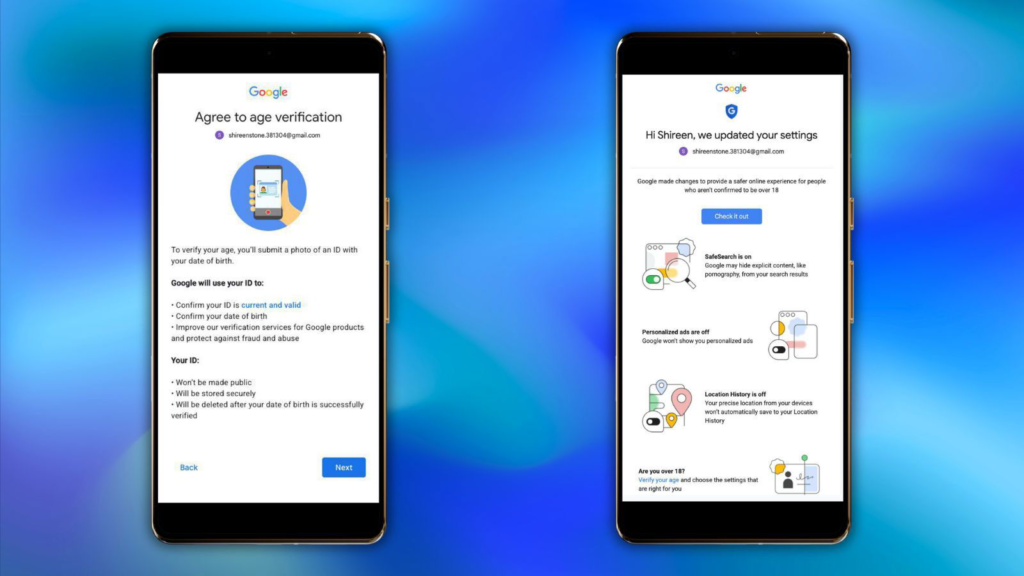
Google is stepping up efforts to strengthen online safety for young users in Singapore with the rollout of age assurance solutions across its products in the first quarter of 2026. The move was announced at its Safer with Google event today, which was attended by Rahayu Mahzam, Minister of State for Digital Development and Information. The new feature is designed to better distinguish between younger users and adults, ensuring that those under 18 receive more age-appropriate experiences. Don’t miss: Instagram brings AI age-detection to Australia, says Apple and Google must do more The rollout comes amid rising parental concerns about online risks such as exposure to inappropriate content. A recent survey by the Ministry of Digital Development and Information (MDDI) highlighted calls for greater support in helping parents manage their children’s digital activities. Google’s age assurance technology uses a machine learning model to estimate a user’s age based on signals associated with their account, such as search activity or video categories viewed on YouTube. Those identified as under 18 will automatically have safeguards applied, including SafeSearch filters enabled by default, restricted access to adult apps on Google Play, the disabling of Timeline in Google Maps, and wellbeing reminders and content limits on YouTube. Users flagged as younger than 18 will be notified of changes to their settings and offered the option to verify their age if incorrectly classified. Verification methods may include uploading a government-issued ID or a selfie. Google said the approach balances safety for young users while ensuring adults continue to access the services they need. The initiative builds on existing family safety tools such as Family Link, supervised experiences on YouTube, and the “Be internet awesome” programme, which helps parents guide children towards safer online practices. As part of its wider push to tackle online harms, Google is also rolling out the fourth edition of its YouTube Creators for Impact programme. This year’s cohort includes six local creators – Alderic, Avi Dixit, Jamie Lim Yin Yin, Lingyi from Wah!Banana, Mathilda Huang, and Ryan from Overkill Singapore – who will develop content addressing issues such as cyberbullying and harassment. The creators will undergo expert-led workshops before releasing content aimed at raising awareness and providing accessible resources for young people navigating online risks. “Keeping children and teens safe online is mission-critical. To further equip parents in this journey, we’re adding more proactive, built-in protections to complement the robust parental tools families already use. Our age assurance technology will estimate a user’s age and apply age-appropriate safeguards – from preventing access to adult-only apps to activating digital wellbeing tools,” said Ben King, managing director of Google Singapore. He added, “This isn’t just about giving parents more tools, it’s about our systems automatically providing an added layer of protection to ensure that every young person has age-appropriate experiences.”  In tandem, Rahayu said, “Our children are growing up in a world where technology shapes the way they see and experience their surroundings. To help them stay safe online, our society, including the government, educators, industry, community organisations and families, must work together. I am encouraged by Google’s commitment to introducing solutions, such as age assurance technology across its products, which will be useful in helping our children harness the benefits of technology confidently and safely.”  Google’s move comes as Singapore ramps up its own efforts to safeguard younger users online. Digital development and information minister Josephine Teo recently said on CNA’s “Deep dive” podcast that the government may soon require social media platforms to introduce age assurance systems, building on upcoming mandates for app stores to implement verification measures by March 2026. The ministry is studying whether similar requirements should apply to social platforms, following prime minister Lawrence Wong’s National Day rally address, where he flagged online harms as a growing concern. Teo compared the measures to age checks at cinemas, stressing that protections should extend beyond download restrictions to cover the type of content children encounter. Related articles:  IMDA: Social media platforms should do more to protect children from harmful contentAustralia to ban social media for children: How could this impact marketers?  MY govt looks to other countries to tackle social media usage by minors  source

Google to roll out age assurance tech in SG to safeguard young users online Read More »

Facebook and Instagram users in UK can soon pay to skip ads

Meta is giving UK users a new choice: pay to escape ads or continue using Facebook and Instagram for free with personalised advertising. The move follows recent guidance from the UK’s Information Commissioner’s Office (ICO) and months of engagement with the regulator. Over the coming weeks, UK users over 18 will be notified that they can subscribe to use the platforms without ads, with the notification initially dismissible to allow time for consideration. The new subscription for no ads service will cost £2.99 per month on the web or £3.99 on iOS and Android for a user’s first Meta account, reflecting the fees Apple and Google charge for in-app purchases. Additional accounts added to the Meta Accounts Center will incur a reduced fee of £2 per month on the web or £3 on iOS and Android. Don’t miss: Will smaller players get a competitive edge in Meta’s AI ad revolution? Meta said subscribing will stop personal data from being used for advertising, while those who stick to the free service will continue to see ads but retain control over their ad experience through tools such as Ad Preferences and explanations for why particular ads appear. Meta emphasised that it does not sell personal data to advertisers. Meta framed the change as a response to regulatory guidance, offering UK users a clear choice over how their data is used while maintaining the free, ad-supported internet model that underpins access to content and services. The company argued that subscription models are well-established across news, gaming, music and entertainment, and noted that its UK pricing would remain among the lowest in the market. Meta also contrasted the UK’s approach with that of the EU, suggesting European regulators are overreaching by imposing restrictions on ad personalisation, whereas the UK’s environment is more “pro-growth and pro-innovation”. According to Meta, its advertising technologies supported £65 billion in UK economic activity and more than 357,000 jobs in 2024. Meta reiterated its commitment to an ad-supported internet, highlighting the role of personalised advertising in helping people discover relevant products and services while enabling UK businesses to target the customers most likely to engage. The company cited data showing that every pound spent on its ads generates an average of £3.82 in revenue for British advertisers, and confirmed that personalised campaigns will continue to be available to those who choose to use the free service. Meta’s move comes amid a broader trend of social and video platforms experimenting with lower-cost ad-free options. YouTube, for instance, recently launched its ‘Premium Lite’ plan in Singapore, offering users a more affordable way to watch most videos without ads. Priced at SG$7.98 a month, the new tier is rolling out starting today, with full availability expected in the coming weeks. Unlike the full ‘Premium’ plan, ‘Premium Lite’ excludes offline downloads, background play, and ad-free access to YouTube Music, while ads will still appear on music videos, Shorts, and during browsing or search sessions. Related articles: Meta brings ads to WhatsApp, opening new revenue streams in Updates tab   Meta tackles scam ads with updates on brand rights protection   Meta doubles down on creative automation in latest AI push source

Facebook and Instagram users in UK can soon pay to skip ads Read More »

EA to go private in US$55b buyout, largest in gaming history

Electronic Arts (EA) has entered into a definitive agreement to be acquired by an investor consortium comprising Saudi Arabia’s Public Investment Fund (PIF), Silver Lake, and Affinity Partners in an all-cash deal worth an estimated US$55 billion. The deal, which EA described as the largest all-cash sponsor take-private investment in history, is expected to close in Q1 FY27, subject to regulatory and shareholder approvals. Once completed, EA will delist from public markets and remain headquartered in Redwood City, California, with Andrew Wilson continuing as CEO. The consortium will acquire 100% of EA, with PIF rolling over its existing 9.9% stake in the company. Under the agreement, EA stockholders will receive US$210 per share in cash, a 25% premium to EA’s unaffected share price of US$168.32 on 25 September 2025, and above its previous all-time high of US$179.01 in August this year. Don’t miss: Ferrero to acquire WK Kellogg for US$3bn According to EA, the consortium’s networks across gaming, entertainment, and sports are expected to create opportunities to “blend physical and digital experiences, enhance fan engagement, and drive growth on a global stage”. EA added that it will not hold its usual earnings call for Q2 FY26 on 28 October, and will release results via press release only. “Our creative and passionate teams at EA have delivered extraordinary experiences for hundreds of millions of fans, built some of the world’s most iconic IP, and created significant value for our business. This moment is a powerful recognition of their remarkable work,” said Andrew Wilson, chairman and CEO of Electronic Arts. He added, “Looking ahead, we will continue to push the boundaries of entertainment, sports, and technology, unlocking new opportunities. Together with our partners, we will create transformative experiences to inspire generations to come. I am more energised than ever about the future we are building.” In tandem, Luis A. Ubiñas, lead independent director of EA’s board of directors said, “The Board carefully evaluated this opportunity and concluded it delivers compelling value for stockholders and is in the best interests of all stakeholders. We are pleased that this transaction delivers immediate and certain cash value to our stockholders while strengthening EA’s ability to continue building the communities and experiences that define the future of entertainment.” Speaking on the acquisition, Jared Kushner, CEO of Affinity Partners said, “EA ​is ​an ​extraordinary ​company with a ​world-class ​management ​team and a bold vision ​for ​the ​future. ​I’ve admired their ​ability to create iconic, lasting experiences, ​and ​as ​someone ​who ​grew up playing their ​games ​- and now enjoys them with his ​kids – I couldn’t be ​more ​excited about ​what’s ​ahead.”  Turqi Alnowaiser, PIF’s deputy governor and head of international investments, said the fund sees itself as uniquely positioned within the global gaming and esports sectors, with a focus on building ecosystems that connect fans, developers, and IP creators. He noted that PIF’s commitment to these areas would support EA’s long-term growth and drive broader industry innovation worldwide. Silver Lake’s co-CEO and managing partner, Egon Durban, described EA as a leading player in interactive entertainment, anchored by its sports franchises and supported by strong financial performance. He highlighted Wilson’s leadership in driving revenue and market growth, and said Silver Lake intends to invest heavily to help EA expand globally, accelerate innovation, and continue delivering experiences to players across generations. In recent quarters, EA has reported mixed results across its portfolio. Its EA SPORTS FC franchise, The Sims, and US college football titles delivered strong growth in FY25, helping net bookings climb to about US$7.35 billion. However, underperformance from Global Football and Dragon Age led the company to revise down its guidance earlier this year. Q1 FY26 saw a rebound, with results beating expectations on the back of Apex Legends, EA SPORTS and catalog titles. At the same time, the company has been trimming costs, cutting jobs and shelving projects at studios such as Respawn Entertainment and Codemasters to concentrate resources on fewer, higher-impact releases. Related articles: Grab reportedly in talks to acquire GoTo in Q2 deal    Publicis Groupe to acquire identity and data solutions firm Lotame  TEAM LEWIS acquires Instinctif Partners source

EA to go private in US$55b buyout, largest in gaming history Read More »

Survey: 81% of Chinese travellers to HK plan to make premium purchases

Luxury shopping remains a primary driver for Golden Week travel, with 81% of travellers to Hong Kong and 82% to Singapore planning to make premium purchases, according to MDRi’s latest survey.  The survey, conducted by MDRi from 23 to 26 September 2025, aimed at uncovering Mainland Chinese tourists’ travel plans and behaviors during the 2025 Golden Week Holiday. The survey interviewed 1,000 affluent travellers from Mainland China who plan to travel during the Golden Week Holiday (to Mainland China, Hong Kong, or Singapore) and have liquid assets of RMB 500,000 or more. According to the survey, an overwhelming 98% of respondents enjoy travelling this Golden Week holiday, with Hong Kong (55%) and Singapore (24%) emerging as the most popular destinations, followed by Japan and Macau (both at 20%), and South Korea (9%). This strong demand signals significant opportunities for economic growth across the luxury, hospitality, service, tourism and retail sectors. The surveyed affluent Chinese travellers have planned notable budgets for their trips—averaging RMB 28,000 for Hong Kong and RMB 30,400 for Singapore. Of those who plan to travel to Hong Kong, Gen X projects the highest spending with RMB32,500, whereas Millennials’ spending budget leads in Singapore (RMB 36,400). In fact, Hong Kong continues to attract attention as a premier luxury shopping destination, with 40% of Chinese affluent travellers identifying it as their top choice for retail experiences. Notably, 16% of visitors to Hong Kong also plan to include Macau in their itinerary, with Gen Z showing the strongest appetite for this dual-destination experience. Singapore, meanwhile, has carved out a unique appeal through its high-quality accommodations and exceptional hospitality, attracting travellers eager for premium hotel stays and distinctive culinary adventures. Hong Kong’s Pacific Place, IFC, and Times Square are the most popular retail destinations, while The Shoppes at Marina Bay Sands, Mandarin Gallery, and Raffles City dominate in Singapore, said the survey.  Confidence is particularly strong in Hong Kong, with only 1% of respondents indicating they have yet to decide where to shop, compared to 10% in Singapore. This reflects a deeper familiarity with the luxury retail landscape. High-profile events such as Hong Kong’s annual fireworks and Singapore’s F1 festivities further enhance each city’s appeal. Among the different generational segments, Hong Kong is a compelling choice for Gen Z (59%) and Gen X (56%) travellers, while Singapore is very attractive among Millennials (26%). Hong Kong’s popularity among travellers from Tier 3 and lower-tier cities (63%) also highlights the expansion of luxury tourism beyond the traditional Tier 1 and Tier 2 elite travellers.  “This year’s Golden Week will see affluent Chinese travellers redefining the luxury travel map of Asia. Hong Kong remains unmatched in luxury retail, while Singapore has grown into a hub for premium experiences. Affluent Chinese travelers are not only spending, but shaping new standards of hospitality and events across the region,” added Simon Tye, CEO of MDRi. “Affluent Chinese Millennials travellers are choosing Singapore for vibrant culture and top-tier hospitality and this enhancing its position as a luxury destination in Southeast Asia,” he added. Take your brand to new heights with cutting-edge AI strategies, innovative technology, and data-powered experiences. Don’t miss Digital Marketing Asia 2025 in Hong Kong on 20-21 October, where 200+ marketing leaders will explore game-changing trends, proven successes, and bold ideas shaping the future. Related articles: HK expects 8.76m cross-border trips during National Day Golden WeekCitybus engages Chinese tourists during Golden Week with WeChat mini programme source

Survey: 81% of Chinese travellers to HK plan to make premium purchases Read More »

Gen Z perspectives: Shopping on ChatGPT, F1 fever and Instagram’s thinnest videos

Happy Friday, MARKETING-INTERACTIVE readers and welcome back to Gen Z Perspectives, your go-to feature where we unpack the week’s top stories and trending topics through the eyes of Gen Z. From the biggest industry moves to viral moments and marketing controversies worth dissecting, we’re bringing the heat with authenticity, awareness and probably a few unfiltered takes. This week, OpenAI flexed with its first big brand campaign and a new ChatGPT shopping assistant. Meanwhile, brands in Singapore revved up for F1 fever with a wave of activations, and we unpacked Instagram’s latest “skinny reels” trend with APRW’s Natalie Ng. Don’t hit the brakes, the action’s just getting started. Don’t miss: Gen Z perspectives: AirAsia’s new font, CHAGEE x POPMART collab and DMA SG 1. OpenAI shows how ChatGPT fits into everyday life in first major campaign OpenAI today unveiled ChatGPT’s first large-scale brand campaign, designed to highlight how people are using the AI tool in everyday ways to learn, create and grow. At the core of the campaign is the message: “ChatGPT opens up everyday possibilities – helping everyone learn, create, and grow.” Inspired by real user experiences, the campaign launches in the US and UK across outdoor, primetime TV, streaming, and social channels, kicking off on 28 September with a debut film during NFL Primetime. Read more here.  2. OpenAI turns ChatGPT into a personal shopping assistant OpenAI is taking the first steps toward turning ChatGPT into a personal shopping assistant, allowing users to complete purchases directly in chat. The feature, called ‘Instant Checkout’, is powered by the newly launched Agentic Commerce Protocol, co-developed with Stripe. Starting this week, ChatGPT Plus, Pro and Free users in the US can buy from Etsy sellers without leaving the chat, with Shopify merchants including Glossier, SKIMS, Spanx and Vuori coming soon. Read more here.  3. Brands lap the city with Formula 1 activations and driver meet ups The engines haven’t even roared yet, but Formula 1 (F1) fever has already taken Singapore by storm. Fans are revving up for a chance to meet their favourite drivers and dive into one-of-a-kind experiences ahead of the big race. This week, malls across the city turned into pit stops for F1 fanatics. With race day still on the horizon, the checkered flag isn’t the only thing fans can chase, there’s plenty more trackside action ahead. Fans can expect driver meet-and-greets, interactive pop-ups, and opportunities to show their love for speed in style. Read more here.  4. How Instagram’s skinny cinematic reels are stealing the scroll Thin is in this September. In recent weeks, Instagram is seeing a new visual obsession: the ‘thinnest video’ trend. Also known as the 5120 x 1080 cinematic wide video trend, it turns ordinary vertical reels into long, slim cinematic strips by cutting off the top and bottom of standard footage. While creators are using it to repurpose old content or simply elevate aesthetics, brands are also getting in on the action. So, what is it about the trend that brands are loving?  Read more here.  Related articles: Singapore Tourism Board on the search for PR agency    Etika’s Santharuban Sundaram resigns as CEO  OpenAI’s APAC comms head on leveraging ChatGPT as a strategic partner source

Gen Z perspectives: Shopping on ChatGPT, F1 fever and Instagram’s thinnest videos Read More »

Heineken uses satellite imagery to turn forgotten rooftops into vibrant hangouts

Heineken has launched “Rooftop revival”, a new campaign in Seoul that transforms unused urban rooftops into social hubs, tackling what the brewer calls the “proximity paradox” of city life — where people live close together but still feel isolated. The campaign, created by creative agency LePub, invited Seoulites to rediscover their city through a series of rooftop events revealed via satellite imagery, each marked by Heineken’s red star against the city’s green rooftops. More than 8,000 people applied to attend, with activations including a K-pop set from SEVENTEEN’s DINO, a design workshop with artist Cha Inchul, and an interactive tasting led by chef Cho SeoHyeoung. At the heart of each event was the red star Pyeong-sang, a modern reinterpretation of the traditional Korean communal platform, updated with built-in space for an icebox and Bluetooth speakers. Don’t miss: Heineken opens self-service bars for late-night football fans  The campaign was also documented by renowned aerial photographer Tom Hegen, with the imagery set to feature on DOOH screens across Seoul. The initiative comes amid new research commissioned by Heineken revealing that 57% of citydwellers across London, Seoul, Tokyo, New York, Paris and Sydney often feel lonely, with the figure rising to 47% among Gen Z and Millennials. In Seoul, 53% of respondents said the city is designed more for work and productivity than socialising, while 37% cited a lack of available social spaces. “Rooftop Revival is about reclaiming overlooked urban spaces to spark real connection,” said Bruno Bertelli, global CEO of LePub and CCO of LePub Worldwide. “In a city that’s growing denser and more isolated, we’re transforming unused rooftops into vibrant hubs of creativity and sociability.” Nabil Nasser, global head of Heineken, added: “We may not be able to redesign entire cities, but we can inspire people to rethink the spaces around them. By reviving overlooked rooftops into vibrant hubs, we’re creating places where people can connect, create and celebrate together.” Heineken said the project reflects its wider mission to break down barriers to social connection, with more initiatives planned across global cities. “Rooftop revival” follows the brewery’s “Trust bars” campaign, a series of 24/7 self-service bars designed to let Korean fans enjoy UEFA Champions League matches no matter the hour. Rolled out in the Hongdae district in April to coincide with the tournament’s semi-finals, the activation allowed customers to order, pay, and pour fresh pints of Heineken using fully automated self-payment terminals.  Developed in partnership with LeGarage, the innovation arm of creative agency LePub, the terminals are also built for scalability, opening doors for expansion into Japan and Singapore. The idea stems from a common frustration among Korean fans: Champions League matches typically air at 4am or 5am, when most bars are closed due to high labour costs. At the same time, Korea’s tech-forward and trust-based culture where self-service kiosks are the norm and people often leave belongings unattended makes it the ideal market to test an unstaffed, round-the-clock bar concept.   Related articles:  Heineken puts Thai fans at the heart of Champions League nights  Heineken Indonesia’s Jessica Setiawan takes on APAC regional role in Singapore  Heineken taps the senses with multisensory ‘Ahhh-fterwork’ campaign in Indonesia  source

Heineken uses satellite imagery to turn forgotten rooftops into vibrant hangouts Read More »

Samsung Ads and Publica extend partnership to power CTV ads

Samsung Ads has extended its multi-year global partnership with Publica by IAS, reinforcing their exclusive collaboration to enhance connected TV (CTV) ad experiences worldwide. The deal, announced today (1 October) in Sydney, sees Samsung Ads continue to leverage Publica’s CTV ad server and unified auction technology to drive yield, optimise ad revenue and deliver a more seamless, TV-like viewing experience. Don’t miss: How advertisers can deliver premium CTV ad experiences without overspending Through Publica, Samsung Ads gives advertisers access to premium CTV inventory on Samsung TV Plus – the company’s free ad-supported TV (FAST) service, which streams more than 700 channels in the U.S. and 3,500 globally. Samsung TV Plus has become the largest FAST platform worldwide, reaching over 88 million monthly active users on the world’s top-selling TV brand. “Publica’s platform has enabled Samsung Ads to grow and become the industry’s leading FAST service due to its ease of use, flexibility and enhanced functionality,” said Joe Melaragno, head of channel sales at Samsung Ads. “We have deepened our commitment to deliver even more high-quality content for audiences, and our partnership with Publica enables Samsung to maximise inventory value while driving outcomes for advertisers,” added Melaragno.  Publica’s technology suite provides Samsung Ads with advanced ad serving and pod decisioning capabilities, allowing advertisers granular control over placement, frequency and category exclusivity. Its unified auctions, built on the OpenRTB 2.6 framework, centralise demand sources to maximise revenue while optimising ad breaks. Meanwhile, intelligent pod construction ensures smoother, linear-style ad experiences with deduplication, competitive separation and greater brand suitability. “As a longstanding partner of Samsung Ads, we have been focused on empowering them with industry-leading technology specifically built to maximise revenue while delivering a high-quality seamless ad experience,” added Cameron Miille, CRO of Publica by IAS. “As Samsung Ads continues to grow its audience, our solutions will continue to ensure the curation of exceptional CTV ad breaks across their inventory,” added Miille.  Samsung Ads first tapped Publica in 2020 to support its demand-agnostic CTV ad serving and to provide unbiased access to more than 50 demand platforms. The renewed partnership with Publica underscores Samsung Ads’ focus on strengthening the backbone of its CTV operations, ensuring ads are delivered seamlessly and at scale. At the same time, the company is pushing the boundaries of what those ad experiences can look like through new interactive formats. Later this year, Samsung will roll out ‘ShoppingBreaks’, a next-generation ad experience that lets viewers purchase directly from their TVs. The format integrates creator-hosted, short-form content into Samsung TV Plus ad breaks with clear calls-to-action, shortening the path to purchase. This builds on Samsung’s growing suite of interactive ad products, including ‘GameBreaks’ – a portfolio of mini-games such as The Six that transform ad breaks into more engaging moments. GameBreaks has already been shown to boost brand recall by 1.5x compared to standard video ads, with Samsung set to expand the franchise with eight new games in 2025.  Related articles:    Amazon Ads and Netflix team up for programmatic access to streaming inventory Study: Nearly 67% of SEA consumers tune out repetitive adsStudy: 65% of family streamers are ad-receptive, but solo viewers need louder hooks  source

Samsung Ads and Publica extend partnership to power CTV ads Read More »

foodpanda makes a move into ride-hailing through TADA tie-up

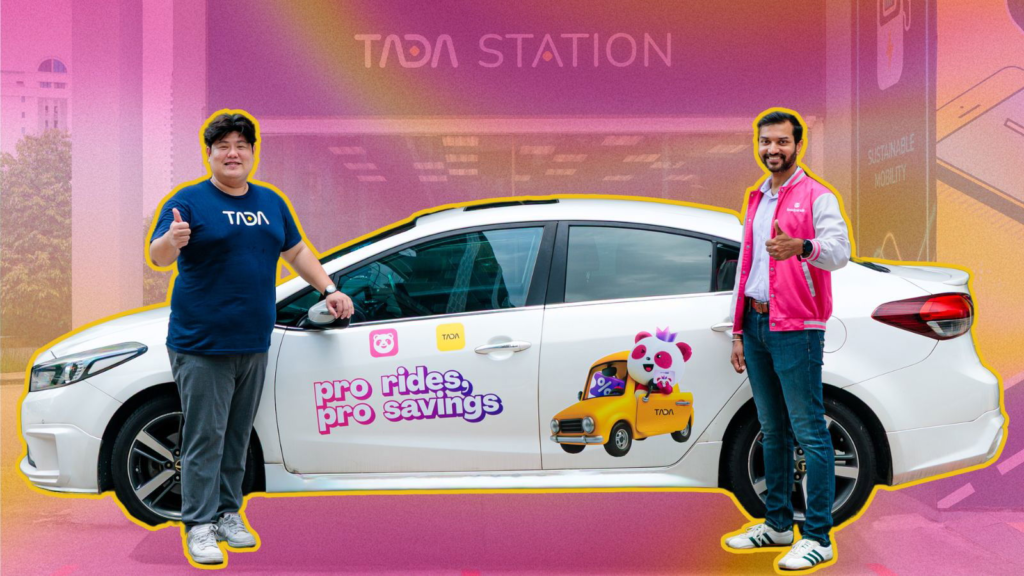
Foodpanda has expanded its pandapro subscription service into daily commutes through a partnership with Singapore’s zero-commission ride-hailing platform, TADA. The collaboration gives pandapro subscribers exclusive ride discounts, while TADA users can redeem a complimentary two-month pandapro subscription. The move builds on both companies’ initial cross-platform rewards trial in 2023, making pandapro the only subscription service in Singapore offering savings across food delivery, pick-up, groceries and rides. Don’t miss: TADA taps pop culture references and Singlish to redefine its push notifications As part of the collaboration, pandapro subscribers will receive S$3 off food delivery fees, 10% off pick-up orders, 20% discounts on selected restaurant menus, 3% off groceries, and five monthly 10% ride vouchers from TADA. By adding rides to the mix, foodpanda aims to position pandapro as a more comprehensive tool for managing daily expenses, extending its relevance beyond meals and groceries. Subscribers can access TADA ride vouchers through the pandapro subscription page or the TADA banner on the foodpanda app. A voucher code appears in a pop-up, and tapping it automatically applies the discount to the next TADA ride. TADA users who have never tried pandapro can also claim a complimentary two-month subscription to explore the full suite of benefits. “At foodpanda, we’re focused on making everyday savings easier for Singaporeans. Expanding pandapro to offer discounts on rides gives subscribers more value, complementing the savings they already enjoy on groceries, daily essentials and meals at home. Now customers can unlock greater value in more parts of their daily lives.” said Bhavani Mishra, Managing Director, foodpanda Singapore. In tandem, Sean Kim, CEO of TADA said, “At TADA and foodpanda, we each stay focused on what we do best — ride-hailing, and food and grocery delivery. Our partnership is built on mutual respect and a shared belief that by playing to our respective strengths, we can deliver greater value directly to our drivers and passengers. He added, “This collaboration is not only about unlocking more tangible benefits for the people who rely on us every day, but also about contributing to a healthier, more diverse market.  The collaboration comes shortly after foodpanda appointed Yingchun Li as its new head of marketing and growth, succeeding Darryl Chua. In her new role, Li will oversee the brand’s full-funnel marketing strategy, spanning brand building, awareness, acquisition, conversion, retention and loyalty across the customer lifecycle. She will lead initiatives in performance marketing, social, CRM, partnerships and integrated campaigns, ensuring marketing efforts align with the company’s broader business objectives. Related articles: foodpanda crowns local foodie favourites in SG60 hall of fame  TADA proudly claims title of SG’s second, third favorite cab app in OOH ad   foodpanda SG names new managing director source

foodpanda makes a move into ride-hailing through TADA tie-up Read More »

KFC brings Butterbear and Thai heat to Singapore

KFC Singapore is adding a Thai twist to its menu with the launch of ‘Thai-Thai saucy chicken’, available from 15 October to 25 November 2025. Inspired by Thai street food, the limited-time menu introduces a sweet, spicy, and tangy sauce paired with KFC’s hot and crispy chicken. The line-up includes ‘Thai-Thai saucy chicken’, ‘Thai-Thai saucy bites’, and Thai fritters with condensed milk, offering fans a savoury-and-sweet taste of Thailand in Singapore. Alongside the menu, KFC has teamed up with Bangkok’s popular mascot Butterbear for a collectibles drop. Fans can purchase exclusive blind-box figurines including Egg tart Butterbear, Zinger Butterbear, Drumstick Butterbear, and Bucket Butterbear, with selected meal boxes. Don’t miss: KFC makes Singapore’s quirks the main course in biggest local campaign  Other merchandise includes Butterbear long socks, sticker sheets, and a limited-edition plush crossbody bag launching on 29 October at selected outlets. The collaboration taps into KFC’s strategy of pairing food innovation with pop culture tie-ups. Butterbear, known for her cheerful personality and viral dance moves, adds a playful element to the campaign, aimed at engaging both collectors and casual diners. KFC Singapore will roll out activations across dine-in, takeaway, delivery, and Grab, with mechanics varying by channel. Limited quantities are available, with purchases capped per customer. The Butterbear blindbox builds on the brand’s playful collectibles in Malaysia. Across the border, the brand has introduced a trio of charming capybara plushies. The plushies are three 3.5-inch tall capybaras, each with their own quirky personality and backstory. Once ordinary capybaras who escaped the zoo, Chiket, Buck Buck, and Zingi became utterly obsessed with the irresistible aroma of KFC, transforming into the “Kepcibaras” in their quest to devour all things crispy and delicious. Related articles:  KFC Thailand goes brainrot with ‘Chizzalulu Chizzalala’ to celebrate iconic Chizza  KFC paints Malaysian pride with murals and artist collabs for Merdeka  KFC HK adds a playful twist to Gundam’s 30th anniversary celebration  source

KFC brings Butterbear and Thai heat to Singapore Read More »

Sephora and Rare Beauty reunite to mark world mental health day

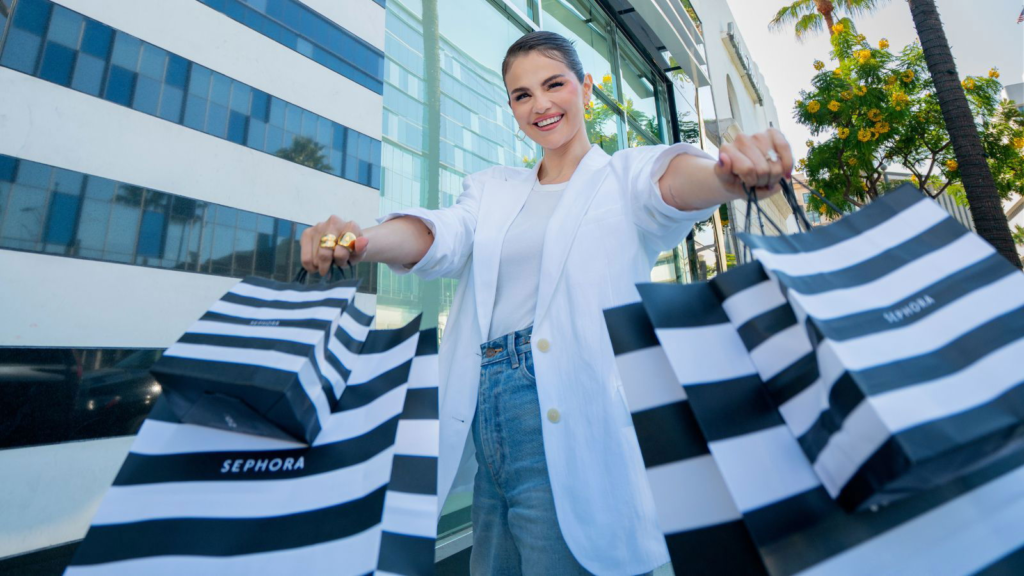
Sephora is once again teaming up with Rare Beauty by Selena Gomez for its annual “Make a rare impact” campaign, marking the third year the partnership has aligned with World Mental Health Day. From 10 to 12 October 2025, Sephora will donate 100% of new Rare Beauty fine fragrance sales to the Rare Impact Fund. The initiative spans in-store and online purchases across 25 markets, including Australia, Brazil, Canada, France, Hong Kong SAR, India, the UK, the US, and Sephora at Kohl’s locations. Launched in 2020 by Gomez, the Rare Impact Fund aims to mobilise US$100 million for organisations expanding access to youth mental health services and education worldwide. Since its inception, it has raised over US$20 million and supports 30 organisations across five continents. Don’t miss: Classic The Beatles hit ‘Help!’ reimagined into youth mental health anthem Sephora’s global presence amplifies the campaign’s reach, giving Rare Beauty a platform to extend its philanthropic impact. In 2024, the brand’s donation helped nonprofit partners reach more than two million people, distributing 445 mental health resources. By combining retail influence with a social cause, Sephora and Rare Beauty continue to demonstrate how beauty brands can integrate purpose-driven initiatives into their marketing strategies, while mobilising communities around mental health awareness. “Five years ago, we launched the Rare Impact Fund with a simple goal: to help more young people around the world feel seen, supported, and cared for. Our partners such as Sephora are instrumental to pursue our mission and by contributing crucial funds to expand mental health resources for the young people who need them,” said Gomez, founder and creator of Rare Beauty and the Rare Impact Fund. She added, “For the third year in a row, we are excited to continue our impactful fundraising efforts with Sephora, one of our greatest donors who share our belief in this mission and understand the need to expand mental health resources to young people around the world.”  In tandem, Elyse Cohen, chief impact officer at Rare Beauty, and president of the Rare Impact Fund said, “Our continued partnership with Sephora on the ‘Make a rare impact’ campaign reflects a shared belief in the power of collective action. With their support, and through the work of our dedicated nonprofit partners, the Rare Impact Fund has reached over one million young people each year and supported nearly 3,000 schools and organisations around the world.” “This campaign is a clear example of what’s possible when brands, nonprofits and communities come together, not just to raise awareness, but to expand access and build lasting support for youth mental health,” she added.  Commitment to inclusivity Jenny Cheah, managing director for Southeast Asia, Oceania, and India at Sephora, highlighted the brand’s excitement at extending its partnership with Rare Beauty for a third year. She emphasised Sephora’s commitment to fostering a more inclusive beauty landscape, a vision aligned with Rare Beauty’s mission. Cheah noted that in Asia-Pacific, where mental health challenges affect a significant portion of the population, feeling beautiful can have a meaningful positive impact. She described the “Make a rare impact” campaign as a reflection of both brands’ dedication to creating a supportive beauty environment and encouraged the Sephora community to take part in the initiative. Sephora’s commitment to mental health and inclusivity extends beyond World Mental Health Day. Earlier this year, the brand marked Pride Month with its “We belong to something beautiful” campaign, powered by Haus Labs by Lady Gaga and the Born This Way Foundation. From 1 to 30 June, US$1 from every Haus Labs purchase across 20 markets, including Singapore, the US, UK, France, and Germany, was donated to the Kindness in Community Fund, which supports grassroots organisations focused on LGBTQIA+ youth mental health and safe spaces. The campaign also brought back Sephora’s “Brave spaces” in 74 stores worldwide, including Singapore and the US. These zones offer a welcoming environment for LGBTQIA+ customers and allies to create or remove Pride looks, guided by trained beauty advisors. Related articles: Sephora rolls out ‘Perfect Shade’ to redefine beauty across Asia     Charlotte Tilbury dazzles as Sephora paints KL burgundy with launch activations     Sephora unveils 37-minute documentary style film featuring employees   source

Sephora and Rare Beauty reunite to mark world mental health day Read More »