marketing interactive

UOB Bank taps former Lazada CMO Marcus Chew to lead retail marketing

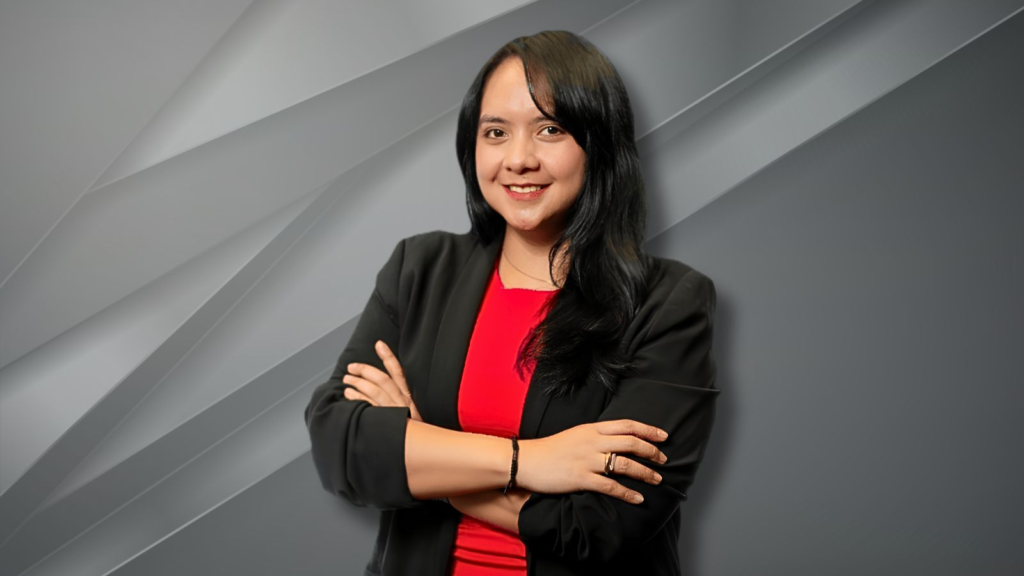
UOB Bank has appointed Marcus Chew as its new managing director, group retail marketing. Chew joins the bank from Lazada Group where he was previously group chief marketing officer at Lazada and Daraz.  Chew joined Lazada in 2021, overseeing the eCommerce platform’s end-to-end marketing strategy across Southeast Asia and South Asia. In the role, he led brand strategy, creative development, media execution and go-to-market planning across 11 markets. Prior to Lazada, Chew was CMO at NTUC Income from 2013 to 2021. As part of the insurer’s executive leadership team, he led the transformation of its marketing function, including building out its martech stack and scaling its digital business. Don’t miss: Why StanChart’s ‘lower-value human’ layoffs became a PR problem, not just a job cuts announcement Earlier in his career, Chew held regional marketing leadership roles at adidas, overseeing brand marketing and PR across China and Southeast Asia. He also previously served as regional marketing director at Sime Darby, and began his career at Unilever, where he managed brands including Sunsilk, Dove and Lux across Singapore and Malaysia. MARKETING-INTERACTIVE has reached out for a statement.  His appointment comes amid wider leadership movements across the banking sector. Earlier in April, Sameer Gupta stepped down from his role as group chief analytics officer at DBS Bank, ending a 12-year tenure during which he helped shape the bank’s data and AI transformation efforts at scale. Following his departure, Gupta joined Lloyds Banking Group as chief data and AI officer, reporting to Ron van Kemenade. His remit includes overseeing the responsible, transparent and secure use of AI across the organisation, alongside governance and regulatory oversight. Meanwhile, HSBC Singapore appointed Mayank Dutt as head of propositions and customer life cycle management (CLCM) for international wealth and premier banking. Reporting to Alice Fok, Dutt oversees customer engagement, proposition development and portfolio management across the bank’s premier, international and emerging affluent segments. Related articles:  HSBC names first chief AI officer   Former VML CEO Audrey Kuah joins DBS as group marketing and communications head Standard Chartered names new global corporate coverage marketing director   source

UOB Bank taps former Lazada CMO Marcus Chew to lead retail marketing Read More »

Howie Lau bids farewell to NCS Group after five years

Howie Lau has stepped down from his role as NCS Group’s chief corporate development and synergy officer and greater China business, effective 21 May 2026, marking the end of a five-year stint that helped reshape the homegrown technology firm into a regional player with growing ambitions in AI, digital and cloud services. The decision comes as NCS enters a new phase of growth following years of regional expansion, capability building and business diversification. Lau first joined NCS in 2021 with a mandate to help transform and scale the company into what he described as a “regional tech services powerhouse”. His departure also comes as NCS sharpens its focus on becoming an AI-led technology services company. Over a seven-year period through FY2026, the company grew from SG$1.8 billion to SG$3.2 billion in revenue, while expanding from 7,000 to 15,000 employees across more than 20 cities in Asia. “It has been an absolute privilege to be deeply involved in so many facets of this transformation journey, and we have achieved wonderful success together,” Lau told MARKETING-INTERACTIVE. “With good foundations in place, it is the right time to step aside and chase new rainbows, leaving the stage for a new leadership team to steer NCS through its next exciting phase of growth and transformation,” he added.  Don’t miss: NCS picks new lead brand and web agency of record  During his tenure, NCS underwent a sweeping transformation that stretched beyond business growth. The company broadened its footprint across the region, expanded into new sectors while deepening its government business, and built out capabilities across digital, AI, data and cloud. Lau said these moves were underpinned by a three-pronged growth strategy focused on regional expansion, service diversification and capability building. Among the milestones he looks back on most fondly is the company’s July 2021 brand refresh and the launch of platforms such as “IMPACT”, which aimed to reposition NCS’ presence in the market and elevate its standing within the broader B2B technology ecosystem. “Our marketing and comms teams pioneered and drove many innovations in the B2B marketing space which brought us closer and more credible with our clients,” he said. Under Lau’s watch, NCS also launched NCS NEXT in 2022, expanded into markets such as Australia and Greater China, and completed six acquisitions as part of its regional growth strategy. At the same time, the company deepened partnerships with global technology giants including Google, Microsoft, Dell Technologies, Amazon Web Services and NVIDIA, helping position NCS more firmly within the enterprise technology and AI ecosystem. “While having absolute strategic clarity was key to this journey, execution agility proved to be even more critical,” Lau said. “Every marketing and brand play, M&A deal, regional expansion, or partnership is based on a roadmap which we executed was grounded in a unified culture. That shared purpose is what binds a rapidly growing, diverse team together across borders.” Prior to joining NCS, Lau held leadership roles across Singapore’s technology landscape, including at Infocomm Media Development Authority, StarHub, Lenovo and IBM. Reflecting on the industry more broadly, Lau said Singapore has evolved into a globally recognised technology and AI hub, fuelled by strong digital infrastructure, talent and trust. “We have truly solidified our position as a premier global technology hub, with undeniable credentials in driving AI adoption across every major industry and sector,” he said, pointing to the presence of companies such as OpenAI and Google DeepMind. “Crucially, in a fractured and chaotic global landscape, Singapore’s ‘trust credentials’ have become an incredibly valuable and highly sought-after commodity.” The next generation of leadership  Having spent decades across Singapore’s technology ecosystem, Lau said leadership today looks vastly different from when he first entered the industry, particularly as technology, marketing and business transformation become increasingly intertwined. For Lau, one constant throughout his career has been the importance of people and teamwork. “First, if you take care of your people, they will naturally take care of the client and the business. Second, leadership is a team sport. In today’s hyper-complex world, a single leader is never smart enough or all-knowing enough to navigate the landscape alone. You have to build a strong, trusted core team – and when you have that alignment, magic happens.”  At the same time, Lau believes the next generation of leaders will need a far broader and deeper skillset than before, particularly as AI reshapes industries, business models and consumer engagement. “Go deep and be hands-on. In the past, we talked a lot about ‘T-shaped’ skills — having a broad horizontal understanding with one area of deep specialisation. today, that is no longer enough,” he said. According to Lau, future leaders will need a strong, horizontal platform of foundation skills including first-principles thinking, complex problem solving, empathy and people management, alongside deeper expertise in both technology and industry domains. For businesses and leaders alike, the reality is simple: either you become part of creating that new play, or the new play will win. Looking ahead, Lau believes the marketing and advertising industry is also approaching a major inflection point, driven by AI, first-party data and the rise of direct-to-consumer ecosystems. “The long-held dream of true, 1-to-1 personalised marketing is finally on the immediate horizon as AI, first party data as well as democratised D2C have already passed tipping points,” he said. As for what comes next, Lau said he is currently exploring opportunities with “high transformational potential, opportunity to grow, a great team, great culture and a healthy dose of good fun.” Related articles:     After $600m splurge, NCS unifies Australian operations and launches AI-driven brand push Singapore looks to strengthen position as trusted AI financial hub  NCS group names new senior director of strategic communications   source

Howie Lau bids farewell to NCS Group after five years Read More »

Meta cuts jobs across APAC as AI restructuring deepens

Meta carried out a round of cuts across the Asia Pacific region earlier today as part of a broader restructuring tied to its push into artificial intelligence, according to sources familiar with the matter. Staff in Singapore were notified at 4am local time today. It remains unclear which roles and markets in the region were affected. MARKETING-INTERACTIVE has reached out to Meta for comment. The move comes as Meta Platforms reassigns about 7,000 employees into new AI-focused roles, while also reducing headcount in select areas. The changes are part of a wider reorganisation aimed at reshaping teams around AI products, including agents and applications. Don’t miss: Why StanChart’s ‘lower-value human’ layoffs became a PR problem, not just a job cuts announcement  In an internal memo dated 18 May, chief people officer Janelle Gale reportedly said staff would be moved into newly created groups focused on AI initiatives, with the company shifting towards a “flatter” structure and smaller teams. The changes are intended to improve productivity and make work more rewarding, she added.  The restructuring reflects chief executive Mark Zuckerberg’s push to position AI at the centre of Meta’s long-term strategy, with significant investment flowing into large language models, infrastructure and talent as the company competes with rivals such as Google and OpenAI. Meta has also been encouraging wider adoption of AI tools internally, including agent-based systems to support engineering and coding work, as it explores more automated workflows across the business. Alongside the redeployment of workers, Meta has also reportedly closed roughly 6,000 open roles as part of the restructuring process. New internal groups include Applied AI Engineering and Agent Transformation Accelerator, both focused on developing AI agents that can perform tasks traditionally handled by employees. Central Analytics will focus on measuring productivity and supporting agent development, while details on an Enterprise Solutions unit are expected later. The changes have reportedly triggered internal pushback from employees, including concerns over surveillance tools used in AI training and frustration over the handling of the layoffs, with more than 1,000 staff reportedly signing a petition raising privacy concerns. The latest cuts build on changes initiated in February last year, when Meta began streamlining operations and recalibrating its workforce around efficiency and artificial intelligence priorities, setting in motion a wider restructuring that has unfolded in stages since. Related articles:   Meta’s AI ad machine powers 33% revenue surge as new campaign connectors roll out Meta APAC head of comms for product and partnerships steps down  Meta set to overtake Google in global digital ad revenue source

Meta cuts jobs across APAC as AI restructuring deepens Read More »

Gen Z perspectives: IKEA gets playful, Spotify goes disco and Swatch x AP

Happy Friday, MARKETING-INTERACTIVE readers and welcome back to Gen Z Perspectives, your go-to feature where we unpack the week’s top stories and trending topics through the eyes of Gen Z. From the biggest industry moves to viral moments and marketing controversies worth dissecting, we’re bringing the heat with authenticity, awareness and probably a few unfiltered takes. This week, IKEA Singapore is turning a childhood game into a full-scale retail playground, Spotify traded its logo for a disco ball, and Swatch x Audemars Piguet dropped a collaboration that sent hype levels through the roof. Yes, this week’s hype is very real. Don’t miss: Gen Z perspectives: The great millennial vs Gen Z marketing debate  1. IKEA is hiding something… and one million points are up for grabs IKEA Singapore is turning a childhood favourite into a full-scale retail experience, inviting shoppers to compete in its first-ever hide and seek event at IKEA Alexandra. Dubbed “IKEA Play date: Hide & seek”, the event will see teams of two race through the store to locate eight hidden characters within 45 minutes. The winning duo will walk away with one million IKEA Family points. Read more here.  2. Spotify swaps logo for a disco ball, and audiences are split Spotify is leaning heavily into nostalgia for its 20th anniversary, unveiling a mobile-only in-app experience that takes users through a personalised look back at their listening history. While users took to social media to share their music milestones, much of the online attention shifted elsewhere – a quiet visual change to the app icon from Spotify’s familiar green circle into a glittering disco ball. The shift quickly became the focal point of conversation, sparking debate over whether it enhanced the anniversary storytelling or distracted from it. Read more here.  3. Have Swatch and AP turned hype into the real product? The launch of the Swatch x Audemars Piguet (AP) “Royal pop” collection has sparked massive queues, store closures and heated scenes across several cities worldwide. From Singapore, Hong Kong and Kuala Lumpur to London, Milan and New York, crowds gathered overnight outside Swatch stores as collectors, resellers and watch enthusiasts rushed to get their hands on the colourful timepieces. Much like the viral Omega x Swatch MoonSwatch launch in 2022, the latest partnership has caught the attention of industry observers, with many saying the collaboration feels bigger than a typical product drop. Read more here.  Related articles: Why StanChart’s ‘lower-value human’ layoffs became a PR problem, not just a job cuts announcement   In Conversation: IKEA Singapore on why awareness must be earned, consistently    Sir Martin Sorrell says advertising’s AI reckoning is really an efficiency reckoning source

Gen Z perspectives: IKEA gets playful, Spotify goes disco and Swatch x AP Read More »

How safe are creative ideas in Singapore’s pitch culture?

Singapore’s creative industry is finding itself in the middle of an uncomfortable conversation around pitch culture, idea ownership and where inspiration crosses the line into imitation. The discussion gained traction after VJ Anand, founder of creative shop Ballsy, called out Pizza Hut Singapore over its recent “OG of good times” campaign, alleging similarities to a concept his agency had pitched earlier this year. To which, Pizza Hut said the “OG” theme surfaced across concepts the brand received – which was not surprising given “OG” had already been incorporated as part of its creative approach since March 2024. Shortly after, another Singapore-based creative studio also came forward with a similar experience with an unnamed client. In a statement on social media, branding studio Roots alleged that a global financial institution had launched an identity refresh for one of its public programmes, that closely resembled one of the concepts the studio had presented during a paid tender process, including face-to-face presentations where the team was walked through the proposals in detail.  The post said the pitch fee was only paid after “chasing” the client and clarified to MARKETING-INTERACTIVE that the payment was “a token fee for participation and submission of concepts” rather than the use of them. Don’t miss: UNIQLO ‘Cai fan’ keychain kerfuffle: Where does inspiration end and imitation begin? In conversation with MARKETING-INTERACTIVE, Jonathan Yuen, founder and creative director of Roots, said the studio was unable to share further details of the case due to an NDA signed prior to the tender. He explained that while such agreements are common in large organisations, they left the studio unable to publicly address the matter. Moreover, there was no protection for the ideas submitted during the pitch. He added that the experience has prompted the studio to be more cautious moving forward, including pushing for mutual NDAs and clearer protections around intellectual property and proposal use in future tenders. While both cases differ in circumstance, they have reignited longstanding industry frustrations around speculative work, blurred creative boundaries and the power imbalance smaller agencies often face during pitch processes. Protecting the rice bowl For agency leaders, the recent issues are not isolated incidents, or one offs. On conditions of anonymity, some say idea reuse, speculative pitching and blurred creative ownership have quietly become accepted realities within parts of the industry. According to Fiona Bartholomeusz, managing director of creative agency formul8, instances of uncredited idea reuse happen “more often than it’s called out”. “Usually it’s ‘tweaks’ to a concept, idea or name that originated with one agency and then dispensed to another ‘less expensive’ one to execute,” she said. Bartholomeusz added that agencies are mostly reluctant to publicly challenge clients due to the small and interconnected nature of Singapore’s advertising industry. “The reality is…the Singapore ad industry is a small community and clients have long memories,” she said, adding: Most agencies need to protect their rice bowl and it’s just not worth the grief. Even when similarities are obvious, she argued that brands are unlikely to openly acknowledge wrongdoing, often framing overlaps as coincidence or parallel thinking. Bartholomeusz also pointed to what she described as “dud pitches”, where agencies are given extremely tight timelines to develop extensive campaign proposals, despite suspicions that another agency may already have an inside track. “How can [clients] expect a response from agencies in less than a week for a global through-the-line campaign, complete with data and research and fully fleshed-out concepts?” she said. While she acknowledged that enforcing punitive measures may be difficult in Singapore, Bartholomeusz said the industry ultimately comes down to ethics and professionalism across both clients and agencies. Still, she said it was “brave and heartening” to see agencies publicly speaking up, adding that she hopes it encourages greater accountability around creative ownership and originality. Where inspiration ends and accountability begins Not everyone, however, believes such situations are always clear-cut. According to Marcus Chew, former group chief marketing officer at Lazada Group, ideas rarely emerge in complete isolation, with creative work often shaped by existing cultural references, trends, past campaigns and even subconscious exposure to similar executions. “Unless something is almost identical in execution, messaging, structure, or distinctive creative assets, it becomes very difficult to definitively claim ownership of a broad concept or direction,” he said. Chew likened the issue to intellectual property law, where inspiration and overlap can exist, but proving deliberate replication is significantly more complex unless there is clear evidence of direct copying. Still, he stressed that beyond legal considerations, the issue ultimately comes down to professional ethics and client responsibility. “The client is the only party exposed to all the pitches and ideas presented across agencies,” he said, adding that brands should never pass an idea from one agency to another for execution without permission or compensation. In instances where a client genuinely wishes to move forward with an idea originated by another agency, Chew said there should at minimum be transparency and fair compensation for the originating agency’s strategic and creative contribution. “Otherwise, it risks damaging trust across the broader agency-client ecosystem,” he added. To minimise unintentional overlap, Chew said brands should implement stronger governance during pitch processes, including clearer documentation of concepts presented, tighter confidentiality practices and limiting unnecessary pitch rounds. Ultimately, trust and ethical conduct matter as much as legal ownership in the creative industry. Pitch culture’s uncomfortable truth Taking a broader industry view, Goh Shufen, co-founder of R3 and APAC president of MediaSense, said one of the biggest challenges lies in defining what truly constitutes an “original” idea in the first place. “Does the fact that more than one agency presented the same idea or strategic route make it less original or more affirmative?” she questioned. From a consultancy perspective, Goh argued that project-based pitching is often not an efficient use of time, resources or reputation for either clients or agencies. She said:  For agencies who choose to pitch, they should go in with eyes wide open on the risk of ideas being stolen. She also noted that in some

How safe are creative ideas in Singapore’s pitch culture? Read More »

M1-Simba deal collapses after regulatory probe stalls review

Singapore’s proposed telco consolidation between M1 and Simba Telecom has officially fallen through, after the parties terminated the sale and purchase agreement tied to the deal. In a statement released on 22 May, Tuas Limited said the agreement relating to Simba’s proposed acquisition of shares in M1 had been terminated after several conditions precedent were not met before the long-stop date of 21 May 2026. The agreement, first announced in August 2025, was between Tuas and its subsidiary Simba Telecom, and Keppel entities Keppel Konnect and Konnectivity. Don’t miss: StarHub concludes media pitch According to Tuas, the agreement ceased to have effect after the conditions were not fulfilled or waived by the extended deadline. The parties have also been released from their respective obligations under the deal, except for certain surviving clauses. Tuas added that Simba continues to cooperate with an ongoing investigation by the Infocomm Media Development Authority (IMDA) into potential breaches of the Telecommunications Act and the conditions of Simba’s Facilities-Based Operator Licence. The company said it will continue to update shareholders in relation to the investigation. The collapse of the deal comes after IMDA suspended its review of the proposed consolidation following concerns that Simba may have used radio frequency bands that were not assigned to it. At the time, the regulator said the alleged unauthorised use of spectrum could constitute a breach of the Telecommunications Act 1999 and Simba’s licence conditions, adding that investigations and possible enforcement action were ongoing. IMDA had also been assessing whether the proposed merger would substantially lessen competition or raise public interest concerns under Singapore’s Telecom and Media Competition Code. The proposed acquisition was first unveiled in August last year, when Keppel announced plans to divest M1’s telco business to Simba in an all-cash transaction valued at an enterprise value of SG$1.43 billion. Under the proposed deal, Keppel was set to receive close to SG$1 billion in cash proceeds for its 83.9% effective stake in M1, while retaining the company’s ICT business. At the time, Keppel said the merger would create a “nimble and competitive digital-first telco” by combining M1’s cloud-native network with Simba’s digital consumer model. The proposed consolidation also drew scrutiny from industry players. In November last year, Circles.Life warned that the merger could negatively impact competition and consumer choice if sufficient regulatory safeguards were not put in place. Related articles:  Interview: Lynette Poh takes on expanded role at Singtel   StarHub, NeutraDC forge quantum-safe link between Singapore and Indonesia StarHub and Mediacorp join forces to create stronger content and ad opportunities    source

M1-Simba deal collapses after regulatory probe stalls review Read More »

You noticed Spotify’s disco ball, and brands noticed you noticing

Spotify may have intended its 20th anniversary campaign to be a sentimental scroll through users’ listening habits, but the internet had other plans. While some users obsessed over their first streamed song and all-time favourite artists, others fixated on something far shinier: Spotify’s temporary disco ball logo makeover. From limited-edition mascots to seasonal redesigns and nostalgia-fuelled rebrands, brands have long treated their logos as social media profile pictures – swapping them out to signal cultural moments, spark conversation, or simply remind consumers they still know how to have fun. Whether loved, memed, or mildly roasted, these temporary logo revamps often do exactly what they are designed to do: get people talking. Here are some of the brands that gave their logos a fresh coat of sparkle, and got the internet staring right back. Don’t miss: Sorry millennials, Gen Z isn’t reading all that copy 1. American Eagle 2. ChatGPT 3. Dutch Lady Malaysia 4. Facetune 5. FOX One 6. Grammarly 7. Hello Fresh 8. LSKD 9. Rokeby Nutrition 10. SIXT 11. Subway Malaysia  12. Tealive Mart 13. YouTrip Singapore  Related articles: Here are the brands strutting The Devil Wears Prada 2 runway  April Fool’s Day pranks that had us doing double takes this year   Why marketing leaders are ditching polished headshots for AI caricatures source

You noticed Spotify’s disco ball, and brands noticed you noticing Read More »

Guinness revives ‘The world’s cup’ amid global football fever

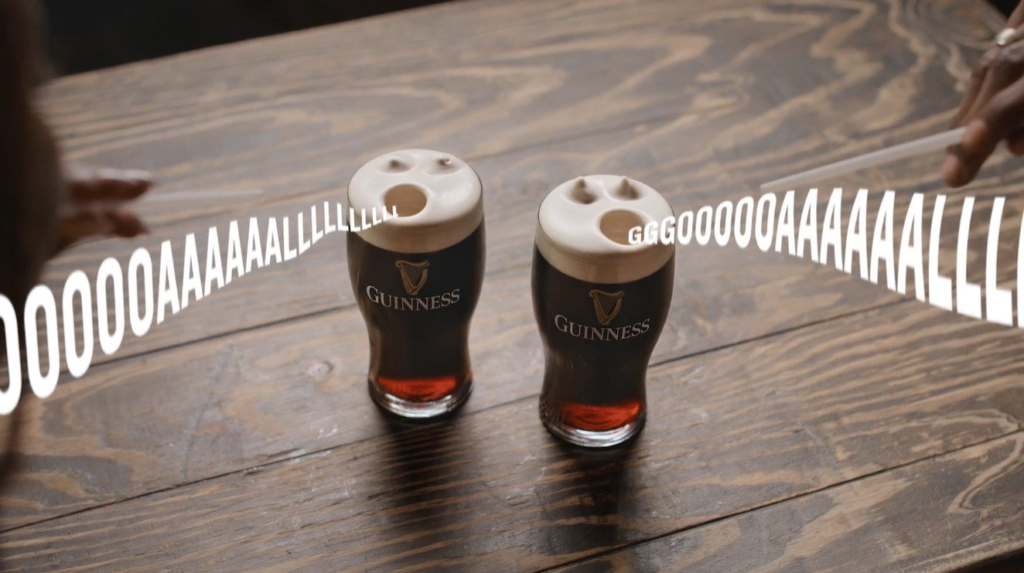
Guinness is tapping into football fandom this summer with a new campaign titled The world’s cup, celebrating the rituals, pubs and people that turn match days into communal experiences. Timed to coincide with a summer packed with football action in the US, the campaign pays homage to Guinness’ 1990 ad “The world’s cup… well in hand”, which debuted during Ireland’s first appearance on the world football stage. The campaign tagline has also been paired with a new film remixing another iconic Guinness creative moment, “Guinness singing pints”. The original 2023 campaign promoted Guinness 0.0 for St Patrick’s Day and featured pints singing along to Bonnie Tyler’s classic Holding Out for a Hero. In the latest iteration, the creamy pint heads swap singing for football fever, shouting “goooooal” instead. The brand said the campaign aims to spotlight how football brings people together, from local pubs and living rooms to packed bars filled with strangers turned teammates by the final whistle. Don’t miss: How adidas turned backyard football into World Cup mythology As the official beer partner of the Premier League, Guinness is rolling out a series of activations across the US as part of the campaign. Among them is a collaboration with Art of Football, which will see the launch of a limited-edition football jersey available exclusively in North America from 8 June. The jersey is priced at US$81 and will be sold through Art of Football. The campaign will also include out-of-home and social content highlighting bartenders and pub staff across cities including Atlanta, Boston, Philadelphia and San Francisco. The individuals featured will appear wearing the limited-edition jerseys while sharing their personal game-day rituals. In tandem, Guinness has unveiled limited-edition football-themed packaging for its Guinness Draught Stout. The packaging was designed by graphic designer Sophia Yeshi and features the brand’s signature black-and-cream colour palette accented with green and blue touches. The packs are now available nationwide in four-pack and eight-pack formats for a limited time. Guinness added that more football-related activations and limited-edition innovations tied to the campaign will be unveiled in the coming weeks through its social channels. “Soccer is at its best when everyone feels part of it, and Guinness has always stood for that same spirit of togetherness. Whether you’re an avid supporter or simply here for a good time, Guinness makes game day feel more welcoming, more connected and more memorable” said Karissa Downer, director of Guinness. She added, “With ‘The world’s cup,’ we are celebrating the pubs, pints and bartenders who turn every match into a moment worth sharing. The beautiful game deserves a beautiful pint and a room full of fans to enjoy it with.” The latest push also builds on Guinness’ wider football marketing efforts locally. Last year, Guinness Malaysia launched Guinness Clubhouse in Kuala Lumpur, a football-themed stay experience designed around Premier League match nights. Spanning three storeys, the activation featured live match screenings on a giant projector with surround sound alongside branded fan experiences aimed at turning football viewing into a more immersive community event. Prior to that, Guinness kicked off the 2025/26 Premier League season in Singapore through a local-first collaboration with Singaporean illustrator Tobyato. The campaign saw the launch of limited-edition jerseys and merchandise distributed across coffee shops, bars, supermarkets, online platforms and delivery apps. Speaking to MARKETING-INTERACTIVE at the time, Gerald Yeo said the collaboration reflected Guinness’ ambition to connect more meaningfully with local football fans and the wider culture surrounding the sport. Related articles: Coca-Cola pops the lid on fan emotions in high-drama World Cup film  Get paid to watch the World Cup? Yes, it’s a real job  LEGO builds its own World Cup lineup of football heavyweights  source

Guinness revives ‘The world’s cup’ amid global football fever Read More »

Weber Shandwick APAC SVP, head of comms and business development exits role

Weber Shandwick’s senior vice president, head of communications and business development, APAC, Farah Zuber (pictured), is stepping down from the role, MARKETING-INTERACTIVE understands. In her role, Zuber led the agency’s communications and business growth strategy across Asia Pacific, working closely with market leaders to strengthen Weber Shandwick’s positioning, drive new business opportunities and accelerate client growth across the region. She reported directly to Tyler Kim, formerly APAC CEO of the agency. Zuber first joined Weber Shandwick in 2024 as vice president, head of communications, APAC. According to her LinkedIn, she brought with her more than 15 years of experience in integrated marketing and strategic communications across the region, including a decade spent working across sectors such as oil and gas, technology, digital, energy and property. Don’t miss: Omnicom PR announces new leadership structure with Joanne Wong as APAC CEO Prior to Weber Shandwick, she held roles at Redhill, SPAG, Edelman and ARC Worldwide in Malaysia. MARKETING-INTERACTIVE has reached out for a statement.  Her departure comes amid a regional restructuring at Omnicom PR Group, which recently unveiled a new leadership structure across Asia Pacific, EMEA and Canada as part of a broader effort to streamline operations across its agency portfolio outside the US and UK. Under the new structure, FleishmanHillard’s Joanne Wong has been elevated to the role of APAC CEO at Omnicom PR, effective 1 July. Weber Shandwick EMEA CEO Hugh Taggart will become Omnicom PR’s EMEA CEO, while Weber Shandwick Canada CEO Greg Power has been appointed Canada CEO for Omnicom PR. The three executives will report directly to Omnicom PR global CEO Chris Foster and oversee all agency brands within their respective regions. At the market level, Omnicom PR is also consolidating leadership responsibilities across several countries. According to media reports, Weber Shandwick Singapore leader Carolyn Devanayagam and Weber Shandwick Korea leader Elizabeth Bae are among those taking on expanded Omnicom PR leadership roles. The restructuring is also expected to result in several senior regional roles being eliminated. This includes the Weber Shandwick Asia Pacific CEO role previously held by Kim, as well as the Golin regional president role held by Darren Burns. Related articles:  Omnicom PR reportedly restructures agency portfolio  Omnicom PR Group SG names new SVP and managing director Omnicom Advertising Asia unveils regional leadership team  source

Weber Shandwick APAC SVP, head of comms and business development exits role Read More »

StanChart's internal memo softens the tone, but does it fix the trust?

Standard Chartered chief executive officer Bill Winters has moved to calm employee concerns following backlash over his remarks describing certain roles as “lower-value human capital”.  In a memo seen by Bloomberg News, Winters acknowledged that recent coverage of his comments on artificial intelligence and workforce restructuring may have unsettled employees. “Many of you will have seen media coverage following the Investor Event in Hong Kong, particularly the reporting around automation, AI and workforce changes,” he wrote, adding: “I know this may be unsettling when reduced to simple headlines or a quote out of context.” He explained further that the bank’s future depends on “talent, judgement, relationships and commitment”, and reiterated continued investment in technology and automation. Don’t miss: Why StanChart’s ‘lower-value human’ layoffs became a PR problem, not just a job cuts announcement  The memo follows earlier remarks in which Winters explained that AI-driven changes would involve replacing some “lower-value human capital” – a framing which understandably triggered backlash across social media and among public figures in Asia. Among the critics was Singapore former president Halimah Yacob who described the terminology as “disturbing” in a Facebook post.  “Workers are human beings with families, not just a form of capital. It’s demeaning to describe them as ‘lower-value human capital’,” said the former president. “Carry out retrenchments humanely. Treat workers with respect.”  Winters’ remark was made in response to a question asked regarding how the bank is thinking about the shift in its workforce mix. As such, the comment was said to be made in reference to a shift from lower value to higher value work, not people. While the internal note certainly was aimed to qualm fears and uncertainties, industry professionals MARKETING-INTERACTIVE spoke to said the more difficult and pressing question is whether the language correction alone can repair the perception already made. Is reassurance enough? For some, the memo reflects necessary damage control but not necessarily trust repair. Eugenie Chan, managing director at Access Coms Malaysia and co-founder of Suppagood, explained that the reaction shows how language can override intent. “The fact that this statement became the headline tells you everything you need to know about how it landed emotionally with people,” she said. “Once language starts assigning different levels of human value, even unintentionally, people stop hearing the broader point the CEO may have been trying to make.” A wider concern across communications professionals is that the memo addresses perception, but not accountability or clarity around transition. Ashvin Anamalai, chief executive officer of DNA Creative Communications, said the issue is not just about clarification, but reframing how change is communicated. “It needs a more human reset of the message. Not necessarily a defensive apology, but a clear recognition that people should not be described in a way that diminishes their contribution,” said Anamalai. He added that employees will be looking for specifics rather than reassurance. Most importantly, he added, “employees should not have to understand their future through headlines” – pointing to training, timelines and support as key gaps. That sentiment is reinforced by Lara Jefferies, founder of Plug Agency, who said recovery requires visible action, not just softened messaging. She argued that any recovery must extend beyond communication into tangible support such as retraining and transition planning. Leadership communication under scrutiny  The incident reflects a wider problem in how leaders communicate transformation in the age of AI. Asiya Bakht, founder of Beets PR observed that political and corporate leaders and heads have dropped curated PR messaging for candid and honest takes. “From a PR perspective, less curation and speaking your mind is a good strategy, but it has to be balanced with sensitivity and empathy,” said Bakht. “One needs to give credit to Winters, though for recognising this faux pas and addressing it in a timely manner through an internal memo.” Meanwhile, Arun Saha, co-founder and chief communications officer at INFLUENCE opined that language, particularly at a CEO level is never incidental, and in moments of restructuring becomes part of the risk itself.  “AI does not scare your team as much as your actions, or in this case, your words, do,” she said adding that: Transformation doesn’t fail because of technology. It fails because leaders avoid the right conversations, especially the uncomfortable ones about impact, transition, and what comes next. Earlier in the week, the London-headquartered bank revealed that it would cut 15% of its back-office roles by 2030, resulting in about 7,000 redundancies from its roughly 80,000-strong global workforce by 2030. The reduction is reported to be driven by the growing use of automation and artificial intelligence as the lender seeks to streamline operations and reallocate resources.  Related articles:    Meta cuts jobs across APAC as AI restructuring deepens  Polarisation, politics and post-truth: Halimah Yacob on leading in a fractured world  How Standard Chartered is navigating the future of global banking  source

StanChart's internal memo softens the tone, but does it fix the trust? Read More »