marketing interactive

MrBeast reportedly on the hunt for a CMO

Beast Industries, the media and consumer products company founded by Jimmy Donaldson, is reportedly looking to hire a chief marketing officer (CMO) as it ramps up ambitions beyond its core YouTube business. According to Business Insider, the role has not been publicly announced, but a person familiar with the matter said the company is actively searching for a senior marketing leader with a strong commercial track record. The incoming CMO is reportedly expected to take on a broad remit, overseeing marketing efforts across multiple business lines, from driving audiences to theatrical releases, to selling consumer products such as snacks and toys, and promoting services including banking and telecom offerings. Don’t miss: Oatside draws flak as Vietnam ‘CMO’ job posting is revealed to be campaign trick  The role will also play a part in reducing reliance on Donaldson’s personal brand, as the company looks to scale into a standalone business. Per reports, the position will report directly to CEO Jeff Housenbold, who joined the company in September 2024 and is leading efforts to strengthen its financial footing ahead of a potential IPO. He is said to be overseeing the search alongside chief people officer Tia Silas, with plans to fill the role within six months. A spokesperson reportedly described the role as a “dream job” for marketers, offering the chance to work alongside an established creator and experienced executive team. However, they reportedly noted that the position may come with challenges, including navigating a fast-growing, creator-led environment that may differ from traditional corporate structures. The reported hire comes amid a broader expansion push by Beast Industries, which has been building out teams across brand partnerships, consumer products and studio operations. Recent hires include former NBCUniversal executive Corie Henson to lead its studio division, and ex-TikTok executive Beau Avril to head brand partnerships. These moves reportedly signal Donaldson’s intent to grow Beast Industries into a diversified entertainment and consumer brand, with ambitions likened to a “Disney-style” business model. Beyond content, the company has been expanding into new verticals. This includes its snack brand Feastables, as well as a move into financial services following its acquisition of the app Step. Plans for a mobile phone service have also been reported. In recent months, Beast Industries has also struck partnerships with major brands, underscoring its growing marketing ambitions. These include a collaboration with Starbucks tied to “Beast Games” season two, and a campaign with Salesforce that saw Donaldson feature in a Super Bowl advertisement. MARKETING-INTERACTIVE has reached out for more information. As brands continue to rethink the role of marketing leadership, recent missteps in the region have also underscored the importance of judgment and accountability at the top. Earlier this month, Singapore-based plant-based drink brand OATSIDE faced backlash over a campaign in Vietnam that was disguised as a LinkedIn job listing for a chief marketing officer. The role was later revealed to be a marketing stunt for a “Chief milk officer” campaign, drawing criticism from professionals who had submitted real applications. The brand later apologised, with marketing director Cindy Lin acknowledging the campaign had caused frustration and confirming that all applicant data collected had been deleted. OATSIDE has since paused the campaign and said it will implement stricter guidelines, including clearer disclaimers and internal review processes for future marketing efforts. Be part of #Content360 Singapore, 22–23 April 2026, where creativity and culture collide. Explore how AI-driven storytelling is shaping the future of content, gain practical insights, discover new tactics, and learn how the best in Asia are creating campaigns that truly resonate.  Related articles: HSBC names first chief AI officer  Klook seeks for chief spring officer to navigate cherry blossom season  The Coca-Cola Company creates chief digital officer role amid leadership restructure source

MrBeast reportedly on the hunt for a CMO Read More »

Think you can win 10M miles with just a blink? Chocolate Finance thinks so

Chocolate Finance is introducing a new gamified campaign aimed at engaging consumers through simple, mobile-first interactions, as financial brands continue exploring alternative ways to capture attention in a crowded digital landscape. The campaign, titled “The Chocolate Games”, will run from 27 April to 6 May and offers participants the chance to win a share of up to 10 million HeyMax miles. The rewards can be redeemed for flights, hotel stays, vouchers and other travel-related experiences. Positioned as a first-of-its-kind initiative within Singapore’s financial services sector, the campaign centres on a microsite featuring four mini-games designed around basic smartphone actions: blinking, tapping, swiping and shaking. Each game takes under a minute to complete and does not require prior skill or financial knowledge. Don’t miss: Chocolate Finance CEO on turning a crisis into a ‘money can’t buy’ reach  Participants can play multiple times daily, with only their highest score counted. The top 50 players per game each day will receive miles, resulting in 200 winners daily and 2,000 winners over the 10-day period. Additional mechanics such as daily streaks, referrals and social sharing allow players to improve their rankings. Leaderboard updates will also be published daily via Chocolate Finance’s Instagram Stories and campaign site, supported by targeted email outreach to both new and existing users. The campaign will culminate in a livestreamed grand finale on 10 May, where top players from each game category will compete for 250,000 miles per game. According to Walter de Oude, founder of Chocolate Finance, the campaign is intended to challenge perceptions that managing money needs to be complex or time-consuming. “Many people think managing their spare cash needs to feel complicated. We wanted to challenge that and have some fun along the way,” he said.  “Everyone can blink and swipe, which means everyone can play. It’s incredibly easy to get started, and genuinely rewarding to win. When it’s this easy to participate and win, more people are willing to explore, and that’s what makes the Chocolate Games unique,” added Walter. In tandem, chief creative officer Anushka Yadav added that the campaign was designed to prioritise engagement over traditional advertising formats. “We didn’t want to make another financial ad that people scroll past,” she said. “The Chocolate Games started as a creative provocation — what if growing your money was also the most fun thing on your phone? Every design decision, every game mechanic flows from that idea. We didn’t build a campaign about Chocolate Finance. We built an experience that is Chocolate Finance.” The Chocolate Games is open to Singapore residents aged 18 and above and is free to play. While non-users can participate, winners must open a Chocolate Finance account and link it to HeyMax to receive their miles. The campaign reflects a broader trend of financial services brands experimenting with gamification and interactive formats to better engage younger, digitally native audiences. Earlier this month, HSBC Life Singapore introduced its “True wealth guardians” campaign, using blind-box collectibles and completion-driven mechanics to encourage customers to think more holistically about financial planning. The initiative leaned on curiosity and discovery, reframing wealth management as something to be explored rather than instructed. Similarly, Maybank Singapore has turned to interactivity in its “Served your way” platform, bringing its brand to life through murals across the city paired with digital experiences that allow users to “step into” the artwork. By combining physical installations with shareable content, the campaign shifts audiences from passive viewers to active participants, while reinforcing the bank’s focus on personalisation and everyday relevance. Be part of #Content360 Singapore, 22–23 April 2026, where creativity and culture collide. Explore how AI-driven storytelling is shaping the future of content, gain practical insights, discover new tactics, and learn how the best in Asia are creating campaigns that truly resonate.  Related articles: Chocolate Finance continues happy money momentum with interactive mobile truck  Chocolate Finance rolls out ‘Happy money’ in HK with giant coin stunt  Chocolate Finance names new HK head of social growth and partnership  source

Think you can win 10M miles with just a blink? Chocolate Finance thinks so Read More »

Maybank Singapore calls for social media pitch

Maybank Singapore has launched a social media pitch, calling for an agency partner to manage its social media presence and content creation for a period of one year, MARKETING-INTERACTIVE understands. The remit covers social media management and content development across the bank’s key platforms, as it looks to sharpen its digital engagement with consumers in an increasingly competitive financial services landscape. The bank is seeking a partner who can bring fresh, innovative ideas and strong execution capabilities, while helping it articulate its brand in line with its “ROAR30” ambition and its purpose of “Humanising financial services”. Don’t miss: DBS marketing chief seeks creative agency to cement brand as “beacon of trust” The review signals Maybank Singapore’s intent to align its social media output more closely with its long-term brand and business goals, and to ensure consistency in how its propositions are communicated across channels. In a statement to MARKETING-INTERACTIVE, Annie Lee, head of country corporate office, Maybank Singapore, said the search for a new social media partner is part of the bank’s “ongoing commitment to continuous improvement and regular review cycles.” “We believe it is important to periodically reassess and refresh our perspectives, capabilities as well as partnerships so that we remain relevant in an increasingly dynamic, digital-first landscape,” said Lee. “This exercise is ultimately about strengthening how we engage and communicate with our clients and the wider Singapore audience. We aim to do so with greater precision, clarity, relevance and empathy, bringing ‘Served your way’ to life consistently across every interaction,” she added, referencing the bank’s customer promise. MARKETING-INTERACTIVE understands that That Marketing Guy is the incumbent agency on the social media mandate.  The social media review comes on the back of changes in Maybank Singapore’s PR arrangements. Following a PR pitch conducted earlier in 2025, the bank appointed Ampersand Advisory to handle its PR duties in Singapore. The scope of that appointment covers media management, PR strategy and crisis communications, reflecting Maybank’s focus on strengthening not only its paid and owned channels, but also its earned media presence.  The appointment of Ampersand Advisory coincided with a recent increase in Maybank Singapore’s PR and brand-building initiatives. Among these were “The Kindness Market” held in September 2025 as well as the launch of its Maybank XL card. “The Kindness Market” showcased the bank’s community-focused, purpose-led positioning and provided a platform to bring its “Humanising Financial Services” purpose to life through on-ground activation and storytelling. Meanwhile, the launch of the Maybank XL card featured a first-of-its-kind collaboration with American Tourister, turning a product launch into a statement about adventure and everyday rewards. The collaboration was later amplified through media seeding to more than 30 lifestyle creators, featuring curated items, exclusive deals and experiences, and highlighting how smart spending can go hand in hand with style and exploration. Maybank Singapore is also not alone in reviewing its agency roster. Earlier this month, DBS Bank kicked off a search for a creative agency partner to support its next phase of brand and marketing transformation across the region. The cluster of reviews suggests that major banks are actively re-evaluating their creative, PR and social partners as they adapt to shifting consumer behaviour, a more digital-first environment, and rising expectations around personalised, always-on engagement. Be part of #Content360 Singapore, 22–23 April 2026, where creativity and culture collide. Explore how AI-driven storytelling is shaping the future of content, gain practical insights, discover new tactics, and learn how the best in Asia are creating campaigns that truly resonate.  Related articles:  Want to slide down Hokkien mee? Maybank serves up interactive murals across SG  How a yellow tupperware tells a story of quiet love in Maybank’s Raya film Why wait for Raya? Maybank Islamic puts Ramadan in the spotlight with new TVC  source

Maybank Singapore calls for social media pitch Read More »

Google blocked and removed more than 8.3 billion ads in 2025

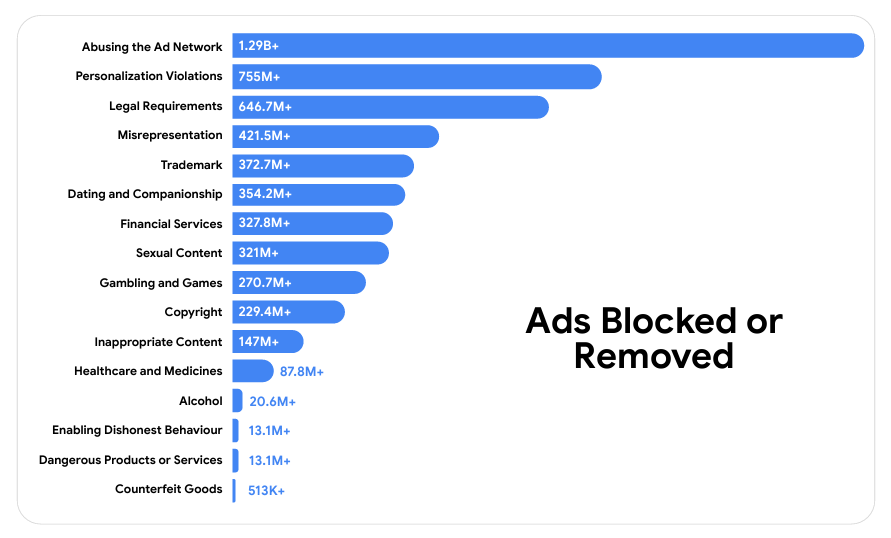
Google has blocked or removed more than 8.3 billion ads in 2025, with over 99% of policy-violating ads stopped before they were served, according to its latest Ads Safety Report. The report points to a growing volume and sophistication of online threats, particularly as bad actors increasingly use AI to generate deceptive ads at scale. In response, Google said it has strengthened its enforcement systems to detect and act on violations earlier in the ad lifecycle. In total, 24.9 million advertiser accounts were suspended over the year, including four million tied to scam-related activity. The company also removed 602 million ads linked to scams, underscoring the continued prevalence of fraud across digital advertising ecosystems. Don’t miss: Meta set to overtake Google in global digital ad revenue  Across enforcement categories, the largest volumes of removed ads fell under abuse of the ad network, misrepresentation, and legal requirement violations. Financial services, gambling, and healthcare-related ads were also among the most frequently restricted categories, reflecting higher-risk verticals where misleading claims and compliance breaches are more common. Google said it has also improved its ability to act on user feedback, taking action on more than four times as many user reports compared to the previous year. This has enabled faster removal of ads that slip through initial detection systems. Beyond ad removals, enforcement extended to publisher content. More than 480 million web pages were actioned in 2025 for policy violations, with the majority linked to sexual content, dangerous or derogatory material, and misleading or harmful content. At the same time, Google said improvements in detection accuracy have reduced incorrect advertiser suspensions by 80%, a move aimed at limiting disruption to legitimate businesses while maintaining enforcement standards. The company added that advertiser verification remains a key layer of defence, helping to prevent bad actors from entering the ecosystem by validating identities before ads are served. The findings come as governments and platforms across Southeast Asia tighten guardrails around digital safety and AI-driven content. In Singapore, the Advertising Standards Authority of Singapore recorded 379 pieces of advertisement feedback in 2025, including seven linked to generative AI. This is more than double the combined total in 2023 and 2024. The watchdog said the rise reflects growing use of AI in advertising, warning that vague or indiscriminate disclosures could hinder, rather than aid, consumer understanding. Meanwhile in Malaysia, platforms are stepping up safeguards. Meta has introduced stricter content controls for teen users on Instagram, including default age-appropriate settings and enhanced parental supervision tools, as scrutiny around online harms and youth safety intensifies. The moves reflect a broader push across the region to balance innovation with accountability, as platforms contend with more sophisticated threats while maintaining advertiser and user trust. Be part of #Content360 Singapore, 22–23 April 2026, where creativity and culture collide. Explore how AI-driven storytelling is shaping the future of content, gain practical insights, discover new tactics, and learn how the best in Asia are creating campaigns that truly resonate.  Related articles:  YouTube to hold back ads during peak livestream moments  CMOs must adapt, as global ad spend becomes overwhelmingly digital  Google clamps down on financial scam ads with new Malaysia verification requirement  source

Google blocked and removed more than 8.3 billion ads in 2025 Read More »

Fairmont Hotels & Resorts drafts Kylian Mbappé to kick off its global wellness play

Fairmont Hotels & Resorts has launched a new global brand campaign, “Wellness without walls”, fronted by world-renowned footballer Kylian Mbappé as the brand’s first-ever wellness ambassador. The luxury hospitality brand, which is part of Accor’s “ALL” loyalty ecosystem, is positioning the campaign as a redefinition of well-being beyond the traditional gym or spa, anchoring it instead in everyday guest touchpoints and in the destinations where its properties sit. At the heart of the campaign is a cinematic brand film that spotlights Mbappé’s own approach to performance, recovery and longevity, mirroring Fairmont’s updated wellness philosophy. The film is designed to bring to life an “unbound” vision of wellness, leveraging Mbappé’s global profile to push Fairmont’s credentials in the space. Don’t miss: Study: 90% of APAC luxury travellers book with wellness in mind The new positioning reflects a broader consumer expectation that wellness should be omnipresent, relevant and easy to access on the road. Beyond in-hotel facilities, Fairmont is promoting a breadth of well-being experiences that tap into local landscapes, cultures and communities, alongside a new premium Nike gear lending programme for guests. Across its portfolio, Fairmont is rolling out curated experiences and services that are meant to deliver a seamless wellness journey from arrival, ranging from nature-based activities to ritual-led and hydrotherapy offerings. Examples include cold immersion at Fairmont Chateau Lake Louise, forest therapy at Fairmont Jasper Park Lodge, hydrotherapy at Fairmont La Hacienda in Costa del Sol, paddleboarding near Fairmont Austin, copal cleansing at Fairmont Mayakoba, badminton and cricket at Fairmont Udaipur Palace, and an elevated bathhouse experience at Fairmont Hanoi. “Wellness without walls” is being positioned as a long-term platform for the brand rather than a one-off campaign. Fairmont said it plans to continue expanding its wellness proposition with new experiences, partnerships and extensions of the philosophy, with the ambition that “every guest deserves to feel their very best, wherever in the world they are.” “Fairmont is thrilled to partner with Mbappé as the brand embarks on a systemic shift on how it delivers wellness. Today’s luxury hotel guests are increasingly more aware of how they feel, how they perform, and how they recover. They are not always looking for high intensity or prescriptive programs, but for experiences that help them stay well and make better use of their time,” said Claudia Kozma Kaplan, chief brand officer, Fairmont Hotels & Resorts. She added, “The new campaign’s ‘No excuses’ tagline is inspired by Fairmont’s promise that guests can effortlessly maintain their well-being routine while traveling, however they personally define it, be it for a guest with the discipline of an elite-athlete or someone who prefers a more leisurely amble by bicycle with friends.” In tandem, Emma Darby, global vice president spa and wellness, Fairmont Hotels & Resorts said, “Travel is no longer just a break. It is an opportunity to maintain rhythm, restore balance, and experience something that supports how our guests live. The world does not need more wellness spaces, it needs more space to be well. This coupled with experiences that only Fairmont can deliver, is redefining what wellness at Fairmont truly means.” Mbappé said his decision to partner with Fairmont stems from what he sees as the brand’s genuine, location-specific approach to wellness across its properties. As an athlete, he emphasised that recovery and balance are essential to his performance, and that he experiences this focus on well-being during his stays. He added that Fairmont enables him to keep up his routines while travelling in a way that feels natural rather than imposed. The launch of “Wellness Without Walls” comes as destinations and brands increasingly lean into wellness and micro-restoration as key positioning pillars. Closer to home, Sentosa Development Corporation (SDC) refreshed its brand direction in October last year with the platform “Discover your element in ours”, aimed at encouraging visitors to reconnect with themselves through the island’s natural elements of sun, sand, sea, nature and biodiversity. Building on Sentosa’s existing “Where discovery never ends” tagline, the initiative positions the island as a sanctuary for micro-restorations that counter Singapore’s always-on work culture. Prior to that, Standard Chartered launched “WellnessNOW”, a campaign that positions financial wellness as a core pillar of overall well-being. The push centres on a three-part video series that links practices such as breathwork, mindfulness, Ayurveda and detox to the way individuals manage their priorities, wealth and daily routines. Breaking from traditional bank advertising, the content runs without direct calls-to-action or product placement, instead seeking to connect with affluent consumers who are giving emotional, physical and mental clarity the same weight as financial growth. Be part of #Content360 Singapore, 22–23 April 2026, where creativity and culture collide. Explore how AI-driven storytelling is shaping the future of content, gain practical insights, discover new tactics, and learn how the best in Asia are creating campaigns that truly resonate.  Related articles:  Fairmont Hotels & Resorts inspires staff and guests to ‘make special happen How Raffles Hotel is banking on the buttler to modernise luxury Shangri-La Singapore turns music into a full-body wellness experience source

Fairmont Hotels & Resorts drafts Kylian Mbappé to kick off its global wellness play Read More »

Sony Pictures' CEO urges cinemas to cut ad reels before films

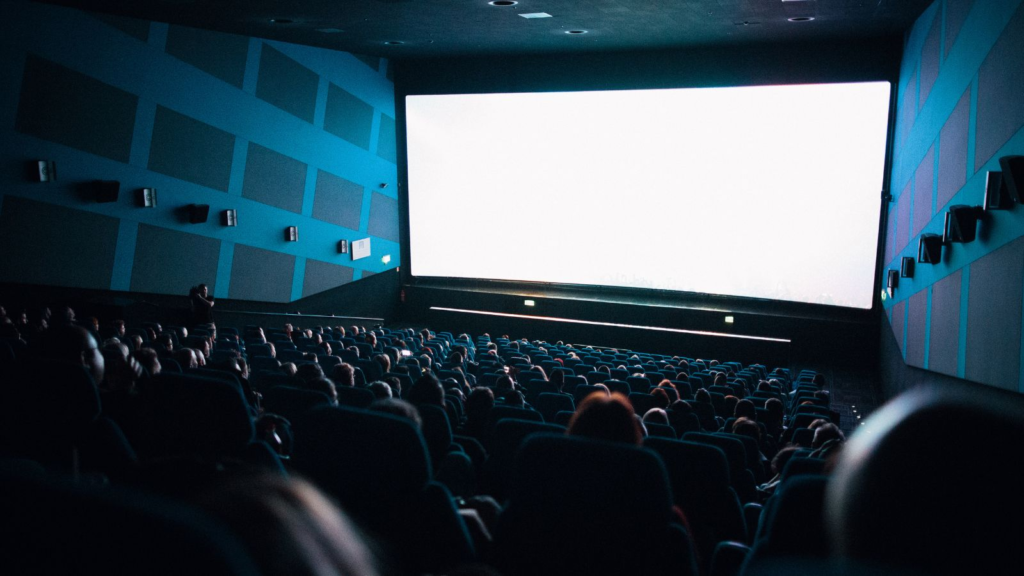
The head of Sony Pictures Motion Picture Group has reportedly called on cinema operators to rethink the increasingly lengthy pre-show experience, warning that excessive advertising could be turning audiences away. Speaking at CinemaCon in Las Vegas, chairman and CEO Tom Rothman urged theatre owners to cut down the roughly 30 minutes of trailers and commercials that often run before films begin, according to Variety. Rothman did not mince his words on stage, reportedly telling exhibitors to “get rid of the endless advertising” and significantly shorten pre-show segments. He argued that frequent moviegoers have adapted by arriving late to skip ads, a habit made easier by reserved seating, resulting in missed trailers and, ultimately, wasted promotional opportunities. Don’t miss: Netflix bows out as Paramount raises the stakes in Warner Bros. bidding war His comments come as the industry continues to rebuild post-pandemic. Rothman reportedly said the 2026 box office is poised for a strong rebound, following early successes from films such as Super Mario Galaxy Movie and Project Hail Mary, though overall attendance still lags behind pre-COVID levels. Beyond pre-show advertising, Rothman reportedly reiterated his long-standing stance on theatrical windows, calling on exhibitors to hold firm and prioritise films that commit to longer cinema runs over those that quickly shift to streaming or on-demand platforms. He also reportedly stressed the need for greater affordability, noting that rising living costs have made audiences more price-sensitive. Lower-cost viewing options, he suggested, could help bring moviegoers back into cinemas. At the same time, Rothman continued to advocate for a balance between franchise blockbusters and original storytelling. While Sony’s upcoming slate includes sequels to established hits such as Spider-Man and Jumanji, it also features original and adapted titles including The Breadwinner, Klara and the Sun and The Nightingale. The focus on uninterrupted viewing moments also comes as platforms beyond cinemas rethink how ads show up during high-engagement content. Earlier this week, YouTube said it is rolling out new features aimed at helping creators sustain engagement during peak live moments, while expanding monetisation options across formats and devices. At the centre of the update is a new system designed to “protect the vibe” of livestreams. The platform said it will automatically hold back ads when live chat activity spikes, allowing creators to maintain momentum during key moments without interruption. A similar shift towards giving users greater control over ad exposure has been unfolding across social platforms. In March last year, Reddit introduced a feature allowing users to hide ads from their feeds. By selecting “hide” on an ad, future ads from the same advertiser are muted for at least a year, after which users can choose to hide them again, according to a post on Reddit’s Safety thread. Be part of #Content360 Singapore, 22–23 April 2026, where creativity and culture collide. Explore how AI-driven storytelling is shaping the future of content, gain practical insights, discover new tactics, and learn how the best in Asia are creating campaigns that truly resonate.  Related articles: Listeners can soon swipe on ads as Spotify turns up its ad mix  Mediacorp partners Mastercard to link ads to real-world purchases  ChatGPT Go rolls out globally, ads to be tested on free and Go tiers source

Sony Pictures' CEO urges cinemas to cut ad reels before films Read More »

Gen Z perspectives: Nespresso SG marketing head departs, Philips' rice cooker typo & a Nigerian prince

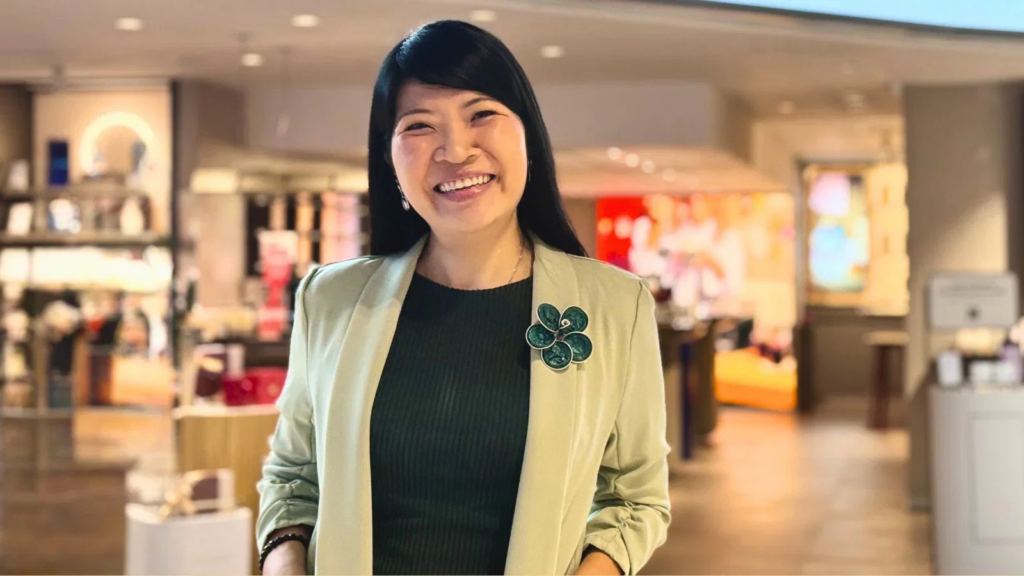
Happy Friday, MARKETING-INTERACTIVE readers and welcome back to Gen Z Perspectives, your go-to feature where we unpack the week’s top stories and trending topics through the eyes of Gen Z. From the biggest industry moves to viral moments and marketing controversies worth dissecting, we’re bringing the heat with authenticity, awareness and probably a few unfiltered takes. This week, Nespresso Singapore’s head of marketing stepped down after seven years, Philips spun a rice cooker typo into an AI contest, and Vaseline teamed up with a Nigerian prince. No scams here, this is the real deal. Don’t miss: Gen Z perspectives: DBS seeks creative agency, Esquire SG’s AI play & Nutella goes cosmic 1. Nespresso SG marketing head steps down after seven years  Peilin Lee, head of marketing at Nespresso Singapore, has stepped down after seven years to start her own business focused on leadership development and strategic communication. The move, she said, comes at a natural turning point in both her career and personal trajectory, as she looks to shift from corporate leadership into building something independently. Read more here.  2. Philips turns rice cooker typo into AI image contest on Threads Philips has turned a typo on its website — listing a rice cooker’s size in “cm” instead of “mm” — into a generative AI (Gen AI) competition on Threads, challenging netizens to create “house-sized” rice cooker images for a chance to win the actual product. The social campaign started from a technical slip on Philips Domestic Appliances’ official website last Friday (10 April). A netizen said he wanted to check the size of a Philips rice cooker he was interested in buying, but found that the product dimensions were wrongly listed in “cm” instead of “mm” — making it 334 x 287 x 255 cm. Read more here.  3. Why Vaseline is teaming up with a real Nigerian prince Vaseline has launched a new anti-counterfeit campaign in Nigeria fronted by a real Nigerian prince, as it rolls out a WhatsApp-based authentication tool to help consumers verify Vaseline Body Oils in seconds. The campaign, created by Leo Singapore of Publicis Groupe for Unilever International, aims to combat the widespread problem of fake skincare products in the market. At the heart of the campaign is the “Vaseline authenticator”, a free tool hosted on WhatsApp that enables users to check if their Vaseline body oil is genuine.  Read more here.  Be part of #Content360 Singapore, 22–23 April 2026, where creativity and culture collide. Explore how AI-driven storytelling is shaping the future of content, gain practical insights, discover new tactics, and learn how the best in Asia are creating campaigns that truly resonate.  Related articles: Agency agenda: M+C Saatchi Malaysia goes local with M+C Saatchi KARSA rebrand    WPP reportedly explores sale of PR arm Burson   TikTok SG head of brand partnerships departs source

Gen Z perspectives: Nespresso SG marketing head departs, Philips' rice cooker typo & a Nigerian prince Read More »

How Marc Jacobs is bringing its Murakami collab into full bloom

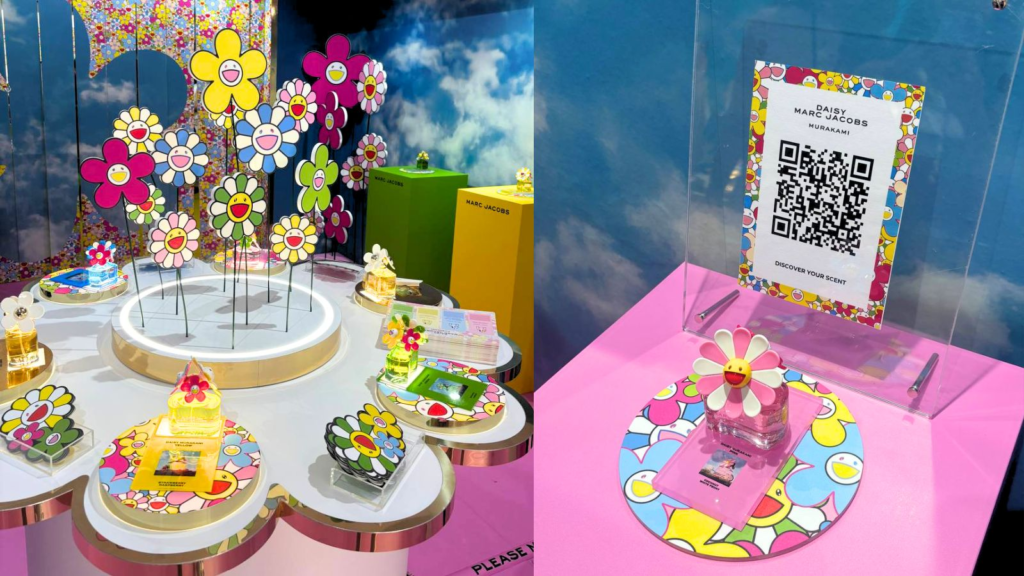
Marc Jacobs Fragrances is bringing its latest limited-edition collaboration to life in Singapore with an immersive pop-up celebrating the Daisy Marc Jacobs x Takashi Murakami collection. Running from 15 to 19 April at 265 Beach Road, the experiential space marks the regional showcase of the Daisy Murakami line, which blends the fashion house’s signature floral fragrance universe with Murakami’s bold, playful visual language. The collaboration reimagines the iconic Daisy bottle in four vibrant colourways — yellow, pink, green and blue — each inspired by existing scents from the Daisy portfolio, including Daisy, Daisy Love, Daisy Wild and Daisy Eau So Fresh. The limited-edition range also introduces more concentrated eau de parfum formulations, designed to deliver a more intense sensorial experience. Don’t miss How luxury pop-ups are redefining exclusivity Across the collection, Murakami’s signature floral motifs are integrated into the bottle caps and packaging, with bright, animated cartons extending the playful visual identity. The result is a set of fragrances positioned as both collectible objects and sensory interpretations of the Daisy “garden”. At the heart of the launch is a multi-sensory pop-up experience designed to translate the collaboration into an interactive journey. Visitors will move through colour-coded zones inspired by each fragrance, each offering a different form of engagement. The pink zone features a fragrance personality quiz that matches visitors with a scent profile, before inviting them to smell the scents and learn about the notes in each bottle. Daisy Murakami Yellow blends strawberry and raspberry, Daisy Murakami Pink combines coconut and white peony, Daisy Murakami Green pairs banana with jasmine, while Daisy Murakami Blue layers pear and rose. The space is designed as a sensorial lab where visitors can test, compare and talk through their preferences with on-ground staff. In the yellow zone, a “Teatime Marc(et)” cart serves themed treats inspired by the Daisy Murakami universe including daisy shaped cookies and iced tea. The area also hosts bottle-painting sessions with purchase, allowing shoppers to customise their fragrances on the spot and leave with a one-of-a-kind piece that reflects their personality. The blue zone is conceived as a playful, social-first corner. It features a photobooth for instant keepsakes, alongside a claw machine where visitors can try their luck at winning an array of freebies. The set-up is designed for sharing, with bold visuals and props that translate well on camera. Finally, the green zone focuses on discovery. A blind box wall invites visitors to pick mystery boxes and uncover samples from the fragrance range, turning product trial into a game of chance.  Taken together, the four zones create a multi-sensory, playground-like environment that rewards curiosity and interaction. The campaign extends the long-running creative partnership between Marc Jacobs and Takashi Murakami, translating their shared visual language of pop art, florals and fantasy into a physical retail experience designed to deepen engagement through play, discovery and story-led immersion. Experiential retail has become a key format for luxury and beauty brands looking to extend storytelling beyond traditional campaign touchpoints, particularly in fragrance where discovery is highly sensory and immersive. In January last year, French luxury house Louis Vuitton staged a Murakami-themed experiential pop-up in Singapore, transforming a historic shophouse into a multi-zone environment spanning retail, culture and hospitality. The activation blended product showcase with archival storytelling, a cinema screening space and a café experience, underscoring how physical retail is increasingly being used as a platform for cultural immersion and limited-edition storytelling. That approach reflects a broader shift in luxury marketing, where pop-ups are no longer just retail extensions but tightly curated environments for storytelling, access and engagement. Rather than simply opening doors wider, brands are increasingly designing how consumers enter their worlds through location, format and experience design that balance accessibility with exclusivity.  Be part of #Content360 Singapore, 22–23 April 2026, where creativity and culture collide. Explore how AI-driven storytelling is shaping the future of content, gain practical insights, discover new tactics, and learn how the best in Asia are creating campaigns that truly resonate.  Related articles:    How Coach is winning over Gen Z one experience at a time  YSL Beauty’s IWD ad: A masterclass in authentic activism or a short-term ploy? Louis Vuitton unveils exclusive Murakami pop-up in Singapore  source

How Marc Jacobs is bringing its Murakami collab into full bloom Read More »

Why cruise travellers are Southeast Asia’s new marketing goldmine

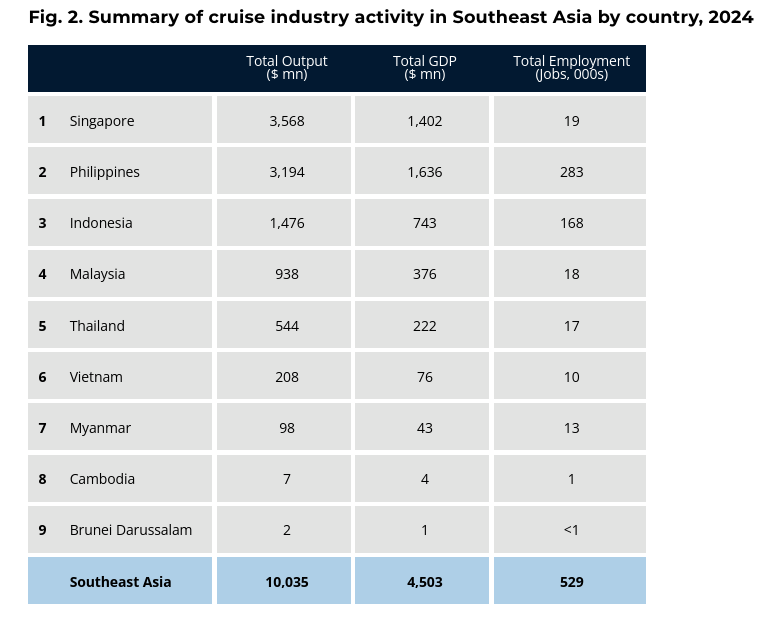
Southeast Asia may be a relatively small cruise market in passenger volume, but the numbers show it is punching far above its weight in value. According to the inaugural “Economic impact assessment of cruise tourism for Southeast Asian countries”, produced by Tourism Economics for Cruise Lines International Association (CLIA) in partnership with the Singapore Tourism Board (STB), the region generated US$10 billion (SG$12.7 billion) in total economic output from cruise tourism in 2024. That’s 5% of global cruise industry output from just 3.9 million passenger visits, or about 2% of the global total, according to the report. On a per-head basis, Southeast Asia delivered an estimated US$2,564 (SG$3,258) per passenger visit – 2.4 times the global average. For markets such as Singapore, Malaysia, Indonesia, Thailand and the Philippines, that makes cruise passengers one of the highest-value visitor segments moving through the region. Small share, big spend The study breaks down cruise activity in Southeast Asia into just under 2.1 million transit visits and slightly over 0.9 million embarkations in 2024. Residents of Southeast Asia accounted for 28% of global cruise passengers from Asian source markets, with Singapore ranking as the second-largest source market in Asia. Don’t miss: Beyond kick off: How travel intent will build before, during, and after the World Cup  Total cruise-linked direct spending in the region reached US$5.6 billion in 2024, or 6% of global cruise-linked spending. The largest component was cruise-line staff wages, which made up 38% of this spending. This is far above the global average of 10%. Cruise line purchases were the second-largest component at US$1.9 billion, accounting for 34% of Southeast Asia’s cruise-linked expenditure (compared with a global average of 49%), covering head office and administrative costs, sales and marketing, ship supplies and port call logistics. Passenger and crew spend accounted for 19%, while ship- and capacity-building made up the remaining 8%. The study goes beyond economic indicators to look at satisfaction and intent. 85% percent of cruise travellers rated their Southeast Asian experience positively, and 47% said they intend to return for land-based travel. This positions cruise tourism clearly as a “gateway to future growth” for the region: a short visit that can seed demand for longer, independent trips. The report notes that cruise tourism introduces visitors to Southeast Asia’s “diverse attractions” and helps generate sustained tourism demand beyond the initial call. Seasonality shapes how and when these visits happen. Using Tourism Economics’ Cruise-IP database, the analysis estimates that passenger visits to Southeast Asia were highest between November and April, in line with the region’s dry season. During this period, passenger visits averaged around 490,000 per month, with the highest volumes between January and March. Activity drops in the wet season, as cruise lines reposition ships to Europe to meet Northern Hemisphere summer demand. Hubs, mid-sized players and emerging markets Cruise activity in Southeast Asia is highly concentrated. Port data for 2024 shows that Singapore and Malaysia accounted for 70% of all passenger visits in the region, with Singapore taking 48% and Malaysia 22% of the 3.9 million passenger visits. Thailand, Indonesia and Vietnam form notable mid-sized markets that together account for around a quarter of regional passenger visits. The Philippines, Cambodia and Brunei Darussalam currently attract a much smaller share. For Singapore, the numbers reinforce its role as both a source market and a hub. STB’s assistant chief executive for experience development, Jean Ng, described the study as reinforcing Southeast Asia’s “strong cruise tourism value proposition”, driven by a growing middle class, rising demand for diverse travel experiences, and the region’s rich destination variety. She noted that as ASEAN’s lead coordinator for cruise developments, Singapore is working with regional neighbours and global partners to “build a compelling destination network” that can attract more cruise lines while delivering sustainable economic benefits. The report also highlights country-level impacts that matter for markets around the region. In the Philippines, the cruise industry supported around 283,000 jobs and generated US$3.2 billion in total output (sales) in 2024. Cruise activity in the country itself is still limited, with roughly 135,000 passenger visits per year, mainly through transit calls into Manila, with most itineraries originating from Singapore and China. The Philippines tends to draw a higher share of premium and luxury cruise segments and also benefits from its large population of cruise ship crew, who contribute significantly to the industry’s overall impact. In Thailand, the cruise industry supported almost 17,000 jobs and generated US$540 million in total output in 2024. Cruise operators called at around 10 ports and destinations in the country. Phuket is the main cruise port, dominated by contemporary segment itineraries, again with many originating from Singapore. Premium and luxury segments are more prominent at Thailand’s other ports, according to the study. From CLIA’s perspective, the Southeast Asia assessment is part of a broader effort to expand its annual economic impact studies and “measure the economic contribution of cruise tourism across Southeast Asia within our global analysis” for the first time. CLIA president and CEO Bud Darr said the results underscore the region’s growing role as a driver of jobs and economic activity, as well as its place in a global cruise sector that delivers “unforgettable travel experiences” to millions. The study concludes that there is “significant opportunity” for Southeast Asian destinations to further develop port infrastructure and enhance destination experiences to attract more cruise deployments. The next phase, the data suggests, is about scaling that value with more capacity, more connectivity, and more reasons for cruise lines and their passengers to keep coming back. The report came as the Singapore Tourism Board and Disney Cruise Line announced a significant collaboration, with Singapore becoming the exclusive home port for a new Disney cruise ship. The partnership marked Disney Cruise Line’s debut in Southeast Asia and brought the largest cruise ship yet to Singapore’s shores. In February 2026, UOB, Marina Bay Sands and the Singapore Tourism Board (STB), in collaboration with Disney Cruise Line, turned Marina Bay into a two-month experiential playground for visitors, anchored by

Why cruise travellers are Southeast Asia’s new marketing goldmine Read More »

Tools For Humanity Singapore picks new PR agency

Tools for Humanity, a global company building proof-of-human technology, has appointed VoxEureka as its new PR agency in Singapore. The Singapore-based mandate signals the agency’s growing push into technology and emerging digital narratives. Tools For Humanity, is tackling one of the AI era’s most pressing challenges, distinguishing real humans from bots and synthetic identities online. The appointment positions VoxEureka at the centre of conversations around identity, trust and digital infrastructure, as brands and platforms grapple with the implications of artificial intelligence. The win also marks a milestone for VoxEureka’s Singapore operations, which have now completed a year in market. It reflects a broader strategy to deepen capabilities in high-growth sectors such as technology, fintech and digital ecosystems, while expanding its regional footprint beyond Malaysia. Don’t miss: Vertixal rebrands to VX to reflect creative commerce shift Alongside its Singapore momentum, the agency has also secured a series of new business wins in Malaysia, spanning automotive, travel, retail and lifestyle sectors. Among them, Hyundai Motor Malaysia appointed VoxEureka, working alongside INNOCEAN Malaysia, to lead communications around key launches and corporate milestones. In the travel space, Trip.com has engaged the agency to strengthen media relationships and build brand trust, as competition intensifies within the online travel category. Meanwhile, Pavilion Group has tasked VoxEureka with elevating communications across its flagship assets, including Pavilion Kuala Lumpur and Pavilion Damansara Heights, integrating corporate messaging with retail storytelling to drive engagement and footfall. Coway has also come on board, appointing the agency to lead creative and activation conceptualisation, alongside creator engagement for an upcoming innovation-led campaign centred on accessible healthy living. The new business momentum follows a competitive pitching period and comes amid a broader recalibration after a softer 2025. VoxEureka said the latest wins reflect a deliberate shift towards integrated, multi-market models that combine regional scale with local expertise. At the same time, the agency has retained several long-standing clients. TikTok renewed its mandate for a fifth consecutive year in Malaysia following a six-agency pitch, while Sunway Group also extended its partnership for a fifth year. Earlier this week, high-end audio technology brand Devialet has appointed COCO PR as its strategic communications partner for Singapore.  Securing the account following a competitive pitch, COCO PR will manage a year-long retainer focused on driving brand awareness and high-impact campaigns across Singapore. Meanwhile, Meta, the parent company of Facebook, Instagram and WhatsApp, has appointed EastWest Public Relations as its PR agency in Singapore, MARKETING-INTERACTIVE understands. The one-year contract will see the agency manage strategic communications, media relations, and issues management for the tech giant. Archetype was the incumbent. Related articles: Coway, Hyundai, Pavilion and Trip.com appoint new PR agency in Malaysia Devialet picks PR agency for SG Meta appoints new PR agency and communications lead for SG source

Tools For Humanity Singapore picks new PR agency Read More »