marketing interactive

Prada completes US$1.375b acquisition of Versace

Prada has completed its acquisition of Versace from Capri Holdings after securing all required regulatory approvals, the company said in a statement. Capri Holdings confirmed the transaction, noting that Versace was sold for US$1.375 billion in cash, subject to adjustments. Capri said the proceeds will be used to repay most of its debt to strengthen its balance sheet. John D. Idol, chairman and chief executive officer of Capri Holdings, said the move will reduce the group’s leverage ratio and give it more financial flexibility to invest in growth and return capital to shareholders. Don’t miss: Luxury goes pop: How music videos are the new catwalks for high fashion brands He added that Capri remains focused on driving its strategic plans across Michael Kors and Jimmy Choo as it aims to stabilise the business this year and build toward a return to growth in fiscal 2027. Idol also thanked the Versace team for its contributions, singling out Donatella Versace, Dario Vitale and Emmanuel Gintzburger for their leadership. “I wish the Versace team continued success in the future, and believe Prada is the ideal partner to guide this celebrated luxury house into its next era of growth,” he added.  Capri had first unveiled the sale in April this year. At the time, Idol had said then that Versace had been repositioned to emphasise its luxury heritage and craftsmanship, and that Capri viewed the deal as part of its wider plan to strengthen its balance sheet while supporting the long-term growth of Michael Kors and Jimmy Choo. MARKETING-INTERACTIVE has reached out to Prada for more information.  The Prada–Versace deal also lands amid a wave of high-value acquisitions reshaping the consumer landscape. In July, Ferrero added to the momentum with a US$3.1 billion agreement to acquire WK Kellogg Co, the maker of Frosted Flakes, Froot Loops and Special K. The move broadens Ferrero’s North American portfolio into new consumption occasions and reinforces its strategy of acquiring and scaling iconic brands across the region. Related articles: L’Oréal Groupe taps iProspect to debut Prada Beauty in Taiwan     BOSS Fragrances turns perfume into happy hour with scent-inspired cocktails  How Coach is winning over Gen Z one experience at a time source

Prada completes US$1.375b acquisition of Versace Read More »

Tiger Brokers makes investing playful at rebranded flagship event

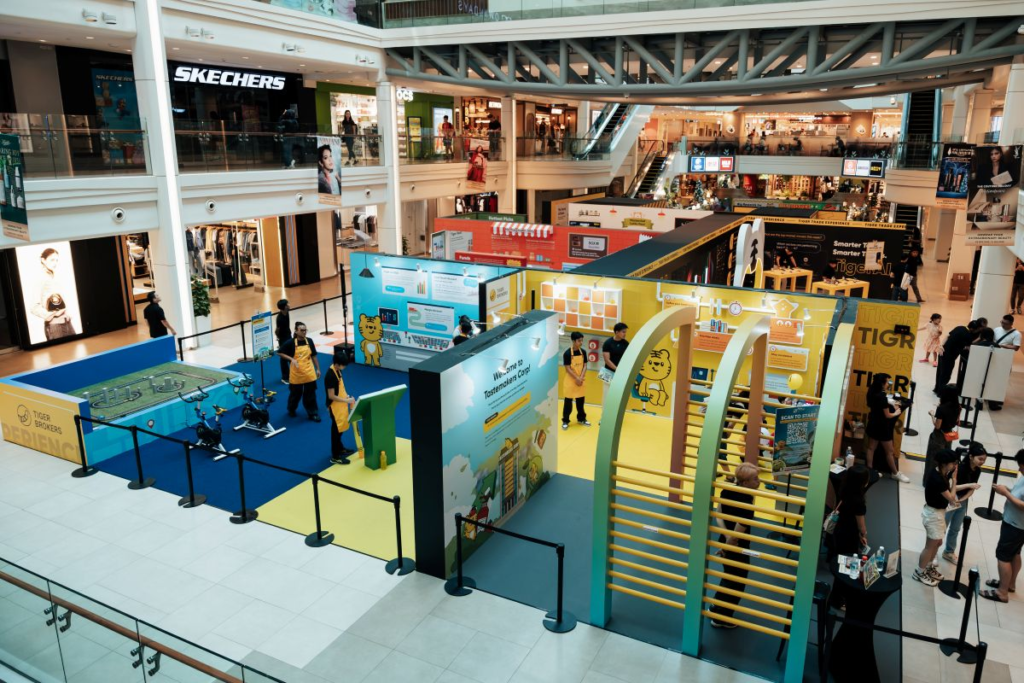
Tiger Brokers Singapore is making investing more accessible, engaging and community-driven for retail investors in Singapore. Over the weekend of 22 to 23 November at Plaza Singapura, the online brokerage firm hosted its flagship “Tiger Trade Experience 2025: What’s your secret sauce” event, hosting over 4,000 attendees at the activation.  Ahead of the event, Tiger Brokers ran an online quiz designed to help participants identify their “secret sauce” as investors, categorising trading styles as ‘Salt’, ‘Wasabi’, or ‘Sambal Chilli’. The quiz aimed to build engagement among retail investors and drive attendance at the live activation. The pop-up transformed Plaza Singapura’s atrium into “Tastemakers corp”, a themed space blending finance and play. Attendees completed interactive missions, explored Tiger Trade tools at the Tiger Innovation Lab, and engaged in life-sized games such as giant Jenga and a human claw machine at Tiger PLAYce, winning limited-edition Tiger merchandise. Don’t miss: Wise calls out hidden transfer fees in cheeky carrot-themed activation  The event also highlighted TigerAI, the platform’s AI-powered trading assistant for retail investors, allowing visitors to explore personalised portfolio insights and decision-making tools. According to Tiger Brokers, first-time users of Tiger Trade at the event demonstrated strong interest in these tools, signalling growing demand for approachable, technology-driven investing solutions. “Investing has often felt intimidating for many beginners,” said Ian Leong, CEO of Tiger Brokers Singapore. “With Tiger Trade Experience 2025, we’re reaching investors through experiences that are engaging, playful, and relatable.” Ernest Teh, associate director of marketing, added that the “What’s your secret sauce” concept aimed to make investing personal and expressive, reflecting different investor personalities in a hands-on, immersive format. The activation aligns with Tiger Brokers’ broader “Invest in what matters, together” campaign, which takes the firm’s engagement beyond product features to everyday life, connecting investing to personal milestones and aspirations. Central to the campaign was a TVC that follows a young father and his son through life milestones, connecting the act of investing to family, ambition, and securing a better future, reinforcing that behind every trade is a story that matters. Running from the second half of 2025 through the first half of 2026, the campaign highlights the personal side of investing and reminding audiences that behind every trade is a deeper story, whether that’s family, ambition or securing a better future. Related articles:   Tiger Brokers trades charts for hearts in emotive brand shift  Tiger Brokers promotes new crypto trading feature with OOH campaign  Tiger Brokers picks new creative and social agency for Tiger Trade   source

Tiger Brokers makes investing playful at rebranded flagship event Read More »

Google strengthens SEA leadership to accelerate AI-driven growth

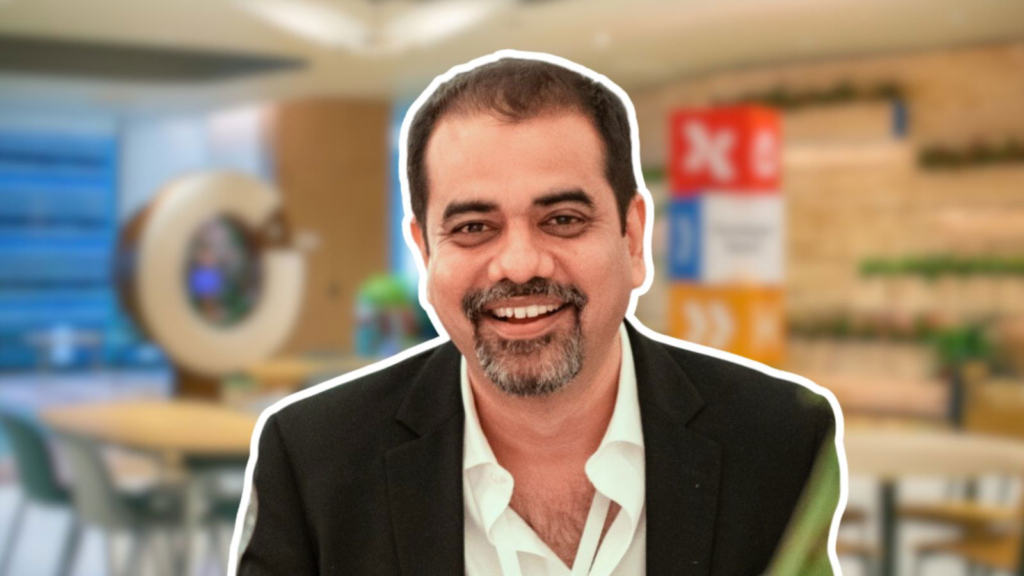
Google is reshaping its Southeast Asia leadership structure to better support businesses navigating the region’s rapid AI adoption. As digital platforms like Search and YouTube increasingly power consumer connections, the company is enhancing local expertise and cross-market collaboration to help clients innovate more efficiently. Farhan S. Qureshi, formerly country director for Google Malaysia, has been appointed regional director, business and operations for Pakistan, the Philippines, Thailand, and frontier markets. In a LinkedIn post, Farhan emphasised his focus on driving growth in these dynamic markets: “I am honoured to step into this role leading a new cluster dedicated to maximising opportunities across these incredibly dynamic markets. The innovation and growth potential here is truly inspiring, but we recognize that capturing it demands a specialized approach rather than a one-size-fits-all model.” Don’t miss: Google elevates Ben King to lead newly consolidated Singapore-Malaysia cluster He added, “To ensure our clients get the best results, we are focusing entirely on empowering our local leaders. My role is to support and scale their success by helping our teams move beyond local limitations, providing them with access to regional scale, faster innovation, and the specialised resources they need to win.” Farhan further highlighted that this approach “focuses on enabling agility to capture new opportunities and drive sustainable growth in an AI-driven future,” while working closely with in-market leaders in Philippines and Thailand, whose local expertise is critical to delivering results. According to Google, the expansion also includes two other recent appointments: Prep Palacios as country director in the Philippines and Rafael Scislowski as country director in Thailand. “This leadership evolution underscores Google’s continued investment in Southeast Asia and its commitment to aligning the right teams and talent with the region’s most important customer needs,” the company shared.  Central to this move was Ben King’s appointment as managing director for Google Malaysia and Singapore, reported by A+M last month. King will oversee the recently expanded SEA agency and partner function, which now goes beyond media agencies to include creative, creator, tech, and platform partnerships. The unified structure is designed to foster synergy across teams, enabling faster deployment of Google’s AI-powered solutions while sharing best-in-class strategies and vertical expertise across markets. King has passed his previous APAC responsibilities to global and multi-market teams. Previously, King served as managing director, Google Singapore, APAC agency and industry relations, where he led a team supporting agencies and clients to grow their businesses online. His role encompassed initiatives with positive impact on the Singapore community, including skilling, SME digitisation, and sustainability. Related articles: Google Wallet and Google Pay go live in PH with broad bank and merchant support Google DeepMind opens new AI research lab in SingaporeJason Tedjasukmana leaves Google after more than a decade in comms leadership source

Google strengthens SEA leadership to accelerate AI-driven growth Read More »

Yeo’s brews holiday magic with gifts you can sip

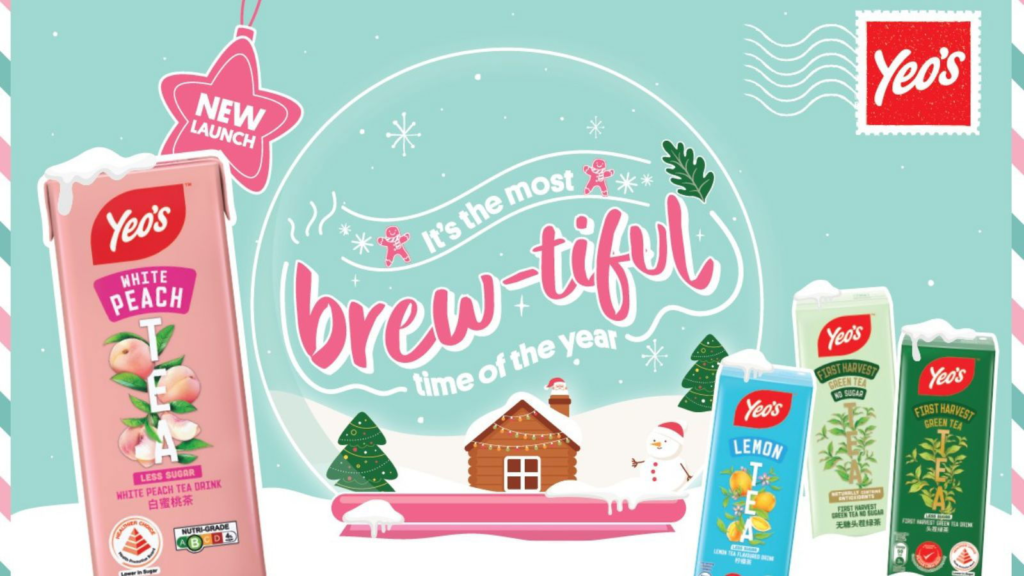
Yeo Hiap Seng (Yeo’s) is closing out the year with a design-driven festive campaign that pairs product innovation with collectible packaging, placing the brand at the crossroads of nostalgia, craftsmanship and modern gifting culture. The campaign, “It’s the most brew-tiful time of the year,” shines a spotlight on the newly launched ‘White peach tea’, a delicate fusion of real white peach juice and smooth black tea. Joining Yeo’s tea series, the drink reinforces the brand’s focus on flavour experiences crafted for sharing, gifting and seasonal rituals. But the real story this season is the Yeo’s festive mailbox, a limited-edition collectible that blends brand storytelling with lifestyle design. Inspired by classic Christmas mailboxes, the piece opens to reveal mini “parcels” wrapped like personal gifts, each one holding tea favourites or small festive accessories. Don’t miss: Apple’s holiday film stars a bunch of whimsical puppet critters and an iPhone 17 Pro  In an era where packaging has become a cultural moment in itself, Yeo’s is clearly betting on physical experiences to spark emotional connection. Finished in a pastel turquoise with understated detailing, the mailbox is built to outlive the season as a décor object or storage piece for trinkets, stationery or jewellery. Think: FMCG meets keepsake lifestyle branding. To amplify reach, the brand will run a social media giveaway from 1 to 10 December 2025 on Instagram and TikTok, inviting consumers to win the festive mailbox and create their own unboxing content.  “This Christmas, we hope to capture the quiet holiday magic that unfolds in the in-between moments; the soft rituals and gentle pauses where the season truly reveals itself,” said Alex Chen, head of SG marketing and business development at Yeo’s. “‘It’s the most brew-tiful time of the year’ is our ode to that feeling. Our white peach tea is designed for the moments when you pause amid the festive rush and let the holiday magic sink in,’ added Chen.  Yeo’s has also shown its flair for playful, culturally tuned campaigns with the earlier launch of “Gen Tea,” which celebrated Singaporeans born after 2000. The campaign, created by Forsman & Bodenfors’ F&B Studios, riffed on the ‘T’ prefix in NRICs, declaring that in Yeo’s world, it stands for “tea.” Social-first and experiential, it included Instagram posts featuring Teamothy Yeo and an activation at One Holland Village where participants could claim an “Identi-Tea card” and redeem a bottle of ‘First harvest green tea’. Related articles:  Yeo’s backs para-athletes in new Singapore Disability Sports Council partnership  Yeo’s ignites dragon fever with fiery beverage collab  Yeo’s ushers in CNY with limited-edition packaging and record-breaking installation  source

Yeo’s brews holiday magic with gifts you can sip Read More »

Gen Z perspectives: Omnicom-IPG merger, KFC Kallang's revamp and MY's social media ban

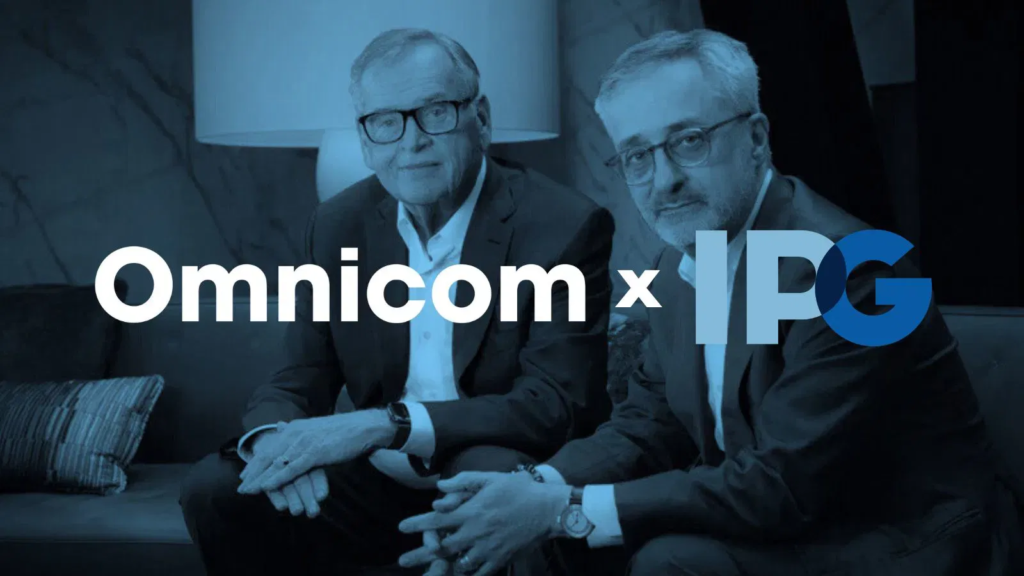
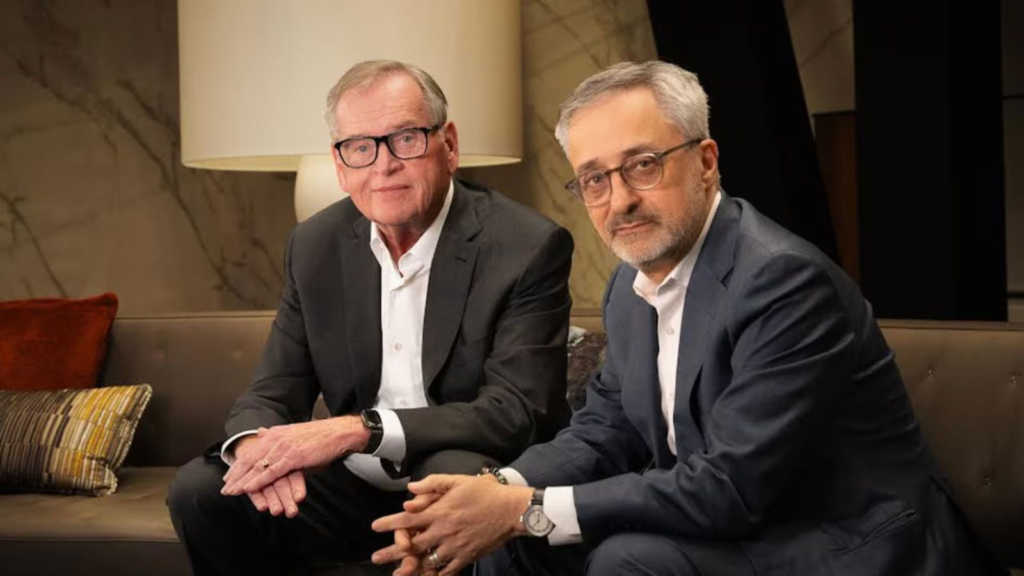
Happy Friday, MARKETING-INTERACTIVE readers and welcome back to Gen Z Perspectives, your go-to feature where we unpack the week’s top stories and trending topics through the eyes of Gen Z. From the biggest industry moves to viral moments and marketing controversies worth dissecting, we’re bringing the heat with authenticity, awareness and probably a few unfiltered takes. This week: Omnicom’s IPG deal clears, KFC Kallang gets a neon-lit revamp, and Malaysia clamps down on under-16s on social media. Headlines so hot, they’re finger-lickin’ good. Don’t miss: Gen Z perspectives: Nike’s soup drop, Kylie Cosmetics in SG & ‘idiots’ remark 1. EU greenlights Omnicom-IPG US$13.5bn merger The European Commission has given the green light for Omnicom’s proposed acquisition of IPG, ruling that the deal raises no competition concerns across the European Economic Area (EEA). Following the EU approval, Omnicom has officially completed its acquisition of Interpublic, forming the world’s largest holding group with more than US$25 billion in combined revenue and a mandate to lead what CEO John Wren calls the “next era” of intelligent, connected growth. The deal unites two of the industry’s biggest holding companies under the Omnicom umbrella. Wren remains chairman and CEO, with Phil Angelastro staying on as EVP and CFO. Philippe Krakowsky and Daryl Simm become co-presidents and co-COOs. The full leadership slate will be announced on 1 December. Read more here, and here. 2. KFC Singapore unveils first-ever merchandise space at revamped Kallang outlet KFC has reopened its Kallang outlet after a months-long renovation, unveiling neon-lit interiors, interactive features, and Singapore’s first physical merchandise corner. The revamp reflects the brand’s push to make its outlets more than just dining spaces, combining social and lifestyle experiences under one roof. The space launches with the latest limited-edition capsule collection from homegrown streetwear label AMOS X ANANDA, created by Singaporean designer Amos Yeo, on 28 November 2025. Read more here.  3. Under-16s to be banned from social media in 2026 The Malaysian government is set to bar teens under 16 from signing up for social media accounts starting next year, raising the age limit from the earlier proposed threshold of 13. Communications minister Fahmi Fadzil told local media this week that all platform providers will be required to implement electronic know-your-customer (eKYC) identity verification by then. Registration will rely on official documents such as MyKad, passports and MyDigital ID. Read more here.  Related articles: The Omnicom–IPG mega merger changes everything, especially for CMOs    Singtel amps up BLACKPINK mania with month-long fan playground     Agency agenda: Ogilvy ASEAN CEO Kunal Jeswani on his 3 big bets for 2026 source

Gen Z perspectives: Omnicom-IPG merger, KFC Kallang's revamp and MY's social media ban Read More »

Omnicom to shutter longstanding agencies, cut 4,000 jobs following IPG merger

Omnicom will retire several long-established agency brands, including DDB, FCB and MullenLowe, as part of its integration of Interpublic into a single global group. In a sweeping restructure following its US$13.3 billion takeover of Interpublic, Omnicom is consolidating overlapping networks, folding FCB into BBDO and rolling DDB and MullenLowe into TBWA. Financial Times reports the company will cut more than 4,000 jobs as part of the immediate post-merger integration. Omnicom’s own announcement made no reference to the retirement of any agency brands, but the new Omnicom website confirms the shift. DDB, FCB and MullenLowe no longer appear anywhere in the creative structure, which is now built around three global networks: BBDO, McCann and TBWA. Don’t miss: Omnicom–IPG merger changes everything, especially for CMOs In Asia, Omnicom Advertising will be led by Sean Donovan. The three global networks sit alongside a group of 12 creative boutiques, including Alma, antoni, Carmichael Lynch, Goodby Silverstein & Partners, Lucky Generals and Martin Agency. These remain listed with their existing leadership. Media sits under a consolidated Omnicom Media Group built around OMD, PHD, UM, Initiative, Mediahub Worldwide, Hearts & Science and Acxiom. Tony Harradine will lead Omnicom Media across APAC. Public relations and public affairs now operate around a defined set of core brands. Public relations includes FleishmanHillard, Golin, Ketchum, Porter Novelli and Weber Shandwick, along with firms such as Mercury, FP1, PLUS and gmmb. Public affairs includes maslansky + partners, Portland and a small number of other advocacy-focused agencies. The broader leadership team remains as previously announced. Florian Adamski leads Omnicom Media and Chris Foster oversees public relations. Duncan Painter runs Omni and the Flywheel commerce network and Michael Larson leads Diversified Agency Services. Jacki Kelley and Andrea Lennon serve as client success leaders, while George Manas transitions into the chief growth and solutions officer role from 1 February 2026. John Wren continues as chairman and CEO, supported by CFO Phil Angelastro and co-presidents and COOs Philippe Krakowsky and Daryl Simm. Local leadership and updates for APAC markets may be announced as soon as today. Omnicom will formally debut the combined organisation and introduce the next generation of its Omni platform at CES 2026. Year-end earnings in February will outline integration progress and synergy expectations, followed by an Investor Day. Related articles:   How are industry players coping with the consolidation wave? When scale meets strategy: Agency shake-ups that shaped 2025 EU greenlights Omnicom-IPG US$13.5bn merger   source

Omnicom to shutter longstanding agencies, cut 4,000 jobs following IPG merger Read More »

Johnny Cash estate sues Coca-Cola, claiming ad “stole” singer’s voice

The estate of late country singer Johnny Cash has sued Coca-Cola, alleging the beverage giant exploited his likeness in a commercial. Filed last week, the lawsuit claims Coca-Cola violated right of publicity laws by using a Cash impersonator in an ad titled “Go the distance”, which aired in August during the college football season. According to the suit seen by MARKETING-INTERACTIVE, the estate said Coca-Cola pirated Cash’s voice in a nationwide campaign to profit “without asking for permission or providing any compensation to the humble man and artist who created the goodwill from which Coca-Cola now profits.” “Stealing the voice of an artist is theft. It is theft of his integrity, identity and humanity,” the estate added. Don’t miss: Warner Bros. sues Midjourney over AI use of Superman, Batman and other iconic characters  The campaign itself is the third iteration of Coca‑Cola’s fall sports push, which celebrates college football’s “Best fans ever.” The TV spot highlights away-team fans, those who travel far from home to tailgate and support their teams with unwavering energy, and positions Coca‑Cola and Coca‑Cola Zero Sugar as a refreshing companion along the journey. The film features several of Coca‑Cola’s NCAA partner schools. The 2025 campaign spans digital and social media, paid partnerships, on-pack and in-stadium promotions, outdoor advertising, and shopper activations. The “Fan work is thirsty work tour” will distribute ice-cold Coca‑Cola and Coca‑Cola Zero Sugar across 53 partner school campuses and select pro football tailgates throughout the season. “From tailgating to cheering from the stands to watching every play from home, an ice-cold Coca‑Cola Original Taste or Coca‑Cola Zero Sugar is a familiar and refreshing companion,” said Stacy Jackson, VP, Coca‑Cola trademark, Coca‑Cola North America. “That’s what makes the brand’s role in college football so authentic — it’s been there for generations of fans, bringing people together and fueling the moments of passion, energy and connection that define the sport.” The estate also claimed Coca-Cola hired a Johnny Cash tribute singer specifically to mimic his voice. “Coca-Cola selected the sound-alike singer to sing the vocal track for the specific purpose of ensuring that the infringing ad sounded as close as possible to the voice,” it said. The estate argued the ad creates the false impression of a connection or endorsement by Cash’s estate. The issue of likenesses has also emerged in gaming. SAG-AFTRA recently filed an unfair labour practice charge against Epic Games’ Llama Productions, alleging the company used AI to replicate Darth Vader’s voice in Fortnite without negotiating with or notifying union actors. The union said Llama Productions replaced human performers with AI-generated voices, raising concerns over rights, compensation, and the use of actors’ digital replicas. Fortnite stated it obtained permission from the family and estate of James Earl Jones, who originally voiced Darth Vader, to feature his iconic performance. The family said Jones wanted fans of all ages to continue enjoying the character, and the collaboration allows new generations to experience Darth Vader while respecting his legacy. Related articles:  Coca-Cola adds a fizzy kick to limited-edition Converse collab  Coca-Cola seems to have learnt its lesson from the 2024 Christmas ad, but why are audiences divided?  Coca-Cola and Liverpool FC renew multi-year partnership with deeper fan focus source

Johnny Cash estate sues Coca-Cola, claiming ad “stole” singer’s voice Read More »

Public relations in Southeast Asia is evolving, not disappearing

Across Southeast Asia, the news business is undergoing a structural reset. In Vietnam alone, a proposed media restructuring could shutter around 180 outlets and impact over 8,000 journalists and editors. Similar consolidation and tightening efforts in Indonesia, Malaysia, the Philippines and Thailand could mean smaller newsrooms, multi-beat reporters and tighter deadlines. Last October, it was reported that Media Chinese International looks to lay off at least 44% of its staff within two years as it integrates artificial intelligence (AI) into its operation Branded or sponsored content is now standard fare, with editorial scrutiny far sharper around local relevance. The message to PR folks is clear: your pitch must land fully formed, supported by verified data and a local context that removes extra work from the journalist’s plate. Despite the churn, three things remain constant. First, founders, investors and policymakers still judge success partly by how often their ideas appear in trusted publications. Second, brands still rely on third-party validation to build reputational capital that advertising alone cannot buy. Third, respectful relationships with journalists still open doors, particularly when a crisis places the organisation under sudden scrutiny. Technology can speed research and drafting but it cannot replace the human ingredient of trust built over time. New rules for earning trust  The traditional news release sent to a mass mailing list seldom earns more than a polite glance. Reporters want clear angles that answer “why now?”, concise quotations and assets that accelerate production, such as charts, photographs and locally relevant case studies. They expect stories to move beyond product details and address wider industry implications. Pitches that focus solely on what the brand wishes to announce, without considering what audiences need to know, are usually ignored or downgraded to paid placement. Influence today is diffused across many channels. Fewer career journalists are complemented by a much larger pool of niche creators, analysts and subject-matter experts. Successful campaigns, therefore, rely on highly targeted, data-led outreach rather than blanket distribution. Artificial intelligence assists with background research and first-draft writing, freeing practitioners for deeper insight and relationship building. From the planning stage, teams design amplification strategies that treat an earned headline as “hero content” to be repackaged for LinkedIn, X, TikTok and corporate newsletters. Audiences regularly engage more with a senior executive’s personal post than with the company page, so individual voices carry growing weight. The localisation imperative  Southeast Asia may be discussed as one region, yet its media expectations are fiercely local. A fintech story that lands in Singapore likely needs regulatory nuances for Malaysia and a consumer-protection context for Indonesia. Without adjustments, even strong regional news can fall flat. Communicators must map priority markets early, secure local spokespeople where possible and prepare tailored press materials that respect language, cultural references and differing news cycles. Trust is scarce, and misinformation travels fast, particularly on social media. The 2024 accounting scandal involving Indonesian aquaculture firm eFishery demonstrated how rapidly local issues become global headlines. Companies that had already invested in transparent relationships with journalists could explain their exposure, correct errors and contextualise the risk. Those without prior goodwill found it harder to gain a fair hearing. Whether the incident is a data breach, product recall or executive departure, pre-crisis credibility often determines how a narrative unfolds. Preparing for PR’s next evolution Modern PR is increasingly data-driven. Beyond headline counts, practitioners track share of voice, sentiment and referral traffic to prove how earned media supports organisational goals. This shift does not diminish creativity, but it does require alignment with marketing analytics and clear key performance indicators agreed in advance. Looking ahead, communicators in Southeast Asia should invest in story development by mining internal data, customer insight and sector trends to uncover themes that move markets, not just brand agendas. They should also strengthen reporter relationships by offering genuine value, including expert access, independent research and local case studies. Moreover, communicators should blend channels thoughtfully, coordinating earned, owned and paid media so each amplifies the others, acknowledging that audiences move fluidly across platforms. They should adopt AI responsibly, using it to streamline tasks while preserving human judgment for nuance, ethics and tone. Finally, communicators should prioritise localisation, equipping spokespeople and materials to answer the “So what for us?” question in every target market. In Southeast Asia, public relations is on the trajectory of ripening. Brands that adapt to leaner newsrooms, multi-channel influence and data-driven evaluation will keep reaping the credibility that only independent coverage can deliver. The human touch (context, empathy and follow-through) remains the constant that separates a fleeting mention from a story that shapes opinion. This article was written by Prayaank Gupta, executive director at Ellerton & Co. Public Relations. source

Public relations in Southeast Asia is evolving, not disappearing Read More »

When scale meets strategy: Agency shake-ups that shaped 2025

2025 has been a transformative and highly dynamic year for the global marketing and advertising industry. Holding companies and major agencies moved aggressively, reshaping the landscape through mergers, acquisitions, realignments, and rebrandings. Longstanding rivalries ended, reporting structures were overhauled, and global networks expanded its creative and data capabilities in pursuit of scale and efficiency. The year highlighted a clear trend: scale alone is no longer enough. The world’s largest marketing groups raced to consolidate resources, unify talent, and integrate data, media, and technology in ways that promised smarter, more connected growth. From blockbuster acquisitions to the formation of entirely new creative entities, each agency rethought traditional structures, prioritising collaboration and agility to meet evolving client needs. Overall, 2025 was a year of consolidation, reinvention, and rapid change, as holding companies and agencies navigated a more complex, competitive, and data-driven marketplace. The pace of transformation signals that the industry is entering a new era, one defined not just by size, but by the ability to integrate creativity, technology, and intelligence in ways that were unimaginable even a few years ago. Below, MARKETING-INTERACTIVE has tracked five of the biggest agency shake-ups this year, highlighting just how fast the landscape is evolving. Don’t miss:  How are industry players coping with the consolidation wave?  Omnicom completed acquisition of IPG Omnicom completed its acquisition of Interpublic, creating the world’s largest holding group with more than US$25 billion in combined revenue. CEO John Wren described the move as the start of the “next era” of intelligent, connected growth. The deal united two of the industry’s longstanding rivals under Omnicom. As of this writing, Wren remains as chairman and CEO, with Phil Angelastro continuing as EVP and CFO, while Philippe Krakowsky and Daryl Simm were appointed co-presidents and co-COOs.  Rumours of an Omnicom–IPG merger had circulated earlier in 2025 amid margin pressures, slower global growth, and the need for deeper integration across data, media, and CRM. The merger ended one of the industry’s longest rivalries and shifted the balance of power among the Big Four networks including Omnicom, Publicis, WPP, and Dentsu, creating a scale player surpassing WPP in revenue and headcount. Read more here.  Publicis acquired HEPMIL In October 2025, Publicis Groupe signed a definitive agreement to acquire HEPMIL Media Group, the parent company of SGAG, a leading influencer, content, and social agency in Southeast Asia. The acquisition combined HEPMIL’s expertise in building digital communities and managing local creators with Publicis’ data capabilities, including Lotame and Epsilon’s ID graph covering more than 800 million consumer profiles in the region. The integration strengthened Publicis’ position in identity-driven influencer marketing, offering a unified creator practice across social strategy, influencer management, and data-led content creation. Read more here. WPP realigned Grey under Ogilvy Earlier this September, WPP moved creative agency Grey under Ogilvy, shifting its reporting line from the AKQA group. Grey global CEO Laura Maness began reporting to Ogilvy global CEO Devika Bulchandani. The move aimed to strengthen collaboration, unlock growth across WPP, and reflect Grey’s creative resurgence and profitable trajectory. Grey continued to operate as a standalone brand within Ogilvy, and existing collaborations with AKQA remained in place. Read more here. WPP rebrands GroupM In May, WPP rebranded its media investment arm, GroupM to WPP Media, marking a significant shift after two decades.  The move is part of a broader effort to deliver more integrated, AI-enabled solutions to the world’s largest advertisers. With more than US$60 billion in annual media investment under management and clients across 80 markets, WPP Media consolidates the group’s media, data and production capabilities under a single, AI-driven operating model. Mindshare, Wavemaker and EssenceMediacom will continue to exist as agency brands within WPP Media, working closely with clients through dedicated teams.  Read more here.  Publicis merged Leo Burnett and Publicis Worldwide to form Leo Kicking off the year, Publicis Groupe combined Leo Burnett and Publicis Worldwide into a new global creative entity called Leo. The move united 15,000 creative professionals (8,000 from Leo Burnett and 7,000 from Publicis Worldwide) to drive scaled transformation, personalised content, and connected brand experiences. Leo was co-led by Marco Venturelli and Agathe Bousquet as co-presidents, with Gareth Goodall as chief strategy officer. Andrew Bruce, CEO of Publicis Groupe Canada, also took on the role of Chairman, Leo North America. The new unit joined Publicis’ creative roster alongside Saatchi & Saatchi, LePub, and BBH, with a redesigned logo symbolising “the firepower of a name with the roar of a lion.” Read more here.  Related articles:  Agency agenda: Ogilvy ASEAN CEO Kunal Jeswani on his 3 big bets for 2026   Next wave of creativity: What’s in store for 2026? Next in digital: How agencies in SG are staying ahead in 2026  source

When scale meets strategy: Agency shake-ups that shaped 2025 Read More »

Campbell’s rebuts ‘absurd’ claims of 3D-printed chicken after alleged recording surfaces

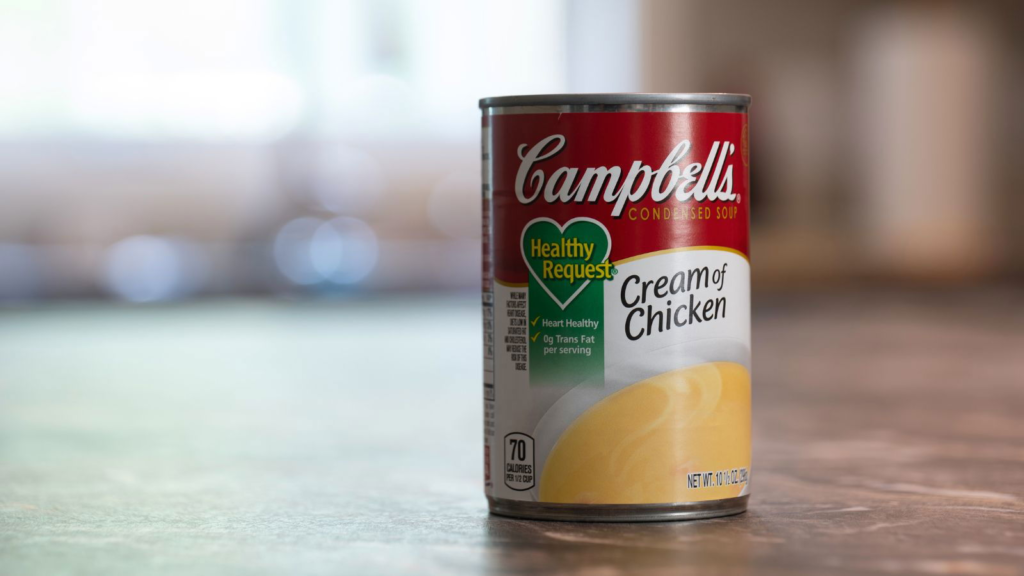
Campbell’s is pushing back against misinformation about its ingredients following the release of an alleged audio recording tied to a retaliation lawsuit filed by a former employee. The recording was released by Robert Garza, who is suing the company for allegedly retaliating against him after he raised concerns about then–information technology vice-president Martin Bally. According to details reported by ABC News, the lawsuit cites an alleged conversation between Bally and Garza that Garza secretly recorded during a meeting in 2024. In the audio, Bally is reportedly heard making disparaging remarks about Campbell’s consumers and its products, including crude comments about the healthiness of the soups and claims that they contained “bioengineered meat” or “3D-printed” chicken. Don’t miss: Campbell’s cooks up grilled cheese and chicken noodle soup scented candles The suit reportedly states that Garza planned to report Bally’s behaviour to HR but was dismissed weeks later. Campbell’s told ABC News that Garza, who had been with the company for less than five months, was terminated for “good reason”. Garza is reportedly suing for retaliation and a hostile work environment, and is seeking emotional and economic damages. Campbell’s said it first became aware of the litigation, and segments of the recording, on 20 November. After reviewing the clip, the company said it believes the voice to be Bally’s. The company also described the comments as “vulgar, offensive and false,” adding that the behaviour “does not reflect our values”. Bally is no longer with the company as of 25 November. In addition, the company moved quickly to address claims circulating online suggesting its soups contain artificial, lab-grown or 3D-printed chicken. Campbell’s called the claims “patently absurd,” reiterating that all its soups are made with real chicken sourced from long-trusted, USDA-approved US suppliers. The brand said its chicken meets strict safety, quality and animal-welfare standards. All soups are produced with “no antibiotics ever” chicken, and Campbell’s does not use lab-grown meat, 3D-printed ingredients or any form of bioengineered meat. Its facilities are subject to USDA oversight, including in-person inspections, and the company works only with approved and audited suppliers. Campbell’s added that it remains committed to “acting with character, integrity and transparency,” emphasising the trust it has built over more than 150 years. The incident comes as food brands continue to battle viral misinformation about their ingredients. In 2021, McDonald’s publicly debunked long-running “pink slime” rumours after an image of a bright pink substance circulated online and was wrongly linked to its chicken McNuggets. The fast-food giant clarified that its nuggets are made from USDA-inspected boneless white-meat chicken, not the “pink goop” depicted in the viral photo. Related articles: Nike blends sports and Cantonese soup culture with pop-up in Guangzhou    Jiang Nan, GIGIL continue ‘Gallery of mess’ campaign with soup flavours     The Soup Spoon looks to help Singaporeans stay on track with their New Year’s resolutions source

Campbell’s rebuts ‘absurd’ claims of 3D-printed chicken after alleged recording surfaces Read More »