IPO Plans Appear Iced As Trump's Tariffs Rock Markets

By Tom Zanki ( April 4, 2025, 9:58 PM EDT) — The escalating sell-off in equities is halting major initial public offerings for now and more prospects will likely pause plans as deals lawyers and their clients assess the fallout following President Donald Trump’s endorsement of across-the-board tariffs, experts say…. Law360 is on it, so you are, too. A Law360 subscription puts you at the center of fast-moving legal issues, trends and developments so you can act with speed and confidence. Over 200 articles are published daily across more than 60 topics, industries, practice areas and jurisdictions. A Law360 subscription includes features such as Daily newsletters Expert analysis Mobile app Advanced search Judge information Real-time alerts 450K+ searchable archived articles And more! Experience Law360 today with a free 7-day trial. source

IPO Plans Appear Iced As Trump's Tariffs Rock Markets Read More »

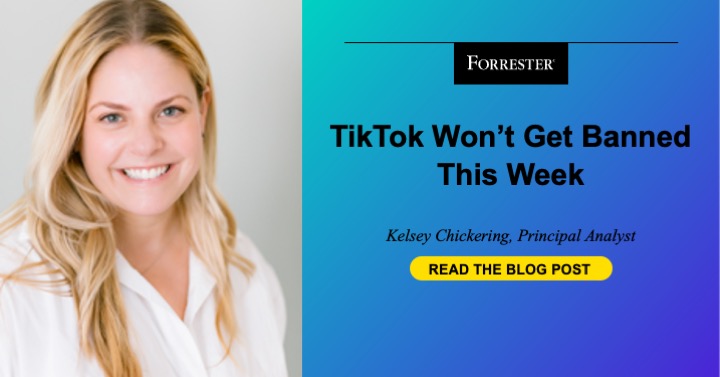
TikTok Won’t Get Banned This Week

Shortly after the original TikTok ban deadline hit on January 19, President Trump declared an executive order that delayed enforcement of the ban by 75 days. The app went dark for a few hours but then came back online and is currently available in app stores for download. That extension expires in just a few days (on April 5), but it is highly unlikely that TikTok will go dark again. All signs point to a deal or another extension. TikTok Sans Its Algorithm Is A Downgrade If TikTok divests in the US, the real question is whether its algorithm comes with the sale. TikTok without its algorithm is like Harry Potter without his wand: simply not as powerful. TikTok operates on a content graph, not a social graph, which means it analyzes thousands of user signals to determine what content and creators the user will want to watch, making it hyper relevant and highly addictive. In fact, our data shows that 31% of US online adults consider TikTok to be addictive, more than any other social media platform. Last April, we asked TikTok users about a TikTok sale, and 54% said they would be concerned that, if TikTok was sold and run by a different company, it wouldn’t be as good of an experience as it is now. If the TikTok experience degrades, users, creators, and advertisers will spend more time and money on other media channels. TikTok’s “Replacement” Is Entertainment, Not Social Media Forrester ran a pulse check using its ConsumerVoices Market Research Online Community to ask 204 adult TikTok users about where they’d spend time if TikTok shut down. Most respondents said there is no good replacement social media app for TikTok. They said they would spend more time on the following channels if TikTok shuts down again: 51% on YouTube 41% on TV 33% on Instagram Note: This poll was administered to a random sample of online consumers in the US, the UK, and Canada in Forrester’s qualitative ConsumerVoices online community. This data is not weighted to be representative of total country populations. Instagram Reels arguably has the most comparable experience to TikTok, so it’s telling that television and YouTube are ranked higher. It means that the swap for TikTok is about finding the next best place for entertainment, not social networking. This consumer perspective matches what we’re hearing from advertisers. Digital video (including YouTube), not social media channels, is the top media channel that B2C marketing executives will shift marketing dollars to if TikTok shuts down again. Advertisers Aren’t Running Away Just Yet In our Q1 2025 CMO Pulse Survey, we asked B2C marketing executives about their TikTok investment, and nearly half said they invested media and/or influencer marketing dollars on TikTok in 2024. Ninety-four percent of those marketers say they still plan on investing in 2025 if it continues to operate in the US. In fact, major media spenders such as Amazon, Walmart, and Coca-Cola reportedly increased their US spend on TikTok despite the uncertainty. Marketers: You should still get ready to shift investments into other entertainment platforms if the TikTok experience degrades under new ownership. Forrester clients: Schedule a Forrester guidance session to talk about your TikTok and creator strategy. source

TikTok Won’t Get Banned This Week Read More »

Windows 365 Link: Microsoft’s $350 Cloud-Based Mini PC Is Finally Available to Purchase

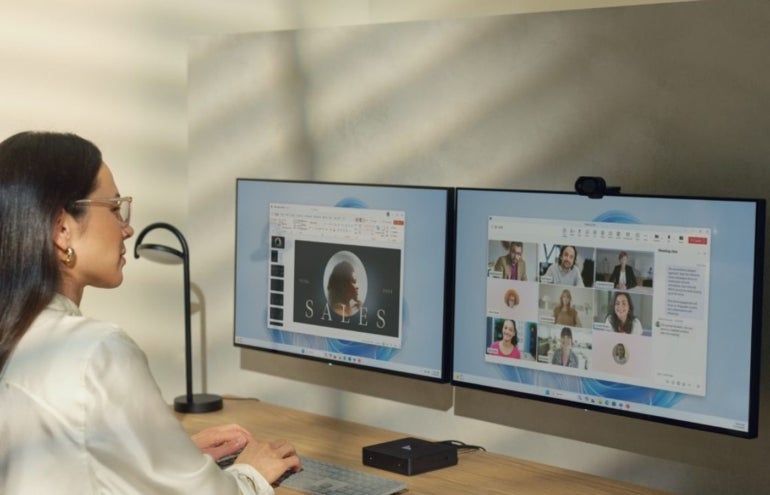
Windows 365 Link. Image: Microsoft Microsoft has launched the Windows 365 Link, a compact cloud-based PC designed for businesses that rely on virtual desktops. First introduced in November 2024 at Microsoft Ignite, the device is now available for purchase in multiple countries. Unlike a regular PC, the Windows 365 Link does not store files, apps, or data locally. Instead, users log into their Windows 365 Cloud PC, where all their work is saved and processed. This design improves security since no sensitive information is left on the physical device. Under the hood: Specs and features While the Windows 365 Link isn’t built for power-intensive tasks, it does come with decent hardware for a cloud-dependent system: Processor: Intel N250 RAM: 8 GB LPDDR5 Storage: 64 GB UFS Connectivity: Wi-Fi 6E, Bluetooth 5.3, Ethernet Ports: HDMI 2.0, DisplayPort 1.4, USB-A (x3), USB-C (x1) Size: 120mm x 120mm x 30mm (about 4.7 inches square) The device also supports dual-display setups, making it suitable for professional environments where multiple screens are needed. Mobility must-reads Pricing and availability The Windows 365 Link is priced at: $349.99 in the U.S. £349.99 in the U.K. €419 in Germany JPY$56,800 in Japan CAD$519.99 in Canada AUD$639 in Australia NZD$739 in New Zealand However, it won’t be available for direct retail purchase; businesses must acquire the Windows 365 Link through authorized Microsoft resellers and commercial partners. Depending on your region, Microsoft’s Windows 365 Link is available through authorized enterprise resellers, including SHI International Corp., ASI Solutions, Insight Canada Inc., Japan Business Systems, Inc., and Bechtle Ltd. source

Windows 365 Link: Microsoft’s $350 Cloud-Based Mini PC Is Finally Available to Purchase Read More »

DeepMind's new research rules threaten AI innovation, warns Iris.ai CEO

Google DeepMind’s reported clampdown on sharing research will stifle AI innovation, warns the CEO of Iris.ai, one of Europe’s leading startups in the space. The UK-based lab has tightened its rules on releasing AI studies, the Financial Times reported this week. Citing seven current and former DeepMind scientists, the newspaper said the company has introduced stricter vetting and additional bureaucracy, making it harder to publish research. The changes aim to protect the company’s edge in AI, the sources said. Acquired by Google in 2014, DeepMind has long been a leader in computer science breakthroughs. In recent years, however, the lab has faced increasing competition from the likes of OpenAI and DeepSeek. Under growing pressure to stay ahead, the company is reportedly erecting new barriers around its innovations and reputation. The new constraints have alarmed Anita Schjøll Abildgaard, co-founder and CEO of Iris.ai, a Norwegian startup developing an AI-powered engine for science. She fears DeepMind’s restrictions will hinder technological advances. 3 free tickets to TNW Conference? Get them now! For a limited time, groups can get up to three extra free tickets! Book now and increase your visibility and connections at TNW Conference “DeepMind’s decision marks the end of an era of openness and collaboration in AI research,” she said. The impact on AI On first impression, the changes at DeepMind may appear beneficial for other AI labs. The company’s pioneering innovations and enormous citation counts have overshadowed other researchers in the field, who could now receive a larger share of the spotlight. But Abildgaard warns the drawbacks will far outweigh the benefits. “Researchers across industries will have less access to DeepMind’s undoubtedly impressive work,” she said. She pointed to the example of DeepMind’s AlphaFold, a system that predicts protein structure with remarkable accuracy. The software has been hailed as a solution to one of biology’s biggest mysteries, with potential to fuel countless advances, from discovering new drugs to tackling climate change. “It’s hard to imagine projects of this importance being released so readily under this new diktat,” Abildgaard said. The impacts, she warned, could be severe. In response, she urged AI companies to strengthen their commitment to openness. “Europe, in particular, has one of the most fertile open-source research communities in the world,” she said. “As DeepMind looks inwards, smaller research communities can differentiate themselves from the American giants by embracing collaboration.” Europe’s AI sector features prominently in the agenda for TNW Conference, which takes place on June 19-20 in Amsterdam. Tickets for the event are now on sale. Use the code TNWXMEDIA2025 at the check-out to get 30% off the price tag. source

DeepMind's new research rules threaten AI innovation, warns Iris.ai CEO Read More »

Navigating the future of national tech independence with sovereign AI

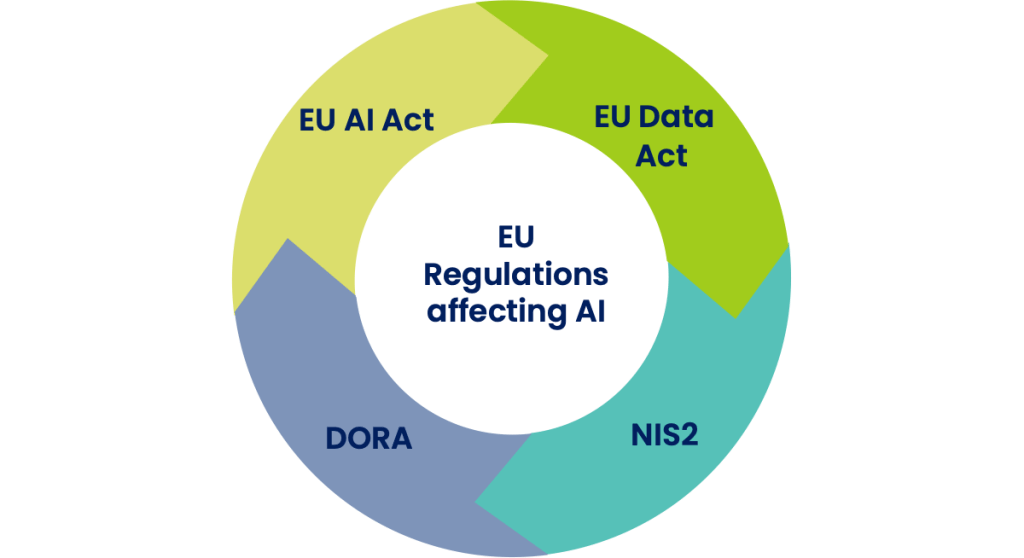
Sovereign AI refers to a national or regional effort to develop and control artificial intelligence (AI) systems, independent of the large non-EU foreign private tech platforms that currently dominate the field. It represents a strategic push by countries or regions to ensure they retain control over their AI capabilities, align them with national values, and mitigate dependence on foreign organizations. There are two main considerations associated with the fundamentals of sovereign AI: 1) Control of the algorithms and the data on the basis of which the AI is trained and developed; and 2) the sovereignty of the infrastructure on which the AI resides and operates. Core principles of sovereign AI Strategic autonomy and security Countries, whether individually or collectively, want to develop AI systems that are not controlled by foreign entities, especially for critical infrastructure, national security, and economic stability. This is essential for strategic autonomy or reliance on potentially biased or insecure AI models developed elsewhere​​. Cultural relevance and inclusivity Governments aim to develop AI systems that reflect local cultural norms, languages, and ethical frameworks. This ensures AI decisions align with local social values, reducing the risk of bias, discrimination, or misinterpretation of data​​. Data sovereignty and privacy With data being a key driver of AI development, countries prioritize keeping their data within their borders. This ensures data privacy, security, and compliance with national laws, particularly concerning sensitive information​​. It is also a way to protect from extra-jurisdictional application of foreign laws. Economic growth and innovation Sovereign AI offers the opportunity to boost domestic AI innovation, improve competitiveness, and protect intellectual property from foreign control. This allows countries to maintain leadership in emerging technologies and create economic opportunities​. Ethics and governance Governments are concerned about the ethical implications of AI, particularly in areas such as privacy, human rights, economic dislocation, and fairness. Ensuring that AI systems are transparent, accountable, and aligned with national laws is a key priority​​. Core EU regulations beyond GDPR impacting sovereign AI Broadcom EU AI Act (Artificial Intelligence Act) The EU AI Act, which is slated for full enforcement in 2025, is one of the first comprehensive regulatory frameworks for AI at the global level. It is a risk-based regulatory framework that aims to ensure that AI is used safely, ethically, and in a way that respects fundamental rights. The AI Act establishes a classification system for AI systems based on their risk level, ranging from low-risk applications to high-risk AI systems used in critical areas such as healthcare, transportation, and law enforcement​​. The EU AI Act will shape how AI algorithmic systems are built and used within national borders, particularly countries that plan to deploy high-risk AI systems like facial recognition or AI in healthcare. Compliance with the AI Act ensures that AI systems adhere to safety, transparency, accountability, and fairness principles.  High-risk AI systems must undergo rigorous testing and certification before deployment. Transparency requirements mandate that users understand how AI models make decisions. Accountability means clear chains of responsibility in the event of harms caused by AI systems​​. ​​EU Data Act ​​The EU Data Act, which went into effect in 2023, plays a key role in shaping the framework for Sovereign AI by improving data accessibility and governance across Europe. The Data Act aims to create new markets by making available device data not just to manufacturers but also users and third parties, it regulates among other things fair contract terms for data sharing and specific requirements to enable switching between cloud providers. The Data Act framework creates new possibilities to access data that could be used for AI training and development. It also regulates the terms under which organisations can avoid lock-in with a particular cloud provider, which is a key consideration when developing AI capabilities .  By focusing on data sharing and access, the Data Act helps organizations and governments unlock the potential of data-driven innovations, including AI. This is crucial for reducing risks related to AI training and enhancing the ability to develop competitive AI solutions by facilitating AI training through the availability of relevant data for a particular jurisdiction’s AI systems. Cybersecurity Act (NIS2 Directive) The NIS2 Directive focuses on improving the overall cybersecurity resilience of the EU by setting common cybersecurity standards across member states. The act applies to critical infrastructure sectors, including energy, transport, and digital services, and mandates that entities adopt stronger cybersecurity measures and report major incidents to authorities. Whilst nations develop Sovereign AI systems, the NIS2 Directive will enforce robust cybersecurity standards for AI technologies, particularly those deployed in critical infrastructure. Ensuring that AI systems are protected against cyber threats is crucial, especially for those involved in national security, health, or transportation​​. ​​Digital Operational Resilience Act (DORA) DORA significantly impacts Sovereign AI by establishing robust requirements for operational resilience, cybersecurity, and risk management within digital infrastructures of the financial industry and across their supply chain. As Sovereign AI systems increasingly become integral to critical sectors like finance, DORA ensures that these systems are resilient to cyber threats and operational disruptions and places a number of requirements on the downstream supply chain of the financial industry, ranging from operational resilience (including testing thereof), to transparency, performance monitoring and detailed contractual terms.  By enforcing standardized risk management protocols and incident reporting requirements, DORA effectively complements the EU AI Act by safeguarding the stability and security of critical AI-driven services delivered to a broad definition of the financial industry and across different service providers. Core challenges for sovereign AI Resource constraints Developing and maintaining sovereign AI systems requires significant investments in infrastructure, including hardware (e.g., high-performance computing GPU), data centers, and energy. Many countries face challenges in acquiring or developing the necessary resources, particularly hardware and energy to support AI capabilities​​. Talent shortages AI development requires specialized knowledge in machine learning, data science, and engineering. Countries must invest in education and workforce development to ensure they have the skills needed to compete in the global AI race​. Global interdependence and cooperation AI development relies on global

Navigating the future of national tech independence with sovereign AI Read More »

Anthropic Can't Weigh-In On Google Search Fix

By Matthew Perlman ( April 4, 2025, 5:49 PM EDT) — A D.C. federal judge denied a request from Anthropic to provide input during the remedies phase of the government’s search monopolization case against Google over concerns about a provision requiring notice before Google makes future investments in artificial intelligence…. Law360 is on it, so you are, too. A Law360 subscription puts you at the center of fast-moving legal issues, trends and developments so you can act with speed and confidence. Over 200 articles are published daily across more than 60 topics, industries, practice areas and jurisdictions. A Law360 subscription includes features such as Daily newsletters Expert analysis Mobile app Advanced search Judge information Real-time alerts 450K+ searchable archived articles And more! Experience Law360 today with a free 7-day trial. source

Anthropic Can't Weigh-In On Google Search Fix Read More »

Four Key EUC Trends From IGEL’s Now & Next 2025 Event

Last week, I had the pleasure of attending IGEL’s end-user computing (EUC) flagship event: Now & Next 2025. Hosted in Miami, Florida, the event is one of the biggest events for EUC professionals and vendors. It’s rare to get so many EUC professionals in one place all singularly focused on this unique market, which is often an afterthought in the larger tech conferences. First, a little bit about IGEL: If you’re not familiar with the company, it offers a Linux-based operating system that’s traditionally used in thin client scenarios. IGEL touts the following benefits: ease of management, strong security, and low total cost of ownership. While IGEL exited the thin-client hardware business in 2022, it is now heavily focused on IGEL OS, its Universal Management Suite, a dedicated app portal, and its USB-based OS launcher called UD Pocket. According to IGEL leadership, the company is growing its annual recurring revenue above 45%. Like many EUC vendors, its growth was accelerated during the pandemic and has slowed since, but today’s growth still outpaces most of the EUC market. And yet our research indicates that Linux adoption hovers in the low single digits, the lowest of all operating systems, revealing that the market for this model is still immature. So what were the hot topics of the event? And what should you do as an IT professional to prepare? 1) Business continuity is increasingly an EUC purchase driver. Virtual desktop infrastructure (VDI) systems have served as a backup business continuity tool for EUC professionals for years, but IT leaders are increasingly seeking to diversify their endpoint OS estate and reduce their reliance on a single vendor, especially after the CrowdStrike event last summer. IGEL OS is highly associated with thin clients and VDI, but there are examples of companies using it as an alternative device for lightweight knowledge-worker use cases. What it means: Revisit your EUC continuity strategy and consider a broad swath of approaches, such as IGEL, MacOS, ChromeOS, virtual Windows, and other Linux options, that are aligned with company goals and initiatives. 2) The browser is a new endpoint. The rise of software as a service, progressive web apps, and WebAssembly is whittling away at the thick client install base. Mark Templeton, former CEO of Citrix, took the stage at the event and shared a forecast showing that a vast majority of enterprise apps will be OS-agnostic (i.e., not native) by 2030. Forrester sees a similar trend: 49% of the nearly 5,000 respondents in our Workforce Survey, 2023, said that they can accomplish all of their work within a browser — and that was two years ago! What it means: Browser management will become more important for EUC admins going forward. That’s especially true for securing generative AI systems that are frequently accessed through the browser. Take an inventory of your existing protections today. 3) Data-driven insights are the future of EUC. Everyone talks a big game around AI, but none of that opportunity is real without telemetry. Most insights conversation today center around digital employee experience (DEX), and vendors such as ControlUp already collect telemetry for IGEL-based environments. Insights capabilities will expand beyond DEX in the future to help inform Zero Trust environments. For example, IGEL Field CTO John Walsh detailed IGEL’s plans to expand its management capabilities to take advantage of partner integrations to better enable a contextual and continuous approach to Zero Trust. What it means: IT leaders can no longer fly blindly in their EUC environment. Inventory your existing data sources now, identify gaps, and plan for integration into a unified platform. 4) OT and IT convergence is increasingly in the spotlight. According to our research, nearly 25% percent of the OS footprint in the enterprise is still running legacy versions of Windows, and many devices will not be compatible with Windows 11 come October 2025. This includes both end user and OT devices. IGEL announced its new IGEL Managed Hypervisor, which enables IT to run legacy operating systems on new devices, whether they are laptops, ATMs, MRIs, or manufacturing machines. Previous efforts to support OT environments have had mixed success, but many vendors are targeting this space. What it means: EUC leaders will likely play a greater role in supporting OT environments — especially when it comes to supporting legacy Windows and new devices such as augmented and virtual reality devices — but collaboration is key. Meet with your OT peers today to discuss how you can help. Could you benefit? It depends on your organization’s goals. The IGEL Now & Next event revealed multiple opportunities for IT leaders to rethink how they deliver, manage, and secure end user computing environments. The question is: Could your IT organization benefit? Consider the following: IGEL OS offers management, security, and cost benefits, but it’s a new management and security model, likely requiring some admin upskilling. Of course, this is easier if you can manage this environment with existing toolsets, which IGEL supports. If your goals are management simplification and Zero Trust EUC, it’s worth taking a look. This is especially true for healthcare, manufacturing, retail, and financial contexts. Knowledge worker demand for Linux is unlikely to drive adoption, though Linux fanatics in IT certainly exist. Change management must remain a top consideration as users contend with an unfamiliar user interface, especially when used natively. If your organization is making a strategic move to embrace certain types of operating systems (e.g., MacBooks), this type of model may not be a good fit. Today, IGEL OS runs on any x86-64 architecture and has partnerships with OEMs such as HP, Lenovo, and LG. These partnerships enable customers to preinstall IGEL OS and speed deployment.  What do you think of the future of end-user computing? Will approaches like IGEL’s play a larger role in your organization? Why or why not? If you’re a Forrester client and would like to discuss your EUC strategy with me directly, please reach out to [email protected]. EUC vendors are always welcome to set up a

Four Key EUC Trends From IGEL’s Now & Next 2025 Event Read More »

The strategic move CIOs must take to transform procurement

Many procurement teams are struggling to optimize spend while effectively managing supplier relationships, mitigating supply chain disruptions, and maintaining compliance. Traditional procurement processes – often manual and siloed – can’t keep up. To increase competitiveness, organizations are turning to AI-driven solutions that transform the procurement function with automation and intelligence. By implementing AI technologies purpose-built for procurement, CIOs can help their organizations overcome procurement challenges while enhancing the function end to end. Key challenges for procurement teams Many procurement teams struggle with poor data quality and inadequate analytics capabilities, making data-driven decision-making impossible. “Procurement is limited by siloed systems and isolated processes,” says Alex Zhong, global product marketing leader at GEP. “They don’t have global visibility into their operations, and the data they do have isn’t real-time; it reflects what’s happened in the past.” A lack of visibility into spend and approval processes can lead to maverick spending, making it harder for procurement teams to enforce compliance and control costs. At the same time, workflows are often inefficient, complicated, and confusing, causing delays and frustration. Without modern tools, procurement also struggles to manage supplier relationships. Optimizing with AI-powered procurement By investing in AI-powered solutions designed to deliver the visibility and intelligence today’s procurement teams require, organizations can overcome these challenges, achieving quantifiable cost savings while mitigating risks and improving quality. “Procurement isn’t just about finding the lowest price,” Zhong explains. “It often involves complex, specialized purchases — like sourcing varying grades of steel from around the world. Navigating that requires intelligent decision-making around timing, quantity, and supplier selection.” Leading solutions deliver on that front, enabling organizations to achieve total procurement orchestration while shattering data silos, streamlining workflows, and providing full-spectrum visibility into processes. By leveraging AI tools specific to procurement, teams can make rapid, data-driven decisions in real time, working efficiently with suppliers and internal teams to unlock the full potential of the procurement function. “It’s important to see that procurement is part of the supply chain,” Zhong says. “To unlock its full potential, procurement must be tightly aligned with both suppliers and downstream partners.” Procurement orchestration starts with a well-designed, user-friendly platform that streamlines intake. Automation tools help teams reduce manual efforts and rapidly surface data-driven insights to improve decision-making and bake in efficiency across the procurement lifecycle. With a centralized space for collaboration, procurement can also work effectively with both internal and external partners. “The problem in the past is that everyone worked in silos due to the lack of collaborative tools and visibility,” Zhong says. “With new AI capabilities — and new technologies like low-code — these platforms make collaboration a lot easier and faster.” The impact of total procurement orchestration can be transformative. One GEP customer reduced lead time on order-to-ship-to-receipt velocity by 20%, accelerated issue resolution time by 40%, and increased order management and warehousing productivity by 30%. “This isn’t incremental change — it’s a paradigm shift and a complete revolution,” Zhong concludes. “Procurement leaders must shift their mindset to match the moment, or risk being left behind.” Read GEP’s 2025 Outlook Report now. source

The strategic move CIOs must take to transform procurement Read More »

Toyota Wins Patent Case Against UNM In Texas Court

By Andrew Karpan ( April 4, 2025, 10:05 PM EDT) — A Texas federal court has shot down a lawsuit against Toyota Motor North America Inc. over a University of New Mexico wireless communications patent after finding that the Federal Circuit already invalidated “the sole claim ever asserted in this case.”… Law360 is on it, so you are, too. A Law360 subscription puts you at the center of fast-moving legal issues, trends and developments so you can act with speed and confidence. Over 200 articles are published daily across more than 60 topics, industries, practice areas and jurisdictions. A Law360 subscription includes features such as Daily newsletters Expert analysis Mobile app Advanced search Judge information Real-time alerts 450K+ searchable archived articles And more! Experience Law360 today with a free 7-day trial. source

Toyota Wins Patent Case Against UNM In Texas Court Read More »

Intel Vision 2025 Event: An Iconic American Semiconductor Tech Titan

An Iconic American Technology Firm Looks To Reshape Its Destiny, But Can It Deliver? Alvin Nguyen, Sr Analyst | Hewlett Packard Alum JT Thykattil, VP Research Director |  Google Alum What We Expected After the announcement of Intel’s new CEO Lip-Bu Tan and the decision to keep both Products and Foundry businesses, Forrester went to Intel Vision 2025 looking for more details about the company’s turnaround plan. Specifically, we wanted to see: Lip-Bu Tan’s ability to clearly and persuasively communicate a holistic direction for Intel after the abrupt departure of Pat Gelsinger. How the company plans on addressing the data center market after losing market share to AMD. What progress has been made with the Foundry business in terms of customers and capacity. The impact on Intel employees. Intel’s messages to investors, customers, and partners. Any new or modified pivots coming out of Intel’s recent Public Sector Summit (IPSS) in March, which emphasized a “return to silicon” with more system-on-chip capabilities and a clear optimism as espoused by David Zinsner (CFO and interim CEO) and Cristoph Schell (CCO). During that recent IPSS event, there was also mention of keeping manufacturing in the US. The messaging from Intel’s core senior leadership, including leaders in data center, AI, cloud, sales, engineering, and product.   What We Got What we heard from Lip-Bu Tan’s keynote was an admission of some deep-rooted issues at Intel that he intends to correct. He specifically highlighted: Loss of talent. Lack of innovation. Lack of customer focus.   Figure 1: Lip-Bu Tan (left) and Karin Eibschitz Segal, interim general manager of the data center and AI (DCAI) group at Intel (right), speak at the main-stage presentation during Intel’s products update and go-to-market event at Intel Vision 2025 in Las Vegas. (Credit: Intel Corporation) It is clear the new CEO sees these issues as related and that he needs to change the culture at Intel to solve them. Lip-Bu Tan then explained why he is the right person for this job, discussing: His experience with the semiconductor market as a venture capitalist and as CEO of Cadence. His time on the Intel board. His focus on customer experience. His intention to see this change through. This ties in with the additional points he made in the keynote, that: Intel needs “brutal” feedback to help the company become more engaged with its customers. Intel is behind in AI and needs to develop a competitive system. Intel will empower engineers to drive innovation, which will help to attract and retain the talent it needs. Intel will leverage its ISV partners and x86 application ecosystem as an advantage. This was a measured, understated speech, very different than the showmanship that we see and expect from others, such as NVIDIA’s Jensen Huang or Lip-Bu Tan’s predecessor, Pat Gelsinger. Gone are the on-stage demonstrations from last year and the hype around a bullish new strategy. This was a look at a company laid bare, acknowledging its faults and promising that it will do better. Fortunately for Intel, it has a strong bench of senior leaders, including David Zinsner (CFO), Christoph Schell (CCO), Karin Eibschitz Segal (GM, DCAI), Michelle Johnston Holthaus (CEO of Intel products), and Kevin O’Buckley (GM Foundry Services). The sense of optimism we heard at the Public Sector Summit in March continued to resonate in April as well. Lip-Bu Tan has a strong bench, one that arms him well. Lip-Bu Tan himself during his keynote came across as authentic, but the expectations surrounding his keynote were not going to be satisfied unless he provided answers for everyone, from investors to employees to customers to partners. His coverage of the fundamental corporate issues and promise to address them lacks the details needed to satisfy the different audiences. After two weeks in the CEO role, is this fair? No, but becoming the leader of Intel or really any tech firm that wants to stay relevant and drive investor confidence requires being comfortable with unreasonable expectations. Does Lip-Bu have that certain swagger to be bold and drive innovation for this very iconic American and global semiconductor blue-chip titan? What Else We Got: A Beautiful And Well-Crafted In-Person Experience In addition to the explicit content and conversations, we wanted to share what we saw and perhaps the signal to the open market as leading technology firms continue to invest in in-person experiences. Intel Vision held at the Virgin Hotel in Las Vegas, NV, USA: Intel’s event effectively took over this “off-strip” site with a well-organized event, while allowing for peer networking and social experiences As a precursor to Vision, the Public Sector Summit in Washington, DC, USA was held at the DC Wharf. Attendees appreciated a very boutique experience and the attention to detail of the experiential side of this event. Keynotes: Core ELT @ Intel as well as customer and partner leaders presented with energy and optimism. Breakout sessions allowed for interactive capabilities, including Jason McGee (GM public cloud platform, IBM), Anil Nanduri (VP and GM, DCAI sales), and Steven Huels (VP of AI engineering). The exhibitor experience area provided demos of key technologies. Executive and leadership 1-on-1s and small group sessions were available, including with Rakesh Mehrotra (VP, GM DCAI strategy and product). Social gatherings enabled customers to speak with each other as well as with Intel and partners, meet informally, and share candid expectations and experiences.   What Tech Leaders Need To Do The impact of what Intel does cannot be understated: It is a historic and significant technology company with tremendous influence on global enterprises. The new CEO plans to change the culture of Intel to attract and retain more talent, to be more innovative, and to be more customer focused. This is not something that will happen overnight. Tech leaders need to take Lip-Bu Tan on his offer — provide Intel with the brutal truth so it becomes better. Tech leaders also need to watch Intel closely to see if and when it is able to turn around the company and

Intel Vision 2025 Event: An Iconic American Semiconductor Tech Titan Read More »