20,000 AI agents per company: How will they all work together?

Presented by Outshift by Cisco AI agents are poised to transform how we work, but there’s a critical challenge ahead: getting them to work together effectively at massive scale. As organizations deploy thousands of AI agents across their operations, the need for a new kind of internet — the Internet of Agents (IoA) — has become increasingly urgent, says Vijoy Pandey, SVP of Outshift by Cisco. “You’ll have agents sitting within all software, whether it’s business software, personal software, avatars on the social network or embodied AI sitting inside robotic entities and doing physical work,” Pandey says. “In the B2B context, all SaaS in the future is going to have multiple agents within it, agentic software from different providers coming together to talk to each other to solve a business outcome.” This is why we need the Internet of Agents: an open, interoperable internet that will revolutionize how agents  collaborate in a quantum safe way. But doing that at scale is the central challenge, he says. It’s not just about the number of agents — an average-size organization will soon deploy upwards of 20,000 agents, and an enterprise could be handling hundreds of thousands. It’s about enabling them to communicate and interact effectively across vendor boundaries, security domains and profiles. This is why we need the Internet of Agents:  an open, interoperable internet that will revolutionize how agents  collaborate in a quantum safe way. Building ensembles of agents The IoA, powered by sophisticated LLMs and machine learning algorithms, needs to not only understand user intent but proactively act on it, communicate and seamlessly collaborate in a multi-agent framework, and stitch together workflows to execute a broad array of tasks across domains, all without explicit commands. Each individual agent can be considered a subject matter expert — a master artisan even, in its own particular context and domain, Pandey says. The challenge is this: bringing each of these disparate, specialized agents together, in order to activate this future of collaboration and advance the power of agentic AI. “A collection of these agents needs to come together, whether it’s a symphony or a trio, pick the right agents to solve for the problem at hand,” Pandey says. “How do you deal with that in communication and scaling out? There are issues of identity, trust, authentication. Then you think about planning and composition. Which skill sets do you need to bring together to build out your symphony or your quartet?” While today’s internet excels at sharing data between humans and systems, AI agents need to share complex states, reasoning processes and make coordinated decisions in real-time. This collaboration framework is fundamentally different from how current internet infrastructure works. While today’s internet excels at sharing data between humans and systems, AI agents need to share complex states, reasoning processes and make coordinated decisions in real-time — all while maintaining security and trust. Each agent has a set of tools it can access, training and an inherent skill set driven by the LLM. It lives in an environment of data sources, institutional knowledge bases, techniques like RAG and dynamic database access, all of which need to be brought into the equation. And communication is now probabilistic in nature, after decades of deterministic software — and every agent may have its own language. But even when the language hurdle is managed, every agent might interpret things differently, depending on its context. And finally, there’s a massive amount of state being exchanged, with multimodal agents exchanging video, images and text to manage an end-to-end workflow. Why an open ecosystem remains critical Pandey uses code development as an example of how a universal infrastructure and tooling for AI agents is critical. Generating and productionizing code is a laborious process, requiring syntactic checkers, semantic checkers, security agents, scaling agents and compliance agents before it hits production and runtime. A developer can pick the best of breed of these from various providers, stitch them together, build out code and push it to production. However, these agents aren’t fully contained within one provider’s wheelhouse, and not even in each individual provider’s training and data set capabilities, because the developer’s code base and APIs are included in development. And that whole production needs to scale out in a trustworthy, scalable, explainable and secure way. “No walled gardens, which means it maximizes value for every entity in that value chain. For the software developer, for the operator, for the customer and consumer.” “All of these things can happen, and the best way possible is to build it in an open, interoperable manner,” Pandey says. “Because what does openness give us? No walled gardens, which means it maximizes value for every entity in that value chain. For the software developer in this case, for the operator, for the customer and consumer.” Moving from closed gardens to open systems Open ecosystems are the basis of technological progress. The internet began with proprietary systems like Solaris and Sun boxes and proprietary databases. But the internet actually took off when open source, open standard technologies like Linux, Apache, MySQL, PHP and the LAMP stack appeared. Cloud took off only when cloud native open-source ecosystems came about, like Kubernetes and Docker containers, and were adopted by everybody. “For discoverability, reputation, identity, risk management, and communication. If you don’t have those things in an open standards way, then these things don’t communicate with each other. We will not have the Internet of Agents until that happens.” “We’re at the same point here where yes, you can build proprietary systems, but if you want to expedite the development of agentic software, and if you want to expedite the way these pieces of software interact with each other inside an organization, all across various providers, the only way to do this is an open, interoperable way,” Pandey says. “Open source to drive the development of these pieces of software, and open source or specification-based outcomes for discoverability, reputation, identity, risk management, and communication. If you don’t have those things in an open standards

20,000 AI agents per company: How will they all work together? Read More »

Mistral turns focus toward regional LLMs with Saba release

The LLM’s deployment options include an API and local deployment on-premises. Mistral said the local deployment option could help more regulated industries, such as finance, banking, and healthcare, adopt the model. In benchmark tests, such as Arabic MMLU, Arabic TyDiQAGoldP, Arabic Alghafa, and Arabic Hellaswag, Saba outperforms Mistral Small 3, Qwen 2.5 32B, Llama 3.1 70B, and G42’s Jais 70B. Saba also outperforms LLama 3.3 70B Instruct, Cohere Command-r-08-2024 32B, Jais 70B Chat, and GPT-4o-mini in benchmarking tests, such as Arabic MMLU Instruct, Arabic MT-Bench Dev, and Arabic-Centric FLORES-101. source

Mistral turns focus toward regional LLMs with Saba release Read More »

昂坪360去年收入創新高並賺錢

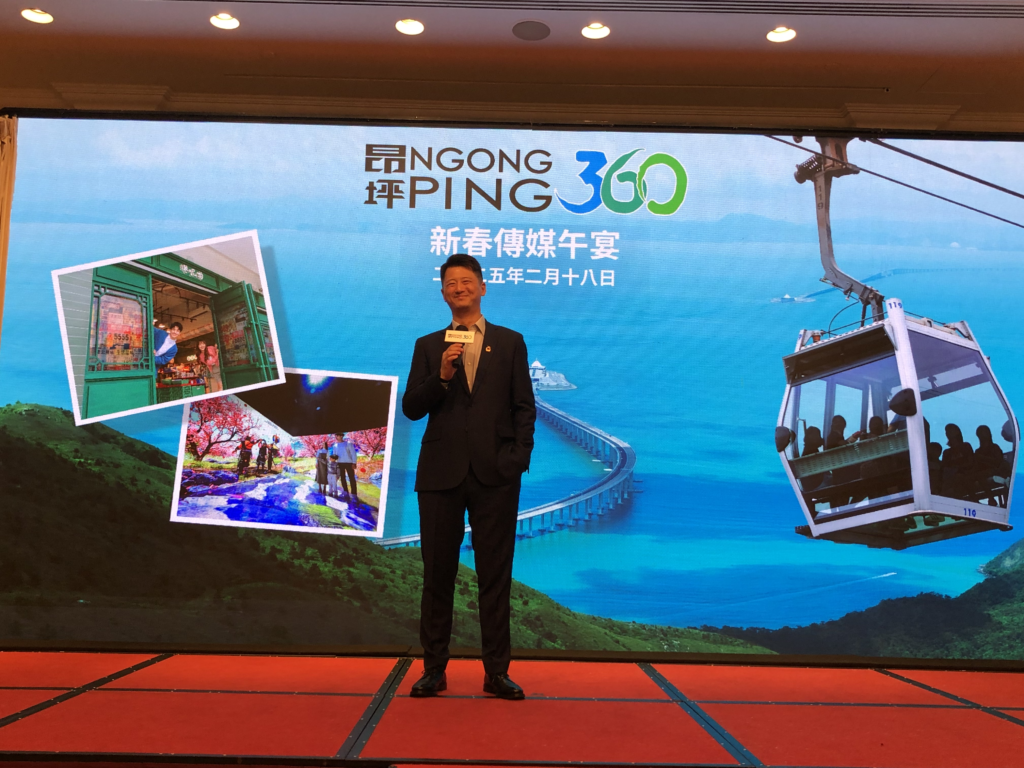
(相)昂坪360董事總經理董沛銓。 在大嶼山經營昂坪纜車及市集的昂坪360去年收入創歷史新高,達到約4.13億元,按年上升約30%,較疫情前的2019年上升約32%;去年業務錄得盈利。去年乘客人數大約156萬人,上升13%,每日平均有超過4800人到訪。在乘客比例中,有37%來自短途地區市場,內地旅客佔約29%,本地客佔兩成,長途地區市場佔14%。當中,泰國及印度的團數較2019年增長超過一倍。 昂坪360董事總經理董沛銓表示,受到港人北上及出外旅遊影響,本地客佔整體訪客由28%跌至20%,未來會加強宣傳,推廣本地行山及穆斯林旅遊等,吸引不同地區訪客。 另外,針對內地市場,積極透過小紅書及抖音等網絡平台加強推廣,將積極向內地及海外市場推廣,包括推出針對內地學生的研學團等。海外市場方面,繼續舉辦簡介會連繫當地旅行社及媒體。 纜車可靠度繼續維持高水平 他又說,昂坪360纜車可靠度繼續維持高水平,平均數達99.96%,相當於每日8小時的營運時間中,平均只有少於1分鐘的延誤。另外,公司於2022年底推出全景纜車後,平均使用率超過九成,已額外增加11部全景纜車,並於今年1月底完成測試,已投入服務,令全景纜車總數增至21部。據悉,於黃昏時間坐全景纜車下山,有機會看到太陽落山配合港珠澳大橋的黃昏美景。 LinkedIn Email Facebook Twitter WhatsApp The post 昂坪360去年收入創新高並賺錢 appeared first on VeriMedia. source

昂坪360去年收入創新高並賺錢 Read More »

Tariffs On Drugs And Chips May Not Bring Makers Stateside

By Kevin Pinner ( February 14, 2025, 5:06 PM EST) — The White House’s planned tariffs on semiconductors, computer chips and pharmaceuticals are likely to raise prices for consumers and businesses, but won’t necessarily lead to the president’s stated goal of growing domestic manufacturing, attorneys and others told Law360…. Law360 is on it, so you are, too. A Law360 subscription puts you at the center of fast-moving legal issues, trends and developments so you can act with speed and confidence. Over 200 articles are published daily across more than 60 topics, industries, practice areas and jurisdictions. A Law360 subscription includes features such as Daily newsletters Expert analysis Mobile app Advanced search Judge information Real-time alerts 450K+ searchable archived articles And more! Experience Law360 today with a free 7-day trial. source

Tariffs On Drugs And Chips May Not Bring Makers Stateside Read More »

Tech and The Ticking Clock: How AI Accelerates Software Procurement

When it comes to doing business, time isn’t just money — it’s also your competitive edge. Yet many organizations waste this precious asset on IT procurement processes that can stretch six to nine months. That’s a lot of time — and a lot of lost sleep, particularly for today’s CIOs. As technology rapidly evolves and IT governance takes center stage, the role of the CIO has never been more dynamic — or demanding. Today’s CIOs have transitioned from overseers of IT infrastructure to serving as business strategists, innovators, and drivers of organizational transformation. They’re managing procurement teams, integrating cutting-edge solutions, and addressing legacy system challenges — all while juggling tight budgets and even tighter timelines. The mandate is clear for 2025: deliver more efficiency and greater strategic value, faster. Yet, traditional procurement undermines this goal, bogging down the process with manual tasks, lengthy approvals, and inefficiencies that slow progress when speed is critical. Let’s pull back the curtain on some of the key pain points: Lengthy Timelines: Delays in software sourcing can hold up the launch of new projects — putting organizations at a significant disadvantage. Legal Bottlenecks: Complexities in contract negotiations and compliance reviews can add significant human-hours to the process and weeks or even months to timelines. Data Deficiencies: Seventy-five percent of organizations struggle with inadequate data analytics, leading to poorly informed decisions. (Veridion) Resource Strain: Overestimating the maturity of procurement processes and misjudging workloads can put undue pressure on teams. Legacy System Integration: Adopting new software while managing outdated systems can be a logistical nightmare. Supplier Risks: Evaluating vendor performance and mitigating risks can consume significant time and resources. The list is daunting, but there’s hope ahead. Strategic Software Sourcing: The AI Advantage AI-powered sourcing platforms are transforming the process by automating manual tasks, improving decision-making, optimizing costs, and enhancing efficiency. They empower businesses to move faster, better mitigate risks, and make smarter technology investments. While time is certainly money, it’s also essential to understand strategic sourcing — a proactive and future-centric approach to software procurement. Unlike traditional methods that focus solely on immediate cost, strategic sourcing aligns procurement decisions with sustainable business goals. It emphasizes long-term supplier relationships, total cost of ownership, and demand forecasting. Strategic sourcing is about thinking ahead. It’s not about finding the cheapest solution; it’s about finding the right solution that delivers value over time. AI supercharges strategic sourcing, addressing major pain points with precision, analytical intelligence — and the all-important speed. Here’s how AI can help: Automate Routine Tasks: Routine tasks like data validation, purchase order management, and contract analysis can bog down procurement teams. AI automates these processes, reducing errors and freeing up professionals for more engaging work. Accelerate Timeline: Efficient and effective AI-driven platforms can cut procurement cycles significantly, enabling organizations to launch projects faster. Enhance Data Accuracy: Although most organizations use data analytics, less than 20% are satisfied with the results. AI can improve data accuracy and provide actionable insights for better decision-making. (CIOinsight) Optimize Demand Forecasting: Procurement teams often rely on guesswork when it comes to forecasts. AI can use predictive analytics to ensure the right resources are available at the right time. Mitigate Supplier Risks: AI can evaluate supplier performance, identify potential risks, ensure compliance with regulations, and increase transparency and trust. Reduce Costs: By automating much of the process — and freeing teams for more strategic work — AI can help achieve significant cost savings while maintaining high-quality outcomes. The Bigger Picture AI doesn’t just make IT procurement faster — it redefines what’s possible. By accelerating access to new technologies, AI fuels innovation and keeps businesses ahead of the curve. Streamlined processes build agility, empowering organizations to adapt to market shifts in real time. And by automating the mind-numbing tasks no one enjoys, AI frees your teams to focus on strategic, meaningful work — the kind that sparks collaboration and creativity. In a world where every second counts, why waste months on outdated procurement processes? With AI, you’ll not only save time — you might even find some to spare (or catch up on sleep.) Step Up to Smarter Software Sourcing with IDC TechMatch IDC is transforming the way IT teams make software investments with a revolutionary new software sourcing platform. IDC TechMatch, powered by AI and grounded in the world’s most reliable IT market intelligence, will simplify, accelerate, and align your IT sourcing decisions. With IDC’s new AI-driven software sourcing platform, TechMatch, you’ll simplify decisions, optimize spending, and keep your organization ahead of the curve, gaining a strategic advantage over your competitors. Ready to discover how IDC TechMatch can transform your pain points into game points? It’s “time” to learn more today. source

Tech and The Ticking Clock: How AI Accelerates Software Procurement Read More »

What Is a POS System? Discover Its Benefits and Functions

Key takeaways: A POS system streamlines the transaction process and provides accurate, real-time data to improve business operations. The features of a modern POS system allow businesses to provide faster checkout and a variety of payment options for customers. The right POS system depends on the POS hardware, software, and payment processing tools that match your business requirements. The initial cost of POS systems can range from free to up to $2,000, depending on your chosen hardware setup, POS software features, and payment processing needs. What is a POS system? A point-of-sale (POS) system is a set of tools that allow businesses to process and complete transactions. It is a combination of hardware and software that captures and maintains updated records of all products (or services) and payment exchange at “the point of sale.” In the early days, businesses processed transactions using cash registers. Modern POS systems include business tools for reporting, inventory, and customer relationship management. They are also built to seamlessly integrate with additional features, such as staff and payroll management, loyalty and marketing, order fulfillment, and accounting. Types of POS systems POS systems can be categorized into: Legacy POS systems replaced the traditional cash register. Nowadays, they are primarily used for open-source POS that businesses can customize. Data is stored on-site in physical servers. Modern POS systems, developed by third-party providers, use software with less bulky proprietary hardware and/or popular mobile devices. POS data is stored on cloud-based servers, making it more accessible. For this guide, we focus on the four types of modern POS systems. Desktop POS Like its predecessors, the desktop or countertop POS setup consists of a cashier display, cash drawer, thermal printer, and payment terminal. It is set up at a fixed section of a brick-and-mortar store where customers line up to check out and pay for their purchases. A complete POS system from Lightspeed [Image: Lightspeed] Mobile POS A mobile POS system uses software that works on portable devices such as smartphones, tablets, and handheld POS terminals. An app-based POS can use either Android or iOS software. Of course, the iOS POS app works on iPhones and iPads, while the Android POS app can run on any Android tablet or smartphone. Alternatively, other mobile POS software was developed exclusively for proprietary handheld POS terminals. These all-in-one devices are equipped with a built-in screen, keypad, card reader (magstripe and NFC), barcode reader, and thermal receipt printer. Tablet stand and handheld POS from Square [Image: Square] See: Best Mobile POS Systems Self-service kiosk A self-service kiosk is an unmanned, fixed POS setup. Customers or sales staff can check out their purchases at the station. Self-service kiosks usually have a touch-screen display, payment terminal, and thermal receipt printer. There are optional barcode scanners and weighing scales, such as in supermarkets. Restaurant kiosk POS from Clover [Image: Clover] Multichannel POS A multichannel POS system comes with one POS software that operates on some or all the abovementioned types. A significant addition is the ecommerce channel, where the same POS software and payment gateway are built into an online platform (online POS system). Most multichannel POS also have omnichannel features that allow businesses to sync their POS data and access it from a single platform. See: 6 Best Cloud-based POS Systems Parts of a POS system There are three major components of a POS system. POS hardware The POS hardware captures and displays POS data. It comprises different parts that, together, complete the transaction process. Register: The register consists of a display and keyboard (like a desktop computer). The display shows the current activity being processed in the POS system, while the keyboard allows users to input or edit displayed data. Barcode scanner: The barcode scanner is an input device that captures inventory barcode data on products, which is then displayed on the register. Payment terminal: The payment terminal (also known as a POS terminal) captures the customer’s payment information via card reader methods (magstripe, EMV chip reader, NFC scanner) and a keypad for entering price or PIN code. Receipt printer: The receipt printer generates transaction slips that cashiers can issue to customers. It displays the complete transaction record, including the customer’s payment method and merchant information. Cash drawer: The cash drawer is integrated into the POS software, allowing the system to monitor cash transactions. Copies of transaction receipts for card payments are also stored in the cash drawer. Customer display: An optional customer-facing display shows the price and outstanding amount as products are scanned. Advanced models come with a card reader and an interface where customers can affix their signature or even leave feedback. POS software The POS software is the program that allows users to organize POS data, process sales, and generate reports. Equally important is the software’s ability to integrate other programs, particularly the payment processing service, to complete a POS transaction. POS software can be simple or industry-specific. The capabilities programmed into a POS software makes it possible to have different types of POS systems and platforms. POS payment processor The POS payment processor is an integral part of the POS system. Without this, it’s impossible to complete a customer’s transaction. The payment processing service is provided by a third party that can be integrated into POS software. Once connected, the payment software can receive transaction data and request payment from the customer’s source of funds (like a credit card). How does a POS system work? A POS system stores inventory data before any transactions with customers. Once this stage is complete, the systemise ready to process transactions. The diagram below shows how inventory and transaction data are processed in a POS system. During a transaction, the POS system uses hardware to capture transaction data while the software processes the information to accept payments. The integrated payment processor sends the entire transaction data to the customer’s bank to approve the payment. Once done, the POS software updates inventory data and creates a sales record. Features of a POS system Each part of

What Is a POS System? Discover Its Benefits and Functions Read More »

OVHcloud US: Addressing businesses’ complete cloud needs

Based in Reston, Virginia, OVHcloud US is a wholly owned subsidiary of OVH Cloud, Europe’s leading cloud provider. We recently caught up with Pascal Jaillon, Senior Vice President, Product at OVHcloud US to learn more about the evolving needs he sees among customers, the company’s global reach, and the future of cloud services. “One of the things that sets our operations in the US apart is that we draw on one of the largest global networks,” said Jaillon. “OVHcloud owns and operates 43 data centers across four continents – all connected and backed up by our high-speed, robust network with 100Tbps of capacity and 46 redundant PoPs. Within our data centers are more than 450,000 servers that are relied on by more than 1.6 million customers in more than 140 countries. There are very few companies that offer that kind of global scale, let alone through infrastructure they control directly that’s vertically integrated.” OVHcloud’s emphasis is on providing customers with high-performance and ultra reliable infrastructure, including software-defined data centers. This is further reflected by the sheer breadth of the solutions it offers, from a portfolio of bare metal servers to more than 100 IT services that span everything from AI to managed database solutions. Notably, OVHcloud’s bare metal solutions offer unlimited traffic, scalability, and global availability in all of the company’s data centers across the world. And its data centers have one of the lowest Power Usage Effectiveness Ratings, in part because of OVHcloud’s patented liquid cooling systems. “Our global reach is unmatched, but our ability to help our customers address the totality of their infrastructure needs is perhaps our most significant differentiator,” adds Jaillon. “On top of this, we deliver the best-in-class computing services and cloud solutions enterprises – from vibrant startups to leading global brands – need to excel.” Addressing every cloud need OVHcloud’s cloud portfolio includes everything needed for any combination of private, public, hybrid, multi, and sovereign clouds as well as the professional services required to ensure that customers’ IT initiatives deliver as promised, whether they are vibrant startups or mature, global brands and stalwarts. Two of these cloud solutions include a hosted private cloud based on VMware by Broadcom technologies and an OpenStack-based public cloud. OVHcloud also offers direct connections to additional hyperscale environments in addition to fully sovereign cloud options. Jaillon stresses that sovereignty comes down to choice. “For us, sovereignty comes down to choice because there are different definitions of sovereignty in countries throughout the world, in different markets, and among enterprises and institutions,” he says. “That is why we offer sovereign cloud foundations focused on data sovereignty, technical sovereignty, and operational sovereignty as well as one that encompasses all three. Because of this and the importance and value we place on sovereignty, we are a strong and ideal partner for organizations in highly regulated environments such as those in the banking, government, and healthcare markets.” Jaillon also is quick to point out that while most companies are now in the cloud and want to accelerate their cloud migrations and transformations while shifting from costly CapEx to flexible OpEx while reaping the flexibility and innovation inherent in the cloud, a large part of IT remains on-premises. Not surprisingly, customers continue to demand on-premises solutions in order to keep and safeguard crucial data within their four walls. For this reason, OVHcloud launched its On-Prem Cloud Platform in 2024. “Even organizations that are committed to a ‘cloud first’ strategy realize that there are still systems and data that must be kept close,” he says. “The very notion of a multi, hybrid cloud approach is a reflection of this reality.” Building on a longstanding collaboration with VMware OVHcloud’s close collaboration with VMware goes back to 2011 when the company built its first solution based on VMware by Broadcom technologies. Today, Jaillon is bullish on being a Broadcom Pinnacle Partner and the value of VMware Cloud Foundation, VCF, which OVHcloud is incorporating into three offerings, including a managed cloud with dedicated hosts, a shared and managed cloud, and a pre-installed private cloud. “With VCF, you have a solution that delivers the essential services for a high-performing software-defined data center experience that features the best virtualization on the market, enables enterprises to use the trusted and proven solutions they know, and empowers them to dive deeper into the monitoring and optimization of their infrastructure,” he says. “And that’s on top of complete license portability that lets enterprises move from on-premises to cloud, and among different providers with ease and without penalty. That’s a win-win for all involved.” To learn more, visit us here. Look to CIO.com for stories about the industry-leading providers in the Broadcom Advantage Program and insights on how they are helping enterprises succeed in their private, hybrid, and multi-cloud endeavors. source

OVHcloud US: Addressing businesses’ complete cloud needs Read More »

Make Better Diagrams With Microsoft Visio Professional 2021, Now $20

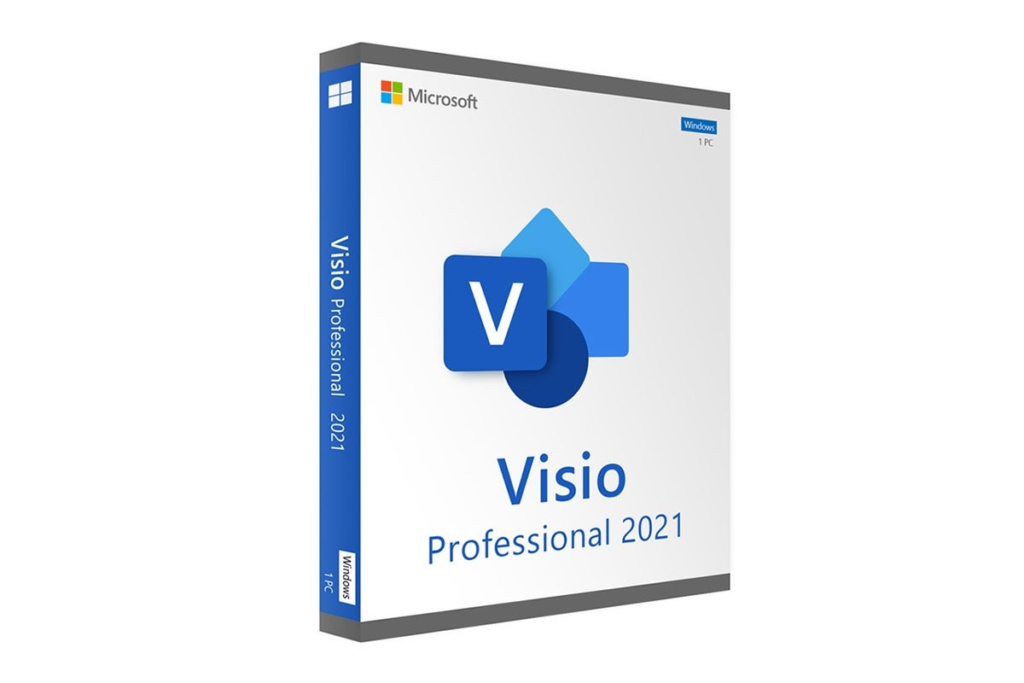
TL;DR: Microsoft Visio Professional 2021 for Windows is a professional diagramming tool that helps you visualize data and structures, and it’s now $19.97 (reg. $249.99) through March 2, 2025. As your business grows, so does the complexity of your processes and structures. Sometimes, the best way to figure out a particular task, issue, or concept is by building a diagram. And that is exactly what Microsoft Visio Professional 2021 was made for. This powerful software helps you visualize data and workflows faster, with user-friendly controls and a vast library of templates. Through March 2, you can get a lifetime license on Windows for only $19.97 (reg. $249.99). Research tells us the human brain can process images in just 13 milliseconds — that’s way faster than you could ever explain the same information in text. Considering the time you could save communicating with diagrams, you might see the potential to increase efficiency in your business. The only tricky part is compiling the visual content in the first place. If you’re not a designer, it can feel like a painstaking process. Rated 4.9/5 stars by verified purchasers, Visio Professional 2021 is the ultimate shortcut. This diagramming tool makes it super easy to show rather than tell. You don’t even need design chops to use it efficiently. Visio Pro’s features The software offers a content library containing over 250,000 premade shapes, stencils, and templates, helping you build a wide variety of diagrams. Visio Pro supports flowcharts, mind maps, org charts, reporting structures, floor plans, fishbone diagrams, SWOT analysis, network diagrams, and more. Its dynamic design makes it applicable to a wide range of businesses and industries. You can also upload Excel data sets to automatically generate org charts and use your finger or a pen to arrange diagrams on touchscreen devices. With this deal, you get access to a digital download complete with a lifetime license on one device. Order Microsoft Visio Professional 2021 for Windows today for $19.97, which is 92% off the full price — only until March 2, 2025. Prices and availability are subject to change. source

Make Better Diagrams With Microsoft Visio Professional 2021, Now $20 Read More »

CIO Leadership Live with Nikhil Bhushan, CTO, Starbucks India

Overview With Starbucks India brewing plans of a 1000 stores by 2028, how does the café chain maintain a robust technological infrastructure to keep stores running seamlessly? With their commitment to the environment, how do they contribute to the sustainability goal through technology? Nikhil Bhushan, CTO of Starbucks India spills the beans on this episode of CIO Leadership Live. Register Now source

CIO Leadership Live with Nikhil Bhushan, CTO, Starbucks India Read More »

Broadcom and TSMC Consider Splitting Intel’s Design and Manufacturing Capabilities Between Them

Rumors are swirling about a possible takeover of Intel. Nothing has been inked, but Broadcom and Taiwan Semiconductor Manufacturing Company (TSMC) both are in the early stages of proposing potential deals, according to The Wall Street Journal. Broadcom could potentially seek a deal for Intel’s chip design assets, while TSMC eyes its manufacturing capabilities. More about Innovation Intel interim executive chairman allegedly met with buyers, government Broadcom and TSMC are not officially working together, and any plans either company has for deals with Intel are in preliminary stages, The Wall Street Journal said. However, Intel’s Interim Executive Chairman Frank Yeary has allegedly met with potential buyers and Trump administration officials. TSMC’s involvement in particular would need to take into account Intel’s U.S. national security relationships. Intel was the largest recipient of the U.S. Chips Act of 2022, which gave up to $7.9 billion in grants to U.S.-based factory projects. Reception of that money makes Intel subject to regulations that say the company must own a majority share of its factories if they are sold off or spun out. Yeary is allegedly focused on getting the maximum value for shareholders. The two corporations could potentially buy and split Intel; in that case, one division could focus on manufacturing and one on design. Intel’s factories already operate somewhat independently; since 2022, they have taken orders from outside customers and inside the house at equal priority. Intel reports finances from the manufacturing division separately and is prepared to assign a manufacturing subsidiary its own board of directors, The Wall Street Journal said. Intel’s board of directors has been searching for a new CEO since Pete Gelsinger stepped down from that role in December 2024. SEE: Arm may shift from only licensing designs to having brand-name chips manufactured by TSMC. Intel’s financial performance didn’t please the board in the last few years Gelsinger left Intel without completing his turnaround plan, which board directors found was not benefitting the company. Intel used to be a giant in the CPU industry, but the AI boom and a failure to strategize in a way that benefits from current trends have led to it struggling. Intel is unusual among its rivals in that it has not focused solely on either manufacturing or designing chips; as such, it has seen its chip-making endeavors eclipsed by TSMC. Intel also had some struggles with quality in 2024. Three years ago, Intel’s value was twice what it was in September 2024, The Wall Street Journal reported. It dropped from first to second on Gartner’s list of top global semiconductor vendors by revenue growth. As its place in the rankings indicated, Intel is still a major player, however. Microsoft chose Intel chips for its current-gen Surface Laptop 7 and Surface Pro 11. source

Broadcom and TSMC Consider Splitting Intel’s Design and Manufacturing Capabilities Between Them Read More »