marketing interactive

Netflix to buy Warner Bros. in US$82.7bn deal after Discovery split

One of Hollywood’s most iconic film and television studios is set to be absorbed by the world’s largest streaming platform, after Netflix struck an agreement to acquire Warner Bros. in a US$82.7 billion deal. The move brings Warner Bros. century-old studio operation – home to Harry Potter, Game of Thrones, The Sopranos, The Big Bang Theory, the DC Universe and The Wizard of Oz – under Netflix’s global streaming empire in one of the most significant consolidation moves in recent years. It also throws the future positioning of HBO and HBO Max into question, following a turbulent 18 months in which Warner Bros. Discovery folded HBO Max into a broader Max strategy, pulled back on aggressive global expansion and scaled content investment amid cost-cutting pressure. Under the agreement, Netflix will acquire Warner Bros.’ film and television studios, along with HBO and HBO Max, after Warner Bros. Discovery completes the previously announced separation of its Global Networks business in Q3 2026. The transaction is expected to close within 12 to 18 months. The deal marks the latest escalation in the streaming sector’s consolidation cycle, following Amazon’s $8.5 billion acquisition of MGM in 2022, a move that gave Amazon instant access to the James Bond franchise and more than 4,000 film titles. Netflix moved quickly to reassure subscribers that no immediate changes are coming to its service or Warner Bros.’ streaming operations while regulatory and shareholder approvals are sought. “What’s changing? Nothing is changing today,” Netflix told customers in a post-announcement email. “Both streaming services will continue to operate separately. We have more steps to complete before the deal is closed, including regulatory and shareholder approvals… In the meantime, we hope you’ll continue to enjoy watching as much as you want, whenever you want – all on your current membership plan.” Franchise Power For Netflix, the acquisition delivers instant scale in filmed entertainment production, library depth and premium franchise power at a time when subscriber growth across global markets has slowed and content costs remain under sustained pressure. “Our mission has always been to entertain the world,” Ted Sarandos, co-CEO of Netflix, said. “By combining Warner Bros.’ incredible library of shows and movies – from timeless classics like Casablanca and Citizen Kane to modern favorites like Harry Potter and Friends – with our culture-defining titles like Stranger Things, KPop Demon Hunters and Squid Game, we’ll be able to do that even better. Together, we can give audiences more of what they love and help define the next century of storytelling.” Warner Bros. Discovery CEO David Zaslav framed the transaction as a long-term play on creative scale and global reach. “Today’s announcement combines two of the greatest storytelling companies in the world to bring to even more people the entertainment they love to watch the most,” Zaslav said. “For more than a century, Warner Bros. has thrilled audiences, captured the world’s attention, and shaped our culture. By coming together with Netflix, we will ensure people everywhere will continue to enjoy the world’s most resonant stories for generations to come.” Netflix said it intends to maintain Warner Bros. existing studio operations, including theatrical film releases, while using its platform scale to expand global distribution and production output. Warner Bros. Discovery’s Global Networks business, housing CNN, TNT Sports in the US, Discovery’s international free-to-air channels, Discovery+ and Bleacher Report, will be spun out into a separate listed company called Discovery Global, ahead of the transaction’s completion. The deal was unanimously approved by both boards and remains subject to regulatory and shareholder approvals. source

Netflix to buy Warner Bros. in US$82.7bn deal after Discovery split Read More »

Ellerton & Co. launches creative studio, expands across Greater Southeast Asia

Southeast Asia-based PR and marketing agency Ellerton & Co. is marking its 10th anniversary with the launch of a dedicated Ellerton Creative Studio, designed to bring high-impact visual storytelling alongside its strategic communications and advisory services. The new division reflects the agency’s recognition that brand narratives are increasingly consumed across digital and offline touchpoints. According to the agency, the Creative Studio brings creative, content, and digital disciplines under one roof, ensuring consistency and precision from strategy through execution. It will also offer capabilities across branding and identity, multimedia production, digital design and strategy, and advanced copywriting, bridging the gap between PR strategy and creative execution. Don’t miss: W Communications’ HelloFranses! lands in SG as agency eyes APAC acquisitions “The Ellerton Creative Studio is engineered to operate differently than traditional content houses or marketing agencies. Our model emphasises integrated skill sets across creative, content, and digital disciplines, ensuring a unified approach from strategy through execution,” said Parel Tran, lead designer. “Every brand touchpoint from a giant billboard to a conference booth, or even a simple infographic or a Zoom background on a video call – needs to be rigorously on brand. That commitment to visual precision is what we deliver on behalf of our client partners,” added Tran. The Creative Studio launch comes amid a broader regional expansion. Over the past year, Ellerton & Co. has established operations in India and Japan, and built full-service teams in the Philippines, Indonesia, Malaysia, and Thailand, while strengthening existing offices in Singapore and Vietnam. Executive Director Prayaank Gupta said the move responds to clients’ shift from single-market campaigns to multi-market strategies across Southeast Asia. “Over the past few years, our clients have stopped thinking in terms of single markets, which is reflected in their priorities and budgets. They are thinking in terms of Greater Southeast Asia.”  As such, markets such as the Middle East, South and East Asia are no longer ‘nice-to-have’ outposts, and have become essential parts of a truly regional growth strategy, said Gupta.  “By building on-the-ground teams and a unified communications corridor across these markets, we’re able to move faster for our clients, navigate local nuance, and execute campaigns that feel native rather than ‘parachuted in’. This expansion is about giving ambitious brands one integrated partner that can tell their story consistently from Jakarta to Tokyo and from Manila to Mumbai,” he added.  With Southeast Asia’s digital economy projected to hit US$1 trillion by 2030, Ellerton & Co. positions itself as a bridge for brands navigating the region’s fragmented cultural and regulatory landscape. “When I started Ellerton & Co., I didn’t have all the answers, but I knew I wanted to create something better,” said founder and director Oliver Ellerton (pictured). “MAt Ellerton & Co., our focus on emotional intelligence, empathy, and integrity has allowed us to grow from a one-man band to a team of over 20 plus consultants, serving some of the most cutting-edge companies in the world. As we look ahead to 2026, we’re ready for even bigger things – with further expansion and exciting new client partners. While many things will change, one thing will remain the same: our relentless commitment to our clients and the principles that have guided us since day one,” he added.  Founded in 2015, Ellerton & Co. has grown from a one-person operation to a team of more than 20 consultants, serving a diverse range of global and regional clients. Over the past year, the agency has secured mandates across technology, financial services, consumer applications, travel and tourism, aviation, construction, startups, and energy sectors. A notable and recent client win includes Ethiopian Airlines, one of Africa’s largest and most awarded carriers, where Ellerton & Co. is helping boost visibility in Singapore and Australia-New Zealand, while expanding connectivity across Asia-Pacific.  Related articles:  Ellerton & Co. turns its focus on the Philippines with new senior hires  W Communications eyes expansion in APAC and Middle East Ellerton & Co. nabs new executive director to drive SEA expansion   source

Ellerton & Co. launches creative studio, expands across Greater Southeast Asia Read More »

Miss Universe: Is this the end of pageant brands?

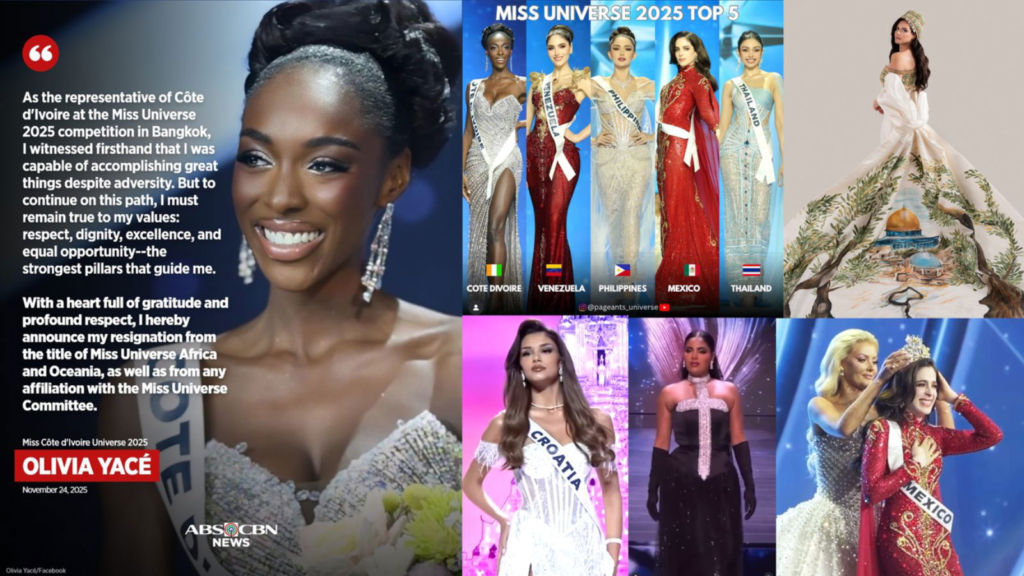
If I had a few hundred million dollars in my bank account (which I clearly do not), I’d buy the Miss Universe franchise and totally rebrand it. Here’s why. Through a twist of fate, I found myself at the controversial Miss Universe 2025 final competition in Bangkok last month, staying at the same hotel as the contestants, their families, managers, media, and delegates. I spoke to many insiders before, during and after the final event, hearing their unfiltered views. What an eye opener. This year’s Miss Universe exposed far more than I anticipated, laying bare societal issues and tough challenges faced by not only the Miss Universe brand, but the pageant industry in general. Allow me to unpack some of the challenges: Abuse of power This reared its ugly head when Thai organiser Nawat Itsaragrisil publicly humiliated Miss Universe Mexico, Fátima Bosch, calling her a “dumbhead”. All streamed live, this triggered a walk-out by her fellow contestants and a major loss of face for the organisers. His tearful apology was widely perceived as insincere, and he subsequently forced the ceremony MC Steve Byrne to add to his script “Nawat, you are amazing.” This pattern of bullying and impunity clearly needs to be addressed. Diversity and representation Miss Universe Pakistan, Roma Riaz, challenged beauty stereotypes, but sadly this triggered toxic online body and colour shaming. The turning point was when she walked defiantly onto stage in a gown embroidered with a large crucifix, wearing her religion (literally) with pride. (Nobody was expecting the representative of Pakistan to be from the country’s small Christian minority, many of whom still face discrimination). It felt as if a little bit of history was being made. The pageant industry needs to work harder to support and protect diversity and representation. Conflict and geopolitics For the first time, Palestine was present at Miss Universe. Nadeem Ayoub conveyed that she was there to give Palestine a voice, to remind the world that Palestinians exist and are about more than their suffering. Her evening gown featured the Al Aqsa Mosque in Jerusalem, making a strong statement about Palestinian identity. A fleeting moment when Miss Universe Israel, Melanie Shiraz, appeared to give her a side-eye made global headlines. Should Miss Universe avoid extremely sensitive issues, or can it be a platform for dialogue? Privilege and access Contestants at this level tend to come from either privilege or hardship. Miss Universe Philippines, Ahtisa Manalo, shared a compelling story of overcoming poverty, while Fátima Bosch (Mexico) hails from a wealthy Tabasco family, is private school educated, and her father is a senior executive at Pemex. This contrast raises questions about fairness and access in the pageant world. Governance and ethics This year’s competition has sparked a crisis threatening the very existence of Miss Universe. At the final event I witnessed these very impressive women vying for the crown. The outcome shocked everyone, myself included, and the crowd of over 10,000 started booing when Bosch was crowned. This event was being streamed live to over 2.6 billion viewers on various social media platforms, so the shock rippled across the world. The subsequent accusations of rigging and corruption have cast a dark shadow over the brand. Three judges resigned before the finals, allegedly due to pressure to favour Bosch. Revelations about business ties between the Mexican owner Raul Rocha and Bosch’s father, and ongoing federal investigations into Rocha for fuel and arms trafficking, have deepened the scandal. The fallout includes public criticism from contestants and the resignation of Miss Universe Côte D’Ivoire, Olivia Yace (whom I thought should have won, hands down). The lack of transparency was glaring. As former Miss Universe Canada and 2025 Selection Committee member Natalie Glebova noted, the days of official audits seem long gone: What ever happened to those days when they said before the results, “Please welcome from the accounting firm of Ernst & Young with the official audit”. Just saying. So what? Who cares about Miss Universe? Admittedly, I was indifferent to pageants until I understood the dedication and discipline they require. These competitions are more than vacuous beauty parades; they foster national pride, nurture talent, and build community. Yet, the traditional stereotypes and lack of transparency are increasingly out of step with the times. Time for rebranding The concept of the “beauty pageant” feels anachronistic. With declining viewership and changing priorities among Gen Z audiences, it’s time to rethink the beauty pageant brand. The industry should take inspiration from campaigns such as Ogilvy’s much lauded Dove ‘Campaign for Real Beauty’ which challenged conventional standards. If Miss Universe were a public company, not only would leadership be sacked, but the entire board of directors would also be raked over the coals by shareholders and regulators. Pageants should be held to rigorous standards, ensuring fairness and respect for the dedication and sacrifices of these young people. As part of a rebrand, I’d ditch the word ‘pageant,’ change ‘Miss’ to ‘Ms’, broaden selection criteria, and emphasise even more academic, career, and community achievements. The swimsuit competition would go (Ok don’t bite my head off), replaced by a focus on creativity and entrepreneurialism. Not only because these things matter to the world, but because they matter increasingly to younger generations of consumers, to advertisers and sponsors. Without audiences, broadcast rights and advertising revenue, there’s no future. A platform for discourse Would I encourage debate and discourse about sensitive topics such as identity, discrimination, conflict and injustice? You bet I would. But I would not leave these young women (and men) to fend for themselves and fall prey to sensationalist media or ‘click-hungry’ influencers. I’d create a supportive environment, a safe space for education and constructive dialogue. A call for reflection If the pageant industry wants to survive and remain relevant, it needs to take a long hard look in the mirror and do some soul searching. There is depth there. There are amazing stories of triumph over adversity waiting to be told. There is remarkable talent waiting to be

Miss Universe: Is this the end of pageant brands? Read More »

5 trends that had brands in a chokehold in 2025

From whimsical AI avatars to plushie-powered brand love, 2025 proved that the fight for attention online has never been fiercer. As feeds grew more crowded and audiences more scroll-happy, brands turned to bold formats, nostalgic cues and playful provocation just to stay in view. This year’s standout digital trends weren’t just about chasing virality. They revealed a deeper shift in how brands compete for relevance, tapping into visual novelty, emotional connection and, increasingly, the inner child. Whether it was turning yourself into an AI doll, reframing “apologies” as parody, or soft-launching loyalty through plushies, the online space became a full-blown playground for experimentation. Here are some of the top trends that had 2025 in a chokehold. Don’t miss: Why IKEA is killing it despite being a decade late to the Harlem Shake The AI doll takeover If 2024 was about AI headshots, 2025 turned everyone into collectables. This time, users are digitalising their identities into AI dolls. The process is simple: upload a photo into an AI platform such as ChatGPT, add a few prompts about style and personality, and out pops a glossy, toy-like version of yourself, complete with accessories. Brands were quick to join the fun. Prudential Singapore rolled out AI dolls of its financial representatives, Toast Box Singapore turned its “kopi master” into a digital figurine, and Grab Malaysia unveiled an AI version of one of its riders. But beneath the novelty sits a growing unease. As brands race to replicate themselves in AI form, questions around brand control, misrepresentation and intellectual property are getting louder. When anyone can generate a brand “persona”, the line between play and risk starts to blur. Read more here.  Brands discover apology bait It looks like a crisis. A clean graphic. A sombre caption. A carefully worded apology. Except the brand isn’t sorry for a data breach, a tone-deaf ad or a product failure. It’s apologising for being “too addictive”, “too delicious”, or “too hard to resist”. The “fake apology” post has swept across social feeds in recent months, hijacking the visual language of reputational fallout to spark engagement. It feels dramatic, familiar and instantly clickable and that is exactly why it works. In conversation with MARKETING-INTERACTIVE, agency leaders said the format works best for brands with playful personalities, strong communities and culturally expressive voices such as lifestyle, beauty and youth-led brands. Those in trust-heavy categories such as public services, utilities, government agencies and statutory boards, however, have been urged to tread carefully. When the stakes are real, parody can land very differently. Read more here.  The great Ghiblification Soft skies. Wide eyes. Dreamy colours. The “Ghiblification” trend saw users turn themselves, their pets and even cityscapes into characters straight out of a Studio Ghibli film, powered by ChatGPT’s growing image-generation capabilities. Fuelled by AI’s shift from text-based to image-based learning, the trend spread rapidly across social feeds, driven by nostalgia and visual escapism. It was whimsical, comforting and inherently shareable – three ingredients tailor-made for virality. Yet as adoption surged, so did the quiet questions. What exactly happens to the personal images users upload? As faces become training data, concerns around biometric privacy, image ownership and long-term use are becoming harder to ignore beneath the pastel aesthetics. Read more here. Marketing, but make it huggable Once upon a time, plushies were prizes you won at the pasar malam (‘night market’). In 2025, they became brand strategy. Limited-edition plushies are no longer just cute freebies, they are fast becoming emotional assets. Food brands such as Pizza Hut Singapore, alongside beverage players such as Milo Singapore and Boost Malaysia, rolled out plushie campaigns that transcended the typical promotional gimmick. Industry players said this reflects a wider shift away from transactional marketing. Instead of a one-and-done purchase, brands are now chasing connection, collectability and community. Plushies have become conversation starters, cultural touchpoints and, for some consumers, physical expressions of brand love. In a digital-first world, these soft toys delivered something surprisingly powerful: something to hold onto. Read more here. The ultra-thin reel Thin is in. Instagram’s latest visual obsession, the “skinny reel”, has taken over feeds with its ultra-wide, cinematic format. Also known as the 5120 x 1080 trend, the format slices off the top and bottom of standard vertical footage, leaving behind a long, narrow strip that stretches across the screen. The effect is instantly disruptive in a sea of upright reels. Creators are using it to refresh old content or heighten aesthetics, while brands have jumped on its novelty factor. The format thrives on curiosity and the unusual crop makes users pause, decode and, most importantly, stop scrolling – a rare win in today’s attention economy. Read more here. Related articles: Lessons from Lady Gaga: Why trendjacking without rights hits a bad note   China’s micro-drama industry booms: How brands can script their own success Nostalgia is not enough: How brands can get the rising trend right  source

5 trends that had brands in a chokehold in 2025 Read More »

Duolingo nabs former Publicis Chemistry ECD as its first APAC head of creative

Language learning platform Duolingo has appointed Pei Ling Ho (pictured) as its new regional head of creative for Asia Pacific, as the company doubles down on one of its fastest-growing regions. Based in Singapore, Ho will lead Duolingo’s creative strategy and execution across key APAC markets including China, Japan, Korea, India and Southeast Asia. She joins the brand’s Global Brand Studio and will report to James Kuczynski, senior creative director in New York. The newly created role reflects Duolingo’s growing focus on APAC, which has emerged as one of its fastest-expanding regions globally. Don’t miss: Luckin Coffee and Duolingo serve up pandan power in SG collab In her role, Ho will work closely with country marketing leads and agency partners to drive culturally relevant brand moments, partnerships and content aimed at enhancing the learner experience across the region. Ho brings over 18 years of creative leadership experience across Asia. She was previously executive creative director at Publicis Chemistry and also served as global creative director for Creative Works, APAC at Google. Earlier in her career, she was creative director at Publicis Singapore and associate creative director at R/GA Singapore. “APAC is a huge opportunity for Duolingo. It’s vibrant, diverse and full of people who love great creative. Ho’s deep experience in Asia will bring a culture-first approach to making memorable work that brings people together,” said Kucynzki. Speaking on her new role, Ho said, “What draws me to Duolingo is how many lives it has impacted, helping learners learn what they want and how they want. There’s heart behind Duo’s fun and irreverence, and I’m excited to help shape how this energy shows up in APAC.”  Her appointment comes as Duolingo continues to expand its commercial and brand offerings. In October, the company rolled out a new mobile-first advertising platform, Duolingo Ads, aimed at helping brands connect with Gen Z through character-led formats. Built to “delight, not disrupt”, the platform features Duolingo’s cast of characters and includes rewarded videos and native ad experiences embedded into bite-sized learning moments. Related articles: Green owls take flight: Duolingo and Tokopedia’s mascot swap goes viral in Indonesia   Duolingo’s owl crashes dating show Love Island    Duolingo goes rogue amid ‘AI-first’ backlash  source

Duolingo nabs former Publicis Chemistry ECD as its first APAC head of creative Read More »

Traveloka, STB unveil regional push for spontaneous weekend escapes to Singapore

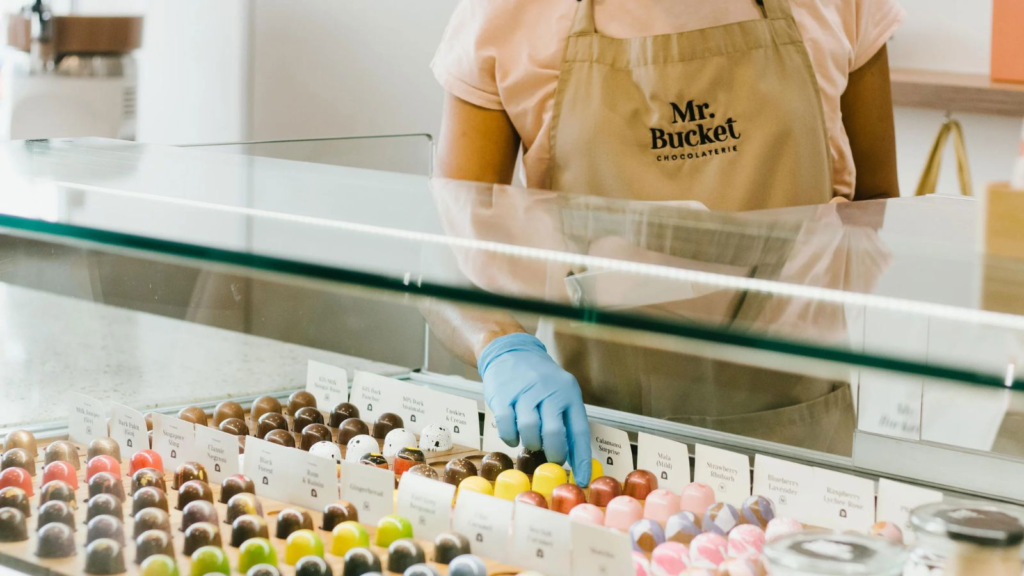
Traveloka and the Singapore Tourism Board (STB) have launched a new regional campaign encouraging young Southeast Asians to book spontaneous weekend escapes to Singapore, strengthening a partnership that has grown steadily across the region. Titled “A world of experiences await”, the initiative positions Singapore as a convenient and varied short-haul destination – particularly for travellers seeking compact, activity-filled itineraries. Running from November 2025 to March 2026, the campaign covers Indonesia, Malaysia, Vietnam, and Thailand, spotlighting reimagined, lesser-known, and hyperlocal experiences that appeal to young explorers and repeat visitors. The announcement marks the second major regional collaboration between Traveloka and STB this year, signalling a sustained push to appeal to more spontaneous travellers. According to both organisations, Singapore’s advantage lies in its accessibility: a dense array of attractions, efficient public transport, and neighbourhood-level discoveries that can be experienced within a single day. Don’t miss: Traveloka appoints new VP of corporate communications “Traveloka has been an invaluable partner in highlighting the different sides of Singapore, a city that allows both families and friends to discover new experiences together. We look forward to continuing this strong collaboration to showcase a more intimate, inspiring perspective of the city – one that encourages visitors to explore Singapore in new and unexpected ways,” said Terrence Voon, STB’s executive director for Southeast Asia. The partnership further emphasises family travel, offering curated deals aimed at multigenerational groups – an increasingly significant segment for both the tourism sector and regional online travel platforms. The campaign includes stackable discount vouchers for flights, hotels, and activities discoverable via the Traveloka app.  Traveloka is using its platform intelligence to steer travellers toward under-the-radar activities, from sports-themed itineraries to musical experiences and hands-on creative workshops. These recommendations reflect the platform’s push to deepen emotional engagement and highlight culturally meaningful encounters. “Beyond the success of our first collaboration, the partnership with STB is rooted in a long-term commitment to authentic experiences and deeper emotional connections. Singapore remains one of the most popular destinations for our travellers and together, we will continue co-creating initiatives that celebrate local culture and strengthen the communities that make travel meaningful,” said Albert Zhang, co-founder of Traveloka. To inspire new narratives around Singapore, the campaign highlights lesser-known hotspots such as: Littered with Books, an independent bookstore in a conservation shophouse, emphasising slow travel and literary discovery; Née Vintage, a boutique specialising in secondhand luxury goods for fashion-savvy collectors; and New Bahru, a creative retail and dining enclave housed in a former school, home to over 40 independent brands. The campaign also promotes recently opened or revamped family attractions, including: Singapore Oceanarium, reopened with immersive marine exhibits; Bird Paradise, showcasing rare and colourful aviary species through interactive shows; and Rainforest Wild Asia, the region’s first adventure-based zoological park. Off-the-beaten-path activities round out the offering, from kayaking along Punggol Waterway to hands-on creative sessions such as The Make Pleat Bag Experience by Ginlee and a DIY chocolate bar workshop at Mr Bucket Chocolaterie. Related articles:Traveloka to board Disney Cruise Line as travel distributor in IndonesiaHave you checked out the Baby Shark and Traveloka installations in Jakarta’s airport yet?Traveloka partners with Philippine Airlines to strengthen tourism growth in The Philippines source

Traveloka, STB unveil regional push for spontaneous weekend escapes to Singapore Read More »

Nufresh spotlights delivery riders to pass freshness along

Nufresh has kicked off an islandwide campaign aimed at giving delivery riders some relief from Singapore’s heat, while encouraging customers to adopt a simple hygiene habit: wipe before you eat. The campaign, titled “Cool it forward”, was conceptualised and executed by local boutique agency ODD and involves popular eateries White Tiffin, Flips N Dips, and 87 Just Thai. As part of the activation, 1,000 cooling kits, each containing alcohol-free Nufresh cooling body wipes and a bottled drink, are being distributed directly to riders as they pick up orders. In parallel, 1,000 Nufresh food-safe wipes are being packed into delivery bags to help customers freshen up hands, utensils, or surfaces before mealtime. Adding a playful touch, the campaign includes collectible sticker sets featuring Snowy, the brand’s hero character. Riders can identify fellow “Fresh AF” riders on the road, while customers receive a nine-character sticker set representing all Nufresh variants, extending the campaign message beyond the meal. Don’t miss: 2025 in review: Campaigns that turned heads in Singapore The activation runs in two phases: 28 November to 7 December at White Tiffin and Flips N Dips outlets, and 5 to 14 December at 87 Just Thai, ensuring islandwide coverage. TikTok creator and delivery rider Stacy (@stacy_8lala) fronts the campaign, lending authenticity to the movement by highlighting the challenges faced by riders on the ground. “Food delivery is such a big part of how Singapore eats today, and the riders behind every order deserve more appreciation,” said David Chong, marketing manager at Kleen-Pak Pte Ltd, Nufresh’s parent company. “With ‘Cool it forward’, we wanted to honour riders and make the delivery experience fresher for customers. A single wipe may seem small – but when shared, it becomes part of a bigger cycle of care,” added Chong. The campaign builds on Nufresh’s ongoing efforts to make freshness fun and accessible, following earlier initiatives such as a hawker “chope” activation. The activation saw tables at Maxwell and Amoy Food Centres were “chope-d” with Nufresh food-safe wipes disguised to look like the typical tissue packets Singaporeans leave behind to save their seats. The twist? Each pack doubled as an invitation to ‘wipe before you makan’ (wipe before you eat). Beyond the surprise, the stunt doubled as a product education push, highlighting Nufresh’s food-grade, rinse-free, alcohol-free wipes that are gentle enough for pacifiers and utensils. At the same time, Nufresh launched a TikTok voice-controlled AR game to promote its new cooling body wipes. The game stars Snowy, a lovable snowman trying to survive Singapore’s relentless heat. As part of the game, users are challenged to keep Snowy from melting serving as a playful nod to the wipes’ refreshing effect. The game rewards players with prizes such as a staycation at Mandai Rainforest Resort by Banyan Tree. Related articles:  Nufresh flips Singapore’s ‘chope’ habit to spark hygiene talk  MOM strengthens protection for platform workers with new bill Ninja Van MY celebrates delivery riders in heartwarming Hari Raya video  source

Nufresh spotlights delivery riders to pass freshness along Read More »

IMDA commits SG$200m to turn Singapore content into global brand IP

Singapore is placing a SG$200 million bet on content as a global branding and commercial engine, with the launch of the Infocomm Media Development Authority’s (IMDA) new Talent Accelerator Programme (TAP). TAP is aimed at developing original intellectual property, strengthening co-productions, and scaling the international distribution of “Made-with-Singapore” stories. Announced at the opening of Asia TV Forum and Market 2025 yesterday (3 December), the three-year initiative is designed to support the full media value chain from ideation and development to production, marketing, and global distribution, marking a sharper commercial and marketing-led approach to how local content is taken to market. At its core, TAP formalises how Singapore positions its creative talent and IP for export. The programme introduces structured development pathways for professionals across film and television, spanning three key stages: development, production, and distribution. Don’t miss: StarHub and Mediacorp join forces to create stronger content and ad opportunities At the front end, IMDA will match makers, writers and studios with what global commissioners and buyers are actively seeking, alongside mentorships and masterclasses focused on story development, pitching, deal negotiation, financing models, distribution planning and IP ownership structures, signaling a stronger emphasis on commercial viability, not just creative output. Meanwhile at the production stage, IMDA will co-fund regional and global co-productions across scripted, unscripted and screen adaptations, reinforcing Singapore’s ambitions to be a regional co-production hub. Crucially for marketers, TAP also introduces a new distribution and marketing pillar. IMDA will elevate the profile of Singapore content, talent and production companies through a dedicated in-house marketing team, alongside a structured marketing fund to boost international visibility for selected projects. “In a fast-changing media landscape where audiences have more choices and AI is disrupting how content is produced, the government is committed to support our sector and professionals adapt and remain relevant and competitive,” said Tan Kiat How, senior minister of state for digital development and information and the ministry of health. “The SG$200 million Talent Accelerator Programme is a major investment to ensure that ‘Made-with-Singapore’ content stands out on the international stage,” he added.  In tandem, Yvonne Tang, assistant chief executive of the media industry group at IMDA said “IMDA is building a robust ecosystem where international partners see Singapore not just as a location, but as an essential creative collaborator. We believe that Singapore talent can hold their own alongside the world’s best.” The move reflects a broader shift in how governments are thinking about content as both cultural currency and commercial export, as global platforms intensify competition for distinctive IP with cross-border appeal. It also dovetails with Singapore’s growing slate of international partnerships, including its recent unscripted collaboration with Warner Bros. Discovery. More details on applications under TAP are expected to be released in the first quarter of 2026. IMDA’s investment in TAP is not an isolated move; it builds on an existing ecosystem of co‑production funds, digital‑capability support, destination‑branding via content, and global partnership facilitation. In 2023, the statutory board and Singapore Tourism Board (STB) partnered on a SG$10 million “Singapore on-screen fund”. The joint fund aimed to support international media and entertainment (M&E) partners in producing TV and film projects that reach global audiences and shine the spotlight on destination Singapore. These projects provided opportunities for local media enterprises and talent to work alongside global M&E partners in creating content for international audiences. Past collaborations included romantic comedy Crazy Rich Asians in 2018, K-drama Little Women in 2022 and sci-fi hit series Westworld season 3 in 2010.  Related articles:      IMDA pulls the plug on Wild Rice performance over drug depictions IMDA powers SG’s SMEs with fresh GenAI partnerships IMDA partners local media to spotlight Singapore’s history this SG60 source

IMDA commits SG$200m to turn Singapore content into global brand IP Read More »

Beyond the walled garden: FairPrice Group’s bid to connect retail media’s final frontier

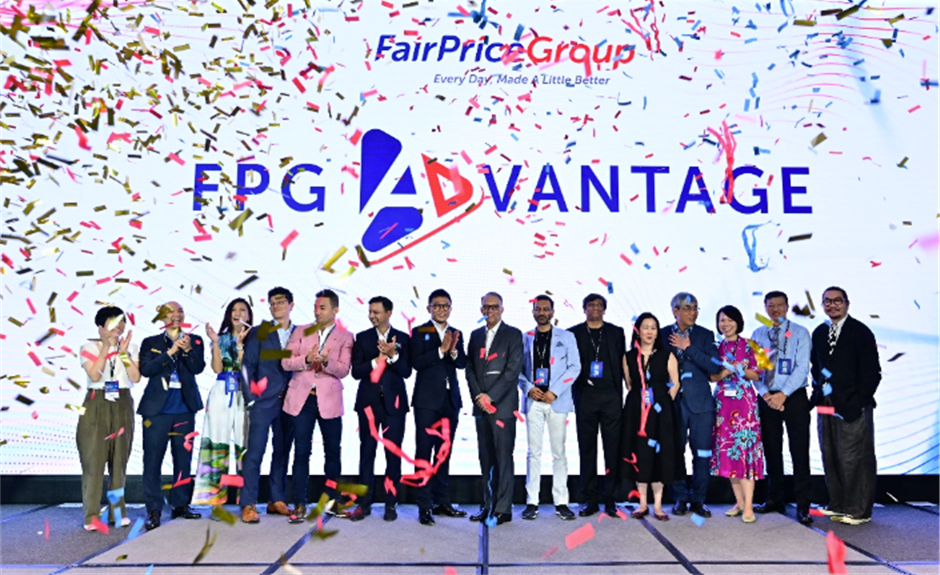
Retail media is, by all accounts, one of the fastest growing segments in digital marketing. Yet, for many marketers in Asia, it remains a fragmented and frustrating landscape. The industry is caught in a tug-of-war between two disconnected worlds: the multi-billion-dollar budgets of brand marketing, focused on long-term storytelling, and the tactical, performance-driven budgets of trade and shopper marketing. This foundational disconnect, compounded by a “disconnected, walled garden” ecosystem where data is siloed and a full customer view is impossible, was the central challenge tackled at FairPrice Group’s (FPG) recent launch event – “The next frontier of media.” The event, which saw the official launch of FPG’s new retail media network, FPG ADvantage, brought together leaders from brands, agencies, and tech. The consensus was clear: the industry’s potential is being hamstrung by siloed budgets and a lack of data collaboration. FPG’s strategic entry is not just to add another platform, but to fundamentally challenge this model by positioning its network as a “collaborative ecosystem” built to unite a fragmented landscape. Charting the next frontier: Mindsets and budgets The core challenge was laid bare by Ashutosh Srivastava, advisor for FPG’s retail media network. He described today’s market as “money going into disconnected, walled gardens”, forcing marketers to “second guess what really happened” on the customer journey. The biggest opportunity, he argued, is for a retail media network to finally connect the “two disconnected worlds” of the brand manager and the trade manager. This challenge was the central theme of the day’s first panel – “Charting the next frontier of retail media.” Panellists explored why adoption in the region has been hesitant. Chloe Neo, CEO of Omnicom Media Singapore, identified “silo budgets” as a primary blocker, with spend often trapped at the intersection of shopper, trade, and digital. Sean Cheng, FPG’s managing director for eCommerce and chief omnichannel officer, dimensionalised this challenge, noting that while brands are now comfortable with eCommerce media – such as sponsored search – this is the “most narrow dimension” of retail media. The true, far larger opportunity, he argued, lies in “omnichannel fashion” which has “just started” and requires a new way of thinking. This sentiment was echoed by Leroy Seow, FPG’s managing director of products. He called on brand partners to “rewire the mindset of budget allocation”. Rather than seeing retail media as an entirely new cost centre to fund, he positioned it as a “sandbox” and urged partners to “test and learn” by allocating a portion of existing funds to pilot new and integrated approaches. A new playground built on deterministic data If the problem is fragmentation, FPG’s proposed solution is its vast, integrated ecosystem. CEO Vipul Chawla set the stage by outlining its evolution from a retailer to a multifaceted business spanning eCommerce, food services, loyalty, and banking, resulting in over one million daily customer interactions. This scale provides the “playground” for brands that was explored in the second panel discussion – “The new brand playground: Unlocking growth in unexpected ecosystems.” Karen Chan, FPG’s chief customer officer, detailed the data powering the network, highlighting its shift from inferred guesswork to trustworthy, first-party data. FPG processes nearly 350 million transactions annually, but its advantage, Chan explained, lies in “deterministic data”. Through its rich ecosystem of first-party data spanning Link Rewards membership profiles, in-app engagement signals, and SKU-level transaction behaviour, FPG is able to build a more accurate and holistic understanding of customer profiles. This enables reliable validation of demographic attributes and household shopping behaviours based on how customers interact across FairPrice stores, Unity, Cheers, and Kopitiam.” “Just because you purchase diapers and just because you also purchase Milo, doesn’t mean that you actually have household children,” Chan noted. This move towards verifiable data is FPG’s answer to demands for higher quality audience segmentation. Beyond the supermarket shelf: The non-endemic opportunity The “playground” concept truly came to life when discussing the opportunity for non-endemic brands – those not sold on supermarket shelves. Dione Song, CEO of Love, Bonito, described her “light bulb moment” during the panel. For a fashion brand, she explained, grocery data provides a powerful window into a customer’s life stage. “Imagine someone moving perhaps into a different life stage, let’s say, becoming a mother for the first time,” Song theorised. “You’re probably going to start making already specific choices when you’re going for your grocery shopping”. This insight, she noted, would allow Love, Bonito to recommend “maternity friendly pieces” at the exact moment the customer needs them. This sentiment was echoed by Dhiren Amin, chief customer officer of Income Insurance. For a category such as pet insurance, which suffers from low penetration, FPG’s network offers a direct line of communication. “Almost 100 out of 100, hopefully, pet owners are buying food for their pets,” Amin said. “A lot of them are buying food from FairPrice.” This “clear alignment” allows Income to “grow the awareness of the need of pet insurance amongst pet owners” at the precise point of purchase. Adeline Kim, country manager for Visa, highlighted that the true power lies in data collaboration. She noted that by connecting different data sets – such as FPG’s retail data with Visa’s wider payment data – brands can build richer, cross-category personas. Kim emphasised that value isn’t just in big campaigns, but in creating meaningful, frictionless “small moments” and “nudges”, such as a reminder for an expiring voucher, that makes the entire customer experience more seamless. A ‘sandbox’ to define the region’s future The event concluded with a clear call to action: treat Singapore as a collaborative test market. “Why don’t you treat Singapore like a sandbox?” Seow challenged the audience. This idea was reinforced by Rajat Jain, managing director of Nestlé Singapore. He argued that Singapore, despite its size, “has a unique position of leading global efforts and being the shining light of what is possible”. By providing a “safe, compliant, collaborative sandbox”, FPG is offering marketers a chance to develop and test new omnichannel strategies. As Srivastava summarised, the lessons learned here

Beyond the walled garden: FairPrice Group’s bid to connect retail media’s final frontier Read More »

Consumer watchdog flags misleading website tactics by Courts and PRISM+

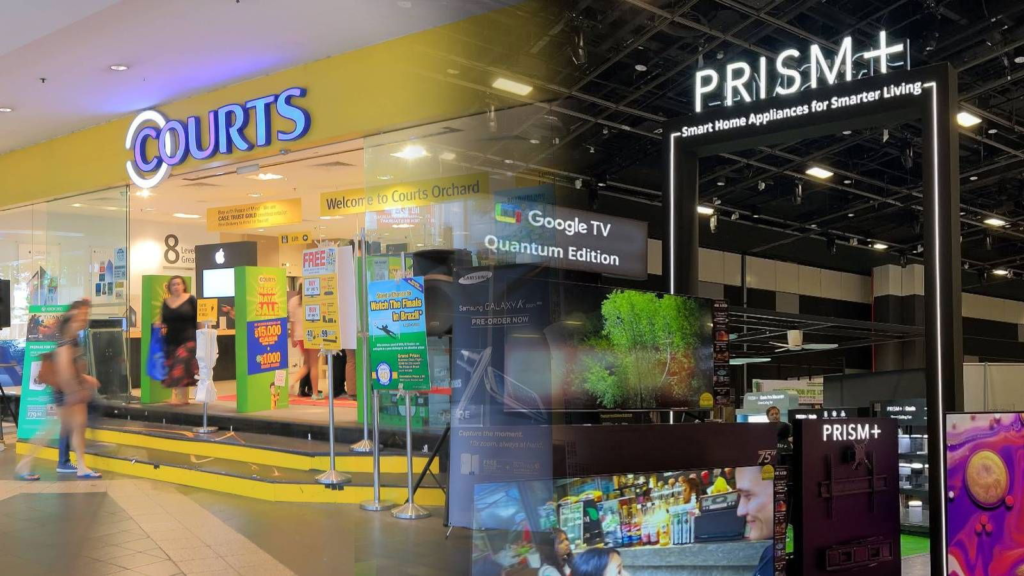
The Competition and Consumer Commission of Singapore (CCS) has taken action against Courts and PRISM+ for using website design features that misled consumers and pressured them into unintended purchases. Courts was found to have automatically added unsolicited items into shoppers’ carts during certain promotional periods, a practice CCS described as an unfair trade practice. In one case, an Acer vacuum cleaner was added to a consumer’s cart after the shopper selected an Apple iPad for purchase. CCS said the practice placed consumers at risk of unknowingly paying for items they did not intend to buy if they failed to notice or remove them before checkout. Despite receiving customer complaints as early as 2024, Courts only made changes after CCS intervened in June 2025. Don’t miss: SG consumer watchdog CCCS to regulate product safety in expanded role Courts has since given an undertaking to stop the practice with immediate effect, made changes to its website, and agreed to refund affected customers. In a separate investigation, CCS found that PRISM+ used multiple website features that created “false urgency” to pressure consumers into hasty purchases. These included fake countdown timers that reset after reaching zero without any impact on checkout, misleading stock indicators that suggested low inventory even when substantial stock remained, and unsubstantiated claims of industry-wide shortages. CCS also found instances of inflated discount claims such as “up to 67% off”, where the advertised maximum discounts were unattainable based on the actual prices offered. For one product, the discount amounted to 38% despite a 67% off claim. PRISM+ attributed the discrepancies to technical errors. PRISM+ has rectified the issues and provided an undertaking to CCS that it will not engage in unfair trade practices. Under Singapore’s fair trading laws, it is an unfair trade practice for businesses to charge for unsolicited products or make false or misleading claims to influence purchasing decisions. CCS said businesses must ensure consumers clearly consent to all purchases and that claims on pricing, stock availability and urgency are truthful and factually accurate. CCS also advised consumers to review their shopping carts carefully, verify payment amounts before checkout, and remain cautious of urgency-driven messages when shopping online. Members of the public who wish to report unfair trade practices may contact CASE or submit a complaint online. “These two interventions form part of a series of recent enforcement actions taken by CCS against businesses that employ dark patterns to mislead and pressure consumers into unintended purchases,” said Alvin Koh, chief executive of CCS. He added, “CCS remains committed to ensuring fair, transparent and honest business practices in the digital space, enabling genuine competition amongst suppliers while empowering consumers to make informed decisions.” In response to CCS’ findings, PRISM+ told MARKETING-INTERACTIVE that a small number of “legacy marketing practices” on its website had contributed to the issues raised. These included unintentional errors in internal stock metafields, outdated COVID-period shortage messaging, and discount claims that were not consistently aligned with specific product offers. The company said it fully cooperated with CCS’ outreach and moved quickly to review and amend its website in accordance with the regulator’s guidance. PRISM+ added that all required corrections were made “within days”, no recent customers had been affected, and additional safeguards have since been put in place. “Since May 2025, all prices and discounts displayed on our website accurately reflect the offers available, and real-time stock availability is based on current inventory levels. We are aligned with CCS and ASAS guidance and are fully committed to fair consumer practices,” the brand said. PRISM+ added that it remains focused on responsible e-commerce stewardship in Singapore, improving internal processes and strengthening transparency. “Our customers deserve absolute clarity, and we take that responsibility seriously as a Singapore brand serving Singaporeans,” it said. The action against Courts and PRISM+ follows similar scrutiny by CCS earlier in June over Agoda’s website and mobile app in Singapore for potentially misleading design elements. The regulator found that Agoda’s “best match” label was influenced by commission earnings, not just user preferences, while its “Agoda preferred” badge did not clearly disclose that featured properties paid higher commissions. Related articles: foodpanda warned over ‘misleading’ free delivery ad for pandapro   Grab Singapore’s Trans-cab acquisition may violate competition law, says CCCSAirAsia accepts MalaysiaNow’s apology over misleading articles source

Consumer watchdog flags misleading website tactics by Courts and PRISM+ Read More »