marketing interactive

Chick-fil-A opens first Asia outlet in Singapore

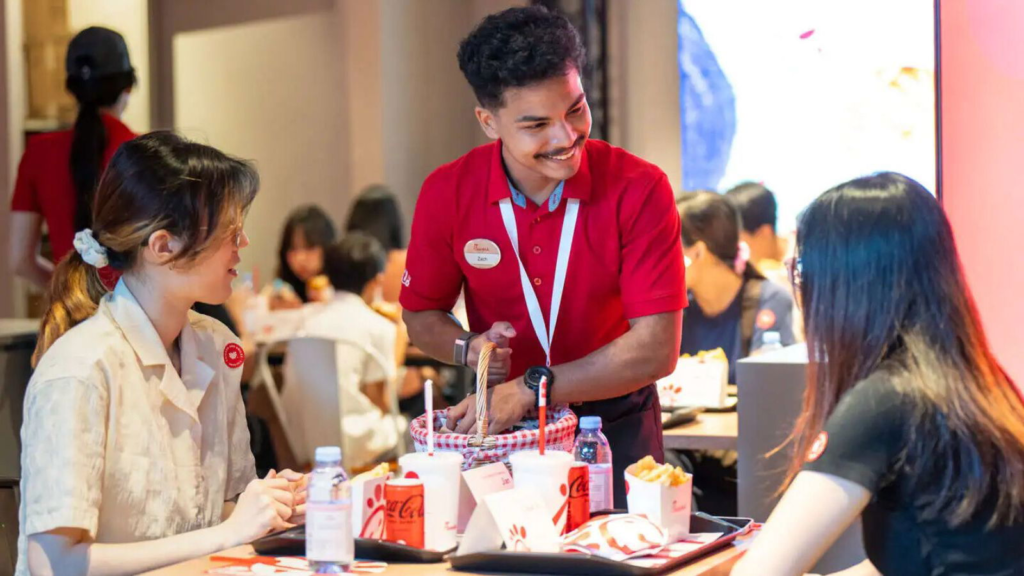
Chick-fil-A, the third-largest quick-service restaurant chain in the US, is making its Asian debut with the opening of its first franchised restaurant in Singapore at Bugis+. The outlet opens to diners on Thursday, 11 December 2025, marking the start of the company’s 10-year, US$75 million investment in the region. Located at 201 Victoria Street, the Bugis+ restaurant will operate Monday through Saturday from 10am to 10pm, offering both dine-in and takeaway. True to Chick-fil-A tradition, it will remain closed on Sundays, a practice dating back to the chain’s founder, Truett Cathy, who wanted employees to have time to rest, worship, or spend with family. The restaurant will serve the chain’s signature items, including the Chick-fil-A chicken sandwich, waffle potato fries, lemonade, and a variety of milkshake flavours. Local diners can also try a new spicy chili Sauce developed exclusively for Singapore, alongside the full range of signature sauces. Don’t miss: Chick-fil-A appoints media partner ahead of Singapore debut Chick-fil-A is also spotlighting community engagement in its Singapore launch. The Bugis+ outlet will donate SG$25,000 to The Food Bank Singapore to celebrate its opening, with plans to contribute the same amount for each new restaurant opened in the country. Surplus food will be redistributed through the Chick-fil-A Shared Table program, which has created over 42 million meals globally. The Singapore restaurant will be locally owned and operated by Chyn Koh, the first independent Chick-fil-A franchisee in the country. Koh, a Singaporean with over 20 years in food and beverage, will lead daily operations, oversee team member development, and manage community initiatives. The outlet is expected to create between 60 to 80 jobs, with a focus on pathways for growth and upward mobility for staff. “Caring for people has always been at the heart of Chick-fil-A’s purpose,” said Hugh Park, head of Asia Pacific operations at Chick-fil-A (Asia). “As we begin this next chapter in Singapore, we are honored to partner with The Food Bank Singapore to help strengthen food support for those who need it most. This partnership reflects our long-standing commitment to making a positive impact in the communities we serve.” In tandem, Koh said, “Opening Chick-fil-A’s first restaurant in Asia is both an incredible honor and responsibility, and I am personally dedicated to leading it with heart. For me, this is more than operating a business. It’s about building a space where care is genuine, team members are supported to grow, and every guest can enjoy great food while feeling truly welcome and valued.” Arthur Chin, executive director of The Food Bank Singapore, expressed appreciation for Chick-fil-A’s contribution, noting that partnerships such as this demonstrate how businesses and communities can work together to make a meaningful difference. He described the collaboration as the start of a long-term effort to support those in need and create lasting impact. Ahead of its permanent entry into Singapore, Chick-fil-A tested local appetite through a pop-up activation in June 2024. Organised by Chick-fil-A Asia, the three-day experience introduced the brand to the community and gathered insights into guest preferences, serving more than 1,000 original Chick-fil-A chicken sandwiches. The event also raised SG$30,000 for Community Chest through a suggested SG$10 donation from attendees. MARKETING-INTERACTIVE has reached out for more information.  The Singapore launch comes amid a wave of international F&B brands entering the market. Earlier this year, Australian frozen yoghurt brand Yo-Chi made its local debut with a social-first launch designed to drive buzz and trial. Founded in Melbourne in 2012, Yo-Chi is known for its self-serve frozen yoghurt concept centred on creativity and customisation. Its Orchard Central flagship features 10 yoghurt bases alongside fresh fruits, crunchy toppings, cakes, Singapore-exclusive jellies, popping pearls, and a Nutella fountain. The brand leaned on short-form social content to spotlight its weight-based pricing, premium ingredients, and interactive topping bar, with more than 90 creators posting under #YoChiSG. The campaign translated online buzz into queues on opening day. Yo-Chi has since signalled plans for further Southeast Asia expansion while maintaining its focus on quality, sustainability, and community engagement. Related articles:      Mary Grace makes its first international move, bringing Filipino warmth to SingaporeKFC Singapore unveils first-ever merchandise space at revamped Kallang outlet        Carousell Group to open first luxury resale store at The Centrepoint      source

Chick-fil-A opens first Asia outlet in Singapore Read More »
SG60, crises and eats: What were Singaporeans searching on Google this year?

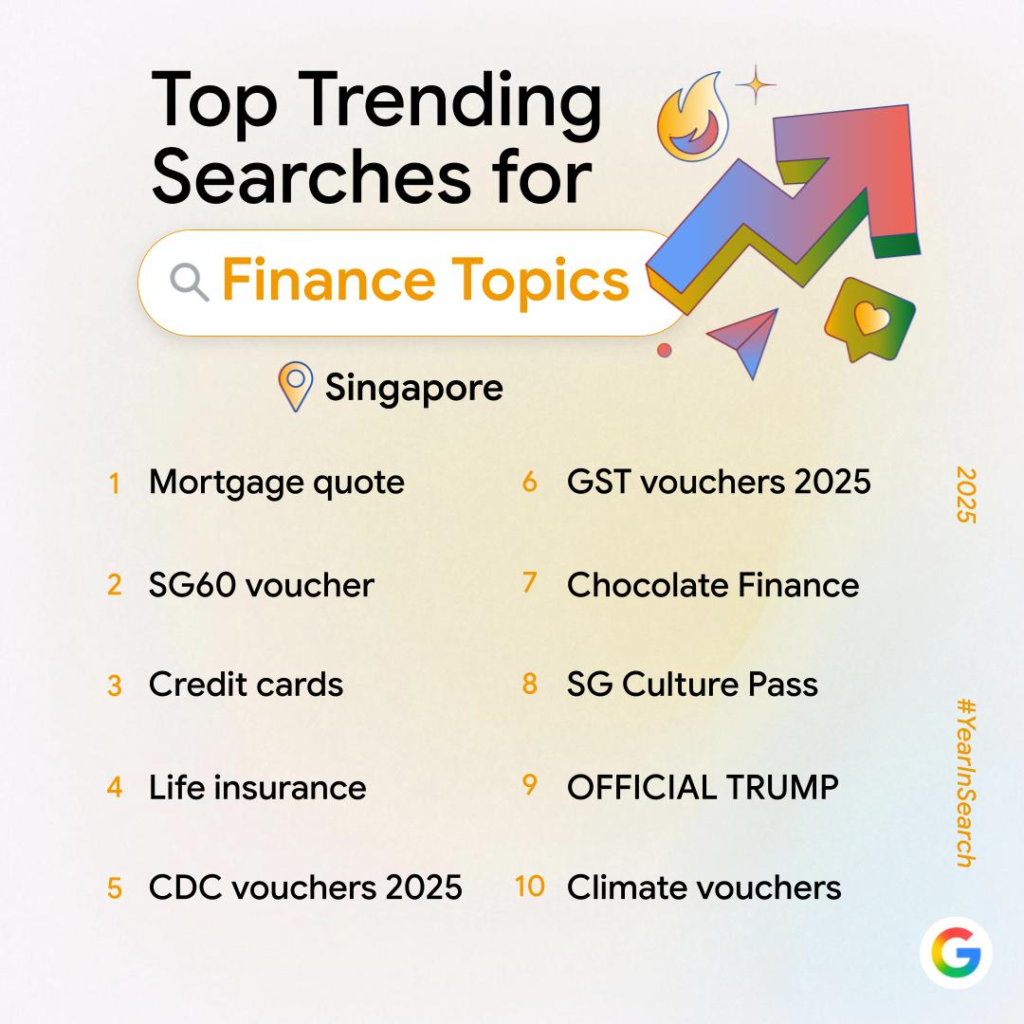
Google has released its annual “Year in Search” list for Singapore this year, revealing a year shaped by SG60 celebrations, the General Elections, economic pressures and a steady appetite for pop culture. The list tracks the people, topics, events and places that captured the attention of Singaporeans throughout the year, reflecting what Google described as a mix of cautious planning and moments of joy. According to the search engine giant, SG60 emerged as a major national talking point, ranking number 10 in trending SG news. Searches surged around government initiatives such as the SG Culture Pass, which ranked number eight among trending finance topics, and new tranches of SG60 vouchers, which appeared across multiple categories. Don’t miss: What were Singaporeans searching for on Google in 2024? Locals also showed strong interest in new and refreshed attractions. Rainforest Wild ASIA topped the trending city buzz list, followed by the Singapore Oceanarium and Punggol Coast Mall. In addition, food remained a consistent obsession. GastroBeats 2025 at Marina Bay ranked sixth in trending city buzz, while new dining spots such as Paradise Hotpot and Yo-Chi also made the top ten, with Yo-Chi emerging as a popular Gen Z hangout. Moreover, the Singapore General Elections stood out as one of the most closely followed national events of the year. Search interest spiked around political figures including Ng Chee Meng, Alexis Dang and Chee Soon Juan during the campaigning period. The results of the General Elections ranked among the top trending SG news topics as voters tracked outcomes closely. Cost of living concerns also featured prominently. Searches related to Trump tariffs and global market shifts made the trending news list. Mortgage quotes were the top trending SG news and finance topic, while credit cards and life insurance ranked among the top finance searches as consumers looked to manage rising costs. Money anxiety, it seems, had a very efficient SEO strategy. Other top trending searches in Singapore included DeepSeek, Charlie Kirk, COPD treatment, osteoporosis treatment, iPhone 17, Barbie Hsu, and Asia Cup 2025, highlighting locals’ diverse interests spanning health, finance, politics, tech, and sports. On the entertainment front, Lady Gaga’s Southeast Asia stop in Singapore for her MAYHEM tour ranked among the top trending SG news and international personalities. The Phantom of the Opera also drew strong search interest during its six-week Singapore run. Streaming continued to dominate home entertainment. New seasons of Squid Game ranked second in trending TV shows, while local sequel Emerald Hill – The Little Nyonya Story, alongside titles such as Bon Appétit Your Majesty and When Life Gives You Tangerines, drove significant viewership-related searches. In cinemas, Mission Impossible topped trending movie searches, followed by Thunderbolts. Other popular titles included K-pop Demon Hunters and A Minecraft Movie. Collectively, the 2025 search trends point to a year where Singaporeans balanced national milestones, financial planning and escapist entertainment, planning for the future while squeezing in a little fun between the budget spreadsheets. “Google’s annual Year in Search is a powerful snapshot of what mattered most to Singaporeans in the past year. From mastering new AI tools to exploring new places and seeking out the best entertainment, search continues to be their partner in discovery,” said Ben King, country managing director, Google Singapore.  He added, “As search patterns evolve, it has been exciting to see users make the best use of our generative AI features, such as AI Overviews and AI Mode, to get quicker, more helpful answers. We will continue to reimagine and expand what Google Search can do to ensure we provide faster, higher-quality responses for everyone.” Looking ahead, Google is also experimenting with how users interact with search itself. In May, the company rolled out a new AI mode in its search engine across the US, offering a conversational experience similar to a chatbot. Building on last year’s AI Overviews, the feature allows users to ask complex, multimodal questions and receive tailored results through a “query fan-out” approach, which breaks questions into subtopics and conducts multiple searches simultaneously. Early reports suggest it is driving higher engagement, with users of AI Overviews logging a 10% increase in search frequency for relevant queries. Related articles: SG60 campaigns that remind us why this is home, truly   GE2025: Are podcasts the new political battleground?   Lessons from Lady Gaga: Why trendjacking without rights hits a bad note source

SG60, crises and eats: What were Singaporeans searching on Google this year? Read More »

BrandStory Southeast Asia appoints new general manager

BrandStory Southeast Asia has appointed Molly Jou as its new general manager, effective immediately, as the agency looks to strengthen its footprint across the region. BrandStory, founded in 2003, is a brand representation and PR agency with offices across Southeast Asia and Greater China. Jou brings over 15 years of experience spanning tourism, startups, education, and healthcare, with expertise in marketing strategy, public relations, and brand communications. Since joining BrandStory in 2014, she has played a key role on the Brand USA account, covering Taiwan, Hong Kong, and Southeast Asia markets including Indonesia, Vietnam, the Philippines, Thailand, Malaysia, and Singapore. She later served as SEA account director for New York City Tourism + Conventions and Qatar Tourism Authority, overseeing travel trade partnerships, PR, and social media marketing. Don’t miss: BrandStory China names new general manager Her portfolio includes leading destination marketing initiatives for the Hawai’i Tourism Authority, Brand USA, Visit Brisbane, Illinois Office of Tourism, Luxembourg National Tourist Office, and Kerala Tourism. Through these roles, she has helped clients navigate new markets, design strategic initiatives, and build strong industry partnerships, the agency shared in a statement.  In her new role, Jou will oversee BrandStory Southeast Asia’s business development, marketing, and communications efforts, working closely with clients and partners across travel, hospitality, lifestyle, and other industries. She will collaborate with Echo Zhao, general manager for BrandStory China, to reinforce the agency’s position as a trusted partner for businesses with interests in Greater China and Southeast Asia. Reene Ho-Phang, founder of BrandStory, commented, “I have full confidence in Molly’s dynamic ability in creative problem-solving, her resilience and integrity, and her energetic personality. She has successfully scaled efforts across multiple Asian cities, navigating market nuances in cross-border marketing, and clients enjoy working with her and her team.” Meanwhile, commenting on her appointment on LinkedIn, Jou said: “In dual leadership with Echo Zhao for China, we will continue our efforts in working closely with clients from around the world. Strategies for driving incremental travel arrivals and spend are to be unfold harnessed by AI. Unique stories of cultures and destinations are waiting to be told.” Jou’s appointment comes as the agency’s founder, Ho-Phang, shifts her focus to ANEW Story, a new BrandStory division dedicated to marketing communications for non-profits and travel businesses navigating an AI-driven world. Earlier this December, BrandStory China had appointed Echo Zhao as its new general manager, effective immediately. This appointment aims to bolster its leadership team to deliver strong performance for global clients engaged in the thriving Asian markets. With over 20 years of experience in travel and tourism in China, Zhao has excelled in various roles from leading brand marketing campaigns, managing revenue and lead generating initiatives for global destinations to driving yield management programs for meeting and convention spaces and international hotel chains. Prior to joining BrandStory, Zhao was sales director at Banyan Tree Shanghai on the Bund, after over six years with the MICE team at Shanghai World Financial Centre where she repeatedly filled the venue with local and international business events. Related articles: Universal Robina appoints new CMO amid Southeast Asia expansion driveGoogle strengthens SEA leadership to accelerate AI-driven growthHavas Media Singapore appoints new MD and GM, digital SEA source

BrandStory Southeast Asia appoints new general manager Read More »

DDB SG CEO Jeff Cheong parts ways with Omnicom as merger retires legacy brands

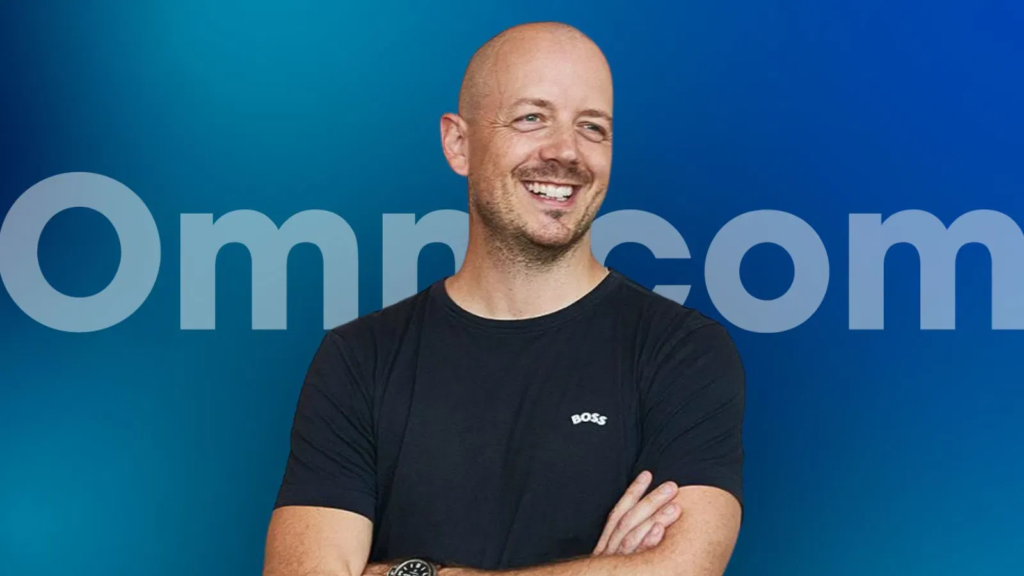
Jeff Cheong is stepping down as CEO of DDB Singapore following the Omnicom–IPG merger, closing a chapter of more than seventeen years at the agency and marking one of the most significant leadership changes in the region as the newly combined group begins consolidating roles. In a statement to MARKETING-INTERACTIVE, Sean Donovan, who leads Omnicom Advertising said “We thank Cheong for his stellar work done in DDB and Tribal Worldwide for last 17 years and wish him the very best for his next chapter.” “I’ll carry the best memories of DDB and Tribal Worldwide for life, especially the clients who believed in and trusted me with their business. As I enter the second half of my career, I’m energised by the support of partners and clients to lead with confidence,” Cheong told MARKETING-INTERACTIVE.  Don’t miss: ‘A defining moment’: Omnicom ANZ folds DDB and FCB into new regional structure  Cheong first joined DDB Singapore as deputy president in 2018, was appointed deputy CEO in 2020 to lead the agency group’s marketing technology solutions, and became CEO in 2022, overseeing the agency’s growth, innovation, and client-facing transformation. He leaves DDB Singapore after four years as CEO, having guided the agency through digital transformation, regional growth, and a rapidly changing media and marketing landscape. Under his leadership, DDB Singapore strengthened its capabilities across creative, digital, and tech-driven campaigns, driving integrated solutions for brands in Singapore and Southeast Asia. His exit marks a significant transition for the agency as the merged Omnicom–IPG organisation realigns leadership and creative structures across Asia Pacific. Before joining DDB, Cheong spent 14 years at Tribal Worldwide, rising from managing director to vice president of Tribal Worldwide Asia, and ultimately serving as president and head of Tribal in 2014. During his tenure, he led innovation and pre-demand campaigns for clients across Singapore and the broader SEA region, collaborating closely with DDB Group’s T-Divisions to deliver cutting-edge marketing and technology solutions. In his career, Cheong has led major public communications work. From industry-first dialect info-drama 《吃饱没?》 Eat Already? that opened doors for more new entertainment formats, to engaging audience as storytellers in PUB’s Kinship, to fighting myths on COVID-19 vaccination with a worldwide hit. During the pandemic, he led the vaccination campaign featuring Phua Chu Kang in a disco number that went viral globally. Cheong’s departure comes amid a sweeping post-merger restructure by Omnicom following its US$13.3 billion acquisition of Interpublic. The integration will retire several longstanding agency brands, including DDB, FCB and MullenLowe, consolidating overlapping networks into three global creative networks: BBDO, McCann and TBWA. Reports indicate more than 4,000 jobs will be cut as part of the immediate post-merger realignment. Omnicom’s own announcement did not reference the retirement of these brands, but the updated organisational structure on its new website confirms the shift, with DDB, FCB and MullenLowe no longer appearing. Related articles:   Omnicom Media unveils new APAC leadership structureLeigh Terry exits IPG Mediabrands APAC amid Omnicom–IPG integration James Hawkins departs IPG Mediabrands APAC as merger reshapes region  source

DDB SG CEO Jeff Cheong parts ways with Omnicom as merger retires legacy brands Read More »

Pantone picks ‘Cloud dancer’ as 2026 colour of the year, sets off global collab wave

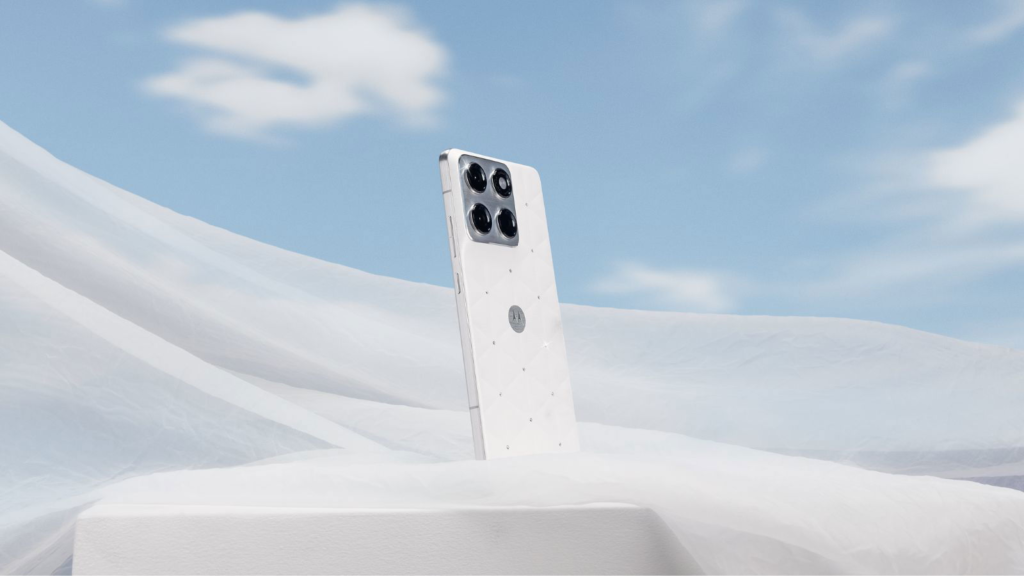
Pantone has unveiled its Colour of the Year for 2026: PANTONE 11-4201 Cloud Dancer, a soft, airy white that’s all about calm, clarity, and a gentle reset. Imagine a colour that feels like a deep breath after a long day, a blank canvas for creativity, or the world’s chicest marshmallow—this is Cloud Dancer. The hue is designed to soothe overstimulated minds, encourage reflection, and create space for new ideas to take shape, offering a visual pause in an increasingly noisy world. Pantone describes it as “a whisper of calm and peace,” a colour that embodies serenity and quiet sophistication, without ever feeling boring or sterile. Leatrice Eiseman, executive director of the Pantone Color Institute, calls Cloud Dancer “a promise of clarity,” noting the hue provides respite from the constant demands and distractions of modern life. Laurie Pressman, vice-president of the Pantone Color Institute, adds that the colour represents the “liminal space” between digital and physical worlds, offering a launchpad for creative experimentation and new approaches to design. Don’t miss: HSBC introduces ‘HSBC Red’ and hand-drawn logo to celebrate 160 years But Pantone isn’t stopping at just naming a colour. Cloud Dancer is getting the full treatment with a global collaboration program spanning technology, lifestyle, interiors, and multisensory experiences. Motorola The motorola edge 70 is getting a Cloud Dancer makeover. Vegan leather, quilted finish, Swarovski crystals. Basically, serenity in your pocket with a touch of sparkle. Pantone calls it “bringing peace back to our pockets.” We call it the calmest flex of 2026. Play-Doh The classic modelling compound is turning Cloud Dancer white for its 70th anniversary. Squishy, sculptable, and somehow meditative, it encourages all ages to pause, breathe, and create. Proof that adulthood is just childhood with deadlines. Post-it For the first time, Cloud Dancer takes centre stage in a Post-it collection. The Neutrality Collection is a softer, calmer palette designed to help declutter your desk, and maybe your mind. Command Brand Command Brand’s limited-edition Cloud Dancer hooks and strips allows you to rearrange your space guilt-free. Finally, freedom to switch up your walls every weekend without angering your landlord. Pura Turning colour into scent, Pura is capturing Cloud Dancer in a fragrance designed to radiate calm and clarity. Now your nose can meditate too. Spotify 2026 marks the year for Pantone’s first-ever music collaboration. This features a Cloud Dancer playlist personalised to listener’s own listening habits, perfect for reflecting, relaxing, or pretending you’re at a spa while on the commute. Mandarin Oriental Ten global hotels under the brand are bringing Cloud Dancer to life with themed afternoon teas, spa treatments, festive decor, and even Cloud Dancer post boxes for letters to Santa. Luxury meets serenity. Joybird Furniture, rugs, pillows, and more, all wrapped in soft textures that cocoon and comfort. Cloud Dancer has never felt more like home. Monotype To celebrate Cloud Dancer, Pantone has also ventured into typography, teaming up with Monotype to create the first-ever typographic expression inspired by the 2026 Colour of the Year. The airy white hue is paired with “Jensen Arabique” from the Monotype library, chosen for its calm, handmade, and timeless vibe. Pantone positions Cloud Dancer as a structural colour, versatile across fashion, interiors, beauty, and packaging; quietly sophisticated, letting other colours shine, while bringing balance and lightness wherever it appears. In short, 2026 is shaping up to be a year of intentional calm and creativity. With Cloud Dancer, Pantone isn’t just setting a colour trend. It’s curating a multisensory, cross-category experience that invites the world to slow down, reset, and get inspired. At the end of last year, Pantone named Mocha Mousse (PANTONE 17-1230) as its colour of the year for 2025. The warming, brown hue was selected to spread a message of richness and it suggests the delectable qualities of chocolate and coffee, creating a feeling of comfort. Pantone explained that the versatile shade creates a strong chromatic foundation, complementing diverse applications, both minimalist and richly decorated, across design and all colour conscious industries. Additionally, the company designed five colour palettes to showcase distinct feelings and moods.Related articles: Pantone unveils colour of the year for 2025 This is Pantone’s colour of the year for 2024 Pantone redefines the colour nude in inclusive new skin tone palette source

Pantone picks ‘Cloud dancer’ as 2026 colour of the year, sets off global collab wave Read More »

Branding and design agency Imagination Riot names new head of social

Branding and design agency Imagination Riot has appointed Connor Reddy as head of social, marking a major step in the agency’s growth and its focus on helping brands connect meaningfully with culture. The move reunites Reddy with Imagination Riot founder Andy Reynolds, after the two first worked together over six years ago leading creativity across WPP agencies including Ogilvy and Superunion (now Design Bridge & Partners). In this newly created role, Reddy will lead Imagination Riot’s expanded social and culture offering, strengthening the agency’s ability to help brands cut through the noise with work that is purposeful, provocative and built for modern audiences. Don’t miss: Ogilvy Group Singapore appoints Shirley Tay as CEO    While Imagination Riot is headquartered in Singapore, Reddy’s remit is global and he will work with clients spanning APAC, Europe, the Middle East and North America. He will report to Reynolds. Reddy brings deep expertise in social-first storytelling, culture marketing and brand partnerships, with APAC experience for brands including HSBC, Riot Games, Discovery+, O2, Ticketmaster and Chelsea FC. He is also the creator behind Thailand’s viral content channel, “Farangs gone wild”, generating millions of monthly views and collaborating with White Claw, Rolling Loud Festival, Corona and Jameson. Prior to joining Imagination Riot, he was head of content and partnerships at Futera where he was responsible for increasing brand awareness and drive revenue for the premium sports trading card brand, securing commercial deals with athletes and support the launch of product marketing in China, among others.  “Reddy gets culture at a forensic level and knows how to tune its dials into ideas people actually care about. Bringing him back into the fold is a bit of coup for us and feels like picking up exactly where we left off — just with a lot more independence,” said Reynolds.  In tandem, David Fleet, director and COO of Imagination Riot added “Reddy’s appointment marks a natural progression in our growth. Brands today are navigating an environment of constant noise and AI-generated content at scale. What cuts through is human insight —sharpened by technology, not replaced by it.” “Reddy brings an instinctive understanding of how culture and social behaviour intersect. His experience will strengthen our ability to help clients build meaningful engagement that leads to results. We’re thrilled to have him onboard,” said Fleet. Imagination Riot first opened its doors in Singapore in 2024. Since its launch, it has partnered with brands such as Tim Hortons, Kenangan Coffee, TMall and more. Most recently in October, it partnered with tennis club Ace of Clubs in Bangkok to develop its brand strategy, name and visual identity system.  Related articles:    Next wave of creativity: What’s in store for 2026? Branding Records names new creative lead for Greater China  Verbal branding agency Reed Words expands into APAC with SG office  source

Branding and design agency Imagination Riot names new head of social Read More »

APAC lags behind in consumer receptiveness to ads

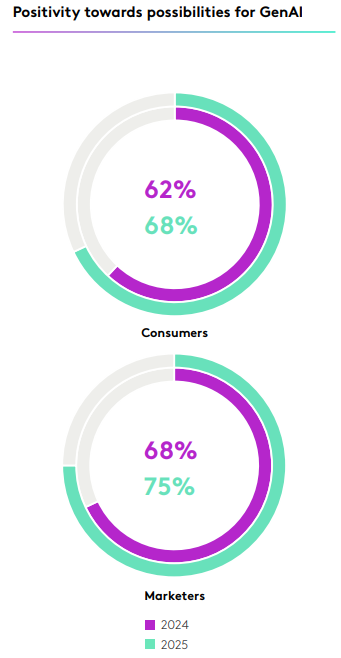
There are significant regional disparities in attitudes toward advertising and generative AI (GenAI), with global consumer receptiveness to ads averaging 57%, while the Asia-Pacific region lags at just 43%, survey finds. Conducted annually by Kantar, the “Media reactions 2025” survey includes responses from 974 marketing professionals across advertisers, agencies, and media companies worldwide, as well as 21,300 consumers from 30 markets, including Australia, China, Hong Kong, Indonesia, Malaysia, Singapore, the Philippines, the UK and the US. The survey highlights key priorities, trends, and data points to assist CMOs and planners in making confident, evidence-based decisions for their 2026 media strategy. Since 2020, receptivity to ads has steadily risen, with over half of consumers (57%) expressing a positive view in 2025. Consumers no longer differentiate between online and offline advertising; offline channels remain preferred, led by point-of-sale ads and in-person sponsored events. Notably, online sponsored events have reached seventh place, a record high for native online channels. The fragmented digital landscape is becoming normalised, and marketers are increasingly effective in executing ads and media plans. Alongside ad receptivity, brands are also better at integrating the ads in their campaigns to ensure they are a coherent part of a whole. Consumer perceptions of integration have increased over the past decade, from 58% to 66%. However, marketers’ confidence has dropped. In 2017, 89% of marketers felt that they were getting integration right across the different screens. In 2025, only 64% are confident they are integrating across channels.  Additionally, Kantar’s LIFT+ database reveals that nearly half of a campaign’s impact on brand KPIs (45%) comes from the synergy of multiple channels. This highlights integration as a fundamental component of successful campaigns. To alleviate fears as more ad platforms come out, marketers need to continue testing and learning while planning integrated campaigns to maximise impact. Regional variations in consumer receptiveness to ads and GenAI impact While global consumer receptiveness to ads has increased, the picture varies by region. The global average stands at 57%, but the Asia-Pacific region lags behind at just 43%. More negative responses are driven by Australia, Hong Kong, Japan and Singapore, while the other APAC markets, such as mainland China and the Philippines, are very positive towards ads. In contrast, Africa and the Middle East lead at 71%, followed by North America at 58%, Latin America at 57%, and Europe at 55%. This spectrum is true for preferred media brands as well. Ads on some platforms appeal to almost all groups, such as Amazon, which appears in the top three of all regions except, AME and leads across US. Pinterest, Prime Video and Google appear in the top three of two regions, and Disney+ is the leader in Europe. While marketers are negative towards X, consumers in North America and Europe favour it. Another area where voices differ is the controversial generative AI (GenAI). General sentiment about GenAI is becoming more positive. However, excitement is accompanied by apprehension. 57% of consumers are concerned about fake ads due to GenAI. Trust is a key issue in all communications today, from ads to packaging, and a part of this concern stems from how AI is changing our world.  Among marketers, who are more educated on the uses of GenAI in media, only 33% say they don’t have the right skills to use GenAI. In fact, 70% of marketers already use GenAI to work more efficiently. This means that the education of consumers in the media space falls onto marketer shoulders. Top ranking media brands among consumers Three of consumers’ top five preferred ad platforms are Amazon brands, with Amazon ranking first thanks to its relevant and useful ads. No single brand appears in the top five for both consumers and marketers. Snapchat’s ads are seen as fun, and consumers say they are less intrusive than they were in 2024. Meanwhile, consumers praise TikTok ads for being particularly attention-grabbing, fun, and entertaining. Twitch is seen as having the most trustworthy ads among global brands. Marketers’ preferred platforms are also those platforms whose ads they trust the most. A part of that trust is correlated with perceptions of brand safety, where Netflix, YouTube and Disney+ lead. According to Kantar’s APAC head of media, Andy Gallagher, Netflix with ads is the first streaming service to top the list in APAC. “Almost two in five (37%) consumers believe Netflix delivers trustworthy ads and over one-third (35%) say they are of better quality. Notably, Netflix is the top-ranking media brand with highest ad equity in Korea and Japan. In particular, the Japanese say ads on Netflix are the most trustworthy and of the highest quality. This mirrors the Netflix’s top global ranking too for better quality ads and being known for hosting immersive content.” However, marketers’ dollars don’t only flow into platforms where consumers want to see advertising or where they themselves prefer to see ads. In 2026, nearly two-thirds of marketers (64%) globally are planning to increase their spend on TikTok, despite not ranking it among their favourites. YouTube and Instagram aren’t far behind, with over half of marketers planning to increase their investment.  Meanwhile, one brand missing from all marketers’ top rankings is X (formerly known as Twitter). A net 15% of marketers were favourable towards ads on X in 2022: now that has slumped to a net -31% of marketers.  Additionally, a net 29% of marketers plan to decrease their spend on X next year, and they have ranked X last among all global brands for trust for the third year in a row. Implications for 2026 media planning Marketers should select partners aligned with their objectives, as while ad preference is a key consideration in media mix decisions, it significantly influences a campaign’s brand impact, according to Kantar. The focus should be on evaluating each partner’s strengths and weaknesses to choose those offering the right advertising propositions and formats for specific goals. Moreover, as the media landscape continually evolves, marketers should continue to test and learn to build confidence in their media mix decisions, especially regarding

APAC lags behind in consumer receptiveness to ads Read More »

Shangri-La concludes global media pitch

Shangri-La has appointed Publicis Media to handle its integrated strategic media buying and planning duties for its subsidiary brands globally, MARKETING-INTERACTIVE understands.  This follows a pitch earlier this year, with Publicis chosen for its track record in delivering innovative media solutions and its deep understanding of the global market dynamics. Under the new two-year deal, Publicis will be tasked with handling media buying across all markets for the brand.  The appointment comes on the heels of the group’s latest development: the opening of Shangri-La Hongqiao Airport and Traders Hongqiao Airport, Shanghai — a dual-branded property located at the heart of the city’s Hongqiao transportation hub. As Shangri-La’s fifth hotel project in Shanghai, the new opening reflects the Group’s continued expansion in the city through a dual-brand strategy, while reinforcing Shanghai’s role as a hub for international exchange. The launch also marks the global debut of the Group’s refreshed Traders brand — a concept that blends technology with thoughtful service to cater for business travelers. These developments come amid strong financial performance. For the first half of 2025, Shangri-La reported revenue of more than US$1 billion, a 0.7% increase on last year. Shangri-La Group’s chairman and chief executive officer, Hui Kuok, said the performance shows resilience, despite uncertainties in the global economy. “Our solid and diversified asset base allows us to weather the challenges and our dynamic team across our core markets drove our business performance through innovation and operational efficiencies. In launching our latest brand Shangri-La Signatures in Hangzhou we demonstrate our strong belief in Chinese consumers and our focus on growing new customers,” she added. Related articles: Island Shangri-La highlights commitment to family travel with new luxury spaceMcCann SEA and director Dave Meyers partner to create film for Shangri-La source

Shangri-La concludes global media pitch Read More »

Publicis Groupe marks 100 years with AI-powered New Year film

Publicis Groupe has unveiled an AI-driven New Year film to mark its 100th anniversary, blending live-action footage with generative AI to bring moments from its century-long history to life. Titled “A lion never gives up”, the film was created by Publicis Conseil, the agency founded by Marcel Bleustein-Blanchet in 1926. It forms part of the network’s long-running annual Wishes tradition, which it has used for decades to signal its strategic direction for the year ahead. The film highlights the agency’s evolution from a Montmartre creative shop to a global holding company, showing how it has weathered wars, economic downturns, and technological shifts. Don’t miss: Can Publicis’ HEPMIL acquisition unlock new opportunities for boutique influencer agencies? The film opens in occupied Paris in 1942, where a woman portraying French singer Édith Piaf takes to the stage to tell a story of resistance. She introduces a “French lion”, which appears beside her, before the narrative rewinds to 1926 and the founding of Publicis.  In early scenes, a man argues with the lion, accusing it of caring only about advertising. The story follows the lion as it launches new ideas and products across Paris, including creative work featuring Piaf herself. The tone darkens during the war years, with soldiers hunting the lion as it flees. When Piaf later unveils that the enemy has been defeated, the lion emerges with a roar, symbolising the agency’s survival. The film tracks the growth of both the lion and the agency, before showing a major setback with the burning of the lion’s building. Recovery is shown through technology, with the lion travelling the world and creating what the film frames as iconic campaigns. More recent chapters depict the silence of the COVID-19 pandemic, with the lion connecting with employees through video calls. The film also references the group’s acquisitions and industry rankings, before turning its attention to the rise of AI. It closes with Piaf’s line that “whatever happens, the lion never gives up”, underscoring the group’s outlook as it enters its next century. The hybrid production combines real actors with 2D and 3D GenAI imaging built using Publicis Groupe’s proprietary platforms and tools. About a quarter of the film features live-action footage, with the remaining scenes generated using artificial intelligence trained on images, films, and documents from Publicis’ own archives. According to the company, more than 4,500 real images were sourced and catalogued to produce 150 individual shots, alongside a large volume of AI-generated visuals managed by dedicated AI prompt artists and archivists. The editing workflow was also reworked for the project. Unlike traditional post-production pipelines where shots are locked once editing begins, each scene in the film could be regenerated from scratch throughout the process. Publicis Groupe said the project reflects both its legacy and its focus on innovation as it enters its next century. In addition, the agency released a 35-minute documentary, showcasing the history behind Publicis with real-life interviews and footage from iconic campaigns.  Ahead of the release, Publicis teased the film on LinkedIn with a nod to its lion mascot, “Unlike some omnivores, a lion never eats its young.” The film comes at a moment of significant change in the global agency landscape. Omnicom, for instance, is retiring several long-established brands, including DDB, FCB and MullenLowe, as part of a sweeping restructure following its US$13.3 billion takeover of Interpublic. As part of the merger, overlapping networks are being consolidated, with FCB folded into BBDO and DDB and MullenLowe rolled into TBWA, while more than 4,000 jobs will be cut. Related articles:    Publicis Groupe to acquire identity and data solutions firm Lotame  Publicis acquires independent Aussie media shop Atomic 212     Publicis Media Singapore elevates Elaine Poh to COO source

Publicis Groupe marks 100 years with AI-powered New Year film Read More »

Gen Z perspectives: Omnicom-IPG restructure, Agency Agenda & Shangri-La's global media pitch

Welcome back to Gen Z Perspectives, a feature that examines the week’s top stories and trending topics through the lens of Gen Z. From major industry developments to viral moments and marketing debates, we explore these topics with insight and perspective. This week, Omnicom Media revealed its new APAC leadership structure following the IPG merger, a new episode of Agency Agenda was released, and Shangri-La appointed its new global media agency. Stay with us as we break down the details.  Don’t miss: Gen Z perspectives: Omnicom-IPG merger, KFC Kallang’s revamp and MY’s social media ban 1. Omnicom Media unveils new APAC leadership structure Omnicom Media APAC CEO Tony Harradine has revealed the agency’s new leadership structure, with a set of key leaders to drive growth and innovation across the region. In an internal note, seen by MARKETING-INTERACTIVE, Harradine said, bringing together two organisations will always involve difficult decisions, and he acknowledges that openly. “Omnicom Media is committed to supporting everyone impacted, with clear information and ongoing guidance as we navigate these early days together,” he said. Read more here.  2. Agency agenda: Barby Siegel on future-proofing Zeno’s agency model As the communications landscape shifts at speed, Zeno Group global CEO Barby K. Siegel says the industry is entering a decisive moment, one where technology, talent and new models of integration will determine which agencies stay relevant. Speaking on Marketing Connected’s Agency Agenda, Siegel shared how Zeno is retooling its global operations while returning to double digit growth in Asia Pacific. Read more here.  3. Shangri-La concludes global media pitch Shangri-La has appointed Publicis Media to handle its integrated strategic media buying and planning duties for its subsidiary brands globally, MARKETING-INTERACTIVE understands.  This follows a pitch earlier this year, with Publicis chosen for its track record in delivering innovative media solutions and its deep understanding of the global market dynamics. Under the new two-year deal, Publicis will be tasked with handling media buying across all markets for the brand.  Read more here.  Related articles: Omnicom to shutter key brands, cut 4,000 jobs following IPG merger     James Hawkins departs IPG Mediabrands APAC as merger reshapes region      TBWA’s leadership for Greater China, SG and MY unchanged amid Omnicom-IPG merger    source

Gen Z perspectives: Omnicom-IPG restructure, Agency Agenda & Shangri-La's global media pitch Read More »