marketing interactive

Unilever's ice-cream unit picks Publicis Groupe as global media AOR

Unilever has appointed Publicis as its media agency of record for its newly formed independent ice-cream business.. The global remit covers media planning, buying and strategy in key global markets, including China, India and Indonesia. The incumbent on the account is WPP Media’s Mindshare, which handled Unilever globally.  The appointment follows news in September that The Magnum Ice Cream Company would become a standalone, publicly listed entity following its planned demerger from Unilever. The separation, expected to complete by mid-November, will see the business listed in Amsterdam, London and New York. Don’t miss: The Magnum Ice Cream Company plans split from Unilever, eyes global listing The brand has operated as a standalone unit within Unilever since July this year and will continue to receive backing from the parent company. Unilever will retain a stake of less than 20% for up to five years before gradually divesting to manage separation costs and maintain capital flexibility. Unilever also owns several other global ice cream brands including Ben & Jerry’s, Cornetto and Heartbrand. Last year, Unilever appointed several agencies across major markets, beginning with the reappointment of WPP’s Mindshare to handle media in the US, UK and China. It also added partners including Publicis, Dentsu and Interpublic. Publicis Media secured five Southeast Asian markets such as Thailand, the Philippines and Vietnam, which were previously managed by WPP. At the time, Unilever said its expanded agency roster aligned with the company’s Unilever growth action plan, aimed at sharpening media effectiveness, accelerating marketing performance and improving flexibility across global markets. While TMICC prepares to operate independently, tensions around Unilever’s other ice cream brands, particularly Ben & Jerry’s, highlight the complexities of managing iconic labels under a global parent company. In March, founders Ben Cohen and Jerry Greenfield reportedly explored reclaiming the brand from Unilever, which acquired it in 2000, potentially in partnership with investors aligned with the company’s social values, according to Bloomberg at the time. Unilever, however, stressed to Bloomberg that Ben & Jerry’s is not for sale, noting it remains part of its broader strategy to improve performance and reduce costs.  Related articles:Unilever splits global media duties with six agencies Unilever tops Indonesia’s ad market as service sectors surge, Nielsen finds Unilever reinvents product shoots with AI digital twin source

Unilever's ice-cream unit picks Publicis Groupe as global media AOR Read More »

Miss Universe makes headlines over 'dumb head' remark and contestants walk out

The lead‑up to Miss Universe 2025 has been overshadowed by an unexpected flash‑point during a pre‑pageant “sashing” event in Bangkok. The Tuesday (4 Nov) ceremony, designed to showcase contestants ahead of the 21 November, instead became a focal point of controversy around respect, power, and the host‑country spotlight. At the centre of the incident was Fátima Bosch of Mexico, who was publicly chastised by Nawat Itsaragrisil, chairman of the Thai host‑committee and a high‑profile executive in the pageant world. In a video seen by MARKETING-INTERACTIVE, Itsaragrisil called Bosch out for allegedly failing to participate in a social‑media‑sponsored shoot tied to the host country’s promotional agenda. During the exchange, he reportedly addressed her with the phrase: “If you follow the order from your national director, you’re a dumb head.” In response, Bosch stood up and left the room, claiming that Itsaragrisil does not “respect me as woman.” In the wake of the confrontation, fellow contestants, including reigning Victoria Kjær Theilvig of Denmark, exited the room in protest. Don’t miss: Miss Universe SG revises physical musts: Inclusive or just a PR stunt? The organising body, Miss Universe Organisation (MUO), swiftly intervened. President Raúl Rocha Cantú publicly condemned the behaviour as unacceptable and confirmed that Itsaragrisil’s role in the 2025 staging would be very limited or altogether null. “I will not allow the values of respect and dignity of women to be violated,” said the president.  An official MUO statement was also published on social media, detailing its commitment to respect, safety and collaboration.  “The Miss Universe Organisation (MUO) reaffirms its commitment to working closely with the host community, the Miss Grand International Organization (MGI), and all local partners to ensure the continued success of the 74th Miss Universe competition. Together, we are dedicated to upholding the highest standards of respect, safety, and integrity for all participants, staff, and stakeholders,” said the statement.  “A high-level delegation, led by the chief executive officer, Mr. Mario Búcaro, is traveling to Thailand to strengthen collaboration with the host country, MGI, and relevant authorities. This mission aims to coordinate efforts, ensure a secure and professional environment for all delegates, and reaffirm MUO’s commitment to transparency, respect, and unity,” it added.  The statement also said that all scheduled events and activities will continue as planned, in full cooperation with the host country and MGI. The Miss Universe Organisation remains steadfast in its mission to promote collaboration, respect, and opportunity for women around the world, working hand in hand with all partners to ensure a safe, inspiring, and memorable experience for every delegate. Itsaragrisil also issued a brief apology, acknowledging his “limit of patience” and the discomfort caused. In a video posted by CNA, Itsaragrisil is seen on stage speaking to an audience and later turning around to bow to some of the Miss Universe contestants standing behind him. It is unclear if Bosch was present as only Miss Italy and Miss Panama were prominently seen in the video.  The chairman also encouraged viewers to fact-check circulating reports, claiming some accounts of what he said were inaccurate.  The incident serves as a reminder of the influence Miss Universe wields as a platform for women. Over the years, many crowned winners and popular contestants have leveraged their visibility to become key opinion leaders for organisations and brands, amplifying campaigns and driving cultural conversations. A recent example comes from the financial sector. To mark the relaunch of its mobile app, My CBC, Chinabank leaned into pop culture with a campaign starring two beauty queens from different generations. In the video campaign, Miss Universe Philippines 2023 Michelle Dee tries to teach her real-life mother, Miss International 1979 Melanie Marquez, how to use the app. Chaos ensues, creating a lighthearted, shareable moment that resonates with audiences while subtly reinforcing the brand.  Related articles:  Chinabank leans on Miss Universe Philippines for a funnier, friendlier rebrand   Miss Universe organiser pulls MY edition of contest following harassment claims  Analysis: PR professionals label former Miss Universe Malaysia apologies insincere  source

Miss Universe makes headlines over 'dumb head' remark and contestants walk out Read More »

Reuters uses AI to purify news in latest campaign

Reuters has rolled out a new brand campaign titled “Pure news, straight from the source”, aiming to reaffirm the importance of accurate and agenda-free journalism amid a surge of misinformation online. The campaign uses water as a metaphor to illustrate how information can become distorted as it moves further from its original source. It highlights Reuters’ role in delivering independent reporting through its network of more than 2,600 journalists across 200 locations worldwide. At the heart of the campaign is a short film that depicts an alternate world where the water everyone consumes is murky, a visual metaphor for today’s information ecosystem. Combining cinematic storytelling, original Reuters footage and generative AI, the spot demonstrates how the same technology used to create false visuals can also underscore the need for credible reporting. Don’t miss: CNA transforms global headlines to Bahasa Indonesia in OOH campaign  A key moment in the film transitions from AI-generated scenes to authentic Reuters footage, underscoring the brand’s Thomson Reuters Trust Principles and its editorial stance against using generative AI to create or alter news imagery. The campaign’s launch comes as public concern over misinformation continues to rise. According to the “2025 Reuters institute digital news report”, over half of global respondents expressed worry about the authenticity of online news, with that figure climbing to 73% in the US. The campaign was developed by Gravity Road, with BAFTA-nominated director Ivan Bird helming the film. Strawberry Frog handled media planning and buying. “In an era of information overload and growing skepticism about media, Reuters stands as a beacon. Our mission has never been more critical – to deliver facts and rigorous analysis and to shed light on the truth without fear or favor,” said Paul Bascobert, president of Reuters. He added, “This campaign reinforces our position as one of the most trusted sources of information for nearly 175 years, assuring readers they are getting unbiased and accurate news when they subscribe to Reuters.com.” In tandem, Josh London, head of Reuters Professional said, “In a world craving certainty, we offer consumers access to facts, reported independently and accurately. For our subscribers, this isn’t just a news service; it’s a commitment to receiving unvarnished truth, empowering them with the trusted insights only Reuters can provide.” Mark Eaves, co-founder and CEO of Gravity Road, noted that the campaign draws parallels between how consumers increasingly seek transparency and purity in what they eat and drink, and how they should apply the same scrutiny to the news they consume. He added that as misinformation becomes more sophisticated through AI, the campaign reinforces Reuters’ position as a trusted and essential source in a healthy media ecosystem. The move follows a wider trend of media brands leaning on bold creative to reassert the value of credible journalism. Earlier in June, The Economist rolled out a series of provocative out-of-home placements under bridges and at intersections, featuring statements such as “Make AI worried you’re going to take its job” and “Do you have an unprompted opinion?” to remind audiences that copywriting, and human insight, remain very much alive. Related articles: SPH Media taps TSL Media Group’s X10 to boost influencer-led performance marketing   StarHub and Mediacorp join forces to create stronger content and ad opportunities   CNA rolls out paid media release service  source

Reuters uses AI to purify news in latest campaign Read More »

Gen Z perspectives: Mustafa Centre goes digital, Coca-Cola's AI ad & Sephora’s Mariah Carey-filled Christmas

Happy Friday, MARKETING-INTERACTIVE readers and welcome back to Gen Z Perspectives, your go-to feature where we unpack the week’s top stories and trending topics through the eyes of Gen Z. From the biggest industry moves to viral moments and marketing controversies worth dissecting, we’re bringing the heat with authenticity, awareness and probably a few unfiltered takes. This week, Mustafa Centre went digital after five decades, Coca-Cola’s new Christmas ad stirred up chatter, and Mariah Carey teamed up with Sephora for a festive collab that absolutely sleigh-ed. You know what time it is.  Don’t miss: Gen Z perspectives: Publicis Groupe snaps up HEPMIL, CHAGEE in Chinatown & PepsiCo’s new look 1. Mustafa Centre reportedly opens digital platform to meet growing online demand   After more than five decades of operating exclusively offline, Mustafa Centre has launched its eCommerce website, offering over 3,000 products to meet growing customer demand for online shopping. According to The Straits Times (ST), the move follows years of requests from customers who wanted the convenience of shopping from home. Mustafa Centre co-founder and managing director Mustaq Ahmad told ST that while the retailer was entering the online space later than competitors, the focus was on ensuring the service remained financially sustainable. Read more here.  2. Coca-Cola’s 2025 AI-driven holiday ad draws mixed reactions Public reaction to Coca‑Cola’s 2025 AI-driven holiday ads has been mixed, as the brand experiments with generative AI to refresh its iconic seasonal storytelling. Since the campaign’s launch, 10.2% of conversations were positive and 32% negative, compared with 23.8% positive and 31.4% negative prior to the ad, according to media intelligence firm CARMA. Despite the divided response, Coca‑Cola is pressing ahead with its 2025 global holiday campaign, “Refresh your holidays”, which celebrates those working behind the scenes to bring seasonal magic to life. The campaign features three new films, including “A holiday memory” and two AI-driven reimaginings of the 1995 classic, “The holidays are coming”. Read more here. 3. ‘It’s Time!’ Sephora brings holiday magic to life with Mariah Carey Mariah Carey is kicking off the festive season in true diva style, partnering with Sephora for a glimmering holiday campaign that blends her signature sparkle with the beauty retailer’s year-end promotions. The campaign centres on Carey’s much-anticipated annual “It’s time!” video, the unofficial signal that the holiday season has begun, this year reimagined with Sephora to deliver a mix of festive glam and brand storytelling. Read more here.  Related articles: Can Publicis’ HEPMIL acquisition unlock new opportunities for boutique influencer agencies?    LTA seeks social media agency source

Gen Z perspectives: Mustafa Centre goes digital, Coca-Cola's AI ad & Sephora’s Mariah Carey-filled Christmas Read More »

Kimberly-Clark to buy Kenvue in US$48.7 billion deal

Kimberly-Clark Corporation, the parent company behind Kleenex and Huggies, has unveiled plans to acquire consumer health firm Kenvue in a cash-and-stock deal valued at about US$48.7 billion. The deal, approved by both companies’ boards, is expected to close in the second half of 2026, subject to shareholder and regulatory approvals. The deal brings together a portfolio of household names across both companies, creating what they describe as a “global health and wellness leader” spanning 10 billion-dollar brands and reaching nearly half the world’s population. Kimberly-Clark chairman and CEO Mike Hsu, who will lead the combined company, said the merger will “harness both companies’ strengths in science, innovation, and brand building to meet evolving consumer needs.” The headquarters will remain in Irving, Texas, with continued presence at Kenvue’s key locations. Don’t miss: Kenvue names new APAC group president Upon completion, Kimberly-Clark shareholders will own about 54% of the combined company, while Kenvue shareholders will hold around 46%. The transaction will create a combined entity with estimated annual revenue of US$32 billion and adjusted EBITDA of about US$7 billion in 2025. Kimberly-Clark expects the acquisition to deliver cost synergies of approximately US$1.9 billion and an additional US$500 million in profit from revenue synergies within the first four years post-close, offset by around US$300 million in reinvestment. “We are excited to bring together two iconic companies to create a global health and wellness leader,” said Hsu. “Kenvue is uniquely positioned at the intersection of CPG and healthcare, with exceptional talent and a differentiated brand offering. With our shared commitment to science and technology, we will serve billions of consumers across every stage of life.” Hsu added that the deal marks a major step in Kimberly-Clark’s ongoing business transformation. “Over the last several years, we’ve pivoted our portfolio to higher-growth, higher-margin businesses and rewired our organisation to work smarter and faster. This transaction is a powerful next step, and we’re confident it will drive significant value for shareholders.” Larry Merlo, chair of Kenvue’s board, said the agreement “delivers significant upfront value for shareholders and substantial upside potential through ownership in the combined company”. He added that the merger “creates a uniquely positioned global leader in consumer health with a broader range of growth opportunities ahead.” Kenvue CEO Kirk Perry echoed the sentiment, noting that the merger unites “two highly complementary portfolios filled with iconic, trusted brands”. He said, “Together, our combined strengths, expanded capabilities and broader reach will empower us to innovate faster, strengthen category leadership, and deliver greater value to shareholders, employees and consumers.” The move to acquire Kenvue builds on Kimberly-Clark’s continued push to expand its global footprint in emerging markets. In 2020, the company acquired Softex Indonesia, a manufacturer and distributor of baby, adult, and feminine care products, for about US$1.2 billion from a group of shareholders including CVC Capital Partners Asia Pacific IV. At the time, Hsu said the acquisition “represents a compelling strategic fit and demonstrates our commitment to accelerate growth in developing and emerging markets.” The deal strengthened Kimberly-Clark’s presence in Indonesia, Southeast Asia’s largest economy, giving it strong market share in key personal care categories and enhancing its growth prospects in the region. Related articles: Kenvue promotes Venaig Solinhac to VP global brand lead, baby  Johnson & Johnson names new Vision Care marketing lead for 4 regions  Kimberly-Clark Professional appoints The Idea Shed to lead sustainability comms source

Kimberly-Clark to buy Kenvue in US$48.7 billion deal Read More »

VML global president Mel Edwards to retire in 2026

VML has announced that Mel Edwards, its global president, will retire in late spring 2026, concluding a career spanning more than 30 years in advertising and marketing. Edwards’ tenure included 13 years of leadership across WPP, Wunderman, Wunderman Thompson, and VML, during which she played a central role in shaping the agency’s growth, culture, and service offerings. Most recently, Edwards oversaw the integration of Wunderman Thompson and VMLY&R to form the current VML network, driving a connected culture and building strong client relationships. Under her guidance, the agency has become recognized for both award-winning creative work and robust technological expertise. Jon Cook, global CEO of VML, praised her leadership, saying, “Mel has been a phenomenal leader, partner, and friend, helping to shape VML’s global network over the last two years. Her strategic vision, energy, and authentic leadership have touched so many people around the world.” Don’t miss: WPP launches Open Pro to put AI marketing power directly in clients’ hands Reflecting on her retirement, Edwards said, “My decision to retire next year has given me time to reflect on the incredible journey I’ve had. One filled with inspiring colleagues, clients, and friends from every corner of the world. I am proud of the connected culture and expansive offerings that Jon and I have recently built together at VML. Personally, I’m looking forward to travelling with my family and enjoying more hours of free time.” A noted advocate for inclusion in the advertising industry, Edwards has been repeatedly recognised on the Heroes Executives Role Model list and has championed programs including the Magpie mentoring initiative, WISE empowerment program, and the LÍDERAS leadership program across Latin America. Cindy Rose, CEO of WPP, added, “On behalf of WPP, I want to thank Mel for her leadership, loyalty, and passion over the last 13 years. Her influence and impact have shaped how we partner with our clients every day, and her legacy will be felt well into the future. We wish her an amazing next chapter when it begins in 2026.” Edwards’ retirement comes amid significant changes at WPP this year, including CEO Mark Read stepping down and handing the reins to Cindy Rose. The network also rebranded GroupM as WPP Media, a fully integrated, AI-powered media company designed for the next wave of marketing. In May, WPP shifted creative agency Grey under Ogilvy, moving it from the AKQA group to strengthen collaboration and unlock growth across the network. WPP Media also restructured its organisation in the Asia Pacific, Middle East, and Africa (APMEA) region, dividing operations into six sub-regions: Australia and New Zealand led by Aimee Buchanan; China by Rupert McPetrie; India and Sri Lanka by Prasanth Kumar; MENA by Amer El Hajj; Northeast Asia (Japan, Korea, Hong Kong) by Michael Beecroft; and SEAPAT (Southeast Asia, Pakistan, South Africa, Taiwan) by Helen McRae. Not long after, WPP announced that COO Andrew Scott would retire and step down from the board at the end of 2025, concluding nearly three decades with the network. Two months ago, Rose appointed Devika Bulchandani, who has led Ogilvy since 2021, as WPP’s new COO, alongside Laurent Ezekiel, formerly head of WPP Open X for The Coca-Cola Company, as global CEO of Ogilvy Group. Related articles: Cindy Rose reshapes WPP leadership, Ogilvy handed to Ezekiel in global revampWPP CEO Mark Read to step down after 7 yearsWPP moves Grey under Ogilvy in creative agency shakeup source

VML global president Mel Edwards to retire in 2026 Read More »

Coca-Cola seems to have learnt its lesson from the 2024 Christmas ad, but why are audiences divided?

Coca-Cola is taking another shot at AI-generated holiday ads after last year’s campaign was criticised for its poor execution and for stoking fears about AI replacing creative jobs.  As compared to the 2024 Christmas ad, this year’s ad focuses more on 3D animation, emotional storytelling, addressing the “uncanny valley” issue by replacing the glossy, vacant human models of 2024 with a lively ensemble of animated animal characters. Furthermore, the wheels of the iconic red trucks now turn with convincing realism, correcting the awkward gliding effect that drew criticism in last year’s ad. To further showcase the technical artistry behind the campaign, the brand also released a behind-the-scenes video, highlighting a hyper-realistic animation of a panda peering into the distance through a snowy bamboo forest. The close-up night shot captures intricate fur textures, soft lighting, and atmospheric detail—demonstrating the brand’s commitment to both visual beauty and emotional resonance. The changes come as the brand continues to experiment with its AI usage. Earlier this year, as reported by MARKETING-INTERACTIVE, James Quincey, chairman and CEO of The Coca‑Cola Company, said despite the advancements in AI, the technology has its limitations, especially when it comes to recreating realistic human resolution in advertising. Speaking at the opening keynote of the Adobe Summit in Las Vegas, Quincey acknowledged the rapid advancements in AI but said it still falls short when rendering realistic human faces that audiences can connect with. Quincey explained that while ads using generative AI are cheaper and quicker to make, the technology struggles with human resolution. “You can make a video with music and voice, and you can customise it endlessly, but it is not yet at the stage where it can make all our ads. Humans are incredibly effective at noticing AI that is not actually a human,” he said. Don’t miss: Coca-Cola’s 2025 AI-driven holiday ad draws mixed reactions Despite these upgrades and adjustments to the use of AI, public reaction remains divided. According to media intelligence firm CARMA, online sentiment since the campaign’s launch has been 10.2% positive and 32% negative—a decline from the 23.8% positive and 31.4% negative sentiment prior to the ad. Netizens have criticised the ads for a perceived lack of the creativity and nostalgia inherent in past campaigns, arguing that the classic Coca-Cola “magic” is diminished by an over-reliance on AI. Many expressed frustration that cost-cutting and production speed appear to be prioritised over artistic quality. Why the ad is stirring up conversations  Coca-Cola is not alone in facing backlash for using Gen AI in festive marketing. Last year, Toys “R” Us saw its public sentiment plummet after releasing an ad created entirely by OpenAI’s Sora, which viewers called “soulless” and “cynical.” According to Jacopo Pesavento, CEO of Branding Records, this trend is driven by curiosity. “Brands and creatives are testing the limits of what machines can do. It has become the new frontier and everyone wants to touch the edge.”  He noted that Coca-Cola is no stranger to digital storytelling, with its Pixar-level holiday films of the past, but the difference now is visibility. “Technology is no longer hidden behind artistry. It has become the story itself. And that is why it feels so different,” he said.  Virginia Ngai, associate partner at Prophet, described this year’s ad as “technically polished but emotionally flat.” She argued the issue is that the “story feels hollow.” For a brand built on “real happiness” and “human connection,” an AI-driven ad that feels cold creates a palpable disconnect for the audience. Ngai added that the issue is creative intent. “When AI becomes the idea rather than the enabler, the story loses meaning. Consumers don’t want to be impressed by algorithms; they want to be moved by ideas.” “As technology evolves, we should embrace it. The question is how. Pixar, for instance, uses CGI to evoke real emotion. You forget it is all generated because the storytelling feels deeply human. That is the benchmark for creativity in the age of AI,” she added. Coca-Cola has been one of the most high profile adopters of Gen AI, said Ambrish Chaudhry, head of strategy, Asia, MSQ & Elmwood. “Being somewhat of a flagship for the technology, opens it up to many brickbats and bouquets. In some ways you could attribute the backlash to our feelings about AI as a whole. Any new technology initially feels magical and then doubts start to surface.” In the caravans execution, Coke’s primary focus has been on consistency. “They are relying on their well-earned status as the harbinger of the holiday season. However, in the quest for consistency they lose out on the surprise factor that creates anticipation. It’s worked well so far but may be a tactic with an expiry date,” he added. On the creative front, John Koay, executive creative director, Edelman Hong Kong, said many are seeing AI as merely an effective way for large brands to get around cost and efficiency. “Perhaps they feel the ‘realness’ is absent in its execution and delivery. I think AI can still deliver the human centric element, but it really comes down to the story and why AI was used.” The path forward: AI as a stagehand, not the star The opportunity for Coca-Cola, and others, is to reframe AI’s role. As Ngai suggested, AI should act as a “stagehand that amplifies human imagination,” not as the storyteller. “When technology and emotion move in rhythm, brands do more than keep up with change. They set the tone for it.” Nonetheless, Pesavento believes Coca-Cola has “earned the right to experiment” given its century of crafting cultural moments. However, he proposes a bolder alternative: “I would have used the moment to surprise everyone, not with another machine-made spectacle, but with something radically human. No actors, no green screens, just real people, real stories, real magic. That would have been the boldest move of all.”  Because when everyone is chasing the future, sometimes the most revolutionary thing you can do is remind people what being human feels like.  AI is merely an amplification tool for creativity, said Koay. “Used in the right ways and

Coca-Cola seems to have learnt its lesson from the 2024 Christmas ad, but why are audiences divided? Read More »

HelloRide and Razer launch co-branded 'ride-to-earn' bicycles

HelloRide and Razer have unveiled Singapore’s first co-branded black-and-gold shared bicycles, blending mobility, lifestyle, and gaming to turn daily commutes into interactive, reward-driven experiences. The collaboration introduces a fleet that merges Razer’s iconic black-and-gold design with HelloRide’s signature blue, creating a visually striking presence across the city. Beyond aesthetics, the initiative launches a “ride-to-earn” programme where riders on Razer bikes earn exclusive digital rewards, including 8% cashback in Razer Gold and 1,000 Razer Silver points, redeemable for gaming gear and subscriptions. Every journey now offers tangible incentives, turning routine rides into an engaging, gamified experience. Don’t miss Grab brings travel, rides and entertainment to fingertips with Partner Apps  Designed for convenience, the co-branded bicycles are available to all HelloRide users with no deposit or top-up required. Pay-as-you-go rides start from just SG$1, and the fleet is strategically stationed at high-traffic MRT stations, bus interchanges, lifestyle hubs, and along the Marina Bay waterfront, making them accessible to commuters and leisure riders alike. The partnership reflects a growing trend of integrating digital engagement with urban mobility. By incentivising rides through gamified rewards, HelloRide and Razer hope to boost shared mobility adoption while encouraging greener commuting choices. The initiative also aims to reduce carbon emissions and urban congestion, positioning sustainable travel as both practical and aspirational. Elaborating on the collaboration, HelloRide said the co-branded bikes “serve as moving cultural symbols, merging premium design with everyday mobility,” while Razer highlighted the appeal to its gaming community: “Every ride is a chance to earn rewards and connect our users’ digital lifestyle with their real-world routines.” This launch comes as Singapore ramps up initiatives to promote sustainable transport, from expanded cycling networks to incentives for shared mobility users. It also builds on both brands’ commitment to innovation: HelloRide continues to expand its shared mobility footprint, while Razer explores ways to integrate its gaming ecosystem into everyday experiences. Together, they aim to make green commuting a fun, rewarding, and culturally resonant choice for Singaporeans. The HelloRide and Razer launch comes amid broader moves to make urban mobility more seamless and integrated. Just last month, it was reported that Singapore and Malaysia users can now access HelloRide directly within the Grab app, alongside other services such as Firsty, Jolibox, redBus, and Drive lah, without creating new accounts or downloading separate apps.This integration allows riders to book and pay for HelloRide bicycles through GrabPay, while earning GrabCoins, and opens opportunities for contextual engagement, Related articles:Razer partners with Top Tier Tea to bring gaming to everyday culture SG Bike folds, users to be transferred to rival Anywheel   source

HelloRide and Razer launch co-branded 'ride-to-earn' bicycles Read More »

7-Eleven Singapore revamps stores with lifestyle-led experiences

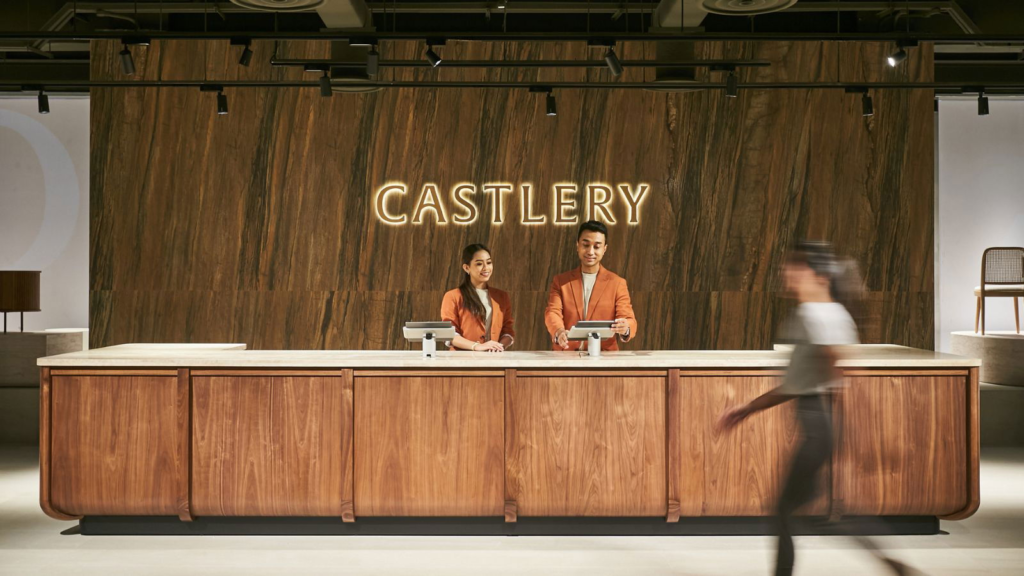
7-Eleven Singapore is rolling out a major brand revamp to transform its image from a grab-and-go pit stop into a lifestyle-led destination. As part of the revamp, several outlets, including its recently redesigned CapitaSpring branch in the Central Business District, now feature brighter interiors, seating areas, and an expanded range of hot, ready-to-eat options such as toasties, pizza, and pies. The store also offers a self-service smoothie machine and a drink-mixing station that lets customers create their own beverages, inspired by popular trends seen in Japan and South Korea. “We have been on a journey to reimagine convenience, transforming 7-Eleven from a last-mile pit stop into an exciting destination for great food and innovative products,” said Anushree Khosla, managing director of 7-Eleven Singapore in conversation with MARKETING-INTERACTIVE. “Our focus on ‘foodvenience’ is about delivering quality, innovation, and experience. From grab-and-go meals and viral smoothies to curated snacks from Japan and exclusive collectibles, we are redefining what convenience looks and feels like for our customers,” added Khosla. Don’t miss: 7-Eleven HK redefines convenience retail with new concept store  The revamp also extends to entertainment and collectibles. Dedicated shelves for blind boxes have been introduced, including exclusive series such as Crayon Shinchan and Sanrio merchandise. Earlier in March, 7-Eleven released a Care Bears-themed tech range, featuring plush companions such as Cheer Bear and Grumpy Bear, along with accessories including power banks, phone grips, and wireless earbuds. To cater to local tastes, 7-Eleven has introduced new flavours such as mala onigiri, while select outlets now provide tables or standing counters for customers to enjoy their meals in-store. For National Day this year, the convenience store chain tapped into nostalgia and revived its “Dabao (takeaway) flavours of Singapore” ready-to-eat range with new spins on local favourites, from chicken laksa (spicy noodle soup) to sambal (chilli) spaghetti with chicken chop, and chicken curry rice. New snacks and desserts also hit shelves, including a chicken satay (grilled skewered meat) wrap, chilli crab with scrambled egg toast, and a lava cake infused with MILO. The egg mayo and Old Chang Kee double combo sandwich is also making a comeback. According to Khosla, the store revamps are grounded in insights, whether through customer feedback or detailed demographic analyses. “Prior to opening the CapitaSpring store, we conducted a customer survey to test the refreshed design. The response was overwhelmingly positive, with many describing the stores as more inviting, modern, and enjoyable to spend time in.” “These insights validate our approach to creating stores that go beyond convenience, offering a more engaging dining and discovery experience,” she explained.  The new store formats also support 7-Eleven’s goal to futureproof the retail experience, integrating self-checkouts, digital ordering, EasyCollect via the 7-Eleven app, and over 800 digital screens across more than 300 stores. The chain has refreshed over 50 stores this year and plans to revamp at least another 50 stores in 2026. Singapore currently has around 500 7-Eleven outlets. The company has also been expanding digitally. In February 2025, 7-Eleven launched its mobile app in Singapore, allowing users to pre-order, pay within the app and more. In conversation with MARKETING-INTERACTIVE in November last year, a 7-Eleven spokesperson said that the app aims to bridge the gap between digital and physical retail, enhancing customer engagement, driving loyalty, and optimising operational efficiency.  Moreover, the chain is following a regional trend of experiential stores. Its Causeway Bay concept store in Hong Kong and CAFé by 7-Eleven in Malaysia have similarly focused on blending premium food, digital-first technology, and immersive retail design. The Hong Kong store, for example, features diagonal shelves, transparent display screens showing real-time information, expanded hot-food counters, and collaborations with local brands for exclusive menu items, all within a sustainable, eco-conscious space. In Malaysia, CAFé by 7-Eleven combines premium coffee and comfort food with affordable pricing, supported by interactive campaigns including pop-up activations, free sampling, and music collaborations with local artists such as Mimifly. The campaign, “Rasa premium, harga berbaloi” (“Premium taste, worth the price”), demonstrates the chain’s focus on experience-driven retail. Related articles:    7-Eleven leans on nostalgia to remind Singaporeans what life’s like without it  7-Eleven refines convenience with CAFé launch 7-Eleven launches new app with gamification and digital features   source

7-Eleven Singapore revamps stores with lifestyle-led experiences Read More »

Klook bolsters leadership with new SVP of growth marketing role

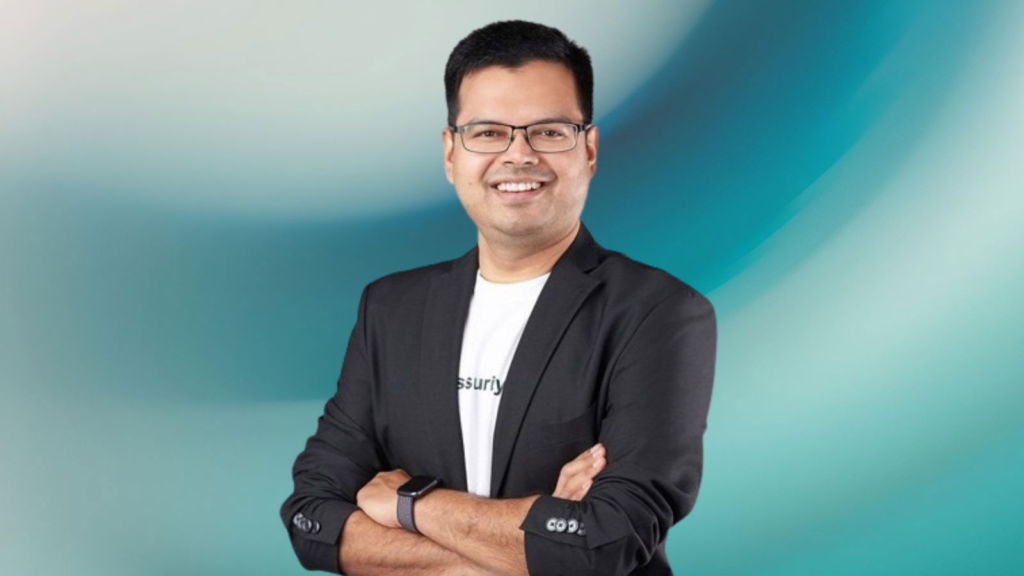
Hong Kong-based travel platform Klook has appointed Jakii Chu (pictured) as its senior vice president of growth marketing. Chu brings 25 years of marketing experience to the table, with a career built at the heart of top Silicon Valley companies. She previously served as chief marketing officer at Instacart, SVP of eCommerce at Fanatics, and chief operating officer of shipping at eBay, where she shaped the growth engines of billion-dollar global businesses. In this newly created role, Chu will spearhead the company’s performance marketing transformation across global markets, focusing on leveraging AI innovation to build a scalable, integrated marketing technology stack. She will also strengthen integrated analytics capabilities to power faster and smarter decision-making across the organisation. Meanwhile, Daniel Kao is tapped as Klook’s senior vice president of product and technology. At Klook, Kao will focus on strengthening our product and technology leadership to deliver innovation at a sustainable scale. His priority is to elevate the end-to-end consumer experience and harness data and AI capabilities to drive efficiency and customer delight. “The concurrent arrival of Kao and Chu marks a powerful accelerator for Klook’s next growth chapter,” said Lin. “Both are global citizens and seasoned leaders, with deep experience across Asia and the US, bringing a rare blend of international scale and regional insight. Their combined expertise in product scaling and data-driven growth marketing will create strong synergies as they collaborate to advance our marketing technology stack.”  “I thrive on making sense of complexity through data, then using those insights to design and implement high-impact marketing strategies that drive sustainable growth,” said Chu. “Klook’s marketing flywheel is already incredibly comprehensive for its current scale, and I’m excited to work with the team to propel it to the next level of growth.” Don’t miss: Klook and PlayStation refine experiential travel with exclusive Hokkaido tour Back in September, Klook and PlayStation teamed up to refine experiential travel with an exclusively curated Ghost of Yōtei Hokkaido tour, ahead of the game launch on 2 October, coming to PlayStation 5. The collaboration brings the much-anticipated Ghost of Yōtei game world, which is set in 1600s rural Japan, off the screen and into the real-life landscapes of Hokkaido that inspired the game’s setting. This aims to invite travellers to step into directly into the game’s immersive world, and gamers to explore what else Hokkaido has to offer. Related articles: Klook celebrates its 10th year with ‘money-can’t-buy’ experiencesKlook closes US$100m investment to foster travel experiences growth source

Klook bolsters leadership with new SVP of growth marketing role Read More »