Tech Republic

The Best Business Line of Credit in 2025

A business line of credit is a flexible financing option that allows entrepreneurs to access funds as needed, making it an essential tool for managing cash flow and covering unexpected expenses. With so many lenders offering different terms, rates, and borrowing limits, finding the right one can be challenging. In 2025, the best business lines of credit loans provide competitive rates, fast approvals, and convenient access to capital. This guide highlights the top lenders to help you choose the best option for your business needs. Here is a list of our best business line of credit options for 2025: Best overall for business owners needing a revolving line of credit instead of a term payment structure: Bluevine Bluevine is a financial technology company, not a bank. Banking services provided by Coastal Community Bank, Member FDIC. Best line of credit for businesses seeking flexible working capital: U.S. Bank U.S. Bank National Association. Member FDIC. Best lending marketplace to have multiple loan offers to choose from: Lendio Lendio is not a bank. It is a fintech that matches small business owners with lenders and the right loan to meet their business needs. Best alternative lending solution for small to medium-sized businesses: National Funding Products offered by National Funding Inc. and affiliates are business products only. The products may be provided by third parties and subject to lender approval. Best for business owners with less-than-perfect credit: Clarify Capital Clarify Capital is a fintech marketplace that connects borrowers with lenders to find business loans. Best line of credit for businesses needing seasonal cash flow or immediate access to working capital: Truist Truist Bank, Member FDIC. Best line of credit for small businesses and start-ups: Fundbox Fundbox is a fintech that makes capital available to businesses through business loans and lines of credit originated by First Electronic Bank or Lead Bank. Best for businesses seeking flexible repayment terms: Ondeck Ondeck is a fintech helping borrowers find suitable financing using partnership relationships. Best for business owners looking to purchase inventory using a line of credit: Headway Capital Headway Capital is not a bank but rather a fintech operating as a small business lender. Best line of credit for businesses in service-based industries: Fora Financial Fora Financial Business Loans LLC is a fintech and not a bank. Best line for established businesses needing short-term financing: American Express American Express is a fintech operating as a financial service provider and collaborating with other fintech partners. Best business line of credit lenders quick comparison Product name Credit limit Repayment term Rate Funding speed Bluevine Business Line of Credit From $10,000 to $250,000 Revolving 7.8% and up As early as 24 hours U.S. Bank Business Cash Flow Manager Up to $250,000 Revolving Undisclosed Undisclosed Lendio Business Line of Credit From $1,000 to $500,000 From 6 – 18 months Rates range from 8% to 60% based on lender Funding is generally the same day as approval National Funding Working Capital Loan From $5,000 to $500,000 Revolving or 12 to 18 months based on lender Rates vary based on lender As early as 24 hours Clarify Capital Business Line of Credit Up to $5 million Up to 24 months As low as 5% 24-48 hours Truist Small Business Line of Credit Up to $100,000 12 to 36 months or 60 months with collateral Undisclosed Possible same day funding Fundbox Business Line of Credit Up to $250,000 12 to 24-week repayment options Varies based on lender Varies based on lender Ondeck Business Line of Credit From $6,000 to $100,000 12, 18, or 24 months Varies based on lender Same day available based on lender Headway Capital Business Line of Credit Unsecured up to $50,000 and secured up to $100,000 12 – 24 months Varies One business day of approval Fora Financial Business Line of Credit $5,000 to $100,000 12, 18, and 24 months Varies 24 to 48 hours American Express American Express® Business Line of Credit $2,000 to $250,000 6, 12, 18, and 24 months 3% to 27% One to three business days Bluevine: Best overall for business owners needing a revolving line of credit instead of a term payment structure Image: Bluevine The Bluevine Business Line of Credit is a flexible financing solution designed for small businesses looking for a revolving line of credit instead of a fixed-term loan. Credit lines range from $10,000 to $250,000, with competitive interest rates and fast approvals. Bluevine provides a convenient way to manage cash flow, cover unexpected expenses, or invest in growth opportunities. Why I chose it This line offers fast approvals and funding in as little as 24 hours, making it an excellent option for small businesses needing quick access to working capital. Additionally, Bluevine has lower credit score requirements than many lenders, making it a great choice for businesses that may not qualify for a bank loan but still need reliable financial support. How to qualify Applications must be submitted through the Bluevine website with the following qualifications: $10,000 in monthly revenue 625+ personal FICO credit score In business for 12+ months Corporation or LLC No bankruptcies in the past year In good standing with your Secretary of State Business is operating in an eligible U.S. state Business can not be located in Nevada, North Dakota, South Dakota, or U.S. territories An active bank connection or statements from the last 3 months Lines of credit Loan amount: Up to $250,000 Interest rate: 7.8% and up Term length: Revolving Funding speed: As early as 24 hours Features Quick application and funding No hidden fees Loan decisions can be made in as little as five minutes Competitive interest rates Good option for short-term financing Rates as low as 7.8% Line helps build business credit Personalized support Pros and cons Pros Cons Application does not impact personal credit score Instant access to approved draws Credit replenishes as payments are made Not available to businesses in some industries Strict qualification requirements Must be in business at least two years Bluevine is an industry leader when it comes to business banking. That’s why it’s not only our

The Best Business Line of Credit in 2025 Read More »

Is Google Rigging Search? EU's Preliminary Findings Are In

Image: Guillaume Périgois/Unsplash The European Commission claims that Alphabet, Google’s parent company, has breached the Digital Markets Act. The specific allegation is that Google is self-preferencing on Search and the Play Store. The DMA applies to “gatekeeper” organisations that have a major economic impact in the EU (at least €7.5 billion in annual revenue in the EU per year for the last three fiscal years) and have more than 45 million monthly active users in the E.U., or more than 10,000 yearly active business users for at least three fiscal years. SEE: Advocacy Groups Criticise European Commission for Weak Regulation of Apple, Google More Google news & tips Google’s under scrutiny for Search and Play Store practices The European Commission has published preliminary findings on Alphabet and how it could be preventing competition. The concerns relate to two issues: self-preferencing in Google Search and “steering rules” in Google Play; these issues were looked into as part of a non-compliance investigation opened in March 2024. The DMA bans self-preferencing, which is when a dominant platform favours its own products or services over those of competitors. The Commission believes the way Alphabet presents Google Search results may steer customers toward Google services, such as Shopping, Flights, or Hotels. Secondly, the Commission argues that the Play Store, Google’s mobile app marketplace, prevents app developers from directing consumers to alternative purchasing channels, such as their own website or third-party app stores. This limits their ability to offer better deals outside of Google’s platform. Google has made a series of changes in the last year to comply with the DMA, such as temporarily removing some Search Widgets and rejigging the layout of Search results, but the Commission has determined that these steps are insufficient. What are possible consequences of the EU’s ruling? Note that these findings are preliminary, and Alphabet has the opportunity to respond in writing; however, if they are confirmed, the Commission will adopt a non-compliance decision as it has now done with Apple, which could lead to fines or other penalties. Fines for noncompliance with the DMA can be up to 10% of the company’s total worldwide turnover, rising to 20% in cases of repeated infringement. In a blog post, Google’s senior director for competition Oliver Bethell said the changes the Commission wants will “hurt European businesses and consumers, hinder innovation, weaken security, and degrade product quality.” source

Is Google Rigging Search? EU's Preliminary Findings Are In Read More »

Google Acquires Startup Wiz for $32B to 'Turbocharge Improved Cloud Security’

Image: Wiz Google has announced it is acquiring cybersecurity startup Wiz for $32 billion. The acquisition is parent company Alphabet’s largest to date, more than doubling its previous record-breaking $12.5 billion purchase of Motorola Mobility in 2012. The company appears to have pursued this deal aggressively due to the growing demand for secure cloud services. The surge in generative AI has prompted tech companies to rush for cloud infrastructure, while major security incidents, such as last year’s CrowdStrike outage, have heightened concerns. Wiz’s software incorporates AI-powered security features that identify critical risks in cloud infrastructure, allowing developers to remediate them before they become an issue. If Wiz’s products are integrated, Google Cloud could gain a significant advantage in a market where it has historically fallen behind Amazon Web Services and Microsoft Azure. In Google’s announcement about the acquisition, it said Wiz will provide its customers with improved and lower-cost security for multiple cloud and code environments. Despite the acquisition, Wiz’s products will continue to work and be available across all major clouds, including Amazon Web Services, Microsoft Azure, and Oracle Cloud platforms. In a press release about this acquisition news, Google Cloud CEO Thomas Kurian stated: “Google Cloud and Wiz share a joint vision to make cybersecurity more accessible and simpler to use for organizations of any size and industry.” And, Alphabet and Google CEO Sundar Pichai noted: “Together, Google Cloud and Wiz will turbocharge improved cloud security and the ability to use multiple clouds.” SEE: CrowdStrike vs Wiz: Which Offers Better Cloud Security and Value? More cloud security coverage Wiz’s rejection of Alphabet’s previous offer When Wiz declined Alphabet’s last offer of $23 billion in July 2024, the startup cited concerns over antitrust scrutiny and disagreements on whether it would operate as an independent division or be fully integrated into Google Cloud, The Wall Street Journal reported at the time. After the deal collapsed, Wiz CEO Assaf Rappaport told employees the company would pursue an initial public offering, believing it could achieve a higher valuation as a publicly traded entity (the company was valued at $12 billion by investors in May 2024). Nevertheless, Rappaport clearly re-engaged with potential buyers since. Regulatory challenges and Alphabet’s antitrust battles Google said the deal is subject to customary closing conditions including regulatory approvals. Alphabet’s previous bid faced obstacles due to antitrust regulations imposed by the Biden administration such as the Executive Order on Competition, which mandates strict scrutiny of mergers, particularly in the tech sector. Although there was speculation that U.S. President Donald Trump might roll back certain regulations to favor innovation, his administration has instead introduced tariffs that could increase costs for tech companies. This shift in policy has made investors cautious about major acquisitions. SEE: Trump’s Import Tariffs: How They’ll Shake Prices, Jobs, and Trade Meanwhile, Google is currently facing two major antitrust lawsuits in the States. Last year, the Department of Justice demanded Google divest its Chrome browser, arguing it has been leveraging the platform to funnel users to its search engine, maintaining dominance in online search. The company is now awaiting a remedies trial. A verdict is also pending on whether Google illegally monopolised the digital advertising market through its ad technology business, which has also received legal scrutiny in the U.K. and EU. In August 2024, a U.S. federal judge also ruled that Google holds a monopoly on general search services and text ads and has broken antitrust laws. For more specifics about the acquisition, Alphabet’s webcast about the news will be available to watch for the next two weeks. Sundar Pichai, Thomas Kurian, Wiz CEO Assaf Rappaport, and Alphabet and Google CFO Anat Ashkenazi discuss the transaction. source

Google Acquires Startup Wiz for $32B to 'Turbocharge Improved Cloud Security’ Read More »

How to Start A Successful e-commerce Business​ in 2025

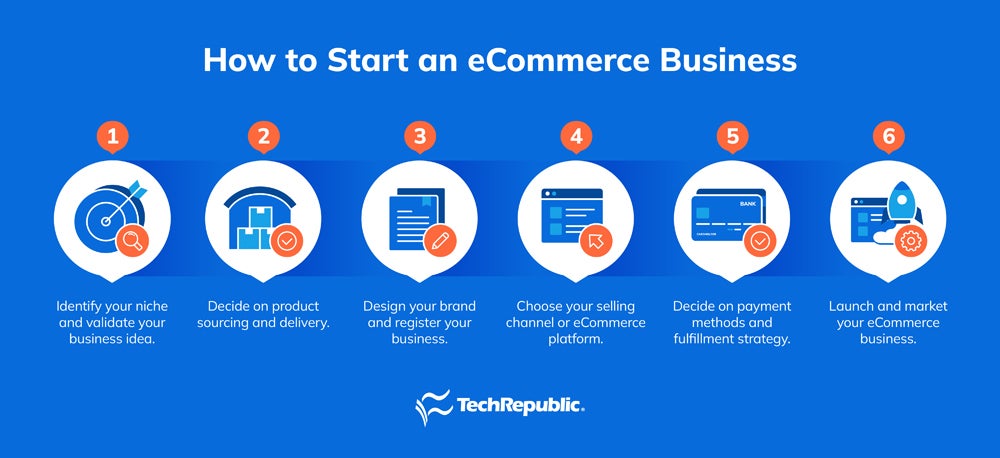
Starting an e-commerce business is easy, but creating a highly profitable and lasting e-commerce business is another. Learn how to start an e-commerce business in this guide. 1 Pipedrive CRM Employees per Company Size Micro (0-49), Small (50-249), Medium (250-999), Large (1,000-4,999), Enterprise (5,000+) Any Company Size Any Company Size Features 24/7 Customer Support, Analytics / Reports, API, and more 2 CrankWheel Employees per Company Size Micro (0-49), Small (50-249), Medium (250-999), Large (1,000-4,999), Enterprise (5,000+) Any Company Size Any Company Size Features Analytics / Reports, API, Dashboard, and more Key takeaways: Choose a scalable e-commerce business model, one that aligns with your growth goals. Invest in a secure and flexible payment system, focusing on support for multiple payment methods, fraud protection, and seamless transactions for both domestic and international customers. Optimize fulfillment for efficiency and cost savings. Leverage multiple marketing channels for growth. Use automation to streamline operations. Implement AI-powered tools, chatbots, and automated workflows for different aspects of your e-commerce business. E-commerce is the driving force of global retail. By 2027, online shopping is expected to account for nearly a quarter of all global retail sales, up from 19% in 20231, and global e-commerce sales are forecast to surpass $8 trillion2, a testament to its explosive growth. With 2.77 billion online shoppers worldwide in 20253 — a whopping third of the global population — digital commerce has become the preferred way to shop. In the US alone, online shoppers have increased by 8.1% year-over-year to 270.11 million4 and are projected to keep rising. As inflation, supply chain shifts, and evolving consumer expectations reshape the market, businesses of all sizes — SMBs, direct-to-consumer brands, digital-first startups, and B2B businesses — should be wise to seize these new opportunities. Success in this rapidly expanding space demands strategic business models, efficient fulfillment, and optimized digital marketing. In this guide, I provide expert insights into launching and scaling an e-commerce business in 2025. Step 1: Identify your niche and validate your business idea. A successful e-commerce business starts with a great product idea, and the foundation of this is zeroing in on a target audience and selecting a niche. While it might seem counterintuitive to niche down, a well-defined niche actually helps refine your product selection and brand positioning. In the same way, narrowing down your audience makes it easier to offer products that resonate, rather than selling a broad range of generic goods. A clear understanding of your ideal customer ensures effective marketing and higher sales. To identify your niche product and validate its sellability: Find product opportunities: Start by researching trending products using tools like Google Trends, Amazon Best Sellers, and social media platforms like Instagram and TikTok. Look for gaps in the market where demand is high but supply is limited. Browse niche forums and online communities to identify common pain points that potential products can address. Additionally, considering personal interests and expertise can provide a unique advantage when selecting a product category. Evaluate your idea: Once you have a product idea, validate its potential by conducting thorough market research. Create surveys and polls to gather feedback from potential customers. Use tools like Google Keyword Planner to analyze search volume and demand. Calculate the cost of production, marketing, and shipping to determine profit margins. Testing the idea with a small batch or pre-order campaign is also helpful before committing to large-scale production. Understand and study competition: Assess the competitive landscape by analyzing existing businesses offering similar products. Identify their strengths, weaknesses, pricing strategies, and customer reviews. Use competitive analysis tools such as SEMrush, Ahrefs, and SimilarWeb to gain insights into their online performance and marketing strategies. Differentiate your brand by offering unique value propositions such as superior customer service, eco-friendly packaging, or exclusive product bundles. Decide on an e-commerce business model. Along with a product idea, choosing the right e-commerce business model is also crucial as it defines how you manufacture, deliver, and sell your products or services. Whether you have a business idea first or prefer to choose a model and then find a business idea that fits, the key is defining a structure that supports long-term growth. There are several popular models to consider: E-commerce business model Revenue streams Operational dynamics Business-to-Customer (B2C)The most common model, where businesses sell products directly to consumers (e.g., Amazon, Walmart) Product sales, upselling, cross-selling, membership subscriptions Requires effective marketing, customer acquisition strategies, and optimized logistics for fast delivery Business-to-Business (B2B)Companies sell goods or services to other businesses, often in bulk or recurring transactions (e.g., Alibaba, wholesale suppliers) Bulk orders, long-term contracts, wholesale pricing structures Focuses on repeat orders, customer relationship management, and account-based sales approaches Customer-to-Customer (C2C)Online marketplaces where consumers sell to other consumers (e.g., eBay, Etsy) Transaction fees, listing fees, premium memberships Marketplace moderation, user verification, and dispute resolution systems are key Customer-to-Business (C2B)Individuals provide goods or services to businesses (e.g., freelancers on Upwork, influencers working with brands) Service commissions, freelance project fees, influencer marketing collaborations Requires a platform that connects individuals with businesses and ensures smooth transactions To choose the right business model, analyze how similar businesses operate and identify opportunities for improvement. Understand customer needs — whether they prioritize affordability, fast shipping, or personalized products. And experiment with business models, marketing tactics, and fulfillment methods to optimize profitability and efficiency over time. Write a business plan. Writing a business plan helps clarify how your business will generate revenue and scale. Many business plans are available for startups, B2Bs, and technology-based or industry-disrupting businesses. Overall, regardless of the type of business plan you create, it needs to have the following sections specific to e-commerce businesses: Problem statement: Identify one to three major problems your business aims to solve. Highlight existing businesses that currently address these issues. Solution: Describe the key features of your product or service and explain how they directly solve the problems outlined in the previous section. Key metrics: List the performance indicators measuring business growth and success. Common KPIs include customer acquisition cost, lifetime value,

How to Start A Successful e-commerce Business​ in 2025 Read More »

With Google’s Gemini, Create Podcast-Style Discussions From Your Docs

Sundar Pichai at the Google I/O 2017 Keynote. Image: Steven Zimmerman/Creative Commons Google has expanded the capabilities of its Gemini platform, promising to transform the way users collaborate on projects. With a focus on real-time editing, intuitive coding support, and audio content creation, the new features aim to redefine creative workflows for professionals and students. Audio overview: Bringing documents to life Adding another dimension to its suite of features, Gemini now includes Audio Overview. This new tool transforms documents, slides, and research reports into engaging, podcast-style audio discussions. With a single click, users can upload their files and listen as two AI hosts debate, summarize, and provide insights on the material. This innovation is particularly useful for those on the go, turning dense research or lengthy emails into accessible audio content. Currently available in English for Gemini and Gemini Advanced subscribers, Audio Overview is expected to roll out in additional languages soon. Users can access these discussions on both the web and the Gemini mobile app. More Google news & tips Canvas: A dynamic collaboration hub Gemini’s Canvas emerges as an interactive workspace where users can write, edit, and share content seamlessly. Whether crafting a speech, revising an essay, or generating blog posts, Canvas offers high-quality first drafts along with quick editing tools. Users can adjust tone, length, and formatting, highlighting a section and requesting a more concise, professional, or informal rewrite with just a few clicks. The interface isn’t limited to text alone; it also caters to coding tasks. For those brainstorming ideas or prototyping designs, Canvas enables the generation of HTML, React code, and other programming languages. There’s more — seamless integration with Google Docs, which means collaboration with teammates is just one click away. Coding made simple and interactive The Canvas environment offers live previews, allowing users to instantly see how their code translates into visual designs. For instance, a user might ask Gemini to generate an email subscription form, preview its appearance, and then tweak input fields or buttons as needed. This interactive feedback loop empowers users to iterate on their designs quickly and confidently, all without leaving the Gemini ecosystem. By combining code generation with real-time preview capabilities, Google is demystifying programming for novices and streamlining prototyping for professionals. source

With Google’s Gemini, Create Podcast-Style Discussions From Your Docs Read More »

5 Best Short-term Business Loans for 2025

If your business needs immediate funding, short-term loans can be a good option to cover cash flow gaps or expansion plans. Loan amounts typically range from $2,500 to $500,000, with repayment terms of three months to two years. While interest rates can be higher than traditional loans, approvals often happen within 24 hours, making it very convenient for quick financing. The best loan depends on your needs, credit profile, and funding speed. Since terms vary by lender, comparing rates, fees, and repayment options is crucial. We evaluated loan amounts, approval speed, credit requirements, and repayment flexibility to help you choose the right option. Here are our top picks for the best short-term business loans: Best short-term business loans quick comparison Below, I summarized the top features I considered for the six lending providers. Here is our list of the best short-term business loans. Bluevine: Best overall short-term business loan Image: Bluevine Bluevine is a financial technology (fintech) company offering an outstanding line of credit with limits of up to $250,000. With interest rates starting at 7.8% and same-day funding, it’s ideal for managing cash flow and covering short-term expenses. Businesses can borrow as needed and only pay interest on the amount used, making it a fast and flexible financing solution with minimal paperwork. Over the past decade, Bluevine has served over 500,000 businesses, providing $14 billion in loans to support growth. See how business lines of credit differ from business loans. Why I chose it I chose Bluevine’s line of credit as the best short-term business loan for its flexibility, fast funding, and competitive rates. With high credit limits, low interest, and same-day financing, it’s a cost-effective way to pay off sudden expenses or go after growth opportunities. The simple online application, minimal paperwork, and no prepayment penalties make it even more appealing. Plus, opening a fee-free Bluevine Standard business checking account can streamline the process while earning you up to 1.5% APY on qualifying balances. Loan details Loan amount: Up to $250,000 Interest rates: 7.8% Terms: 6 or 12 months Funding speed: 24 hours How to qualify Business operation for at least 12+ months Have at least $120,000 in annual revenue Have a 625+ personal FICO credit score Must be a corporation or limited liability company (LLC) Have no bankruptcies in the past year Have good standing with your Secretary of State Business operation or incorporation in an eligible US state, ineligible states include Nevada, North Dakota, and South Dakota Have an active bank connection or statements from the last three months Pros and cons Pros Cons Line of credit with low rates PShort minimum time in business requirement Potential funding in 24 hours Ineligibility for Nevada, North Dakota, and South Dakota companies Limited eligibility to corporation or LLC entities Lendio: Best for newer businesses Image: Lendio Considered a free online loan marketplace, Lendio helps link small business owners with a network of over 75 lenders, including banks and online lenders. Rather than providing loans directly, it helps businesses compare diverse financing options to find the best fit. Among these are short-term business loans, which offer speedy funding to support your immediate business needs. Aside from short-term loans for business, Lendio also provides access to lines of credit, invoice financing, and other financing solutions. Why I chose it Lendio’s vast lender network and flexible qualifications make it one of my top choices for short-term business loans. The variety of lending options boosts approval chances, even for borrowers with credit scores as low as 550 (for certain loan products), making it ideal for newer businesses with limited operational history. It offers fast funding within one to two days, pre-approvals in 24 hours, and no loan matchmaking fees. Plus, a lending team member (called a funding manager) helps you find the best business loan and assists you in completing your application. Loan details Loan amount: $10,000 to $5 million Interest rates: 8.49% Terms: 6 months to 7 years Funding speed: One to three business days How to qualify A credit score of 600 Minimum time in business is 12 months Business annual revenue of over $96,000 Pros and cons Pros Cons Wide lender network, increasing approval chances Variety of loan options No fees for loan matching Rates, fees, and repayment terms depend on the lender you match with Not a direct lender, loan approval will remain on third-party providers Clarify Capital: Best for large, unsecured loans Image: Clarify Capital Clarify Capital is a lending firm that partners with over 75 lenders to help small and medium-sized businesses secure funding. Through a single application, a business owner seeking financing can check multiple loan options to compare rates and terms to identify the most suitable match. Loan options include term loans, lines of credit, and equipment financing. Why I chose it I chose Clarify Capital as the best for large, unsecured loans because it can connect businesses with lenders offering high loan amounts, up to $5 million, without requiring collateral. With a vast lender network, the approval chances increase for businesses needing substantial funding. Beyond short-term business loans, its unsecured loan options include business lines of credit, working capital loans, and merchant cash advances. They also have financial advisors guiding you through the entire process. Plus, applying takes just two minutes. Loan details Loan amount: Up to $5 million Interest rates: As low as 6% Terms: Varies; flexible. Funding speed: One to two days How to qualify Minimum $10,000 in monthly revenue A minimum credit score of 500+ Business is operational for at least 6 months Have a US business account Three to four months of recent bank statements to verify revenue Pros and cons Pros Cons Transparent, competitive financing. Funding within 24 hours Flexible repayment options are available Loan terms can vary with multiple lenders Not a direct lender QuickBridge: Best for easy application and fast approval Image: QuickBridge QuickBridge is a direct online lender that provides fast and easy short-term business lending. Known for its streamlined application process and quick

5 Best Short-term Business Loans for 2025 Read More »

EU Cracks Down on Apple for Anti-Competitive Behavior

Image: mixmagic/Adobe Stock The EU suspects that Apple has breached the Digital Markets Act due to the company not allowing third-party hardware to connect with its platforms. Fines for noncompliance with the DMA can be up to 10% of the company’s total worldwide turnover, rising to 20% in cases of repeated infringement. The DMA applies to “gatekeeper” organisations that have a major economic impact in the EU (at least €7.5 billion in annual revenue in the EU per year for the last three fiscal years) and have more than 45 million monthly active users in the E.U., or more than 10,000 yearly active business users for at least three fiscal years. Must-read Apple coverage E.U.’s guidance for Apple about interoperability compliance Apple has been slapped with two sets of guidance on how to comply with the Commission’s interoperability requirements, relating to iOS connectivity features and the process for handling interoperability requests from developers, respectively. In the first set of measures, the Commission demands improved compatibility between nine iOS connectivity features and third-party devices such as smartwatches and earbuds. These features include notifications, automatic Wi-Fi connections, AirPlay, AirDrop, NFC features, and automatic Bluetooth audio switching. SEE: UK Watchdog Slams Apple & Google for Stifling Mobile Browser Innovation The second set of measures suggests how Apple should make its process for third-party app developers requesting interoperability within iOS and iPadOS features more transparent and predictable. This includes providing clear information about its internal features, giving timely request status updates, and setting a timeline for reviewing requests. E.U.’s decisions mark the end of a six-month investigation into Apple In September 2024, the Commission initiated two proceedings under the DMA to push Apple to enhance interoperability between iOS, iPadOS, and third-party devices to promote competition. Two months later, it presented its preliminary findings and proposed remediations to Apple, which, as of yesterday, have been officially adopted. If the Cupertino-based company doesn’t allow its users to connect Internet of Things devices made by third parties, it will never have real competition and will therefore not be incentivised to innovate and provide the best possible products. The same applies to Google and competing services, such as travel sites and shopping platforms. SEE: Advocacy Groups Criticise European Commission for Weak Regulation of Apple, Google A spokesperson for Apple told TechRepublic: “Today’s decisions wrap us in red tape, slowing down Apple’s ability to innovate for users in Europe and forcing us to give away our new features for free to companies who don’t have to play by the same rules. It’s bad for our products and for our European users.” In December 2024, Apple warned that granting third parties access to its technology stack could compromise privacy and security. It highlighted how Meta had made 15 requests for access to Apple’s software tools, including messaging and iPhone mirroring, under the DMA. If accepted, these requests would allow a company that “has been fined by regulators time and again for privacy violations” with swathes of sensitive user data, Apple argued. source

EU Cracks Down on Apple for Anti-Competitive Behavior Read More »

Apple Passwords App Vulnerability Exposed Users for Months

Apple’s Passwords app, designed to enhance security for iOS users, ironically left them vulnerable to phishing attacks for nearly three months. Security researchers recently revealed that the flaw exposed sensitive information, raising concerns about cybersecurity risks — even with trusted software. The vulnerability explained Researchers at Mysk identified the flaw, which stemmed from the app’s use of unencrypted HTTP connections when retrieving website icons and opening password reset pages. This security lapse allowed attackers to intercept data and redirect users to malicious phishing sites. >Mysk’s team discovered that the Passwords app contacted over 130 websites using unprotected HTTP traffic. This made it possible for hackers on the same Wi-Fi network — such as in cafes, airports, or hotels — to manipulate the requests and trick users into visiting fraudulent websites designed to steal login credentials. Apple’s response and fix Upon discovering the vulnerability in September 2024, Mysk promptly reported the issue to Apple. The tech giant addressed the flaw with the iOS 18.2 update, released in December 2024. This update implemented encrypted HTTPS connections for improved security. However, Apple only publicly disclosed the vulnerability in March 2025, emphasizing the importance of timely updates and robust cybersecurity measures. Must-read security coverage What users should keep in mind To protect their data, iPhone users are strongly encouraged to update their devices to the latest version of iOS. Updating to iOS 18.2 or later ensures the Passwords app operates with encrypted connections, significantly reducing phishing risks. Additionally, users should remain vigilant when accessing public Wi-Fi networks and consider using a reputable VPN for added protection. Key lessons for users and developers The incident highlights the critical need for secure data transmission protocols, especially for applications managing sensitive information. While Apple quickly resolved the issue, the case serves as a reminder that even the most trusted software can have vulnerabilities. By keeping software up to date and adopting best security practices, users can better protect themselves against emerging threats in an increasingly digital world. source

Apple Passwords App Vulnerability Exposed Users for Months Read More »

Latest Microsoft and NVIDIA Collaboration is a 'Significant Leap Forward'

Image: NVIDIA Microsoft and NVIDIA are deepening their collaboration to advance artificial intelligence, unveiling new technologies designed to enhance AI performance and scalability. Their latest efforts focus on integrating NVIDIA’s cutting-edge Blackwell architecture with Microsoft Azure, expanding AI capabilities for business and developers. From high-performance virtual machines to AI deployment tools, the partnership aims to accelerate innovation across industries, shaping the future of enterprise AI. Integrating NVIDIA Blackwell with Azure AI “Our partnership with Azure and the introduction of the NVIDIA Blackwell platform represent a significant leap forward. The NVIDIA GB200 NVL72, with its unparalleled performance and connectivity, tackles the most complex AI workloads, enabling businesses to innovate faster and more securely,” said Ian Buck, vice president of Hyperscale and HPC with NVIDIA. Microsoft recently announced the launch of the Azure ND GB200 V6, a new virtual machine (VM) series that incorporates NVIDIA technology. The VM series includes NVIDIA Quantum InfiniBand networking and the NVIDIA GB200 NVL72, a liquid-cooled supercomputer meant specifically for high-performance AI workloads. The new VM series joins the current line of Microsoft VMs that already use NVIDIA GPUs, specifically the H100 and H200. Microsoft also plans to release a line of VMs supported by NVIDIA’s Blackwell Ultra GPUs, which are expected to launch later this year. More must-read AI coverage Adding NVIDIA NIM to Azure AI Foundry Microsoft and NVIDIA have contributed to the advancement of agentic AI. As part of this effort, the two companies have introduced NVIDIA Inference Microservices, or NVIDIA NIM, within Azure AI Foundry. NVIDIA NIM consists of pre-packaged, optimized containers designed to streamline the deployment of generative AI tools and AI agents. Epic, a major player in electronic health records, already plans to utilize NVIDIA NIM and Azure AI Foundry to their fullest extent. The company aims to enhance patient care, improve clinician efficiency, and perform AI-driven research into new medical breakthroughs and processes. Microsoft and NVIDIA are also working to optimize the performance of various language models for the Azure AI Foundry. This includes the recently optimized Meta Llama models, which are now available to developers already using Azure AI Foundry. Accelerating AI innovations across the board In addition to these developments, Microsoft and NVIDIA announced plans to help accelerate AI innovations for other companies. The partners have made several recent additions to the Azure marketplace, including: NVIDIA Omniverse. NVIDIA Isaac Sim virtual workstations. Omniverse Kit App Streaming. These additions, primarily aimed at AI developers, support the creation of robotics simulations, digital twins, and other AI-driven applications. source

Latest Microsoft and NVIDIA Collaboration is a 'Significant Leap Forward' Read More »

7 Best Business Banks for International Wire Transfers in 2025

As a business owner, you constantly seek ways to cut costs, especially when sending payments to global suppliers or managing cross-border transactions. High international wire transfer fees can quickly add up, while slow transfers can delay payments. By choosing a bank with low fees, competitive exchange rates, and fast processing, you can reduce your overall business costs and keep your overseas payments on track. Here is a list of our best banks for international wire transfers. Overall best business bank for international wire transfers: Chase Member FDIC. Best for businesses focused on international trade: Citibank Member FDIC. Best for variety of global services: Bank of America Member FDIC. Best for competitive fees and user-friendly online platform: Capital One Member FDIC. Best for digital banking tools and strong customer support: Truist Bank Member FDIC. Best for strong international connections to Europe and South America: Santander Bank Member FDIC. Best for businesses owned or associated with military members: Navy Federal Federally insured by the National Credit Union Administration (NCUA) Best business banks for international wire transfers quick comparison Our rating (out of 5) International wire fees (receiving and sending) Exchange rate markups Transfer speed Supported countries Chase 4.15 Incoming: Up to $15 $0 if transfer was originally sent with the help of a Chase banker or using chase.com or Chase Mobile Outgoing: Up to $50 No wire fee is charged for sending a wire in foreign currency via the Chase Mobile app or Chase.com to a bank outside the US if the amount is $5,000 or more. For amounts less than $5,000, a $5 fee per transfer applies. Yes The bank determines the exchange rate under its sole discretion. Typically 1 to 5 business days Over 140 countries, see JP Morgan’s Global Payments Guide Citibank 4.14 Incoming: $15Outgoing USD: $65 ($27 if online) Yes The bank determines the exchange rate under its sole discretion. Generally 1 to 5 business days Over 100 Bank of America 4.04 Incoming:$15Outgoing USD: $45 (USD); $0 (non-USD) Yes The bank determines the exchange rate under its sole discretion. 1 to 2 business days Over 200 Capital One 3.9 Incoming: $15Outgoing USD: $50 (USD); $40 (non-USD) Yes The bank determines the exchange rate under its sole discretion. 3 to 5 business days Over 200 Truist Bank 3.64 Incoming: $20 to $75Outgoing: $36 to $75 Yes The bank determines the exchange rate under its sole discretion. 3 to 5 business days Undisclosed Santander Bank 3.61 Incoming: $15 Outgoing USD: $40 (USD); $31 (non-USD) Yes The bank determines the exchange rate under its sole discretion. 1 to 5 business days Undisclosed Navy Federal 3.50 Incoming: $0Outgoing: $25 Yes Partners with a correspondent bank to provide exchange rates for converting funds. 5 to 7 business days Undisclosed Navy Federal won’t send wire transfers to Cuba, Iran, Libya, North Korea, Russia, Sudan, Syria, Yemen or the Crimean, Donetsk and Luhansk regions of Ukraine. Image: Chase Chase: Overall best business bank for international wire transfers Our rating: 4.15 out of 5 Chase is one of the largest traditional banks in the United States, offering a wide range of business products and services, including three business checking accounts with waivable monthly fees. By opening the entry-level Business Complete Checking account, you can earn a welcome bonus of up to $500 after completing qualifying activities. This limited-time offer is available until April 17, 2025. Why I chose it I chose Chase as the overall best business bank for international wire transfers due to its global presence in over 140 countries and strong foreign bank relationships, which ensures faster wire processing. It also offers multi-currency accounts, foreign exchange services, and high security. Receiving an international wire costs $15 but is free if sent through a Chase banker or online/mobile banking. Meanwhile, sending a foreign currency wire costs just $5 or is free for transactions of $5,000 or over, resulting in more savings. Fees International wire transfer fees Incoming: Up to $15 $0 if transfer was originally sent with the help of a Chase banker or using chase.com or Chase Mobile Outgoing: Up to $50 No wire fee is charged for sending a wire in foreign currency via the Chase Mobile app or Chase.com to a bank outside the US if the amount is $5,000 or more. For amounts less than $5,000, a $5 fee per transfer applies. Monthly fees Chase Business Complete Banking: $15; waivable Waived by meeting Chase Military Banking requirements or by having any of the following:– $2,000 average daily balance– $2,000 Chase Ink Business Cards spend– $2,000 in deposits from Chase QuickAccept or other eligible Chase Payment Solutions transactions– Linked Chase Private Client CheckingSM, JPMorgan Classic Checking, or Private Client Checking Plus account Chase Performance Business Checking: $30; waivable Waived by meeting a $35,000 or greater combined average daily balance (ADB) in qualifying business deposit accounts. Chase Platinum Business Checking: $95; waivable Waived by meeting a $100,000 combined ADB across qualifying business deposit and investment accounts. The required ADB is $50,000 for a linked Private Client CheckingSM, JPMorgan Classic Checking, or Private Client Checking Plus account. Features $0 or $5 wire fees for outbound FX transactions facilitated online or via Chase’s app Free associate and employee debit cards upon request Chase Bank QuickBooks integration Built-in card acceptance through its mobile app Fraud protection services Payment and invoicing services via Chase Payment Solutions Digital banking and branch locations in 48 states Online and branch customer support Pros and cons Pros Cons Incoming international wires can be free if sent via the help of a Chase banker or online/mobile app Outgoing foreign currency wire over $5,000 is free Up to $500 welcome offer for new business checking (conditions apply) No interest earnings Only 20 fee-free paper transactions High balances to waive the monthly fees for premium checking accounts Image: Citibank Citibank: Best for businesses focused on international trade Our rating: 4.14 out of 5 Citibank is another leading global financial institution that offers a broad array of business products and services to meet the

7 Best Business Banks for International Wire Transfers in 2025 Read More »