Why is GOMO cutting hair to sell broadband plans?

GOMO by Singtel (GOMO) has launched its broadband offering with an experiential campaign that uses premium haircuts as a metaphor for value, positioning affordability as something that does not require compromise. The “Budget done better” campaign was developed in collaboration with Publicis Chemistry and 35A Studio, led by creative director and co-founder Junz Loke. It centred on the idea of “Cut costs, not your standards”. At the heart of the campaign is a category tension familiar to broadband consumers: the trade-off between price and perceived quality. While lower prices and faster speeds dominate telco messaging, GOMO identified a more human concern beneath the specifications: what “cheap” actually costs in terms of reliability and experience. Don’t miss: Singtel turns tourist SIM into pocket-sized AR tour guide  According to Lynette Poh, head of brand, engagement and loyalty at Singtel Singapore, that tension is what shaped the creative direction. Haircuts, she said, offered a universally understood reference point for that trade-off. “Everyone knows a bad budget haircut story. You tried to save money, and you paid for it, just not in the way you expected. That gap between the price paid and the experience received is exactly what we wanted consumers to think about. The insight is simple: people don’t fear cheap. They fear what cheap costs them,” said Poh.  As part of the activation, GOMO offered members of the public a signature haircut experience by Junz and the Studio 35A team, typically valued at over SG$200, for SG$29.99. The experience was designed to translate the broadband proposition into something physical and immediate, despite broadband itself being an intangible service. Rather than relying on conventional messaging around affordability, the activation placed consumers directly inside the proposition, allowing them to literally choose between a budget haircut or a premium experience at an accessible price point. The format, Poh said, was intentional in shifting the conversation from explanation to experience, particularly in a category where trust is difficult to earn and competitors often default to technical specifications. “‘Trust us, it’s good’ is probably the oldest and least convincing message a brand can deliver. Especially in a category where skepticism is baked in, and others default to talking about prices and technical specifications because they’re the easiest things to communicate,” explained Poh.  “We wanted to do the opposite. Rather than tell people that paying less doesn’t mean compromising, we wanted them to experience it for themselves through the haircut. In our case, you’re either in the chair or you’re not.” The campaign also leaned on creative partnership to reinforce its message. Junz Loke and Studio 35A were selected not for celebrity appeal, but for their reputation in craftsmanship and quality, a deliberate reflection of the “Budget done better” positioning. Their involvement extended beyond endorsement, with the salon experience itself acting as proof of concept. Customers were not just told about quality at a lower price; they experienced it firsthand through the service delivered. To extend the idea beyond the salon, GOMO rolled out a flashmob across Everton Park, Chinatown and Little India featuring walkers in intentionally mismatched purple wigs. The street activation was designed to inject visibility, curiosity and contrast into everyday environments. The wigs represented the opposite of the campaign promise and served as a visual shorthand for “budget done badly”, where cost-cutting comes at the expense of standards. By placing these moments in public spaces, GOMO aimed to turn the campaign into an interactive street-level conversation rather than a static brand message.  According to Poh, awareness and consideration shifts for GOMO Broadband will be key measures of success, with the brand aiming to strengthen consumer understanding of its broadband offering and position itself as a credible and reliable option when selecting a home broadband provider. Beyond traditional performance metrics, GOMO is also looking at softer brand signals, particularly whether the “GOMO” brand resonates beyond the campaign itself. Ultimately, success would be reflected in whether consumers, media and creators begin associating GOMO by Singtel with the idea of “Budget done better”, and organically use the phrase in conversations around broadband value and pricing. GOMO has consistently positioned itself as a digital-first, value-driven challenger brand in Singapore’s highly competitive telco market, targeting consumers who prioritise flexibility, transparency and affordability over traditional bundled telco plans. In 2023, the brand rolled out a 360-degree campaign for its “Data bank” feature, aimed at tackling unused mobile data. Developed with Publicis Groupe Singapore, the campaign took a social-first approach, encouraging users to share real-life examples of data wastage via Instagram stickers and user-generated content. It was supported by out-of-home executions and influencer collaborations with creators such as Austin and Ashley Soon (@soonbros) and Nicole Liew. The initiative sought to reposition leftover data as recoverable value, reinforcing GOMO’s broader focus on utility, transparency and everyday savings. The latest broadband campaign builds on this value-led positioning, extending the brand’s approach of translating abstract telecom propositions into tangible, lifestyle-led experiences. The launch comes amid a broader shift in Singapore’s telco landscape, where operators are increasingly moving beyond price-led messaging to build lifestyle-driven brand ecosystems. Most recently, players such as Circles.Life have also expanded in this direction, with its “Live unhinged” platform and Circo mascot reflecting efforts to embed the brand into everyday consumer culture beyond connectivity. Related articles:   Singtel taps ex-Telkomsel and Indosat marketing chiefs for senior leadership roles  Singtel extends decade-long support for National Gallery Singapore Singtel’s Gomo drops original beat with Benjamin Kheng  source

Why is GOMO cutting hair to sell broadband plans? Read More »

Former Milk & Honey PR Singapore CEO launches Ember42 advisory in Malaysia

Former Milk & Honey PR Singapore partner and CEO Meilin Wong has launched Ember42, a Malaysia-based reputation and growth advisory aimed at helping businesses make stronger PR and marketing decisions. The consultancy is designed to support businesses expanding within Malaysia, entering the market, or scaling across Southeast Asia, where growth ambitions can often expose gaps in positioning, reputation management, team structures, partner performance and commercial alignment. At launch, Ember42 has secured two retained mandates. The first involves supporting a Malaysia-based plant nutrition company as it recalibrates its marketing function to better align with business objectives. The second will see Ember42 establish and manage the PR function for a Malaysian real estate company as it looks to engage new audiences across the region. Don’t miss: Boutique reputation firm The Brand Imprint opens shop in Singapore According to Ember42, the launch comes as businesses across Southeast Asia face growing pressure to build visibility, credibility and demand in increasingly complex markets. The advisory cited the Milken Institute’s Global Opportunity Index 2026, which ranked Malaysia 23rd globally and the strongest investment environment among six Southeast Asian growth markets analysed. Singapore ranked seventh globally. In a statement to MARKETING-INTERACTIVE, Wong said Malaysia’s growing regional influence made it an attractive base for businesses looking to expand. “Malaysia is a serious market with real regional ambition. Local businesses are looking beyond home, while international businesses are increasingly looking at Malaysia as a launchpad into Southeast Asia,” she said. “However, expansion in either direction can expose challenges such as inconsistent positioning and messaging, stretched teams, fragmented partners, or PR, marketing and sales pulling in slightly different directions.” She added that Ember42 was created to help businesses address those challenges before committing significant budgets or resources. Unlike traditional agencies that typically work from campaign briefs, Ember42 positions itself as an advisory partner engaged earlier in the decision-making process. The firm works with businesses to identify areas that need strengthening, simplifying or restructuring before major investments are made in marketing, communications or external partnerships. Wong brings more than three decades of experience across public relations, strategic communications, marketing, go-to-market and commercial strategy across Southeast Asia and the wider Asia Pacific region. She most recently served as partner and CEO of Milk & Honey PR Singapore and Southeast Asia for nearly three years, where she led the agency’s regional operations and growth. Prior to that, she held senior leadership roles at agencies including Team Lewis and WE Communications.  “Most people would not buy or renovate a house without checking what needs to be fixed, upgraded, changed or removed,” Wong said. “Yet many businesses invest in PR and marketing without applying the same discipline, even though these functions can have significant impact on reputation, trust and growth. That is the gap Ember42 is set up to address.” The launch comes amid a growing number of communications and marketing consultancies establishing a presence in Malaysia as the country strengthens its position as a regional business hub. Most recently, former TikTok Southeast Asia insights and operations lead Hooi Yin Yin and former Google senior account manager Kek Zhi Chen launched SPARKers, a consultancy in Malaysia aimed at helping brands move beyond fragmented and vanity metric-driven marketing approaches. According to Hooi, the consultancy was created in response to what she described as a widening disconnect between marketing activity and business outcomes. Earlier this year, independent agency W Communications also expanded into Malaysia, appointing Kiersten Chaik as country manager to lead the market and drive growth. Chaik oversees a local team providing consumer, corporate and integrated communications support, working closely with W Communications’ Singapore headquarters to deliver regional campaigns and counsel. Related articles: Audi, Volkswagen, Agoda, Uni of Reading, and GoRental pick PR agency in Malaysia  Former AirAsia brand co. CEO Rudy Khaw launches Lobby Hours   HYP Global strengthens founding bench with ex-Leo Malaysia creative group head source

Former Milk & Honey PR Singapore CEO launches Ember42 advisory in Malaysia Read More »

Can a podcast with President Tharman change how Singapore talks about kindness?

The Singapore Kindness Movement (SKM) is turning to long-form content and one of Singapore’s most recognisable mascots to spark conversations around kindness, respect and belonging. As part of its broader “Be greater, together” platform, SKM has released a special episode of the Singa Podcast featuring President Tharman Shanmugaratnam in conversation with Singa the Kindness Lion. Created in collaboration with creative agency PROTOCOL, the episode explores themes such as mutual respect, kindness in the workplace and Singapore’s future. According to Karun S’Baram, deputy director of strategic marketing and communications and Michelle Tay, executive director at SKM, the idea stemmed from an internal discussion about how kindness is woven into Singapore’s identity and its ability to bridge differences across communities. Don’t miss: GE2025: Are podcasts the new political battleground? “The idea for this episode actually started with a chat among our team about how kindness is woven into Singapore’s DNA, and how it can bridge gaps across different communities,” they said. “Half in jest, we thought it would be wonderful if our mascot, Singa the Kindness Lion, could sit down with the President to talk about this. So Singa wrote him a letter, and to our absolute delight, President Tharman said yes.” The timing, they added, felt particularly relevant given the President’s longstanding advocacy for multiculturalism, mutual respect and creating a stronger sense of belonging across society. The episode sits at the heart of SKM’s “Be greater, together” campaign, which encourages Singaporeans to move from a mindset of “yours and mine” to one focused on collective responsibility and community. Rather than producing a traditional short-form campaign asset, SKM opted for a podcast format to create space for deeper conversations around empathy and kindness. “We intentionally chose a podcast format over a traditional 30-second campaign video because kindness and empathy aren’t things you can rush. They need real, unhurried conversation,” said S’Baram and Tay.  “A podcast gives us the space for nuance, warmth and authenticity to come through naturally. It also happens to be a format that resonates really well with younger audiences who value authentic, long-form content over polished advertisements,” they added. The initiative also marks an effort by SKM to evolve Singa’s role for a new generation of Singaporeans. According to the organisation’s latest Graciousness survey, nearly four in five Singaporeans recognise Singa, while more than half can correctly recall the mascot’s name. In addition, 89% associate Singa with being a reminder to be kind or courteous. “These findings show that Singa isn’t just a nostalgic childhood icon; he is still a friendly, spontaneous prompt for positive behaviour,” they said. “By putting him in a podcast setting, we are bringing him into the modern conversations Singaporeans are having today.” The episode also places a spotlight on workplace kindness, an area SKM believes remains highly relevant given the amount of time Singaporeans spend at work. According to research by the organisation, 65% of employees who experience kindness from colleagues say it makes them happier to go to work. The findings also point to respectful communication and appreciation from colleagues and managers as key drivers of positive workplace culture and mental wellbeing. When it comes to measuring success, SKM said it is looking beyond traditional campaign metrics. While views and engagement will be tracked, the organisation said its primary objective is whether the conversation resonates with Singaporeans and reinforces the idea that kindness and mutual respect are everyday choices rather than abstract ideals. “The truest measure of impact is whether Singaporeans walk away feeling that kindness and mutual respect aren’t lofty, out-of-reach ideals, but simple, everyday choices we can all make. A kinder, more gracious Singapore is something we build together,” said S’Baram and Tay. The latest podcast episode continues SKM’s recent efforts to experiment with new formats and storytelling approaches to engage Singaporeans on issues of kindness, empathy and social cohesion. Last year, the organisation generated buzz through “Operation glitch out“, a social media stunt that saw it wipe its social channels and post a series of cryptic, glitch-themed teasers ahead of a new PSA series. Produced with local agency Bless7Up, the campaign featured local personalities including Benjamin Kheng and used surreal, arts-based storytelling to spotlight everyday acts of neighbourliness, appreciation and mutual support. Related articles: SKM serves up friendly rivalry and sweet treats in cheeky CNY film  SKM, HDB celebrates SG60 with time-travelling kindness film trilogy  Why you don’t necessarily need to create a podcast source

Can a podcast with President Tharman change how Singapore talks about kindness? Read More »

Sena enters the smart adventure helmet category

It seems like the race for smart helmets is heating up. And when we’re talking of ‘smart helmets,’ the likes of Sena and Cardo are right up there with some notable Chinese helmet makers. And now, Sena has just launched its latest lid to up the ante. Called the Outlander, it’s Sena’s first-ever dual‑sport helmet that’s purpose‑built for those who have a knack for adventure. Of course, it comes packed with Sena’s latest communication and safety systems – all built in. That’s exactly what makes it smart. A Mesh Mesh Intercom 3.0 is in charge of group communication with virtually unlimited riders, all within a 1.2‑mile (2-km) range. And in case your buddies do get spread apart on a ride beyond that range, you’ve got Wave Intercom (which uses cellular data) to keep you all connected. The Outlander comes packed with Sena’s latest communication and safety systemsSena Sena has updated its conventional three-button interface with a new glove‑friendly layout that’s built around a central joystick. As for the audio, it continues to be backed by Harman Kardon, with 40-mm speakers and a microphone built straight into the helmet. There’s also a subtle AI touch, with AI‑based noise control that helps keep music, calls, and intercom communication clear regardless of the conditions. Sena claims the 1,000-mAh battery offers 20 hours of talk time, requiring 2.5 hours to recharge. There’s also a 20-minute fast charge feature that offers around 3.5 hours of Mesh talk time. The lid itself is shaped around an oval fit and is made from composite fiberglass with a multi-density EPS liner that helps absorb energy more effectively. It meets ECE 22.06 certification, with a claimed weight of approximately 3.79 lb (1,720 g) in medium size. That’s not heavy at all, as far as adventure helmets are concerned. For reference, my Bell MX-9 Adventure helmet weighs 3.69 lb (1,698 gm) in the same size. The design is that of a classic dual-sport helmet, featuring an elongated chin bar, large chin vent, and adventure peak that’s designed to cut glare. The Outlander sports an elongated chin bar, a large chin vent, and an adventure peak in classic adventure helmet fashionSena Sena has also been mindful about riders who like to put goggles on their lids, and that’s with a new tool‑free shield system that lets you remove the visor without taking off the peak. You simply have to lift the shield and pull it out; it’s as easy as that. Also good to have is the Pinlock‑ready clear shield, with the option to swap with tinted shields or install Pinlock inserts depending on conditions. Sena has also used moisture‑wicking, quick‑drying fabric inside to keep you comfortable even during hot, humid rides. And as is the case with Sena’s Phantom helmets, there’s also an integrated lighting system, which is basically a built‑in headlight on the chinbar and a deceleration‑activated taillight at the back. It’s meant to improve visibility on dark trails, while the taillight is designed to alert others to your location. Sena says the headlight automatically shuts off after 10 minutes in a bid to preserve battery life. I’m very confused by this feature. Why anybody would need a headlight on their helmet is beyond me. That means you’re either riding a bike with a broken headlight or a proper enduro that naturally doesn’t come with a headlight. If that’s the case, you shouldn’t be riding out in the dark considering the safety risks. And I refuse to believe a mere light on a helmet would be able to illuminate the trail for you as well as a conventional motorcycle headlight. There’s also an integrated light right on the chinbarSena My apprehensions aside, I’d jump at the chance to test out the helmet to see if it’s worth upgrading over my trusty old Bell with an external comms device. I like the idea that everything’s integrated all in one place with no external wiring or mounting peeking out anywhere. And that seemed to be the very thought behind the Outlander. “With the Outlander, we did not design an adventure helmet and then add an intercom as an afterthought,” said Vlada Bokza, Motorcycle Marketing Manager Europe at Sena. “We approached the entire product from the outset as one integrated whole, with connectivity, ergonomics, safety, and comfort built into a single overall vision.” The Sena Outlander is now available in sizes S to XXL in matte black or gloss white colors, coming in at US$599. At that price point, the Sena Outlander costs roughly the same as premium touring helmets from Shoei, Arai, Schuberth, and AGV. The difference is that those brands sell a world-class helmet first and expect riders to add communications tech later. Sena is betting that adventure riders would rather buy a complete package straight out of the box, and that could be the most interesting gamble of all. Source: Sena source

Sena enters the smart adventure helmet category Read More »

Dow Jones Futures Rise As Dell, NetApp Surge On Earnings; Oil Falls On U.S.-Iran Deal Hopes

Dow Jones futures rose slightly early Friday, along with S&P 500 futures and Nasdaq futures. Dell Technologies (DELL), NetApp (NTAP) and Costco Wholesale (COST) headlined earnings overnight. The stock market continued to hit new highs Thursday while crude oil prices slashed early gains as multiple reports said the U.S. and Iran reached a tentative memorandum of understanding, pending President Donald… Copyright ©2026 Investor’s Business Daily, LLC. All rights reserved. 87990cbe856818d5eddac44c7b1cdeb8 source

Dow Jones Futures Rise As Dell, NetApp Surge On Earnings; Oil Falls On U.S.-Iran Deal Hopes Read More »

Made by ikigai unveils human-composed music catalogue amid AI music boom

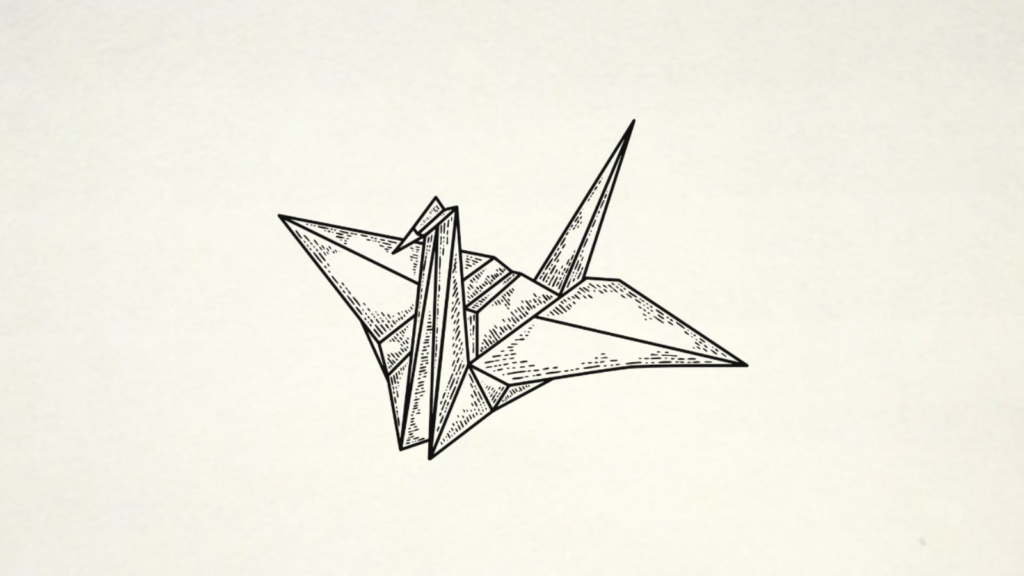
Made by ikigai has launched “Origami”, a standalone music catalogue positioned as an alternative model for bespoke music production, as the industry continues to grapple with the trade-off between speed and craft. “Origami” is a curated library of pre-composed tracks created by human artists, designed to be adapted to film projects once a brief comes in. Rather than starting from scratch on every project, music creatives select existing compositions and tailor them to fit the edit, allowing clients to test how the music works against their film earlier in the process. Don’t miss: Naga DDB Tribal turns up the volume on sonic branding with Amplitone  The model removes what the company describes as a common friction point in production timelines, where traditional bespoke scoring can take several days or weeks, often leaving limited room for iteration once an edit is already advanced. Speaking on the launch, Ryan Dickinson, founder of made by ikigai, said the approach has already been tested with clients over the past year. “We’ve been quietly running this model with clients for over a year. It helps take the guesswork out of whether an existing track will fit a film, or whether a bespoke brief will come back as expected a few days later,” he said. Rather than using algorithmically generated or AI-composed music, “Origami” is built entirely from human-composed work, with tracks selected, reshaped and adapted depending on the brief. Early adopters include agencies such as VCCP, Ogilvy and Wieden+Kennedy, with the model being used on projects where timelines are tight but craft remains a priority. Dickinson pointed to Airwallex’s collaboration with McLaren F1, “Shifted perspectives”, produced by Whale, as an example of how the approach is used in practice. In that case, the team selected an existing composition, adapted it to a near-final edit, and worked with the original composer to re-record elements based on client feedback. “This allowed us to deliver an original track with a real artist behind it, but within a timeline and iteration cycle that traditional bespoke scoring would struggle to match,” he said. Made by ikigai first expanded into APAC in January 2025 as a full-service music agency specialising in music and sound for advertising, gaming, TV and film.  In conversation with MARKETING-INTERACTIVE at the time, Dickson said the agency’s focus has always been to keep things personal and develop relationships as organically and in person as possible while having a global reach. “Our aim isn’t to be the biggest in the world, but to instead achieve sustainable and steady growth whilst living our personal ikigai’s,” explained Dickinson Some of its clients across the globe include McDonald’s, Amazon and Disneyland Hong Kong.  Related articles:    Spotify joins forces with major labels to develop ‘artist-first’ AI music tools  VIRTUE Asia taps ex-VaynerMedia creative director to lead entertainment branding  Sonic branding will gain traction: But what is the recipe for success? source

Made by ikigai unveils human-composed music catalogue amid AI music boom Read More »

Stock Market Today: Dow, Nasdaq, S&P 500 Score Highs As Oil Falls Below $90 (Live Coverage)

The Dow Jones Industrial Average and other major stock indexes finished in the black after a day of mixed trading Wednesday, as oil prices continued to fall amid hopes of a peace deal between the U.S. and Iran. Among standouts, AppLovin (APP) bucked weakness among technology stocks and retook a key level. The Dow rose 0.4%, while the S&P 500… Copyright ©2026 Investor’s Business Daily, LLC. All rights reserved. 87990cbe856818d5eddac44c7b1cdeb8 source

Stock Market Today: Dow, Nasdaq, S&P 500 Score Highs As Oil Falls Below $90 (Live Coverage) Read More »

Polar bear death in Svalbard linked to highly pathogenic bird flu

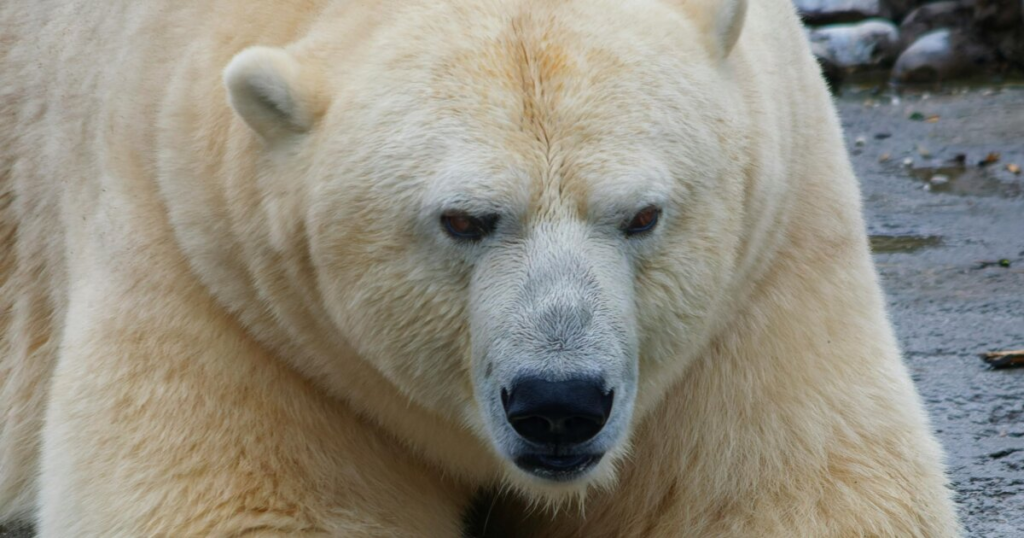
Last month, tour guides in the remote Norwegian archipelago of Svalbard made a grisly discovery, chancing upon the carcasses of a young male polar bear and an adult walrus in an advanced state of decay. They alerted the authorities, who dispatched experts to collect samples. “It was clear that the carcasses had been lying around for some time before they were found,” the Norwegian Veterinary Institute wrote. “But the findings of the [H5N5] highly pathogenic avian influenza virus in the brains of both animals are consistent with this being the most likely cause of death.” The tour guides found the carcasses on northern Spitsbergen, the main island of Svalbard, which sits about halfway between the tip of Norway and the North Pole. They also spotted two bears that showed signs of lameness or paralysis in their hind legs – a possible indication of neurological damage. Subsequent efforts to locate them proved fruitless. This was the first confirmed detection of H5N5, a Highly Pathogenic Avian Influenza (HPAI), in Svalbard’s walrus and polar bear population – and the first confirmed kill in its polar bear population. In mid-2022, the Norwegian Veterinary Institute reported H5N1 and H5N5 had been detected for the first time in the archipelago’s wild birds. In 2024, the first H5N1 walrus and Arctic fox deaths were recorded. Globally, this is the second recorded polar bear death from an HPAI: a young male polar bear was found dead from H5N1 in Alaska in August 2023. Polar bears are found in 19 discrete subpopulations around the world, the majority of which are in Canada. The Svalbard population numbers no more than 300, but is considered part of a broader Barents Region subpopulation. The species as a whole is IUCN Red-Listed as Vulnerable. “Dead polar bears are found annually in Svalbard,” Jon Ars, a research scientist with the Norwegian Polar Institute (NPI) who oversees polar bear monitoring in Svalbard, told Refractor over email. “Most of them die of starvation, usually the young and old bears.” He notes that it’s possible that some dead polar bears, as well as walruses and other wildlife, could also test positive for bird flu – the most recent cases were just the first official detections. Knut Madslien, a wildlife veterinarian with the Norwegian Veterinary Institute, told Refractor that the two bears observed exhibiting hind-leg lameness could be down to several triggers. “Neurological symptoms, including balance problems, have been seen in a number of other carnivores infected with [HPAI] virus.” He notes that hind limb paralysis was observed in Canada when the first-ever case of rabies in polar bears was recorded. He and his team tested for and ruled out rabies in the Spitsbergen walrus and bear. Polar bear tourism has long been a source of controversy in Svalbard, and new regulations governing the distance tour groups must keep from bears are commencing this month. In this instance, however, it appears tour guides have served an important monitoring function. “Detection of dead wildlife is generally challenging, and especially difficult in remote areas such as Svalbard, with very few people in the area,” Madslien said. “In remote areas, such as Svalbard, it is a crucial success factor that the human population, including tourists, permanent residents and researchers, report findings of sick and dead animals.” Permanent NPI-run research projects on polar bears and walruses entail population monitoring, so “any mass deaths will most likely be observed in the population data over time for these species, as well as during their annual fieldwork,” Madslien said. However, he notes there is no official health monitoring of wildlife on Svalbard, as there is on the Norwegian mainland. As such, the NVI recommends that the Norwegian authorities establish one “to be better equipped to detect and handle new health threats to both wildlife and humans” in the future. Ars says polar bears seem “not to be very vulnerable” to epidemics – so far – in the high Arctic. What would be a concern for the population, he says, is if adult females began dying off at a significant rate, whether from bird flu or any other diseases. “Our data suggest that is not the case, we have not seen signs of this happening after the bird flu came to Svalbard and had large effects on some other species,” he said. HPAIs have caused large-scale die-offs in other species elsewhere in the world. H5N1 has laid waste to seal and sea lion populations in Peru and Chile, where more than 30,000 are estimated to have died between 2022 and 2023. In Argentina, on the Patagonia coast, around 1300 sea lions and fur seals were killed. Studies on these mass deaths in South America indicate mammal-to-mammal transmission. Dr John Whiteman, Chief Research Scientist at Polar Bears International and Associate Professor of Biology at Old Dominion University, told Refractor that he’s “not specifically concerned about polar bears losing access to prey because of bird flu-related pinniped [a group that includes seals, sea lions and walruses] declines.” However, he notes “we should acknowledge that it would not necessarily be impossible.” “Polar bear survival and reproduction can be related to the abundance and body condition of their prey, so it is important for polar bears to have a large, healthy prey base,” he said. While the two polar bear HPAI fatalities recorded globally so far are concerning, Whiteman says it is “difficult to draw broad conclusions.” “The two cases are not linked as they are separated in time by several years and in space by over 3000 km of distance. Neither case provides evidence for transmission between polar bears,” Whiteman said. “However, the two cases clearly indicate that polar bears can be susceptible to lethal effects of different strains of bird flu – H5N1 in Alaska, H5N5 in this new case in Svalbard – both of which have spread globally.” Little is known about the transmission of bird flu in polar bears, he says. “It is my understanding that intimate contact with an infected animal – whether by

Polar bear death in Svalbard linked to highly pathogenic bird flu Read More »

新城市廣場斥資1000萬搶攻「足球經濟」料帶動世界盃期間人流及營業額雙位數增幅

新鴻基地產代理有限公司租務部副總經理許嘉雯小姐表示:「新城市廣場斥資 1,000萬元,以『由點至面』策略全面推廣全球矚目四年一度的足球盛事,將足球熱潮由商場核心區域延伸至不同樓層及戶外空間,覆蓋商場每個角落。為迎接世界盃盛事,商場去年已全面翻新一樓羅馬圓型獻技場的大電視,全新落成解像度達超高清4K畫質的520吋大電視將直播極其細膩逼真畫面的25場精選賽事,與球迷一起全情投入熾熱觀賽氣氛。連同一期3樓中庭的 LEGO®️ 大型裝置、1樓羅馬廣場 的Visa AI 互動體驗區、5樓的adidas FIFA世界盃26球衣展、7 樓 Sky Garden 的水上足球主題打卡裝置,三期1樓舉行的 Xbox 足球電競挑戰賽、以及聯同場內商戶推出一系列由運動服飾、主題彩妝,環球餐飲美食以至藝術工作坊的足球主題消費優惠活動,進一步提升顧客參與度及整體消費體驗,我們希望透過多元化互動體驗吸引不同年齡及興趣客群,涵蓋三代同堂家庭客群、熱愛足球文化的傳統球迷,以及偏好娛樂及數碼互動的年輕消費群,於世界盃期間到訪商場。相信世界盃熱潮可帶動人流及營業額將按年上升10% 及 12%,當中以運動服飾、電子電器、美妝、餐飲及超市百貨的生意額最為受惠,生意額較去年同期增幅可達雙位數。」 「全球矚目的足壇盛事向來是刺激零售市道的重要動力,亦為商場帶來龐大商機。今年世界盃賽事約有4成均在香港早上時段舉行,商場會聯動多間餐飲及運動品牌租戶如永年車仔麵茶冰廳、Simplylife Bakery Cafe、PizzaExpress 等推出早午餐堂食及外賣優惠,adidas、Marathon Sports、Patagonia、Columbia等等運動品牌亦會推出優惠及獨家產品迎接足球盛事,讓到訪商場觀賞賽事直播的球迷及顧客由早到午都逗留於商場,透過商場與商戶之間的策略性聯動,提升整體消費轉化,有效將觀賽人流延伸至零售及餐飲消費,有效刺激及提升消費動力。」 LinkedIn Email Facebook Twitter WhatsApp The post 新城市廣場斥資1000萬搶攻「足球經濟」料帶動世界盃期間人流及營業額雙位數增幅 appeared first on VeriMedia. source

新城市廣場斥資1000萬搶攻「足球經濟」料帶動世界盃期間人流及營業額雙位數增幅 Read More »

Amazon's monkeys have contracted a deadly disease from us

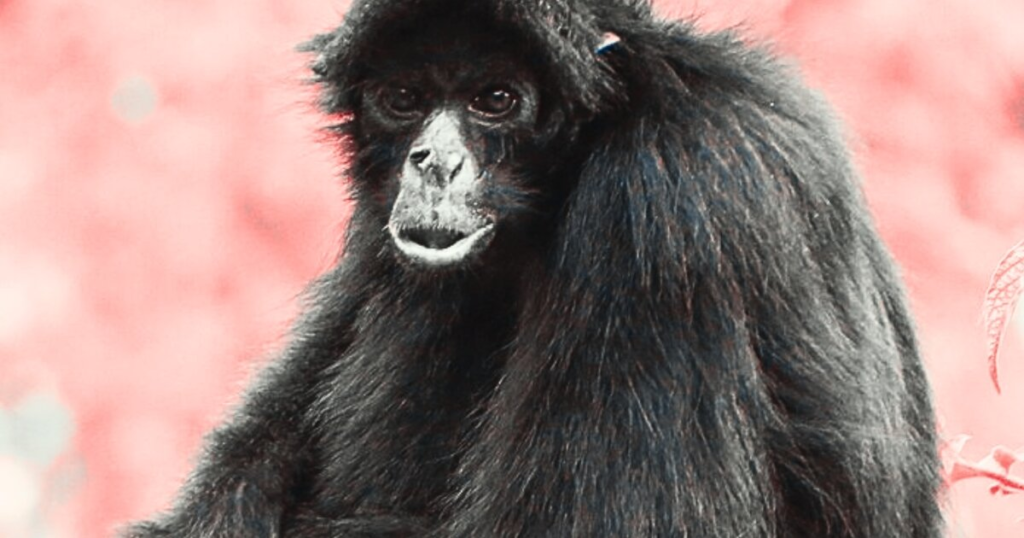
As deforestation accelerates across the Amazon, scientists are uncovering a disturbing new consequence: humans are transmitting diseases to wildlife. A recent study from the University of Salford in the UK and the Federal University of Amazonas in Brazil has found that wild monkeys are contracting the human Hepatitis B virus (HBV) – something never before documented in these species. The virus has previously been documented in Old World apes, typically those living in Africa and Asia, but not the New World primates of the Americas. Researchers tested blood or liver samples from 88 New World primates across 28 species in two Brazilian Amazonian regions, the human-impacted Rondonia and Mato Grosso states, and the remote upper Japurá River in Amazonas state. They found HBV in 17 of the 49 primates from the human-impacted area, with the genotypes matching locally circulating human HBV strains. By comparison, none of the 39 primate samples from the remote area tested positive for the virus. In humans, HBV is a highly infectious pathogen that attacks the liver, causing more than a million deaths a year through cirrhosis and liver cancer. Though it is typically spread through blood transfers or other intimate contact, the team is unsure how the monkeys became infected. As Professor Jean Boubli, who led the research at the University of Salford, explained: “As yet, it is very hard to ascertain, considering the transmission of HBV human to human is restricted to blood or certain other body fluids from an infected person entering the body of someone who is not infected.” One theory is that infant and juvenile primates kept as pets are “picking up the virus somehow” before being released into the wild once they grow into more aggressive adults, Boubli said. “Also, the closeness of urban centres to the forest edges might increase the likelihood of transmission, but the mechanism is still something that needs investigating.” The study suggests human encroachment into forests could be introducing pathogens into fragile ecosystems, with deforestation “the number one threat”, Boubli said. “Ideally, deforestation should be halted and buffer zones implanted to minimise the contact of human cities and developments from native forests.” The implication for the monkeys is also unclear. Researchers don’t know whether the virus is causing disease in infected monkeys or if it is being passed from monkey to monkey. The monkeys don’t show clinical signs, but they are likely being affected as HBV is such a serious disease for both humans and apes, Boubli said. “Clinical follow-up of infected monkeys needs to be carried out in captivity to understand the evolution of this disease in new world primates. Is it lethal? Does it have clinical presentation? Is it likely to reduce the chance of the infected monkey surviving in the wild?” he added. “To study the potential monkey-to-monkey transmission pathway would be more complicated due to ethical issues and also difficult to replicate in captivity in a realistic field/wild scenario.” There is also concern about further cross-species disease transmission, particularly as the Amazonian Indigenous people and local communities consume around three million primates for subsistence. “Humans have been in the Amazon for thousands of years and eating primates and other game species as their main subsistence,” Boubli said. “These original populations occurred in very small gatherings and caused minimal impact on the forest.” “However, what we have now is a very distinct situation, with an influx of millions from other parts of Brazil and the world, encroaching the primary forest and bringing non-native microorganisms and pathogens.” Boubli concluded: “This is a huge warning sign, but there is still a lot we need to learn.” The paper has been published in EcoHealth Fact-checked by Mike McRae source

Amazon's monkeys have contracted a deadly disease from us Read More »