Singapore’s Encik Tan serves up Malaysia debut in regional push

Singapore-based hawker concept Fei Siong Group has brought its halal-certified brand Encik Tan to Malaysia, opening its first outlet at Sultan Abdul Aziz Shah Airport’s Subang SkyPark. The outlet marks Encik Tan’s first entry into the Malaysian market, following its existing network of 21 outlets in Singapore and one in Jakarta. The move is part of the brand’s wider regional expansion strategy focused on accessible halal Chinese hawker fare. In a statement, the company said the Subang SkyPark outlet serves as a strategic entry point due to its mix of transit and everyday dining traffic. It added that the location also allows the brand to refine its offering in an environment aligned with its positioning around convenient, daily hawker meals. Don’t miss: Fei Siong Group taps social media agency for Encik Tan, Popeyes and more Spanning approximately 1,800 square feet, the outlet can seat up to 50 diners and features a contemporary design anchored by orange-and-white interiors, banquette seating and an open ordering counter. The store operates daily, targeting travellers, airport staff and nearby residents. To mark its Malaysia debut, Encik Tan is offering a complimentary drink with every meal purchase from 7 to 8 May 2026. Diners can choose from iced rose syrup, iced blueberry or iced calamansi drinks, with the promotion available to passengers presenting a valid boarding pass and airport staff with a valid staff pass. The Malaysia expansion is being carried out in partnership with Bake With Yen, a Malaysian baking supplies retailer with more than three decades of experience in the food and hospitality sector. The partnership is expected to support Encik Tan’s plans to build a scalable presence in the country. According to the company, the Malaysia outlet is currently in the process of obtaining halal certification in line with requirements set by Jabatan Kemajuan Islam Malaysia (JAKIM). In the meantime, the menu is prepared using halal-certified ingredients. Looking ahead, the brand said it is continuing to pursue expansion across Southeast Asia, while also exploring future entry into markets including Australia and the United Kingdom. It is also considering ready-to-eat product formats as part of its longer-term growth plans. In other recent expansion moves, Chinese luxury car brand Hongqi, under state-owned First Automotive Works (FAW) Group, is set to enter the Malaysian market through a partnership with Quill Group of Companies. According to local media reports, the move will be formalised via a memorandum of understanding (MoU), with Quill Group appointed as the official importer and complete knock-down (CKD) distributor, as well as the party responsible for appointing authorised dealerships nationwide. The brand is expected to make its official debut in Malaysia in the middle of this year, with its model line-up and dealership network to be announced in due course. Related articles: Mary Grace Café draws crowds and warm reception in Singapore debut  Jollibee Group opens first Tiong Bahru Bakery branch in the Philippines   Grab secures first cross-border licence, pilots SG-JB ride-hailing service source

Singapore’s Encik Tan serves up Malaysia debut in regional push Read More »
Swiss survival piston filters wild water as extensively as you want

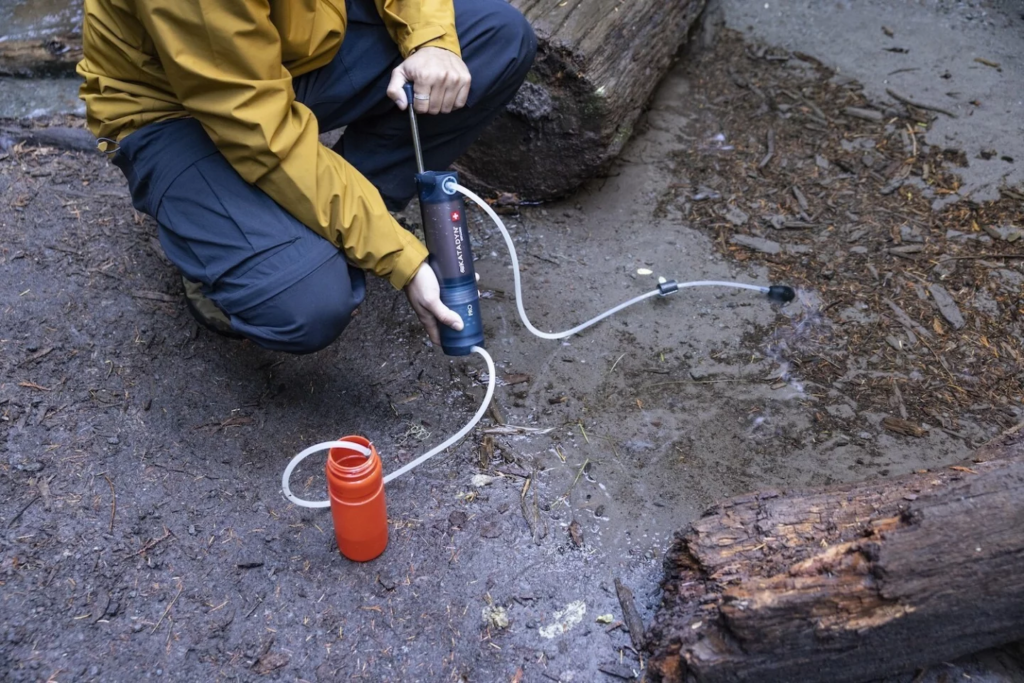
Swiss outdoor kit specialist Katadyn has launched a state-of-the-art modular outdoor water filter system that uses a combination of three sophisticated filtration processes. Katadyn’s Explorer Water Filter and Purifier Series is serious professional expedition-quality gear. This probably isn’t designed for your next trip to the beach or picnic by a mountain stream. Built with a heavy-duty steel pump piston and reinforced housing, it’s a water filter system engineered to withstand frequent use in seriously harsh terrain and deals with the most unappetizing silty stagnant water. Extra hoses and state-of-the-art filters are available as part of the modular systemKatadyn Group The units offer the chance to combine field-cleanable ceramic and activated carbon filters with a hollow fiber membrane for virus removal. That’s going to give you safe clean water wherever you are – and the prices give you a hint of the sort of pro expeditions that are going to be excited by Katadyn’s new system. The Explorer Microfilter is US$199.95 and the Explorer Pro (which adds the virus filter) is a hefty $449.95. The technologies used are fairly established high-end outdoor stuff but the combination of choosing the filters you want in a modular design is new. Users can just opt for the ceramic/carbon combo in the Explorer, which is based on Katadyn’s legendary indestructible 1950s ceramic pump. The Pro’s extra virus-grade membranes can be combined from the start or added later. Mix and match your filter systems. A carrying case, hose kits and replacement cartridges for the virus membrane, ceramic filter and activated carbon are also available. The cartridge can be cleaned and stored dry between usesKatadyn Group The long-life ceramic filter is designed “to remove bacteria, protozoa and particulates” from water in the wild. The activated carbon meanwhile is a chemical sponge made from organic materials like coconut shells and uses its voracious absorption properties to pull chemicals (like chlorine) out of the water. It’s particularly good at making water taste fresher. Finally, adding in the virus filter makes for a very significant filtration system. Most standard backcountry filters are fine enough to catch bacteria and protozoa but are too large to stop viruses. The hollow fiber tech involved uses much smaller pores (typically 0.02 microns) to physically block viruses. The Explorer system lets you choose which of the filters you need for each trip and all the bits can be dismantled and stored dry and mold-free between trips. The heavy-duty manual steel pump piston offers a flow rate of a liter per minute. A ceramic filter should be good for up to 20,000 liters, the carbon can treat 500 liters before a replacement is needed, and the virus membrane lasts around 10,000 liters. The heart of the Explorer system is a tough heavy-duty steel pump operated by a pull-up manual piston, no batteries requiredKatadyn Group Katadyn has impressive pedigree in this field. From humanitarian response, disaster relief and professional operations to outdoor and expedition use, it is a source of gear that gives people water they can trust, effective food for the backwoods and reliable gear for all conditions. Readers with a long memory however will recall a less impressive launch by the company back in 2009. We reported on the indignation that greeted its attempt to introduce powdered beers and wines for backwoods adventurers. European wine makers in particular were horrified. Source: Katadyn Group Note: New Atlas may earn commission from purchases made via links source

Swiss survival piston filters wild water as extensively as you want Read More »

添好運餐廳推期間限定懷舊點心系列

屢獲米芝蓮星級榮譽、作為「平民米芝蓮」典範的添好運餐廳,自 2009 年創立以來,一直以正宗手藝、新鮮出品、親民價格為宗旨,將香港點心文化傳承,並帶到世界各地。今年 5 月,品牌延續其重視點心質素及保留傳統工藝的初心,邀請點心泰斗符星師傅夥拍添好運廚藝團隊,推出期間限定的 「添好運懷舊點心系列」,重現昔日味道與幾近失傳的古法手藝,同時向香港茶樓文化致敬。品牌更請來特別嘉賓——創作歌手湯令山 Gareth. T 試食兼學做懷舊點心,與年輕一代分享手製美點的精妙所在。 為了將正宗經典風味呈現,品牌請來入行 80 年、現年 95 歲的點心泰斗符星師傅坐鎮監修「懷舊點心系列」。符星師傅 13 歲入行,可說是「紅褲子」出身,憑藉一雙巧手與對點心的熱情,由「小工」做起,年紀輕輕已當上點心師傅,懂得做的點心款式數百款,更桃李滿門。符星師傅表示:「這年代愈來愈少年輕人入行,加上不少酒樓以預製食品代替,點心款式漸趨簡單,即製手工點心更買少見少。為免工藝失傳,我希望將點心手藝傳承下一代,為行業、為飲食文化出一分力。」 添好運全球產品及市場副總裁梁雅琪說:「添好運不僅為大家帶來新穎、創新的點心,憑藉我們對點心美食的熱情與匠心,我們希望將正宗、經典的風味帶給所有熱愛點心的人。現代人物質雖然充裕,但對昔日味道卻仍有獨特的情意結,推出經典懷舊系列,能讓大家重拾舊日美味與情懷,喚起愉快窩心的集體回憶。」 邀點心老師傅及年輕創作歌手共同推介 於「添好運懷舊點心系列」發佈活動上,品牌邀得人氣創作歌手湯令山 Gareth. T 率先試食新出品!一向鍾情港式點心的他把握機會即席向符星師傅「拜師學藝」 ,齊齊做「油粒粒果仁豬油包」!Gareth 更與大家分享最喜愛的點心,同時大談做點心與創作歌曲的共通之處!在古色古香老茶居的懷舊布置下,符星師傅與 Gareth 一邊做點心,一邊打卡!話當年之餘更談創新,一同見證添好運「以匠心為根,以新貌前行」的品牌理念。 今次符星師傅除了傳授精湛手藝之外,更與添好運的廚藝團隊深入交流,由食材、點心製作,到大眾口味與飲食潮流無所不談,精挑細選出。傳承古法的同時,大廚們亦因應現代人追求健康的生活方式,嚴選優質和安心食材製作點心;好像點心常用的豬油,師傅堅持自家煉製,新鮮甘香之餘,健康無添 加;豬油撈飯以糙米、紅米和紫米取代白米,高纖兼粒粒爽落,口感味道比白飯更好。而「鵪鶉蛋燒賣」則屬「創意」版本,特意在豬肉中加入九層塔,綴以自家炒製 XO 醬,加添惹味,心思手藝盡在每個細節中,足見品牌向傳統致敬之餘,與時並進,恪守精妙平衡之道。 LinkedIn Email Facebook Twitter WhatsApp The post 添好運餐廳推期間限定懷舊點心系列 appeared first on VeriMedia. source

添好運餐廳推期間限定懷舊點心系列 Read More »

Creative agency founder calls out Pizza Hut Singapore over 'OG' campaign concept

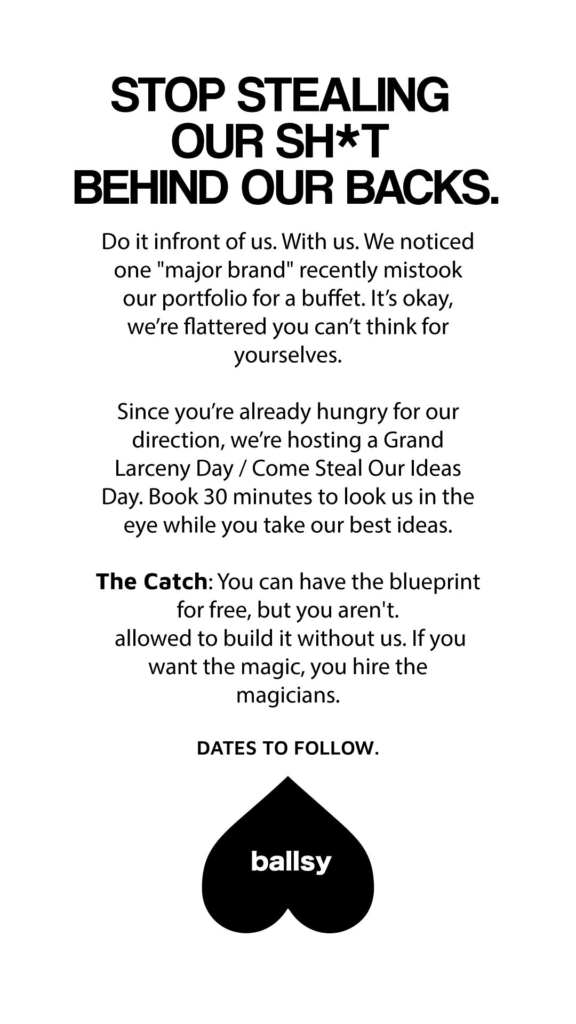
The founder of creative shop Ballsy has put out a series of bold statements calling on clients to stop “stealing” ideas from creative agencies. In an image-based LinkedIn post, founder VJ Anand said a “major brand” had recently mistaken its portfolio “as a buffet”. “It’s okay, we’re flattered you can’t think for yourselves,” the post read. Don’t miss: UNIQLO ‘Cai fan’ keychain kerfuffle: Where does inspiration end and imitation begin? The post also invited clients to book a 30-minute consultation where the agency would “open the vault” of its ideas for free, on the condition that execution remains with Ballsy. The move comes shortly after Anand published another LinkedIn post that drew attention and support from advertising professionals across Singapore and Malaysia. In the post, Anand called out Pizza Hut Singapore over its latest campaign centred around the idea of being an “OG”. The campaign video, which was launched yesterday, rolled out with a theme around “OG of good times”. The short clip featured various groups of people enjoying Pizza Hut together across different social settings. According to Anand, Ballsy had pitched the “OG” concept to the brand earlier this year. He claimed the client appeared impressed and had expressed interest in working with the agency, post the presentation. However, the partnership did not come to light as Pizza Hut was already tied to another agency partner. Anand also attached details from the agency’s presentation deck to the post. “They never had the OG in the brief. It’s just annoying when clients do this to us. We are small. Every presentation and idea is important for us. We need all the support we can get, yet a brand as legendary as this does it to us,” he said. He added that he hopes such practices will stop within the industry and urged advertising professionals to “call out things like these”. At the time of publishing, the post has over 270 likes and support and 47 comments. Anand also put out a follow-up post not long after, adding that the agency is also “blessed” to work with supportive clients who “care for [us] and build on our ideas”. He said:  I don’t know if I will be cancelled by brands but someone has to call out if something wrong has happened. I am not even demanding anything. I just want to call out toxic behaviour like this and why must we be afraid to state what we feel. This morning, in a statement to MARKETING-INTERACTIVE, a spokesperson for Pizza Hut Singapore said the team is aware of the comments regarding its recent 45th anniversary campaign and would like to provide some clarification. “Earlier this year, Pizza Hut Singapore conducted a project-based pitch process as part of our brand refresh and 45th anniversary campaign development. The ‘OG’ theme did surface across concepts we received. That was not surprising to us as ‘OG’ had already been incorporated as part of our creative approach since March 2024, as we’re proud of our heritage as one of Singapore’s original pizza brands,” it said, adding: “With our global brand refresh of ‘Feed good times’, coinciding with the 45th anniversary, this became a natural moment to bring the two elements together and thus the ‘OG of good times’.” The spokesperson also said that as with many creative processes, overlaps in themes and expressions can occur. The final campaign direction was selected based on overall alignment with the brand’s long-term brand strategy and objectives. “We sincerely appreciate the time, creativity and effort contributed by all participating agencies, and remain committed to engaging our partners in a respectful, fair and professional manner,” the statement added.  The incident also comes amid broader conversations around originality and creative ownership in Singapore’s marketing scene. Last year, Uniqlo Singapore drew comparisons to local label PointyRice over a customisable mixed rice keychain released as part of its “Thank you festival” activation. The campaign rewarded customers with a plate-shaped keychain featuring acrylic “dishes” that could be mixed and matched on-site. Many online pointed out similarities to PointyRice’s customisable mixed rice-themed merchandise concept. In an Instagram post at the time, PointyRice founder Caitanya Tan acknowledged the resemblance but clarified that the brand was not accusing Uniqlo of copying its ideas. She added that the team had previously explored a potential collaboration with the retailer and remained open to future opportunities together. In a separate incident last year, Penang-based artist Ernest Zacharevic said he had decided to take legal action against AirAsia. In a statement at the time, the artist alleged that his work had been used without consent, with his murals appearing across the airline’s email campaigns, in-flight magazines, printed banners and other materials. He said he had formally requested AirAsia to stop using his artwork without proper credit, consent or compensation. While the airline had responded to these requests, he added that new instances of unauthorised use continued to emerge. Related articles: Pizza Hut Singapore director of marketing and food innovation to exit   45 years on, Pizza Hut SG refreshes brand for a slice of everyday life  KFC and Pizza Hut conclude media pitch for SG source

Creative agency founder calls out Pizza Hut Singapore over 'OG' campaign concept Read More »

XL tiny house loses the wheels, gains an extra-spacious interior

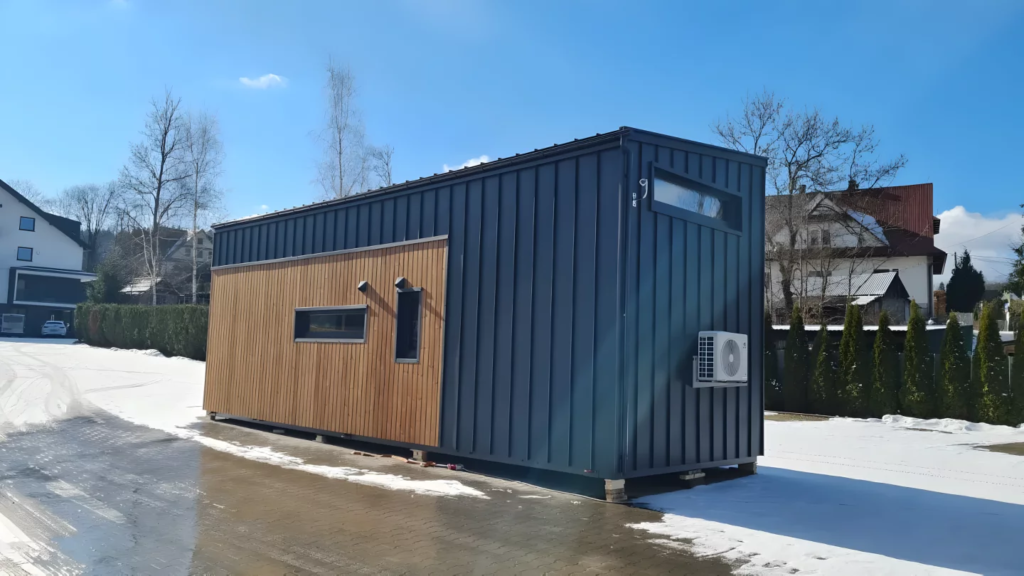
What do you look for in a tiny house? If it’s the ability to hit the road on a whim, then the Samuel probably isn’t for you. However, if you’d prefer a stationary but remarkably practical home that’s suitable for long-term living, then this one might be a good fit. The Samuel is designed by Craft House – which operates in Poland, Austria, and Ireland. It’s finished in engineered wood and metal. Its length of 10 m (32 ft) makes it significantly larger than average for a Euro model, while its extra width of 3.2 m (10.6 ft) boosts floorspace even further and allows the kind of open and roomy interior that you’re unlikely to find in a towable tiny house. The Samuel tiny house has a length of 10 m (32 ft) and a width of 3.2 m (10.6 ft)Craft House The home’s ground floor measures 26 sq m (280 sq ft) and is dominated by a large living room with a high ceiling. It opens up to the outside with expansive sliding glass doors. The room contains a two-person sofa bed and an entertainment center, while its wooden interior lends it an almost cabin-like feel. The open layout places the kitchen nearby. This is equipped with a sink, an induction cooktop, an oven, a fridge/freezer, and even a dishwasher, which is a definite bonus even in a larger tiny house like this. A breakfast bar seating area is also installed. Situated behind the kitchen is the bathroom. It’s relatively large for a tiny house and includes a shower, a vanity sink, and a washer/dryer. A floating toilet – meaning that the bowl is mounted to the wall and the cistern and plumbing are hidden from view – is a notable high-end addition too. On the opposite side of the home to the living room lies the master bedroom. Thanks to its ground-floor position it provides ample headroom to stand upright, plus it has a double bed, a wardrobe, and some additional storage. There’s a secondary bedroom in the Samuel too. This is positioned up in the mezzanine loft and accessed by the same novel folding staircase seen in the firm’s Katrin home that can be stowed away when not in use. Though it might seem a little fussy, it enables a much more spacious layout in the living room than would otherwise be possible with the typical storage-integrated stairs. The bedroom itself has a low ceiling and space for a double bed and some storage. The Samuel tiny house features a spacious light-filled interior with a high ceilingCraft House The Samuel is built to order and has lots of optional extras available, including choice of materials used and a full off-grid setup complete with solar panels and batteries. It’s up for sale from PLN 260,000 (US$72,000). We’ve no word on delivery, so those interested are advised to contact the firm directly. Source: Craft House source

XL tiny house loses the wheels, gains an extra-spacious interior Read More »

StarHub asks, does AI really know you better than your mum?

StarHub is leaning into the AI conversation this Mother’s Day with a campaign that argues the best advice still comes from mum. Dubbed “MumGPT”, the social-first campaign playfully reimagines mums as the original source of answers, powered not by algorithms, but by years of lived experience, care and knowing their children better than anyone else. The campaign comes as consumers increasingly turn to AI tools for life hacks, recommendations and everyday advice. Through humour and creator-led storytelling, StarHub aims to bring the focus back to more human connections, spotlighting the calls, texts and check-ins with mum that often provide the comfort and honesty technology cannot replicate. Don’t miss: Confessions of a CMO: Why I’m opting out of the ‘Mother’s Day circus’ The campaign features a series of Instagram content pieces with local creators including Preeti Nair, Benjamin Toh and Brenda Tan, each sharing humorous takes on the sometimes painfully accurate advice only mums can give. In the clip featuring Benjamin Toh and his mother, Toh shows viewers a Telegram exchange in which he asks his mum whether bread he has kept for five days is still safe to eat. After checking the softness of the bread, she laughs and assures him it is fine. Toh then compares her response to one from ChatGPT, sharing that the AI tool had asked him to check several conditions before consuming it. Cutting in, his mother jokes that she has more experience than ChatGPT. While Toh admits he speaks to ChatGPT every day, he said he still turns to his mother, or “MumGPT”, for life decisions and emotional advice. “ChatGPT gives answers, but mum gives wisdom,” he said, encouraging viewers to ask their mothers before turning to AI. The video ends with a Mother’s Day message. Meanwhile, Preeti Nair also joined the campaign, asking viewers if they remembered a time when people turned to adults for advice instead of ChatGPT. In the video, Nair pits her mother against AI, posing questions such as “Should I quit my job?” and “Why am I having a headache?”. Her mother responds with humorous yet direct answers, contrasting ChatGPT’s more measured replies. Similar to Toh’s video, Nair ends by highlighting the wisdom her mother offers and encourages viewers to consult their mums before asking AI. According to StarHub, the campaign reflects its broader belief in championing meaningful connections through culturally relevant and social-first storytelling. It also aims to celebrate the people many consumers still turn to as their first source of wisdom, despite the rise of AI-driven tools. StarHub is not the only brand tapping into Mother’s Day storytelling this year. Recently, wellness brand Eu Yan Sang Singapore rolled out a seasonal campaign featuring brand ambassador Jeanette Aw, blending cinematic storytelling with messaging around the purity credentials of its premium bottled bird’s nest products. The campaign film sees Aw preparing bird’s nest for her mother before gifting her a bottle of the brand’s ready-to-drink bird’s nest. Through narration, Aw compares a mother’s unconditional love to the care and purity behind the brand’s ingredients and products. Related articles: StarHub scoops up Orchard Road with unlimited ice cream    StarHub introduces Hublings in playful ‘We got you’ brand push   StarHub concludes media pitch source

StarHub asks, does AI really know you better than your mum? Read More »

Sub-2-lb translucent tent packs fast and tiny … but it ain't cheap

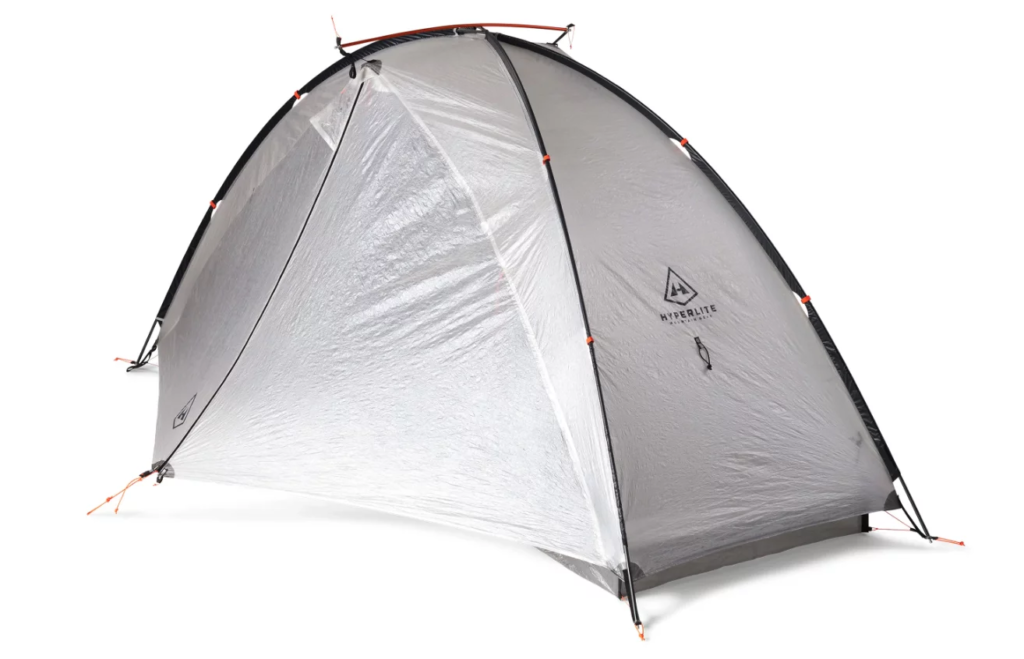
A year ago, we took a look at the Crosspeak 2 tent from Hyperlite Mountain Gear. The impressive cut of Dyneema fabric weighed in barely over 2 pounds (907 g), adding yet another intriguing option to an ultralight freestanding tent market that was running white hot at the time. On the downside, it cost more than a dollar per gram. Now Hyperlite has launched the solo version: the Crosspeak 1. The new Dyneema freestander drops well below 2 lb to become one of the lightest out there and also gets a lower price … but it still follows the same dollar-per-gram+ pricing model. While ultralight two-person tents can run lighter per backpacker when splitting up the pieces, the absolute lowest weight figure among tents will, of course, come from their single-person counterparts. At a mere 28.7 oz (1.8 lb, 813 g), the Crosspeak 1 becomes one of the lightest freestanding tents available the world over. The exterior door zips down the middle to deliver weather protection and create a vestibuleHyperlite Mountain Gear The new tent handily undercuts the 35-oz (985-g) X-Dome 1+ that Durston Gear introduced in 2024 and the 44-oz (2.8-lb, 1.3-kg) Lunar Orbiter solo tent Six Moon Designs launched a few months later. Both those are competitors in the freestanding ultralight backpacking tent segment. In fact, despite bringing along its own DAC Featherlight 8.7 aluminum pole frame, the Crosspeak 1 nearly drops to the same level as Durston’s 26-oz (745-g) X-Mid 1 non-freestanding trekking pole tent … but not quite to the 17.6-oz (499-g) depths of the Dyneema X-Mid 1 Pro. And while those looking to save the most weight might not care about a freestanding design, it can make for faster, simpler setup, improved comfort and easier tent relocation around the campsite. That’s not to say the Crosspeak 1 is the lightest freestanding tent out there. A quick search brought us back to the Samaya Radical 1 we looked at a few years ago, a freestanding 4-season tent that compacts down to a rather amazing packed weight of just 24.5 oz (1.5 lb, 695g ). Another model that just edges out Hyperlite’s latest is the U.L. Dome Shelter from Montbell, which weighs in at 27.7 oz (785 g). Of course, a tent is much more than just a weight on the scale. And Hyperlite gives the Crosspeak 1 some camping advantages that neither the single-wall Samaya nor the Montbell tents have. Hyperlite calls it a single-wall design, but it’s really more of a hybrid single/double-wall with a body that pairs ample mesh with waterproof Dyneema Composite Fabric (DCF) 0.55. Hyperlite Mountain Gear manages to create a solo ultralight tent weighing well under 2 lb that is both freestanding and of hybrid single/double-wall constructionHyperlite Mountain Gear More specifically, the solo Crosspeak features a full-height mesh door inside a weatherproof Dyneema outer door. The outer door can be staked out to create a vestibule for storing dirty shoes, backpacks and gear. The remaining three walls are solid Dyneema fabric, save for a ventilation strip that wraps around just over top the entirety of the DCF 0.96 tub floor. That mesh strip works with the inner door to deliver ample airflow and prevent condensation build-up. The Crosspeak 1’s tub floor measures 88 in (224 cm) long with a width that tapers slightly from 32 in (81 cm) at the head to 29 inches (74 cm) at the foot. That’s well narrower than the 34-in-wide (86-cm) floor of the Six Moon Lunar Orbiter or the tapered 50-to-29-in (127-to-74-cm) polygonal floor of the Durston X-Dome 1+. But both those freestanding double-wall tents weigh considerably more, as noted previously. Hyperlite stretches the peak out with a small crossbarHyperlite Mountain Gear The Crosspeak 1 delivers 42 inches (107 cm) of headroom at its peak, extending that peak height from sidewall to sidewall via a lateral crossbar that lifts the fabric. That crossbar is joined by two crisscrossing primary poles that run corner to corner for fast, straightforward setup. Hyperlite says it opts to attach those poles using sil-nylon sleeves in place of clips to promote better structure and stability. Just like the Crosspeak 2, the Crosspeak 1 can be reinforced with trekking poles at both sides for boosted stability in rough weather. It includes lower grommets to secure the trekking pole tips and upper straps for tightening down around the handles. Trekking poles can be added for strength and stability Hyperlite Mountain Gear Other Crosspeak 1 features include two upper vents, a small mesh interior pocket for holding a phone and other pocket contents, and magnetic door ties for quick opening of the outer vestibule door. Hyperlite includes separate Dyneema stuff sacks for the tent fabric and the poles. The stuffed tent measures as little as 8 x 6 x 5 in (20 x 15 x 13 cm) packed, while the poles extend into a packed 15.3 x 2.3-in (39 x 6-cm) cylinder. Hyperlite launched the Crosspeak 1 this week for US$825, a lofty price that isn’t quite the highest among the competitor tents mentioned above (that’s the $1,340 Samaya Radical 1) but is well above the remainder, which all start at $600 or less. Source: Hyperlite Mountain Gear source

Sub-2-lb translucent tent packs fast and tiny … but it ain't cheap Read More »

Stock Market Today: Nasdaq, S&P 500 Hit New Highs On U.S.-Iran Hopes; Cathie Wood Sells Advanced Micro, CoreWeave (Live Coverage)

The major indexes scored a second straight day of gains Wednesday, as hopes of a U.S.-Iran peace deal buoyed investor sentiment. Oil prices and bond yields declined. Meanwhile, Advanced Micro Devices (AMD) was a big early winner. Cathie Wood’s funds sold shares of the chip leader along with CoreWeave (CRWV). The Dow Jones Industrial Average rose 1.2%, or more than… Copyright ©2026 Investor’s Business Daily, LLC. All rights reserved. 87990cbe856818d5eddac44c7b1cdeb8 source

Stock Market Today: Nasdaq, S&P 500 Hit New Highs On U.S.-Iran Hopes; Cathie Wood Sells Advanced Micro, CoreWeave (Live Coverage) Read More »

LOCUST laser weapon scores 100% kill rate in US Navy trials

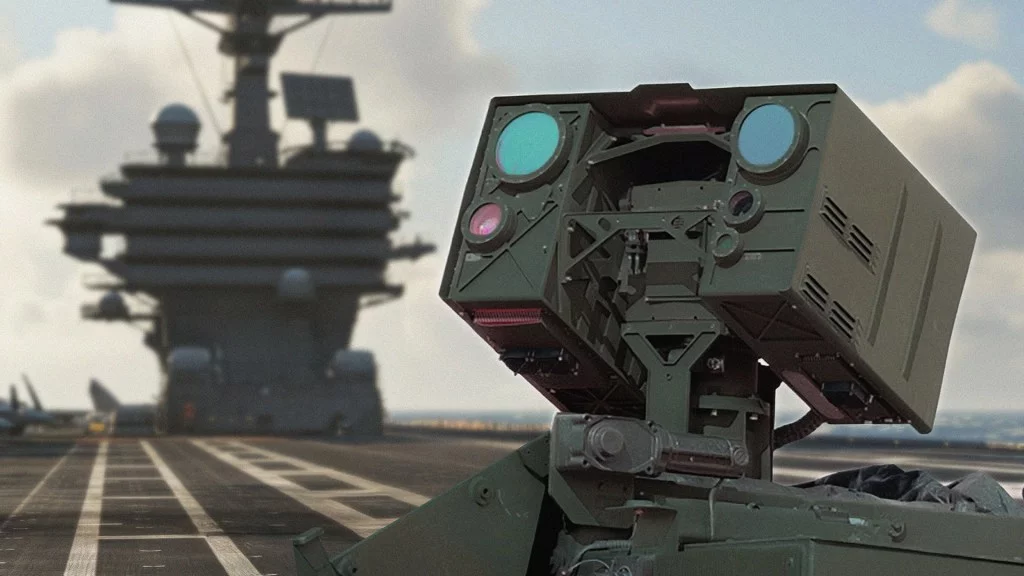
Laser weapons reached a new milestone as the US Navy tested the AeroVironment (AV) LOCUST Laser Weapon System (LWS) aboard the nuclear aircraft carrier USS George H W Bush (CVN-77), notching up a 100% kill rate against multiple aerial drone threats. The sea tests of the LOCUST laser weapon, which took place on October 5, 2025, mark a significant advance in the shift in naval strategy toward directed energy weapons. Previously, lasers and similar weapons tested were in the high-megawatt range and permanently installed aboard ships. The LOCUST represents a pivot from this approach. Instead of a fixed installation, it’s a Palletized High Energy Laser (P-HEL) that can be mounted on a relatively small land vehicle or placed on a ship’s deck by forklift in what looks like an ordinary shipping container. The emitter assembly of the LOCUST laser weapon The Spectrally Beam Combined (SBC) laser with an output of over 35 kW can be made operational in 15 minutes from power-up using the ship’s electrical grid or an internal battery. According to AeroVironment, LOCUST is designed to be highly intuitive, and sailors can operate it with less than an hour of specialized training, covering the entire process from detection to tracking to firing. Though it can take out Unmanned Aircraft Systems (UAS) and Unmanned Surface Vessels (USV) in groups 1 to 3, the 3,400-lb (1,542-kg) laser weapon can be quickly removed once it’s no longer needed. This was the case aboard the USS Bush, where it was set up on deck for the test and then quickly removed to allow for regular flight operations. This means that when a carrier is in port or in restricted waters where flight operations aren’t possible, the ship can be effectively protected from drone threats and then quickly revert to flight status. LOCUST is designed to be extremely transportable But what stands out in the latest tests is the ability of LOCUST to detect, track, and destroy all of the drones sent against it. This is particularly significant at sea where tracking and destroying such threats is extremely difficult with a laser – or any other weapon, for that matter. In addition to testing its combat capabilities, the USS Bush trials demonstrated the ability of the electronics to withstand salt fog, humidity, and vibration; how the stabilization systems can compensate for the ship’s motion; the effectiveness of the environmental protection to allow for quick deployment; and the ability of LOCUST to be precise in targeting with minimal collateral damage or interference with friendly aircraft. “LOCUST delivers effective, all-domain protection against emerging drone threats at the speed of light – on any platform, in any domain, for any mission,” said John Garrity, Vice President of Directed Energy Systems at AV. “Rolling LOCUST onto a ship and quickly initiating operations facilitates the expanded use of high-energy lasers across the Fleet without the need for costly, time-consuming ship modifications. This is a game-changer for the Navy and for our national security.” Source: Aerovironment source

LOCUST laser weapon scores 100% kill rate in US Navy trials Read More »

Ukraine’s rapid rise as an anti-drone powerhouse

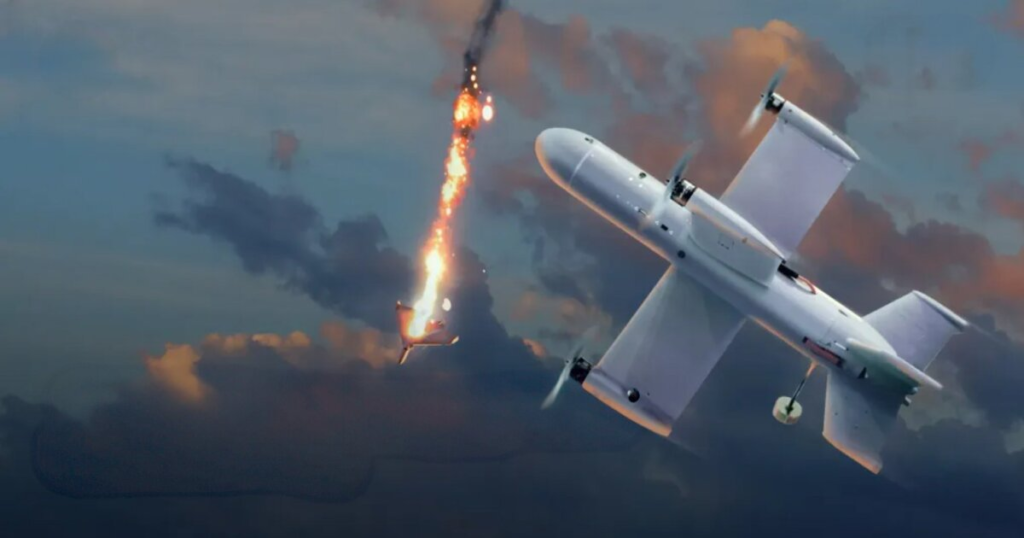
In only four years after the Russian invasion, Ukraine went from being a country knocked back on its heels and scrambling for military aid to emerging as a leading provider of battlefield-tested counter-drone expertise and exporter of anti-drone weapons systems. How did this happen? Let’s find out. In February 2022, it looked as if Ukraine would fall in short order as the Russian forces poured over the border. So bad did things seem in those early days that US aid to Kyiv consisted mainly of offers to evacuate President Zelensky before the capital fell. However, events took a very unexpected turn. Instead of being overrun, the Ukrainian forces regrouped, managed to form a defensive line, and even pushed back the Russians. And another unexpected thing happened. Instead of reaching some decisive crisis point, the conflict devolved into a deadlock – a war of attrition where neither side could achieve much more than small gains of territory in one place while suffering small losses of land in another. In other words, the biggest European war of the 21st century was looking a lot like the First World War of the 20th century. Instead of the fast maneuvering of forces combined with air superiority that is typical of modern combat, the two forces were well locked into what were essentially fixed frontiers and trenches with neither side gaining dominance in the skies. But the truly unexpected thing was what came next. Instead of simply being bogged down and hammering on each other’s positions, the reaction of both sides was to embrace military drones of various sizes to spy on or attack the enemy. This not only changed the nature of war in Ukraine, it also turned the conflict into a laboratory yielding results that the rest of the world is still trying to adapt to and learn from. And it isn’t just theoretical. It’s having real world repercussions in the Iran conflict and elsewhere. It’s also turned Ukraine into one of, if not the, leaders in the field of anti-drone countermeasures. As of 2025, the global anti-drone market is valued at approximately US$3.11 billion, with North America maintaining a dominant 45.2% revenue share. While Ukraine accounts for roughly 5% to 8% of global spending in this sector, these figures underrepresent its true impact; due to lower domestic production costs and a high reliance on decentralized, low-cost electronic warfare systems, Ukraine’s volume of successful interceptions and active deployments far exceeds what its revenue share suggests. Ukraine has become a major player in counter-drone technology, moving from a recipient of security assistance toward a provider of battlefield-tested counter-drone expertise and selected technologies, especially in the Middle East. However, wartime export controls still limit direct commercial exports. The Kyiv School of Economics (KSE) estimates Ukraine’s broader recovery and defense-sector development potential over the decade after hostilities cease at $690 billion. According to President Zelensky, Ukraine is providing hardware and over 200 specialists to Saudi Arabia, the United Arab Emirates (UAE), Qatar, Kuwait, and Jordan. Their main job is to fill in the gaps left by other advanced Western systems like Patriot that are too expensive to deal with massed drone attacks. Along with this, the Ukrainian teams advise local forces on radar positioning, signal intelligence (SIGINT), and the coordination of “Mobile Fire Groups” to intercept drones at a fraction of the cost of traditional missiles. In Europe, Ukraine is making direct hardware sales and helping to integrate Ukrainian combat logic into NATO systems. Customers include Lithuania, Poland, Germany, Britain, Italy, the Netherlands, Latvia, and Denmark. Other recipients or interested parties are Nigeria and Colombia. Even the Americans are using Ukraine’s Sky Map system at Prince Sultan Air Base in Saudi Arabia to protect US assets and in the training of American personnel. Part of this Middle East push has been sparked by the conflict in Iran, though Ukraine is trying to keep its involvement at a distance, given the alliance between Iran and Russia. “Ukraine has no plans to put boots on the ground in Iran,” President Zelensky said after an awards ceremony marking the Day of Ukrainian Volunteers. “The only Ukrainian personnel going there would be experts in anti-drone defense. These specialists can help our strategic partners defend their territory against Shahed drone attacks.” The goods and services provided by Ukraine make for quite a list and it would be longer if it weren’t for Ukraine’s wartime export controls. Over the past few years, they have made developments in a number of fields – especially in electronic warfare and interceptor systems, along with expertise in analyzing and countering drone threats. In electronic warfare and detection, Ukraine’s Proximus LLC builds the Bukovel-AD, which is a vehicle-mounted, multi-frequency jamming system designed for early drone detection and neutralization that can detect threats to a range of 43 miles (70 km) and can jam data links and GPS signals to 12 miles (20 km). There’s also the Piranha Tech SF-3 that’s an anti-drone gun for point defense against small drones on up to three simultaneous frequencies at a range of 1.8 miles (3 km). Perhaps the most ambitious in this class is the aforementioned Sky Map networked command and control system. This is an AI-integrated C2 platform that combines data from over 10,000 passive acoustic and RF sensors to track “low and slow” loitering munitions and is currently deployed in Saudi Arabia to protect Saudi and American forces. In terms of interceptors, Ukraine exports its Sting high-speed drone interceptor that’s designed to take out specialized quadcopters and fixed-wing drones. These can fly at up to 150 knots (174 mph, 280 km/h) at an altitude of 10,000 ft (3,000 m) and have a unit cost of only about $2,000 to $6,000. Meanwhile, there is also the Magura V7 interceptor variant that Ukraine has been exhibiting at export shows and the US is building under license. It is an autonomous boat that can launch aerial interceptors from rails or AI-guided turrets. According to its makers, it can carry out

Ukraine’s rapid rise as an anti-drone powerhouse Read More »