marketing interactive

Got 100k followers? Meta will pay you to post on Facebook

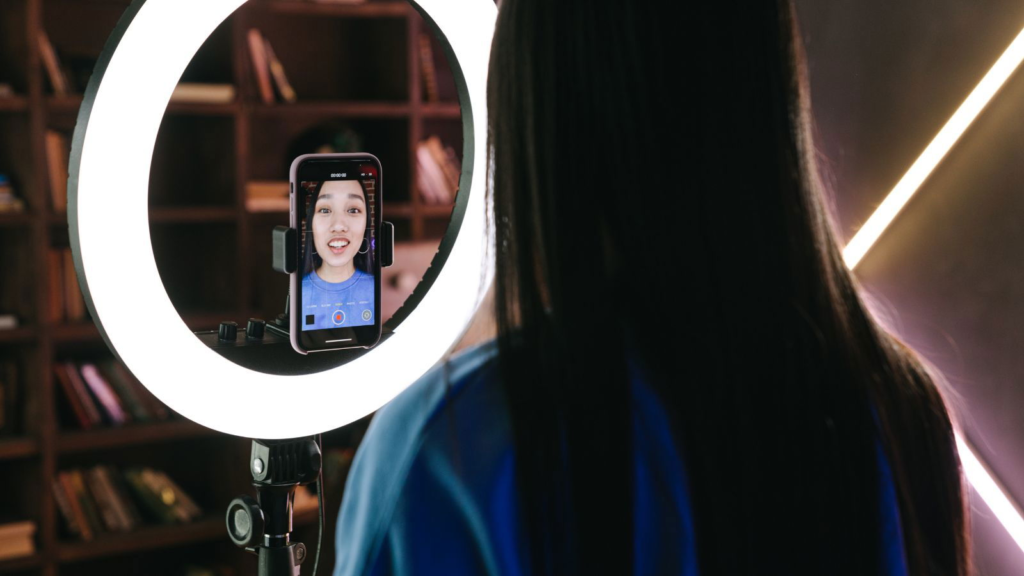
Meta has introduced a new programme aimed at accelerating creator growth on Facebook, as competition for creator attention intensifies across platforms. Dubbed “Creator fast track”, the initiative offers selected creators increased reach on eligible Reels, alongside three months of guaranteed monthly payouts. The move is designed to attract established creators who are either new to Facebook or looking to rebuild their presence on the platform. According to Meta, creators with at least 100,000 followers on platforms such as Instagram, TikTok or YouTube can earn US$1,000 per month under the programme. Those with more than one million followers on at least one platform can receive up to US$3,000 monthly. Don’t miss: Is bigger no longer better in the APAC influencer scene? Participants will also gain immediate access to Facebook’s content monetisation tools, allowing them to continue earning beyond the three-month programme window. The launch comes as Meta ramps up its investment in the creator economy. In 2025, Facebook paid nearly US$3 billion to creators through its monetisation programmes, marking a 35% year-on-year increase and its highest annual payout to date. Reels accounted for 60% of total creator payouts, while the remaining earnings were driven by Stories, photos and text posts. Meta added that the number of creators earning more than US$10,000 annually on the platform has grown by over 30% year-on-year. Beyond payouts, Meta is also updating how creators measure performance. New metrics introduced under Facebook’s monetisation programme include “qualified views”, which determine earnings eligibility, and “earnings rate”, which estimates revenue per 1,000 qualified views. The platform will also provide a breakdown of non-qualified views to help creators better understand performance gaps. Meta has simultaneously been focused on improving the quality and authenticity of content on Facebook. Over the past year, the company has cracked down on spammy content and impersonators, aiming to make Feed and Reels more relevant and rewarding for original creators. Views and watch time for original Reels roughly doubled in the second half of 2025 compared with the same period in 2024, demonstrating the impact of prioritising original content. Content guidelines have been updated to clarify what counts as “original”, emphasising that creators must contribute meaningful value rather than making minor edits or re-uploading others’ posts. Meta is also rolling out new tools to help creators protect their work and report potential impersonators, giving them greater control over their content and helping them grow their following. Accounts posting primarily unoriginal content risk being deprioritised or demonetised, though creators can appeal originality decisions through the platform’s Professional Dashboard. The move underscores Meta’s broader push to position Facebook as a viable monetisation hub for creators, particularly as rival platforms continue to compete aggressively for talent and content. For instance, Chinese social media platform Xiaohongshu was reported in January to be testing an invite-only feature allowing creators to offer paid content. The pilot targets visual artists, who can charge for high-resolution, watermark-free files, as well as long-form writers who can place part of their content behind a paywall. To qualify, creators must have at least 100 followers, maintain a clean compliance record over the past 90 days, and complete real-name verification. Eligible posts must also be public, downloadable, and labelled as original. Be part of #Content360 Singapore, 22–23 April 2026, where creativity and culture collide. Explore how AI-driven storytelling is shaping the future of content, gain practical insights, discover new tactics, and learn how the best in Asia are creating campaigns that truly resonate.  Related articles:Instagram marks 15 years with a renewed focus on creators and creativity   Tokopedia, TikTok Shop rally sellers and creators at Indonesia Summit 2026   Travel creators cash in as Agoda launches new ambassador programme      source

Got 100k followers? Meta will pay you to post on Facebook Read More »
Agency Agenda: WPP Media's Arshan Saha on navigating change and transformation

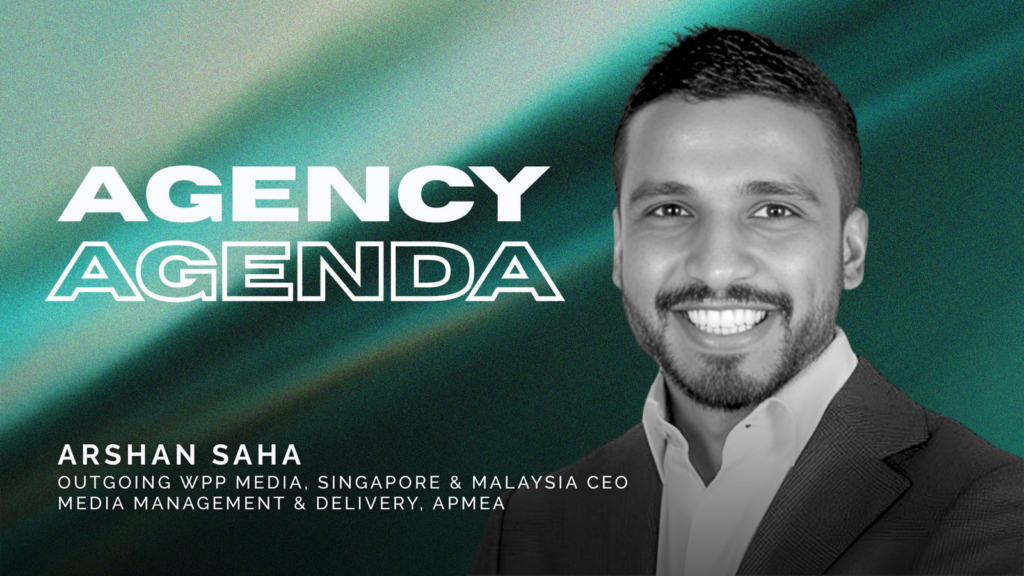
*Disclaimer: This interview was recorded two months prior to Arshan Saha’s resignation. In the face of sweeping change across the advertising industry, outgoing WPP Media Singapore and Malaysia CEO, Arshan Saha was clear-eyed about the challenges, and equally resolute about the path forward. Speaking on Marketing Connected’s Agency Agenda, prior to his resignation from the company, Saha reflected on a period marked by consolidation, leadership shifts and evolving client demands. But rather than viewing it as a company-specific challenge, he frames it as an industry-wide reset. “The reality of that ecosystem from 10, 20 years ago, and the industry itself, has changed significantly,” he said. “It’s not about WPP alone. It’s about the ecosystem— our clients, consumers, the way consumers are consuming content, media— it’s all changed.” Don’t miss: Agency agenda: Tony Harradine outlines Omnicom Media APAC’s post-deal planCatch the full convesation here:  That shift has driven the need for transformation across holding companies, including WPP. For Saha, the past 24 months had been among the toughest in his career, but also the most defining. “It’s been tough, not just for me, but I think for everyone,” he admitted candidly. During his time there, Saha had been focused on translating WPP Media’s transformation into tangible outcomes on the ground. He pointed to a “clear definement of strategy vision” that is already taking shape, with efforts now centred on scaling and execution. “We’re seeing that every day already, whether its through clients resonating with the output we’re delivering, or clients looking at our strategy and saying— ‘this is what we’ve been looking for’,” he said. A key part of this agenda is staying deeply rooted in local market realities, ensuring that strategies are not just globally aligned, but tailored to the nuances of Singapore and Malaysia. Central to that vision is doubling down on areas such as content, commerce and technology, particularly in markets like Malaysia where “content commerce is a definement of the culture.” Saha highlighted years of investment in creator-led capabilities, automation and workflow optimisation as starting to pay off, forming what he sees as the “future currency of a consumer mid-market.” Ultimately, for Saha, navigating transformation is not just about strategy or structure, it is about belief in the work itself. “There is going to be disruption. There is going to be chaos. But nothing comes easy.” Also tune into the conversation on any of your fave podcast platforms:  Tune into the rest of this conversation on your favourite podcast platforms, by searching up Marketing Connected. For all the visual people out there, we’ve got your back as well, with our vodcasts on YouTube. Related articles: Agency agenda: Amrita Randhawa talks acquisitions and Publicis’ AI playAgency agenda: Ogilvy ASEAN CEO Kunal Jeswani on his 3 big bets for 2026Agency agenda: Sir Martin Sorrell says ‘Data is not the enemy of creativity’ source

Agency Agenda: WPP Media's Arshan Saha on navigating change and transformation Read More »

FTI Consulting names MD to strengthen strategic comms in SEA

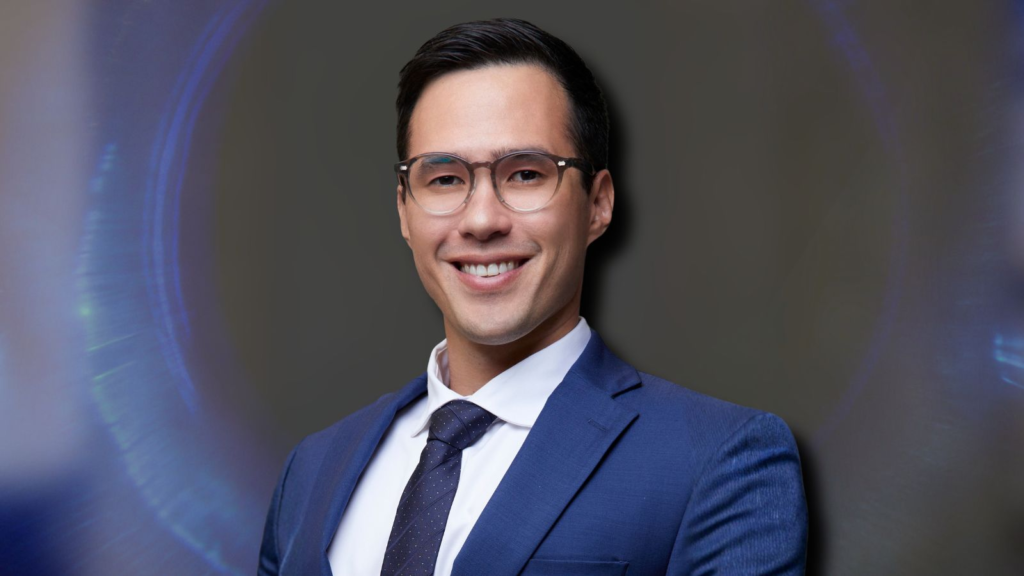
FTI Consulting has appointed Kainoa Blaisdell as managing director within the strategic communications segment, part of the firm’s global financial communications and special situations practice. Blaisdell rejoins FTI Consulting from Sandpiper where he was APAC financial practice lead. Previously managing director in FTI’s strategic communications practice, Blaisdell returns to guide the firm’s growth in Southeast Asia during a period of increasing demand for sophisticated corporate and event-driven communications. His remit spans corporate messaging, reputation management, and advisory services for private markets, with a particular focus on transactions, restructurings, litigation, and crisis communications. Blaisdell will also focus on supporting the further build-out of FTI’s capabilities and senior advisory bench, as well as for various event-driven mandates in the region. This comes as the industry is seeing a significant uptick in demand from the private market space for sophisticated stakeholder engagements in Asia Pacific. Don’t miss: Sandpiper names new deputy general manager for HK Other roles he’s held in the past include vice president of Teneo, senior researcher, head of Asia Pacific content at Preqin and financial journalist at Mergermarket, according to his LinkedIn. In conversation with MARKETING-INTERACTIVE, Blaisdell said that the unique strength of FTI’s multidisciplinary platform is what drew him back to the firm. “In the current market, where clients operate in an increasingly uncertain and complex business environment, good advice cannot be given in a vacuum,” he said. Additionally, FTI is one of the few places where strategic communications sits alongside other market-leading practices in corporate finance, forensic and litigation consulting, technology and economic consulting. “Having access to that level of technical depth across the firm allows us to provide clients with a 360-degree advisory offering that other firms simply cannot match. Rejoining as a managing director is a natural step to leverage this global infrastructure during a very active time for the firm,” he shared. Across Asia Pacific, businesses are facing increasingly complex and high-stakes challenges, creating a shift in demand toward more specialised advisory services. Rather than relying on generalist communications support, clients are seeking experts who can navigate the intersection of law, finance, technology, and reputation. “In an increasingly high-stakes, multi-stakeholder environment, a well-crafted message and tactical execution are no longer enough. It must be underpinned by ever more rigorous technical analysis and sector-specific knowledge. This is where you can really bring value to client relationships and help shape better outcomes,” he explained. Commenting on his appointment, Tom Evrard, senior managing director and head of Southeast Asia strategic communications at FTI said that he is delighted to bring Blaisdell back into the firm. “Blaisdell’s return reinforces our commitment to continue expanding our advisory offering and providing world-class counsel to clients facing transformational events across the Asia Pacific region,” added Evrard. The appointment signals FTI’s push to deepen its strategic communications practice in Southeast Asia, reflecting growing demand for consultancy services that integrate corporate storytelling, crisis preparedness, and reputation management. It also follows a series of senior hires in the firm, including Joshua Baca, Dan Scorpio and Heather Wilson who have all joined as senior managing director within the strategic communications segment earlier this year. Be part of #Content360 Singapore, 22–23 April 2026, where creativity and culture collide. Explore how AI-driven storytelling is shaping the future of content, gain practical insights, discover new tactics, and learn how the best in Asia are creating campaigns that truly resonate.   Related articles:   DBS’ Karen Ngui relinquishes strategic marketing and communications role Sandpiper launches Sandpiper Financial with senior hires   FTI Consulting hires Seulah Han to bolster strategic communications team  source

FTI Consulting names MD to strengthen strategic comms in SEA Read More »

Levi’s bets on ROSÉ to keep its denim cool and culturally fluent

Levi’s is doubling down on star power, this time with a name that already commands both fandom and fashion credibility. The denim giant has inked a multi-year global partnership with ROSÉ, marking its latest move to anchor the brand deeper within music and youth culture. The collaboration brings together Levi’s long-standing positioning around individuality with ROSÉ’s distinct blend of rock-infused style and global appeal. Best known as a member of BLACKPINK and a successful solo act, ROSÉ has built a reputation for her personal aesthetic and cross-cultural influence. The partnership is expected to support Levi’s ongoing push to expand its women’s category, while tapping into her reach across Asia and beyond. The announcement builds on Levi’s recent work with ROSÉ in its “Behind every Original” campaign, which debuted during the Super Bowl. As part of the latest rollout, the brand has released a dedicated “Backstory” feature spotlighting her creative journey and inspirations. Don’t miss: From fame to fit: What brands need for the perfect ambassador Levi’s has also been weaving the partnership into live moments. During BLACKPINK’s recent performances in Tokyo, ROSÉ appeared in custom Levi’s ensembles, featuring hand-finished details and premium materials. The looks are now being extended into retail, with one of her stage outfits on display at the Levi’s Harajuku store, giving fans a closer look at the craftsmanship behind the pieces. More is expected to follow. An exclusive product collaboration is slated for release later this year, translating ROSÉ’s personal style into wearable Levi’s pieces aimed at fans looking to channel her aesthetic. In APAC, the brand is also leaning into fandom mechanics. Members of its Red Tab programme will be able to receive an exclusive ROSÉ photocard set tied to the campaign, adding a collectible layer to the partnership. MARKETING-INTERACTIVE has reached out for more.  The move also sits within a broader strategy by Levi’s to double down on influential female voices across markets. In September last year, the brand named Alia Bhatt as its global brand ambassador, as it leaned into the rise of relaxed fits, wide-leg silhouettes and reimagined denim staples for women. The partnership saw Bhatt fronting collections that blend contemporary styling with Levi’s heritage codes. Earlier, in October 2024, Levi’s tapped Beyoncé for its “REIIMAGINE” campaign, following the release of Cowboy Carter and its track “LEVII’S JEANS”. The campaign reworked some of the brand’s most recognisable ads through a modern lens, led by filmmaker Melina Matsoukas. That collaboration extended into August 2025 with the final instalment, “The denim cowboy”, which brought together previous campaign chapters while introducing pieces from the Beyoncé x Levi’s collection. The film reinforced themes of empowerment and cultural reinvention, positioning denim not just as a product, but as a storytelling vehicle. Be part of #Content360 Singapore, 22–23 April 2026, where creativity and culture collide. Explore how AI-driven storytelling is shaping the future of content, gain practical insights, discover new tactics, and learn how the best in Asia are creating campaigns that truly resonate.  Related articles:  Denim, reimagined: How Levi’s buttons down the sale through tailored retail experiences  Levi’s celebrates 30 years of Toy Story with limited-edition collection   Levi’s goes on tour with 88rising to spotlight SEA talent and summer fits    source

Levi’s bets on ROSÉ to keep its denim cool and culturally fluent Read More »

Can Penguin's playful flock carry the brand into the digital age without losing soul?

Penguin has introduced a new flock of feathered friends. As part of its latest visual identity refresh, the publisher has unveiled the “Playful Penguins”, a new suite of illustrations designed to bring fresh personality and flexibility to one of publishing’s most recognisable brand icons. Rather than updating the mascot with a single new look, the brand has created a modular “kit” of penguins in different poses and scenarios. The characters can be mixed and matched across campaigns, seasonal moments and social initiatives, jumping, strutting, dancing and, of course, reading. The move builds on a long tradition. Since Edward Young first sketched Penguin’s original bird for the brand’s launch in 1935, generations of art directors have interpreted the character in their own way, creating what has been described as a rich archive of “dignified yet flippant” penguins. According to the brand, the new characters aim to carry that spirit forward while giving the brand a more adaptable visual system for modern marketing touchpoints. Don’t miss: Do brand mascots still matter in 2026?  Still, when a brand with nearly a century of design heritage gives its iconic mascot a refresh, it rarely goes unnoticed. For many branding professionals, Penguin’s latest refresh feels both timely and thoughtful. Nafe Tong, chief creative and brand strategist at branding agency ABrandADay, described the redesign as “on point and on time”, particularly in a world where brands increasingly need visuals that can travel easily across screens, platforms and contexts. “What stands out is how it retains Penguin’s unmistakable UK heritage through its illustration style while feeling friendly, contemporary, and versatile enough to live across every platform and occasion,” he said, adding that the system subtly signals the publisher’s evolution beyond just physical books. That balance between heritage and modernisation is no small feat for a brand whose identity has been shaped by nearly a century of design history. Jeffrey Lim, managing director at creative branding agency 8traordinary, said the refresh succeeds in walking that tightrope. “One of the hardest questions in rebranding a beloved time-honoured institution is how to retain its history, legacy and heritage while transforming it in a way that feels modern and relevant,” he said, adding:  The Penguin team behind this refresh has done a fantastic job in embodying what the brand has long stood for — creativity, imagination and the joy of reading. At the same time, the introduction of a more expressive visual language gives Penguin room to evolve its storytelling. Lim noted that the new system opens the door for more creative extensions, including deeper engagement with readers and illustrators who could help shape the wider “Penguin world”. A penguin with a purpose Beyond aesthetics, the modular nature of the Playful Penguins also caught the attention of branding experts. By designing the penguins as a flexible set of poses and props, the brand has created a character system that can adapt across campaigns, moments and messaging without losing recognisability. According to Tong, this kind of approach is increasingly valuable in today’s marketing environment. “A modular character system like this gives Penguin the flexibility to respond to campaigns, cultural moments, and different audiences without reinventing the brand each time,” he said, adding that it allows the mascot to feel less like a static symbol and more like a living part of the brand. Others see even greater potential for the penguin beyond illustration alone. Edwin Tan, creative director at brand consultancy Bravo, said the move highlights an opportunity Penguin has long had but only recently begun to explore. For a brand literally named after the animal, he noted, the penguin itself could become an even stronger brand asset. “The character could easily extend into animation, digital spaces, or even live action,” he said, adding that as reading increasingly competes with streaming, gaming and social media, bringing the brand into those environments could help Penguin meet audiences where they already are. Still, refreshing an icon comes with its own set of challenges. Jacopo Pesavento, CEO of Branding Records, pointed out that Penguin’s mascot carries a certain weight, making any change likely to spark debate. What works in the redesign, he said, is that it doesn’t attempt to replace the original symbol but instead builds on it. “Turning a static symbol into a set of characters feels like a smart way to make the brand more expressive across campaigns and platforms,” he said. However, he cautioned that the true test would lie in how the system is used over time. While the new penguins open up more playful and culturally responsive storytelling opportunities, overuse could risk diluting the simplicity that made the original icon so powerful.  “The real question isn’t whether the redesign works today, but whether Penguin can use this system with discipline,” Pesavento said. Done right, he added, it could turn one of publishing’s most iconic symbols into a storytelling powerhouse. Photos courtesy of Penguin Random House UK on LinkedIn.  Be part of #Content360 Singapore, 22–23 April 2026, where creativity and culture collide. Explore how AI-driven storytelling is shaping the future of content, gain practical insights, discover new tactics, and learn how the best in Asia are creating campaigns that truly resonate.  Related articles: “More than a mascot”: Why the Dulux Dog still matters at 50     KL Tower unveils new mascot family as it doubles down on experiential storytelling   Ralph Lauren brings mascot to life in animated debut source

Can Penguin's playful flock carry the brand into the digital age without losing soul? Read More »

Can one purple mascot cause this much chaos?

McDonald’s Singapore is bringing one of its most recognisable mascots back into the limelight this week, pairing the return of Grimace with the launch of a purple-themed treat that’s already generating buzz online. The campaign, created in collaboration with Leo Burnett Singapore, kicked off last weekend when Grimace “took over” McDonald’s social media, posting a series of blurry selfies. The selfies were posted with strange captions such as “I loveee shake do u”, “skateboarding is my passion. did you knowww I can land a sick kickflip” and “it grimace. I have bigg thumbs so sometimes there r typos.” The lighthearted, chaotic content immediately caught fans’ attention, signalling that the purple mascot was making a comeback. Don’t miss: Burger bosses take the beef straight to social after McDonald’s CEO’s awkward bite  On Tuesday, the narrative continued with a playful Instagram teaser featuring a faux apology note which read: “Grimace, who’s visiting our office, accidentally uploaded a bunch of selfies. It’s all good, sorry for the disruption.” The caption added, “Apologies. We’ve all done it before. Anyway, who knows what else Grimace has in store? Stay tuned.” The cheeky, personable approach helped build anticipation while making fans feel “in on the joke.” In a statement to MARKETING-INTERACTIVE, a McDonald’s spokesperson said “Grimace has always been a lovable and slight clumsy character. His unfiltered selfies reflect his fun personality.”  By Wednesday, McDonald’s extended the campaign into the real world. About 30 Grimace statues of various sizes appeared outside the Bugis Junction McDonald’s, giving fans the chance to snap photos with the character. The statues also featured QR codes where fans can scan to get vouchers for their next McDonald’s meal. Grimace himself also made in-person appearances, interacting with fans and creating shareable moments that bridged the gap between digital and physical experiences. Yesterday, the excitement reached its peak with the official reveal of two major offerings: the global-hit Grimace Shake and the return of the creamy mushroom cheeseburger. The Grimace Shake, a creamy purple beverage inspired by the character’s signature colour, cements the mascot’s central role in the campaign. Alongside the new menu items are Grimace themed merchandise including a plushie, a tumbler and a puffer bag among others. In addition, out-of-home placements, including Grimace-themed buses circulating across Singapore as well as a fan-exclusive launch party at its Grimace-themed Kallang restaurant further amplified awareness. “The excitement for the Grimace Shake and our whole suite of Grimace merchandise brings a sense of nostalgia while creating fun, social-first experiences not just for long-time fans, but also for Gen Z fans,” said the spokesperson. “Every touchpoint was designed to create moments fans could truly be part of, whether they grew up with Grimace or are discovering him for the first time. It’s all about celebrating Grimace’s quirky charm in a fresh, relevant way that sparks both connection and shareability,” added the spokesperson.  Grimace, long a staple of McDonaldland alongside Ronald McDonald and Hamburglar, has recently experienced a renaissance through viral online trends. His latest spotlight builds on McDonald’s Singapore’s previous character-led campaigns. Last year, Singapore fans got a first look at the McDonaldland Crew in a limited-time tour featuring Grimace, Hamburglar, and Birdie. The campaign teased the crew on Instagram with partially revealed images and short clips, ahead of a December 2025 music festival and exclusive merchandise rollout. The McDonaldland Crew music festival was later held from 12 to 14 December at Plaza Singapura and offered meet-and-greets, interactive zones, and live performances from local musicians. Fans could also collect limited-edition items such as pocket pouch blindboxes, sticker sheets, and themed phone straps, while MyMcDonald’s Rewards members could redeem points for special collectibles. New menu items complemented the festivities, including the cheesy jalapeño quarter pounder and chicken burger, truffle cheese McShaker fries, and desserts such as a cookies and cream pie with OREO crumbs and a tropical mango and pineapple cone, sundae, or McFlurry.  Be part of #Content360 Singapore, 22–23 April 2026, where creativity and culture collide. Explore how AI-driven storytelling is shaping the future of content, gain practical insights, discover new tactics, and learn how the best in Asia are creating campaigns that truly resonate.  Related articles:     Loyalty marketing gets cute with plushie strategy Was the McDonald’s CEO’s Big Arch burger bite just a big act? McDonald’s SG takes over mornings with music-fuelled McGriddles fest   source

Can one purple mascot cause this much chaos? Read More »

Nord Anglia Education unifies regional media operations in Asia

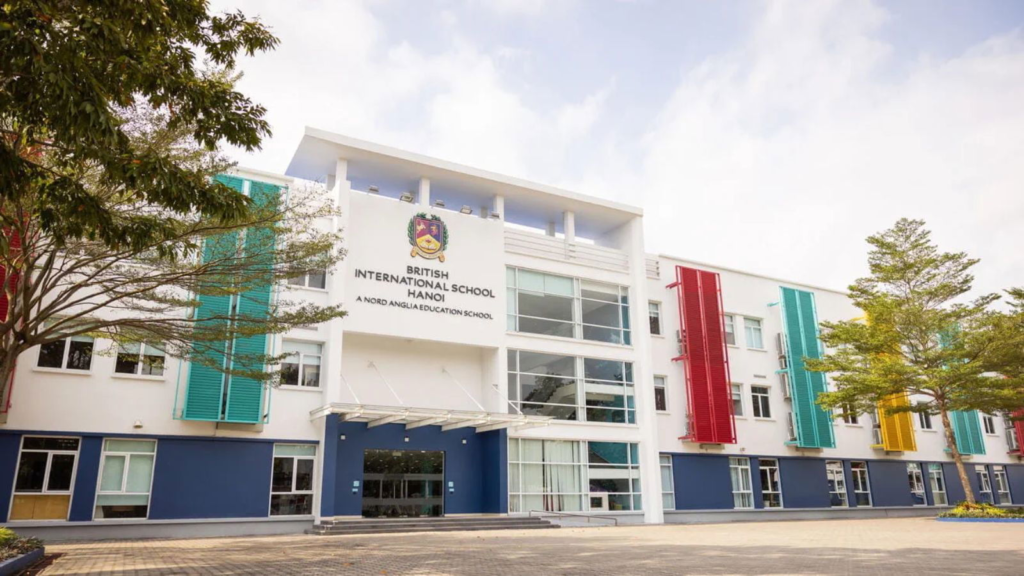
Nord Anglia Education has appointed Omnicom Media (OM) Vietnam as its media agency of record in Asia, covering integrated media strategy, planning, and buying for 19 schools across Thailand, India, Singapore, Indonesia, Malaysia, and Uzbekistan. The move comes after a competitive pitch and signals a shift from school-level media operations to a centralised regional hub in Vietnam. OM Vietnam will deliver a unified media strategy across the region, marking its first major engagement in the international education sector. The appointment also broadens OM Vietnam’s Asia Pacific portfolio, which includes blue-chip clients such as Apple, Beiersdorf, Kimberly-Clark, and Mercedes-Benz. Don’t miss: Agency agenda: Tony Harradine outlines Omnicom Media APAC’s post-deal plan Nord Anglia operates 89 schools in 37 countries, educating over 100,000 students. Its curriculum focuses on academic excellence, creativity, wellbeing, resilience, and global connectedness, preparing students with skills for a rapidly changing world. “This is an exciting new chapter for both Nord Anglia and OM Vietnam. Moving to a centralised regional model will enable greater strategic alignment and efficiency in our media investments,” said Arjun Green, regional head of digital SEA and India at Nord Anglia Education.  He added, “OM Vietnam demonstrated the passion, flexibility, and capabilities needed to manage multimarket campaigns and drive qualified leads for our schools.”  In tandem, Julien Courant, chief operating officer at OM Vietnam, said, “We are proud to partner with Nord Anglia, a global reference in premium education. With schools across Asia and a strong ambition for growth, this collaboration allows us to combine local market expertise with regional connected capabilities to deliver impactful, performance-driven media strategies that are designed to drive transformative growth for our clients.” This win comes as OM continues to expand its global media footprint. Last week, Dyson appointed the agency to handle its global media planning and buying, following a competitive pitch last year. The account is managed through a cross-agency model, leveraging multiple Omnicom media brands with a focus on data, identity solutions, and advanced analytics. The collaboration aims to advance Dyson’s media transformation strategy by strengthening technology integration, sharpening audience targeting, and accelerating time-to-market. The business was previously with IPG Mediabrands, which has since been integrated into Omnicom’s wider media operations following the acquisition of Interpublic Group last year. Related articles: KFC Vietnam picks new media agency   Coach and Kate Spade conclude global media pitch    Estée Lauder concludes global media pitch   source

Nord Anglia Education unifies regional media operations in Asia Read More »

Have you seen KitKat's life-sized F1 racecar?

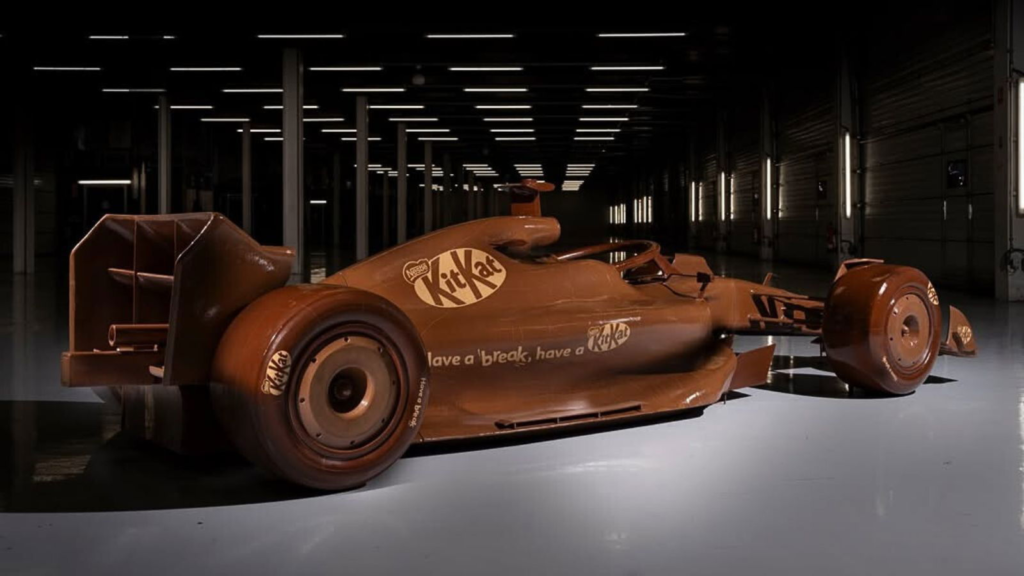
KitKat has taken its famous “Have a break” message to the fast lane, revealing a life-sized, hand-crafted chocolate Formula 1 car at the Silverstone Circuit. Measuring at five metres long, two metres wide, and weighing 350kg (the equivalent of more than 16,900 two-finger KitKats) the car was meticulously crafted over 1,254 hours by master chocolatier Jen Lindsey-Clark. Every detail, from the aerodynamic front wing to the iconic rear spoiler, was rendered with precision. Don’t miss: Is Formula 1 the right track for Disney’s Gen Z ambitions?  Scott Coles, managing director for Nestlé Confectionery UK and Ireland said the chocolate racing car was built as a tribute to the precision of the sport and the playfulness of the brand. “We’re not just showing up at the track, we’re also bringing the thrill of the race to supermarket aisles, making every F1 break part of the fan experience,” he added.  The giant car also signals the launch of KitKat’s limited-edition miniature replica, which features a milk chocolate shell, chocolatey filling, and embedded crispy cereal pieces. Earlier in January this year, KitKat unveiled the miniature replica at major retailers in Australia to kick off the Australian Grand Prix. The 29g product marks the first time KitKat has created a chocolate format specifically tied to F1. On top of miniature replicas, fans in Australia and New Zealand were treated to in-store activations, exclusive merchandise and prize promotions.  In a statement, Nestlé general manager confectionery and snacks Andrew Lawrey said the partnership reflects a broader push to invest behind the company’s biggest global brands. “Our partnership with Formula 1 shows how we’re investing at scale behind KitKat and creating experiences that go beyond the shelf,” Lawrey said. Beyond Australia, the partnership will extend across selected Grands Prix worldwide, supported by fan zones, trackside branding, digital content and placements across Netflix’s Formula 1: Drive to Survive.  Be part of #Content360 Singapore, 22–23 April 2026, where creativity and culture collide. Explore how AI-driven storytelling is shaping the future of content, gain practical insights, discover new tactics, and learn how the best in Asia are creating campaigns that truly resonate.  Related articles:   KitKat breaks into Formula 1 with world-first chocolate car and major Australian rollout   KitKat drops plushies to turn snack time into play time Feeling kan cheong? KitKat and POP MART pack breaks into blind boxes  source

Have you seen KitKat's life-sized F1 racecar? Read More »

Omnicom Media names new global brand president for OMD

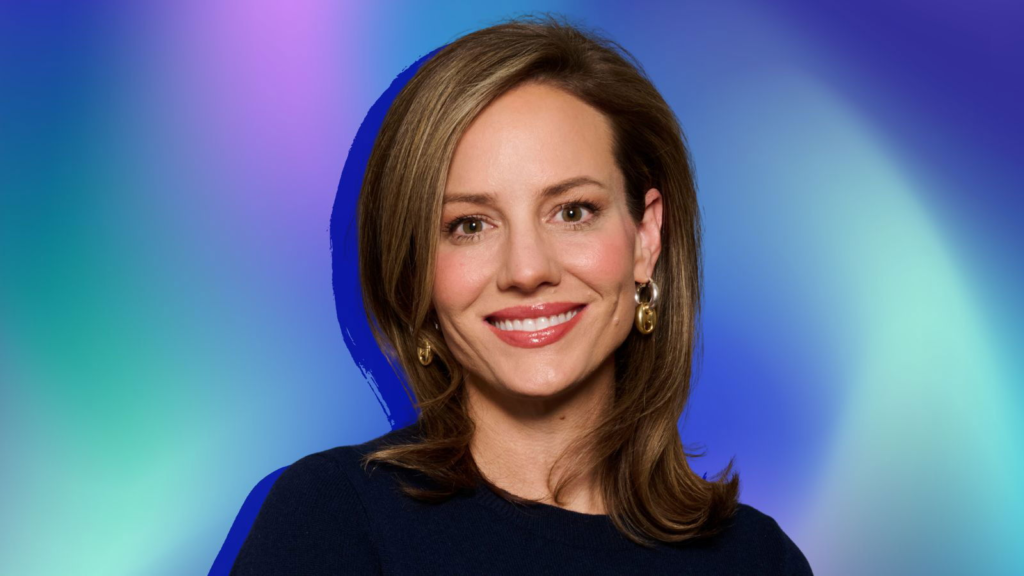
Omnicom Media has appointed Ellen Griffin (pictured) as global brand president of its media agency network, OMD, succeeding George Manas, who has moved to Omnicom as chief growth and solutions officer. Griffin most recently served as president and global chief operating officer at OMD. In her new role, which takes effect immediately, she will oversee strategy, capabilities and service solutions for the agency globally, ensuring markets are equipped with the tools, talent and technology needed to drive growth for clients, the business and its people. The role of global brand president is a newly introduced title across Omnicom Media agencies following the group’s acquisition of IPG, replacing what was previously known as the global CEO position. Don’t miss: Omnicom Media China names new COO  According to Florian Adamski, CEO, Omnicom Media, the leadership appointment reflects the network’s focus on placing practitioner-leaders in senior roles across its agencies. “George has been an exceptional steward of the OMD brand over the past four years,” Adamski said, noting that during Manas’ tenure the network strengthened its position as a leading media agency globally. Griffin joined OMD in 2018 as global innovation director and has since played a key role in evolving the agency’s operating model, talent strategy and capabilities to address the changing needs of modern marketers. She later moved into the role of global chief client solutions officer, where she helped develop customised client solutions powered by the Omni Intelligence Platform. As the agency’s first global COO, she also led the development and adoption of customised operating models across OMD’s global client base. Adamski said Griffin brings extensive experience, having led marketing transformation for clients including The Clorox Company, McDonald’s and PepsiCo. “She will ensure OMD agencies around the world fully leverage Omnicom Media’s strengths in scale, data, identity, commerce and talent to unlock growth for our clients.” Griffin takes on the role at a time when the marketing landscape continues to evolve rapidly, with platforms shifting, commerce expanding and AI reshaping how consumers discover and engage with brands. “In this environment, clients need partners who help them navigate not only the challenges they see, but the ones they do not yet recognise,” Griffin said. “By connecting insights, platforms, data and media strategy, we help clients anticipate change, unlock new opportunities for growth and act with confidence in an increasingly dynamic landscape.” The move is part of a series of leadership changes underway across the group globally. Joey Zhao, CEO of PHD China, was appointed chief operating officer of Omnicom Media China earlier this month, bringing 15 years of experience to the role. Zhao will continue to lead PHD China alongside his new group-wide responsibilities. Meanwhile, Omnicom Production has appointed Melissa Chan as its CEO for APAC, according to a post she shared on LinkedIn. She reports directly to Omnicom Production global CEO Sergio Lopez. Earlier this year, MARKETING-INTERACTIVE reported that Omnicom Public Relations would restructure its global PR portfolio following Omnicom’s acquisition of IPG. It was said that Golin and Ketchum would merge to form a single agency, while Porter Novelli will integrate as a dedicated brand within FleishmanHillard. Related articles: Laura Nice named PHD CEO as Sian Whitnall to head OMD Anwer Khan to lead OMD Malaysia as Mayank Bhatnagar steps down Omnicom’s first results post-IPG show merger costs bite, underlying performance holds source

Omnicom Media names new global brand president for OMD Read More »

Coca‑Cola gets fans jumping with its FIFA World Cup 2026 anthem

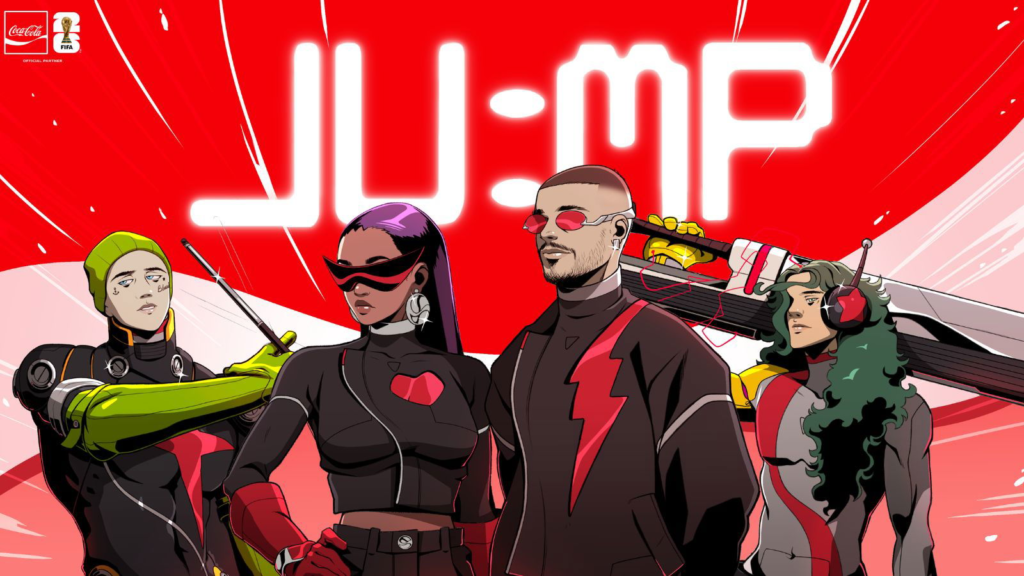
For decades, The Coca‑Cola Company has blended music, culture, and sport to create anthems that unite fans around the world. Continuing that legacy through its global music label Real Thing Records (RTR), Coca‑Cola has released a bold new anthem for FIFA World Cup 2026: a reimagined version of Van Halen’s iconic 1980s hit Jump, performed by global superstar J Balvin, singer-songwriter Amber Mark, guitarist Steve Vai, and drummer-producer Travis Barker. The track was released via RTR in partnership with Capitol Records. Honoring the original’s signature synths and explosive guitar work, the new version injects modern production and textures, creating a stadium-ready sound that captures the energy and passion of football’s biggest stage. The track was first teased in Coca‑Cola’s “Bubbling up“ campaign earlier this year. Don’t miss: How Coca-Cola turned the FIFA trophy tour into a Malaysian fan experience Accompanying the release is a vibrant animated music video, art directed by McFlyy, which premiered on MTV Live, MTVU, and Paramount’s Times Square billboards. The video features animated versions of the performers alongside a special appearance from football sensation Lamine Yamal, blending music, sport, and digital art into a genre-bending visual experience. Timed for the FIFA World Cup 2026 buildup, Jump celebrates the tournament’s emotional highs and lows, echoing Coca‑Cola’s history of memorable World Cup anthems, including K’naan’s Wavin’ flag (2010), Jason Derulo’s Colours (2018), and a reimagining of Queen’s “A kind of magic” (2022). Coca‑Cola has been an official FIFA World Cup sponsor since 1978.  “Music for me has always been about bringing people from different countries and cultures together—and Jump is all about that shared energy,” said Balvin. “From the football stands to watching at home, everyone knows that moment when emotions are high and you’re jumping for greatness. Partnering with Coca‑Cola on their anthem for FIFA World Cup 2026TM felt natural— it’s about hype, energy, and creating something that feels real. This song is about celebrating life and living in the moment.”  In tandem, Mark said that approaching Van Halen’s Jump came with “a lot of respect”. “It is one of those rare songs that transcend generations. Being able to honour the original while bringing a modern perspective was incredibly special. I hope fans feel that energy for years to come,” she said.  Joshua Burke, head of global music and culture marketing at Coca‑Cola, said Jump captures the shared highs and lows that unite fans everywhere. Partnering with Balvin and Mark was also an obvious choice as they bring passion, authenticity, and energy to everything they create, he added.  Coca-Cola first launched RTR in July 2025. Created in partnership with Universal Music Group, RTR moves the brand beyond sponsorship and collaboration, allowing Coca‑Cola to take an active role in artist development while creating culturally resonant music experiences for fans worldwide. The label has already signed artists such as French-New Zealand singer-songwriter Max Allais and Indian singer-songwriter and producer Aksomaniac, reflecting its genre-agnostic, globally minded approach. Be part of #Content360 Singapore, 22–23 April 2026, where creativity and culture collide. Explore how AI-driven storytelling is shaping the future of content, gain practical insights, discover new tactics, and learn how the best in Asia are creating campaigns that truly resonate.  Related articles:   FIFA names exclusive commercialisation partner for World Cup 2026 in the Philippines Coca‑Cola gets fans bubbling ahead of FIFA World Cup 2026  Coca-Cola fuels World Cup 2026 buzz with FIFA Trophy Tour in Indonesia   source

Coca‑Cola gets fans jumping with its FIFA World Cup 2026 anthem Read More »