marketing interactive

DIA Group appoints Samir Dixit as new managing partner for Malaysia

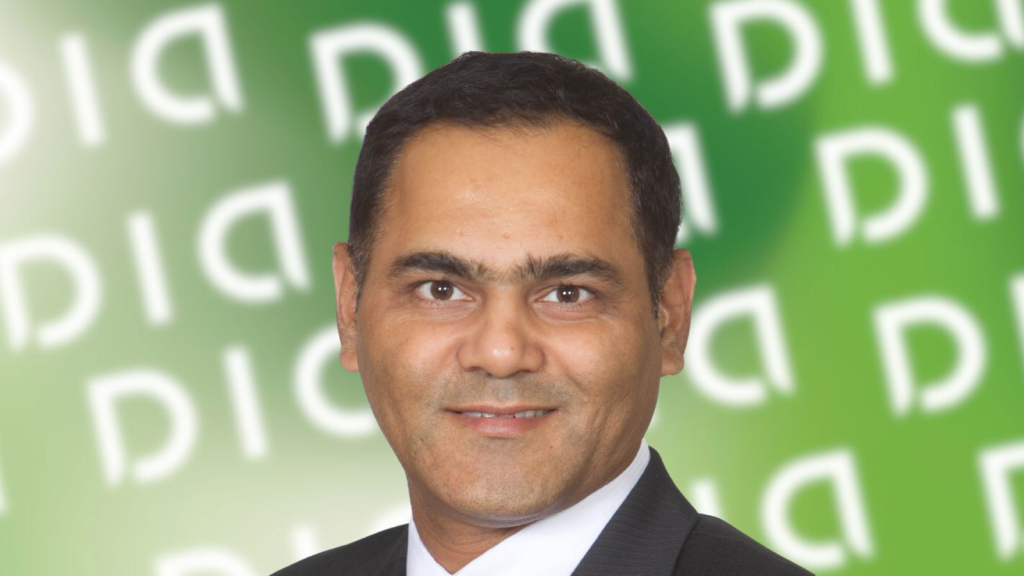
DIA Group has appointed Samir Dixit as managing partner for DIA Malaysia, signalling a renewed focus on connecting brand strategy with measurable business outcomes. The firm aims to reinforce its 30-year legacy of creative excellence while ensuring that its strategic work translates directly into enterprise value and business growth. Dixit told A+M, that he has relocated to Malaysia, and has been based there since late July. He has also been the COO for DIA Brands since 2022, and will continue to hold the role alongside his new managing partner designation. “It’s currently a combined role overseeing DIA Malaysia, but over time we will review the need for another senior hire.” “For now, we are looking to get our direction down, and build our capabilities and strengths. That has always been there, but we want to build it to the next level,” he said.  The announcement of Dixit’s appointment comes after news of DIA’s managing director Sutapa Bhattacharya, departing from her role, after spending three years at the consultancy. Don’t miss: DIA Brands’ managing director Sutapa Bhattacharya steps down Over the past year, DIA reviewed its offerings and concluded that the market’s expectations had shifted beyond traditional “brand-only” strategy. Rather than follow the industry trajectory, DIA is doubling down on its founding promise of “Creating business advantage” by linking brand strategy explicitly to clients’ business KPIs. The firm’s approach integrates management consulting rigor with creative solutions, ensuring strategies convert into experiences defined by both brand excellence and financial performance. “I will be focused on growing the business, its offerings, and products, as well as deepening client relationships. We want to play a meaningful role for our clients, to go above and beyond what other agencies can do for them,” Dixit shared. “The big change that we have been driving and will continue to drive, is to turn brands into business enablers. Currently, many view it as a mere communications tool, and we’ve identified a gap there.” Dixit will also continue holding his role as global head of Acorn Management Consulting, the management consultancy arm of Acorn Research. He brings global experience across four continents, spanning value-creation programs, growth strategy, operating models, and M&A. Prior to this, he’s worked at valuation firm Brand Finance as the managing director for APAC, and director and chief strategist at Bizolutions in Singapore. Dixit also spent six years at Standard Chartered Bank, four of which were spent as the global brand controller for marketing and communications. He also has advertising experience, with stints at Publicis Groupe and Ogilvy & Mather.  “DIA believes that brand strategy must measure up to business KPIs and translate brand investments into case studies that can deliver to board level, CFO and consumer level expectations. If we truly understand our clients’ businesses, and derive insights that open opportunities for business growth, we can effectively contribute to their brand and business success,” said Nigel Smith, CEO, DIA Group. He added that Dixit’s decades of experience across management consulting, valuation advisory, and leadership would help bridge the C-suite agenda with brand strategy. Yesterday, A+M reported that Sutapa Bhattacharya, the managing director for DIA Malaysia, left her role in August. Bhattacharya joined DIA Brands from Tenaga Nasional, where she was the GM, strategic communication and branding. At DIA Brands, she led several notable branding projects, including work for Malakoff and IJM Corporation.  When asked about her next steps, Bhattacharya said: “For now, I am taking a pause and considering different roles and options before me, but also dabbling in a few projects of my interest.” Accelerate your brand’s growth with AI-first strategies, emerging tech and data-driven experiences. Join the industry’s leading marketers at Digital Marketing Asia 2025 Malaysia on 30 October to uncover transformative trends, real-world wins and powerful ideas for 2025 and beyond Related articles:DIA Brands brings on board new creative directorDIA Brands MY names new MD as Tania Tai steps down Tenaga Nasional’s Sutapa Bhattacharya joins DIA Brands Malaysia source

DIA Group appoints Samir Dixit as new managing partner for Malaysia Read More »

Beyond the track: How brands took pole position online at 2025 Formula 1 Singapore GP

The Singapore Grand Prix may have crowned George Russell on the Marina Bay Street Circuit, but online, a different race was underway. According to Meltwater, the 2025 weekend generated over 431,000 posts and reposts, reaching more than two billion users globally. Social activity peaked on 5 October with 138,037 posts, dominated by X at an 80.5% penetration rate. While Russell’s win and Fernando Alonso’s strong performance were widely discussed, it was Lewis Hamilton’s heartfelt tribute to his late dog that captured the most attention, surpassing one million engagement actions. The collision between Charles Leclerc and Lando Norris, meanwhile, drove the highest negative sentiment, highlighting how emotionally charged moments can both captivate and polarise fans. Moreover, McLaren’s constructors’ championship coverage reached around 13 million, outpacing conversations around Russell’s individual win. This suggests that F1 audiences increasingly respond to narratives that blend performance with personality, rather than focusing solely on race results. Don’t miss: Brands lap the city with Formula 1 activations and driver meet ups  “This year’s engagement patterns reveal that F1 audiences are increasingly drawn to moments that blend performance with personality. Beyond race results, conversations were fuelled by authentic, emotionally charged stories, some of which weren’t even about the race itself like Lewis Hamilton’s tribute to his dog,” said Mimrah Mahmood, vice president, enterprise (APAC) and partner at Meltwater Asia-Pacific. “This shows that fans are no longer just spectators of speed but participants in an ongoing narrative that values relatability and human connection,” he added.  Sponsor showdown: Who really won online? Brands that integrated themselves into the race experience saw the biggest returns, DHL was the most mentioned brand with nearly 5,245 posts. This was driven by official announcements of the “Fastest lap” and “fastest pit stop”. Owning performance metrics allowed the brand to dominate conversation organically, according to Meltwater.  Meanwhile, Aramco saw the highest reach of 22 million, fuelled by the “BOSS x Aston Martin Aramco Formula 1 team immersive experience” and “Aramco power rankings”. By pairing official race content with a high-profile fashion collaboration, Aramco maximised exposure. Out of all the sponsors, Meltwater found that Salesforce was the most engaged with around 258,000 engagement actions. This is thanks to its interactive “Driver of the day” initiative, proving that participation beats visibility alone in driving fan interaction.  Locally, Singapore Airlines stood out with the airlines emerging as the second most mentioned sponsor (2,733 posts) and ranked fifth for both reach (~8.7 million) and engagement (~83,500 actions). A boost came from Japanese band BABYMETAL, who mentioned the airline while thanking fans, demonstrating the power of authentic cultural endorsements to break local brands into global conversations. Then vs now Compared with 2024, when Pirelli led sponsor visibility with 957,000 engagements and 80 million reach, this year’s digital leaderboard shows a shift from presence to participation. Interactive campaigns and emotionally resonant content proved far more effective than static visibility alone. “Brands are recognising that visibility alone no longer guarantees impact. What matters more now, is how meaningfully they participate in the fan experience. The most successful sponsors this year weren’t just a placeholder image, but more proactive in creating moments that invited audiences to engage, share, and feel part of the story,” explained Mimrah. “For example: Salesforce’s ‘Driver of the day’ or Aramco’s tie up with BOSS, turned passive audiences into active advocates. Overall the sponsorship playbook is shifting from presence to participation, to build relationships that translate attention into long-term brand affinity,” he added.  Leading up to the race brands and sponsors had turned malls across the city into pit stops for F1 fans. Watchmaker TAG Heuer for example, celebrated its role as official timekeeper for Formula 1 with the interactive “Tone of victory” pop up that offered fans a deep dive into the brand’s racing history. At the pop up, attendees could explore iconic timepieces from the golden era of motorsport and take photos with the Oracle Red Bull Racing F1 Team Show Car. Meanwhile, Elemis’ tie up with Aston Martin Aramco offered fans a one-of-a-kind fusion of luxury skincare and motorsport, turning the excitement of the Grand Prix into a sensory experience. At the pop up, fans could explore four limited-edition Elemis x Aston Martin Aramco F1 Team skincare kits, each designed to deliver visible results fast, combining high-performance formulations with the precision of a Formula 1 team. The activation also featured the Elemis Formula-Powered Car, giving fans a photo opportunity that ties luxury skincare to racing adrenaline. The 2025 Singapore GP highlighted a clear trend: fans are no longer passive spectators. Brands that participate in the narrative — blending performance, personality, and interactive moments — win both attention and affinity. Emotional storytelling, cultural tie-ins, and gamified fan experiences are now as critical as traditional sponsorship. Related articles:  What Barilla’s Formula 1 move means for sports advertising beyond the Super Bowl  ION Orchard revs up with F1 Grand Prix-inspired activations These were the top mentioned brands during the Formula 1 2024 weekend  source

Beyond the track: How brands took pole position online at 2025 Formula 1 Singapore GP Read More »

By 2026, can agencies rewrite the playbook fast enough to survive?

A fundamental transformation is set to redefine marketing agencies by 2026. Driven by the triple pressures of AI, the growth of in-house teams, and industry consolidation, agencies are being compelled to embrace automation and creator-led strategies while pursuing riskier revenue models. According to a Forrester report, this fight for survival may come at the cost of their traditional role as dedicated client advocates. Don’t miss: Forrester: Wave of agency reviews, consolidation predicted for 2026 This shift is manifesting in several key trends. The industry is bracing for a new wave of high-profile mergers and acquisitions, potentially including a blockbuster deal involving holding company dentsu. Furthermore, the practice of principal media—where agencies resell media inventory with a margin and guarantees—is going mainstream. With 81% of US B2C marketing executives planning to increase such investments for cost efficiency, Forrester predicts principal media will grow to nearly a third of total agency billings. Industry leaders such as Michael Beecroft, WPP Media North East Asia CEO, view these shifts not as threats, but as opportunities. “The move away from traditional retainers to project-based engagements, particularly in the data and technology space, is something we’ve fully embraced,” he said. Beecroft emphasised that WPP is moving beyond selling hours or charging commissions. Instead, the focus is on delivering tangible outcomes by leveraging global investments in AI. “If a client is willing to provide a specific budget for a defined outcome, then we will work to achieve that. How we structure our teams, our systems, and our processes to get there is our responsibility. This mindset allows us to be agile and responsive to client needs, ensuring that each project delivers clear value.”  This transition echoes past evolutions. Shufen Goh, president, APAC for mediasense, noted that four decades ago, David Ogilvy predicted a more personalised, data-driven approach to advertising. “Agencies took years to evolve their commercial models to meet this level of accountability,” she said. Today, AI is creating an urgency that leaves no room for a decades-long adaptation. Goh highlighted the urgent shift from charging based on spend or hours to solution-led approaches built on scalable assets, proprietary tools, and AI-enabled solutions. Balancing the algorithm with authenticity A critical question emerges: How can agencies balance the need for automation with the demand for authenticity in creator-led strategies? As agencies increasingly embedded AI to automate aspects of their services, human creativity and authenticity remain more essential than ever, Goh said. “Those that master both innovation and creativity will stay ahead, forging genuine connections and delivering measurable, lasting value.”  “New roles will emerge on both the marketing and agency sides, but until humans deploy and learn, no one has a crystal ball to predict exactly what they will be — and we don’t have four decades to change slowly,” she added.  WPP’s Beecroft said the AI revolution risks reinforcing a sea of sameness, so he believes in an agency-service approach that employs an ‘M-shaped orchestration framework.’ “This framework recognises that while AI handles repetitive and data-intensive tasks, human intelligence remains essential for the strategic, empathetic, and creative aspects. It allows us to leverage AI to go beyond mere efficiency to driving true transformation, with our human experts focusing on building genuine connections and providing strategic direction.”  With the belief that AI is not replacing human output, Beecroft said the human contribution will always be a critical part of our services, as it represents the core value agencies provide, especially in areas requiring nuanced judgment and emotional intelligence.   “This sentiment applies strongly to the world of creator marketing. Authenticity stems from genuine relationships and understanding the creator’s voice and community, which AI can assist with but not fully replicate. The combination of human and artificial intelligence ensures that our strategies are deeply authentic and resonant,” he added. Take your brand to new heights with cutting-edge AI strategies, innovative technology, and data-powered experiences. Don’t miss Digital Marketing Asia 2025 in Hong Kong on 20-21 October, where 200+ marketing leaders will explore game-changing trends, proven successes, and bold ideas shaping the future. Related articles: Forrester predictions: CMOs will relax their grip on agencies, and agencies to get even smallerForrester: Wave of agency reviews, consolidation predicted for 2026 source

By 2026, can agencies rewrite the playbook fast enough to survive? Read More »

Cloakwork channels Malaysia’s 90s nostalgia in 'Nike by you' collaboration

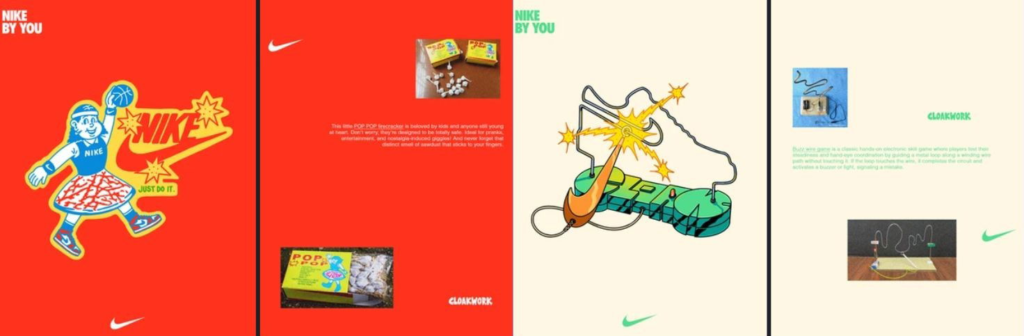
Nike has teamed up with Malaysian graffiti artist Cloakwork for a new “Nike by you” collection, marking a creative blend of global brand storytelling and local artistry. The collaboration, now available exclusively at Nike Pavilion Kuala Lumpur and launching in Singapore on 1 November, reimagines the spirit of the 1990s through a nostalgic Malaysian lens. For Cloakwork, the partnership is a “dream come true” after months of exchanging ideas with the Nike team. Drawing from his roots in graffiti and growing up in the ’90s, Cloakwork’s artwork is a tribute to the everyday objects and experiences that defined Malaysian childhoods, from vintage toys and snacks to playful, everyday icons that once brought joy to an entire generation. Don’t miss: Nike revives its rallying cry with ‘Why do it?’ campaign “This collection celebrates heritage objects that once brought joy and excitement to people’s lives. Over time, many of these beloved items have faded into obscurity,” he said in an exclusive chat with A+M. “Through this collaboration, I wanted to take people on a nostalgic journey that stirs heartfelt memories and brings back cherished moments of childhood.” The limited-edition “Nike by you x Cloakwork” series features customisable tees, tote bags, and other merchandise, adorned with bold graphics and Cloakwork’s signature bursts of colour. Each design invites fans to create their own piece of wearable art. One that fuses personal identity with Malaysia’s shared cultural memories. According to Cloakwork, the collection’s focus on localisation made the collaboration a natural fit. “Nike frequently aims to localise its branding and offerings, especially in cities with thriving art communities,” he explained. “Partnering in this way gives Nike an authentic entry point into Malaysia’s urban culture.” He added that such collaborations carry significance not only for brands but also for Malaysia’s growing creative scene. “Brands want to stay relevant while creating something exclusive that resonates both locally and globally. Collaborations like this help spotlight local talent, giving artists like us global exposure.” As a longstanding name in Malaysia’s street art community, Cloakwork hopes to see more brand partnerships that go beyond surface-level co-branding. “I hope to see more meaningful collaborations that tell a story and authentically blend the values of both the artist and the brand,” he shared. A couple of months ago, an unexpected collab emerged in Malaysia where soy dessert brand dáo teamed up with global sportswear giant adidas to launch a limited-edition apparel and merchandise collection. The collaboration, dubbed “You had us at dáo”, blended dáo’s quirky, joyful identity with adidas’ performance-driven design, proving that food and fashion can intersect in creative, culturally resonant ways. “At first, it may look like an unusual pairing, but that’s what made it exciting,” said a dáo spokesperson. “adidas stands for performance, culture and creativity, while dáo is all about joy, comfort and a sense of belonging through desserts. When we connected, we saw those shared values of authenticity and community, and knew we could create something special together.” Accelerate your brand’s growth with AI-first strategies, emerging tech and data-driven experiences. Join the industry’s leading marketers at Digital Marketing Asia 2025 Malaysia on 30 October to uncover transformative trends, real-world wins and powerful ideas for 2025 and beyond. Related articles: ‘More diversity needed in city art,’ artist Cloakwork tells A+M post DBKL mural repaint Soy meets sport with dáo’s adidas collaboration Nike pays homage to local heritage in collab with MY artist Humana source

Cloakwork channels Malaysia’s 90s nostalgia in 'Nike by you' collaboration Read More »

lululemon strikes back at founder Chip Wilson over scorned ad

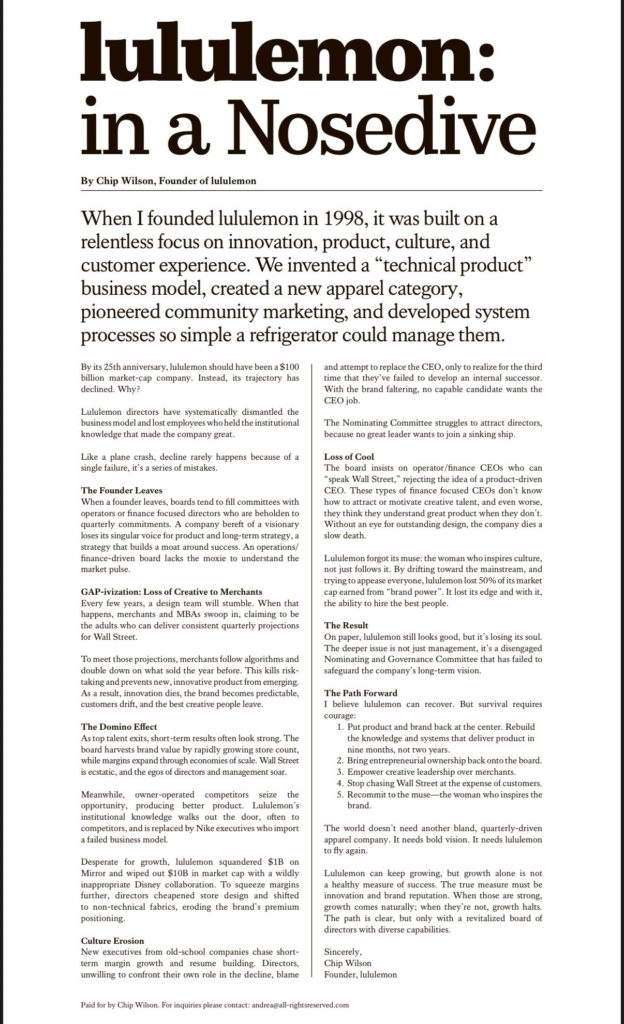
Lululemon has responded to founder Chip Wilson’s recent criticism of the brand which was made public through a paid ad placement in the Wall Street Journal. The brand has come out to state that the founder made “misleading statements” about the company. In a statement to the media, the yogawear giant said that Wilson has not been involved with the company for a decade, and continues to make “inaccurate and misleading statements about lululemon”, its history, board and leadership. The brand added that it is confident in its ability to capture meaningful growth opportunities and that its board and leadership team remain committed to acting in the best interests of the company and its shareholders. MARKETING-INTERACTIVE has reached out to lululemon for more. Don’t miss: lululemon invites runners to reconnect with the power of movement    In his paid ad placement titled lululemon: in a nosedive, Wilson said that lululemon should have been a US$100 billion market-cap company, but its trajectory has declined as “lululemon directors have systematically dismantled the business model and lost employees who held the institutional knowledge that made the company great.” Wilson likened the brand to a plane crash and criticised its shift from creative leadership to merchants. He claimed that lululemon’s directors “cheapened store design and shifted to non-technical fabrics, eroding the brand’s premium positioning,” citing an “inappropriate Disney collaboration” as a “desperate move for growth.” “lululemon forgot its muse: the woman who inspires culture, not just follows it. By drifting towards the mainstream and trying to appease everyone, lululemon lost 50% of its market cap earned from ‘brand power.’ It lost its edge and, with it, the ability to hire the best people,” said Wilson in the piece. “On paper, lululemon still looks good, but it’s losing its soul. The deeper issue is not just management; it’s a disengaged Nominating and Governance Committee that has failed to safeguard the company’s long-term vision,” he added. Wilson also shared ways in which lululemon can recover, including putting product and brand back at the centre, bringing entrepreneurial ownership back onto the board, empowering creative leadership over merchants, stopping the chase for Wall Street at the expense of customers, and recommitting to the muse. The founder’s LinkedIn post has since received positive responses in the comments from CEOs and founders of companies who agree with his perspective. Some users have also shared their experience with the brand and the quality of its products, having been long-time lululemon customers. The article was also discussed in a lululemon Reddit thread, with users agreeing with the lack of creativity in the brand’s products. Some users highlighted inconsistencies in sizing and an “out of touch” pricing strategy. This isn’t Wilson’s first public feud with lululemon. Last year, he posted on LinkedIn addressed to lululemon CEO Calvin McDonald, claiming that he is “a good CEO but lacking vision as he allows the lowest common denominator too much leeway in his decision-making.” Wilson also expressed his opposition to lululemon’s US$500 million acquisition of home fitness startup Mirror. “This massive failure represents a window for lululemon to onboard directors who understand product, brand, and the athletic marketplace,” he said. Related articles:  lululemon and Park Seo Jun encourage everyone to ‘stretch their limits’ lululemon concludes media pitch for branding and digital remit for HK, Macau and SEA   lululemon pushes back against greenwashing claims  source

lululemon strikes back at founder Chip Wilson over scorned ad Read More »

Singapore leads in AI adoption, but customer service still falls short

Singapore may be one of the most AI-forward markets in the world, but when it comes to customer service, AI is still missing the mark. According to Qualtrics’ “Consumer experience trends 2026” report, while two-thirds (68%) of consumers in Singapore believe AI will have a positive impact on society, the highest level of optimism globally, less than half (40%) trust organisations to use AI responsibly. This trust deficit, coupled with frustration over poor AI-powered service, highlights a gap between consumer expectations and real-world experiences. Don’t miss: Qualtrics bets big on AI with US$6.75bn Press Ganey Forsta acquisition Despite widespread adoption, with 73% of consumers now using AI for daily tasks, AI-powered customer support ranked among the worst-rated applications for convenience, time savings, and usefulness. Nearly one in five consumers said AI for customer service provided no benefit at all, according to the report. Even as trust in responsible AI use has ticked up slightly from 36% last year to 40%, significant concerns persist. More than half (55%) of Singapore consumers worry about losing human connection in automated interactions, while 58% are concerned about personal data misuse, both figures higher than the global average. Consumers remain clear on what they want: AI that enhances human experiences, not replaces them. Singapore customers still prefer traditional touchpoints, with 54% choosing human channels for support compared with 46% who opt for digital ones. At a time when customer insights are more crucial than ever, consumers are speaking up less. After a bad experience, only 39% of Singapore consumers share feedback directly with companies, and that drops to 36% after a good one. This decline mirrors a global trend, as Qualtrics found that 30% of consumers now stay silent after a poor experience, a nine-point increase over five years. With fewer direct feedback loops, businesses risk flying blind when it comes to understanding churn. However, customers aren’t entirely quiet, they’re just talking elsewhere. Their opinions now show up across fragmented channels such as social media, reviews, live chats, and call transcripts. The report suggests that companies that integrate these scattered “signals” with operational and behavioural data will be best positioned to act on real sentiment in 2026. While 55% of Singapore consumers still cite good value for money as a key factor in brand choice, convenience (52%) and good customer service (28%) are close behind. The report notes that consumers who choose businesses based on service quality show significantly higher satisfaction (91%) and trust (89%) than those who buy on price alone. In other words, price may bring customers in, but service keeps them there. As economic uncertainty persists, Qualtrics suggests brands move away from competing purely on cost and instead invest in delivering consistent, human-centric experiences that build lasting relationships. Consumers’ appetite for personalisation remains strong, with 79% of Singaporeans preferring tailored experiences, compared to 64% globally, but concerns around privacy are growing. Only 54% believe the benefits of personalisation outweigh the privacy cost. Transparency could be the bridge. Nearly two-thirds (63%) of Singapore consumers said they would share more data if companies were clearer about what was being collected, the highest level globally. Another 53% said they would do so if they had more control over how their data was used or deleted. “Consumers in Singapore demonstrate unmatched openness to AI, but trust and security concerns are eroding even their willingness to accept fully automated customer services,” said Irene Ng, customer experience strategist, SEA at Qualtrics. “Companies need to use AI to equip human agents with better insights and faster solutions, turning AI into a multiplier for human connection, not a replacement for it.” Ng noted that declining feedback rates are emerging as a major challenge for brands. When customers stop sharing feedback directly, companies risk operating in the dark. However, she pointed out that silence doesn’t mean the feedback is gone, it has simply shifted into other data sources. In Singapore’s hyper-competitive market, the brands that can connect experience, operational, and behavioural data to uncover these hidden signals will be the ones able to act faster and turn silence into intelligence that drives growth. She noted that Singapore consumers are increasingly prioritising quality experiences over price. “Consumers in Singapore are looking for quality of experiences, not just value, to influence where and how they make purchasing decisions. The organisations leading from the front are building customer connections through exceptional experiences that create lasting impressions competitors cannot replicate.” “In a market where consumers are digitally sophisticated and privacy-conscious, transparency about data collection and usage isn’t optional—it’s essential for maintaining customer trust and loyalty,” Ng added. “This presents both a challenge and an opportunity for Singapore organisations: they must demonstrate clear, tangible benefits when requesting personal information and stop asking for more data than necessary.” Related articles: From AI to aisles: How shoppers are balancing tech and touch in retail   Study: 81% of APAC shoppers want AI-powered shopping tools  ‘No longer a choice’: Neil Patel makes the case for AI personalisation at scale source

Singapore leads in AI adoption, but customer service still falls short Read More »

Gong Cha eyes 2026 relaunch: Can it win hearts and cups again?

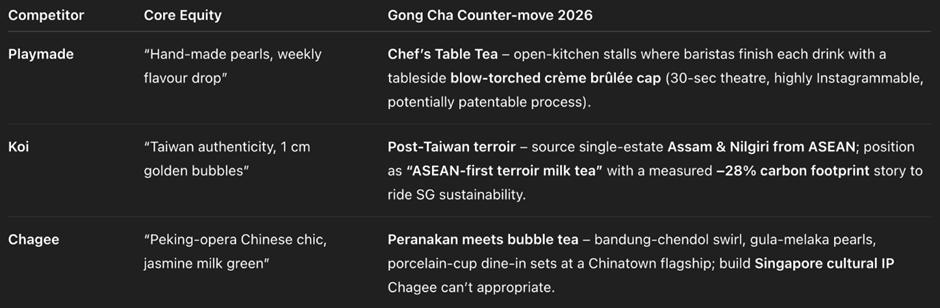
Once a dominant player in Singapore’s bubble tea boom, Gong Cha officially ceased operations on 2 October, taking down its social media accounts and website and shuttering all its shops. The brand is set to return in 2026 under new franchisees with a relaunch branded “Gong Cha 2.0”, aiming to reclaim a leading position in a market that has grown far more competitive since it first captured Singaporeans’ taste buds. Details of the relaunch are yet to be shared but netizen sentiments have been mixed, said media intelligence firm Truescope. Some questioned if the brand would be taken over, or simply rebranded while others drew parallels to when it exited Singapore in 2017. For early bubble tea adopters, Gong Cha evokes nostalgia for its rapid expansion and early buzz. But the market has evolved: boutique stores such as Koi and Chagee emphasise freshness and aesthetics, Mixue competes on value and ubiquity, and Hey Tea continues to carve a premium niche. Consumers too have evolved with elevated experiences, functional benefits, and social-media-worthy presentation now becoming a norm. This means legacy brand love alone may not be enough for the tea brand when it launches. Don’t miss: Why CHAGEE is giving its most popular tea an emotional rebrand  “Gong Cha has its work cut out. The brand’s exit is symptomatic of the bubble tea market becoming increasingly saturated. In the early days of the category, Gong Cha could win on speed of expansion and the buzz of the category. But as the market saturates, there is a need for clear differentiation,” said Ambrish Chaudhry, head of strategy, Asia, MSQ & Elmwood.  “The brand needs to come back with a rejuvenated proposition. Technology-led is helpful but also table stakes now. It needs to give people a reason to choose Gong Cha again,” he added. Similarly, Linda Hassan, former group CMO of Domino’s Malaysia and Singapore, underscores the importance of brand love in successful relaunches: “As a firm believer in brand love, I always believe that brand love equates brand loyalty equates customer retention, but it hinges on how well previously the brand recognises and rewards its loyal base.” According to Linda, if the customer lifetime value is stable, the goal should be to grow customer equity through a thoughtful new positioning strategy. She notes:  One reminder — repositioning the brand isn’t about new ownership—it’s about adapting to the changing customer behavior and setting the right direction. Brewing a new identity in a parity market Industry professionals agree that Gong Cha’s biggest challenge and opportunity lies in defining what it uniquely stands for. “Strong branding is essential to stand out in a largely parity market,” said Farrokh Madon, chief creative officer at Pirate. “To be successful, a brand needs to differentiate based on signature products or a brand experience or attitude that users buy into. Right now, virtually all bubble teas are replaceable with another brand.” Madon added that Gong Cha’s previous success was driven more by proximity than preference. “My daughter misses Gong Cha simply because it was the nearest bubble tea store. If another brand was just as easily available, she would get that. Gong Cha needs to ensure people are buying their brand for a reason that connects emotionally with the audience.” That emotional connection, he said, is what turns a product into a brand. In Malaysia, Gong Cha recently marked its 14th anniversary by deepening emotional connections through community engagement and pop culture. The brand rolled out weekly plushies, a cashback challenge, and special Friday deals to thank loyal customers. In an exclusive interview with MARKETING-INTERACTIVE in July, co-founder Billy Koh said, “For us, it’s truly never just about chasing trends. It’s always doing things that genuinely resonate with our customers.” Simon Lee, managing and creative director of Vantage Branding echoed that sentiment. “Gong Cha’s problem is its lack of a clear point of view. Over time, the brand has blended into the crowd, losing the distinct personality that once made it stand out. To cut through in 2026, it needs more than good tea; it needs to tap into the psyche of higher-value emotions — belonging, aspiration, and discovery — and express that through a clear, consistent brand story,” said Lee, adding that: Great brands don’t just sell products; they sell meaning. From tribute tea to modern ritual While Gong Cha can lean on its heritage, nostalgia alone won’t be enough to sustain its revival. In fact, according to media intelligence firm CARMA, the closure has highlighted a shift in sentiments regarding the brand’s popularity. Some users noted a decline in its quality and taste in comparison to competitors such as Each a Cup. Online discussions of the brand are also largely speculative with users discussing the reason of the brand’s downfall including competition, franchisee issues and financial difficulties.  Moreover, the brand’s name, which translates to “tribute tea” — tea once offered to Chinese emperors — speaks to a legacy of craftsmanship and reverence. But that sense of heritage has faded over time, replaced by convenience-driven parity. Reclaiming it could be key to standing out in 2026’s crowded market. “Brand love is insufficient on its own,” said Joel Cere, managing director, SEA, Landor. “Gong Cha was seen as ‘premium’ but not differentiated enough. The relaunch must combine legacy equity with a fresh positioning, telling a renewed story, modernising the brand proposition and aesthetic, and providing value with innovative products and fresh, Instagramm-able experiences so consumers don’t see it as simply ‘Gong Cha again’.” “Treat nostalgia as a trial accelerator, not a crutch,” added Muhammad Redzuan Azman, senior consultant, Neu Entity. “Build your relaunch on existing brand love, but layer a renewed story or benefit — clean-label ingredients, better sustainability, or new experiences.” Redzuan suggested Gong Cha could wow in 2026 with open-kitchen stalls for a highly Instagramm-able experience, or a Chinatown flagship featuring Singapore-inspired drinks as a local cultural touchpoint. In tandem, Lina has suggested strategic store placements at key malls and MRT hubs as well as to maintain its competitive pricing

Gong Cha eyes 2026 relaunch: Can it win hearts and cups again? Read More »

Microsoft brings its iconic wallpaper, Clippy and 2000s nostalgia to Crocs

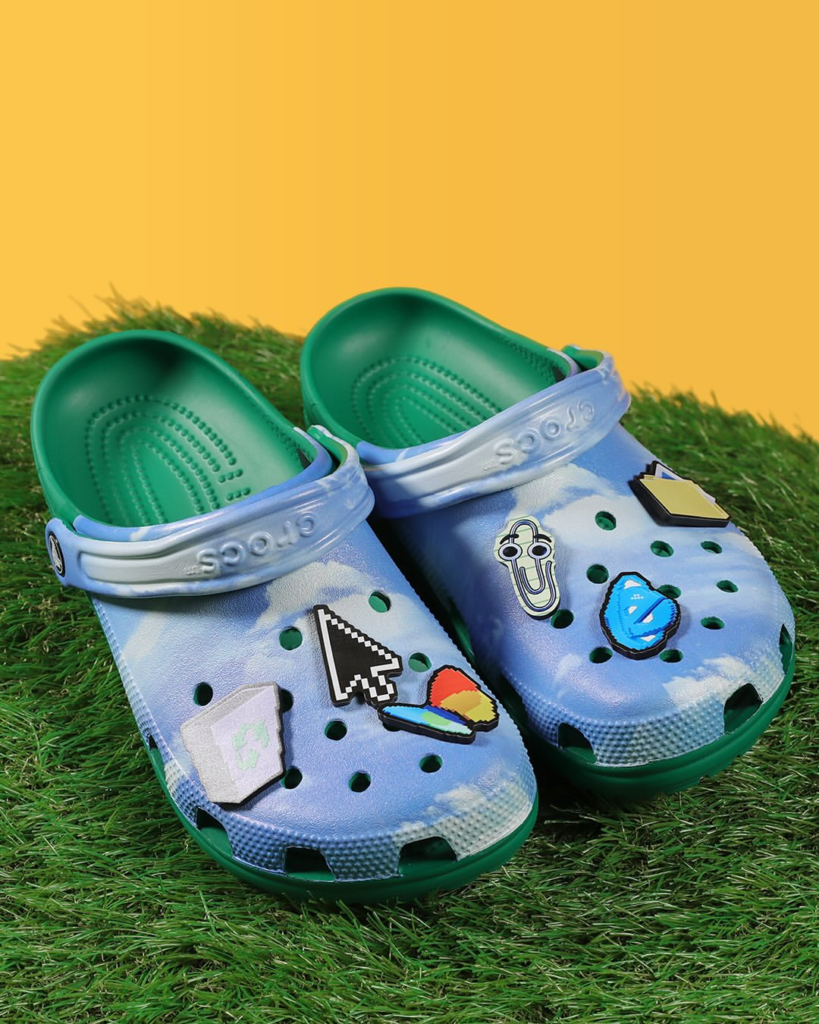
Microsoft is leaning into nostalgia with a playful new release. The tech giant has unveiled a Microsoft limited edition Crocs bundle, featuring design elements inspired by some of its most iconic moments, including the cultural phenomenon that was Windows XP. The ‘Bliss’ backdrop—a photograph of a green hill under a blue sky dotted with white clouds, taken in Sonoma County, California—became an enduring symbol for millions of Windows XP users in the early 2000s. For this limited-edition release, the image has been reimagined and incorporated into the bundle’s accessories and design, giving fans a tangible connection to the brand’s past. Don’t miss: McDonald’s X Crocs collab lands in HK to surprise Gen Alpha  Other accessories include charms designed as the tech giant’s Clippy, mouse pointer, MSN butterfly, Internet explorer logo, recycle bin and folder icon.  The release is part of a broader celebration of Microsoft’s 50th anniversary, designed to blend culture, creativity, and community.  “As part of Microsoft’s 50th anniversary celebration, we’re releasing a Microsoft limited edition Crocs bundle that includes nostalgic nods like Windows XP-inspired Crocs, custom Jibbitz charms, and a Bliss-themed drawstring backpack,” said Frank Shaw, chief communications officer at Microsoft. The launch follows the recently concluded #MicrosoftCrocSweepstakes, which drew strong participation and social media buzz. Encouraged by the positive engagement, Microsoft announced that the bundle is now officially available globally. Crocs’ brand collabs have always taken a unique and creative spin that is meaningful to the brand’s fans. In a 2024 collaboration with Pringles, the collection featured a pair of boots with a custom holster to store a grab-and-go Pringles can. The collection also featured charms designed after the brand’s Mr P mascot and colourways that match the snack brand’s flavours and cans.  Related articles:  Snack on the go with Crocs and Pringles’ new limited-edition collection  Maybank inks partnership with Microsoft to supercharge digital and AI transformation  Skype’s last call set for 5 May as Microsoft retires it for Microsoft Teams  source

Microsoft brings its iconic wallpaper, Clippy and 2000s nostalgia to Crocs Read More »

Exit interview: Rudy Khaw bids farewell to AirAsia after 18 years

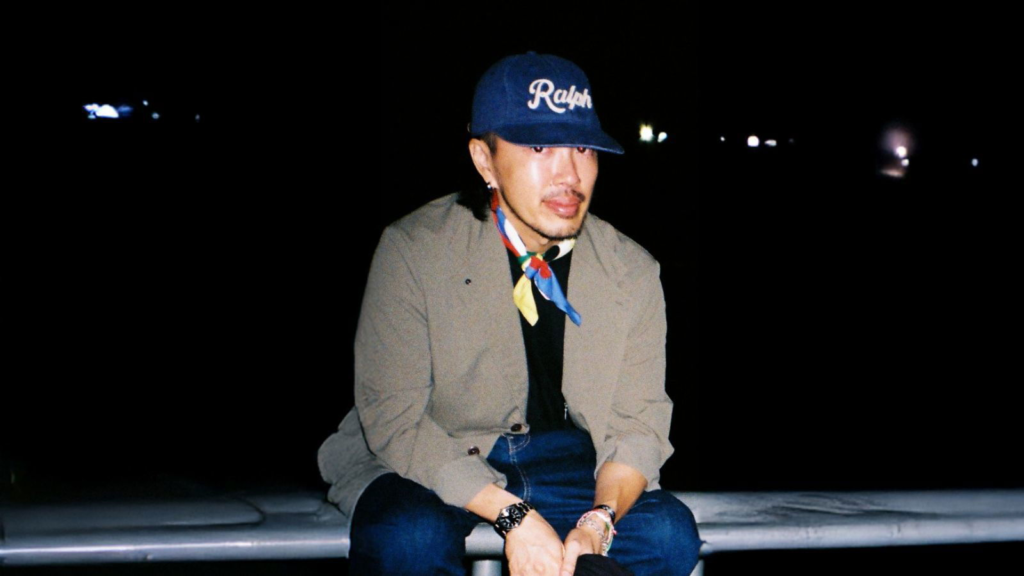
Rudy Khaw (pictured), CEO of AirAsia brand co. (Abc), is officially stepping down today (10 October) after an 18-year journey with AirAsia. Having risen through the ranks from brand executive to CEO, Khaw leaves behind a legacy defined by creativity, collaboration and an unwavering belief in the power of people, culture and passion. Reflecting on his decision, Khaw said it was one made with gratitude and careful thought. “After 18 years with the brand, I’m really proud of what I’ve managed to achieve, especially so with the support of great teams, mentors, peers and all the Allstars I’ve worked with,” he said. It wasn’t an easy decision, but it felt like the timing was right for me. “With the brand in a good place and a new course set from a brand and creative direction in recent years ready to evolve into whatever comes next for Abc.” Don’t miss: AirAsia takes flight with new custom typeface On a personal note, Khaw said his departure marks a moment to “reignite creative passions, curiosity and discovery” outside the bounds of day-to-day deliverables. “It’s time to explore freely, create unattached, and develop intentionally or even accidentally,” he said. From fresh grad to CEO  Looking back on nearly two decades at AirAsia, Khaw summed up his experience with one word – amazing. “Who would’ve thought that a fresh grad kid who literally had no idea what he wanted to do after graduating from university would be able to work his way up from a brand executive to eventually the CEO of a brand company?” he said. “Over 18 years, I’ve connected with people from so many different cultures, been to countries I never thought I’d visit, and worked with partners from sports, music, entertainment, fashion. It’s given me such a wealth of experience that I’ll forever be grateful for.” Khaw first joined AirAsia in 2007 as a brand executive, and gradually moved up the ranks to be regional head of branding, then chief brand officer for the airlines. In 2023, AirAsia brand co. was launched, and Khaw was appointed CEO to drive the brand’s growth in ASEAN and beyond.  Among his proudest milestones, Khaw highlighted the introduction of “People, places and passion”, a framework that shaped much of AirAsia’s brand and creative work in recent years. “With the 3Ps in place, it allowed for a lot of our projects and initiatives to be crafted with deeper meaning in a way that wasn’t astray from where the AirAsia brand originally set off, with a focus on people, accessibility, democratising travel, dreams and connectivity,” he said. That thinking guided some of AirAsia’s most memorable initiatives, from Taylor Swift’s Red Hot Tour in 2014 to collaborations with 88Rising in 2018, which produced videos for NIKI, Higher Brothers x Phum Vhipurit, and Joji. Khaw also recalled AirAsia’s backing of Malaysian Moto3 racer Zulfahmi Khairuddin, creative collaborations with artist Ta-ku, and the creation of AirAsia Buds, an animated series aimed at building brand affinity among younger audiences. As he looks ahead, Khaw said he remains a lifelong learner and believer in the power of shared knowledge. “Doing branding in AirAsia allowed me to learn a little bit of everything across the company because branding touches everything,” he said. Knowledge should be shared to progress, so don’t gatekeep, as it won’t serve anyone positively. He added that ideas can come from anyone, anywhere, at any time. “Having an idea said out loud is a lot more powerful than having it kept in your head or not having it heard,” he said. “It’s more wasted unheard or untold than it is laid out but unused.” What’s next for Khaw? While Khaw has no immediate plans, he said he intends to take time to “flow with life.” “Nobody believes me when I say nothing immediate,” he laughed. “Of course I’ve put down some ideas and see where that can take me. My next move will still connect to who I am. Curious, creatively driven, pop-culture inspired and intentional. I may even start my own thing that’s categorically Rudy or do some consultancy… who knows?” As for what’s next in branding and content marketing, Khaw believes the focus will continue to shift toward genuine passion and cultural connection. “There was ‘personalised,’ then ‘tribe,’ then ‘authenticity,’ and now ‘community’. But really, it’s all the same thinking,” he said. “That’s why I believe so much in ‘People, places, passion’.” Understanding cultures and subcultures is so important. You can’t buy that, and it’s not data that drives it either. It’s a human being’s pure interest that shapes how these things grow and evolve. Accelerate your brand’s growth with AI-first strategies, emerging tech and data-driven experiences. Join the industry’s leading marketers at Digital Marketing Asia 2025 Malaysia on 30 October to uncover transformative trends, real-world wins and powerful ideas for 2025 and beyond. Related articles: AirAsia brand co. names new creative director AirAsia Rudy Khaw big ideasGoing beyond the product: AirAsia’s Rudy Khaw on the airline’s multiple brand IG accounts source

Exit interview: Rudy Khaw bids farewell to AirAsia after 18 years Read More »

In conversation: What's next for MARKETING-INTERACTIVE Australia

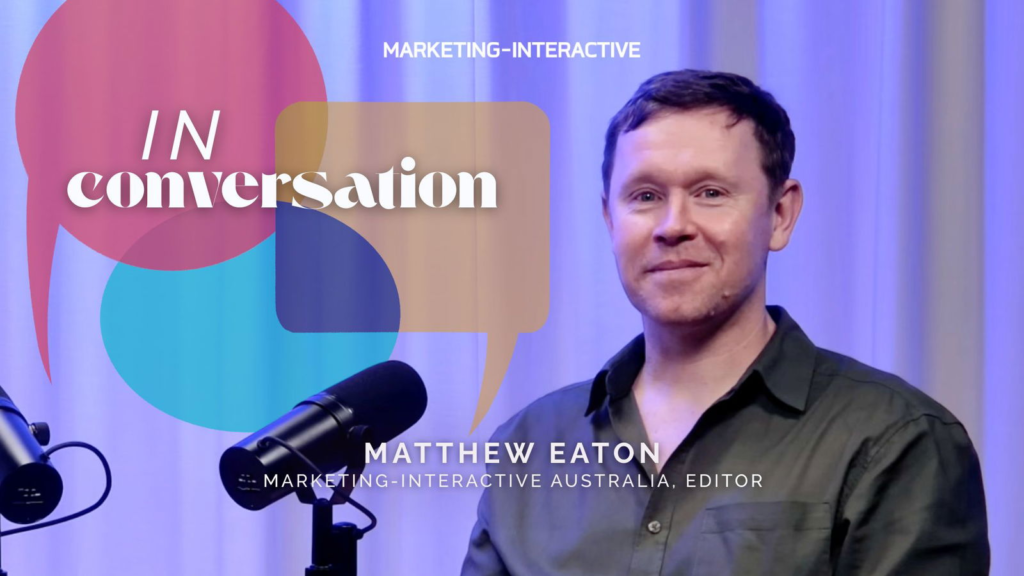
In the latest episode of MARKETING-INTERACTIVE’s Marketing Connected podcast series, In Conversation, we sit down with Matthew Eaton, editor of MARKETING-INTERACTIVE Australia, to talk about the publication’s growing presence down under, the evolving marketing landscape, and how the brand is building stronger bridges between Australia and the rest of Asia Pacific. MARKETING-INTERACTIVE officially marked its Australian debut in July with a launch event at Sydney’s Ivy Penthouse, bringing together more than 100 senior leaders across the creative, media, and marketing industries. The launch followed Eaton’s appointment earlier in February, signalling a bold new chapter for Lighthouse Independent Media’s regional expansion. Don’t miss: MARKETING-INTERACTIVE celebrates official Australian launch, kicks off next growth phase Eaton, who has previously led editorial teams for MARKETING-INTERACTIVE across Hong Kong, Singapore, and Malaysia, said the Australian market has been “insanely busy”, but in the best way possible. “Every day there’s something happening,” he shared. “The big challenge is to make sure we’re doing it justice because the Australian media works at a really cracking pace.” He added that the publication aims to bring a fresh perspective to the market by diving deep into stories about CMOs and how their roles are evolving with the rise of new technologies and AI-driven customer experiences. Since its soft launch, Eaton said he has also seen strong engagement from readers interested not only in Australian stories, but also in insights from Southeast Asia, particularly emerging trends from markets such as Indonesia, the Philippines, Hong Kong and Singapore. “There’s a real appetite for cross-border perspectives,” he said. What works in Southeast Asia might not always apply to Australia, but there are lessons we can draw from them. Eaton, who recently joined several of MARKETING-INTERACTIVE’s regional conferences such as Digital Marketing Asia and Content360 in Singapore, shared that the harmony between editorial and events has become a defining strength of the brand. “Just like how the conferences are being run now, working together with the editorial side of things. It’s like a very well-oiled machine,” he said. We’re finding this sweet spot where events, content, and podcasts all work in synergy. Looking ahead, Eaton said 2026 will be a defining year for the publication. “Next year will be a big year for us,” he explained. “Our goal is to bring that same experience over to Australia and have the whole ecosystem synced up. That’s the true power of B2B media.” The publication’s regional footprint now spans Singapore, Hong Kong, Malaysia, the Philippines, Indonesia, and Thailand. And with its Australian edition, MARKETING-INTERACTIVE will deliver tailored content that resonates with the local industry while maintaining the publication’s hallmark standards of editorial excellence. “Ultimately, it’s about having boots on the ground in the markets where we operate,” Eaton said. “Hiring good journalists and building connections to the market has always been our strength,” he said. “That’s going to be really important for Australia. Talking to the market every day and being present.” Catch the full conversation here in this video: Tune into the rest of this conversation on your favourite podcast platforms, by searching up Marketing Connected. For all the visual people out there, we’ve got your back as well, with our vodcasts on YouTube. Related articles: MARKETING-INTERACTIVE launches in Australia with Matt Eaton as editor to lead growthIn conversation: Think like consumers, create with cultureIn conversation: Scaling up without losing the spark source

In conversation: What's next for MARKETING-INTERACTIVE Australia Read More »