marketing interactive

Coca‑Cola gets fans jumping with its FIFA World Cup 2026 anthem

For decades, The Coca‑Cola Company has blended music, culture, and sport to create anthems that unite fans around the world. Continuing that legacy through its global music label Real Thing Records (RTR), Coca‑Cola has released a bold new anthem for FIFA World Cup 2026: a reimagined version of Van Halen’s iconic 1980s hit Jump, performed by global superstar J Balvin, singer-songwriter Amber Mark, guitarist Steve Vai, and drummer-producer Travis Barker. The track was released via RTR in partnership with Capitol Records. Honoring the original’s signature synths and explosive guitar work, the new version injects modern production and textures, creating a stadium-ready sound that captures the energy and passion of football’s biggest stage. The track was first teased in Coca‑Cola’s “Bubbling up“ campaign earlier this year. Don’t miss: How Coca-Cola turned the FIFA trophy tour into a Malaysian fan experience Accompanying the release is a vibrant animated music video, art directed by McFlyy, which premiered on MTV Live, MTVU, and Paramount’s Times Square billboards. The video features animated versions of the performers alongside a special appearance from football sensation Lamine Yamal, blending music, sport, and digital art into a genre-bending visual experience. Timed for the FIFA World Cup 2026 buildup, Jump celebrates the tournament’s emotional highs and lows, echoing Coca‑Cola’s history of memorable World Cup anthems, including K’naan’s Wavin’ flag (2010), Jason Derulo’s Colours (2018), and a reimagining of Queen’s “A kind of magic” (2022). Coca‑Cola has been an official FIFA World Cup sponsor since 1978.  “Music for me has always been about bringing people from different countries and cultures together—and Jump is all about that shared energy,” said Balvin. “From the football stands to watching at home, everyone knows that moment when emotions are high and you’re jumping for greatness. Partnering with Coca‑Cola on their anthem for FIFA World Cup 2026TM felt natural— it’s about hype, energy, and creating something that feels real. This song is about celebrating life and living in the moment.”  In tandem, Mark said that approaching Van Halen’s Jump came with “a lot of respect”. “It is one of those rare songs that transcend generations. Being able to honour the original while bringing a modern perspective was incredibly special. I hope fans feel that energy for years to come,” she said.  Joshua Burke, head of global music and culture marketing at Coca‑Cola, said Jump captures the shared highs and lows that unite fans everywhere. Partnering with Balvin and Mark was also an obvious choice as they bring passion, authenticity, and energy to everything they create, he added.  Coca-Cola first launched RTR in July 2025. Created in partnership with Universal Music Group, RTR moves the brand beyond sponsorship and collaboration, allowing Coca‑Cola to take an active role in artist development while creating culturally resonant music experiences for fans worldwide. The label has already signed artists such as French-New Zealand singer-songwriter Max Allais and Indian singer-songwriter and producer Aksomaniac, reflecting its genre-agnostic, globally minded approach. Be part of #Content360 Singapore, 22–23 April 2026, where creativity and culture collide. Explore how AI-driven storytelling is shaping the future of content, gain practical insights, discover new tactics, and learn how the best in Asia are creating campaigns that truly resonate.  Related articles:   FIFA names exclusive commercialisation partner for World Cup 2026 in the Philippines Coca‑Cola gets fans bubbling ahead of FIFA World Cup 2026  Coca-Cola fuels World Cup 2026 buzz with FIFA Trophy Tour in Indonesia   source

Coca‑Cola gets fans jumping with its FIFA World Cup 2026 anthem Read More »
Agency agenda: Tony Harradine outlines Omnicom Media APAC's post-deal plan

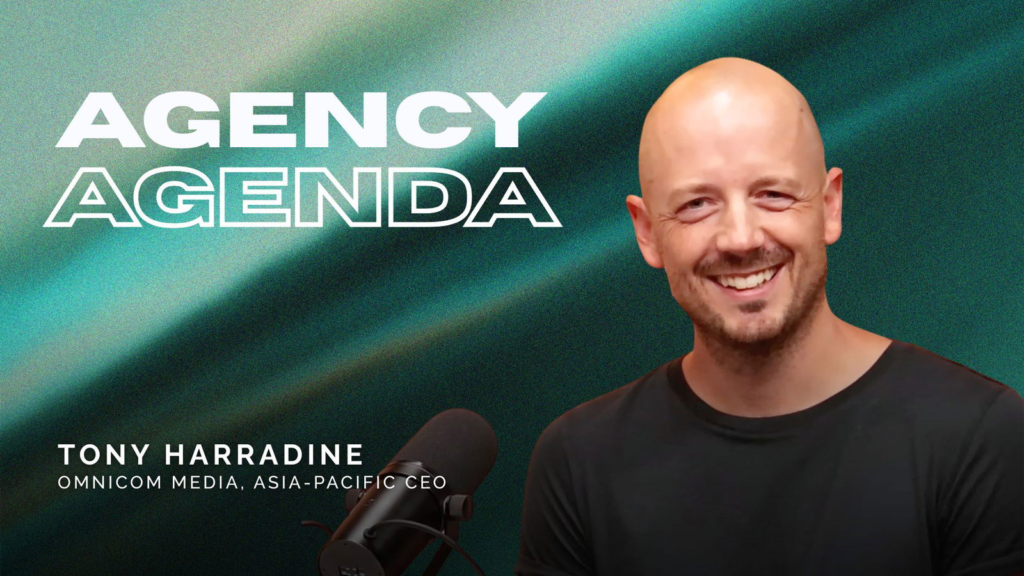
As Omnicom Media settles into its new reality following the landmark acquisition of Interpublic Group (IPG), Asia Pacific CEO Tony Harradine is focused on one thing, and that is giving the business clarity and momentum for what comes next. In the season 2 premiere of Marketing Connected’s Agency Agenda podcast, he listed out the three priorities at the top of his agenda. First, landing a new operating model that gives teams across the region a clear roadmap. Harradine said providing “clarity and the confidence to move ahead” is critical, particularly after months of uncertainty. Second, he wants the network to take ownership of innovation in a fast-moving region. With Asia Pacific at the forefront of technological and consumer change, Harradine sees an opportunity for Omnicom Media to lead conversations around what comes next. We’re in one of the most dynamic and exciting regions in the world. I want to make sure we live up to that. Don’t miss: Agency agenda: Amrita Randhawa talks acquisitions and Publicis’ AI playCatch the full interview here on YouTube: Third, and most importantly, is talent. As the combined entity doubles in scale, nurturing and retaining talent remains central. Harradine emphasised the need to “nurture, grow and lock in best-in-class talent,” noting that people remain the backbone of the business, even as technology evolves. That evolution is increasingly shaped by AI, but Harradine is clear that Omnicom does not intend to simply mirror competitors. While many holding companies are building similar “AI spines”, he framed AI as an enabler rather than a differentiator in itself. “The differentiation is in what you build, how you build it, and what you plug into it,” he explained, pointing to proprietary data, architecture and the people driving these systems as key factors. AI, in his view, should empower teams by automating heavy lifting and accelerating insights, freeing them to focus on higher-value strategic work. “It’s more of an empowerment tool than a replacement,” he added, pushing back on the notion of agencies becoming purely tech-driven operations. At the same time, Harradine is working to address concerns from both talent and shareholders in the wake of the merger. With industry speculation and uncertainty running high during the integration phase, his immediate priority has been to stabilise teams and maintain confidence. He said: Our business is only as strong as the people within it. Underscoring the importance of reassurance and transparency. As more details of the new structure are rolled out, he believes confidence is returning, with employees gaining a clearer sense of their role in the future organisation. For shareholders, Harradine has taken a pragmatic stance. Delivering value ultimately depends on delivering for clients. “The number one priority is to ensure that we’re delivering for them, otherwise we don’t have any value to give back,” he said, reinforcing that growth and performance remain tightly linked to client outcomes.  The US$13 billion acquisition, finalised late last year, marks a seismic shift for the industry, bringing together two of the world’s largest agency networks. For Harradine, the focus now is on execution, combining infrastructure, aligning cultures and unlocking scale across a complex Asia Pacific landscape. While integration will take time, he remains optimistic that the combined strength of Omnicom and IPG will create a more competitive and future-ready organisation. We’re very excited with what’s happening, and what’s to come. There’s lot of work being done to bring our infrastructure together, but IPG and Omnicom share strong cultural similarities, so I think it’s a great fit. Also tune in to the full conversation on Spotify: Tune into the rest of this conversation on your favourite podcast platforms, by searching up Marketing Connected. For all the visual people out there, we’ve got your back as well, with our vodcasts on YouTube.Related articles: Omnicom Media unveils new leadership structure for APAC Agency agenda: Ogilvy ASEAN CEO Kunal Jeswani on his 3 big bets for 2026Agency agenda: Sir Martin Sorrell says ‘Data is not the enemy of creativity’ source

Agency agenda: Tony Harradine outlines Omnicom Media APAC's post-deal plan Read More »

Gushcloud bets on live commerce with SG–MY team in global creator league

Global influencer management and licensing company Gushcloud International is doubling down on the rise of live commerce, taking on the role of team owner for the Singapore–Malaysia contingent in X The League (XTL), a global competition that blends content, community and conversion. Bringing together 32 creator-led teams across eight countries, the league positions live commerce not just as entertainment, but as a performance-driven channel where creators are tasked to drive real-time sales under competitive pressure. Set to premiere on 23 March 2026 across major global OTT platforms, the series is hosted by BamBam and Tiffany Young, signalling the growing convergence of pop culture and commerce on a global stage. Don’t miss: Gushcloud acquires Dubai-based talent and influencer firm TalentPlus  At the centre of Gushcloud’s strategy is JianHao Tan, who will captain the Singapore–Malaysia team alongside Debbie Soon, Sonia and Elle Onni. The cross-border lineup reflects a deliberate push to aggregate audiences and scale engagement beyond individual markets. Live commerce, where creators sell products directly to audiences in real time, has rapidly evolved into a US$600 billion global industry. XTL taps into this momentum by introducing a competitive format, where teams are scored based on both audience engagement and commercial performance, with a US$500,000 prize at stake. “Singapore may be the smallest market in the competition, but that’s also our advantage. We’ve always had to think creatively, be more resourceful, and look beyond our borders. Teaming up with Malaysia brings together two highly engaged communities,” said Tan.  As team owner, Gushcloud will oversee live-selling strategy, cross-border creator collaboration and overall execution for the Singapore–Malaysia contingent. The move highlights the company’s expanding role beyond talent management into full-funnel commerce strategy, spanning content, distribution and sales. According to Joanne Liew, general manager of Gushcloud Singapore, the initiative reflects the growing weight of social commerce in the region. “In Singapore alone, social commerce — including live commerce — already accounts for about a third of the eCommerce market,” she said. “Competitions such as X The League show how creator-led communities can turn influence into real commercial performance on a global stage.” The launch also marks Singapore’s first entry into a global live commerce league of this scale, positioning the market as a testing ground for how smaller, highly connected audiences can compete internationally through creativity, agility and community-driven engagement. The move comes as Gushcloud International continues to expand its role beyond traditional creator management across the region. In Indonesia, the company has spent the past year strengthening its position as a strategic connector between creators, intellectual property (IP) owners, live entertainment promoters and brands, signalling a broader ambition to build infrastructure across the digital entertainment and marketing ecosystem. This has included deeper integration across content, distribution and IP, aligning creator output more closely with commercial and platform opportunities. The company has also advanced its creator venture programme to support sustained, cross-platform development, while refining a mix of exclusive and flexible talent partnerships. Be part of #Content360 Singapore, 22–23 April 2026, where creativity and culture collide. Explore how AI-driven storytelling is shaping the future of content, gain practical insights, discover new tactics, and learn how the best in Asia are creating campaigns that truly resonate.  Related articles:   Gushcloud expands into Middle East and North Africa Interview: Jianhao Tan on Titan Digital Media’s game development ambitions post GCL Nasdaq listing  For the likes: Darshen, Jianhao Tan and Syafiqa share the craziest thing they’ve done for content  source

Gushcloud bets on live commerce with SG–MY team in global creator league Read More »

Is Formula 1 the right track for Disney’s Gen Z ambitions?

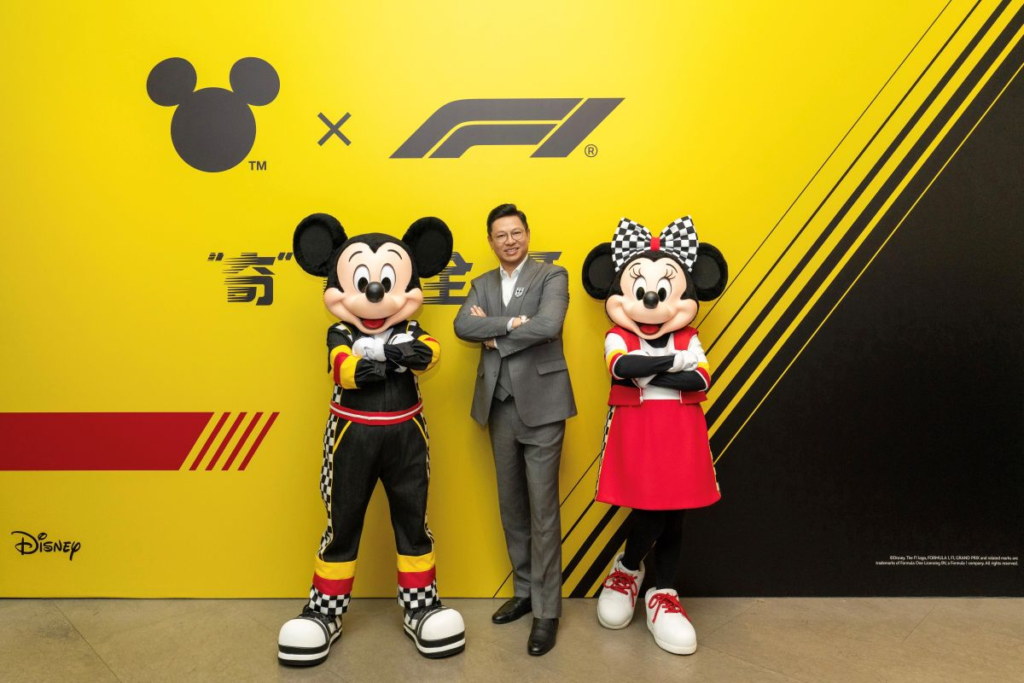
When Disney expanded its “Fuel the magic” collaboration with Formula 1 for the 2026 season, the spectacle was hard to miss: Mickey Mouse and friends sporting racing-inspired outfits, exclusive collections at Grand Prix locations, and partnerships with lifestyle brands. But behind the colour and hype lies a deliberate cultural strategy. For Disney, Formula 1 represents more than a sport. It is a rare convergence of sport, culture, and lifestyle that increasingly shapes global youth trends beyond the track. Fans in APAC, in particular, engage with the sport through fashion, social media, content, and retail, creating a natural entry point for Disney’s storytelling and character-driven engagement. In an interview with MARKETING-INTERACTIVE, Kermid Rahman (pictured below), senior vice president and general manager of Disney consumer products, Asia Pacific said that the partnership keeps fans connected between race weekends:  Strategically, it’s about building sustained fandom, not fleeting attention.  Don’t miss: How Coach is winning over Gen Z one experience at a time In APAC, where Gen Z culture moves fastest, fandom doesn’t exist in silos. It shows up in how people dress, shop, and express identity. Disney has leaned into this reality by making the region an active partner in shaping the collaboration, from local retail ecosystems to fashion-led collaborations and culturally fluent brand partners. For example, the Gentle Monster “Circuit collection” features eyewear inspired by racing visors, checkered patterns, and bold graphic motifs of Mickey and friends, blending motorsport culture with contemporary streetwear aesthetics. MINISO and Culture Kings have also launched exclusive F1-themed collectibles and apparel. As such, the result is a campaign that doesn’t feel like a global strategy shoehorned into a local market, but something authentically grounded in how fans live and engage with culture. At the heart of this strategy is global IP consistency paired with local cultural fluency. Mickey and friends remain true to their characters and storytelling values, but their expression adapts. “What changes in our local regions is how those stories are expressed, depending on where fans live and how they engage with culture,” said Kermid. This allows Disney to embed its characters in fans’ lived experiences without feeling forced, he explained. Beyond apparel and merchandise, the collaboration has also included a travelling Mickey F1 car, which moves to each Grand Prix location, creating an immersive photo opportunity and interactive fan experience wherever the race happens next. Mickey’s evolution mirrors Disney’s strategic intent. For nearly 100 years, the character has remained relevant by adapting to changing cultural contexts. Integrating Mickey into the high-octane, modern world of Formula 1 provides a dynamic backdrop that resonates with audiences who grew up with him but now consume culture differently. Collaborations with lifestyle brands play a pivotal role in translating this strategy into tangible products. “We always look for brand collaborations who are culturally fluent, not just commercially successful,” said Kermid. “The right partners understand how to translate racing culture and Disney storytelling into products that feel natural, wearable and culturally relevant. It’s less about scale, and more about whether the collaboration feels like something audiences would genuinely choose,” he explained. Adding to his point, Bobby Kim, global creative director at Disney said that “Mickey Mouse is a mirror of culture, and culture today lives at the intersection of fashion, sport and fandom.”  He added: Formula 1 isn’t just racing anymore; it’s style, community, and global youth energy. When you bring Mickey into that world, you’re not forcing relevance — you’re reflecting it. Beyond the race, Disney also highlights female empowerment through Disney characters. Minnie Mouse and Daisy Duck are leading the F1 Academy initiative, the all-women racing championship, appearing in exclusive merchandise, on-site activations, and original content. By positioning Minnie and Daisy as champions of confidence, friendship, and individuality, Disney is also connecting its storytelling with a sport that inspires the next generation of female athletes and fans. Disney is also redefining how success is measured. Beyond impressions or social metrics, Disney tracks depth of fandom such as how long fans remain engaged, how they express their connection, and how naturally the campaign becomes part of their lives, said Kermid. Repeat engagement with content, retail momentum, and organic participation are also indicators on whether Disney has succeeded in creating a living, breathing cultural ecosystem rather than a temporary sponsorship. The 2026 Chinese Grand Prix illustrates this strategy in action. Localised capsule collections, retail integrations, and immersive experiences place Disney characters directly within fans’ daily lives, extending their presence well beyond the race weekend. As Kim puts it: The result isn’t merch, it’s culture: something that lives beyond the track and into how fans experience the world. Be part of #Content360 Singapore, 22–23 April 2026, where creativity and culture collide. Explore how AI-driven storytelling is shaping the future of content, gain practical insights, discover new tactics, and learn how the best in Asia are creating campaigns that truly resonate.  Related articles:   Gen Z perspectives: Agatha Yap, Scoot’s social pitch and Disney x F1   Can Sting turn F1 speed into brand momentum with Mercedes-AMG PETRONAS? What Barilla’s Formula 1 move means for sports advertising beyond the Super Bowl source

Is Formula 1 the right track for Disney’s Gen Z ambitions? Read More »

How Sanrio is bringing 'kawaii' to street style, one Chuck at a time

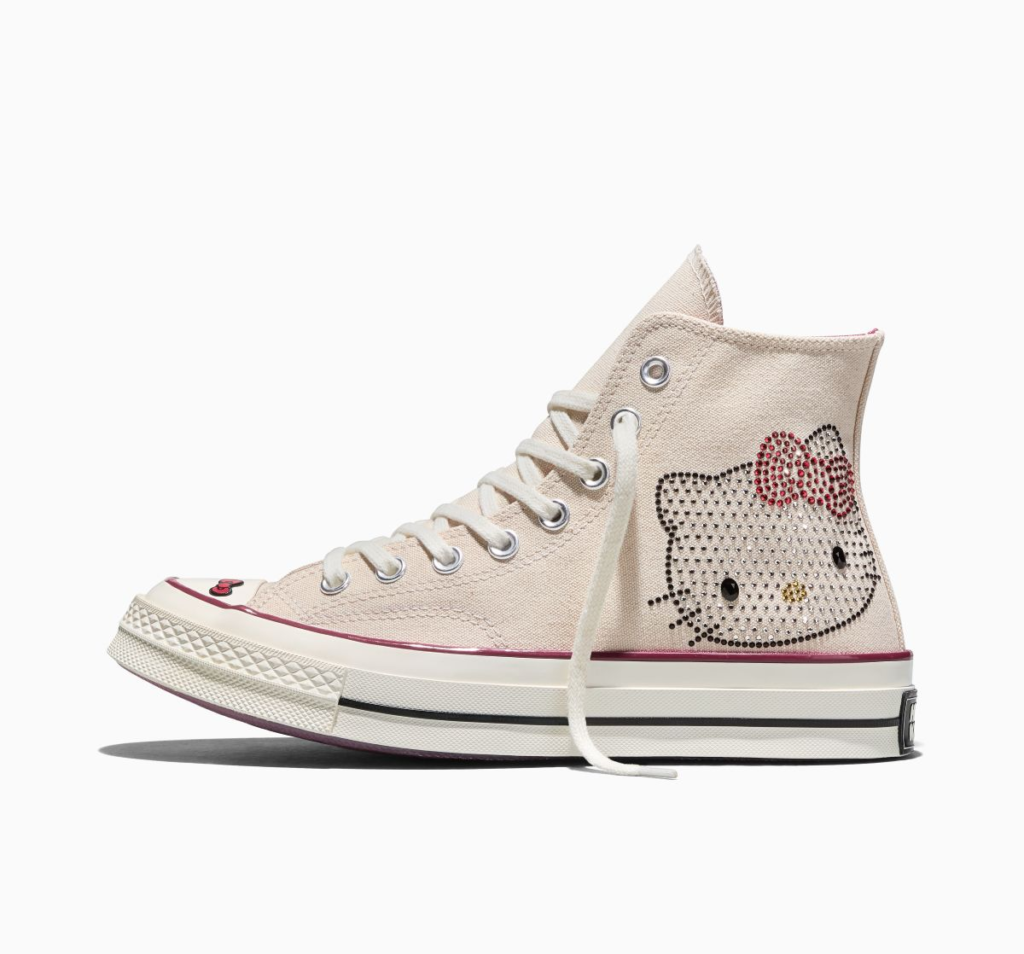
Sanrio is leaning deeper into fashion and fandom culture with its latest collaboration with Converse, bringing its universe onto one of streetwear’s most recognisable canvases, the Chuck Taylor. At its core, the partnership is less about a one-off drop and more about amplifying a shared brand belief: self-expression. Both brands have long positioned themselves as vehicles for individuality, and this collection brings that overlap into sharper focus, inviting fans to quite literally wear their personalities. That alignment made Converse a natural partner, with Sanrio pointing to the footwear brand’s legacy as a cultural staple that has been “worn and customised by people of all ages around the world” said Jill Koch, SVP of brand at Sanrio Inc, in conversation with MARKETNG-INTERACTIVE. Don’t miss: Coca-Cola adds a fizzy kick to limited-edition Converse collab  In many ways, the collaboration feels like a meeting point between two forms of personal storytelling. One rooted in character-driven nostalgia, the other in everyday style. The creative process itself followed that same spirit of convergence. Rather than one brand leading, the concept was developed jointly, blending what Sanrio describes as its “supercute world” with Converse’s “nostalgic and bold design”. The challenge, however, lay in restraint, ensuring neither identity overpowered the other. Instead, the focus was on creating something that felt cohesive yet expressive, where both brands and their fans remained front and centre. That fan-first thinking runs through the entire collection. From footwear to apparel and accessories, the drop spans all ages and leans heavily into recognisable characters including Hello Kitty, Kuromi, My Melody and Cinnamoroll. The breadth is intentional, tapping into a wider theme of friendship while giving fans multiple entry points into the collection. More notably, the collaboration builds on past Sanrio x Converse releases but introduces a stronger push towards personalisation and collectability. This includes a premium Chuck Taylor 70 design embellished with Swarovski crystals alongside a “Converse x Hello Kitty and Friends By You” (CBY) customisation experience that allows fans to design their own pairs. The move reflects a broader shift in how Sanrio is approaching its brand ecosystem. Fashion, in this case, is not just merchandise but a key touchpoint. “Our mission is to meet fans with their favorite Sanrio characters where they naturally already live and play – including fashion,” said Koch. “Both Sanrio and Converse have strong global footprints, creating an unmatched platform in the fashion world to surprise and delight consumers.” That strategy also speaks to the growing power of nostalgia across categories. Rather than targeting a single demographic, the collection is designed to stretch across generations, from younger audiences discovering Sanrio for the first time to long-time fans who have grown up with the characters. Distribution follows a similarly broad approach, with the collection available via Converse and Sanrio’s official platforms, as well as select global retailers to balance accessibility with a level of curated reach. Notably, the launch is not anchored by a large-scale campaign push. Instead, the emphasis appears to sit on product, design and built-in fandom. For Koch, the collaboration ultimately comes back to emotional connection. “Sanrio has always been a symbol of friendship, joy, and self-expression, and Converse shares that same spirit,” she said. “Bringing our beloved characters together with Converse’s iconic style creates a collection that celebrates individuality in a bold and expressive way, inviting fans of all ages to showcase their personal style while carrying a little more joy and a touch of kawaii with every step,” she added.  The Converse collaboration also reflects a broader pattern in how Sanrio approaches partnerships, leaning into cultural moments, retail experiences and local relevance to keep its characters fresh across markets. In Southeast Asia, for instance, the brand recently teamed up with CHAGEE on a festive activation centred around Tanned Hello Kitty. The campaign went beyond merchandise, combining limited-edition collectibles with an immersive pop-up along Orchard Road in Singapore and regional rollouts across Indonesia, the Philippines and Thailand. Built around a seasonal cocoa oolong milk tea and interactive in-store experiences, the collaboration tapped into themes of warmth, togetherness and ritual, showing how Sanrio extends its IP into everyday lifestyle moments that resonate with local audiences. A similar localisation strategy is evident in Hong Kong, where 7-Eleven partnered Sanrio with Rody for a Chinese New Year campaign anchored on collectible plush daruma dolls. Designed around festive symbolism and collectability, the campaign combined exclusive product drops, app-led engagement and in-store displays across its retail network. Together, these collaborations point to a consistent strategy of pairing globally recognised characters with culturally relevant formats, from fashion and food to retail, to drive emotional connection and sustained consumer engagement. Be part of #Content360 Singapore, 22–23 April 2026, where creativity and culture collide. Explore how AI-driven storytelling is shaping the future of content, gain practical insights, discover new tactics, and learn how the best in Asia are creating campaigns that truly resonate.  Related articles:  Sanrio’s Hangyodon makes a splash at the Singapore Oceanarium  Converse’s global ‘Love, Chuck’ campaign arrives in Southeast Asia  7-Eleven and BeCandle unveil exclusive Sanrio character perfume blind boxes  source

How Sanrio is bringing 'kawaii' to street style, one Chuck at a time Read More »

Beyond the harbour lights: Rediscovering Hong Kong as Asia's urban nature escape

This post is sponsored by Hong Kong Tourism Board. Hong Kong may be famed for its glittering harbour and skyscraper skyline, a city that moves at the speed of its own neon pulse. Yet beyond the urban intensity lies another side of Hong Kong, shaped by coastlines, forested trails, outlying islands and sweeping horizons. Despite its reputation as a global metropolis, nearly two-thirds of its land area is protected countryside. Country parks, marine reserves, wetlands and conservation sites form an expansive green network woven through the territory, allowing you to leave the city centre and reach a mountain trail in under 20 minutes. Wellness now extends beyond spa treatments and resort stays. It unfolds on ridgelines at sunrise, along coastal paths, through endurance races and immersive outdoor retreats. Nature is no longer a secondary activity, but a central part of the travel experience. This is where Hong Kong stands apart from many global cities. Its urban density and natural landscapes are not separated by distance, but connected by proximity. A city where nature is built into the map With 25 country parks and 22 special conservation areas running alongside its urban districts, Hong Kong offers hiking trails that range from family-friendly routes to demanding climbs, with scenery shifting from shaded forest to dramatic coastline. Many trailheads are accessible within 15 to 20 minutes by public transport. Beyond hiking, the outdoor offering extends to island-hopping, beaches, water sports and UNESCO Global Geopark exploration. Travellers can kayak past volcanic rock formations in Sai Kung in the morning and return to the city for dinner that evening. Coastline and skyscrapers fit within the same day. Hong Kong Tourism Board’s (HKTB) recent marketing strategy in Southeast Asia reflects this reality. Rather than presenting Hong Kong as a city break with outdoor options on the side, the narrative places the great outdoors alongside culture, cuisine and contemporary urban experiences. The objective is to position Hong Kong as a destination where nature and city exist side by side in balance. Using local voices to anchor credibility In Thailand, HKTB has focused on storytelling that feels personal and experience-led. In March 2025, the “Four Corners of Hong Kong” video campaign series showcased the north, south, east and west of the city through four short films. One episode featured Thai actress Eye Kamolned Ruengsri visiting the newly opened Robin’s Nest Country Park in a vlog-style format. Viewers experienced the park through her pace and sense of discovery, with the landscape framed through a familiar Thai voice. The result was a destination story that felt relatable and grounded. The approach extended to HKTB’s Great Outdoors media familiarisation tour in January 2026, where Thai media sampled nature-view hikes, city-view trails, island exploration and geopark landscapes within a compact itinerary. The breadth of experiences reinforced how much terrain and texture Hong Kong packs into a single day. HKTB also collaborated with Running Insider, a Thai Facebook community focused on trail running and endurance events, to develop PR stories rooted in not just real training journeys in Hong Kong, but also other outdoor and city experiences that would appeal to the community. Hong Kong. By spotlighting firsthand experiences, the content spoke directly to an active audience, and the positive engagement levels reflected that credibility. Building communities, not just campaigns In Singapore, HKTB focused on activating existing fitness communities. In March 2025, fitness instructor Jia En brought her bootcamp series to Hong Kong, blending structured training sessions with hiking routes and Wing Chun classes. More than 30 participants travelled together, turning a fitness programme into a shared destination experience. The same community-driven strategy shaped HKTB’s partnership with core culture for the Hong Kong Marathon in January 2026. Singapore runners received priority access to slots in the sold-out race, lowering barriers for overseas participation. Three KOLs documented their training, race experience and outdoor activities around marathon day. The narrative went beyond race completion. It included preparation, recovery and exploration, positioning Hong Kong as a holistic endurance destination, not just a backdrop for standalone competitions. Storytelling through creative brand collaborations In Malaysia, HKTB partnered with DJI Malaysia ahead of the launch of its new action camera in November 2025. Eight KOLs travelled to Hong Kong for a co-hosted familiarisation trip, participating in outdoor activities while capturing content using the camera’s new features. The programme focused on Sai Kung’s landscapes, including a half-day boat tour to the Sai Kung Volcanic Rock Region and kayaking at GO Park Aqua. The collaboration aligned product demonstrations with destination storytelling, using Hong Kong’s terrain as a live showcase. Elevating Hong Kong’s outdoors experience The city’s outdoor positioning is set to deepen, with curated experiences that bring wellness, movement and nature together in more meaningful ways. Collaborations with industry partners and leading wellness brands will introduce offerings—from yoga‑in‑nature retreats to immersive fitness camps—designed to spotlight the city’s restorative side. At the same time, the focus will remain on insider stories, local voices and community perspectives, favouring experiences that feel lived-in rather than overly engineered. This approach is grounded in the rationale that audiences trust stories that feel real. Hong Kong’s enduring appeal is contrast: the effortless shift from urban intensity to natural calm within minutes. Skyscrapers give way to trails; crowded streets open onto sweeping coastlines. This renewed emphasis on the outdoors doesn’t reinvent the city—it reveals it as a place where movement, balance and urban energy naturally coexist. source

Beyond the harbour lights: Rediscovering Hong Kong as Asia's urban nature escape Read More »

Mediaplus expands into Asia with Singapore joint venture

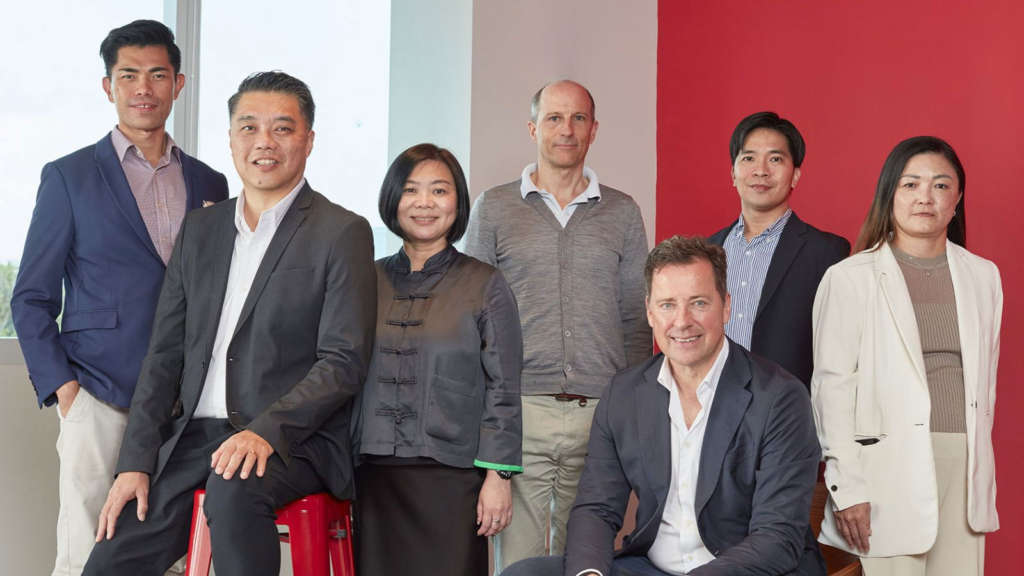
Mediaplus Group has officially launched Mediaplus Singapore, a joint venture with The Media Shop, marking a strategic move to deepen its presence in Asia’s high-growth markets. Operating under the name Mediaplus (HOC Singapore), the new entity began operations on 1 March 2026. The partnership brings together Mediaplus’ global, data-driven media capabilities with The Media Shop’s strong regional expertise. Notably, The Media Shop will continue to run independently alongside the joint venture. Positioned as Mediaplus’ regional hub for Southeast Asia, the Singapore office will support both Mediaplus and Serviceplan Group clients across media strategy, planning, buying, and advanced data-led marketing solutions. Don’t miss: WPP Media names new China CEO as Rupert McPetrie steps down  The Media Shop is already working with international brands including Bosch (ASEAN), Trolli, and Dr. Beckmann, signalling early momentum for the partnership. A key feature of the new venture is the integration of Mediaplus’ global data platform, giving local teams access to AI-powered tools and analytics developed within Serviceplan Group’s “House of AI” ecosystem. This is expected to enhance cross-market insights and enable more efficient, scalable campaign execution across the region. Leadership of the nearly 20-person team includes Jessica Toh as co-founder and CEO (third from the left), Gary Tang as co-founder and managing director (second from the left), and Jason Tan as COO and managing partner (far left).  Commenting on the launch, global CEO Matthias Brüll highlighted Asia’s growing importance for brands, noting that deeper consumer insights across markets will be critical as companies increasingly look east for growth. “With Mediaplus Singapore and the implementation of our global AI-based solutions, we can manage and expand more projects directly from the region. Many brands are focusing their growth strategies on Asia’s high-growth markets. Cross-market insights into consumer behavior are therefore becoming increasingly important,” he said.  In tandem, Toh added that the joint venture strengthens both Mediaplus’ international network and its data capabilities, allowing the team to deliver more integrated and effective solutions for clients across Southeast Asia. The news comes as Mediaplus Group continues to grow its leadership team. Earlier in March, the group appointed Uwe Roschmann as managing director at Mediaplus International. Roschmann will oversee the agency group’s international expansion and global new business, reporting directly to Brüll. Most recently, he served as Managing Director Germany for international projects and clients at Omnicom Media Group. Be part of #Content360 Singapore, 22–23 April 2026, where creativity and culture collide. Explore how AI-driven storytelling is shaping the future of content, gain practical insights, discover new tactics, and learn how the best in Asia are creating campaigns that truly resonate.  Related articles:  McCann Singapore names new GM to drive social-first growth  Dentsu dials back international sale plans, to slash 8% of workforce  Omnicom Production names new APAC CEO  source

Mediaplus expands into Asia with Singapore joint venture Read More »

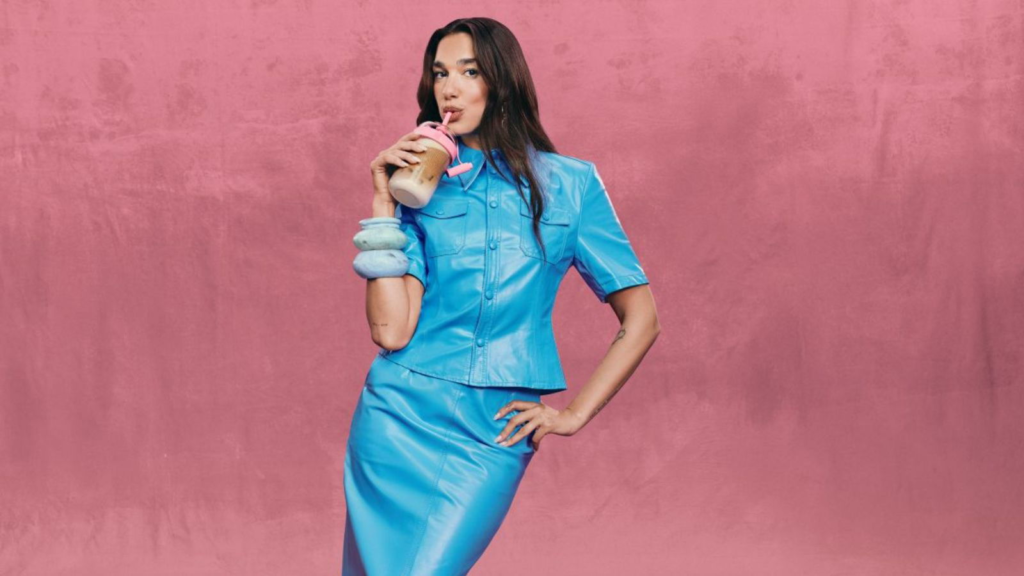
Dua Lipa brews Nespresso’s next era as global brand ambassador

Nespresso has appointed global pop superstar Dua Lipa as its new global brand ambassador. She joins George Clooney, who has been a brand ambassador for the coffee brand since 2006.  The partnership will debut in Nespresso’s new global campaign, “Vertuo world”, launching April 14 across all platforms. Led by Lipa, the campaign reflects a modern expression of Nespresso’s focus on exploration and elevated coffee experiences. Longtime ambassador Clooney will also make a brief appearance, maintaining a connection to the brand’s heritage. In an Instagram post, Nespresso said that her appointment marks a “striking new chapter” for the brand.  Don’t miss: CELINE names new brand ambassador for China In a separate statement, Nespresso said that Lipa has qualities that mirror the brand’s own spirit of curiosity and experimentation. This is especially since the singer is known for her distinctive sound, dynamic performances and influence as a modern style and cultural trendsetter. Beyond music, Lipa has fostered creative empowerment, cultural diversity and storytelling through collaborations with a diverse range of artists, reflecting Nespresso’s commitment to creativity and culture. Long rooted in art and entertainment, Nespresso also seeks ambassadors who can transform everyday rituals such as coffee into extraordinary, making Lipa’s energy and creativity a natural fit. “We’re excited to welcome Dua Lipa to the Nespresso family. She’s a true explorer, always curious, always trying something new, and that energy fits beautifully with the direction we’re taking as a brand,” said Leonardo Aizpuru, chief marketing officer at Nespresso. “Our purpose is to empower endless exploration through exceptional coffee, and Lipa brings that mindset to life in a modern, effortless way. Together, we want to inspire a new generation to open up to new tastes with confidence and to discover how a coffee moment can become something truly exceptional,” added Azipuru. Commenting on her appointment. Lipa said that teaming up with Nespresso was an “easy decision.” “I feel like I have grown up with Nespresso. There’s always been a Nespresso machine nearby – at home with my family, on set, or in a hotel room – so teaming up with them was really an easy decision. I just love how they are always exploring new flavors and finding ways to evolve as a brand. Working together has already been loads of fun, and it’s just the beginning,” said the singer. Nespresso is just one of the many brands that Lipa is an ambassador for. The list includes adidas, Versace and Puma amongst others. Most prominently, Lipa fronted multiple campaigns for YSL Beauty’s Libre perfume line. Meanwhile in 2025, the coffee brand released its “The Detective” campaign starring Clooney as a stylish detective solving a “whodunit” mystery aboard a train. Taking inspiration from Murder on the Orient Express, the story follows a theft investigation on a train where the missing “jewels” were later revealed to be Nespresso coffee pods. “The Detective” continues Clooney’s long-standing partnership and featured a start studded cast including Eva Longoria, Camille Cottin and Kim Go Eun. Be part of #Content360 Singapore, 22–23 April 2026, where creativity and culture collide. Explore how AI-driven storytelling is shaping the future of content, gain practical insights, discover new tactics, and learn how the best in Asia are creating campaigns that truly resonate.  Related articles:  Dua Lipa writes, co-directs and stars in wildly imaginative new Porsche ad  Back to the 90s? Can celebrity ads make denim relevant in 2025?  With influencer marketing taking over, what values do celebrities bring to marketers? source

Dua Lipa brews Nespresso’s next era as global brand ambassador Read More »

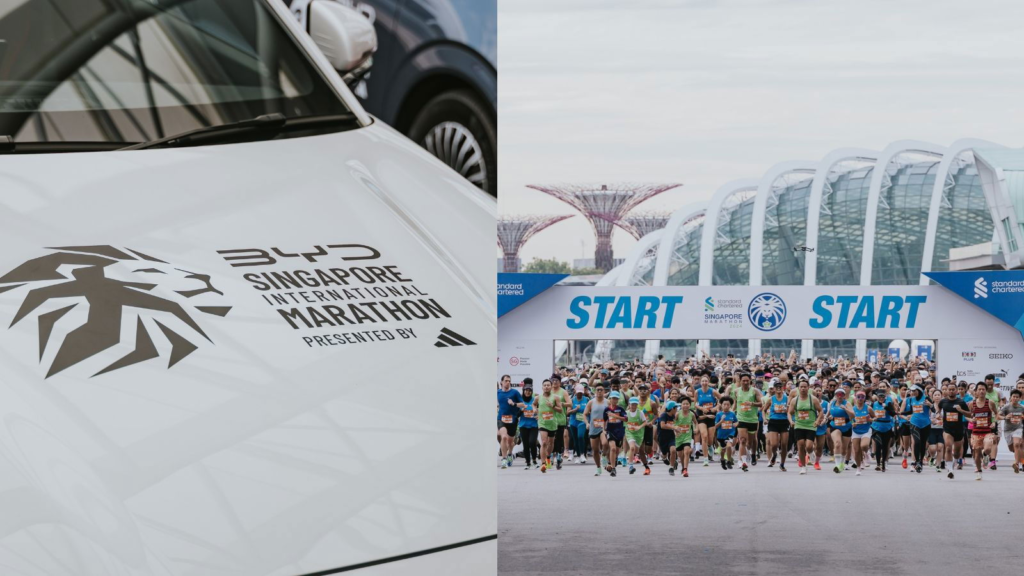
BYD takes over Standard Chartered as SG Marathon title sponsor

Singapore’s national marathon is entering a new era, with BYD replacing Standard Chartered as title partner in a major shift for the event. The race will now be known as the BYD Singapore International Marathon, with adidas joining as presenting sponsor. Standard Chartered will remain involved as the official bank. The 2026 edition will also introduce naming rights across race categories, including the BYD Marathon, adidas Half Marathon and Standard Chartered 10km. The BYD Marathon remains Southeast Asia’s only World Athletics Gold Label Road Race, with all other categories AIMS-certified. The move signals a broader repositioning of the event, as organisers look to elevate its global profile while building deeper brand integration across the race experience. Don’t miss:  Is Formula 1 the right track for Disney’s Gen Z ambitions?  A key change this year is a cap on participation, with entries limited to 52,000 runners, down from around 55,000 last year, as organisers prioritise race quality and experience. Registration opens in April, and the three-day race weekend (4-6 December) will features kids categories, 5km and 10km races, the half marathon and the full marathon finale. Shalindran Sathiyanesan, event director of the BYD Singapore International Marathon presented by adidas, said the shift reflects a focus on delivering a more holistic event. “Beyond that, we are focused on building a total brand experience. This will incorporate local SMEs, running communities, and collaborations with international brands. At the same time, we aim to showcase Singapore’s unique local culture, while delivering a globally recognised world-class event,” Sathiyanesan said.  As presenting sponsor, adidas will also expand its involvement through event merchandise and official race apparel. The range includes head-to-toe looks for men and women, and the Adizero Boston 13 and Evo SL footwear in the exclusive BYD Singapore International Marathon presented by adidas colourways. The sportswear brand will also provide the official race t-shirt that comes with every race pack for participants “adidas is proud to be the first‑ever presenting sponsor of Singapore’s national marathon, a natural next step in our long-standing commitment to supporting the running community. As we deepen our involvement, we are excited to help shape Singapore’s evolution into a true running city that inspires runners of all levels to cross the finish line stronger,” said Chen Rui Yuan, country manager of adidas Singapore.  Event organiser SG International Marathon is adopting a year-round approach to the marathon, emphasising structured training, community engagement and a thoughtfully managed race environment. Participation has steadily increased over the past three editions, with the full marathon seeing a 31% growth and the half marathon a 46% rise, according to CNA. In 2022, the race was relaunched under a new title sponsor and officially named the Standard Chartered Singapore Marathon. The relaunch also introduced a refreshed logo featuring two of Singapore’s most iconic symbols: the Merlion and the Orchid. The Merlion represents the event’s identity as a city marathon, while the Orchid, a symbol of hardiness and resilience, reflects the Singapore spirit. The logo has been prominently featured across all branding, including race singlets, marketing materials, and event signage. Photo courtesy of BYD Singapore International Marathon presented by adidas. Be part of #Content360 Singapore, 22–23 April 2026, where creativity and culture collide. Explore how AI-driven storytelling is shaping the future of content, gain practical insights, discover new tactics, and learn how the best in Asia are creating campaigns that truly reso Related articles:    Interview: adidas wants to do more than just rep Singapore, it wants to run with it   Why Anytime Fitness is putting community before competition HYROX record crowd shows fitness is where brands flex muscle  source

BYD takes over Standard Chartered as SG Marathon title sponsor Read More »

Using AI in your content? You could be dampening brand trust

Nearly 51% of APAC consumers spot low-quality AI content in their feeds, and they’re not impressed. This is according to a new report from B2C CRM platform Klaviyo, which warns that “AI slop” is one of the greatest threats to brand trust in the region. The research finds that over half of consumers in APAC now frequently encounter poorly executed AI-driven posts, replies, and product messaging, creating both a high bar for quality and a low tolerance for lazy automation. This is especially since AI adoption in the region is booming. About 30% of APAC shoppers report using AI several times a week, outpacing the US (26%) and Europe (27%). Yet, this has created the world’s most skeptical audience.  Don’t miss:  AI ads outperform humans – but only when they don’t look like AI In comparison, only 5% of APAC consumers fully trust AI-generated brand content, compared with 12% in the US and 16% in Europe. Compounding the challenge, 63% of these shoppers have previously mistaken human-written content for AI. The findings arrive as Singapore’s 2026 budget places AI front and centre, pledging over SG$1 billion to AI infrastructure, talent, and adoption through 2030 alongside a National AI Council. As public concern around deepfakes and content farms peaks, brands face a growing tension: adopt AI rapidly, but ensure human oversight to preserve trust. Despite skepticism, AI remains embedded in the purchase journey. Klaviyo’s report finds 78% of APAC shoppers have used AI to compare brands or get product recommendations, particularly in electronics (66%), with men 35% more likely than women to follow AI recommendations. “The honeymoon phase with AI is officially over for shoppers across Asia Pacific. Although consumers in the region lead the world in AI adoption, they have one of the highest bars for authenticity. For younger audiences and daily users, generic AI content isn’t just ineffective — it actively damages brand equity,” said Marcus Rossato, head of marketing APJ at Klaviyo. “What our data shows is that brands must move beyond using AI for mere efficiency and toward using it for emotion. The opportunity for brands in 2026 is not to scale content faster, but to scale usefulness. In a world of automated noise, the brands that maintain a human connection will be the ones that survive the slop era,” added Rossato.  While APAC consumers are among the most skeptical of AI-generated brand content, a separate study from Taboola suggests there is a clear path for AI to succeed: it must not feel artificial. Analysing over 500 million impressions across multiple campaigns, researchers found that AI-generated ads perceived as human-made delivered the highest engagement, often outperforming both traditional human-created ads and AI ads that were clearly identified as artificial. In particular, trust-building cues such as clear human faces were key in making AI creative feel authentic and relatable. From a performance standpoint, the study reinforces that effectiveness does not have to be sacrificed for scale. AI-generated visuals matched or exceeded human creative in click-through rates without harming downstream conversion, highlighting that brands can leverage AI at scale. This is provided the content maintains human cues and authenticity. Be part of #Content360 Singapore, 22–23 April 2026, where creativity and culture collide. Explore how AI-driven storytelling is shaping the future of content, gain practical insights, discover new tactics, and learn how the best in Asia are creating campaigns that truly resonate.  Related articles:  AI-generated ads under scrutiny, but no complaints lodged with Singapore watchdogs   Forrester: How Gen AI is reshaping consumer behaviour in 2026 Is AI really helping marketers, or is its inauthenticity scaring audiences away? source

Using AI in your content? You could be dampening brand trust Read More »